High indoor humidity makes 78°F feel like 85°F, forcing your AC to work harder and leaving your home feeling clammy no matter how low you set the thermostat. A whole-home or portable dehumidifier can cut perceived temperature by 4 to 6 degrees and trim cooling bills by 10 to 15%.
Most homeowners replace a struggling AC unit when the real problem is an oversized cooling load the existing system was never designed to handle. Reducing heat gain through air sealing, shading, and insulation can cut cooling costs by 25 to 40% and may eliminate the need for a bigger unit entirely.
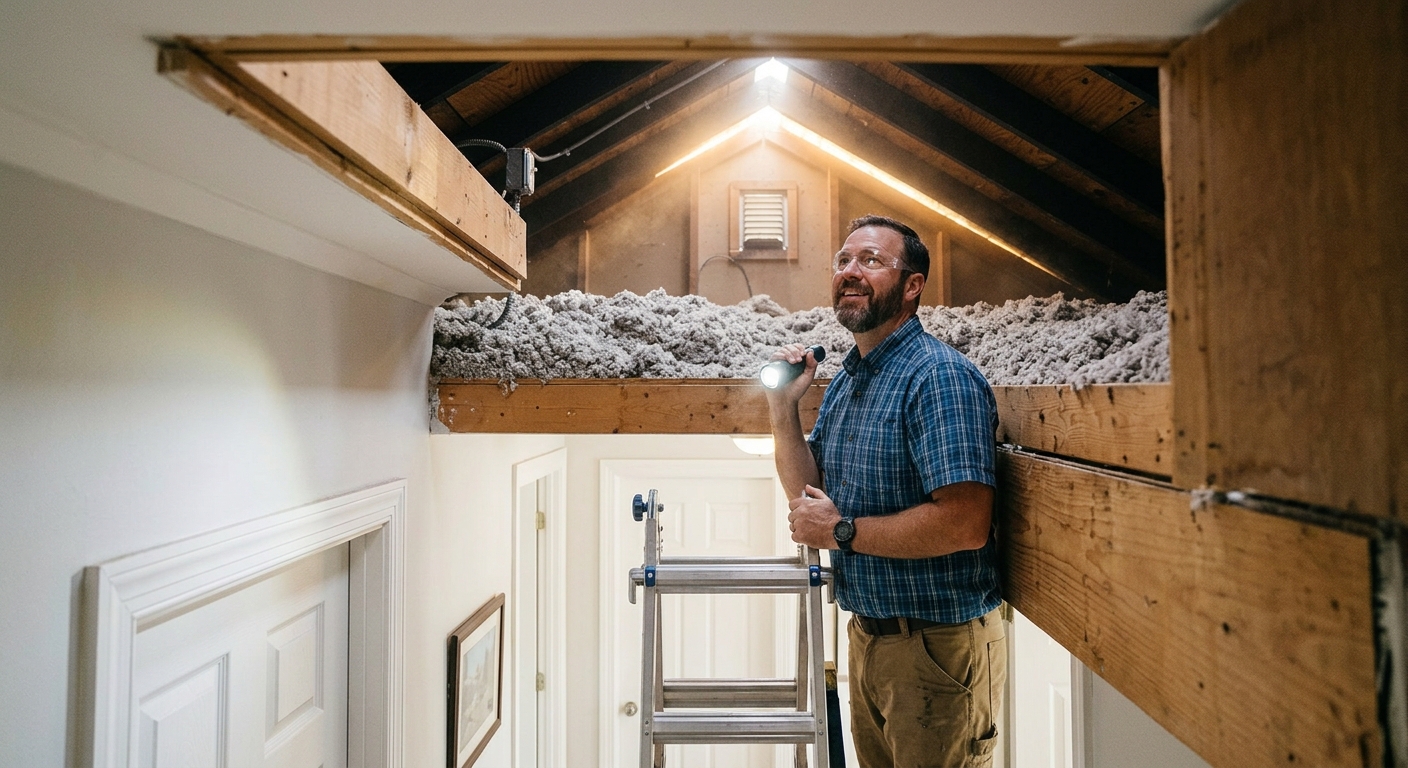
An unventilated or under-insulated attic can reach 150°F on a summer day, turning your upstairs into an oven that your AC simply cannot overcome. The good news is that a combination of air sealing, added insulation, and improved ventilation can cut that temperature gap by more than half and trim your cooling bills by up to 30%.
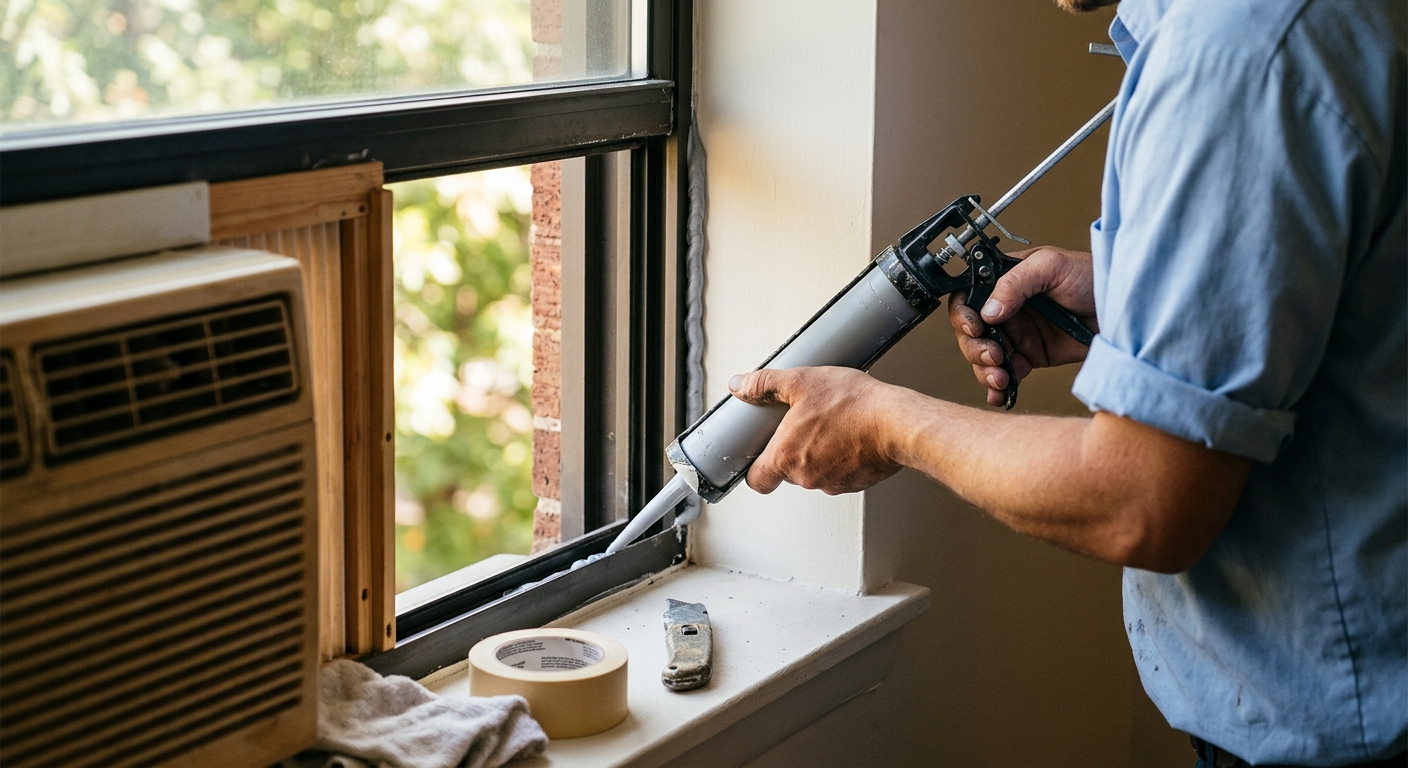
Hidden gaps and cracks around your home act like open windows, constantly pumping hot outdoor air into your cooled living space. Locating and sealing these leaks is one of the highest-return home improvements you can make, often paying back in a single cooling season.
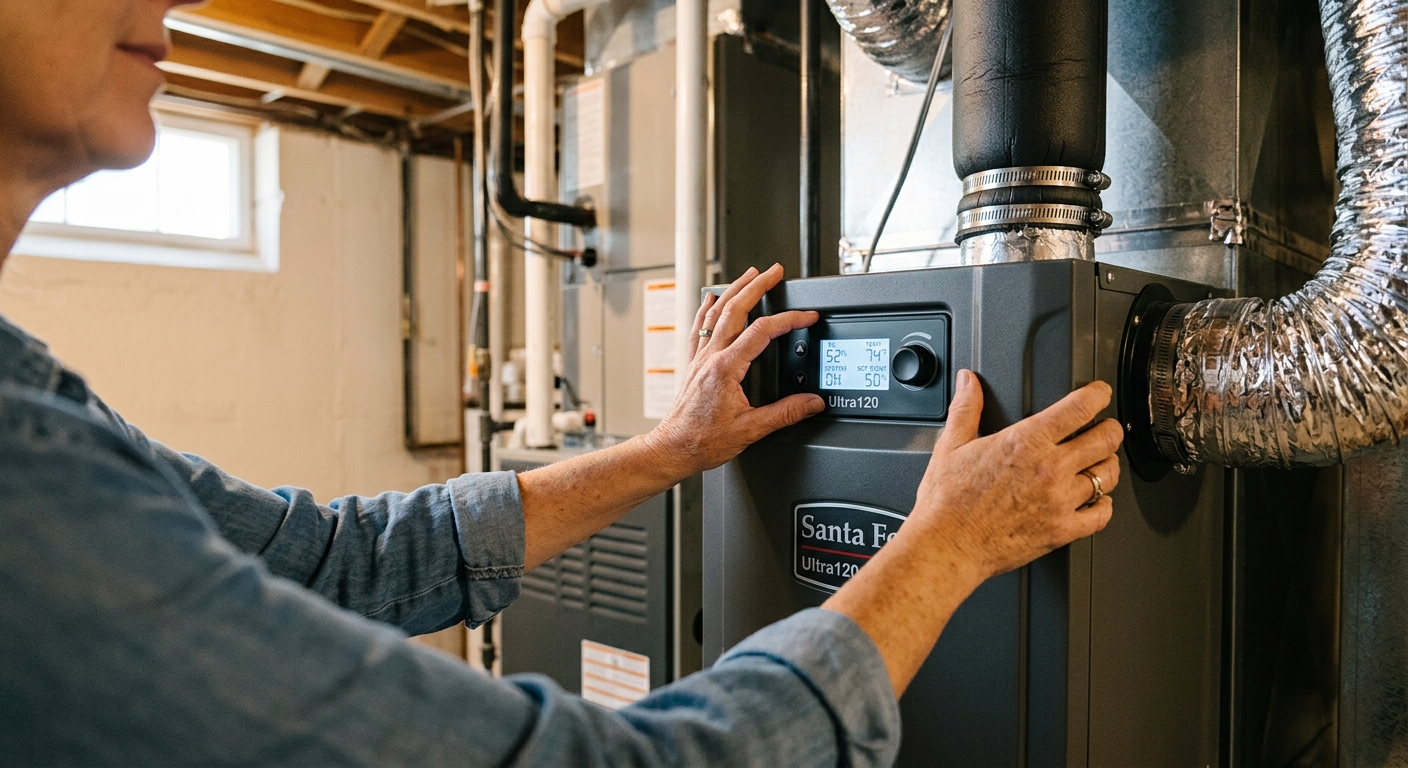
Skipping your furnace tune-up might seem like an easy way to save $100, but a neglected furnace quietly burns more fuel, breaks down at the worst times, and can become a safety hazard. Here is exactly what you risk, what a tune-up actually covers, and how to keep your system running efficiently whether you hire a pro or do part of the work yourself.
South-facing rooms can run 10 to 15 degrees hotter than the rest of your home in summer, turning a bright space into an oven by midday. The right combination of window treatments, airflow strategies, and targeted insulation upgrades can cut that heat load by up to 70% without sacrificing the natural light you love.
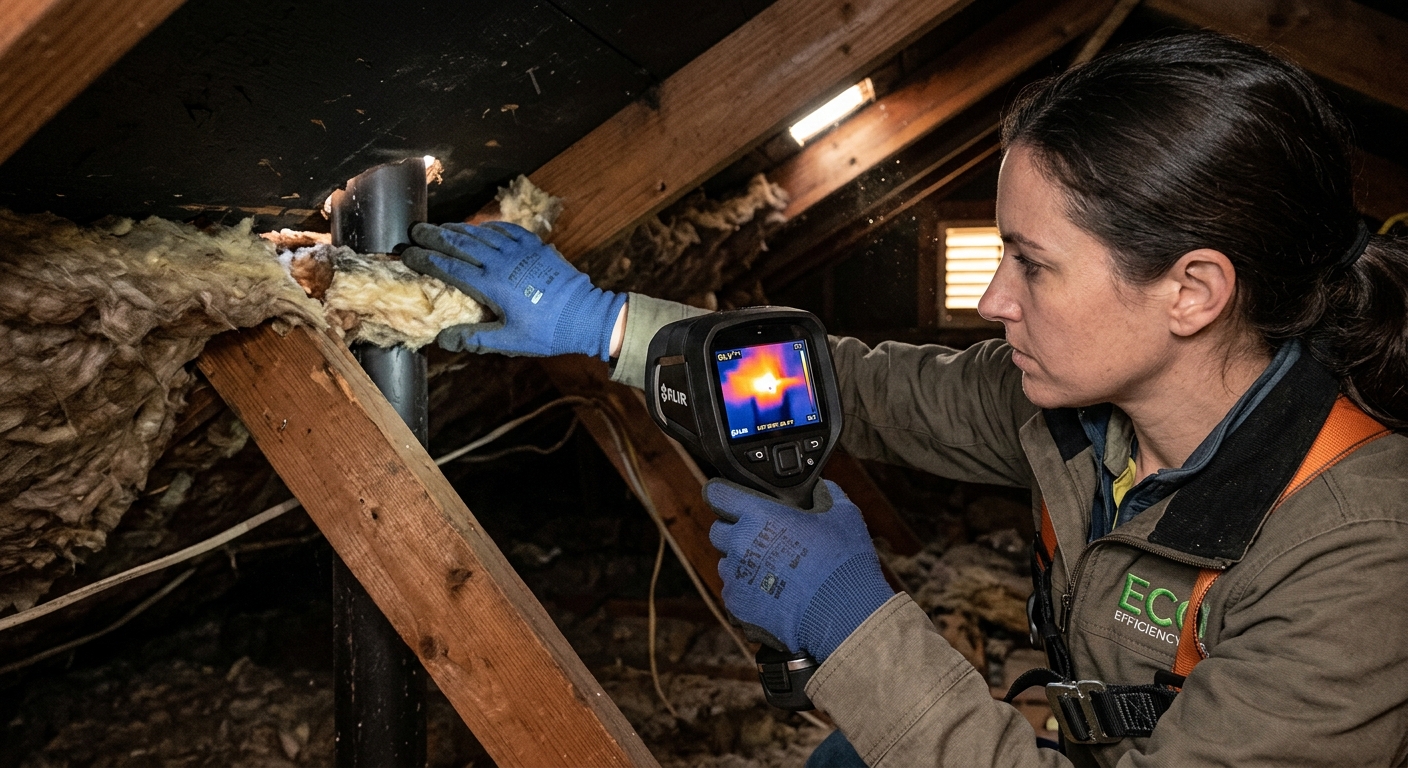
Your roof and attic are responsible for up to 25% of a home’s total heat loss in winter and significant heat gain in summer, yet most homeowners never think to check them. Learn the seven warning signs that your attic is quietly draining your energy budget, plus how to fix the problem yourself or know when to call a pro.
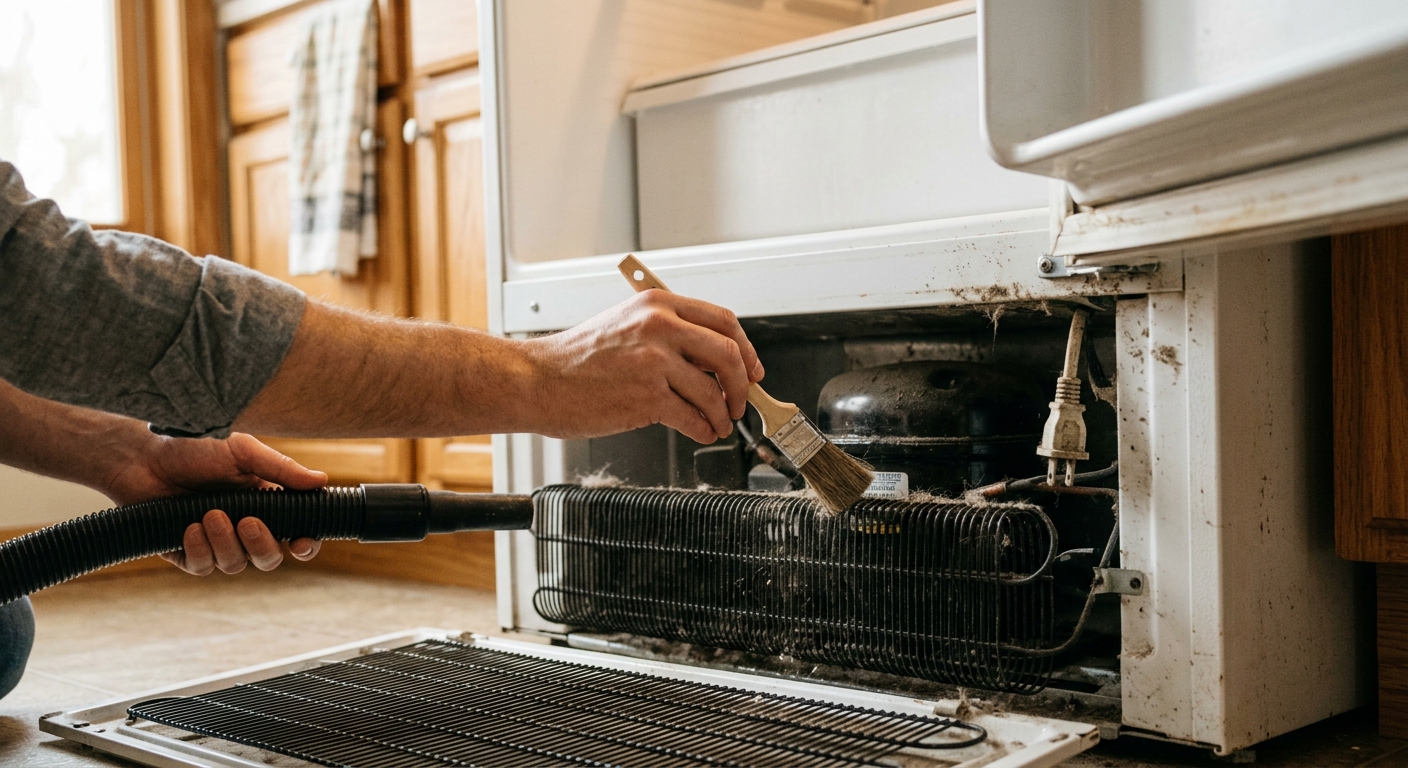
Your refrigerator runs 24 hours a day, 365 days a year, making it one of the top energy consumers in your home. The good news is that a few simple adjustments and upgrades can cut its energy use by 20 to 50%, with some fixes costing nothing at all.
Outdated or missing insulation quietly costs sellers thousands in negotiating power and buyers thousands in future energy bills. Upgrading your insulation before listing can add 2 to 6 percent to your home’s value while making it far more attractive to today’s energy-conscious buyers.
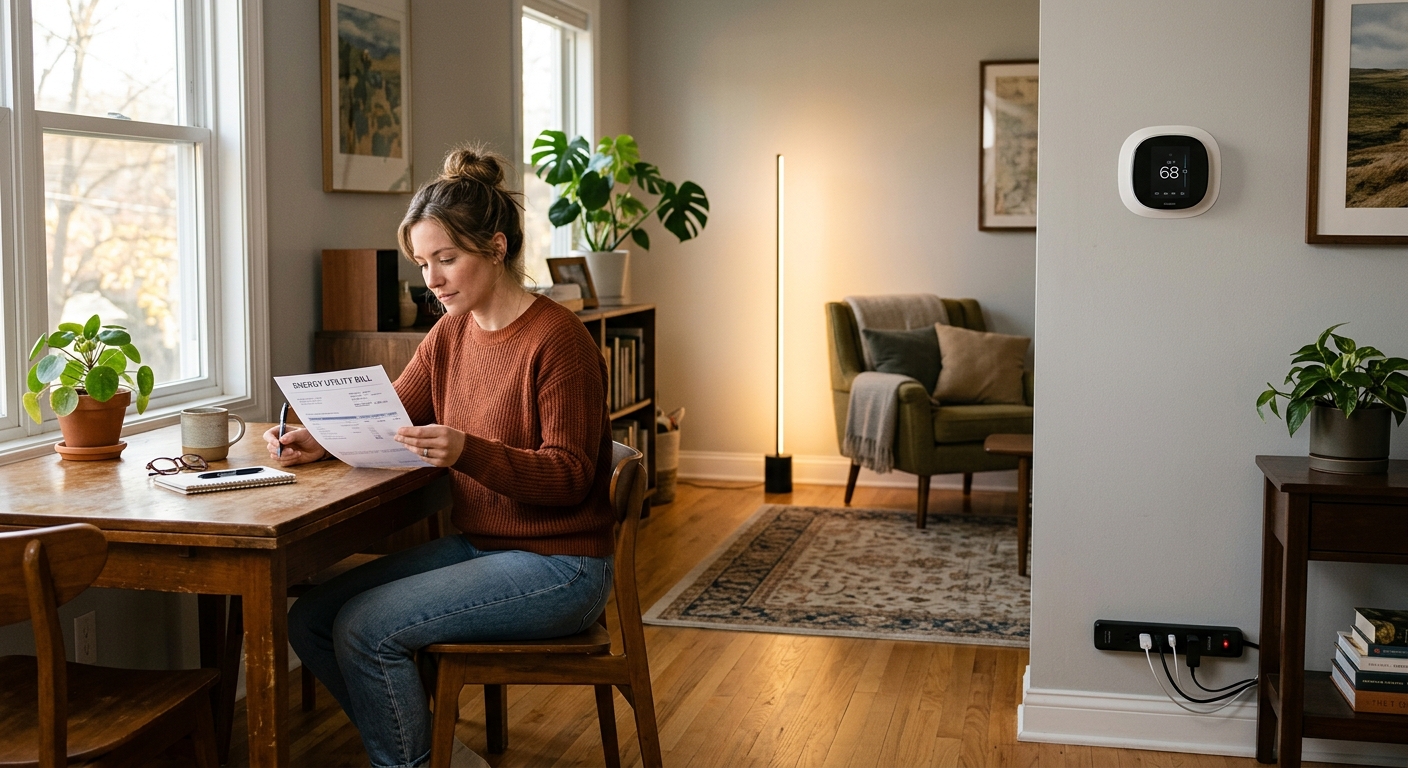
Most homeowners are unknowingly burning money on six completely avoidable energy habits that add up to hundreds of dollars a year. Fix these daily mistakes and you could cut your utility bills by 20 to 35% without replacing a single appliance.