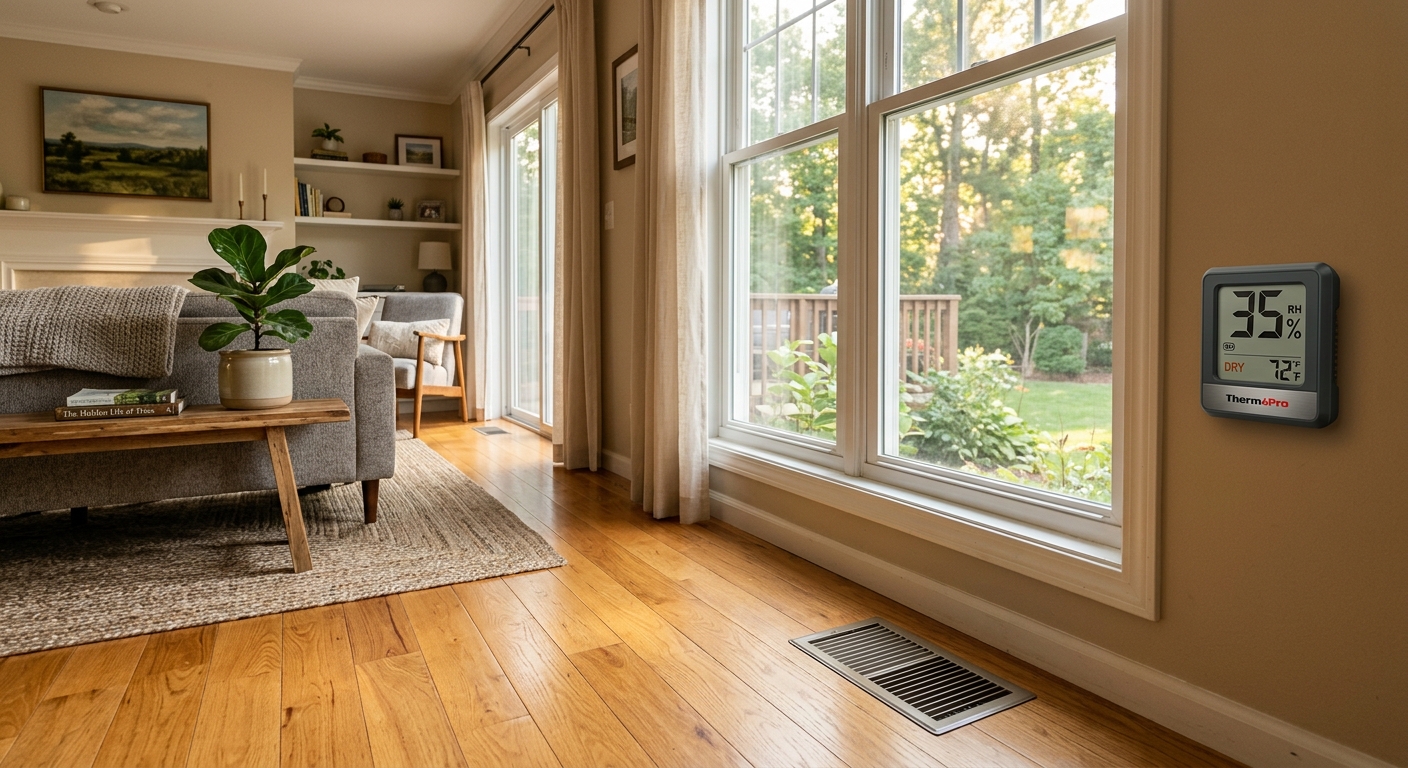
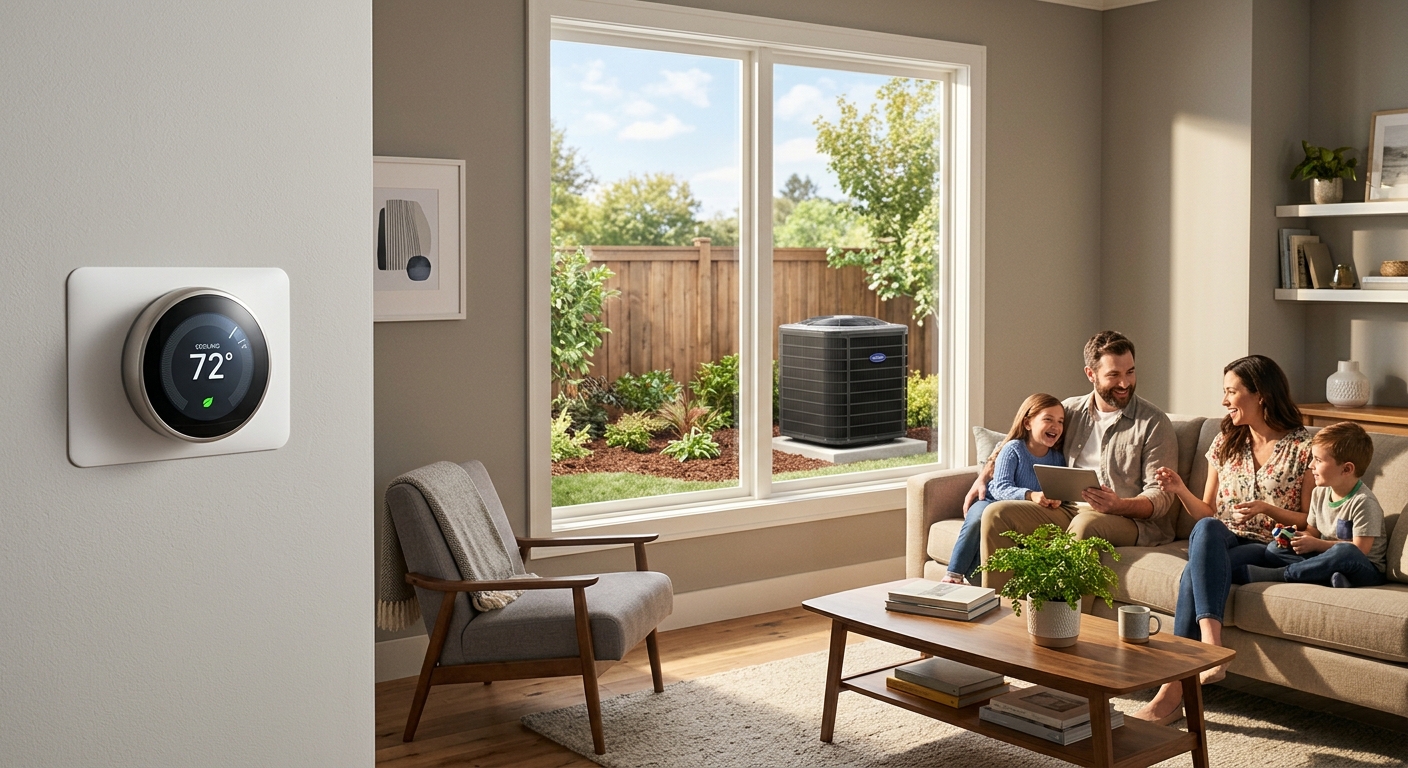
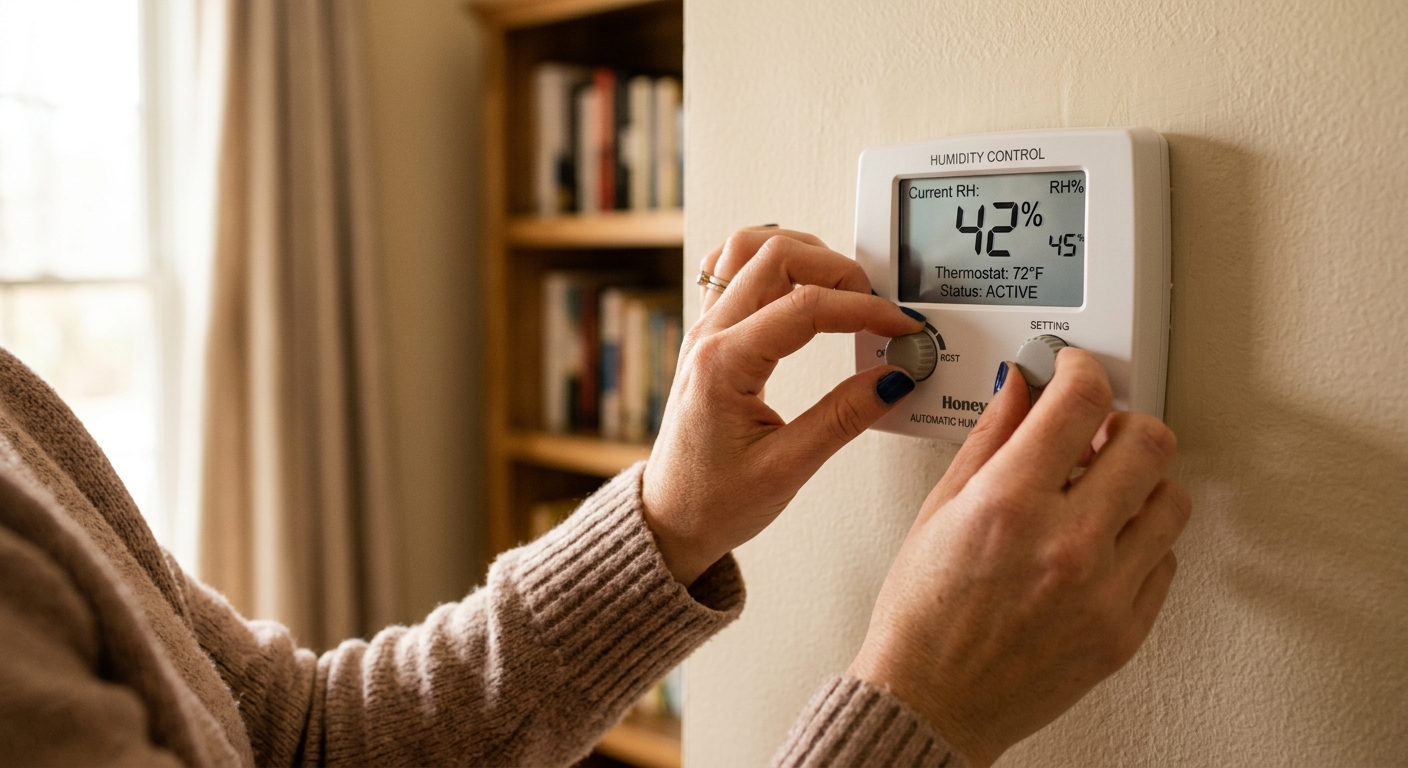
Most homeowners set their humidifier or dehumidifier once and forget it, but running the same humidity level year-round wastes energy and can damage your home. Targeting 30 to 35% relative humidity in winter and 45 to 50% in summer keeps you comfortable, protects your home, and trims 10 to 15% off your HVAC bills.
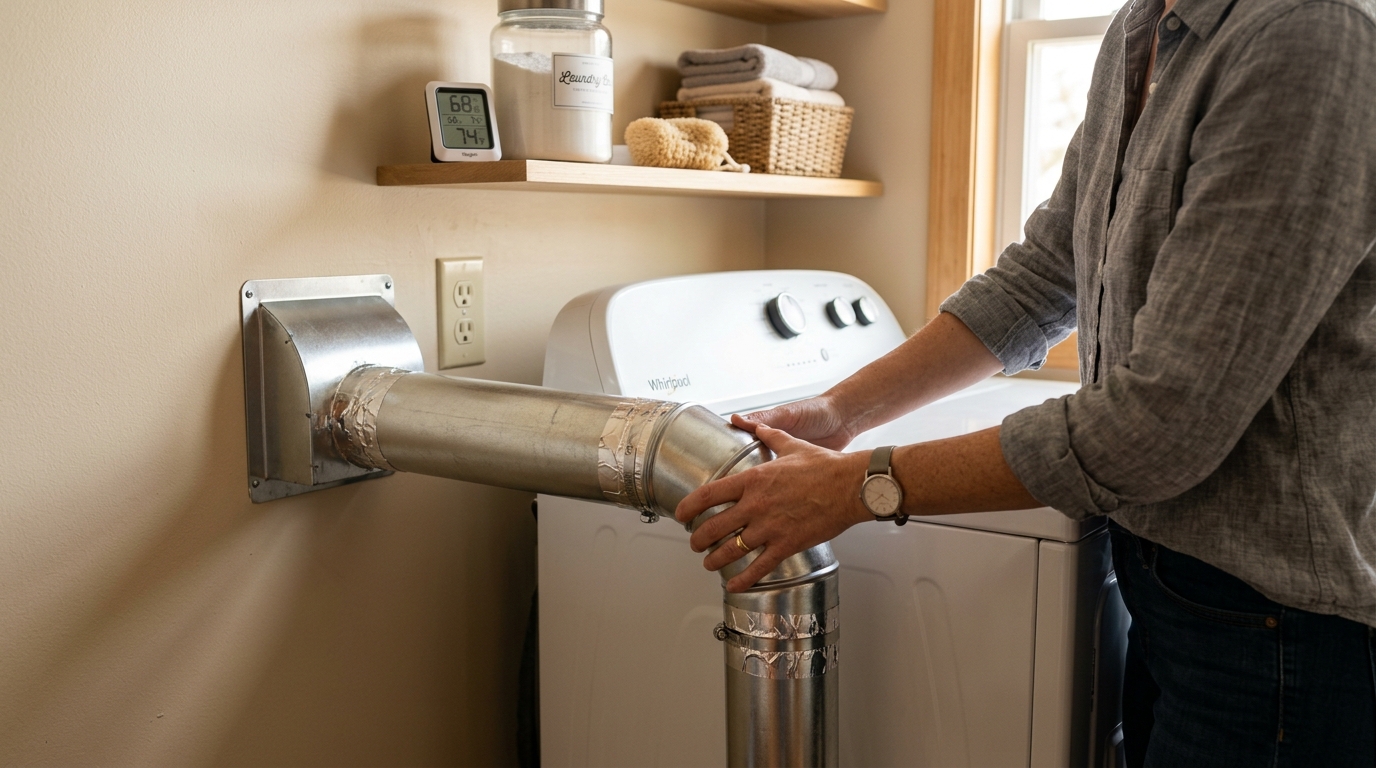
A perpetually damp laundry room is not just uncomfortable, it is a warning sign that your dryer vent or exhaust system is failing to move moisture out of your home. One afternoon of targeted fixes can eliminate the humidity, protect your home from mold, and even trim your dryer’s energy use by up to 30%.
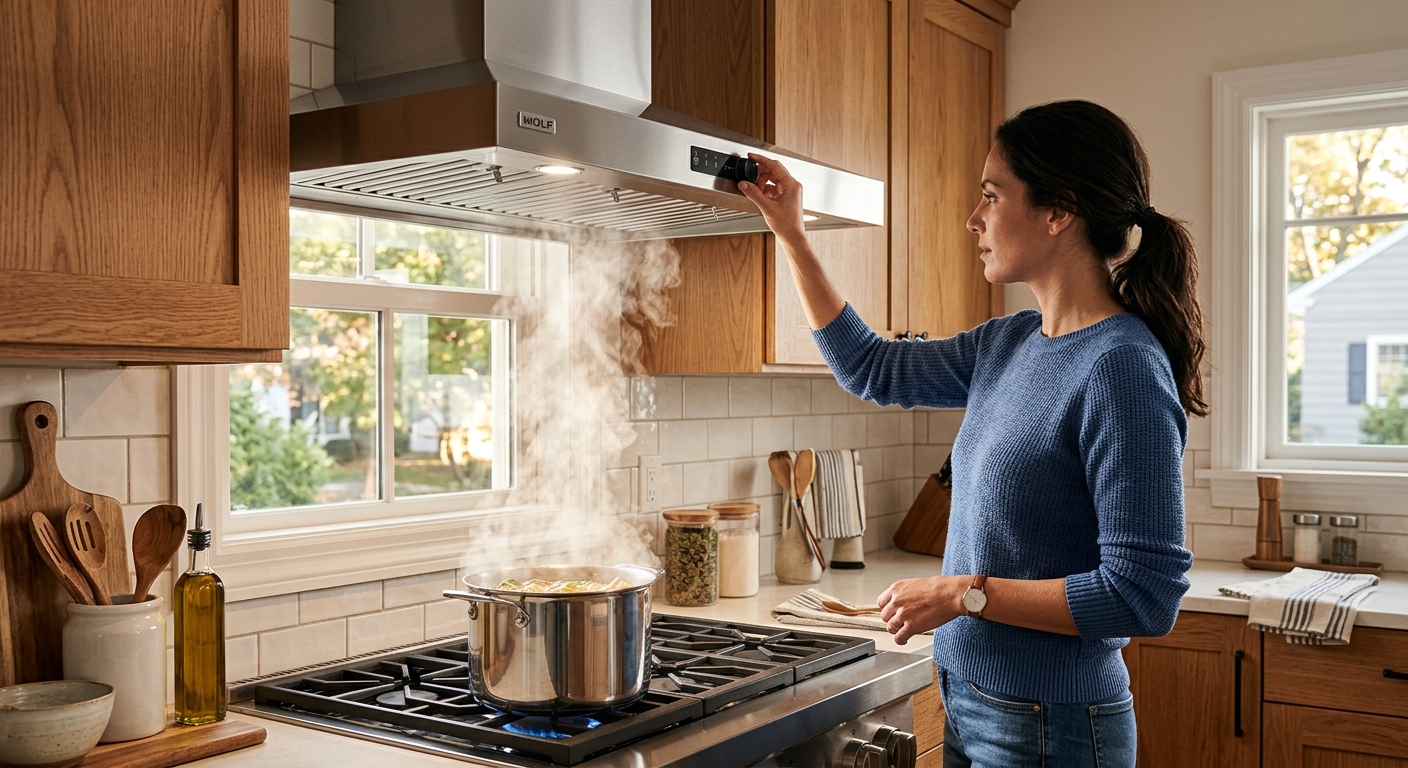
Most homes trap pollutants, moisture, and stale air because of three fixable ventilation failures. Addressing them in the right order can cut indoor pollutant concentrations by up to 50% and noticeably improve comfort within days.
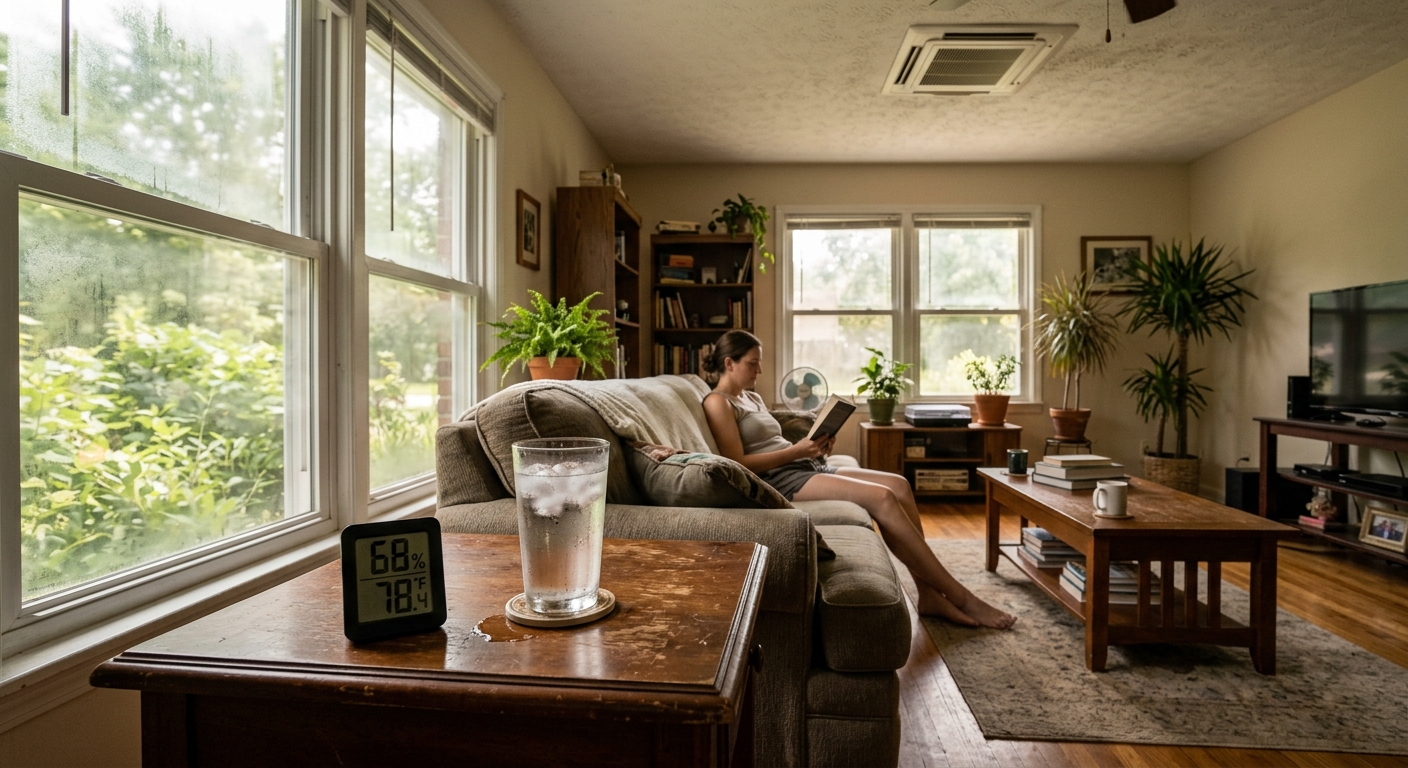
High indoor humidity makes 78°F feel like 85°F, forcing your AC to work harder and leaving your home feeling clammy no matter how low you set the thermostat. A whole-home or portable dehumidifier can cut perceived temperature by 4 to 6 degrees and trim cooling bills by 10 to 15%.
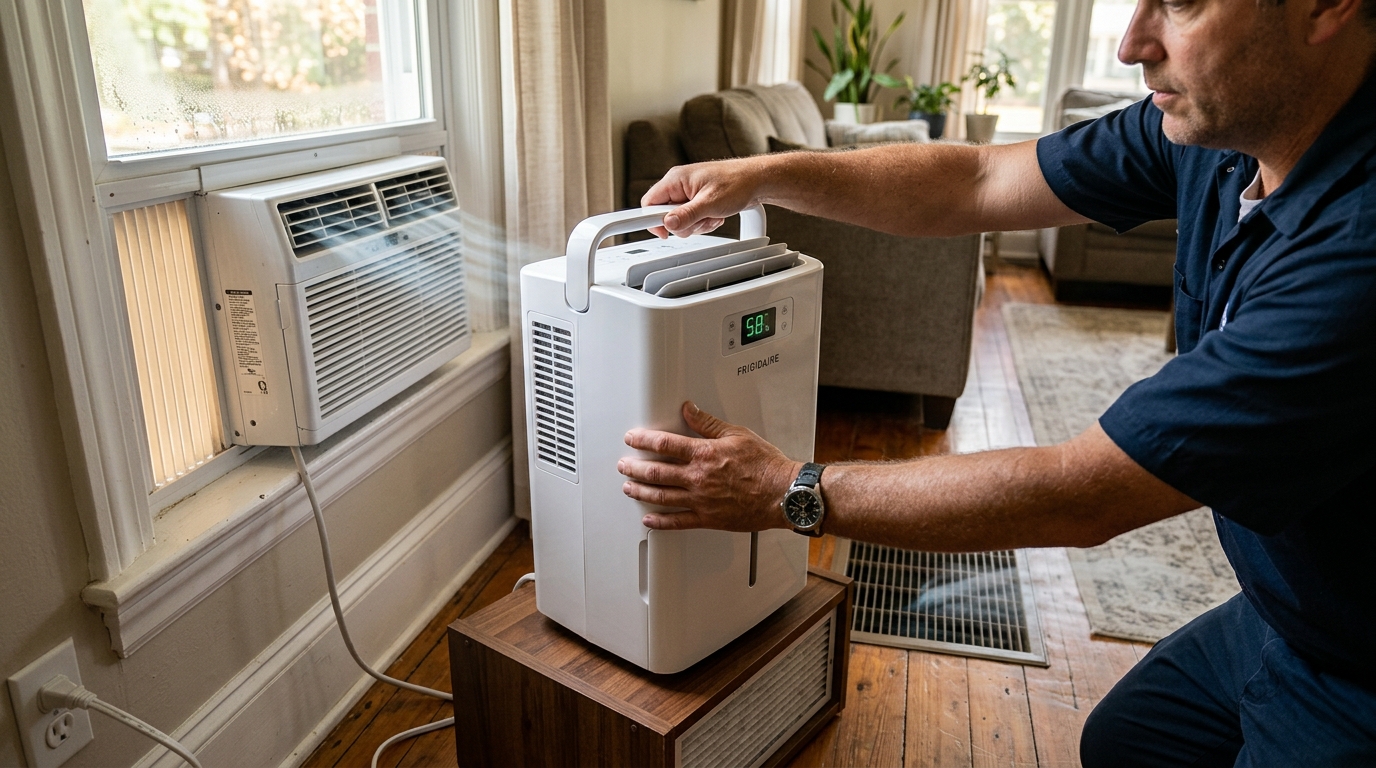
High indoor humidity forces your air conditioner to work overtime, raising bills and leaving rooms feeling sticky even at cool temperatures. Placing a dehumidifier strategically can cut your AC runtime by 10 to 20% and make 76°F feel as comfortable as 72°F.
When indoor humidity climbs above 60%, your home can feel 10 degrees hotter than the thermostat reads, driving up energy bills as your AC struggles to keep up. Understanding and controlling moisture is the missing piece most homeowners never address.
Running your AC but still sweating indoors is a sign your system is cooling without properly dehumidifying. This post explains the real reasons humidity lingers and gives you step-by-step fixes from free adjustments to professional upgrades.
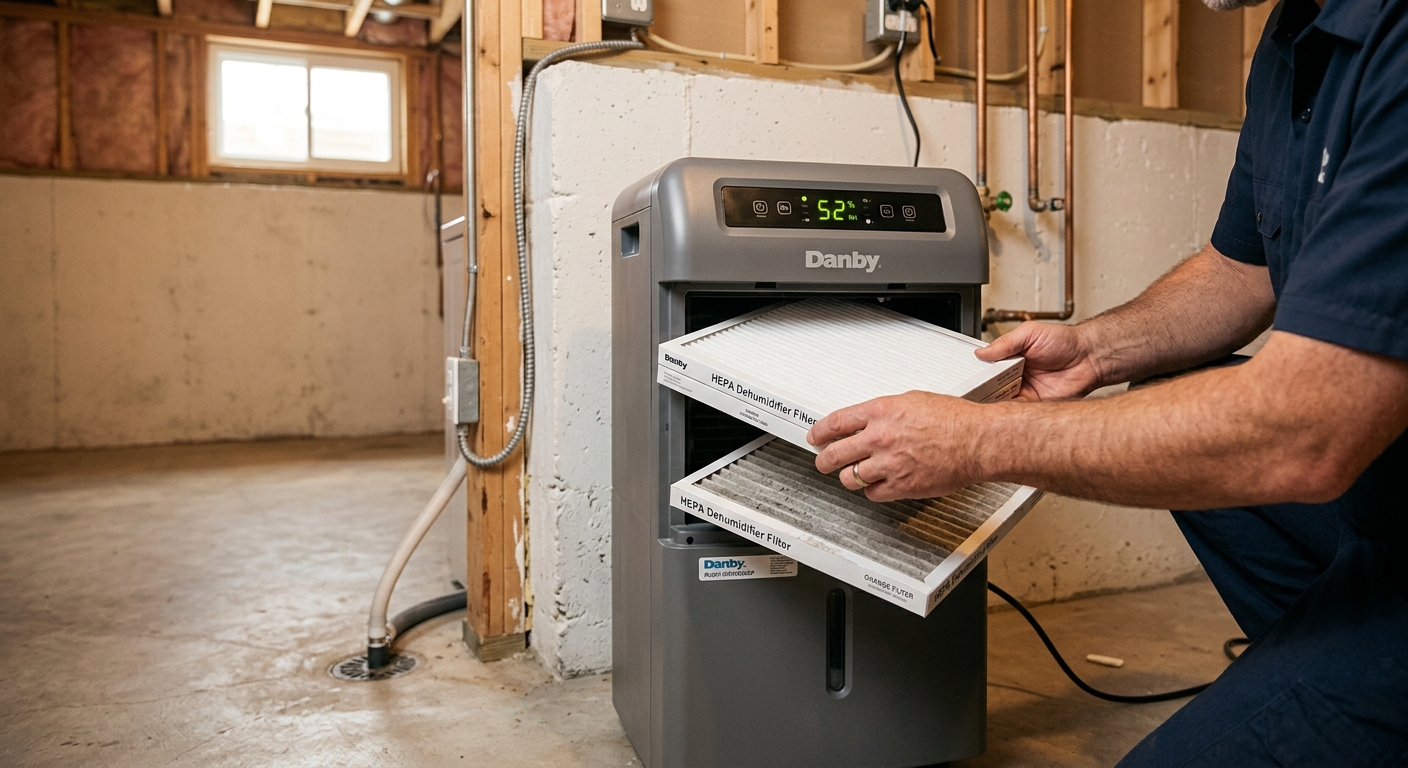
Summer humidity turns basements into clammy, musty spaces that can damage belongings and grow mold within 48 hours. Understanding why moisture enters and which fixes actually work can save you hundreds in repairs and slash cooling costs by up to 15%.
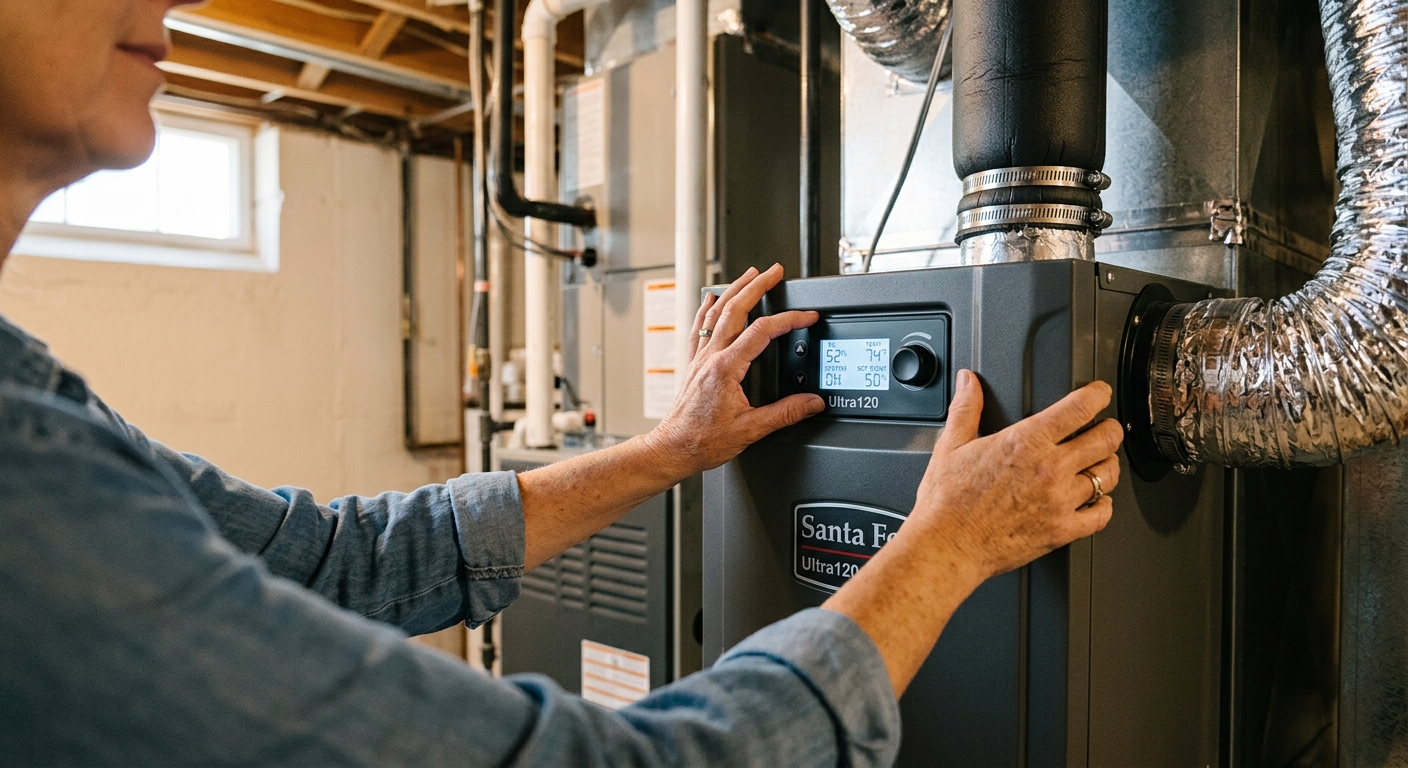
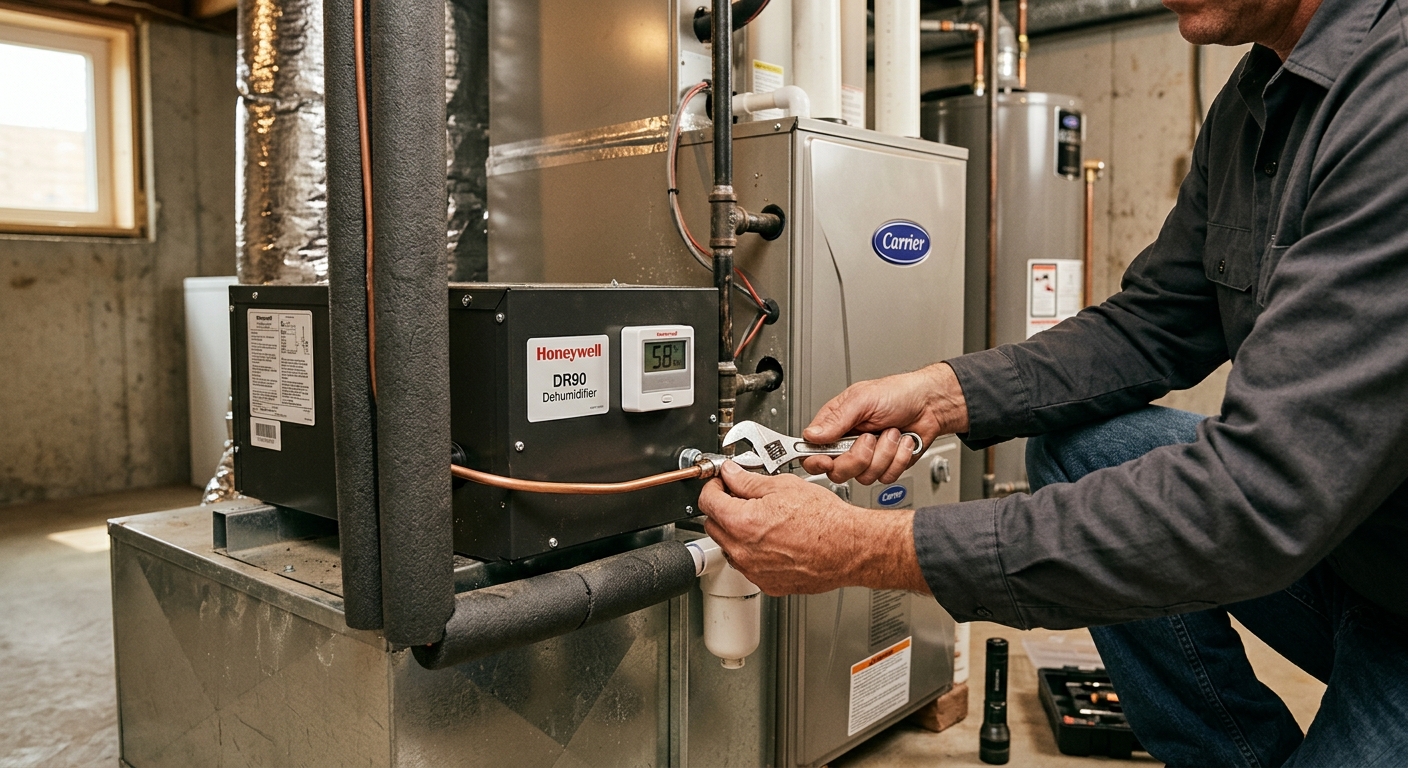
Single-speed HVAC systems blast on at full power, then shut off abruptly, leaving your home with temperature swings, humidity problems, and higher bills. Upgrading to a variable-speed system lets your HVAC modulate its output to match your home’s actual needs, delivering steadier temperatures, lower humidity, and real energy savings.
Most homeowners obsess over thermostat numbers while ignoring the humidity level that actually determines how comfortable they feel. Keeping indoor relative humidity between 40 and 50 percent can make a 75°F home feel as comfortable as a 70°F home, letting you raise your thermostat setpoint and cut cooling bills by up to 15 percent.