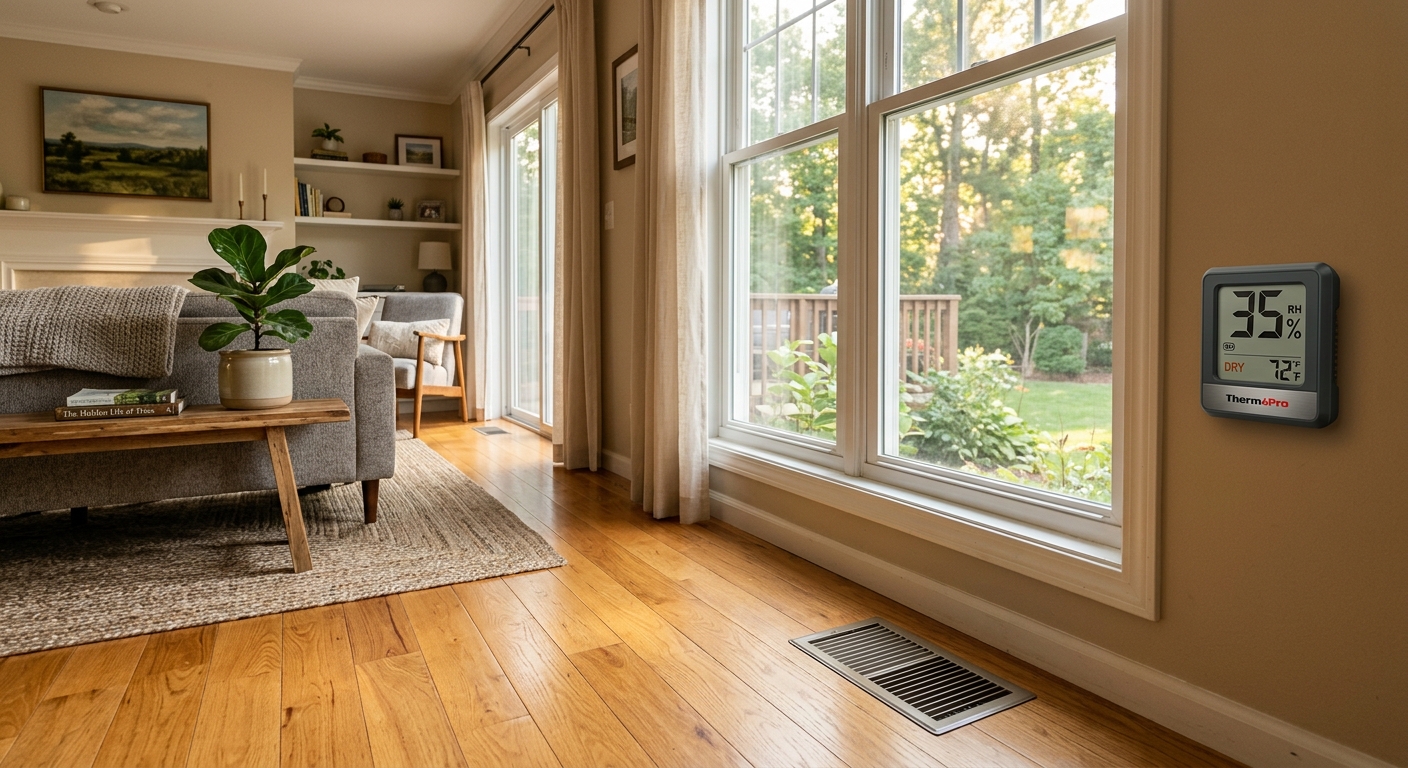
Most homeowners set their humidifier or dehumidifier once and forget it, but running the same humidity level year-round wastes energy and can damage your home. Targeting 30 to 35% relative humidity in winter and 45 to 50% in summer keeps you comfortable, protects your home, and trims 10 to 15% off your HVAC bills.
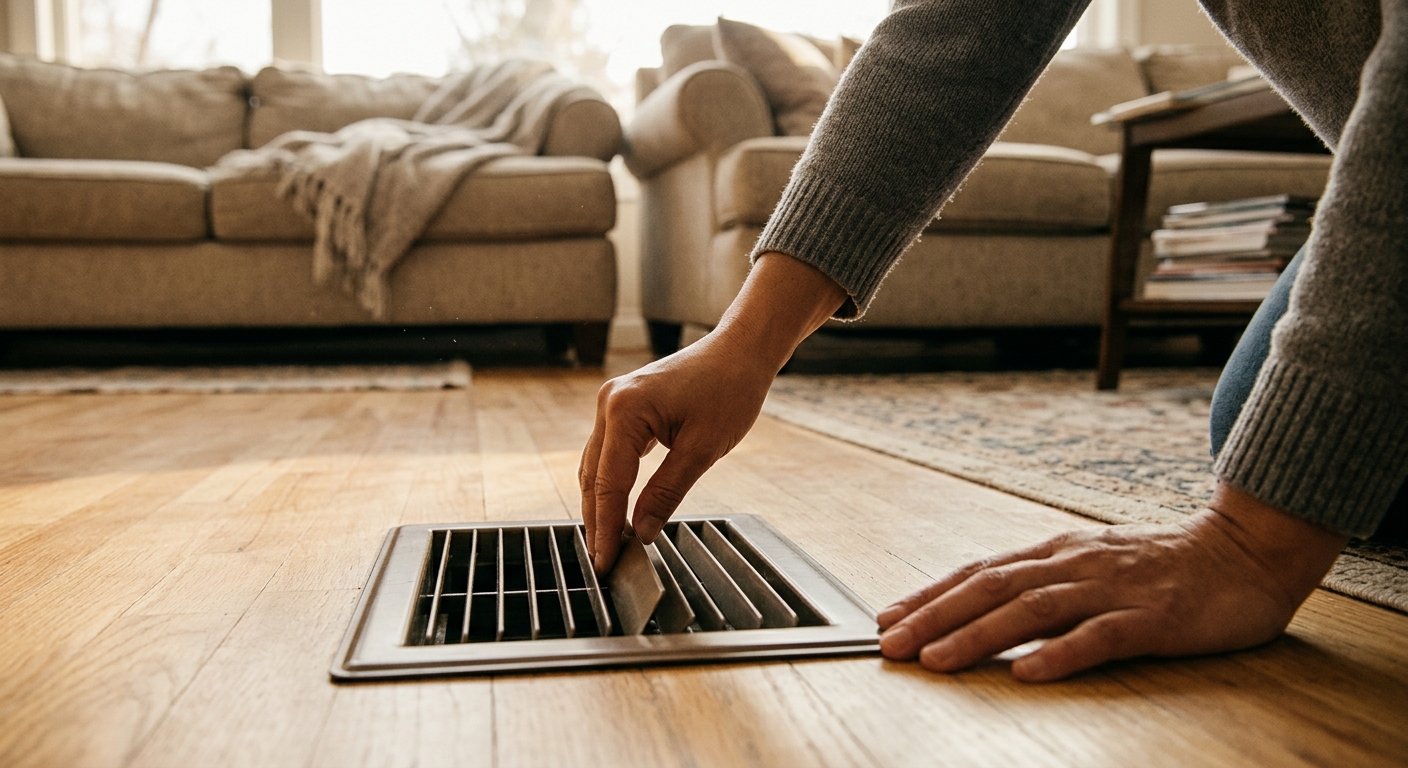
Closing vents in unused rooms seems like a smart way to save energy, but it actually increases pressure in your duct system and forces your HVAC to work harder. Here is what building science says actually works, and the simple fixes that deliver real comfort and savings.
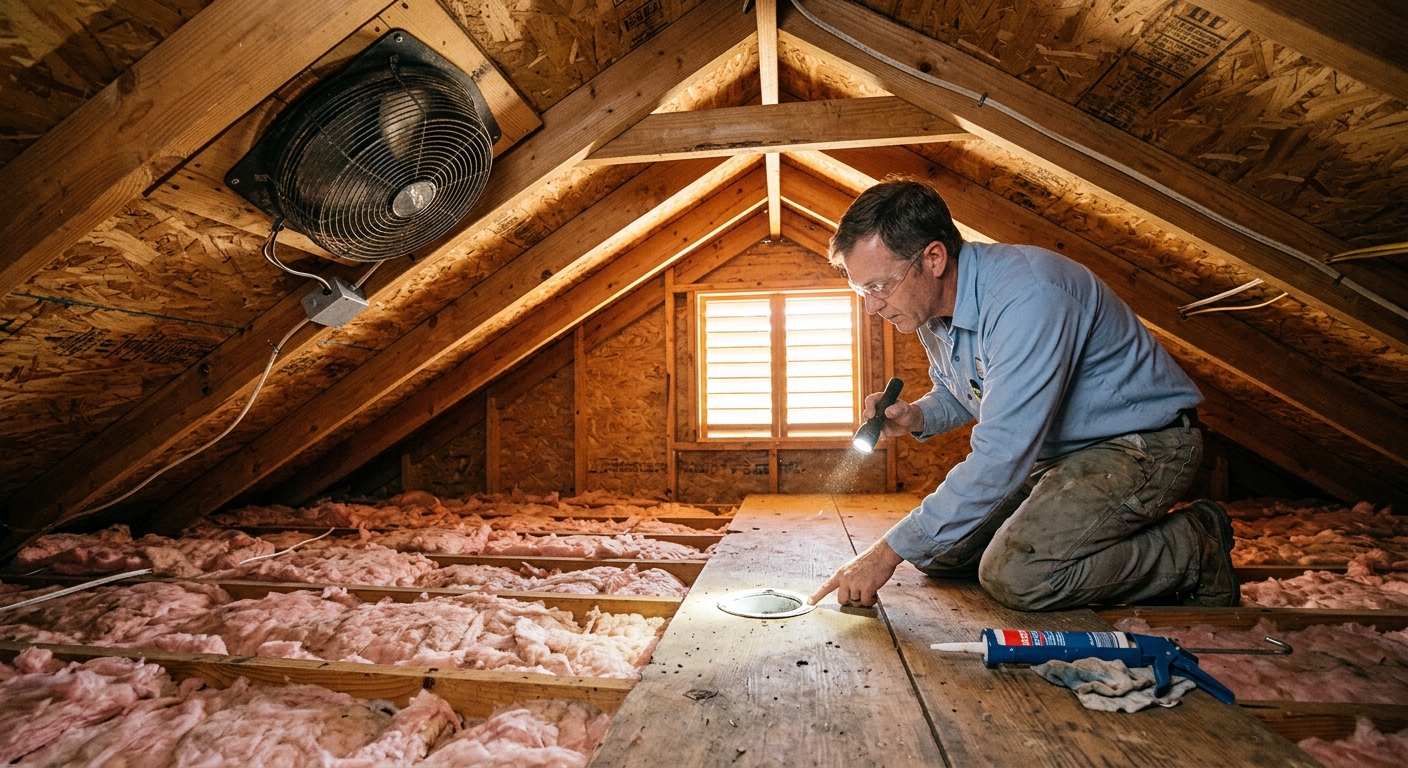
Attic fans are sold as energy savers, but under the wrong conditions they can actually pull expensive conditioned air out of your living space and spike your cooling bills. Learn how to test your setup, correct common mistakes, and decide whether your attic fan is helping or hurting.
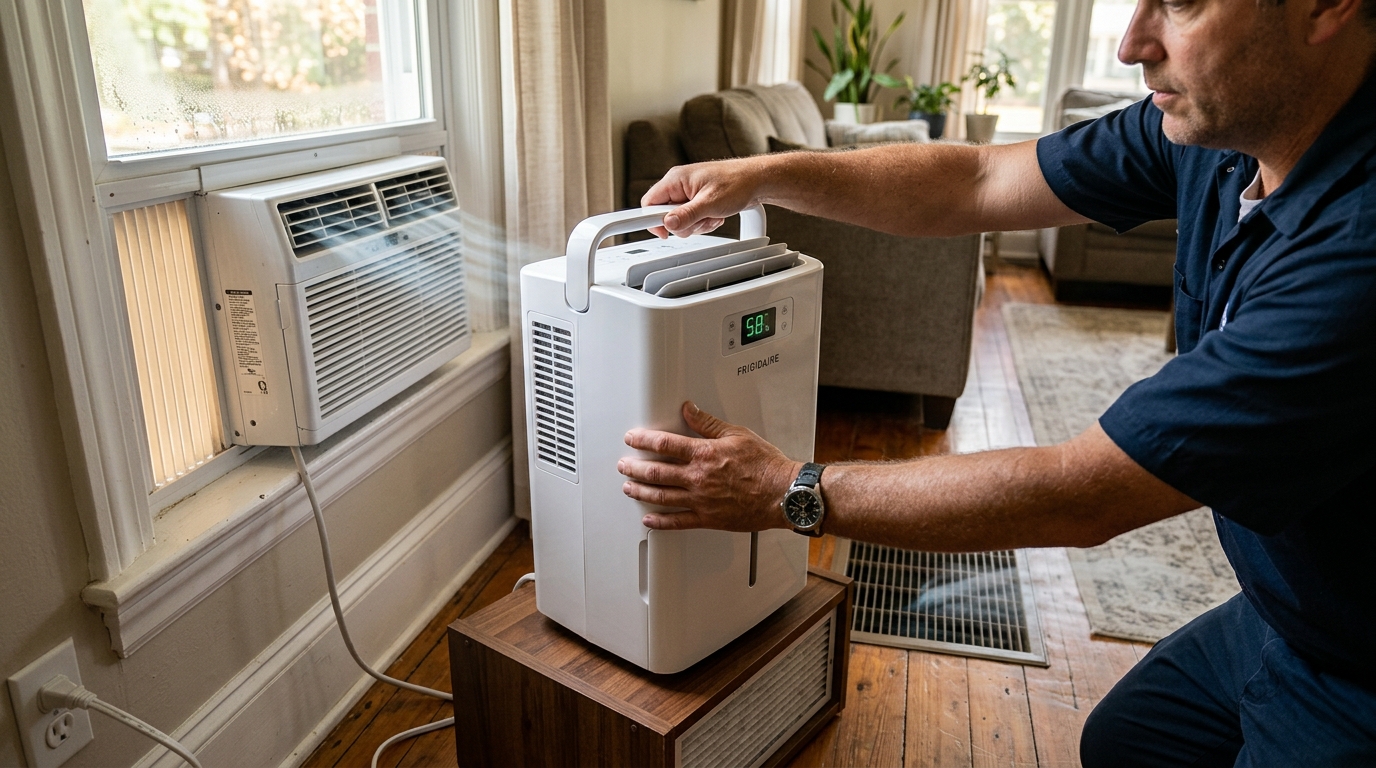
High indoor humidity makes 78°F feel like 85°F, forcing your AC to work harder and leaving your home feeling clammy no matter how low you set the thermostat. A whole-home or portable dehumidifier can cut perceived temperature by 4 to 6 degrees and trim cooling bills by 10 to 15%.
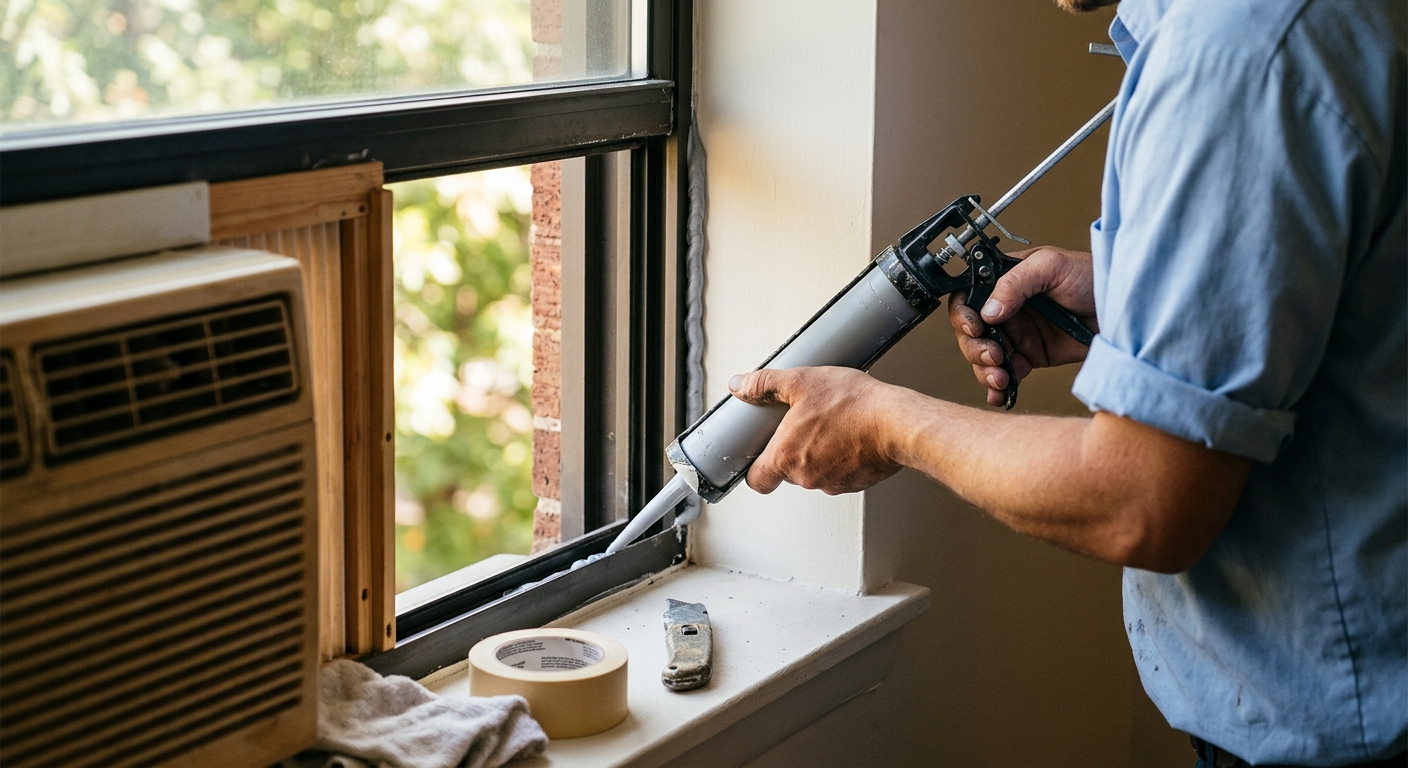
Most homeowners replace a struggling AC unit when the real problem is an oversized cooling load the existing system was never designed to handle. Reducing heat gain through air sealing, shading, and insulation can cut cooling costs by 25 to 40% and may eliminate the need for a bigger unit entirely.
High indoor humidity forces your air conditioner to work overtime, raising bills and leaving rooms feeling sticky even at cool temperatures. Placing a dehumidifier strategically can cut your AC runtime by 10 to 20% and make 76°F feel as comfortable as 72°F.
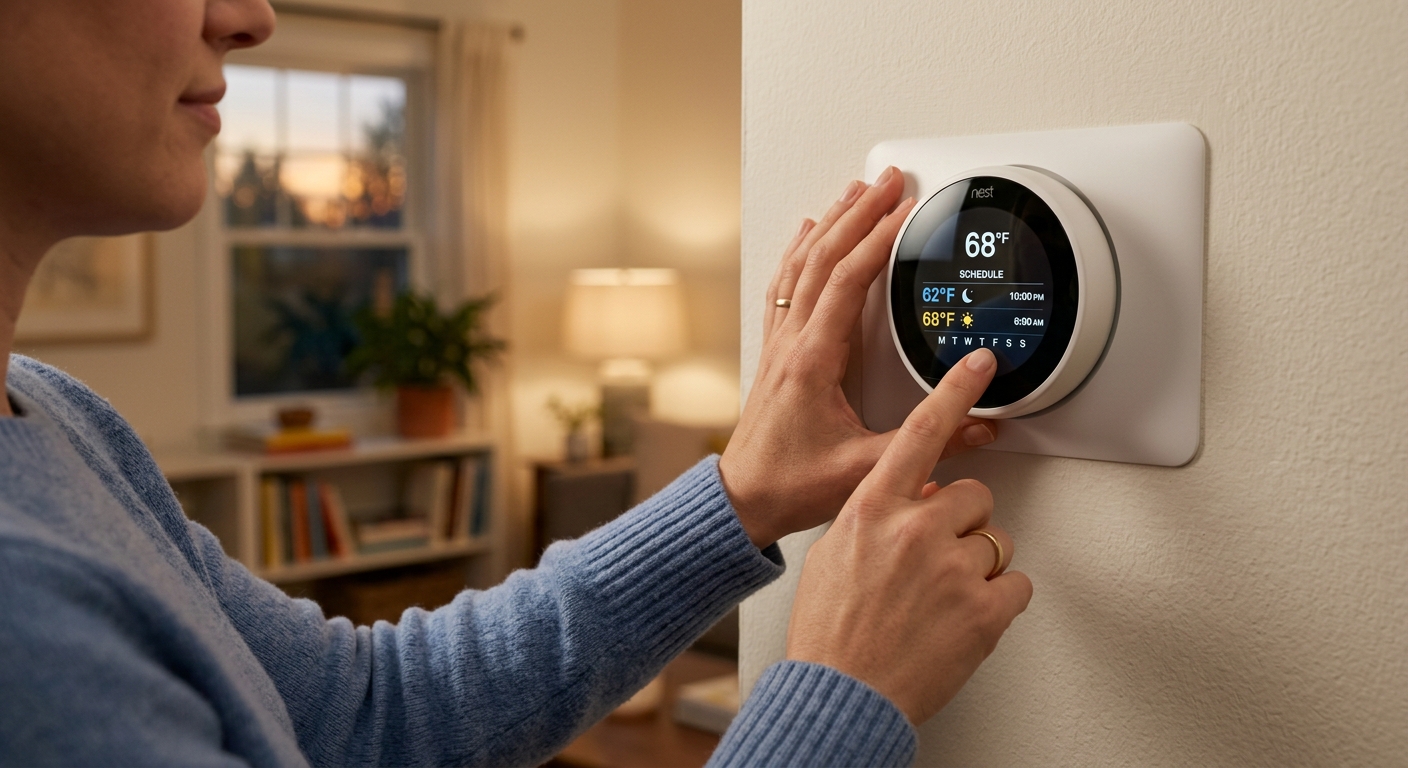
Most homeowners leave their thermostat at the same temperature all day, quietly wasting hundreds of dollars a year. A properly programmed thermostat schedule can cut heating and cooling bills by 10 to 15% with zero ongoing effort.
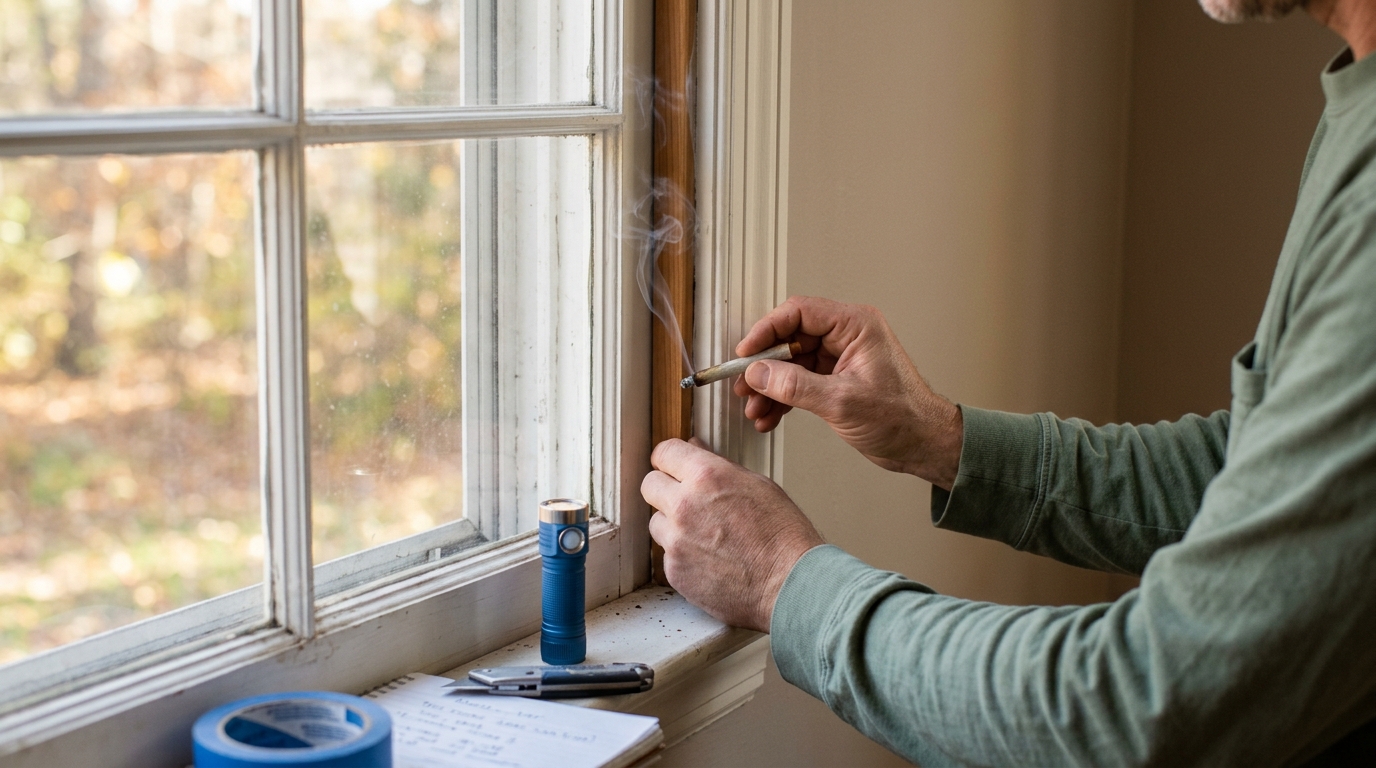
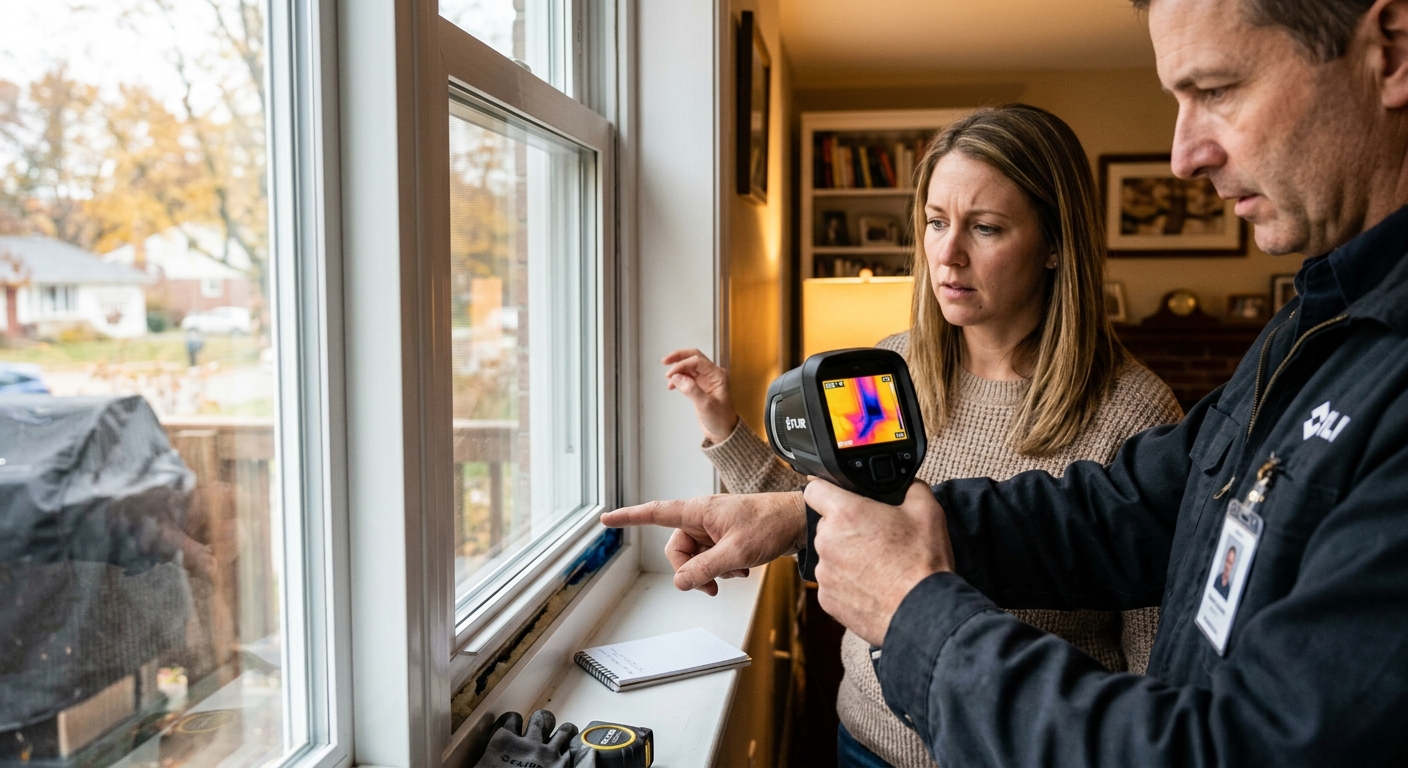
Air leaks can account for 25 to 40% of your heating and cooling costs, yet most homeowners have no idea where they are. A single afternoon of detective work can pinpoint the gaps draining your comfort and your wallet.
Replacing windows is one of the most common home upgrades, yet most homeowners are disappointed by the actual savings on their energy bills. The problem usually isn’t the windows themselves – it’s everything around them that was overlooked during installation.
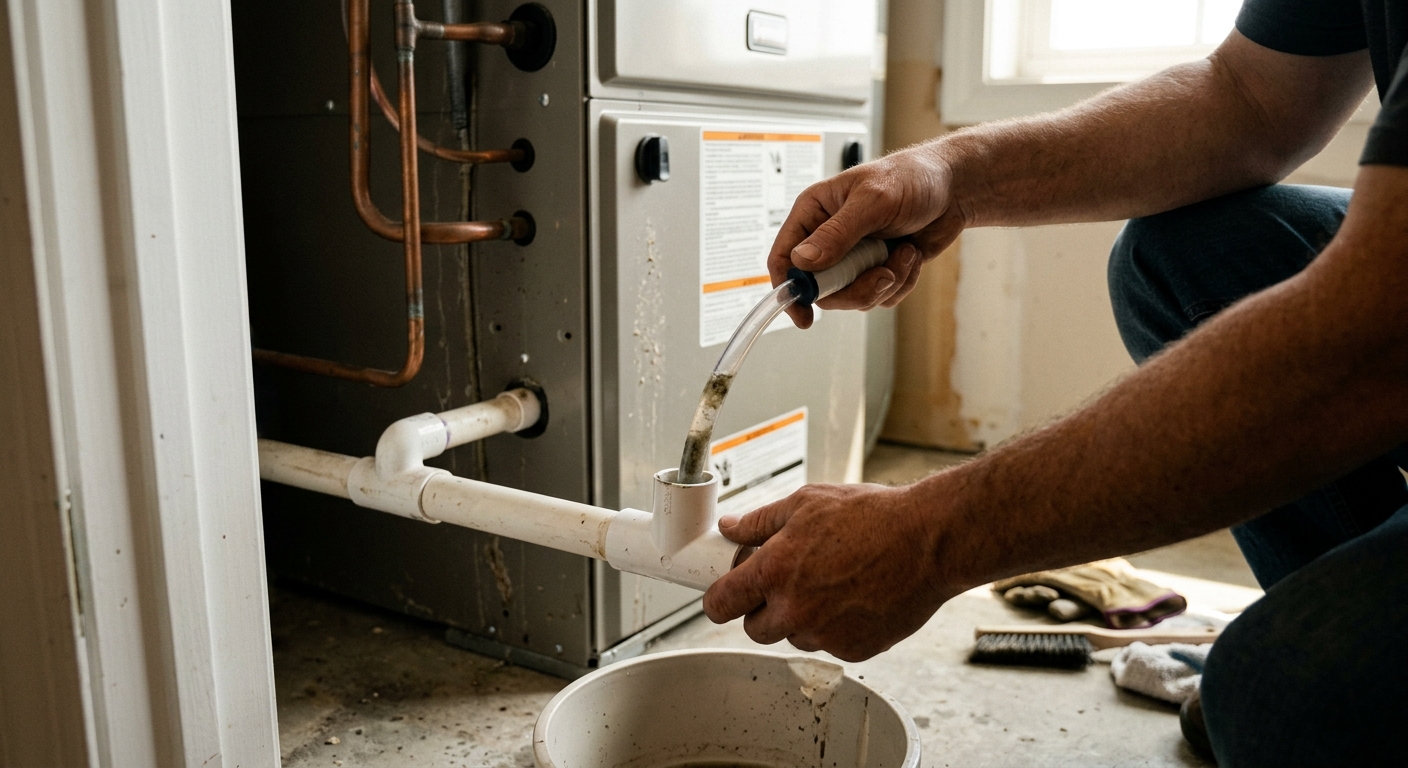
A clogged AC condensate drain line is one of the most common causes of water damage in homes, yet most homeowners never touch it. Spending 30 minutes and less than $20 once or twice a year can prevent ceiling collapses, mold remediation bills, and HVAC shutdowns that routinely cost $500 to $2,000 to fix.