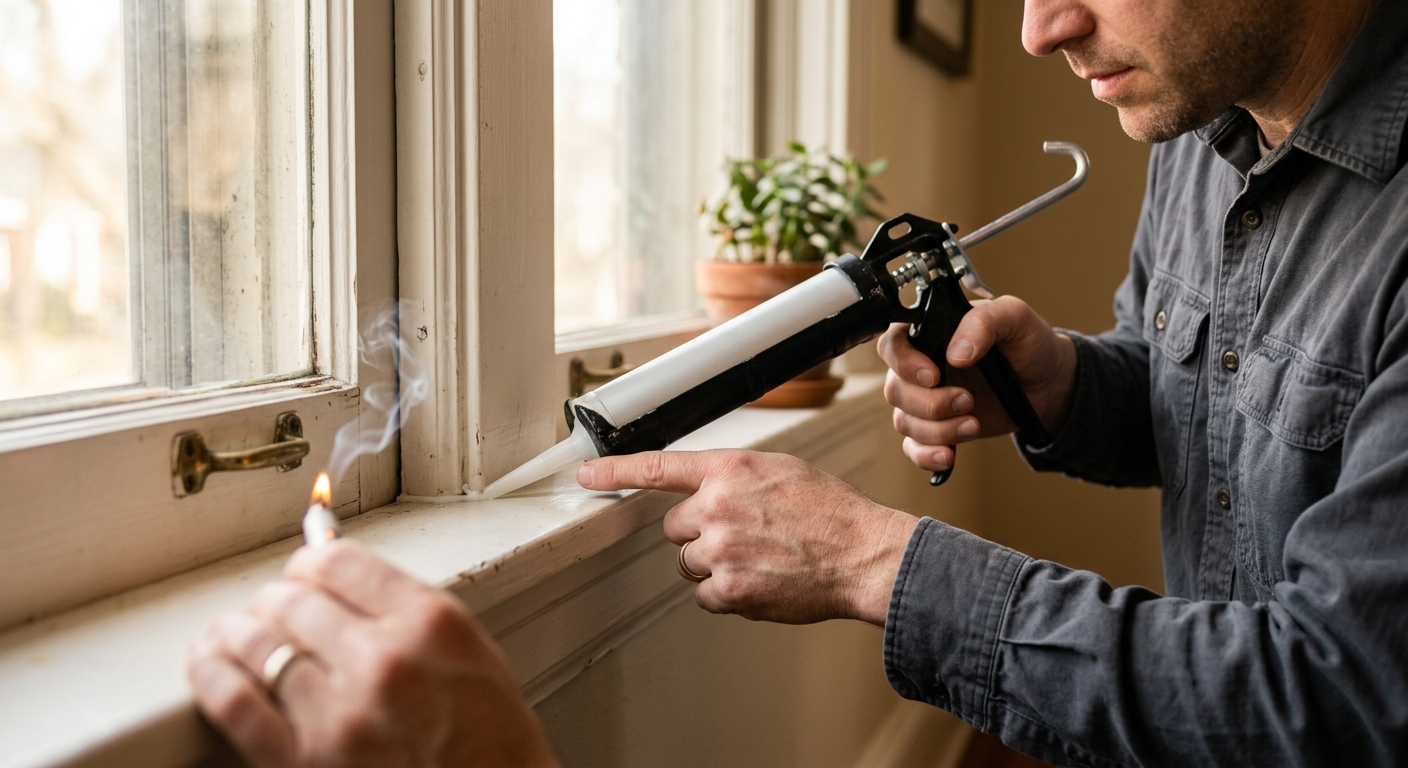
Hidden air leaks in the average home waste 25 to 40% of heating and cooling energy, adding up to $200 to $400 per year in unnecessary utility costs. In about an hour and with under $50 in materials, most homeowners can seal the worst offenders and start saving immediately.
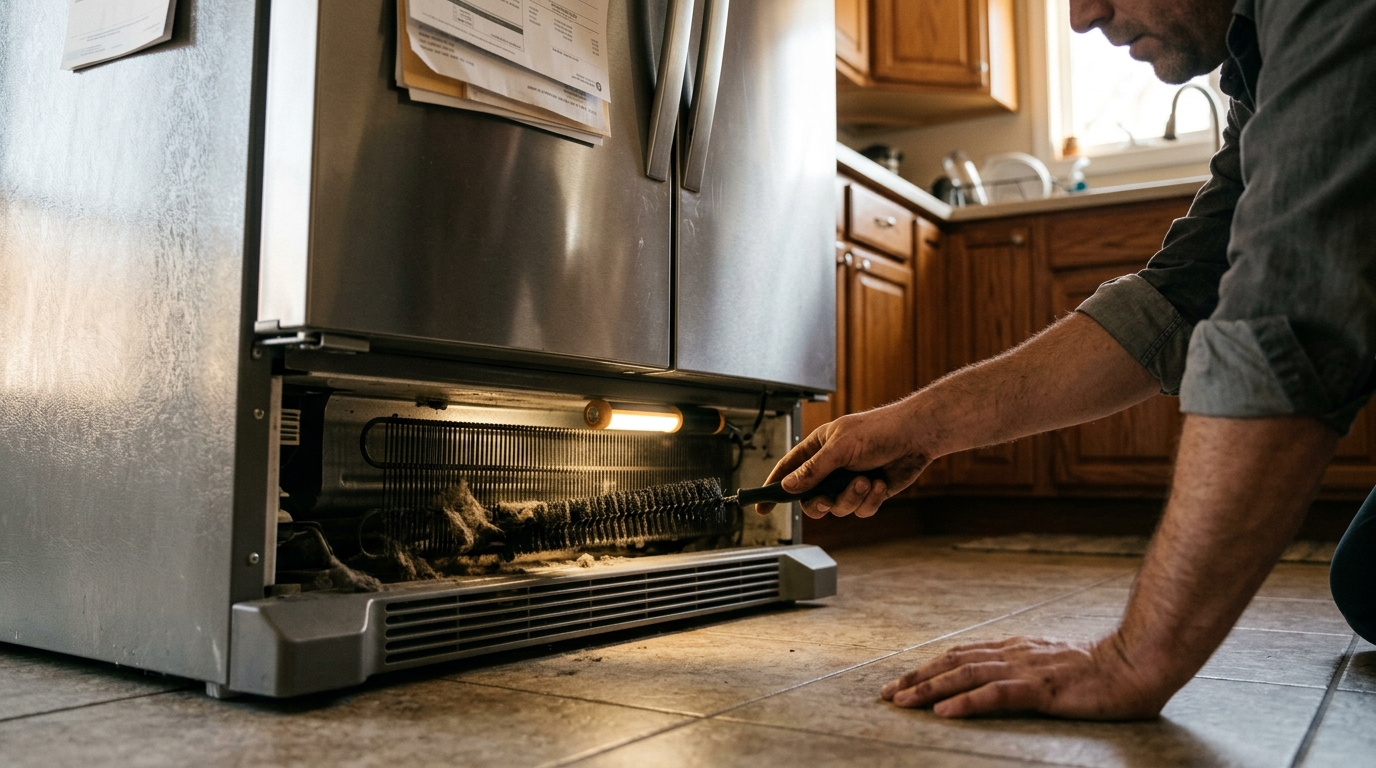
Most homeowners blame their HVAC for high energy bills, but the refrigerator runs 24 hours a day, 365 days a year, quietly draining hundreds of dollars annually. With a few targeted adjustments and upgrades, you can cut your fridge’s energy use by 20 to 50% without spending a fortune.
Drafty, single-pane, or poorly sealed windows can quietly add 10 to 25% to your monthly energy bill without you ever noticing. This post breaks down exactly what old windows cost you, how to measure the damage, and what you can do about it today.
Most homeowners overpay on energy bills because they have no idea where the waste is actually happening. A single weekend walkthrough of your home, using mostly free tools, can reveal fixes that pay back hundreds of dollars every year.
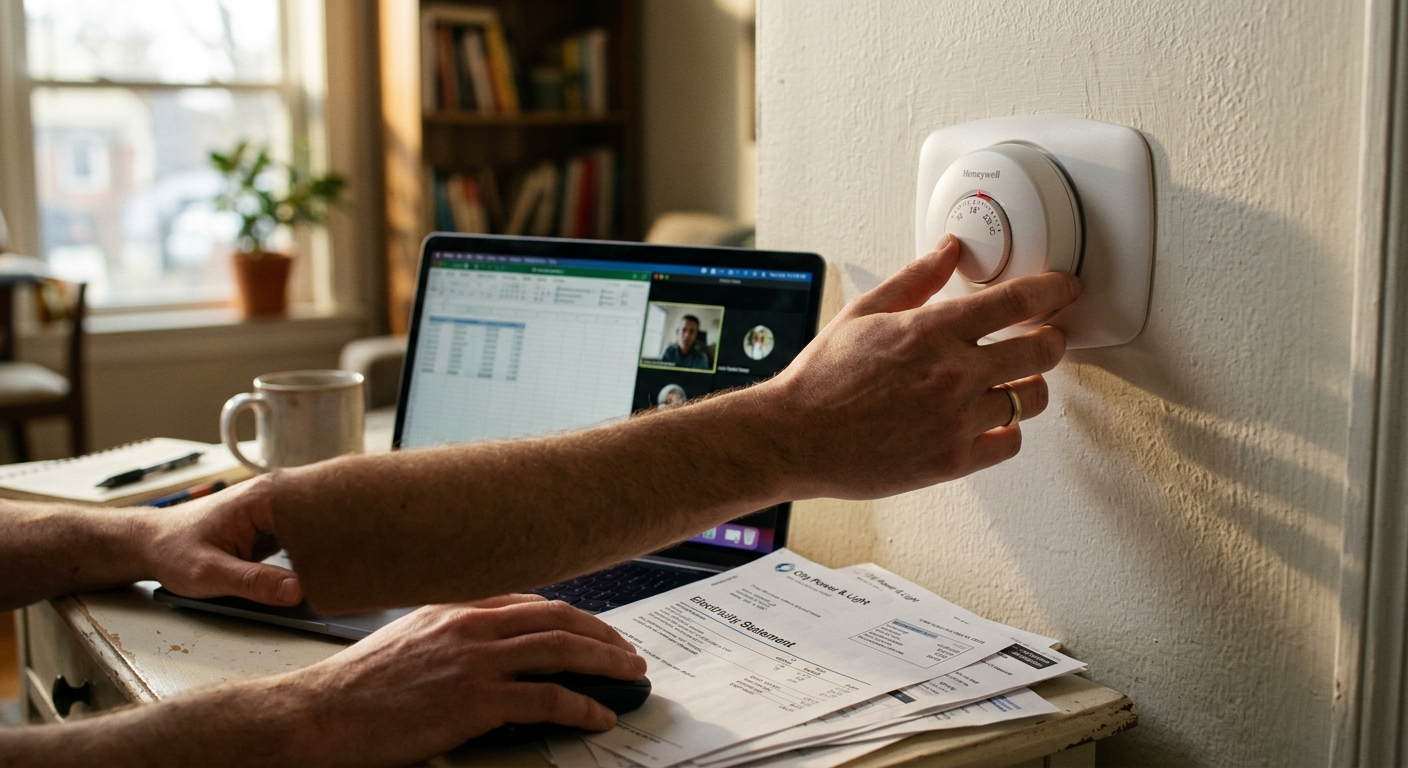
Home offices are quietly becoming one of the biggest energy drains in the modern house, with computers, monitors, and poor climate control adding $40 to $70 per month to typical electric bills. A few targeted changes to equipment settings, power management, and zone cooling can cut that number in half within 30 days.
Aging appliances quietly drain hundreds of dollars from your energy budget each year, and most homeowners never connect the dots to their home warranty coverage. Knowing how to document energy waste, time your claims strategically, and negotiate replacements can turn your warranty into a powerful efficiency tool.
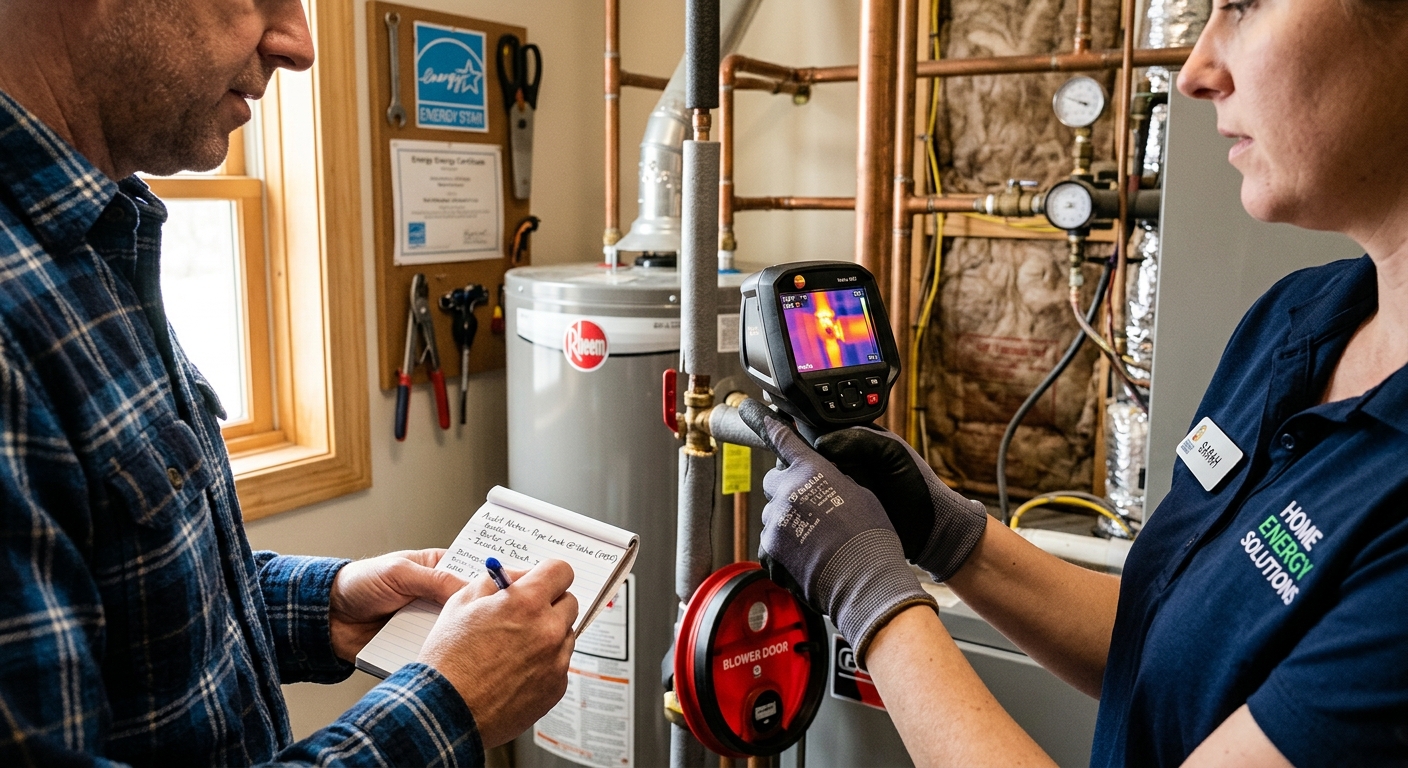
Most utility companies offer free or heavily subsidized home energy audits, but fewer than 5% of eligible homeowners ever claim them. This guide walks you through exactly how to find, request, and maximize a professional energy audit so you can turn the results into real savings.
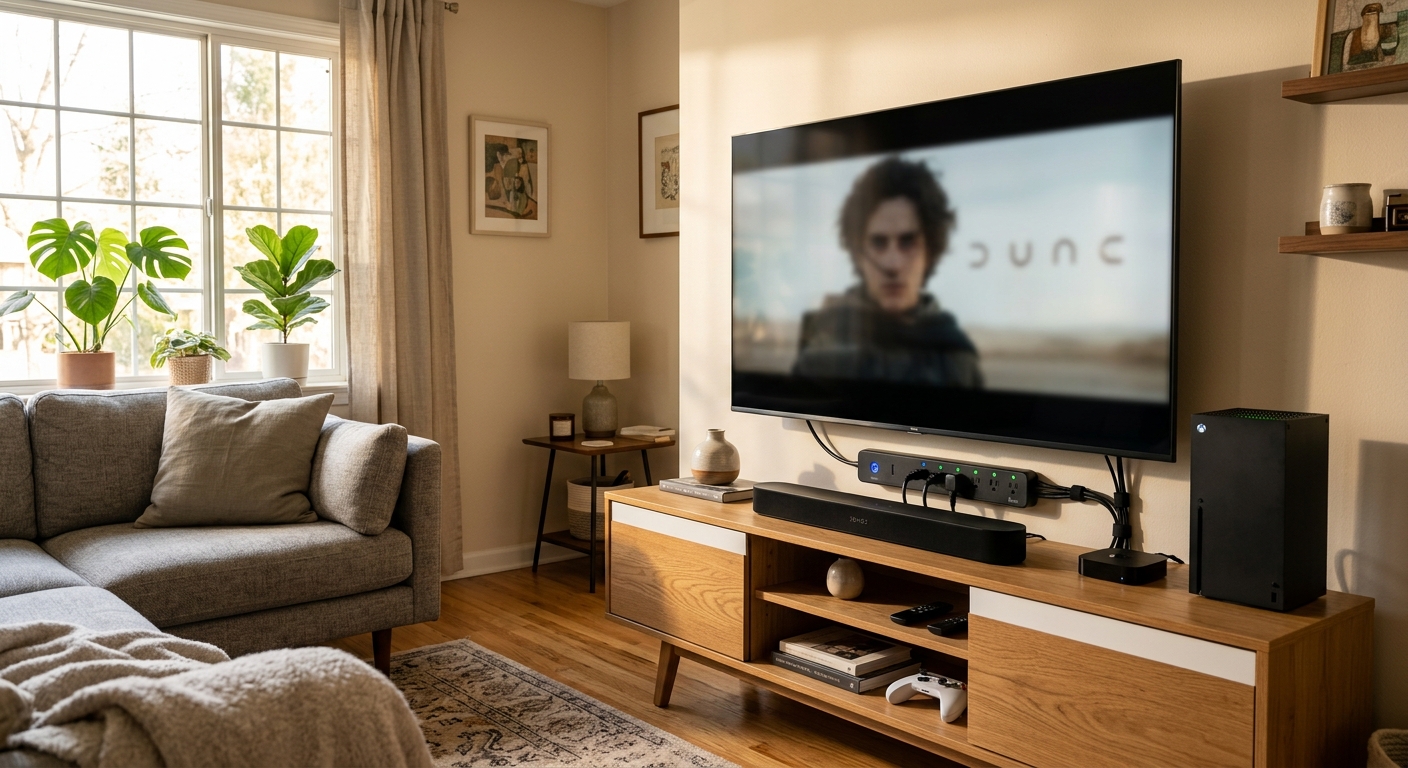
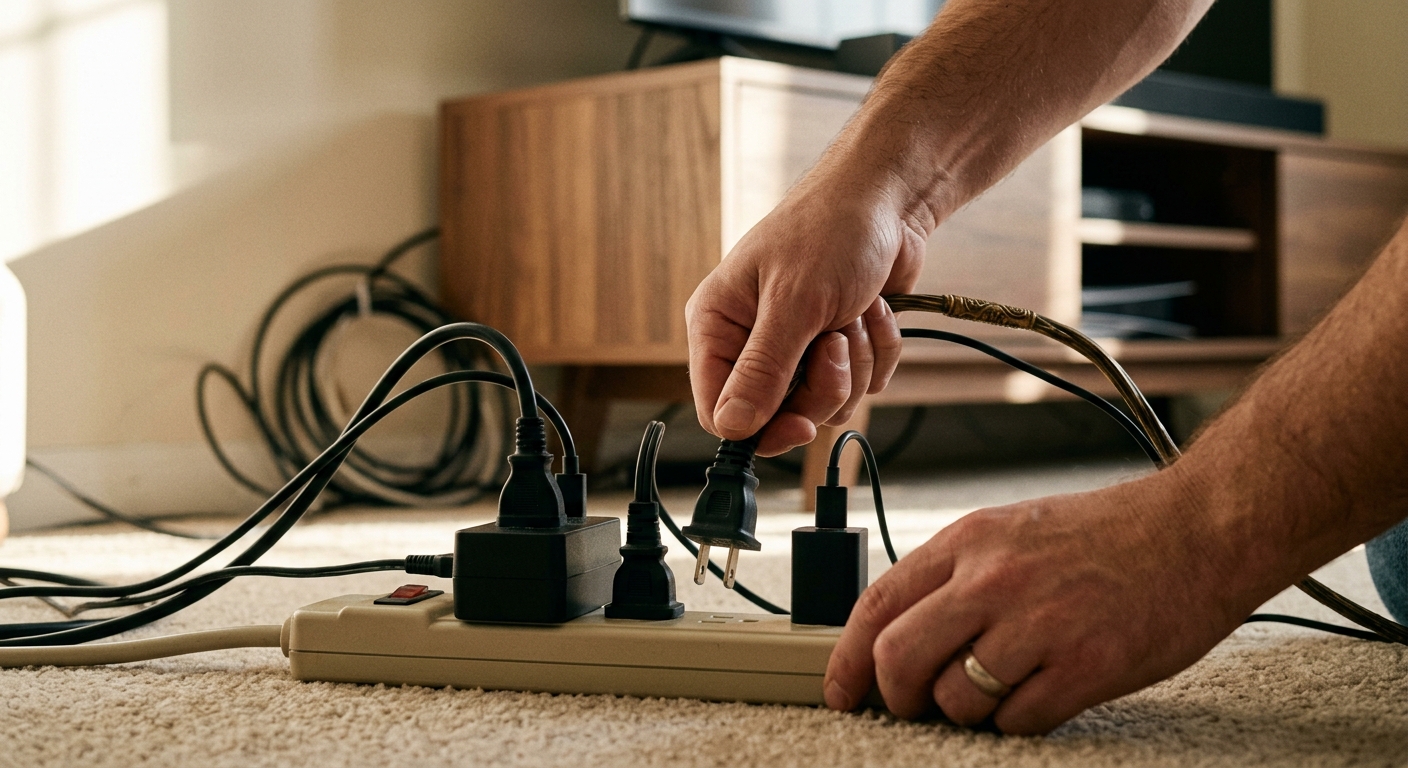
Standby power quietly drains 5 to 10% of your home’s electricity budget every single month, even when devices appear to be off. Smart power strips can eliminate most of that waste automatically, but only if you pick the right type and set them up correctly.
Working from home full-time adds an average of $200 to $500 per year to your energy bill, mostly from heating, cooling, and electronics running during hours your home used to be empty. The good news is that smart scheduling, targeted upgrades, and a few behavioral changes can cut that added cost by 40 to 60 percent.
Most homeowners have no idea their plugged-in devices are silently burning electricity 24 hours a day, even when turned off. Phantom loads, also called standby power, cost the average U.S. household between $100 and $200 per year, and eliminating them requires nothing more than a power strip and a few minutes of your time.