Most homeowners skip routine maintenance until something breaks, turning a $20 fix into a $2,000 emergency. A well-structured home maintenance calendar prevents costly failures, extends equipment life, and keeps your energy bills predictable year-round.
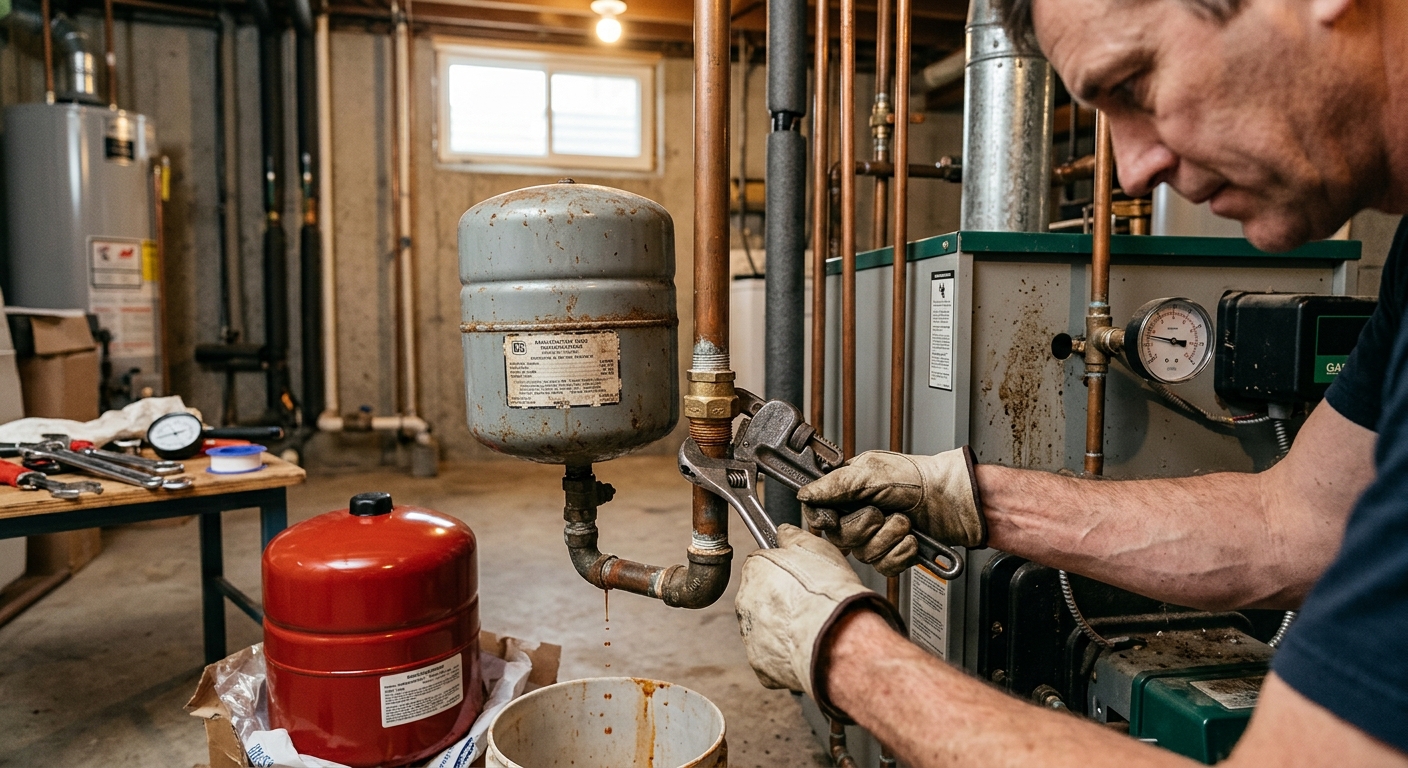
A failing expansion tank puts your entire plumbing system under constant excess pressure, silently damaging water heaters, valves, and fixtures. Catching the problem early costs under $100 and takes a weekend afternoon, while ignoring it can lead to a burst water heater or flooded basement.
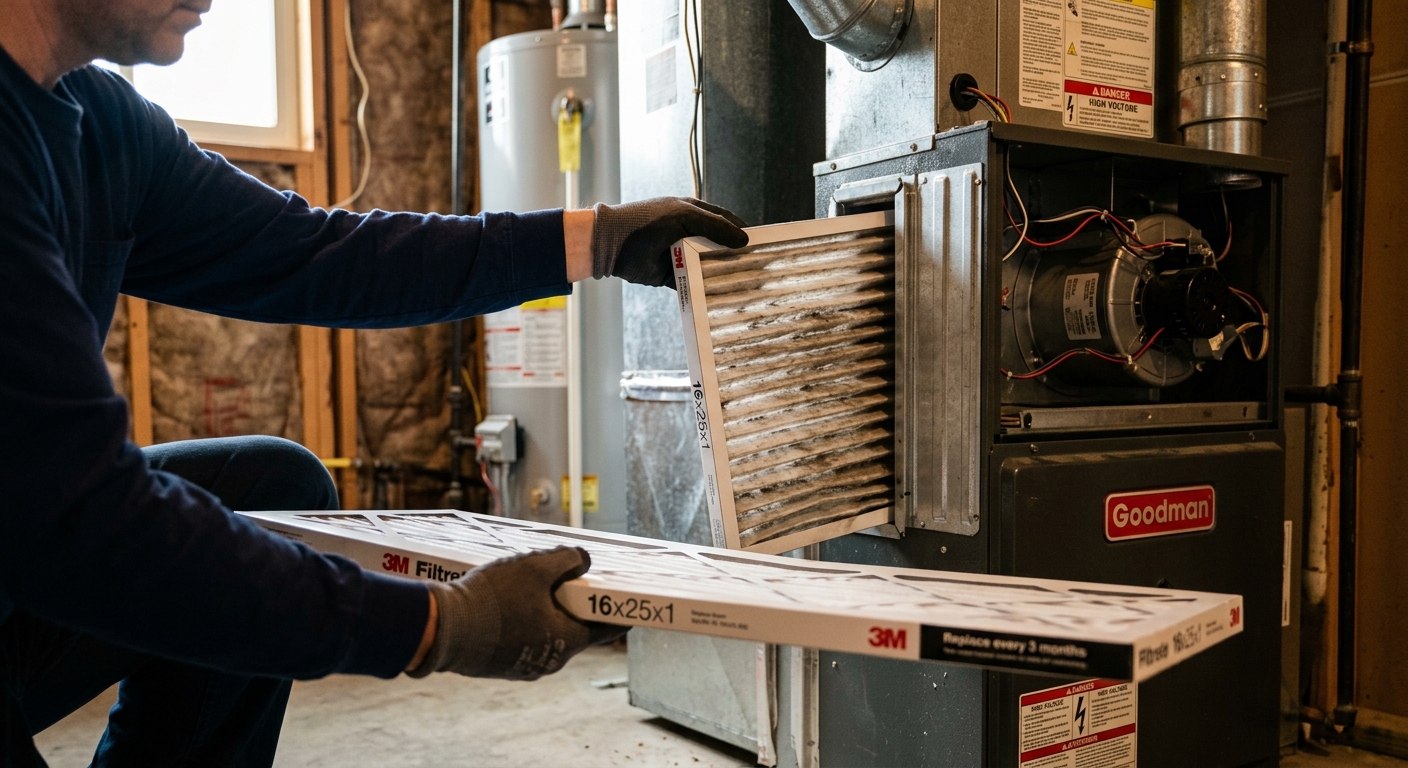
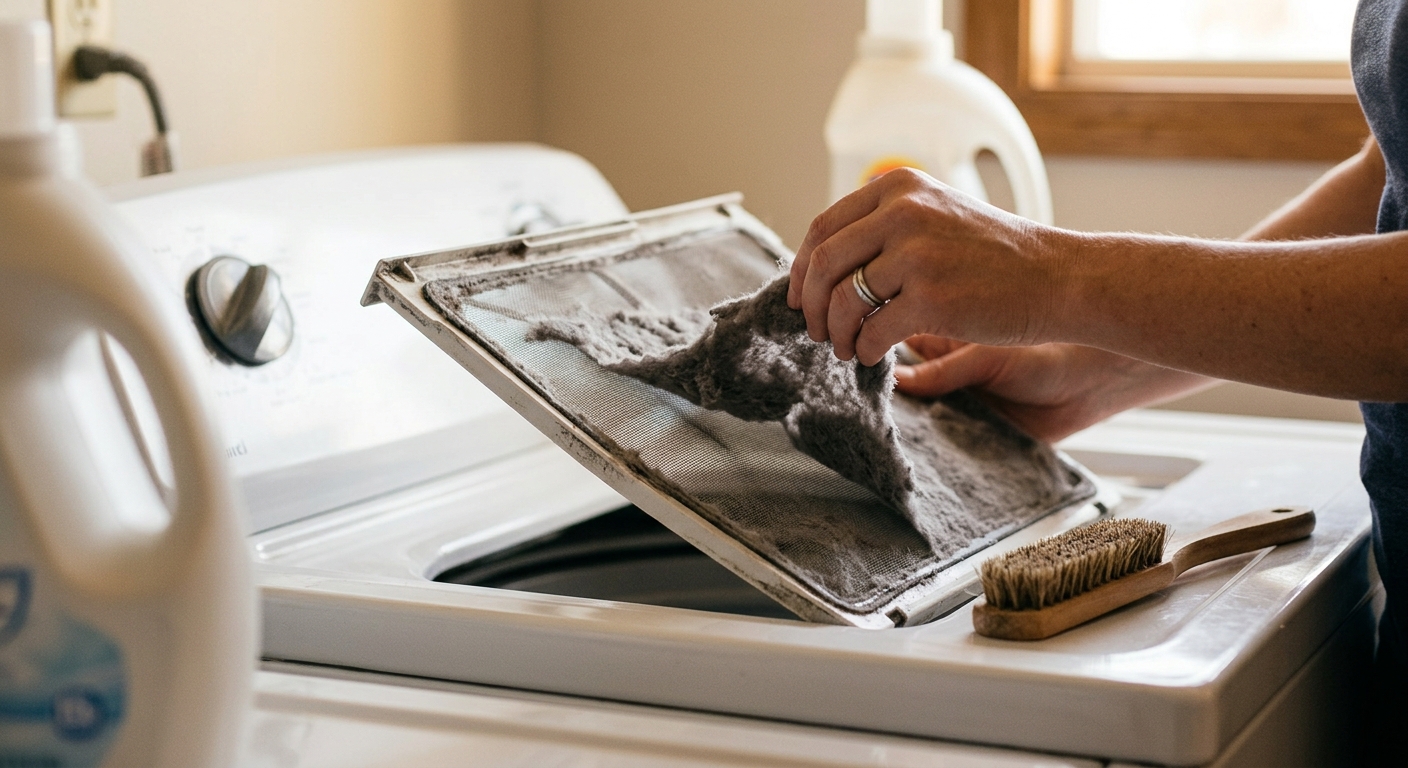
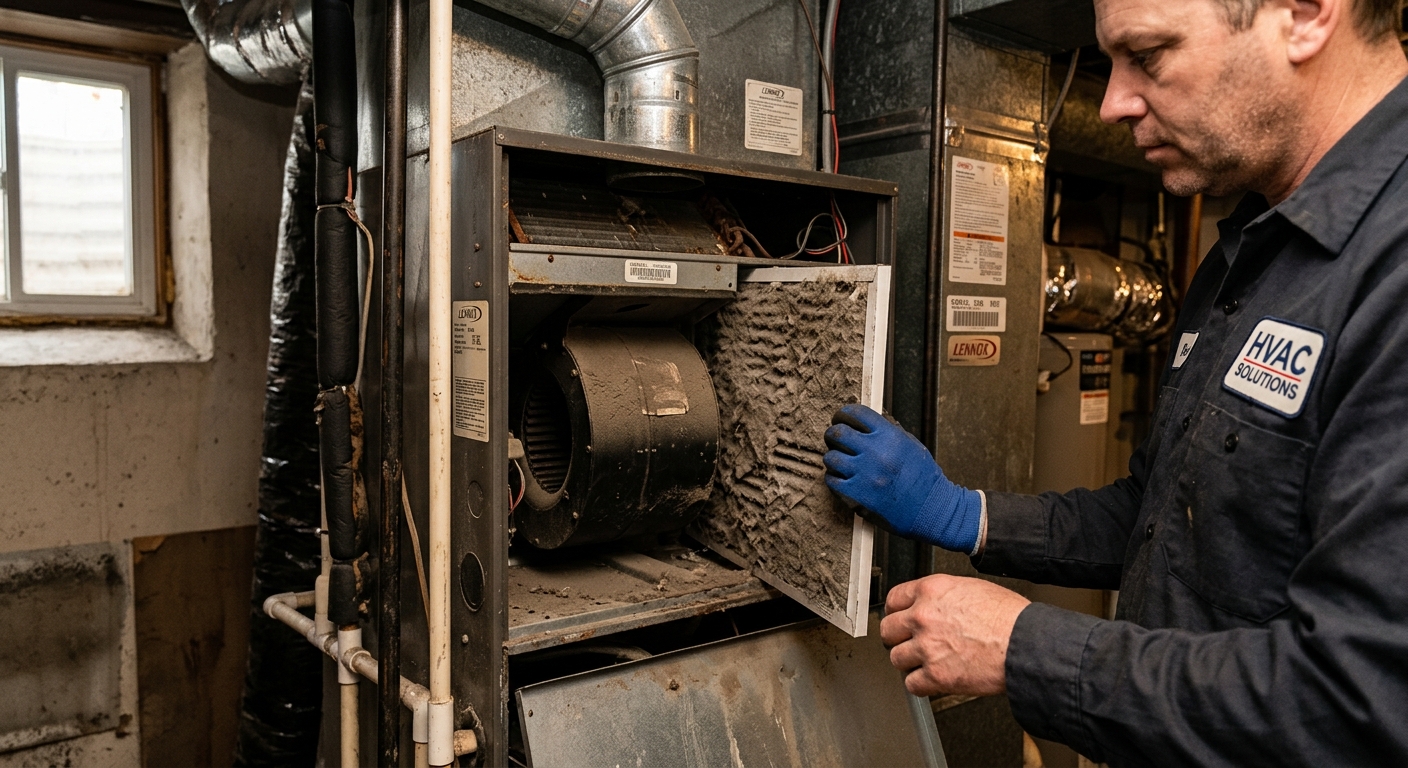
Dusty, clogged vents quietly choke your HVAC system and spike your energy bills by up to 25%. A simple cleaning schedule that takes less than an hour can restore airflow, cut costs, and extend the life of your system.
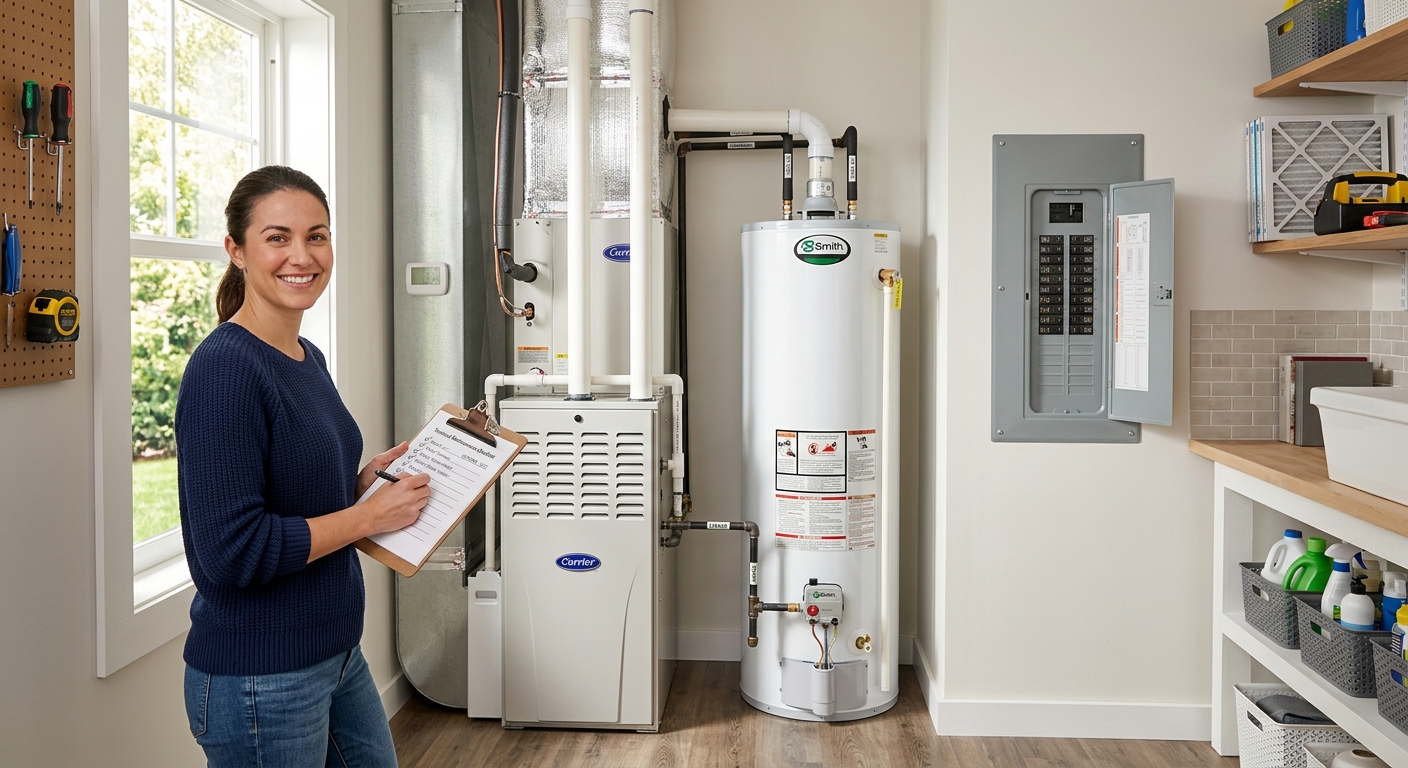
Most homeowners service their home systems reactively, after something breaks, which costs far more than a well-timed tune-up. Scheduling maintenance for each major system at the right point in the calendar year keeps efficiency high, prevents failures during peak demand, and can cut annual energy bills by 15 to 30%.
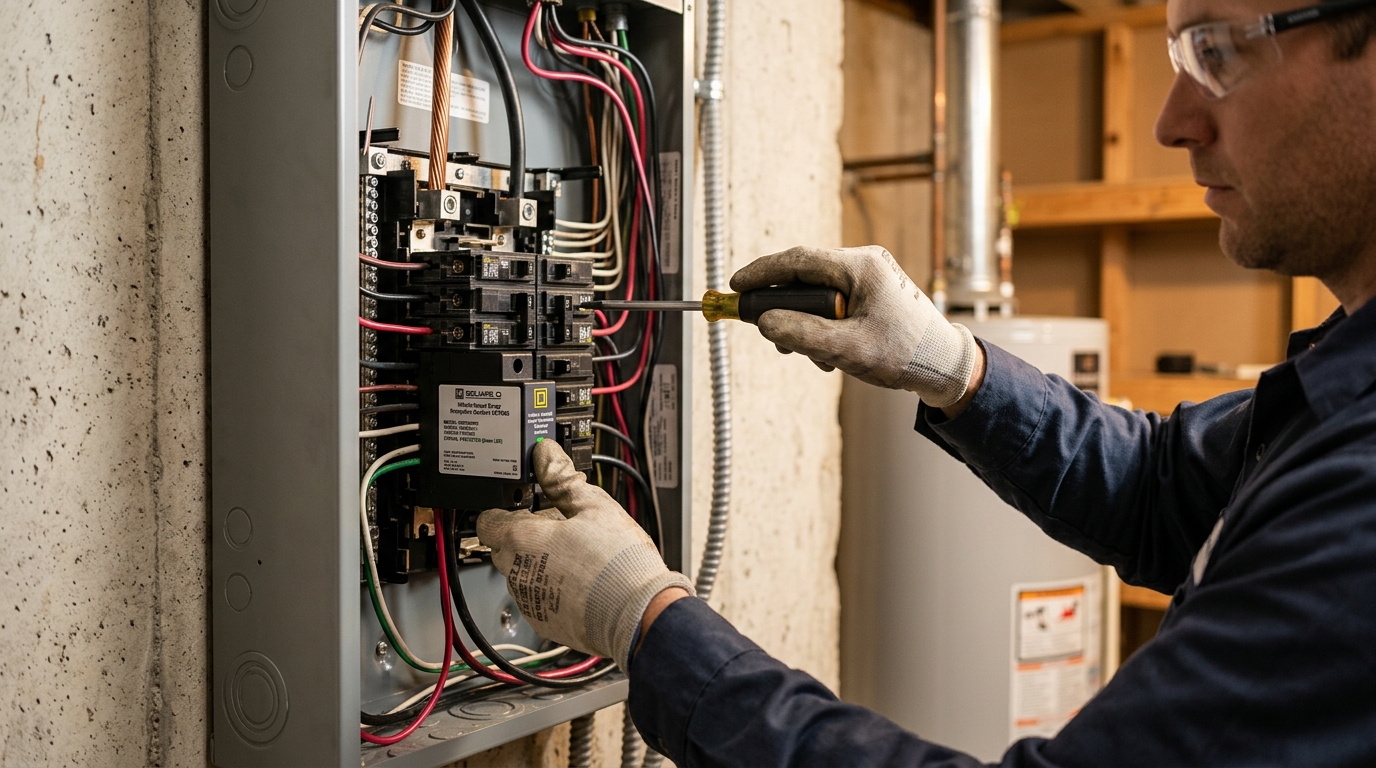
Power surges destroy appliances and electronics silently, often without a visible lightning strike. A whole-house surge protector costs $150 to $400 installed and can protect $10,000 to $50,000 worth of home equipment from a single event.
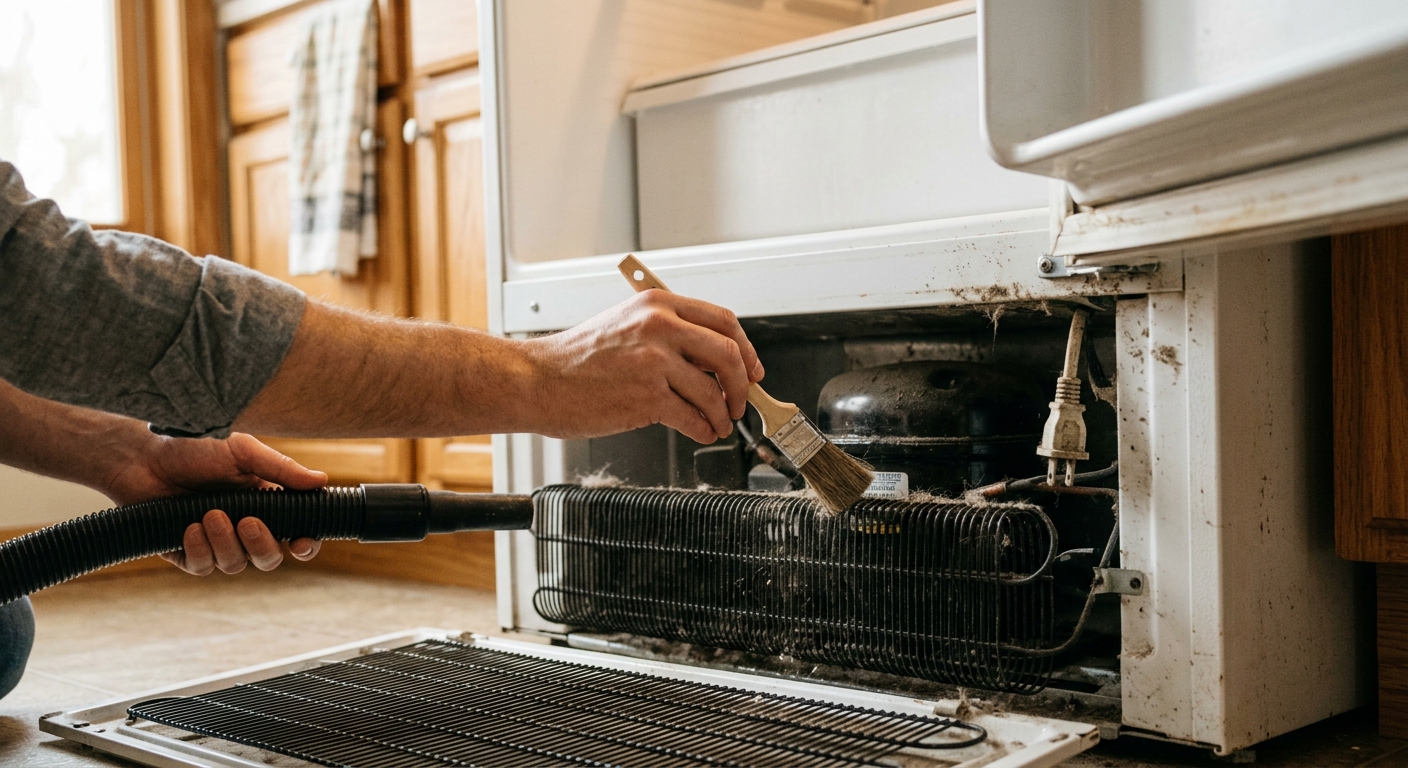
Your refrigerator runs 24 hours a day, 365 days a year, making it one of the top energy consumers in your home. The good news is that a few simple adjustments and upgrades can cut its energy use by 20 to 50%, with some fixes costing nothing at all.
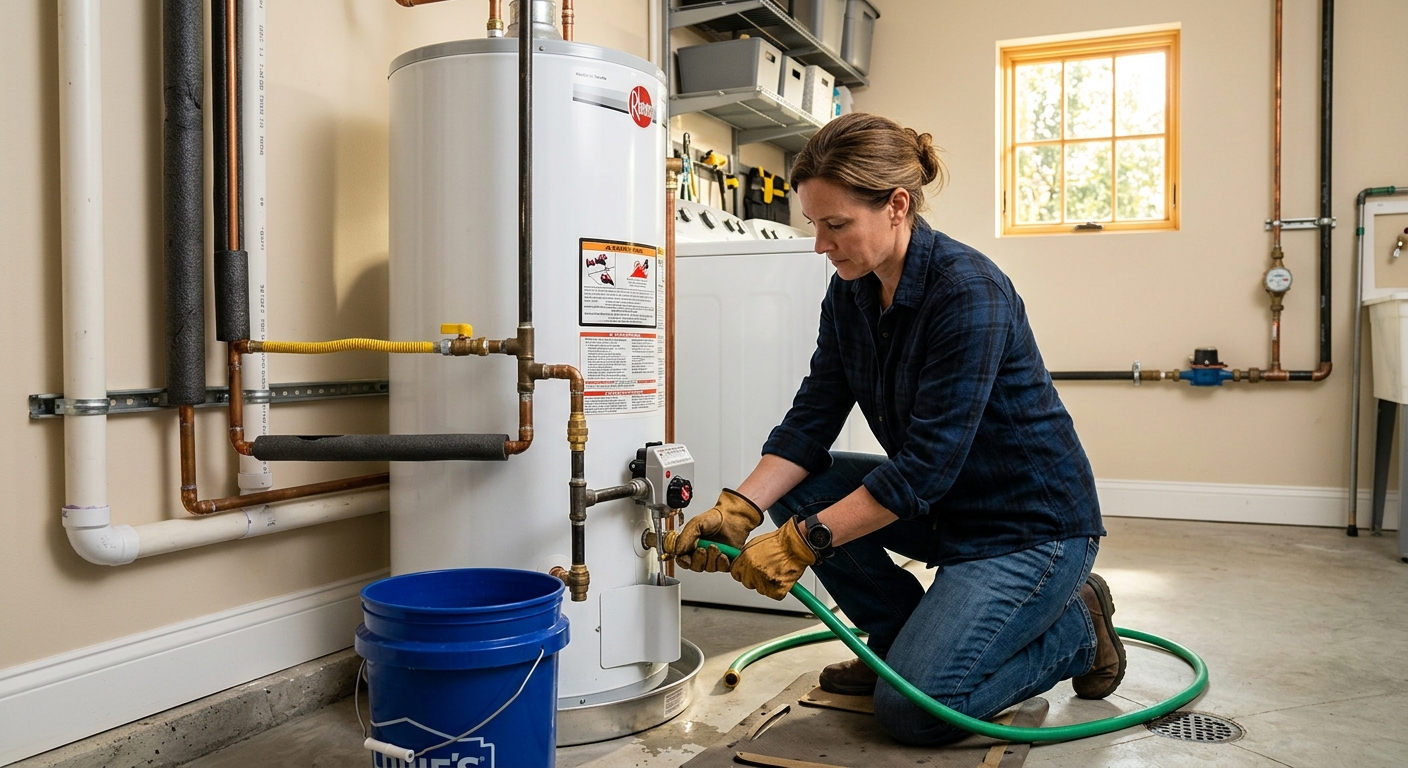
Sediment buildup silently kills water heaters early and drives up energy bills by up to 25%. A simple 30-minute flush once a year can restore efficiency, extend tank life by 3 to 5 years, and save you hundreds in premature replacement costs.
Skipping annual HVAC maintenance feels like an easy way to save money, but deferred upkeep quietly inflates your energy bills and accelerates expensive breakdowns. Learn exactly what one skipped season costs you and how to get your system back on track fast.
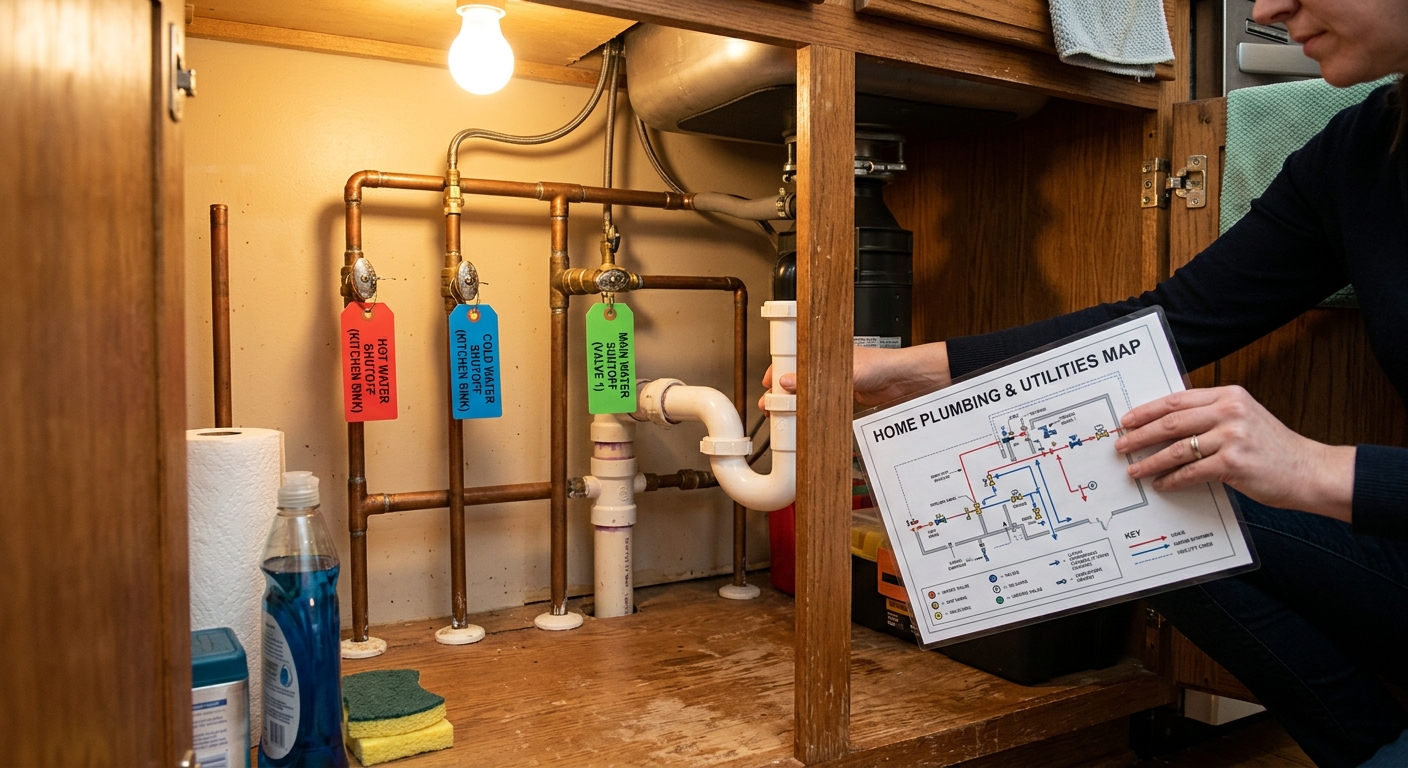
Most homeowners discover their shutoff valves for the first time during a burst pipe or appliance failure, when every second counts. Spending 90 minutes now to locate and label every valve can prevent thousands of dollars in water damage and eliminate the panic of a plumbing emergency.
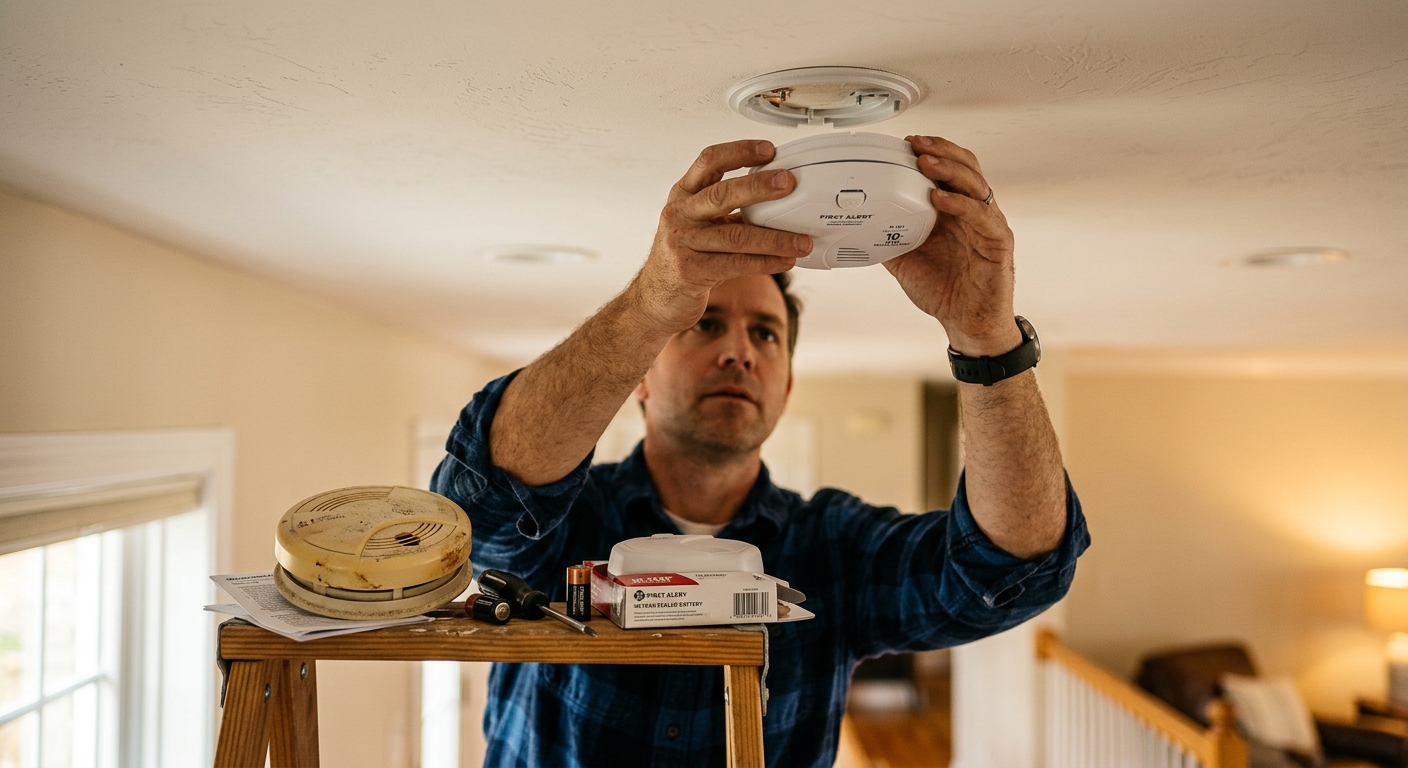
Pressing the test button on your smoke detector does not tell you whether it will actually respond to real smoke. Most detectors over 10 years old have degraded sensors that can fail silently, giving you false confidence in protection that is no longer there.