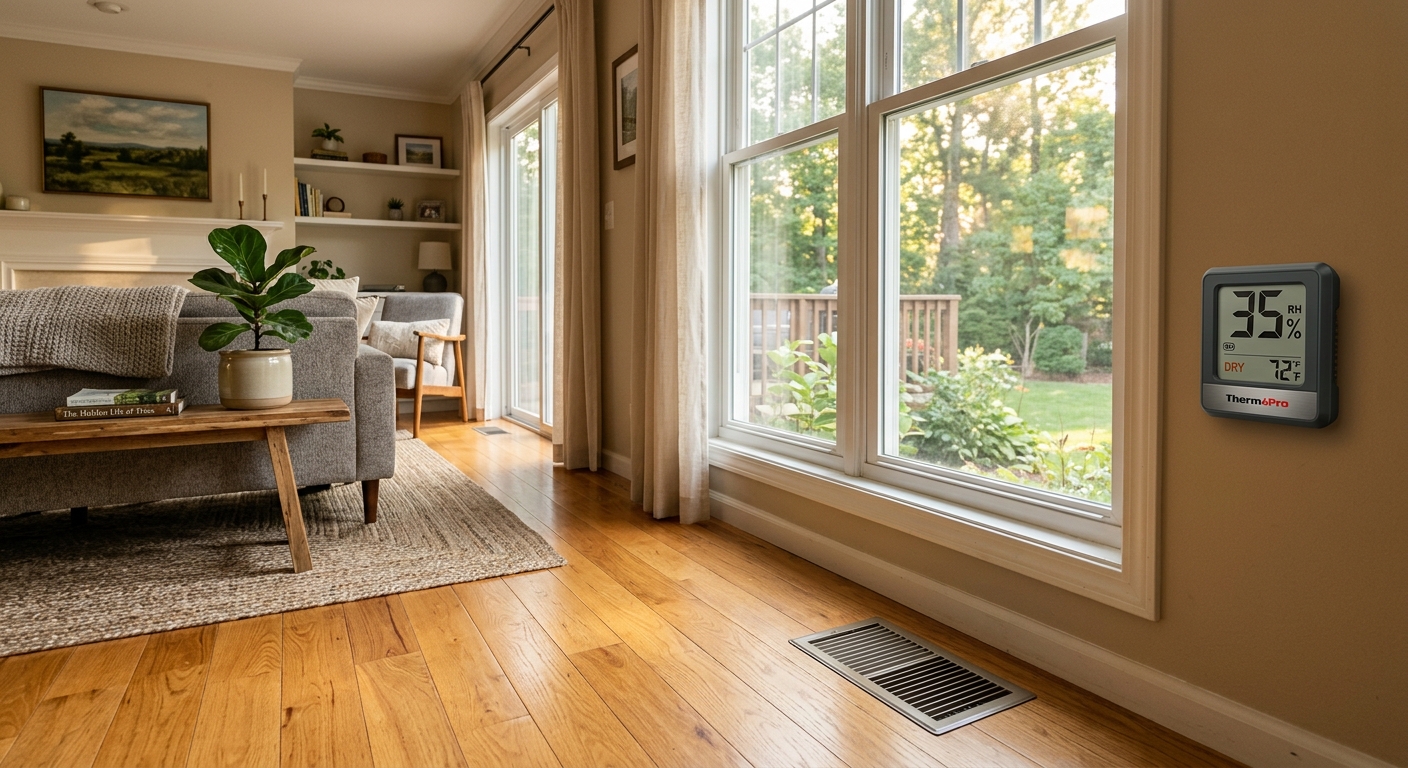
Most homeowners set their humidifier or dehumidifier once and forget it, but running the same humidity level year-round wastes energy and can damage your home. Targeting 30 to 35% relative humidity in winter and 45 to 50% in summer keeps you comfortable, protects your home, and trims 10 to 15% off your HVAC bills.
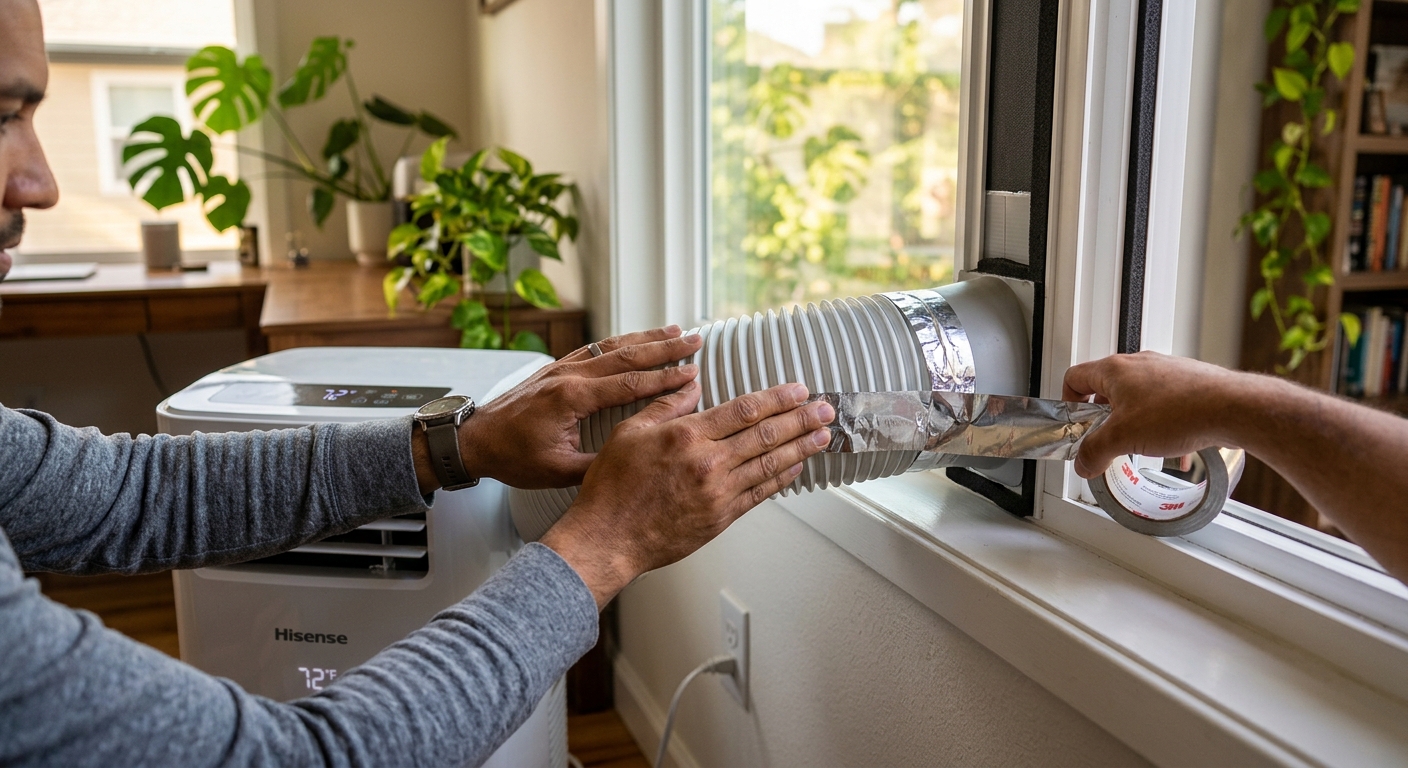
Most portable air conditioners are set up incorrectly, and a single venting mistake can cut their cooling output nearly in half. Fix the exhaust hose setup and seal the window kit properly, and you can recover most of that lost efficiency without spending a dime.
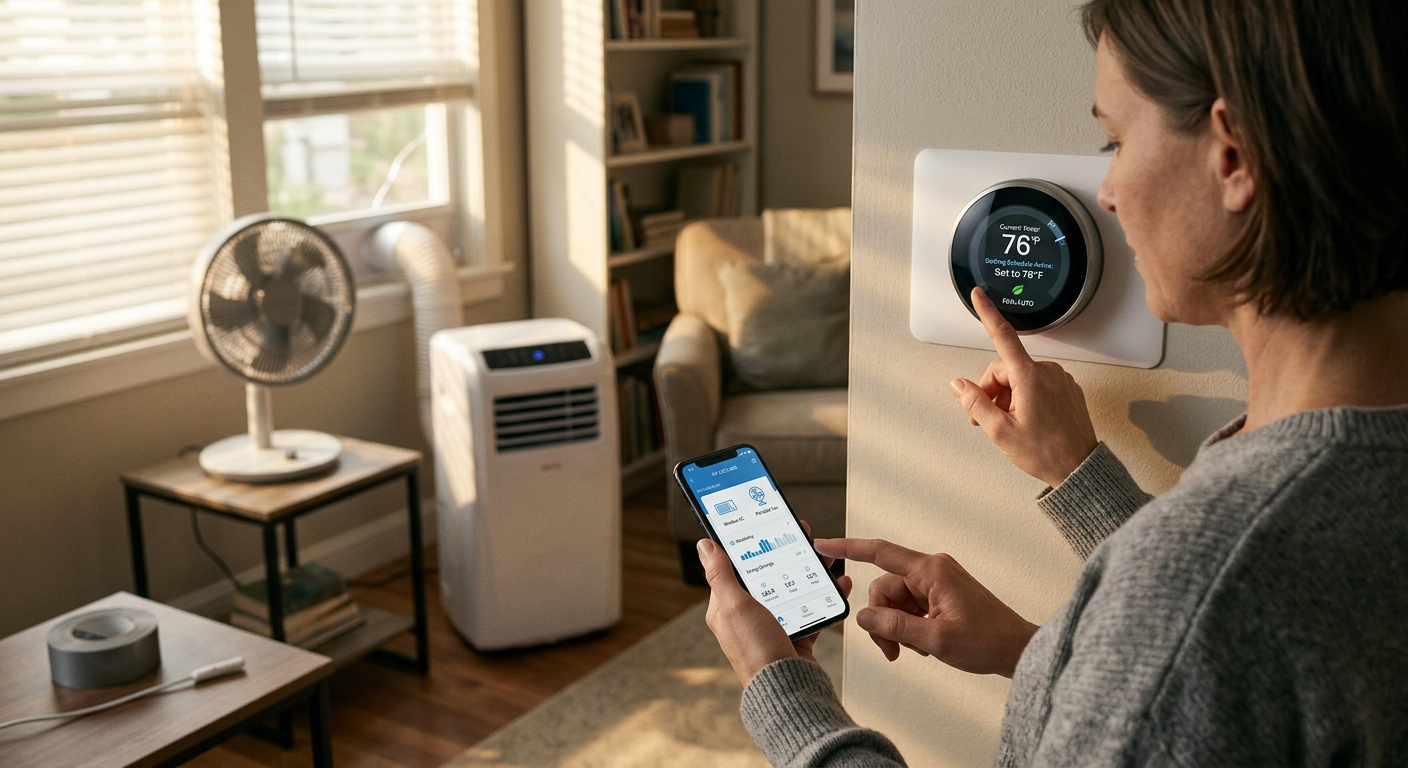
Running a central AC alongside window units or portable coolers often doubles your energy bill instead of doubling your comfort. With the right zoning strategy and coordination, you can keep every room comfortable while cutting cooling costs by 20 to 35%.
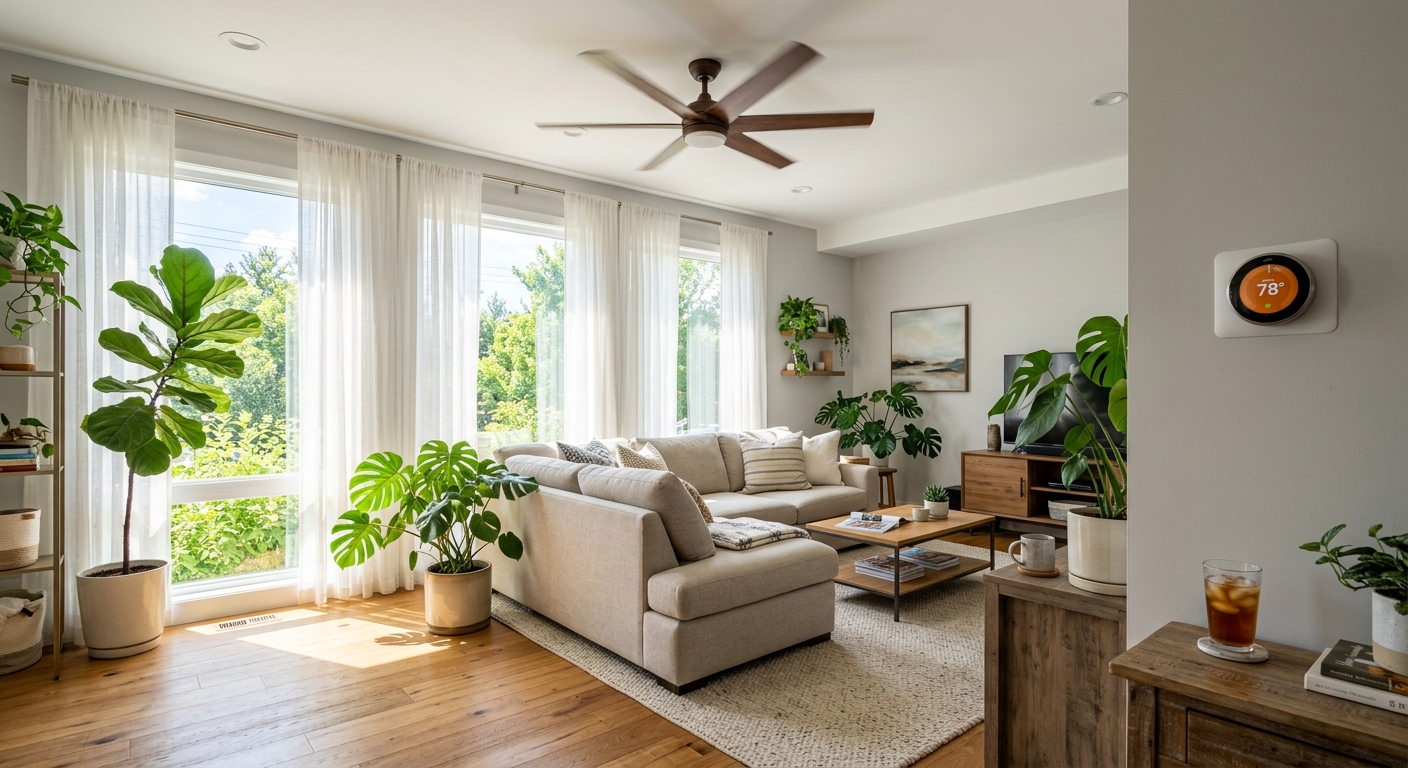
Most homeowners run their ceiling fans in the wrong direction all summer, canceling out the cooling effect entirely. A single switch flip takes 30 seconds and can cut your perceived temperature by 4 degrees Fahrenheit, letting you raise your thermostat and save real money.
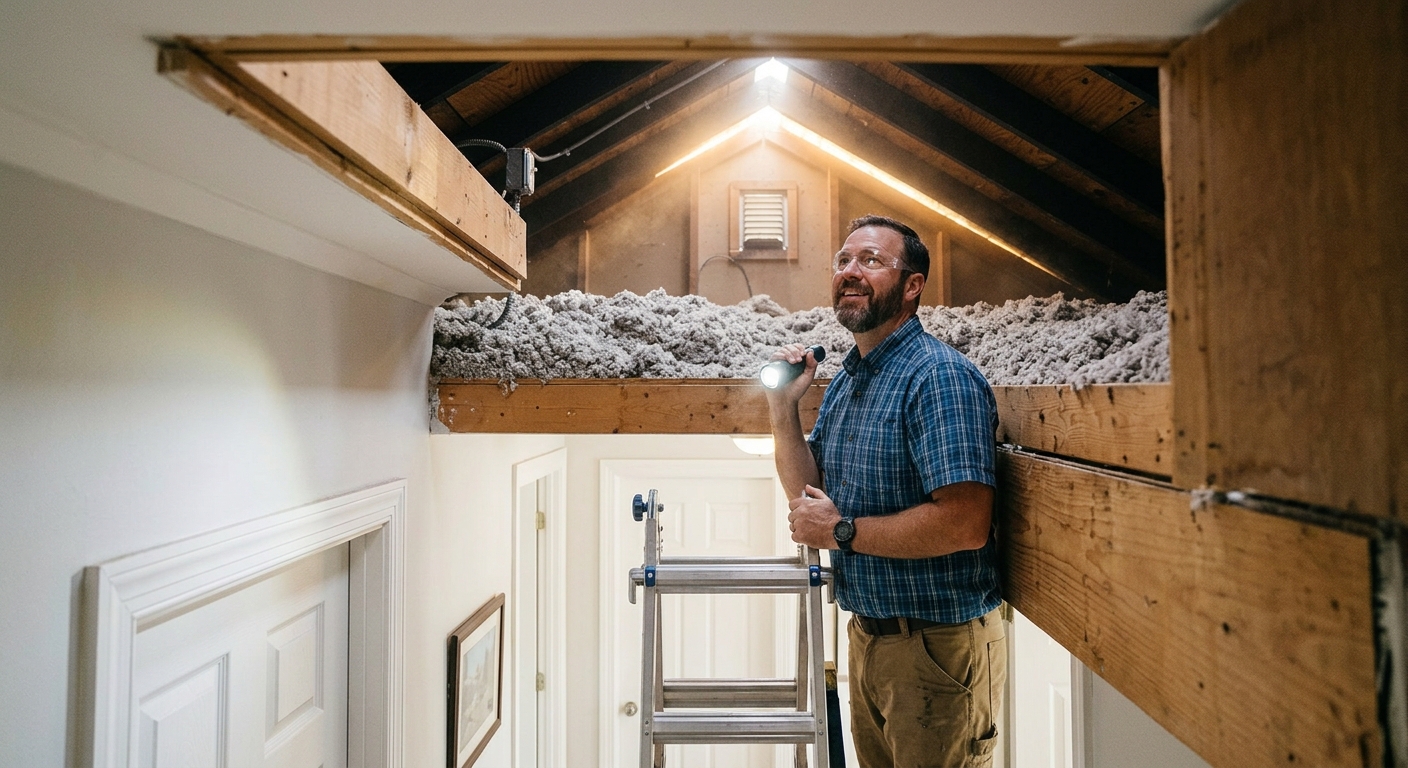
An unventilated or under-insulated attic can reach 150°F on a summer day, turning your upstairs into an oven that your AC simply cannot overcome. The good news is that a combination of air sealing, added insulation, and improved ventilation can cut that temperature gap by more than half and trim your cooling bills by up to 30%.
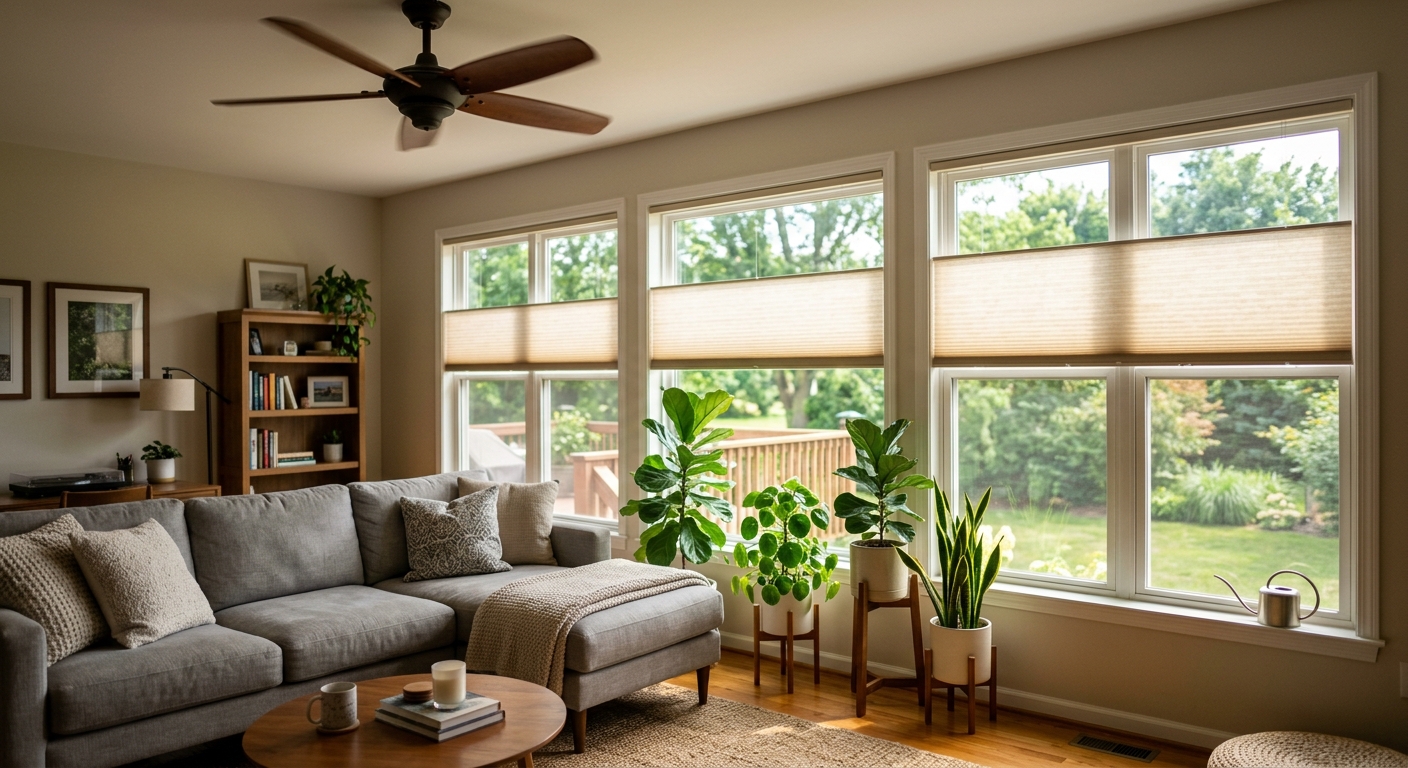
South-facing rooms can run 10 to 15 degrees hotter than the rest of your home in summer, turning a bright space into an oven by midday. The right combination of window treatments, airflow strategies, and targeted insulation upgrades can cut that heat load by up to 70% without sacrificing the natural light you love.
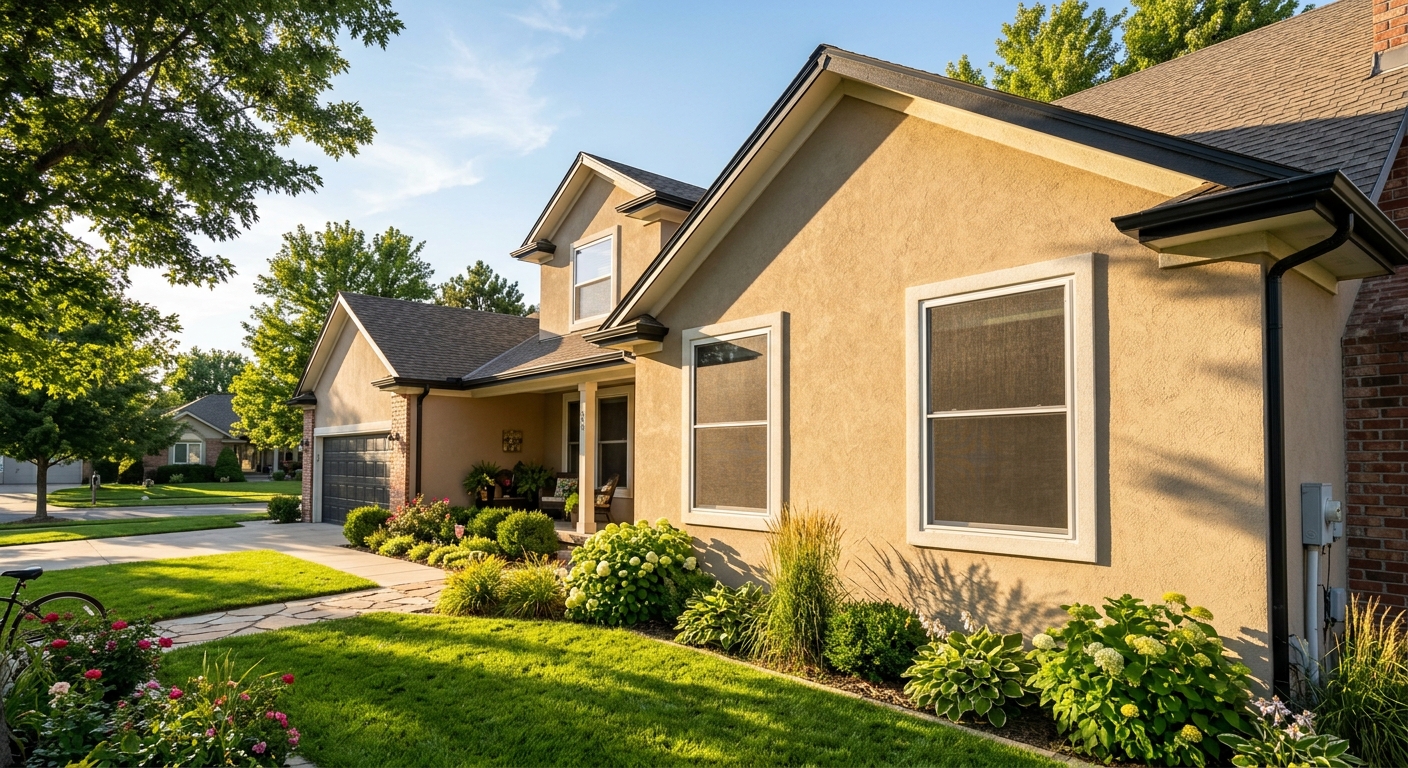
West-facing windows can account for up to 40% of afternoon heat gain in your home, turning your living room into an oven by 4 PM. Exterior shade screens block 65 to 90% of solar heat before it ever enters the glass, cutting cooling bills and restoring comfort without sacrificing daylight.
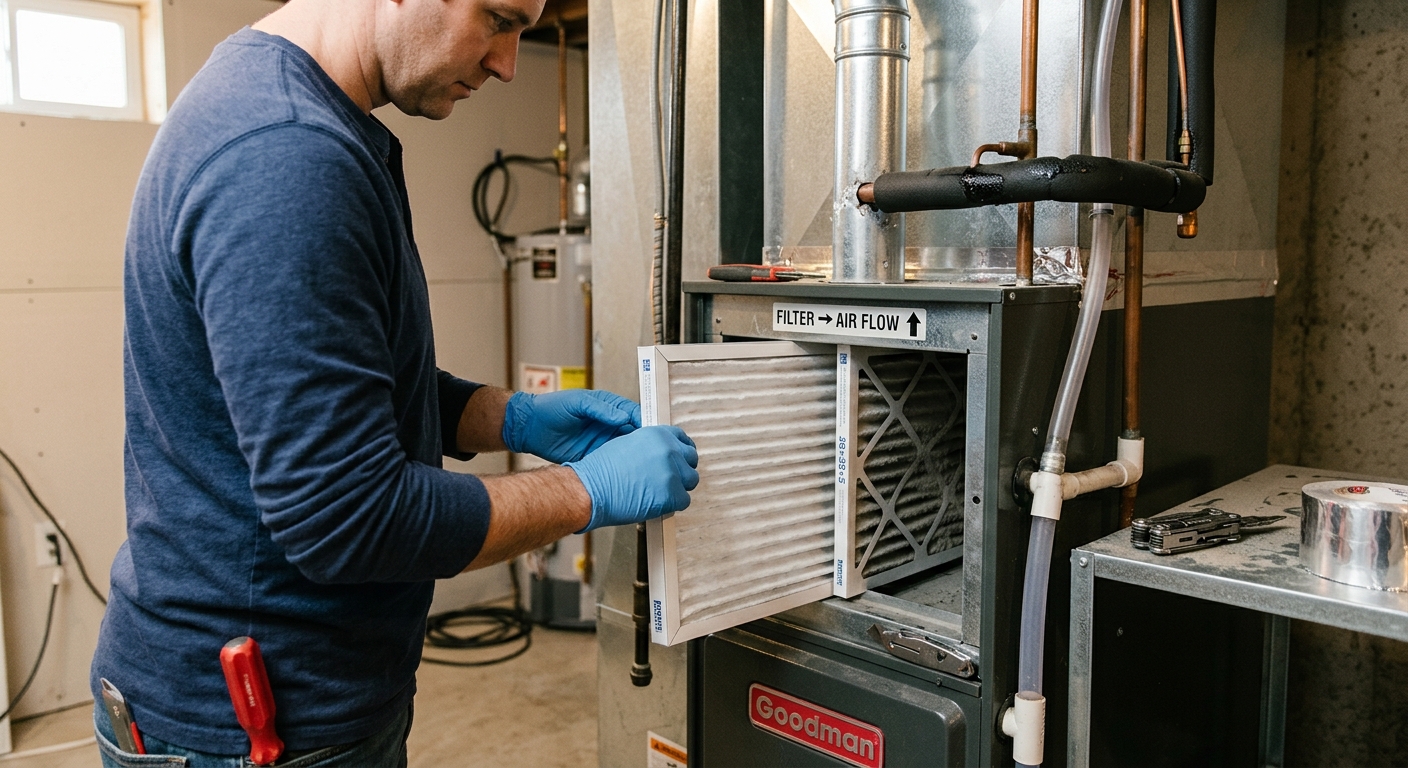
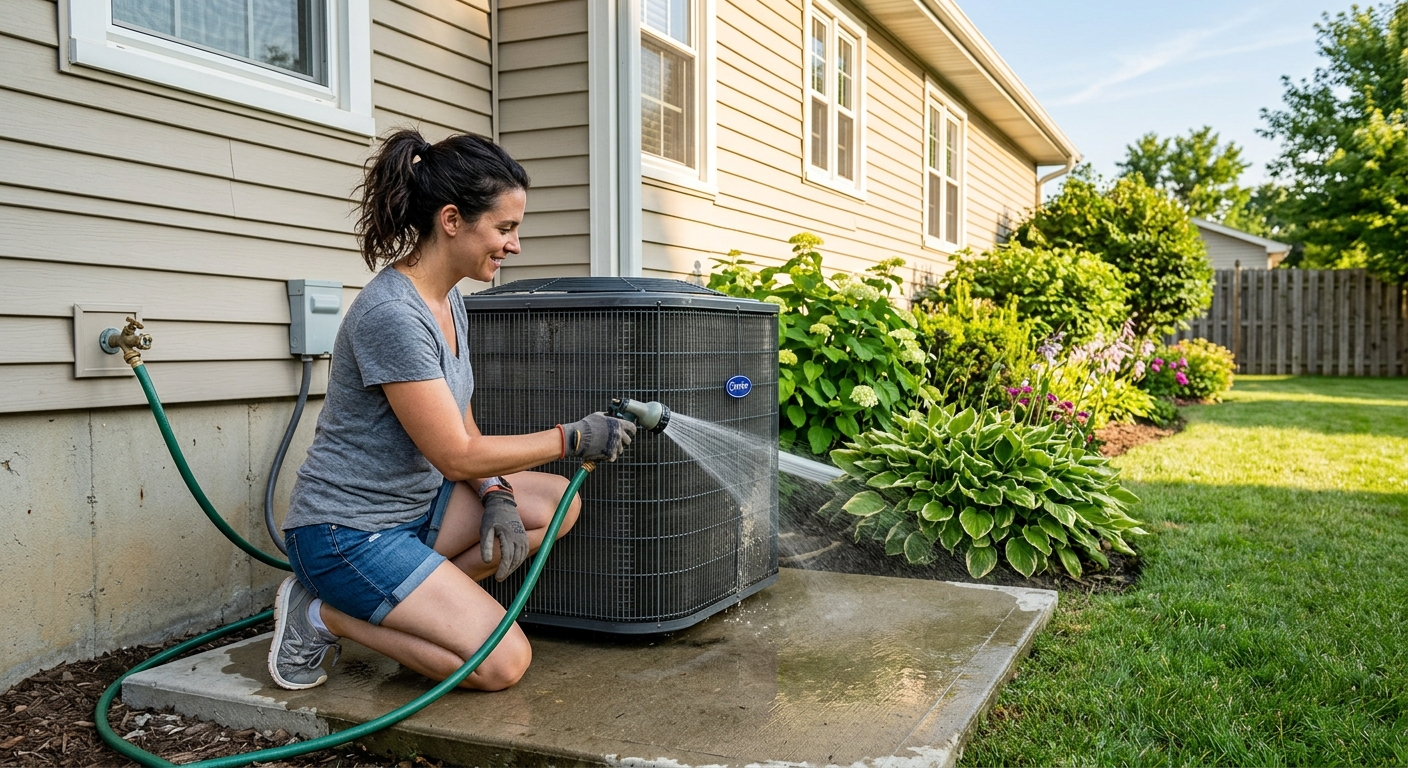
Most homeowners turn on their AC for the first time in June and hope for the best, but a quick pre-season check can prevent breakdowns, cut cooling bills by up to 25%, and extend the life of a system that costs $5,000 to $12,000 to replace. This guide walks you through a simple inspection any homeowner can complete in about 10 minutes, plus optional deeper checks for those who want to go further.
Running the AC all night is one of the biggest drivers of summer energy bills, but most homeowners don’t realize how much of that cooling is simply lost to poor nighttime habits and easy-to-fix heat sources. With a few targeted changes, you can sleep comfortably at 75 to 78°F instead of blasting your system to 68°F, cutting overnight cooling costs by 20 to 40%.
August is peak demand season for air conditioners, and it’s also when most systems fail. A few simple maintenance tasks done in late spring or early summer can keep your AC running reliably all season and save you hundreds in emergency repair bills.