Most homeowners either under-insulate and pay for it every month, or over-spend on insulation that delivers diminishing returns. Knowing the right R-value target for your specific climate zone is the single most reliable way to maximize your insulation investment.
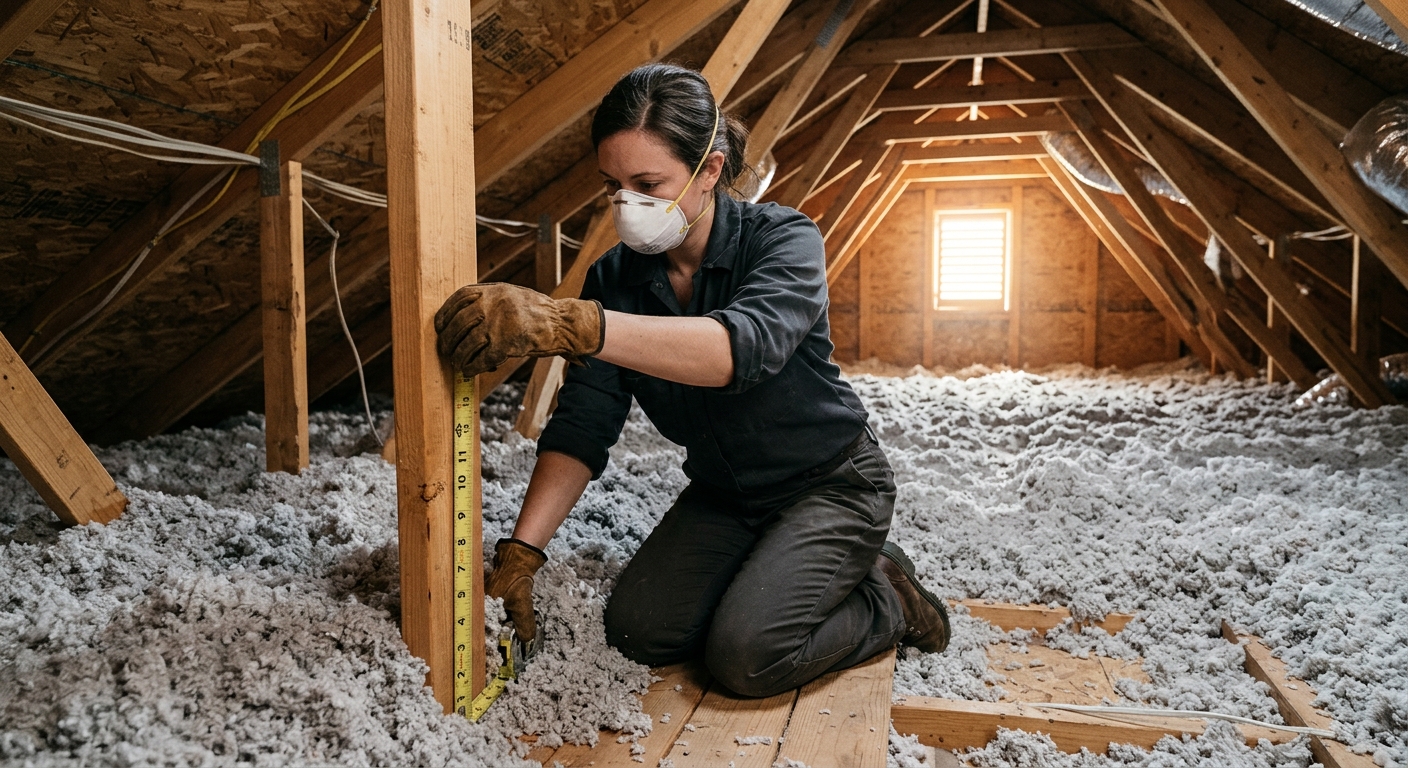
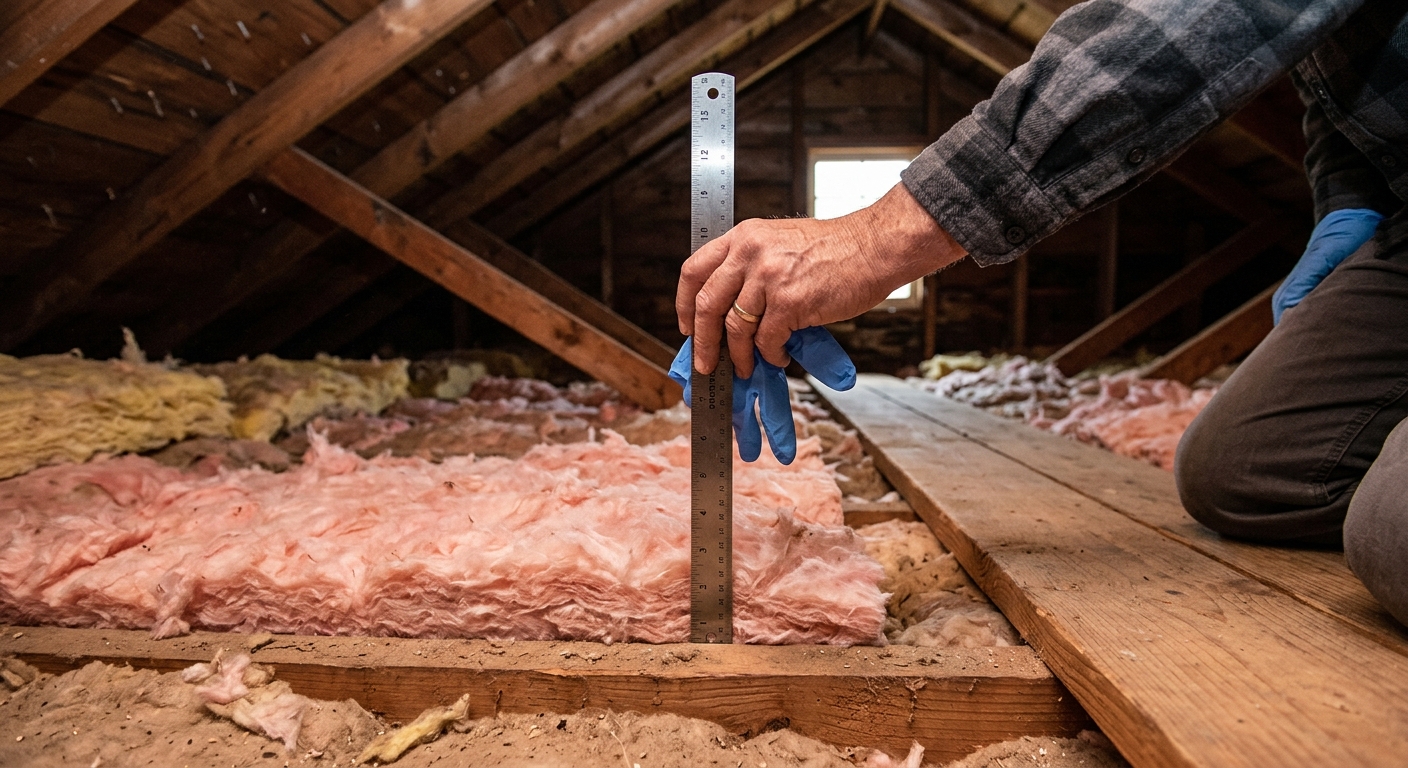
Most homeowners have no idea if their attic insulation is doing its job, and an under-insulated attic can add hundreds of dollars a year to heating and cooling bills. This guide shows you exactly how to measure your insulation depth yourself in under 30 minutes, what the numbers mean, and what to do next.
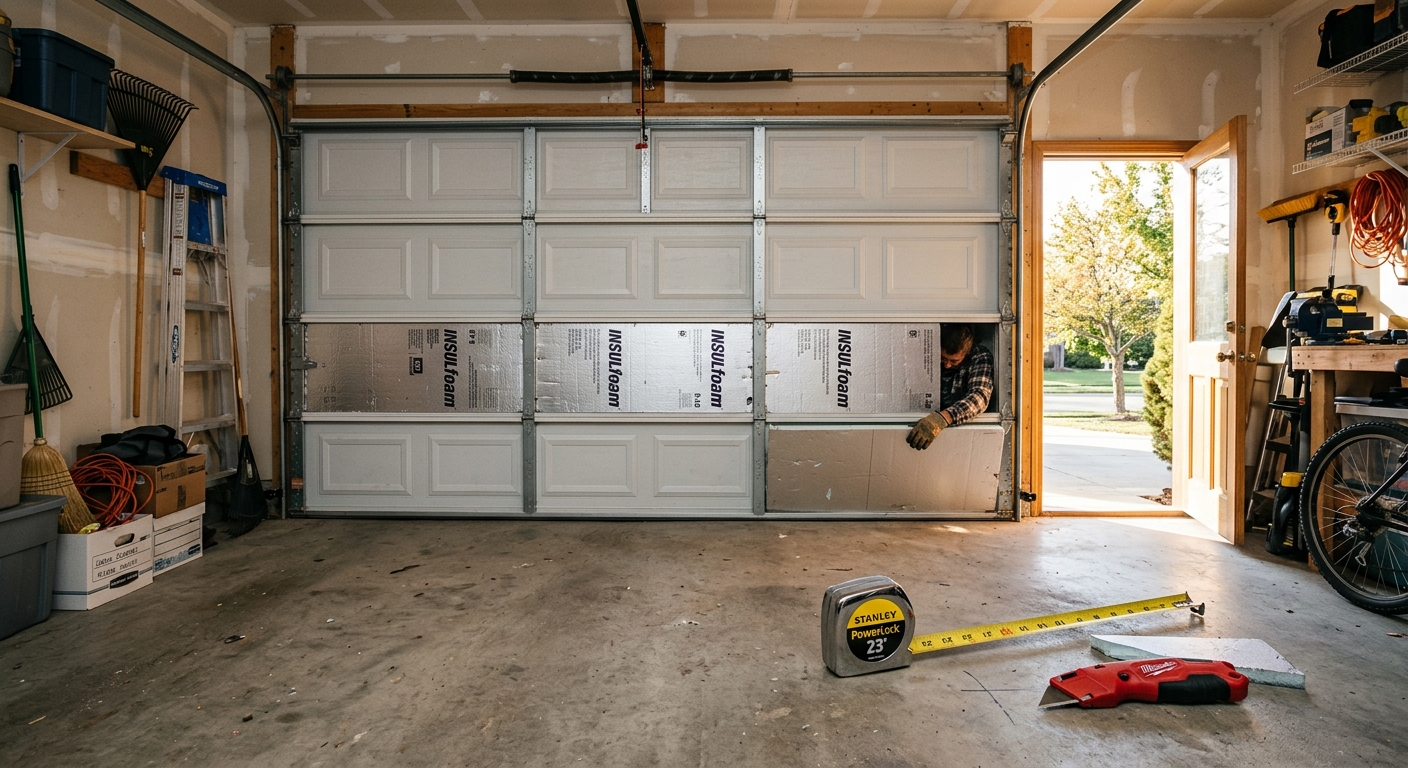
An uninsulated garage door is one of the biggest thermal weak points in your home, letting heat pour in during summer and cold seep in during winter. Add insulation to your garage door this weekend and you can cut garage temperature swings by 20 degrees or more, lower your energy bills, and protect everything stored inside.
Outdated or missing insulation quietly costs sellers thousands in negotiating power and buyers thousands in future energy bills. Upgrading your insulation before listing can add 2 to 6 percent to your home’s value while making it far more attractive to today’s energy-conscious buyers.
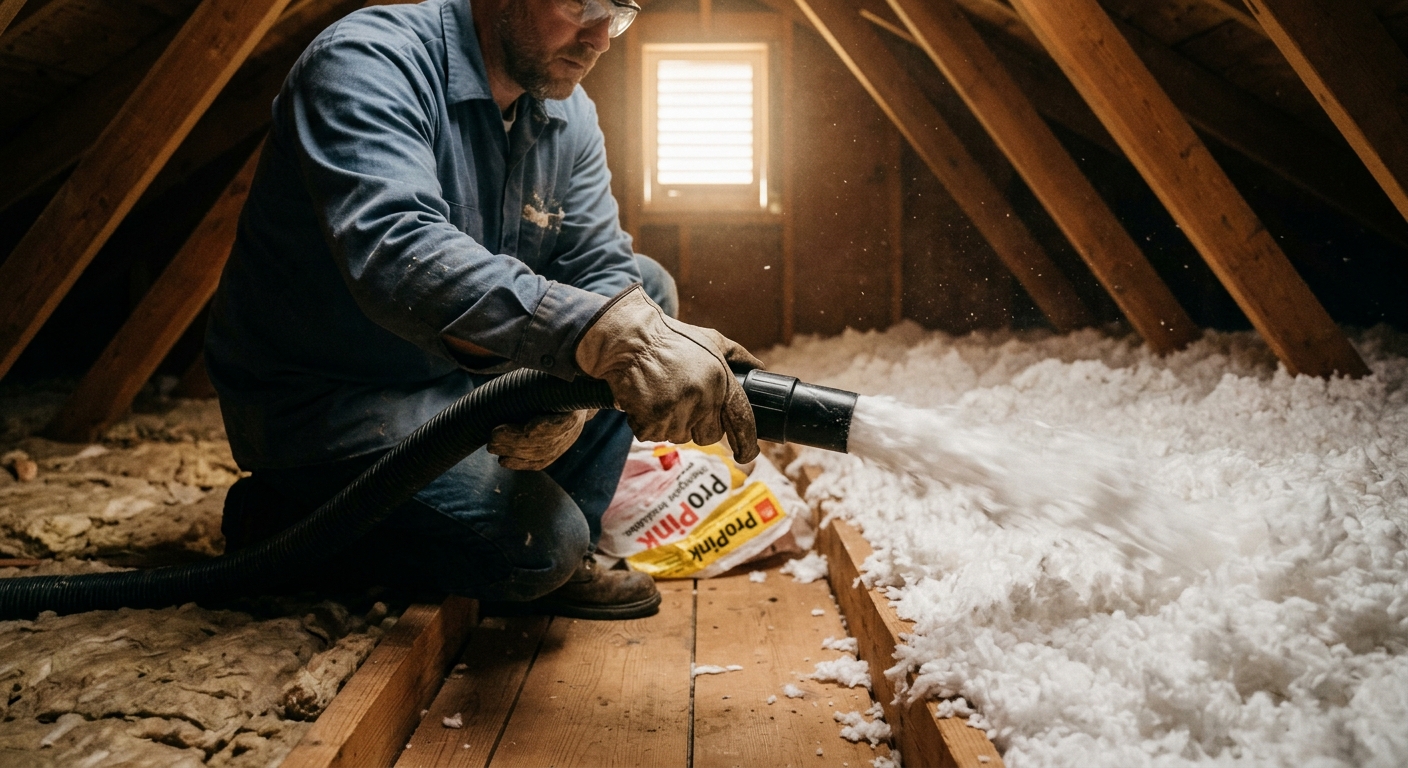
A poorly insulated attic is one of the biggest energy drains in most American homes, quietly adding hundreds of dollars to your heating and cooling bills every year. Upgrading attic insulation to the DOE-recommended R-38 to R-60 is one of the highest-return home improvements you can make, with typical payback periods of 12 to 24 months.
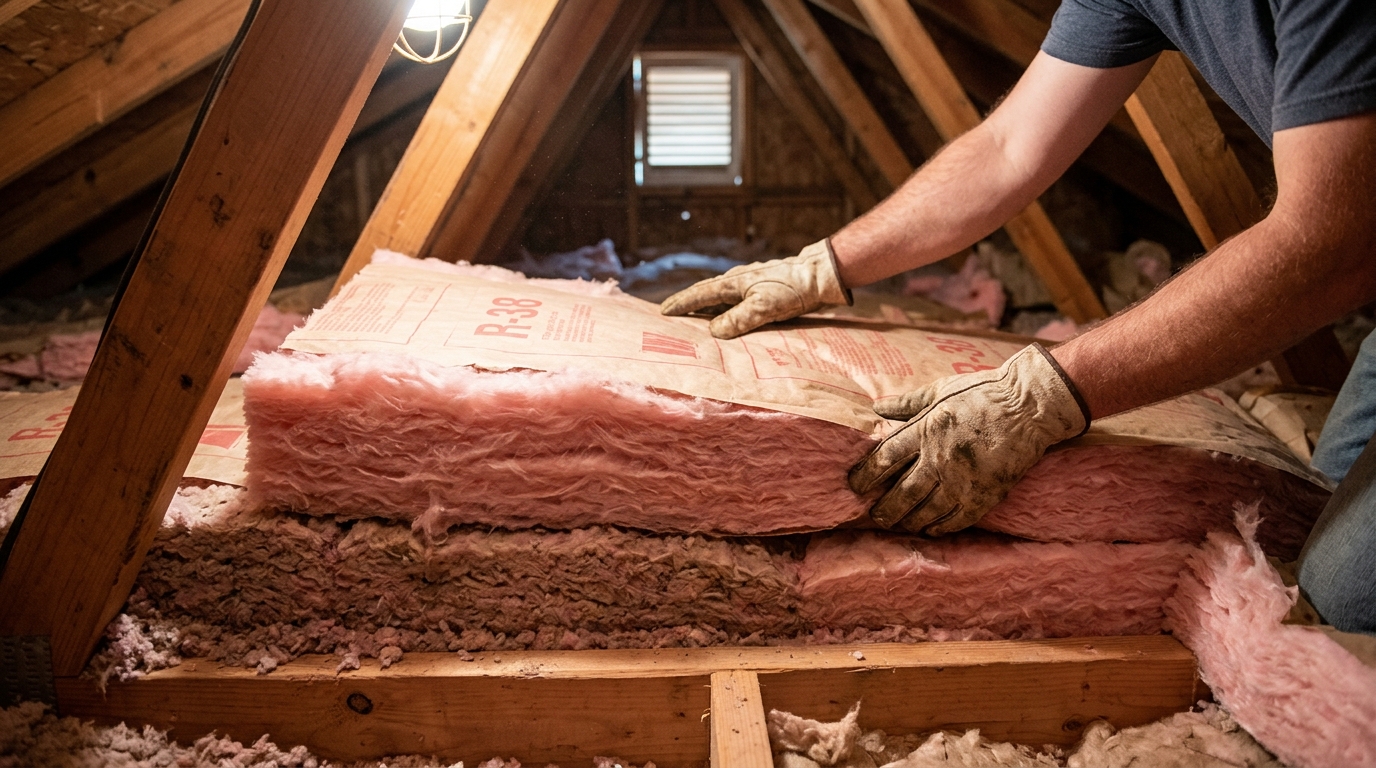
Most homeowners have no idea what R-value their attic has, or whether upgrading it would actually save money. This post breaks down the real numbers behind R-38 vs. R-60 insulation and helps you decide if adding more is worth the cost.
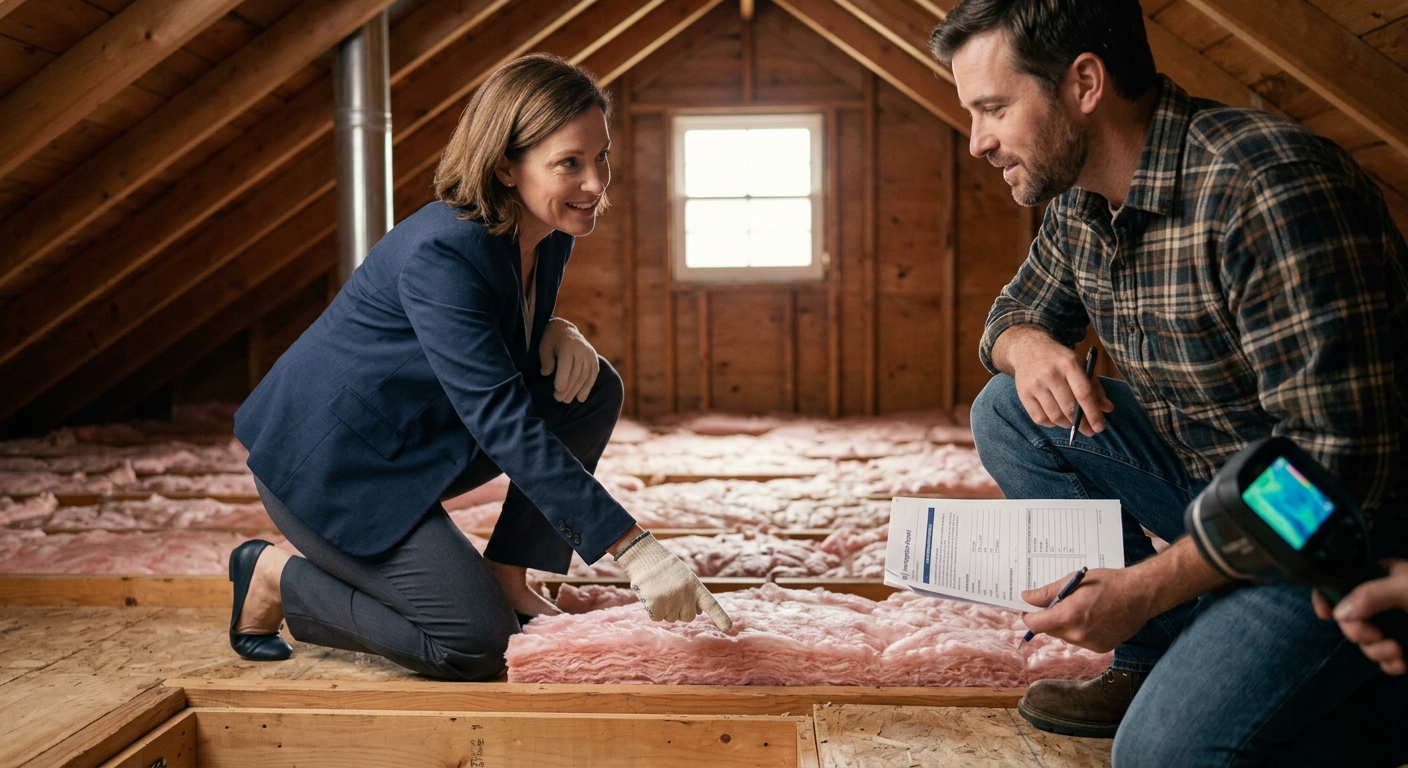
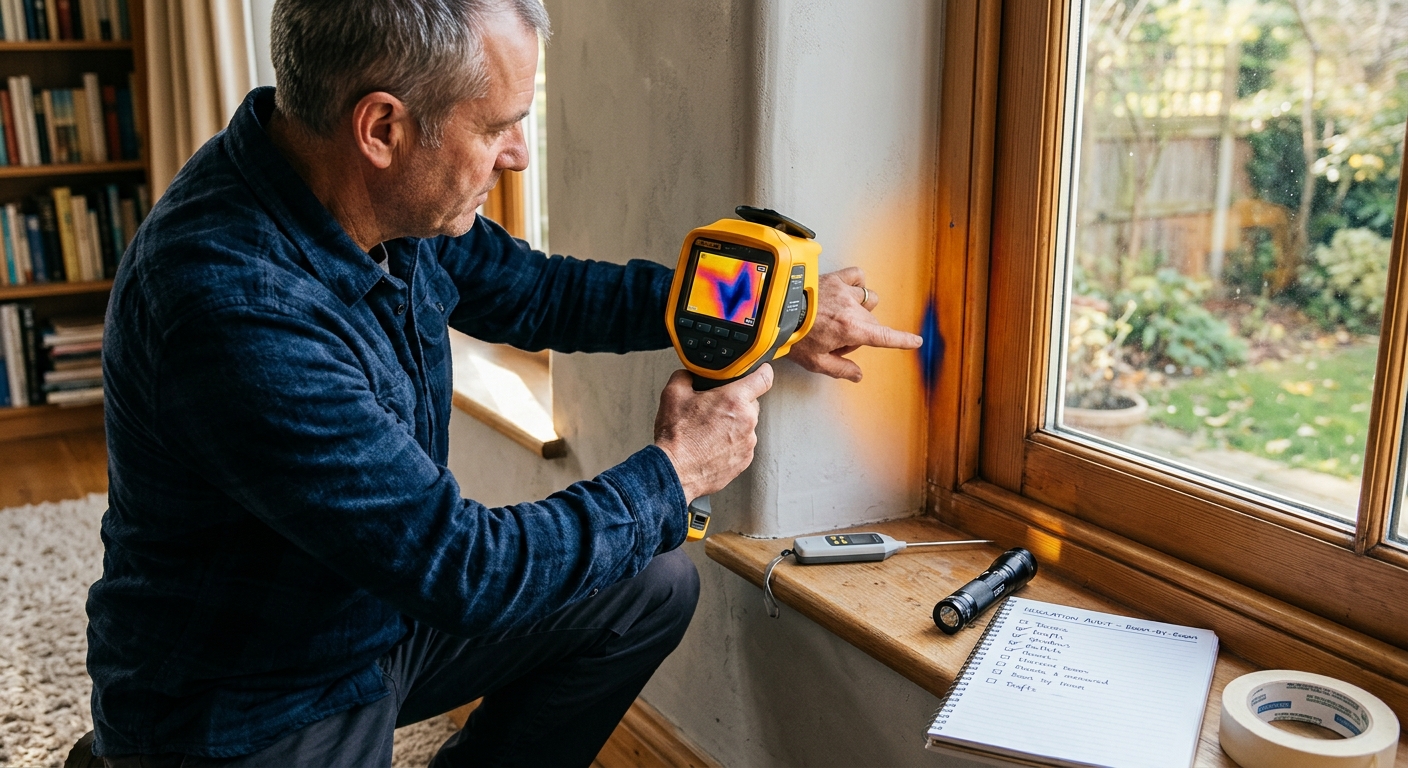
Most homeowners have no idea where their insulation is failing until they see the energy bill. A simple afternoon walkthrough with a few basic tools can reveal exactly where your home is losing heat or letting it in, and which fixes will pay off fastest.
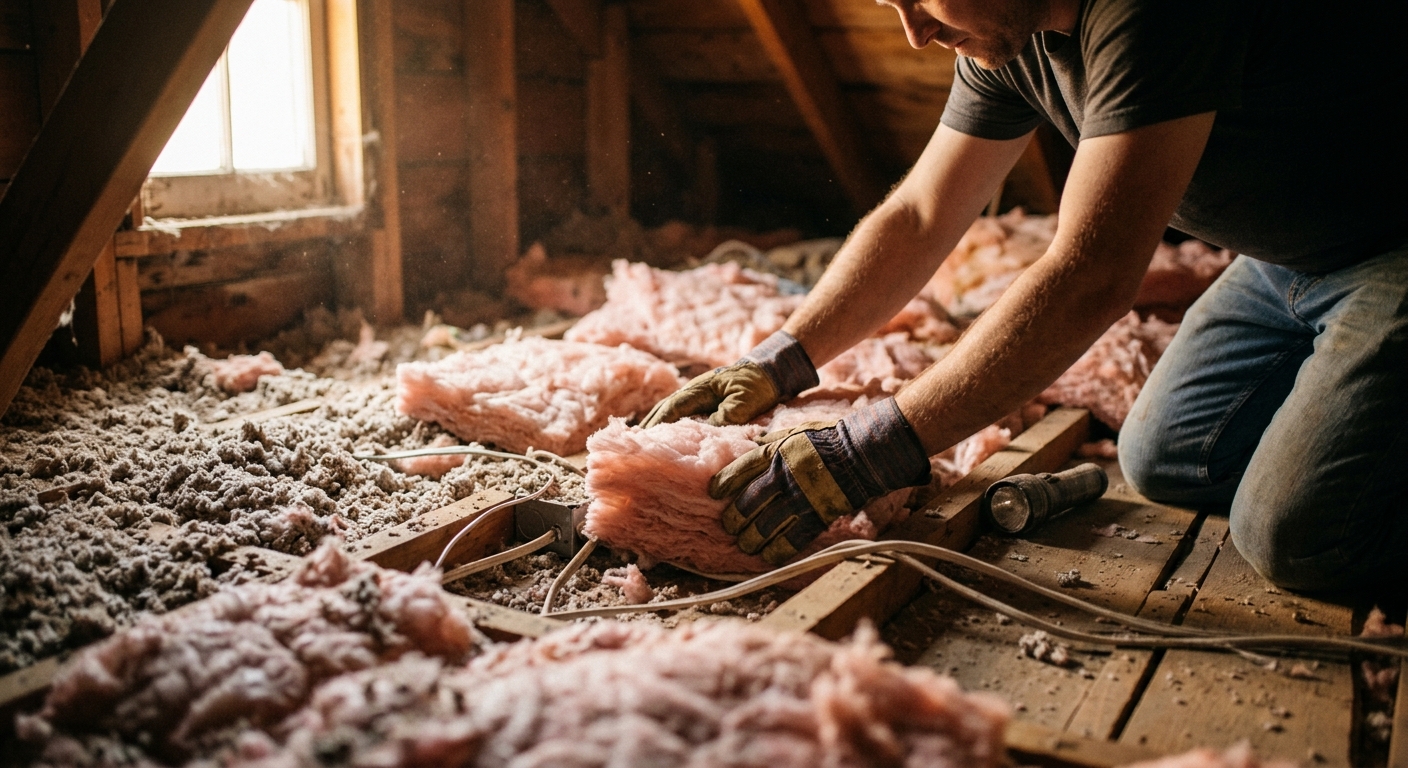
Most homeowners assume their insulation is doing its job, but a few common mistakes can quietly drain hundreds of dollars from your energy budget each year. Learn which errors matter most and how to fix them without a full renovation.
Many homeowners assume that adding insulation will also quiet their home, or that soundproofing products will lower their energy bills. These are two distinct sciences with very different solutions, and confusing them leads to wasted money and disappointing results.
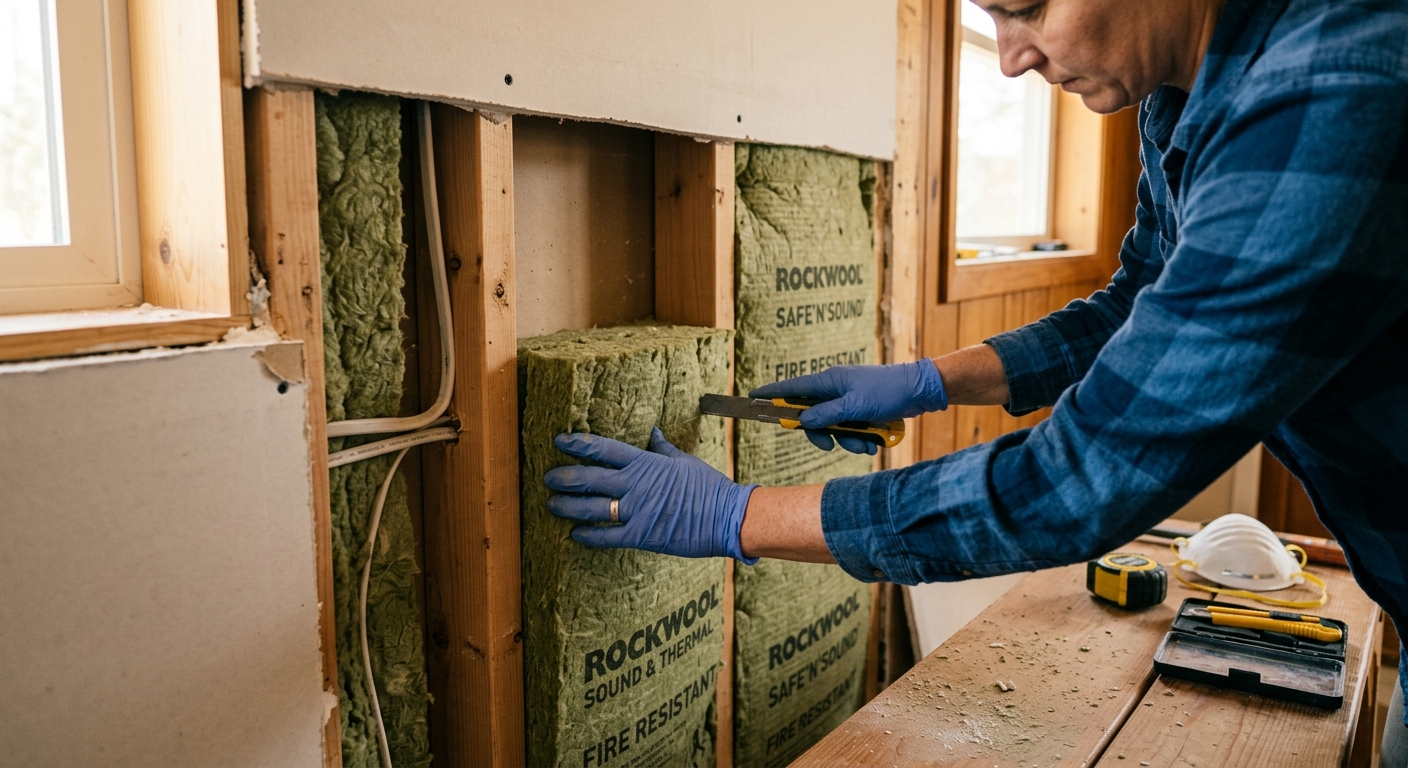
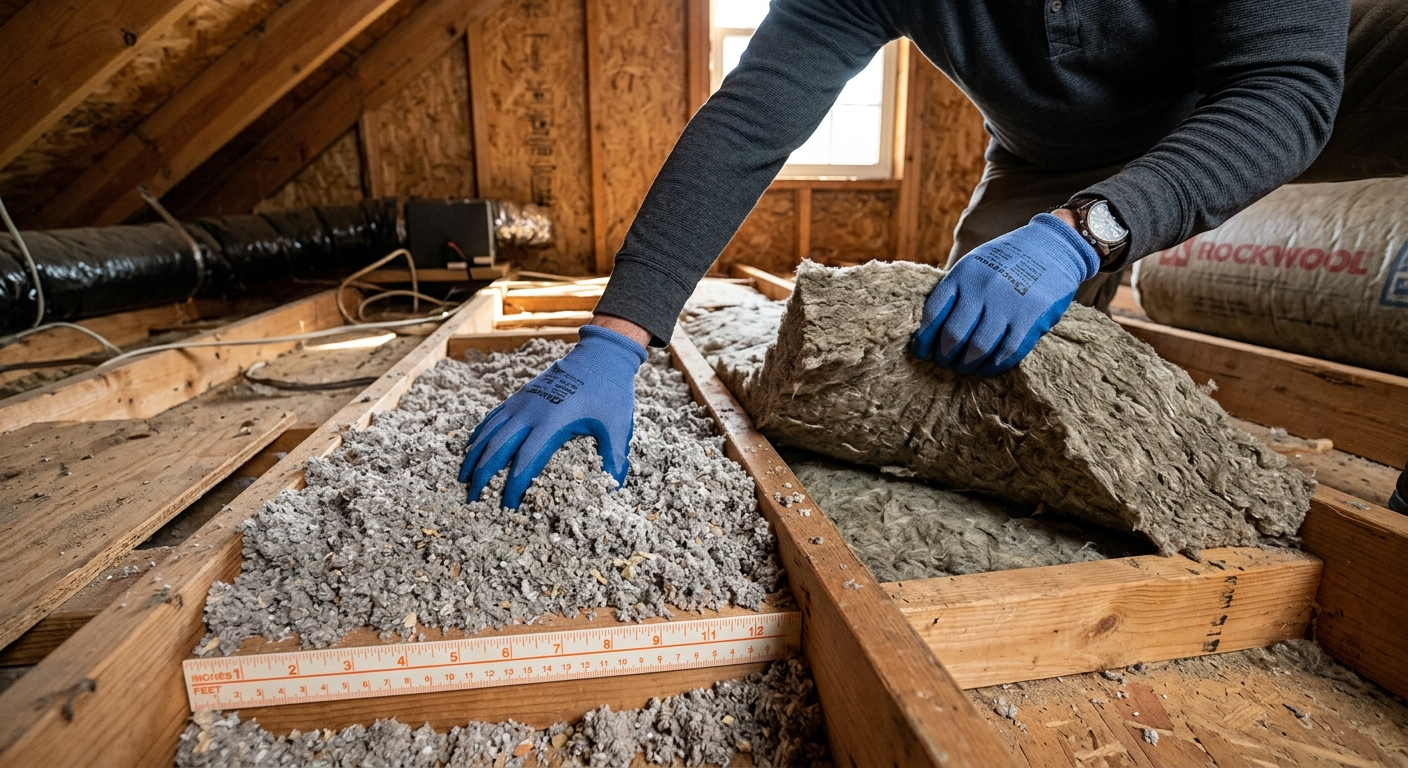
Most homeowners have no idea what type of insulation is in their walls or attic, and that gap in knowledge can lead to costly mistakes when upgrading or air sealing. Learn how to identify cellulose, fiberglass, and mineral wool insulation by sight, touch, and simple tests, so you can make smarter decisions about your home’s thermal envelope.