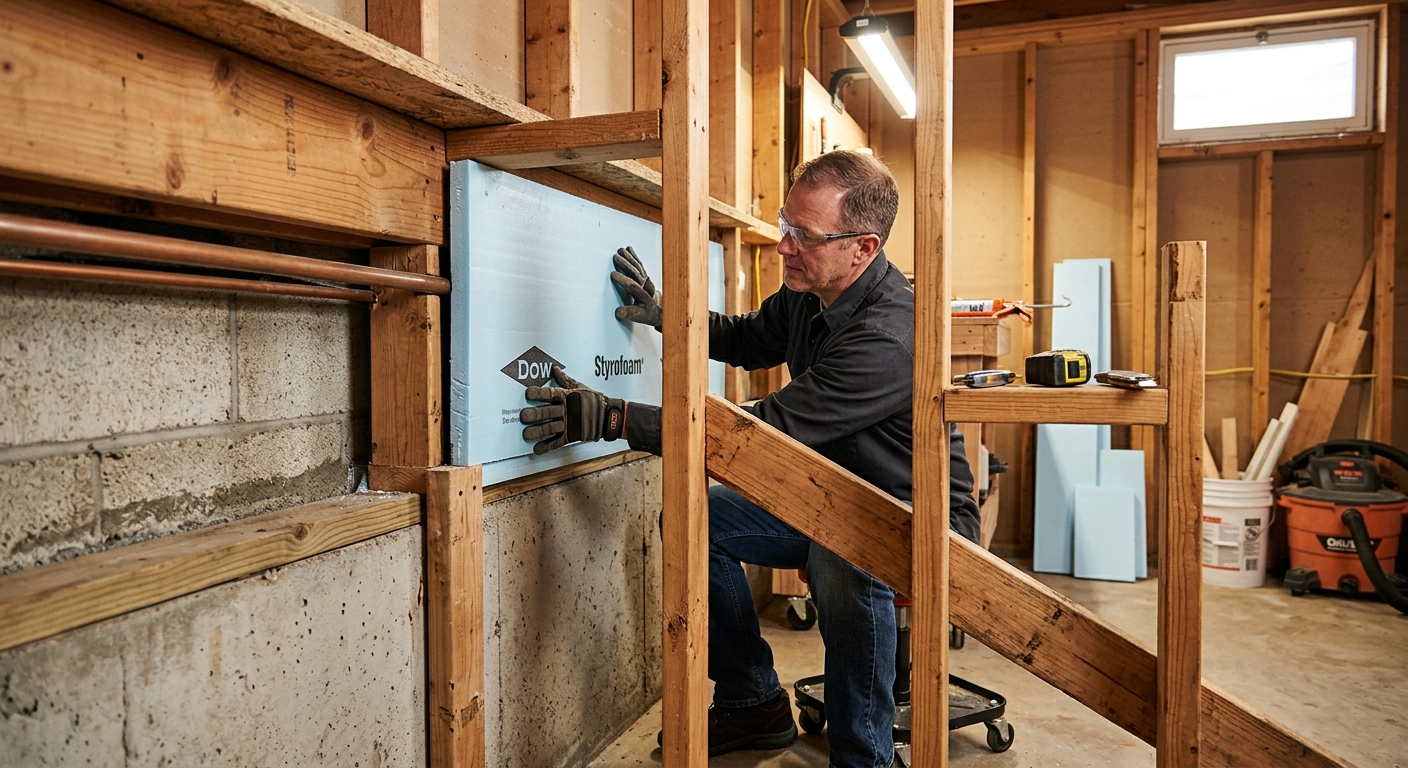
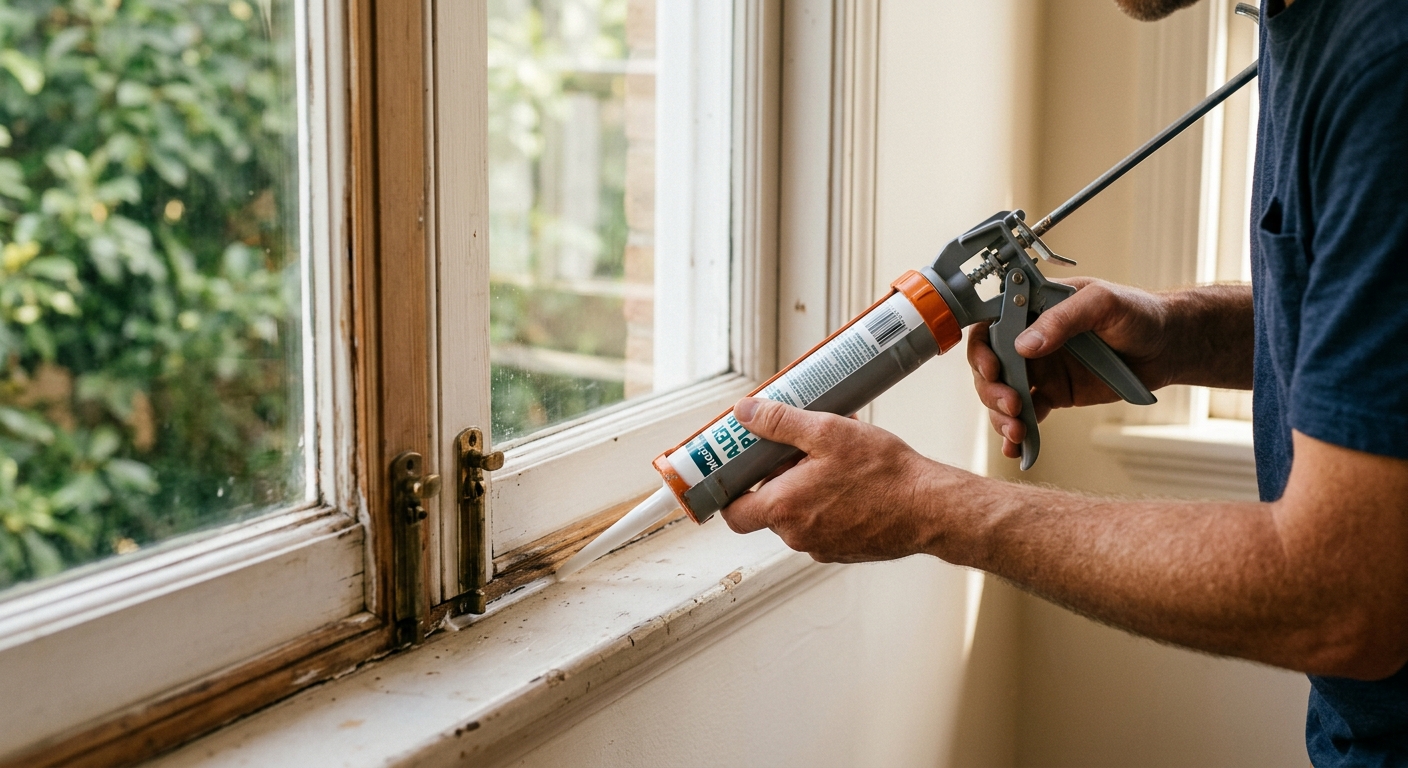
Most homeowners blame their furnace when heating bills spike, but the real culprit is usually a handful of overlooked gaps and weak spots letting warm air pour outside. Sealing these eight common heat escape routes can cut heating bills by 15 to 30% and make every room feel warmer without touching the thermostat.
Insulation does not last forever, and aging, damaged, or undersized insulation is one of the most overlooked reasons homes are uncomfortable and expensive to heat and cool. This guide shows you how to assess what you have, recognize the warning signs, and decide whether to repair, supplement, or fully replace.
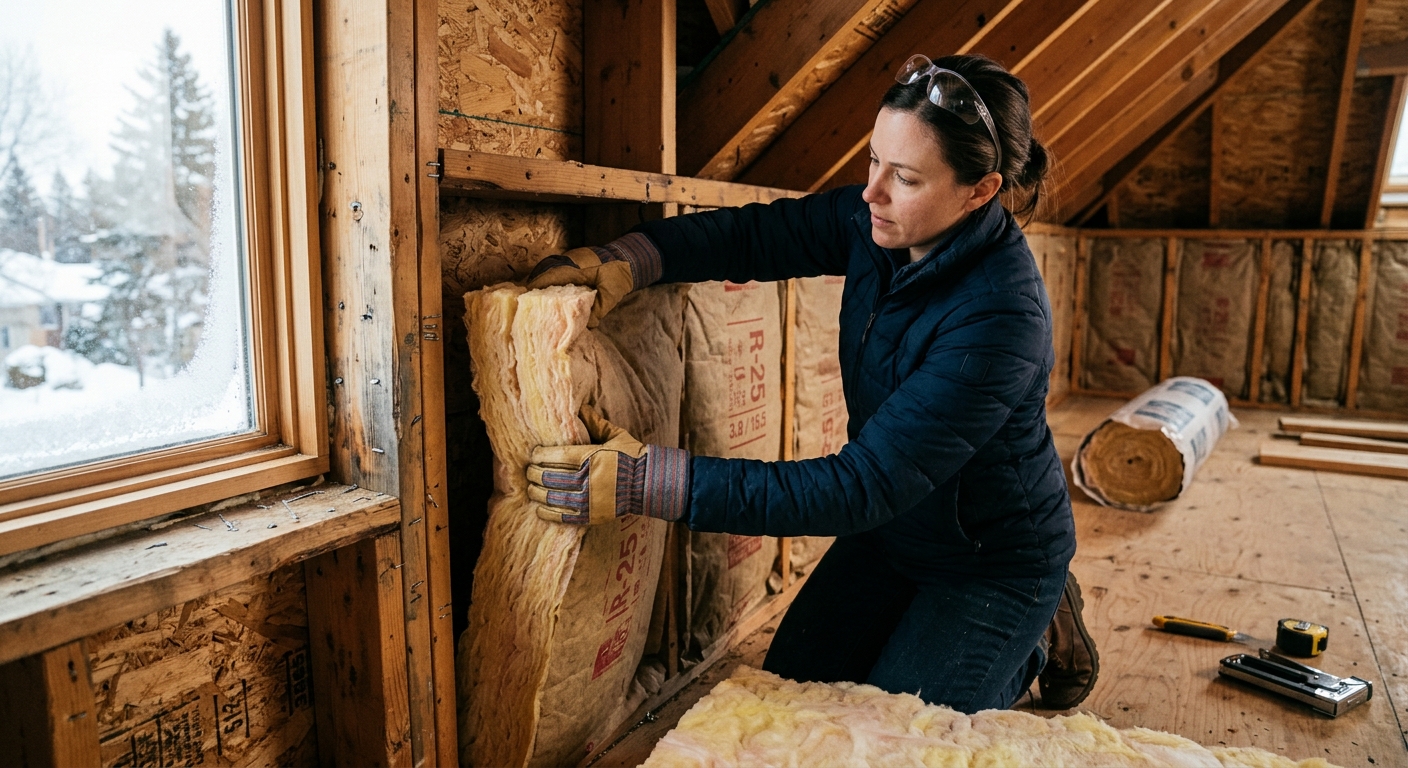
When temperatures plunge below zero, standard insulation often falls short, leaving you with sky-high heating bills and cold spots that no thermostat adjustment can fix. This guide breaks down the top insulation types for extreme cold climates, compares their real-world R-values and costs, and shows you exactly how to upgrade your home for maximum warmth and savings.
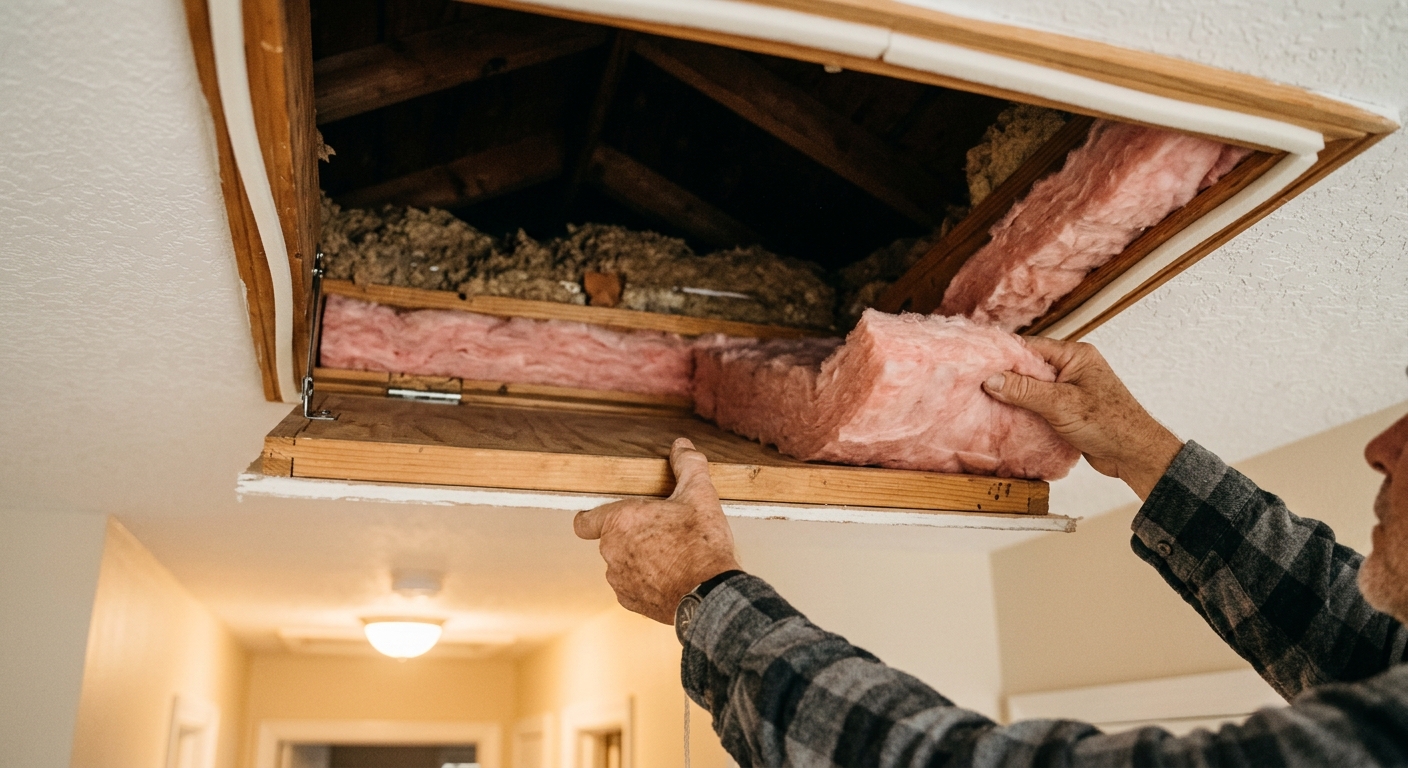
Your attic hatch is likely one of the most under-insulated spots in your entire home, leaking conditioned air 24 hours a day. Adding a simple insulated cover can cut attic-related heat loss by up to 30% and pay for itself in a single heating season.
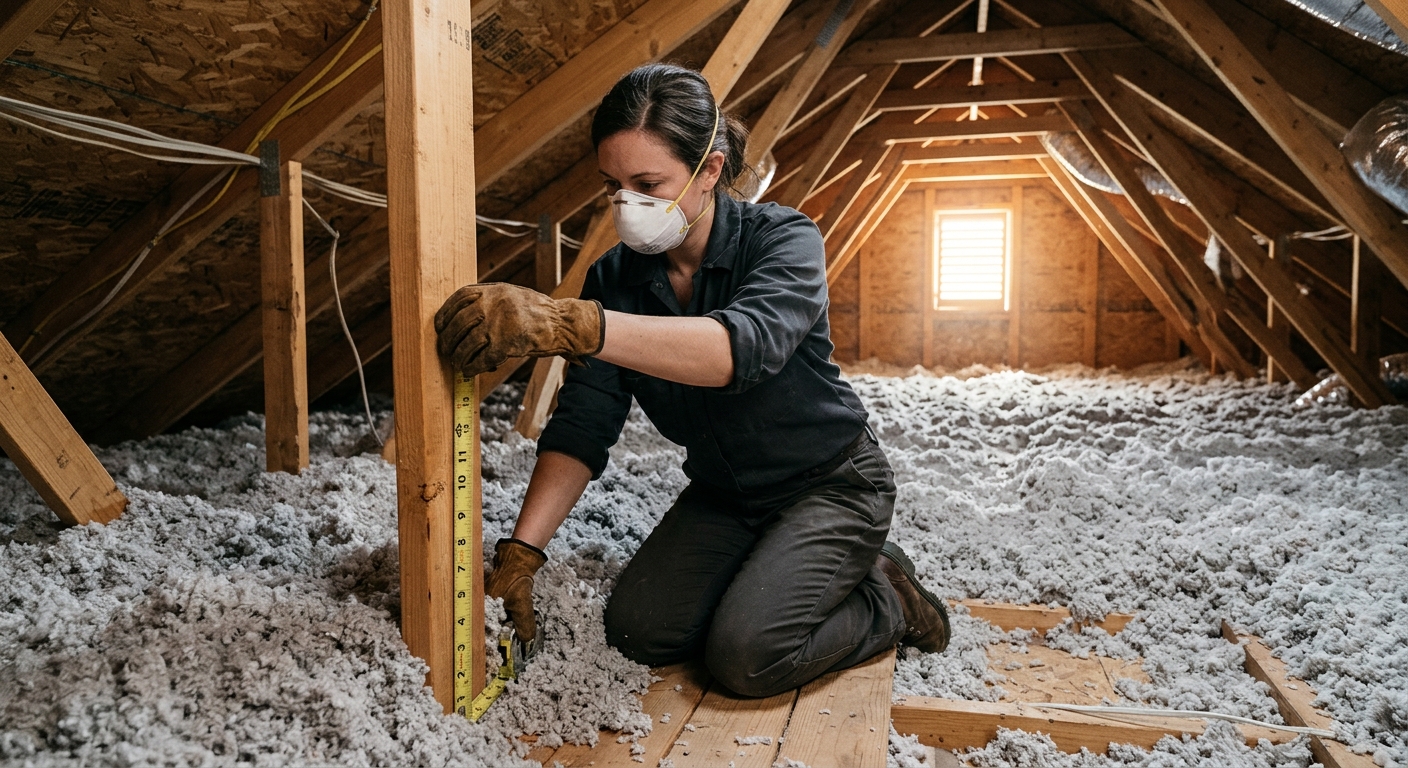
Most homeowners either under-insulate and pay for it every month, or over-spend on insulation that delivers diminishing returns. Knowing the right R-value target for your specific climate zone is the single most reliable way to maximize your insulation investment.
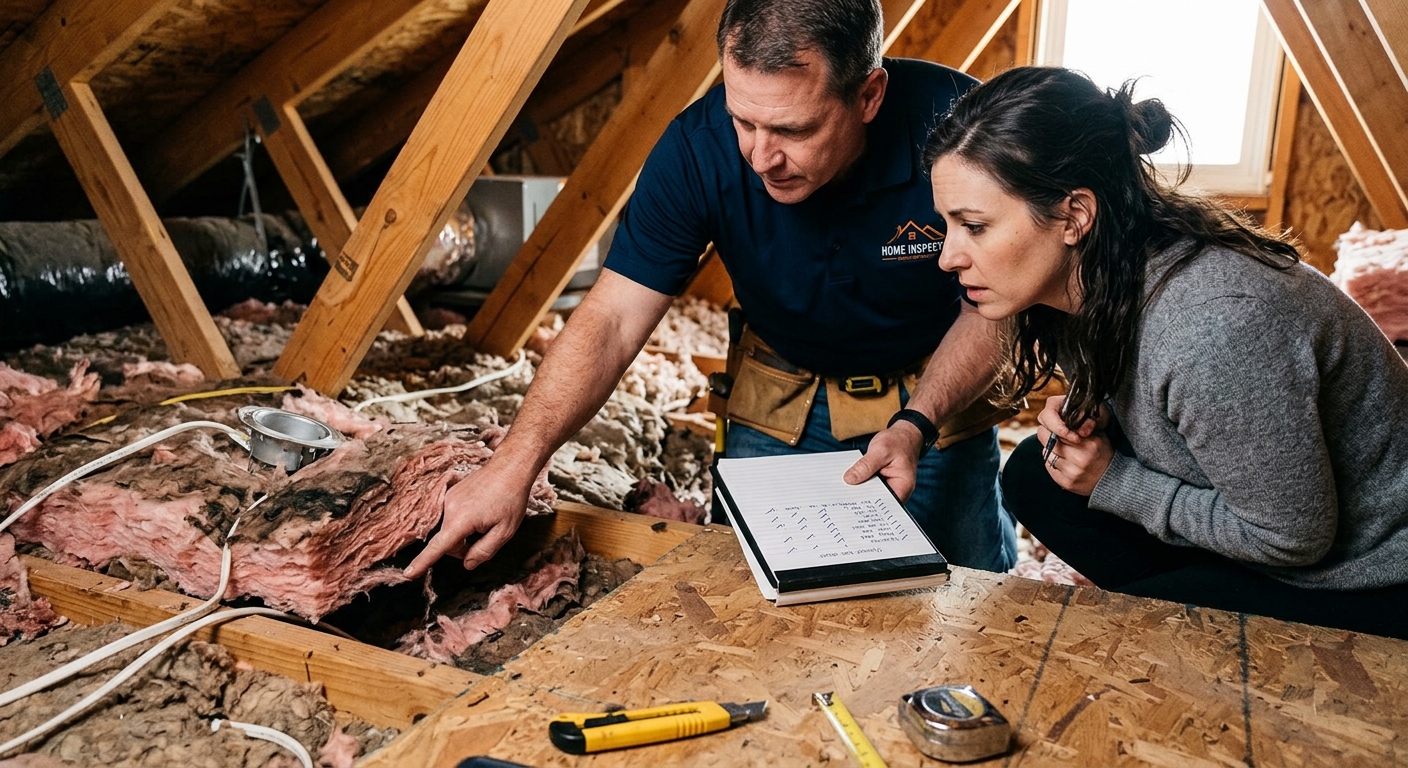
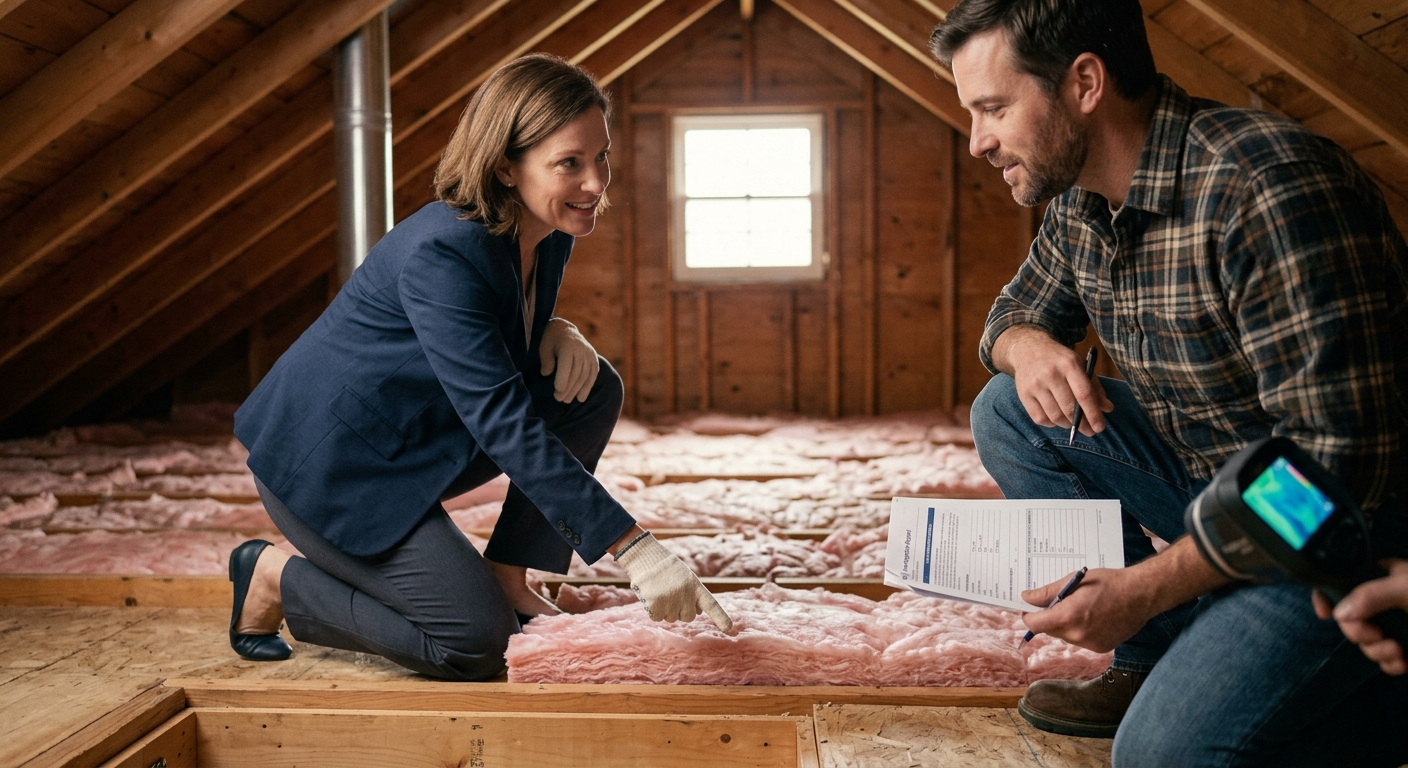
Home inspection reports are dense documents full of jargon, and insulation problems are easy to overlook or misunderstand. This guide shows you exactly how to decode common inspection language, find the issues yourself, and decide what to fix first.
Hidden air leaks can account for 25 to 40% of your heating and cooling costs, yet most homeowners have no idea where they are. In a single afternoon, you can track down the worst offenders and seal them for dramatic, lasting savings.
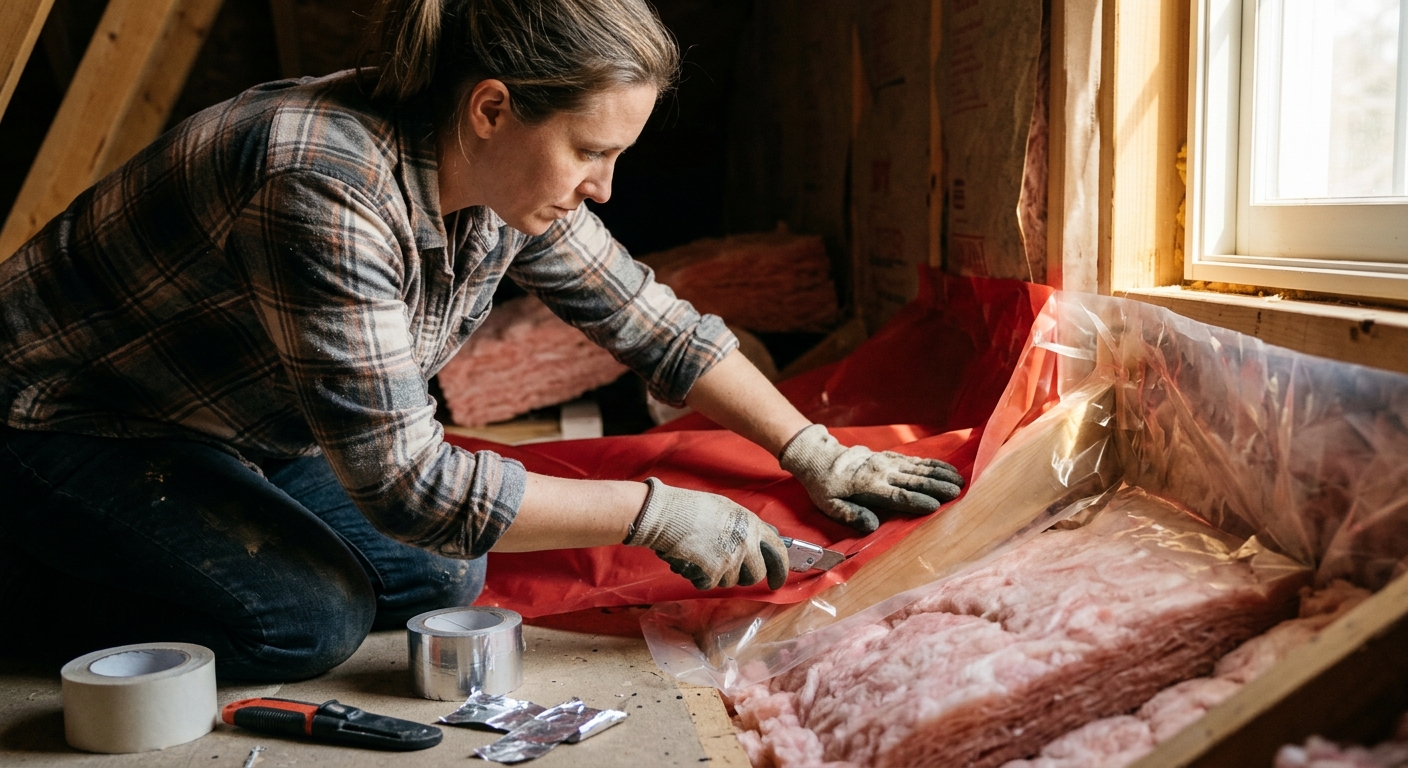
Most homeowners install vapor barriers with good intentions, but placing them on the wrong side of the wall or doubling up on them can trap moisture and rot your home from the inside out. Understanding a few key building science principles will help you get it right and protect both your insulation’s performance and your home’s structure.
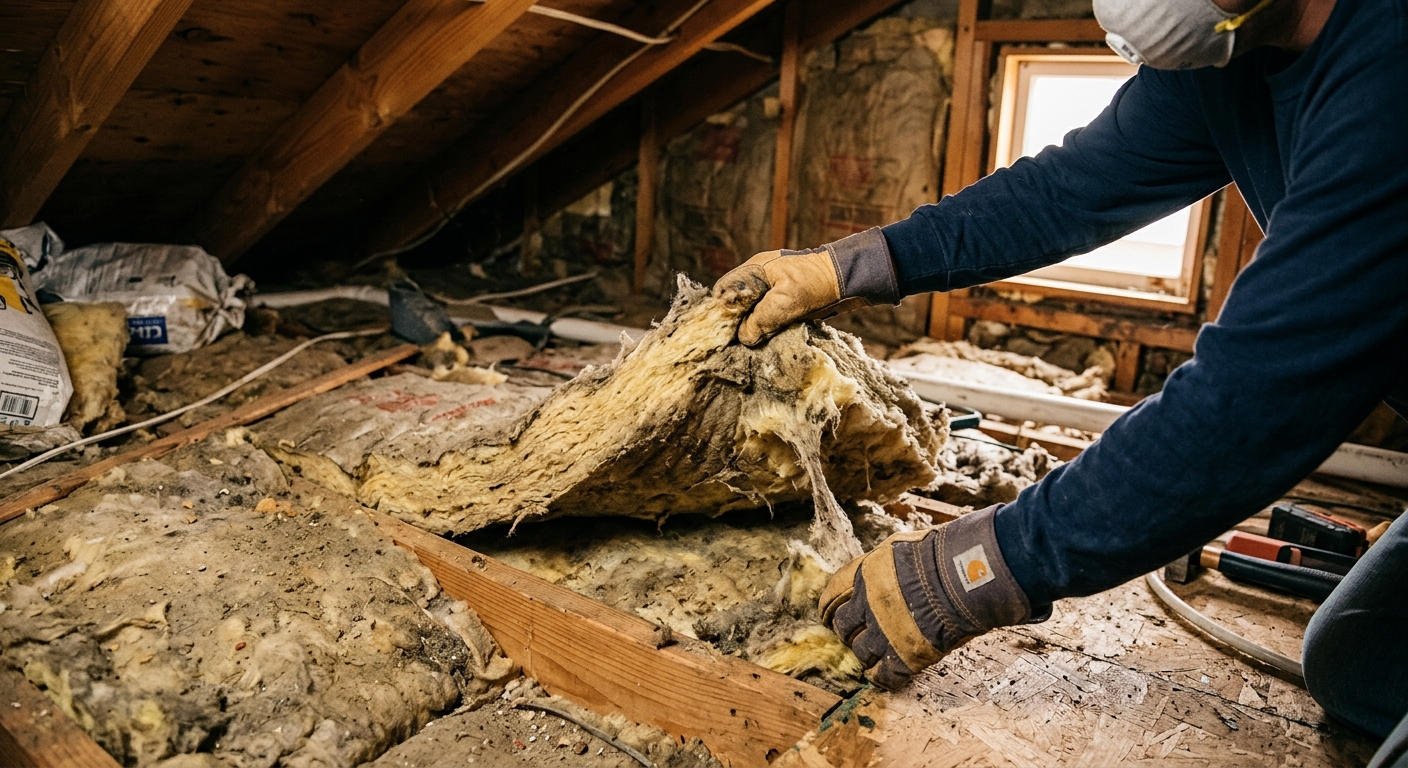
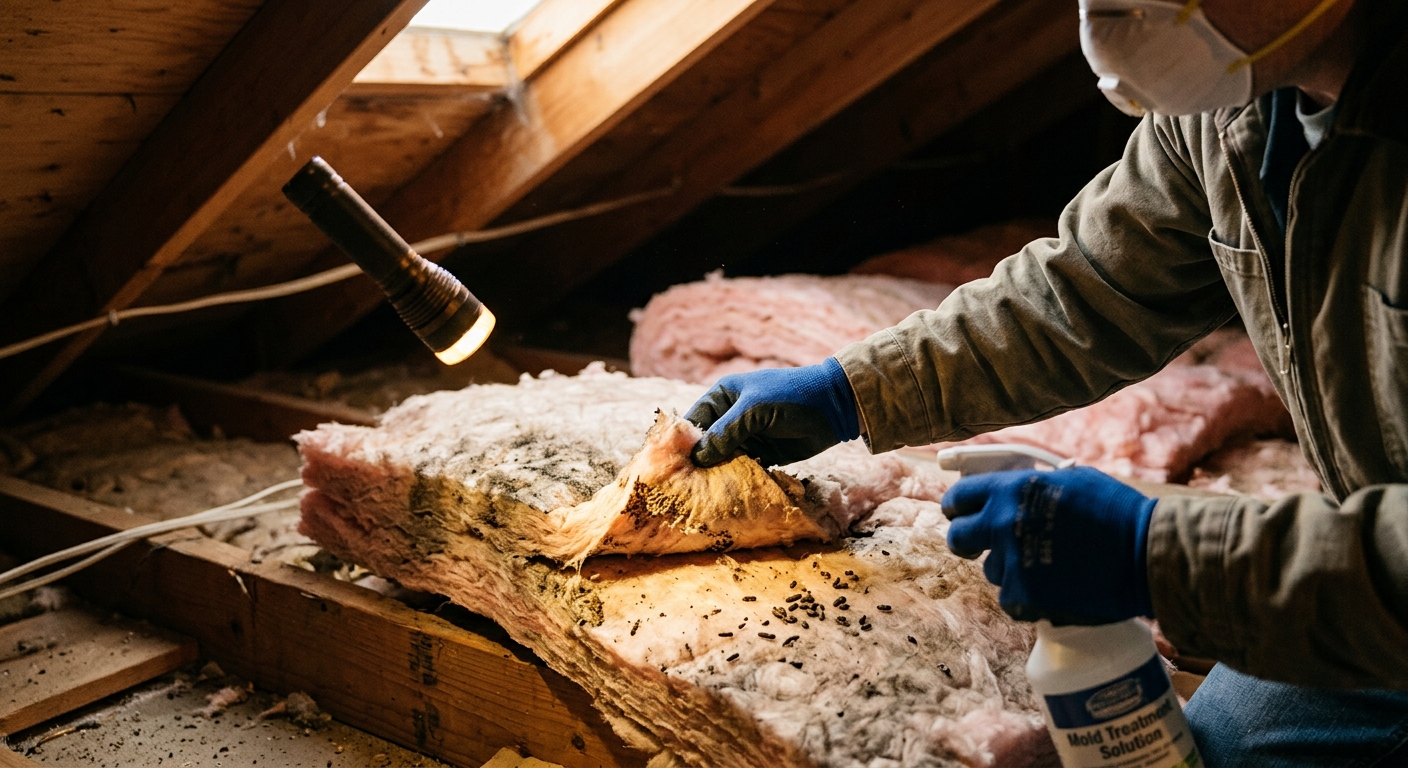
Damaged insulation does not just waste energy, it can harbor mold spores, rodent waste, and structural rot that threaten your family’s health. This guide walks you through how to identify the damage, safely remove it, and replace it so your home is both efficient and safe.
Outdated or missing insulation quietly costs sellers thousands in negotiating power and buyers thousands in future energy bills. Upgrading your insulation before listing can add 2 to 6 percent to your home’s value while making it far more attractive to today’s energy-conscious buyers.