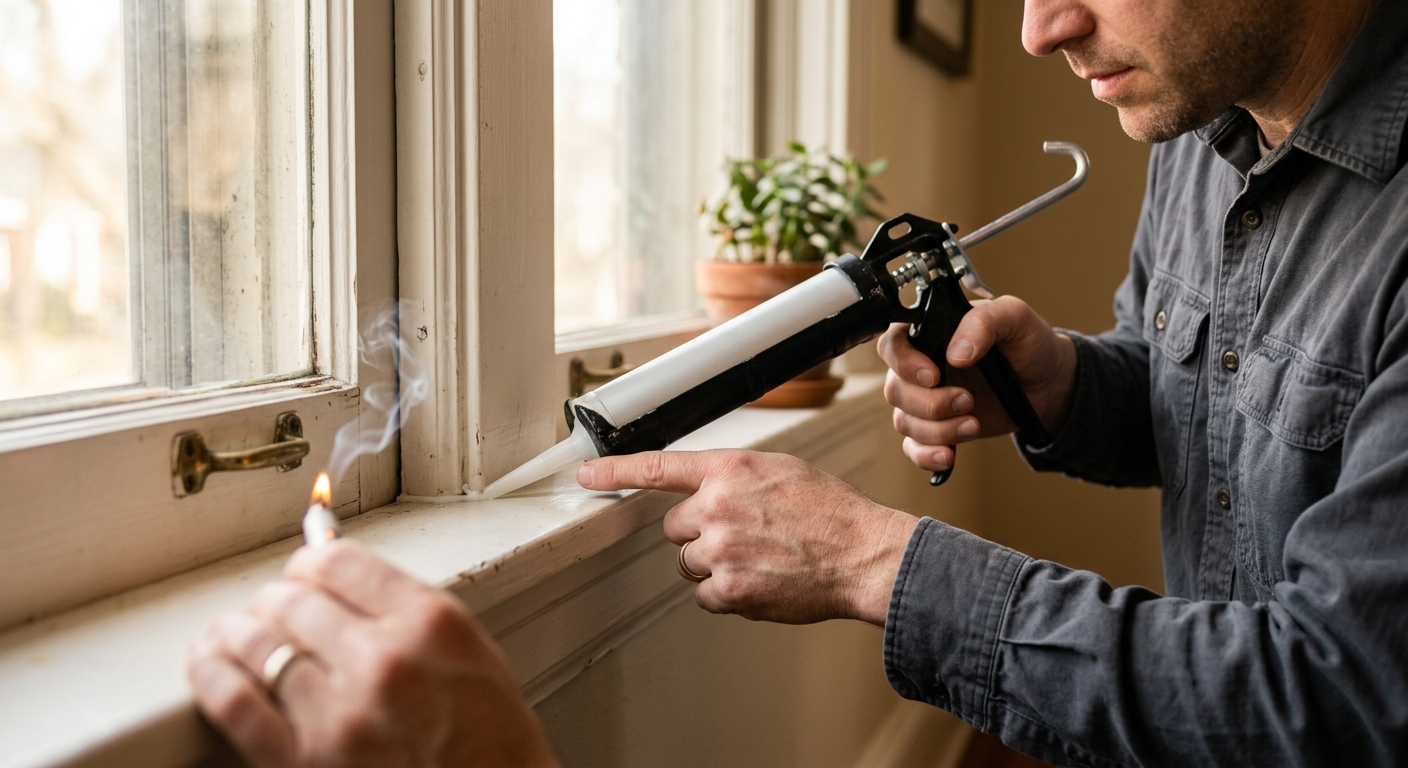
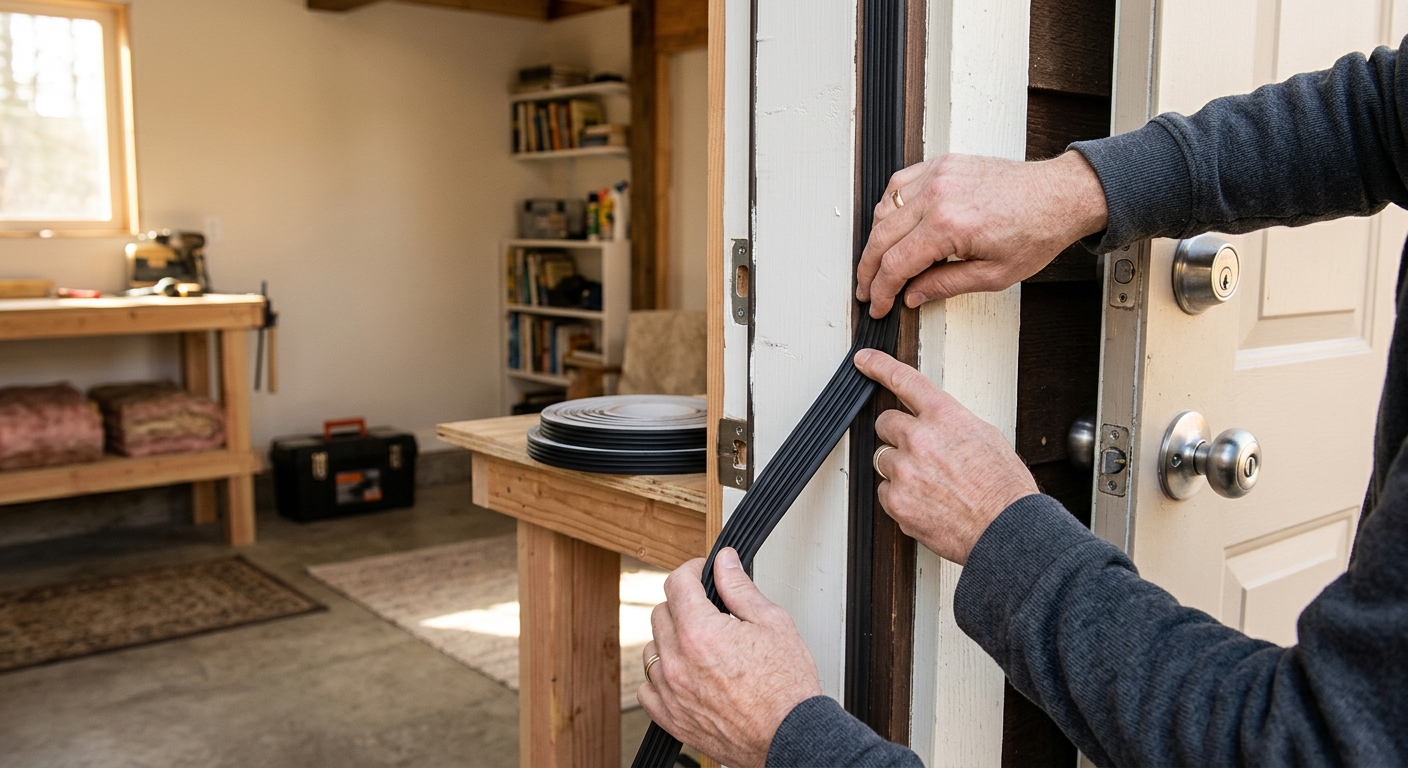
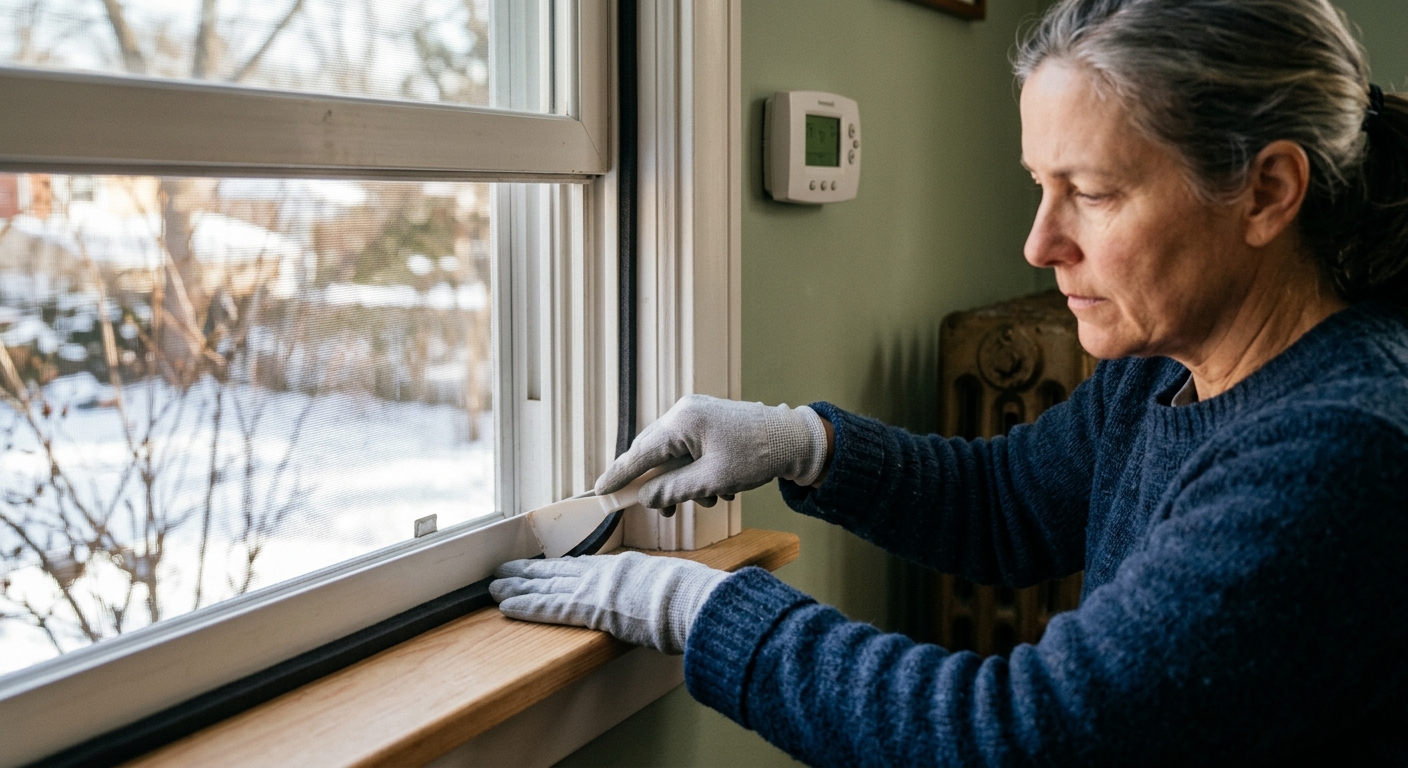
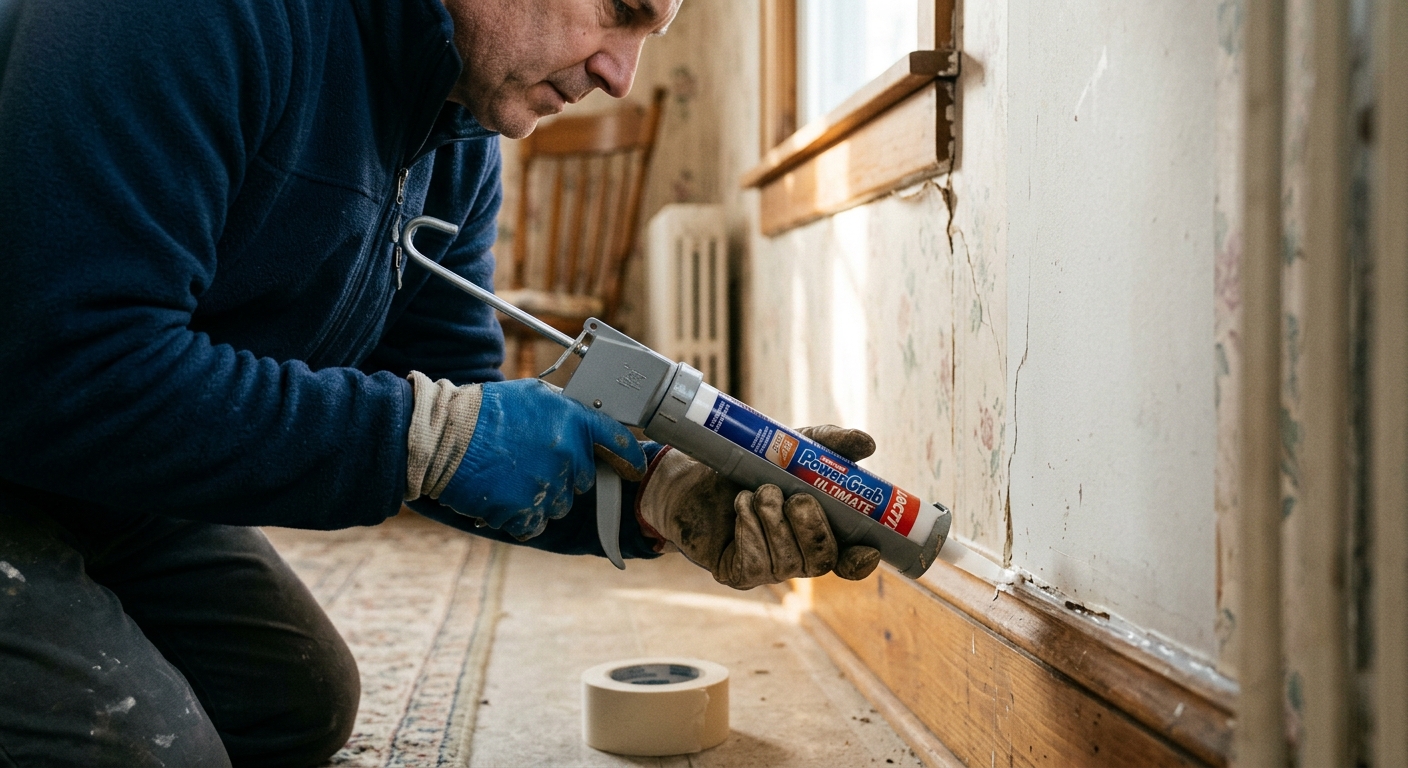
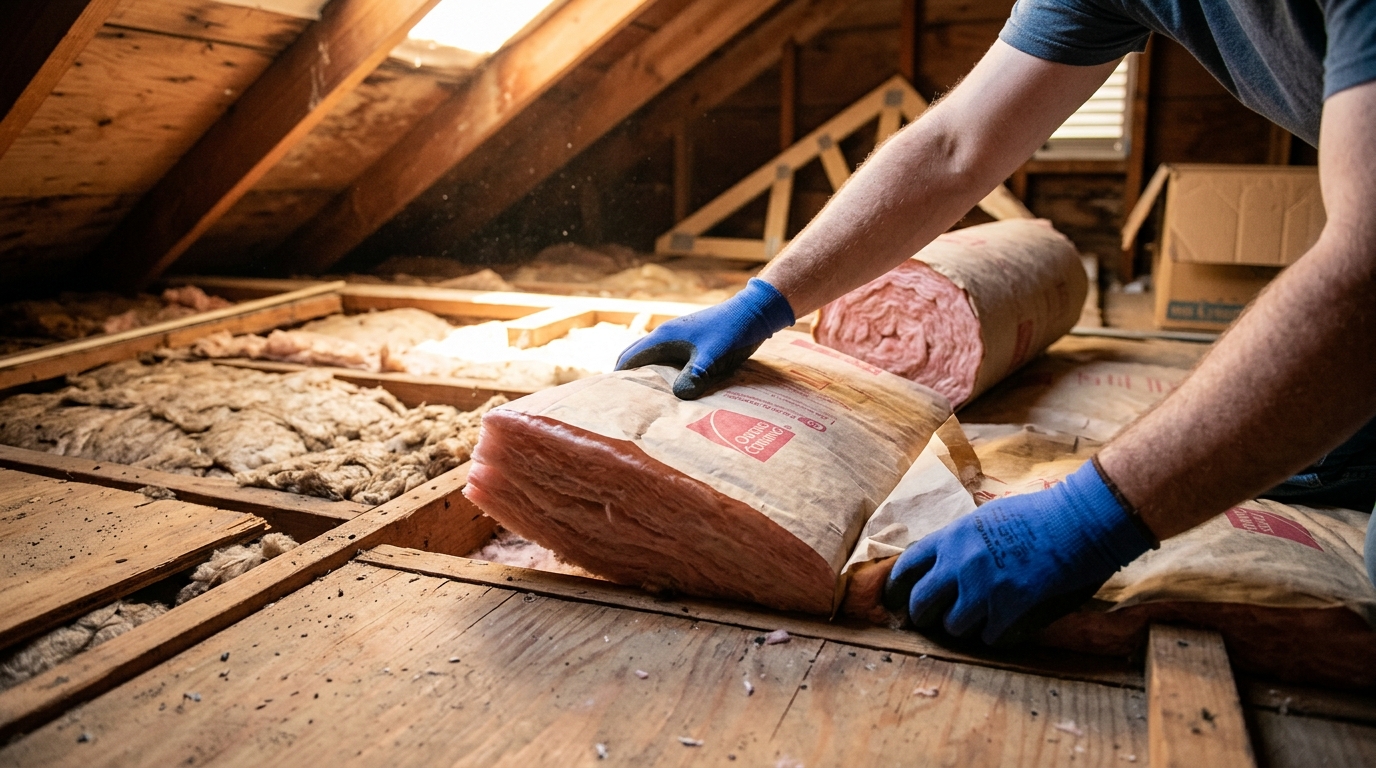
Hidden air leaks in the average home waste 25 to 40% of heating and cooling energy, adding up to $200 to $400 per year in unnecessary utility costs. In about an hour and with under $50 in materials, most homeowners can seal the worst offenders and start saving immediately.
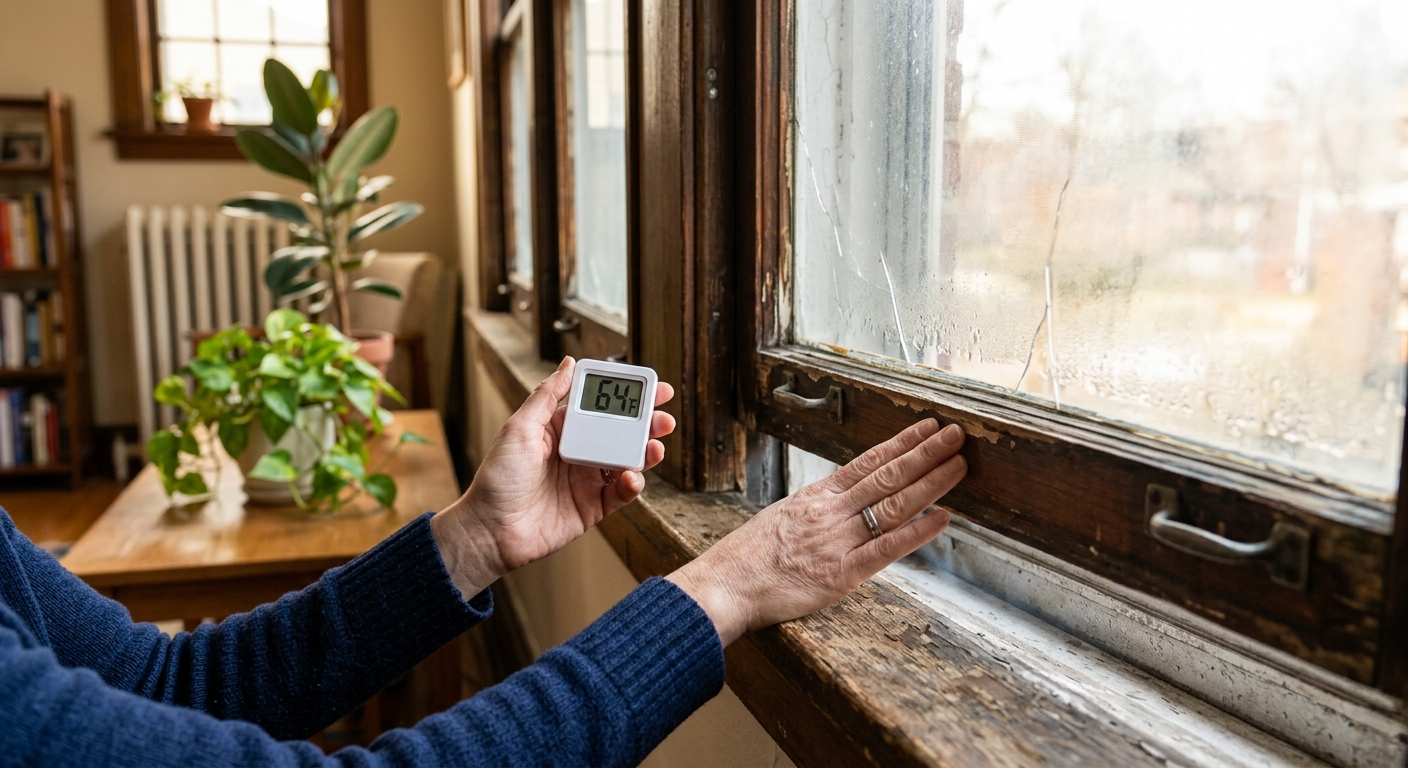
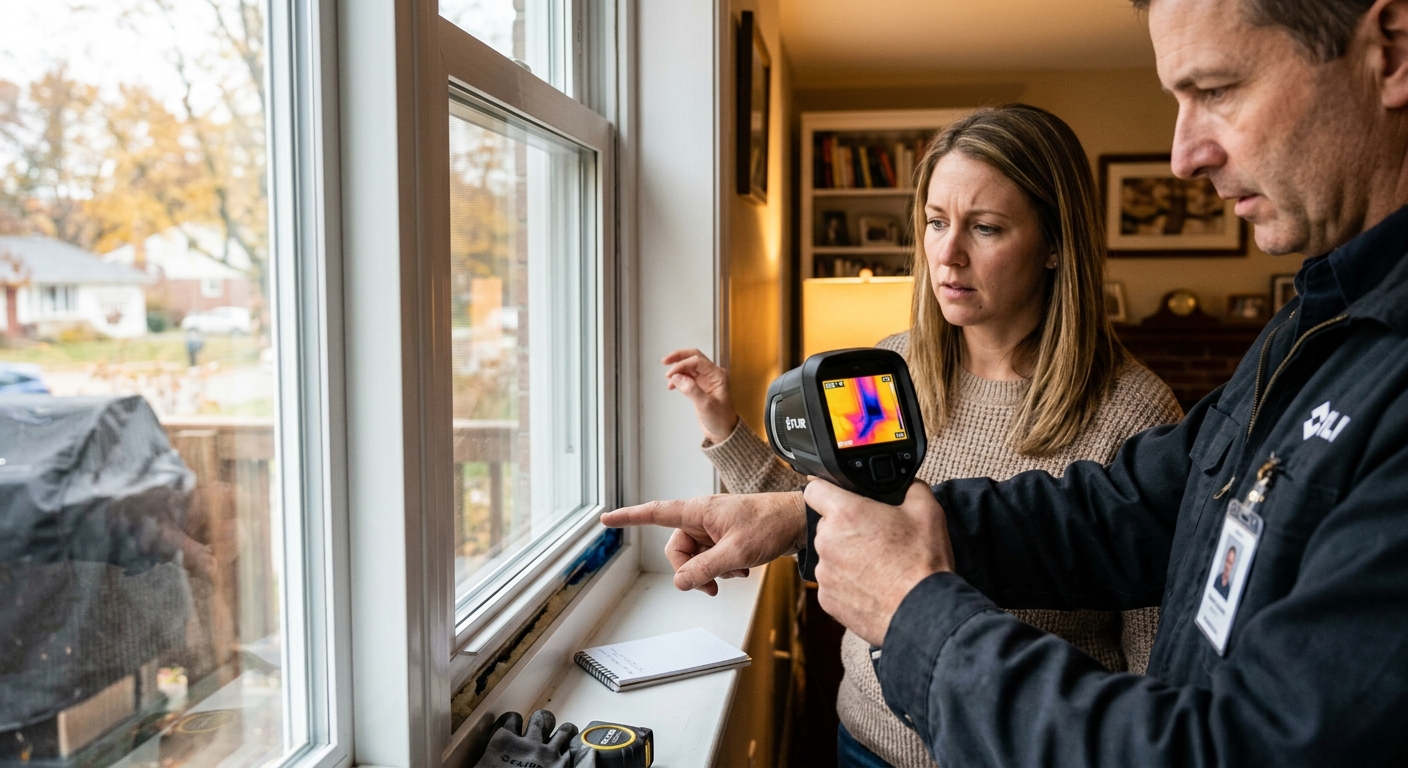
Drafty, single-pane, or poorly sealed windows can quietly add 10 to 25% to your monthly energy bill without you ever noticing. This post breaks down exactly what old windows cost you, how to measure the damage, and what you can do about it today.
Converted garages are notorious for being freezing in winter and sweltering in summer because they were never designed to be living space. The right combination of air sealing, insulation, and a dedicated heating and cooling source transforms them into genuinely comfortable rooms without breaking the bank.
A sudden jump in your January energy bill is not just about cold weather. It is a signal that your home’s thermal envelope, heating system, or daily habits have a hidden efficiency problem worth fixing.
Hidden gaps and cracks around your home act like open windows, constantly pumping hot outdoor air into your cooled living space. Locating and sealing these leaks is one of the highest-return home improvements you can make, often paying back in a single cooling season.
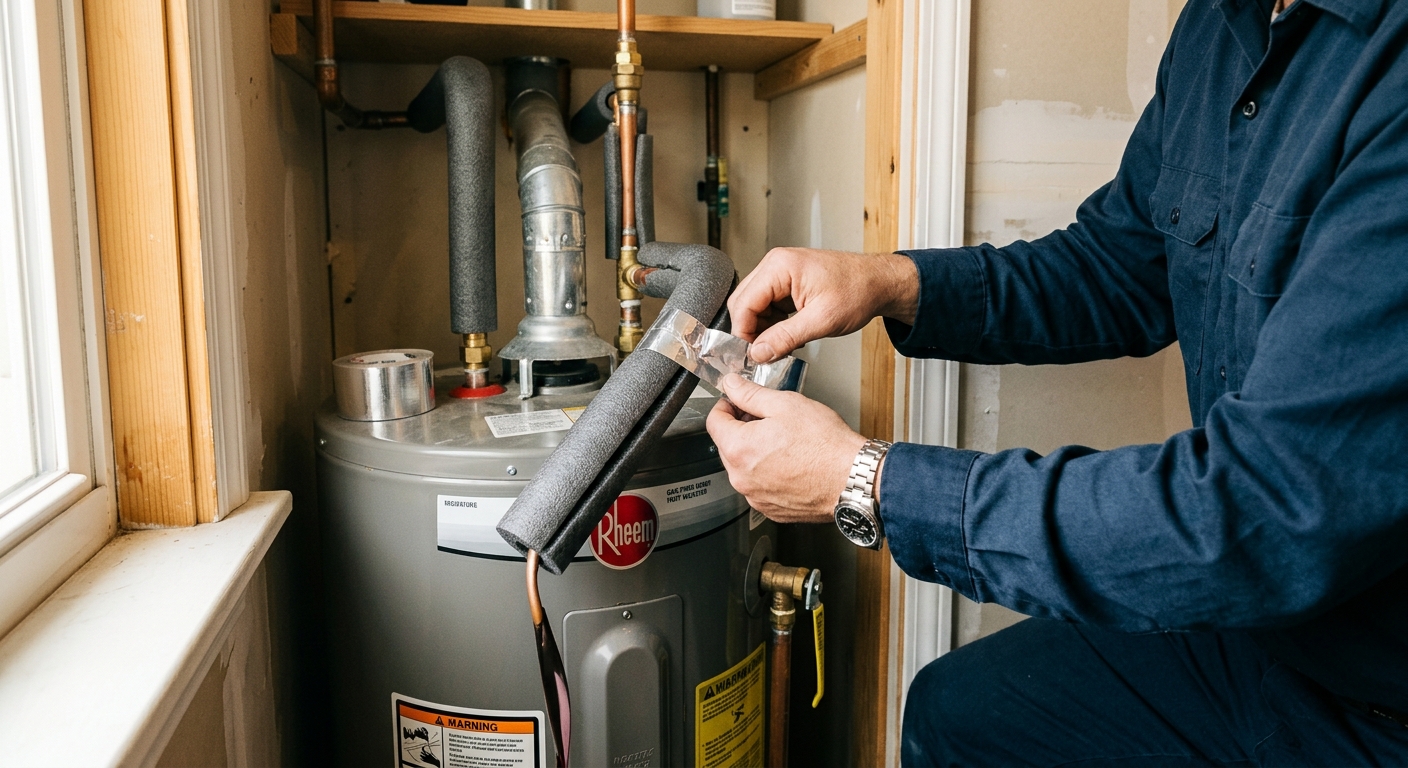
Your water heater loses heat constantly through the walls of its closet, forcing it to reheat water more often and driving up your energy bill. Insulating the closet walls, door, and pipes can reduce standby heat loss by 25 to 45% and pay for itself in under a year.
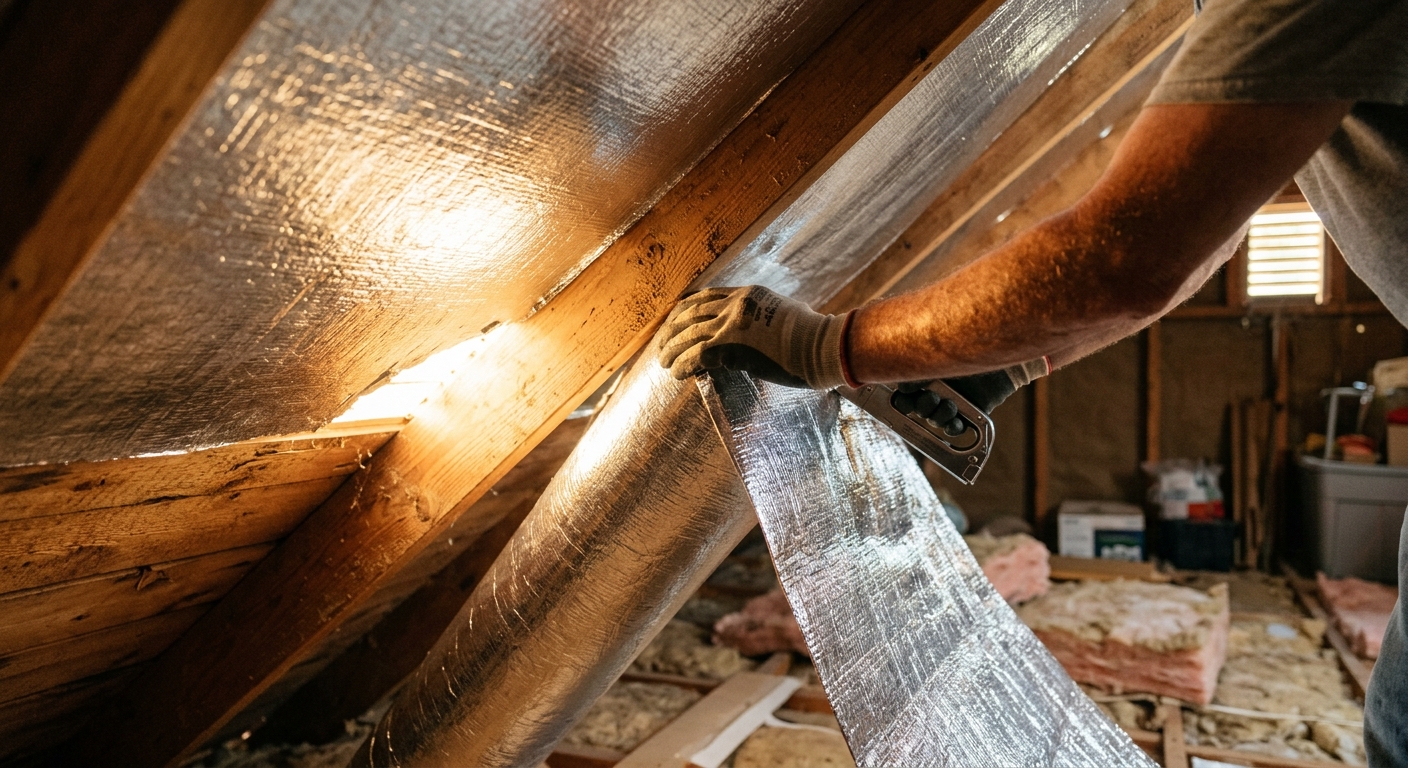
In hot climates, attic temperatures can soar past 150°F and push massive heat loads into your living space, forcing your AC to work overtime. A radiant barrier installed in your attic can reflect up to 97% of that radiant heat, cutting cooling costs by 5 to 15% with a payback period as short as 2 to 3 years.
Replacing windows is one of the most common home upgrades, yet most homeowners are disappointed by the actual savings on their energy bills. The problem usually isn’t the windows themselves – it’s everything around them that was overlooked during installation.
Cold walls, sky-high heating bills, and drafty rooms are not just annoyances – they are symptoms of heat escaping through under-insulated or leaky walls. Learn how to spot the signs, confirm the problem, and fix it before winter drains your wallet.
Most homeowners never think about their attic until there’s a leak or a pest problem, but that unfinished space above your ceiling is likely costing you hundreds of dollars a year in wasted energy. Understanding how heat moves through your attic, and sealing it properly, can cut heating and cooling bills by 15 to 30 percent.