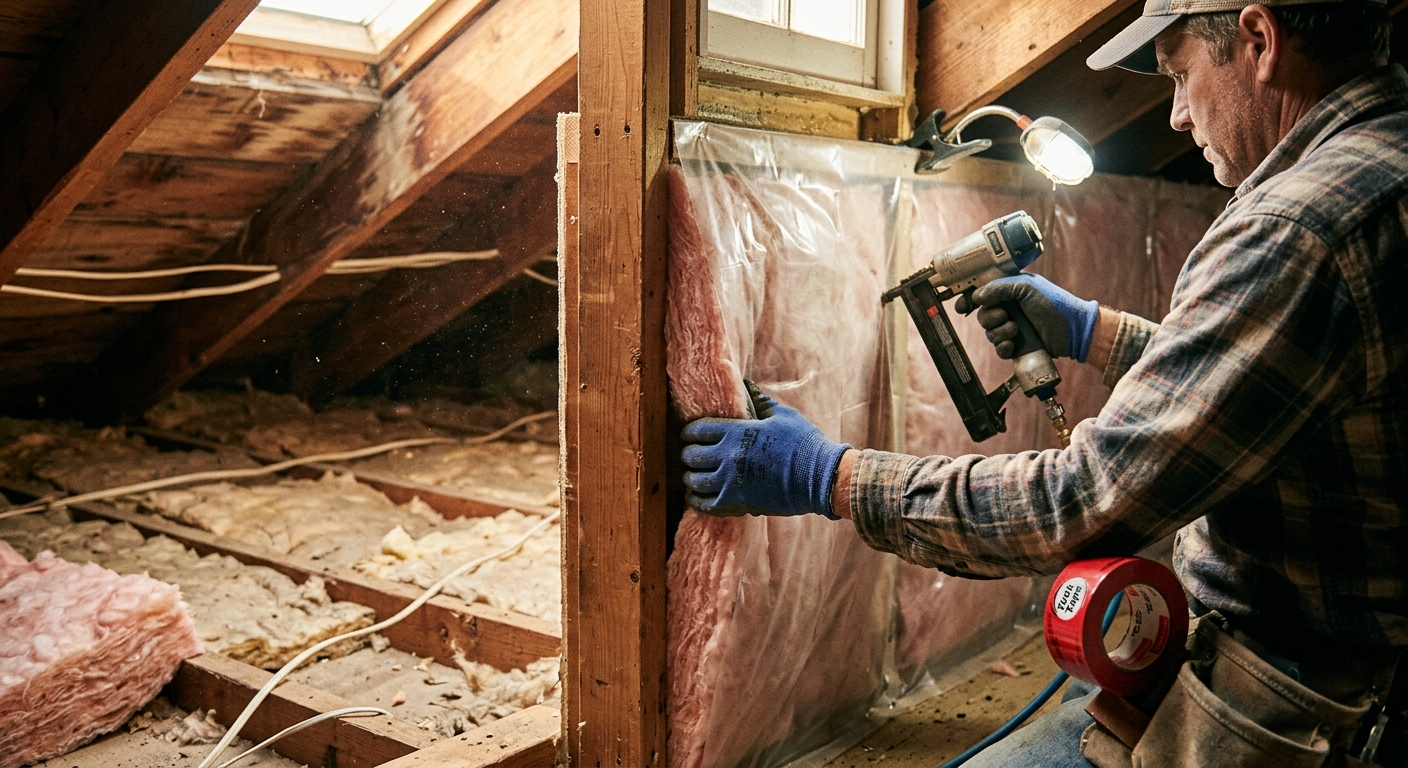
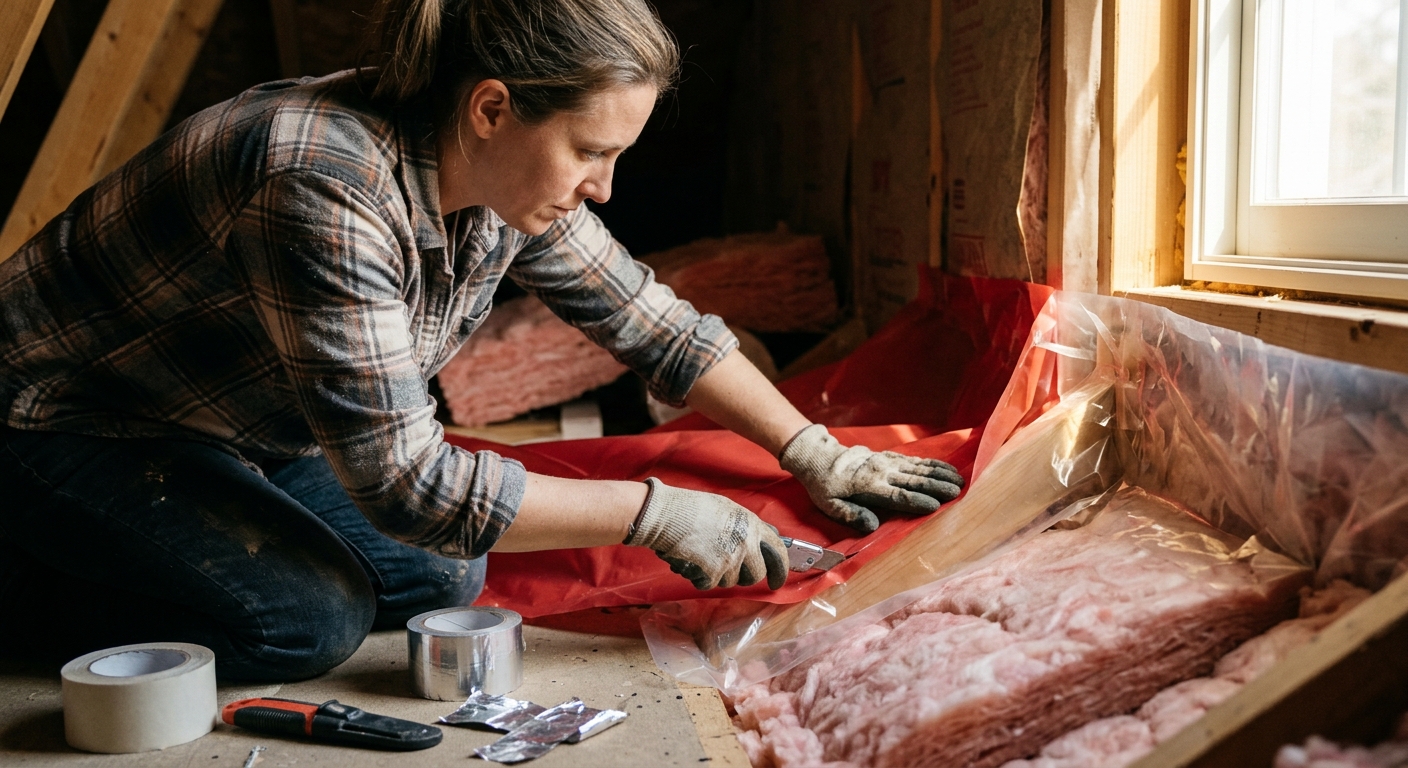
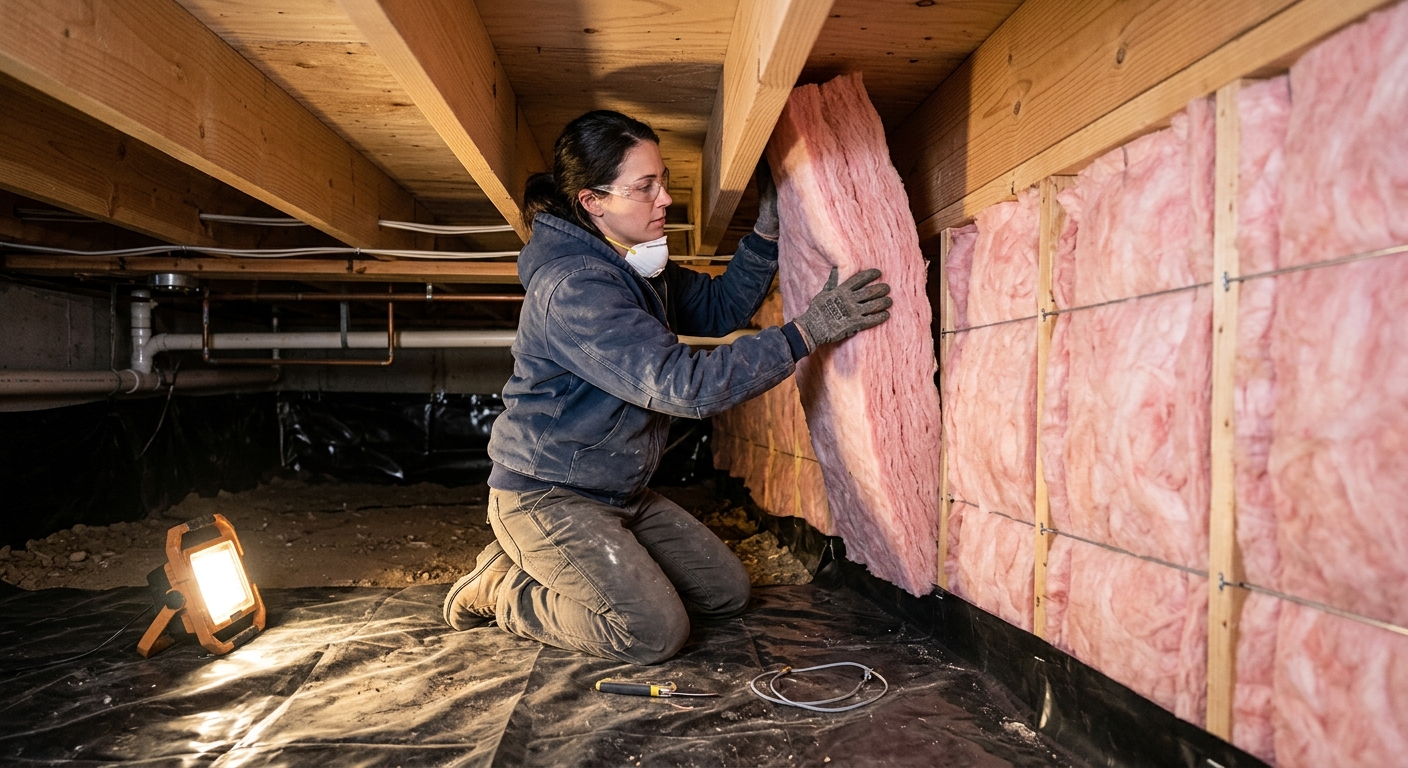
Knee walls in finished attics and Cape Cod homes are notorious for letting conditioned air escape and outside temperatures creep in. Insulating and air sealing them correctly can cut heating and cooling losses by 20 to 30% in affected spaces.
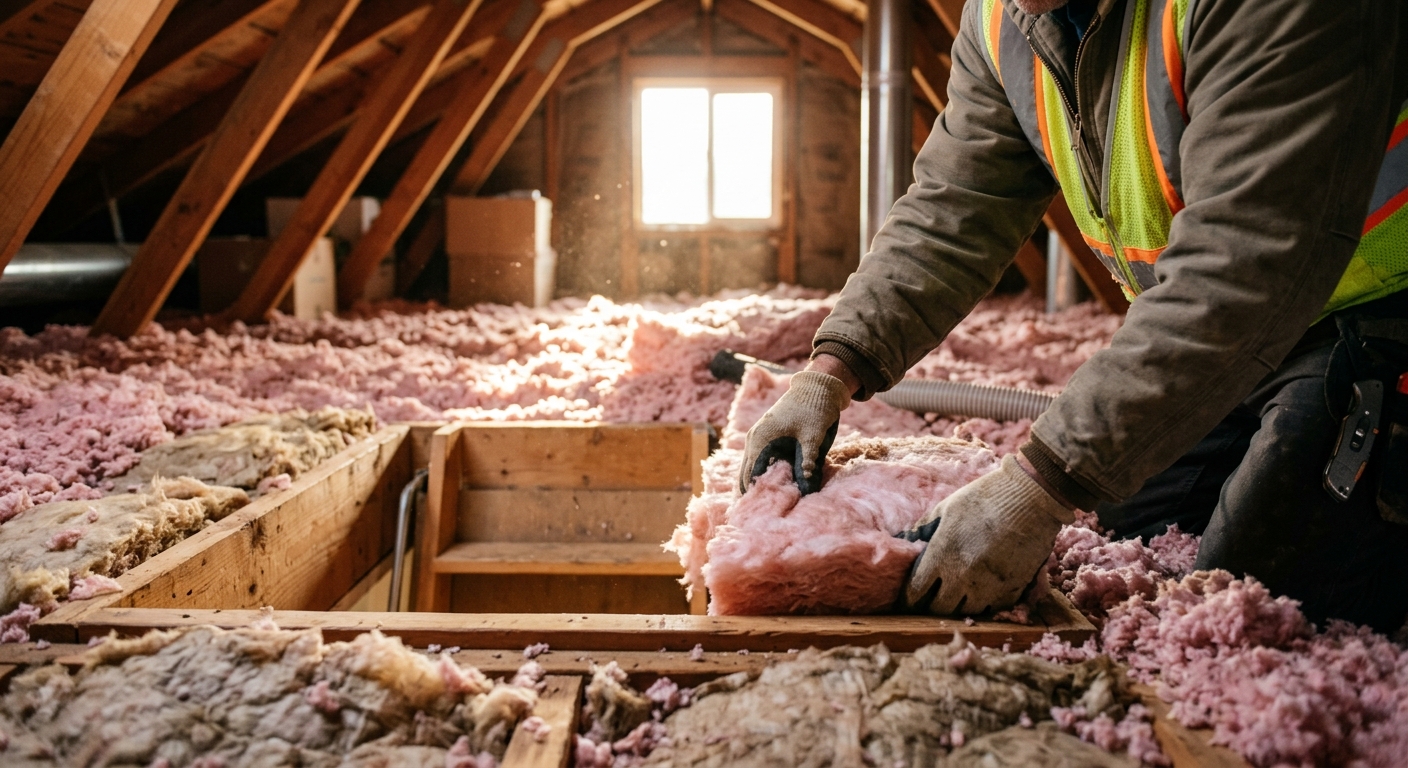
Most homeowners upgrade windows or buy smart thermostats first, but the attic is responsible for up to 40% of a home’s heating and cooling loss. Starting here delivers the fastest payback and the biggest comfort improvement of any single upgrade.
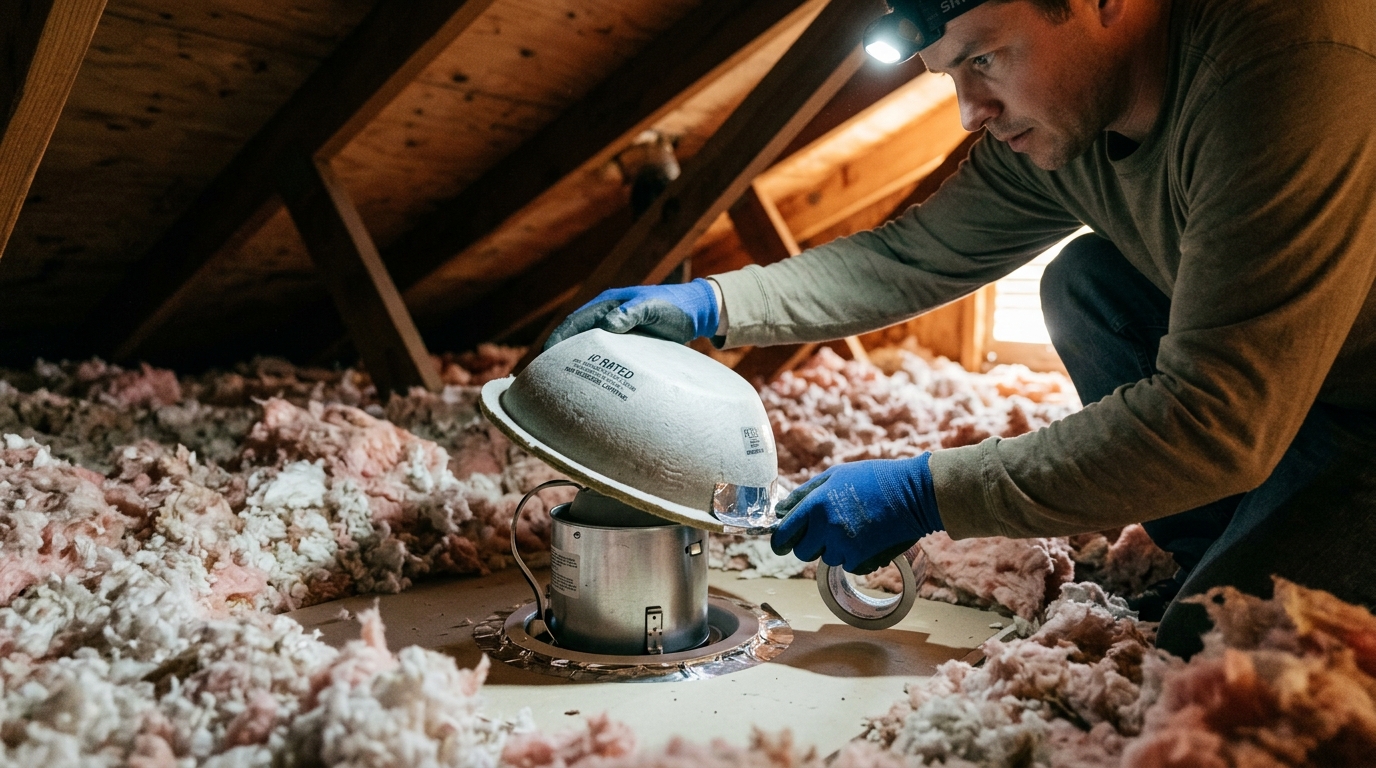
Recessed lights are one of the biggest hidden sources of heat loss in insulated ceilings, but covering them incorrectly can start a fire. This guide shows you exactly how to seal and insulate around recessed cans safely, with real savings numbers and step-by-step approaches for every budget.
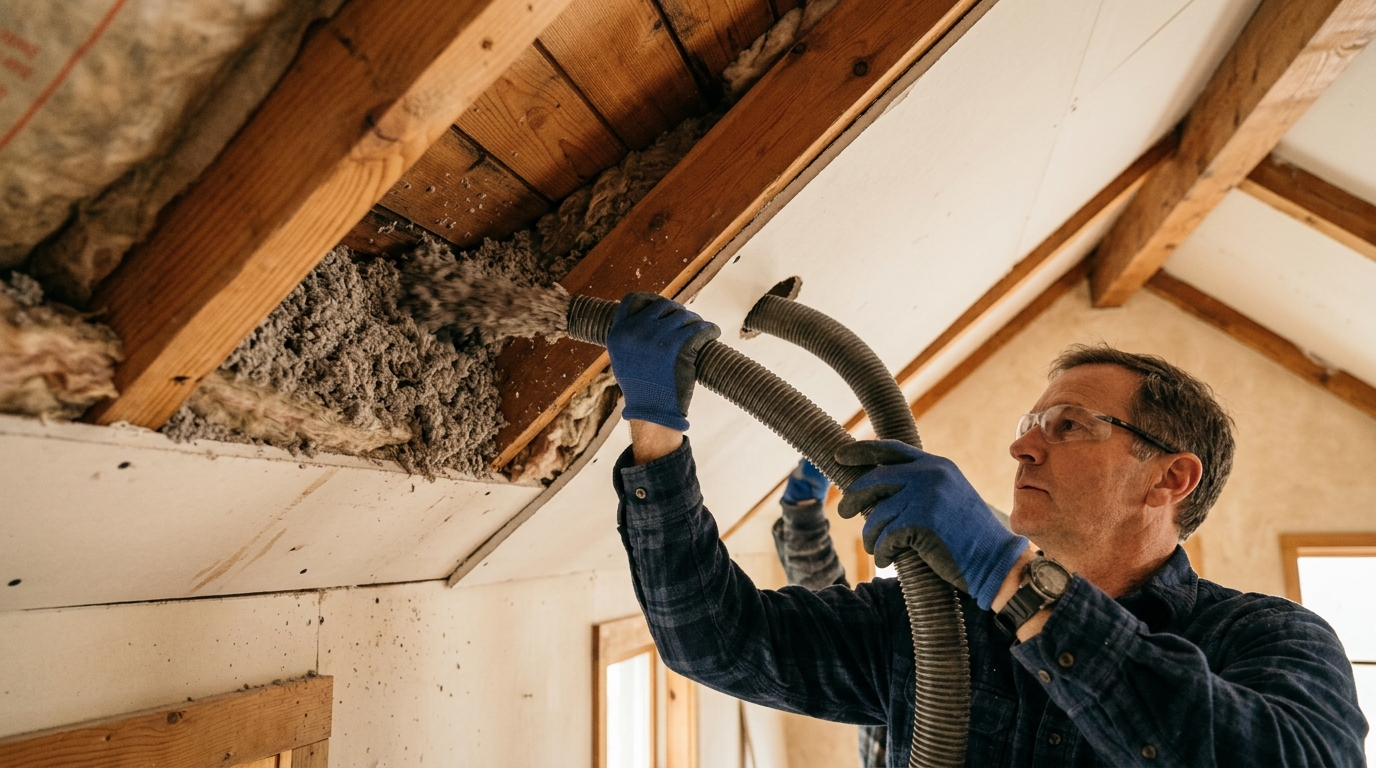
Cathedral ceilings look stunning but are notorious energy drains, losing heat in winter and gaining it in summer far faster than standard flat ceilings. This guide walks you through practical insulation upgrades, from low-cost air sealing fixes to a targeted DIY rigid foam approach, all without a full gut renovation.
Most homeowners either under-insulate and pay for it every month, or over-spend on insulation that delivers diminishing returns. Knowing the right R-value target for your specific climate zone is the single most reliable way to maximize your insulation investment.
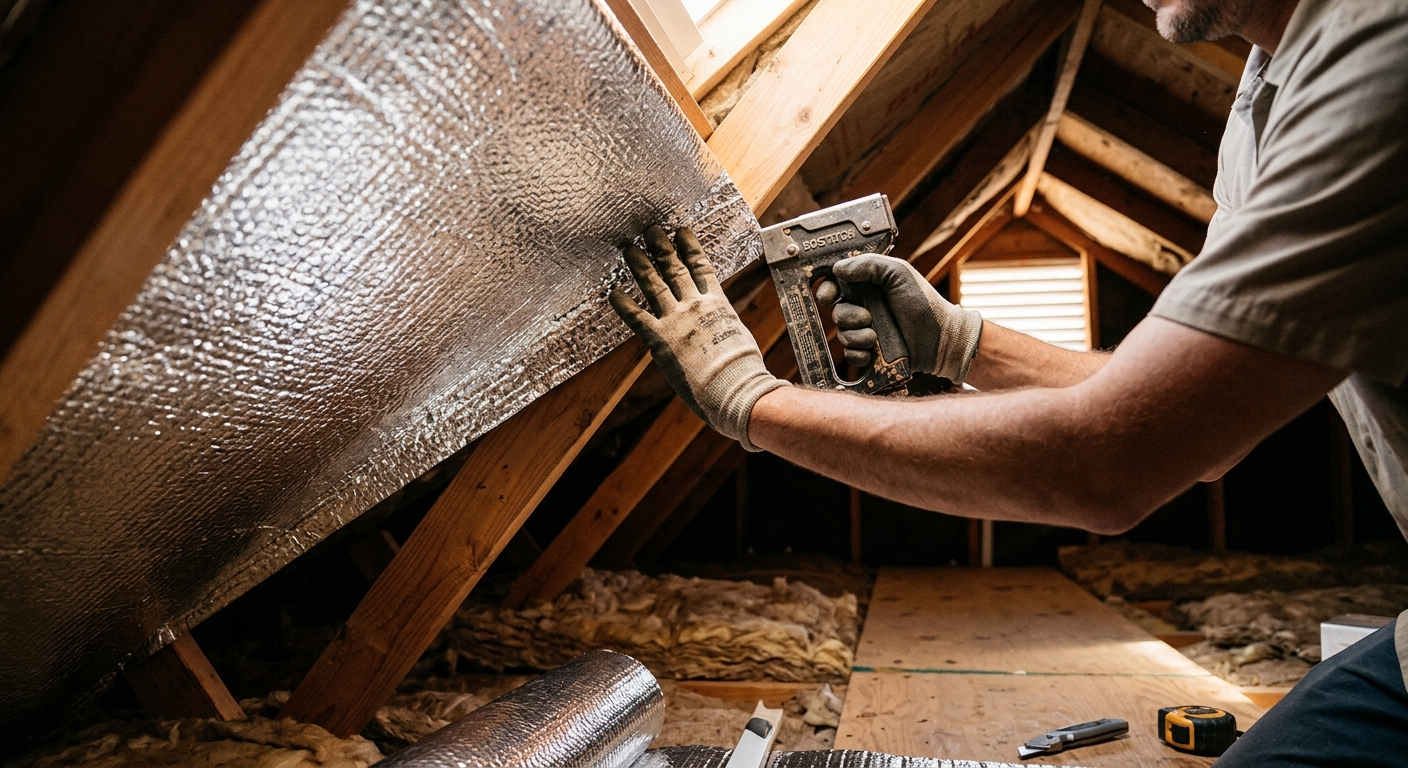
In hot climates, attic temperatures can soar past 150°F, turning your ceiling into a radiant heater that forces your AC to work overtime. A properly installed radiant barrier can cut attic heat gain by up to 97% and reduce cooling costs by 5 to 17%, with payback periods as short as 2 to 3 years.
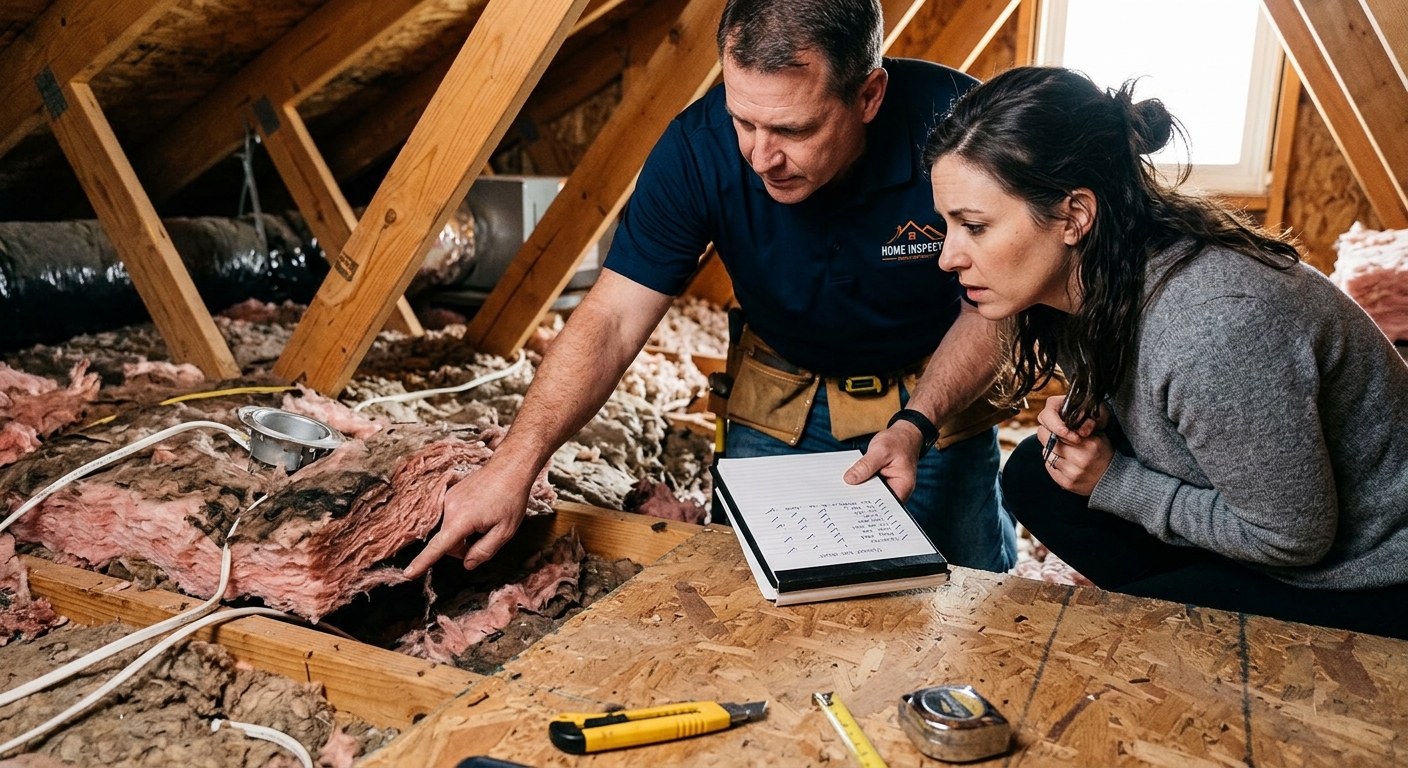
Home inspection reports are dense documents full of jargon, and insulation problems are easy to overlook or misunderstand. This guide shows you exactly how to decode common inspection language, find the issues yourself, and decide what to fix first.
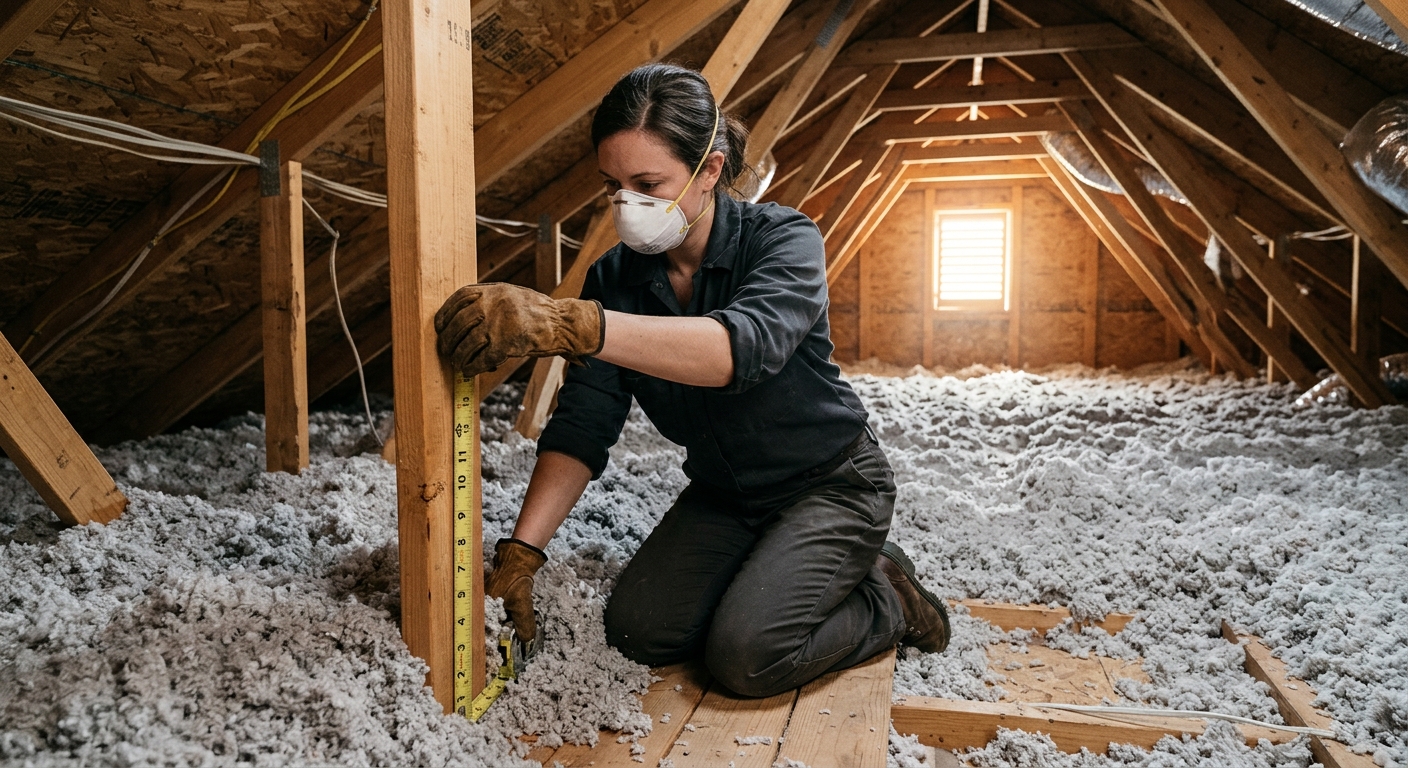
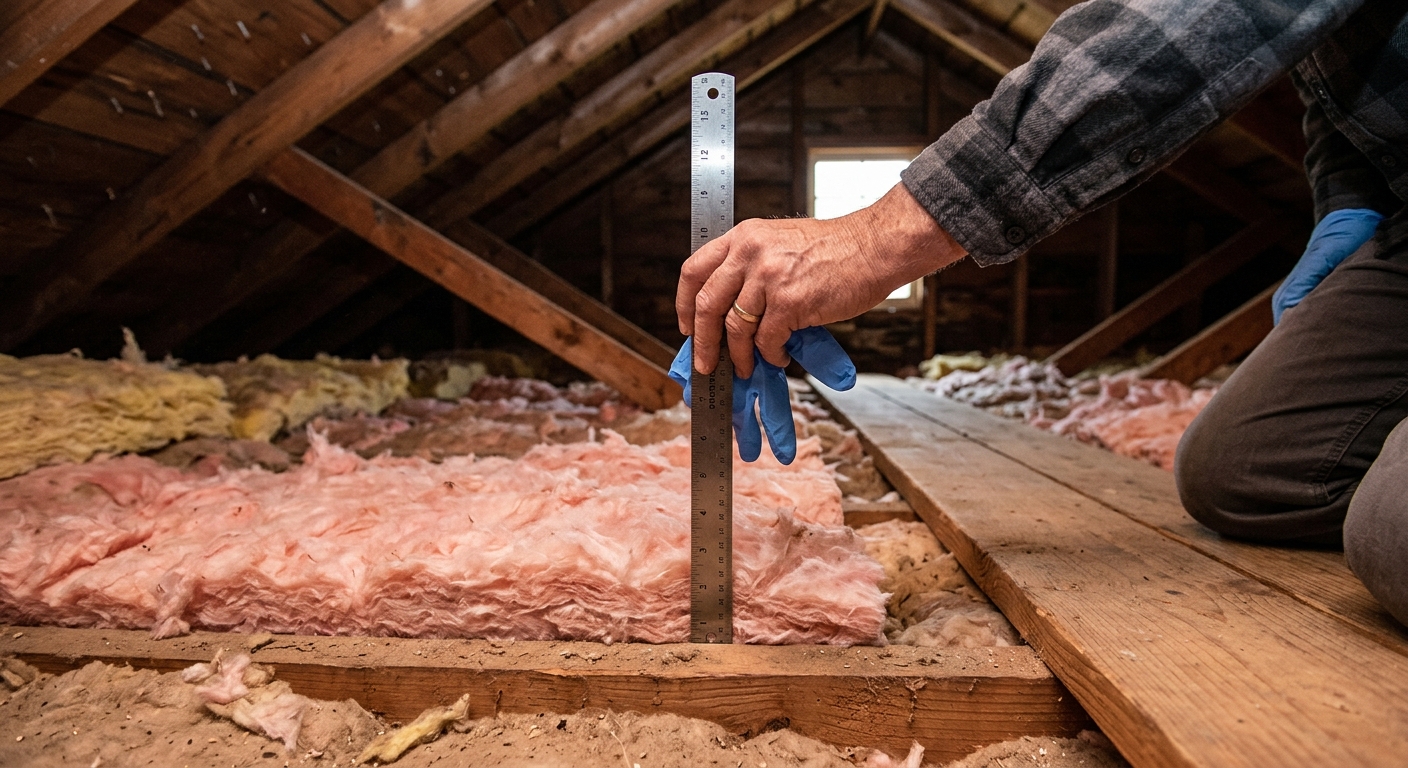
Most homeowners have no idea if their attic insulation is doing its job, and an under-insulated attic can add hundreds of dollars a year to heating and cooling bills. This guide shows you exactly how to measure your insulation depth yourself in under 30 minutes, what the numbers mean, and what to do next.
Most homeowners install vapor barriers with good intentions, but placing them on the wrong side of the wall or doubling up on them can trap moisture and rot your home from the inside out. Understanding a few key building science principles will help you get it right and protect both your insulation’s performance and your home’s structure.
Floors over unheated crawl spaces, garages, and basements are one of the most overlooked sources of heat loss in a home. The right insulation approach can cut heating bills by 10 to 20% and eliminate that cold-floor problem for good.