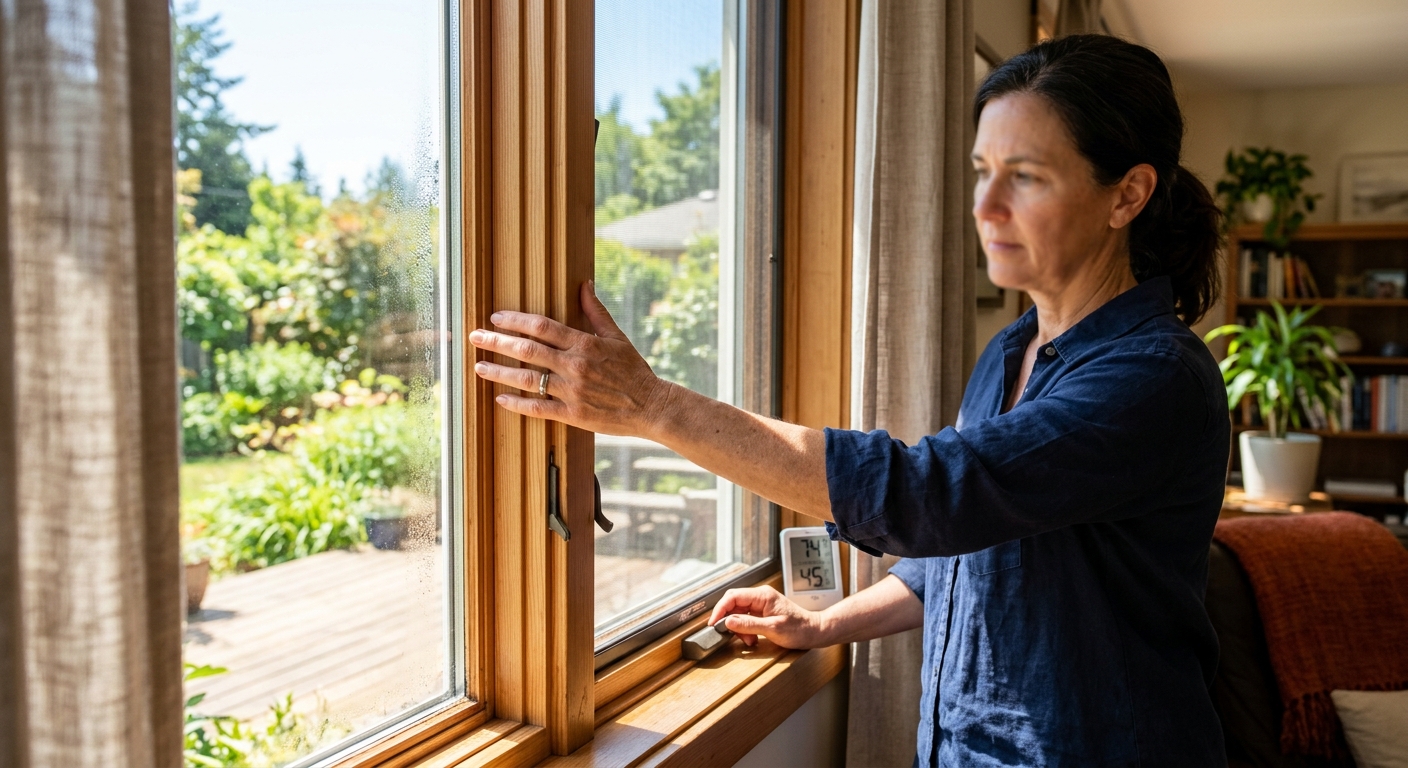
South-facing windows can slash your heating bills in winter or send your cooling costs through the roof in summer, depending on how well you manage them. Learn the simple strategies that turn passive solar gain into free heat without the summer penalty.
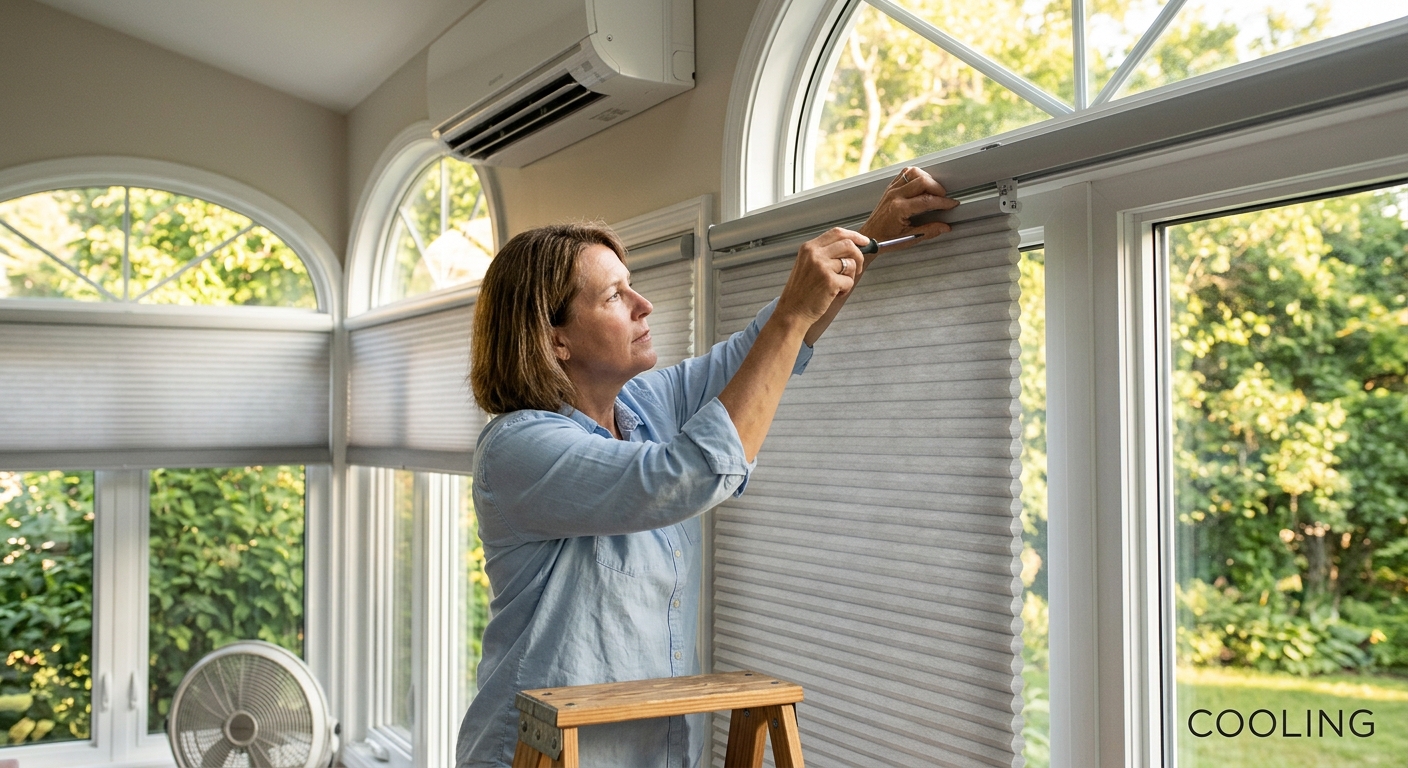
Sunrooms are notorious for trapping heat and forcing your AC to work overtime, spiking energy bills by 20% or more in summer. With the right combination of shading, ventilation, and targeted cooling, you can enjoy your sunroom without punishing your utility bill.
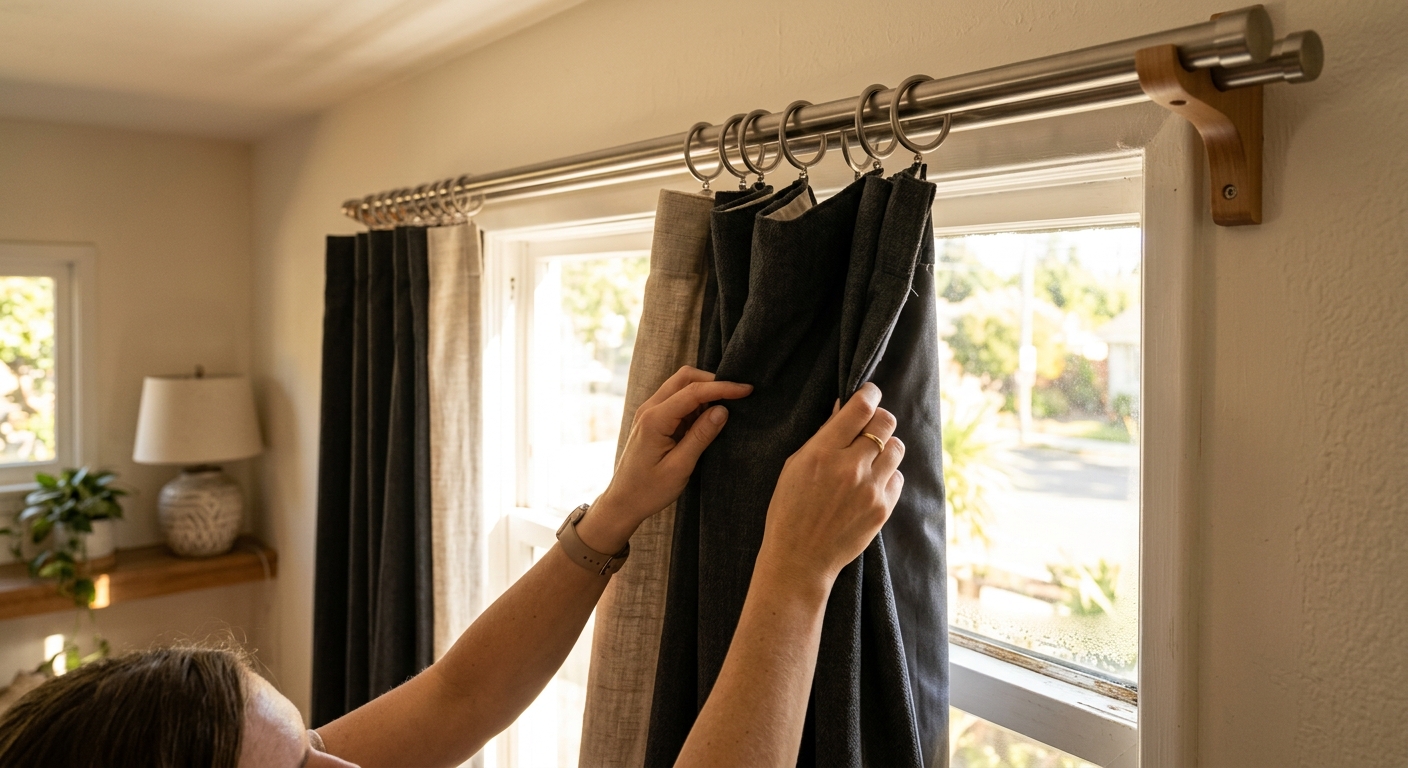
Sunlight streaming through windows can raise a room’s temperature by 10 to 20 degrees, forcing your AC to work harder and driving up your energy bill. The right blackout curtain combinations, paired with the correct layering strategy, can cut solar heat gain by up to 77% and noticeably reduce your cooling costs.
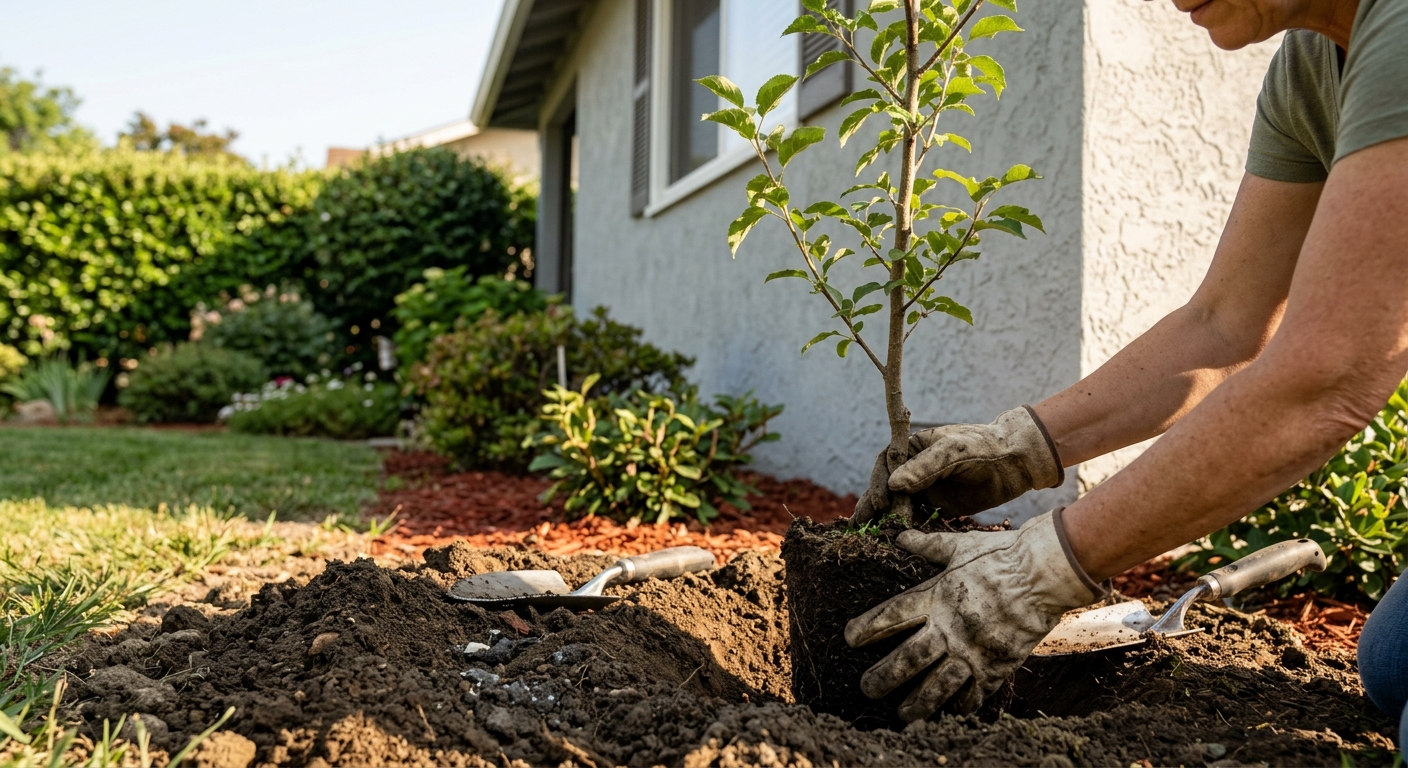
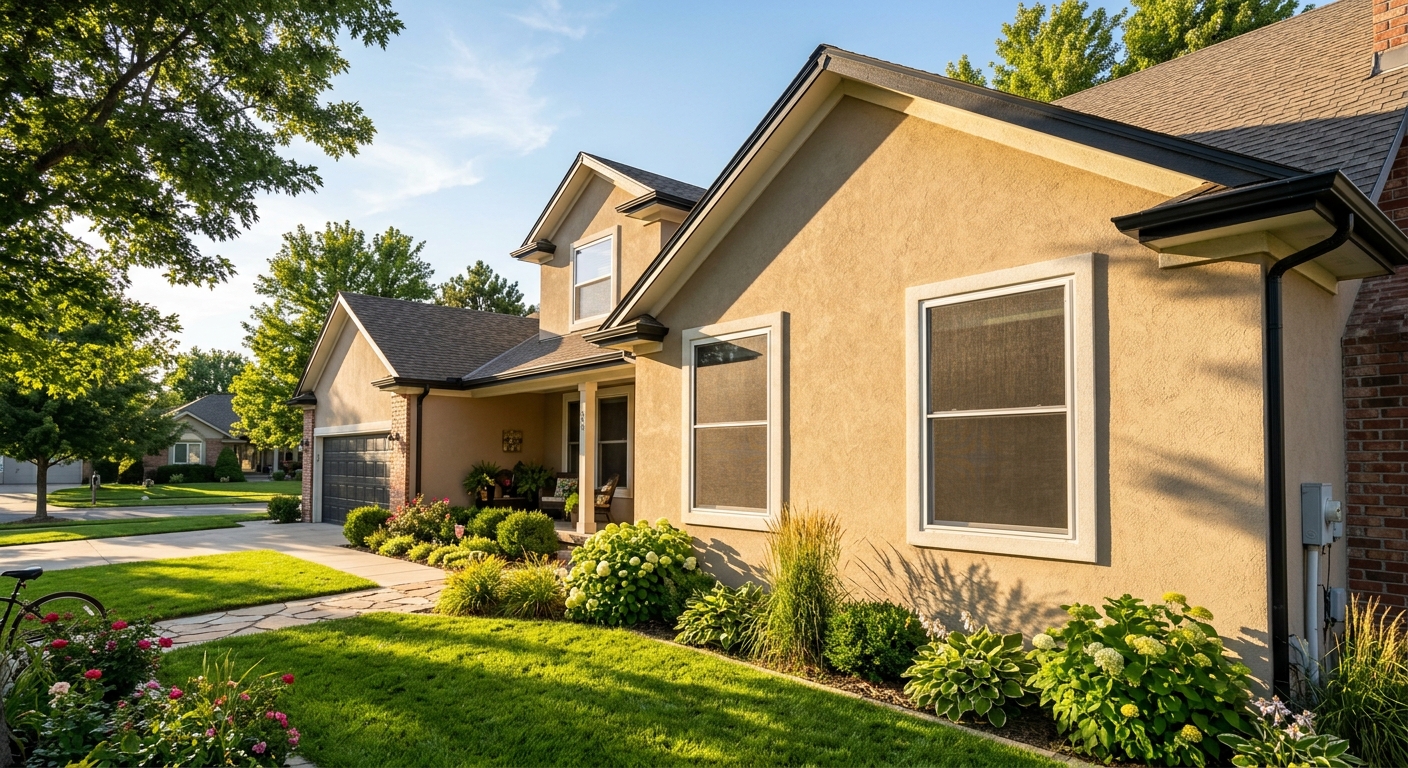
Unshaded walls and windows can make your AC work twice as hard during summer, driving up energy bills significantly. Strategic tree and shrub placement can cut cooling costs by up to 25%, with many plantings paying for themselves in under 10 years.
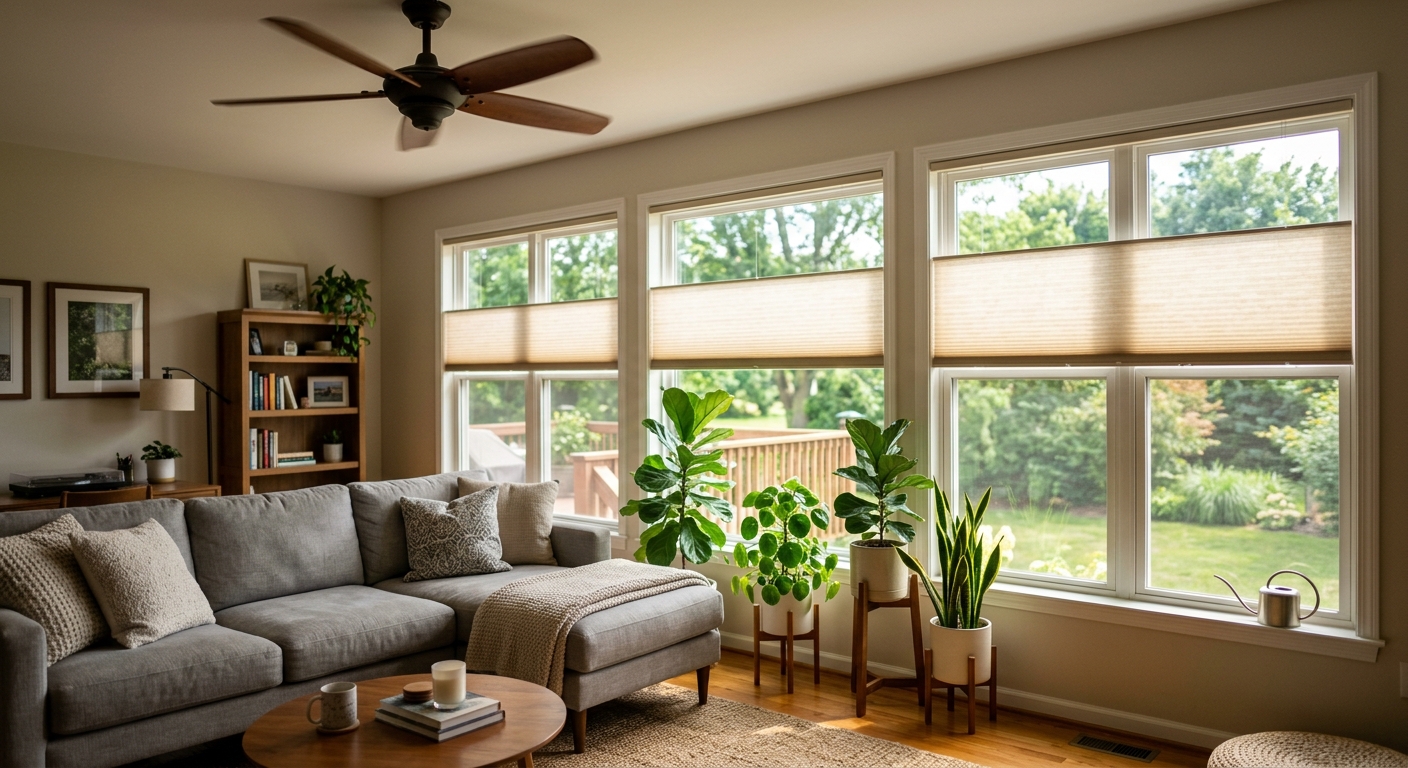
South-facing rooms can run 10 to 15 degrees hotter than the rest of your home in summer, turning a bright space into an oven by midday. The right combination of window treatments, airflow strategies, and targeted insulation upgrades can cut that heat load by up to 70% without sacrificing the natural light you love.
West-facing windows can account for up to 40% of afternoon heat gain in your home, turning your living room into an oven by 4 PM. Exterior shade screens block 65 to 90% of solar heat before it ever enters the glass, cutting cooling bills and restoring comfort without sacrificing daylight.
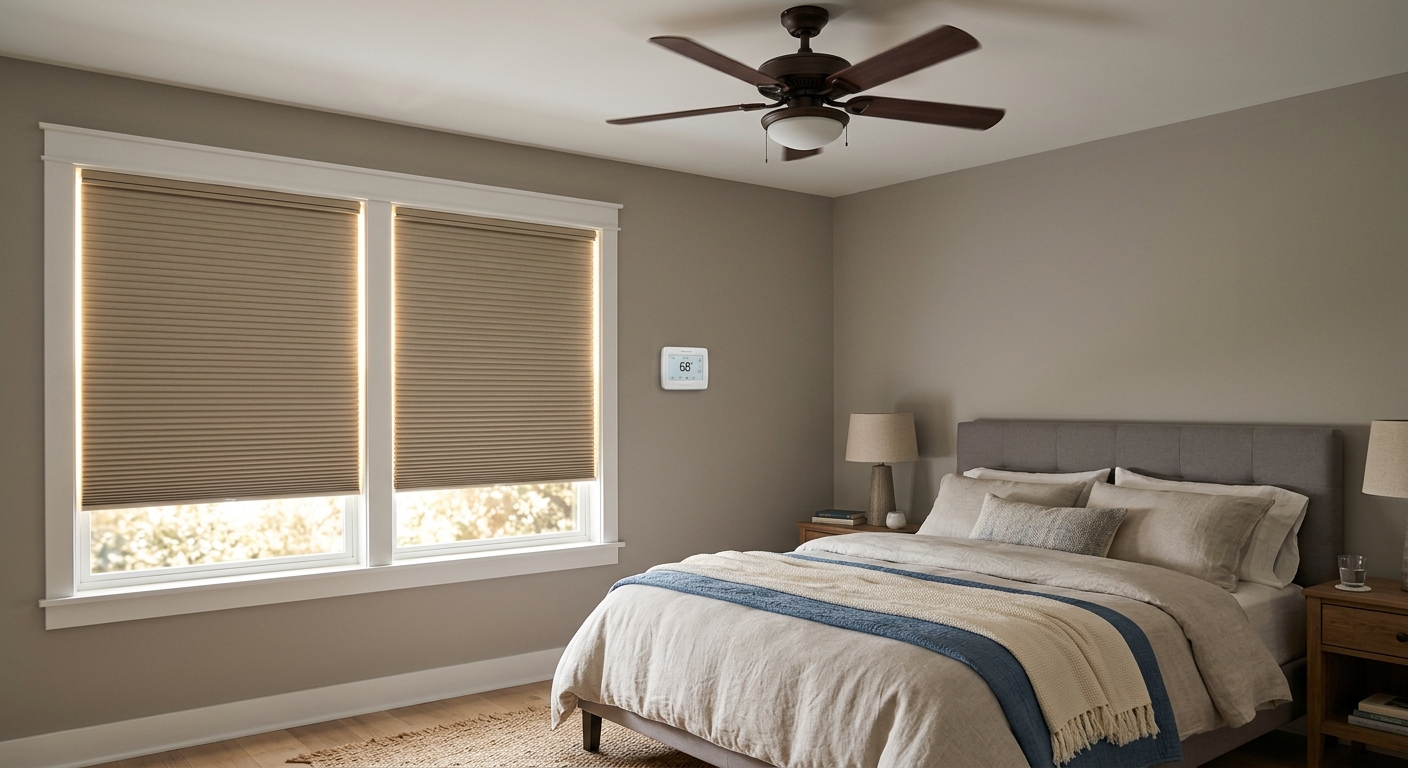
Sleeping during the day means your AC fights peak heat and peak electricity rates at the same time. The right combination of scheduling, shading, and airflow strategies can cut your cooling costs by 20 to 35% while keeping your bedroom genuinely comfortable for daytime sleep.
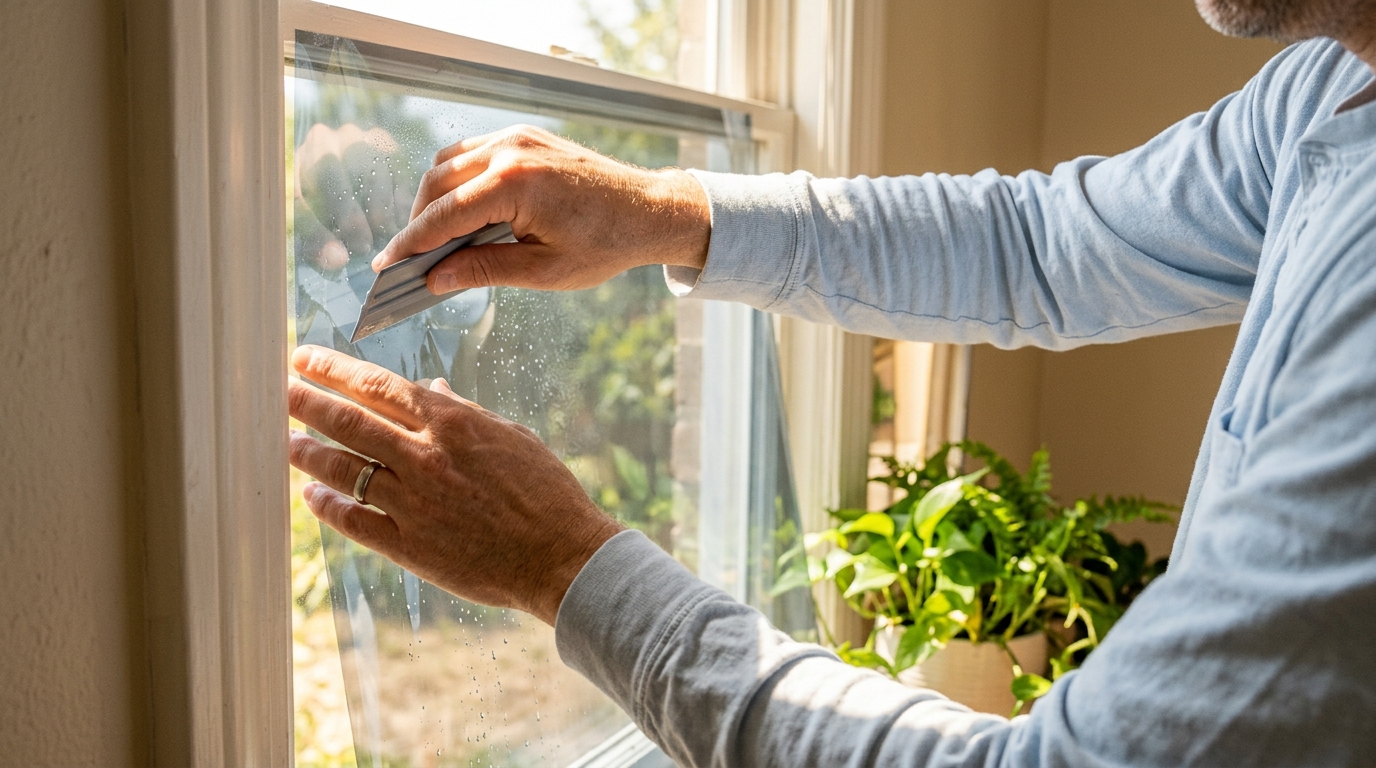
South and west-facing rooms can heat up 10 to 15 degrees more than the rest of your home, turning a bright space into an unusable oven by afternoon. The good news is you can cut solar heat gain by up to 70% using smart shading and glazing strategies that still let natural light flood in.
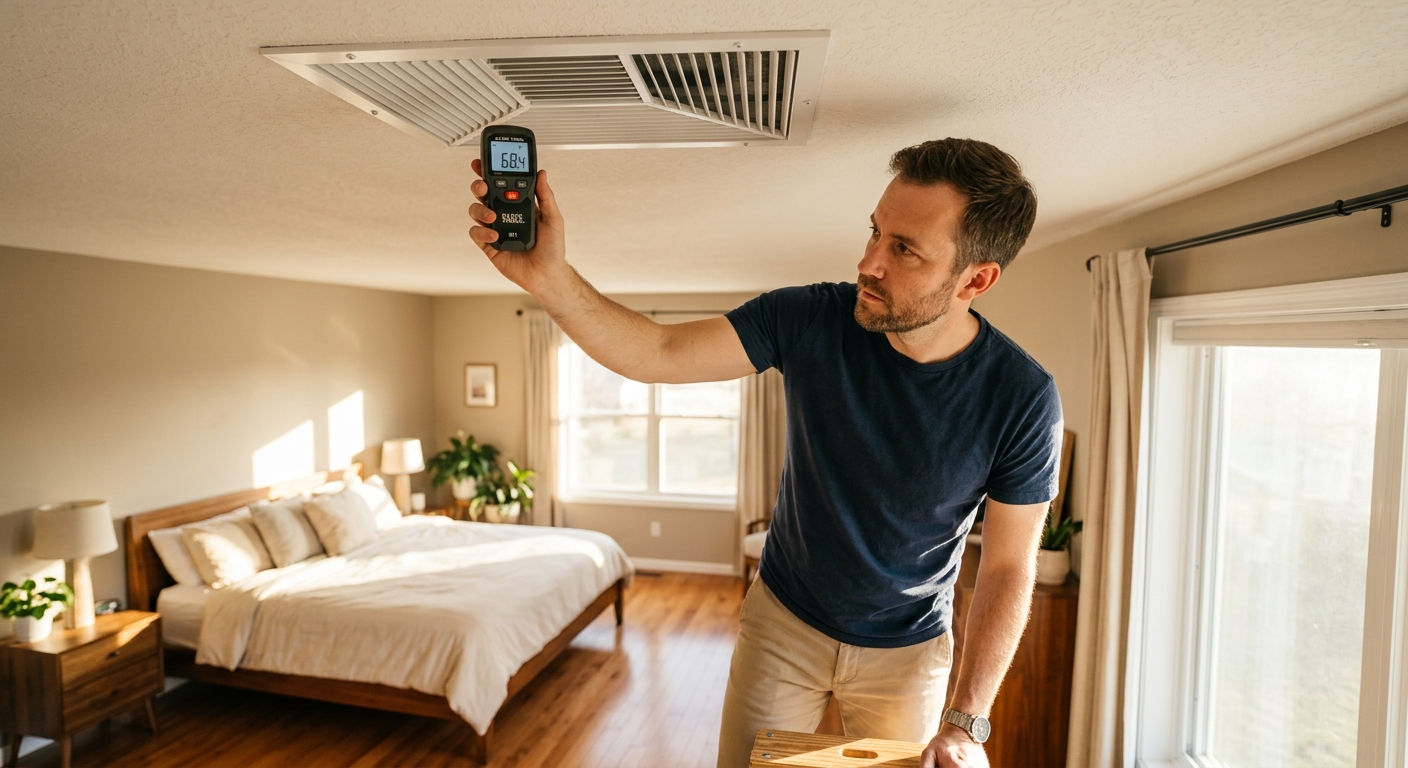
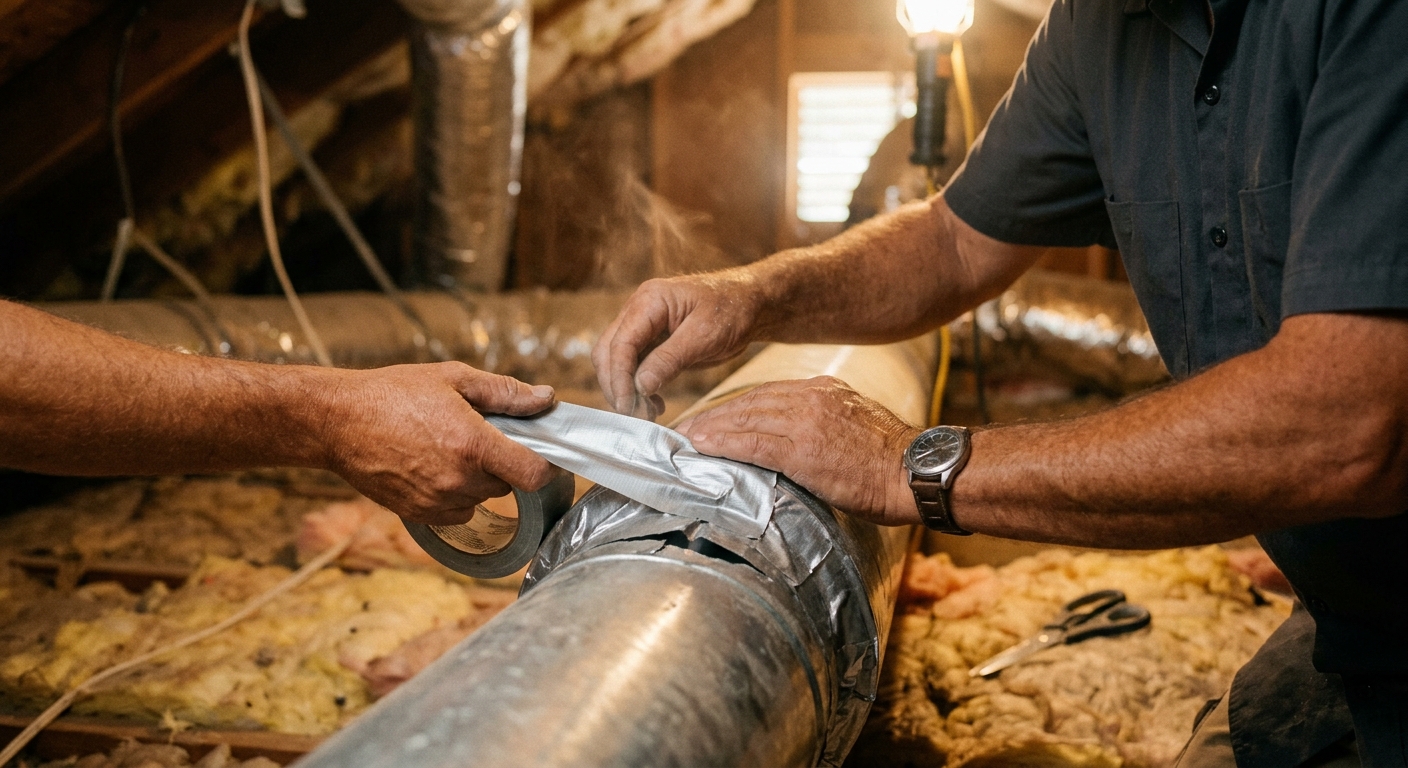
A room that stays 5 to 10 degrees warmer than the rest of the house is one of the most frustrating comfort problems homeowners face. Before spending $100 or more on a service call, you can diagnose the cause yourself in under an hour using tools you likely already own.
Most homeowners blame July’s sweltering temperatures for sky-high energy bills, but outdoor heat is only part of the story. Hidden factors like solar heat gain, poor thermostat habits, and air leaks are quietly multiplying your cooling costs, and fixing them is easier than you think.