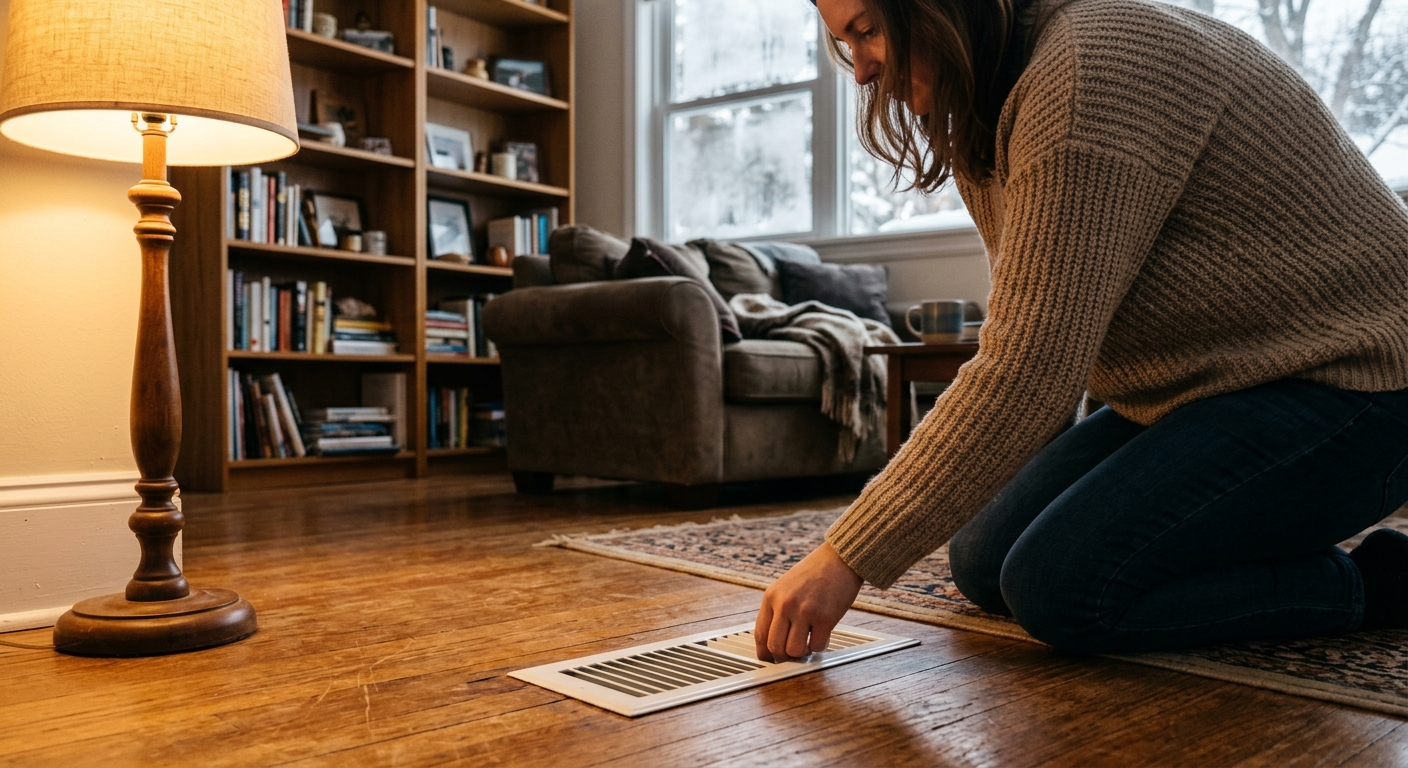
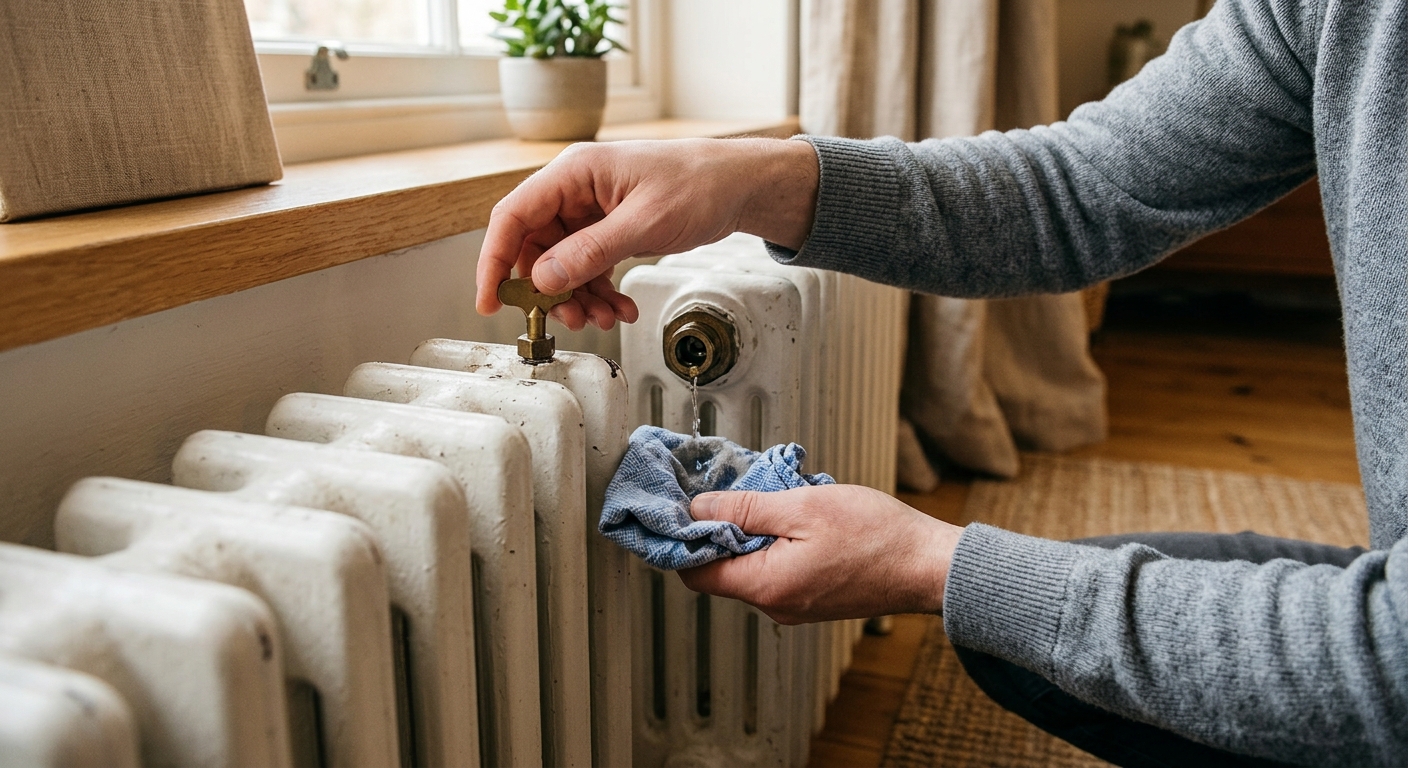
Some rooms in your home are toasty warm while others feel like a walk-in freezer, even with the heat cranked up. The culprit is almost always one of six fixable problems, and most homeowners can tackle at least three of them this weekend.
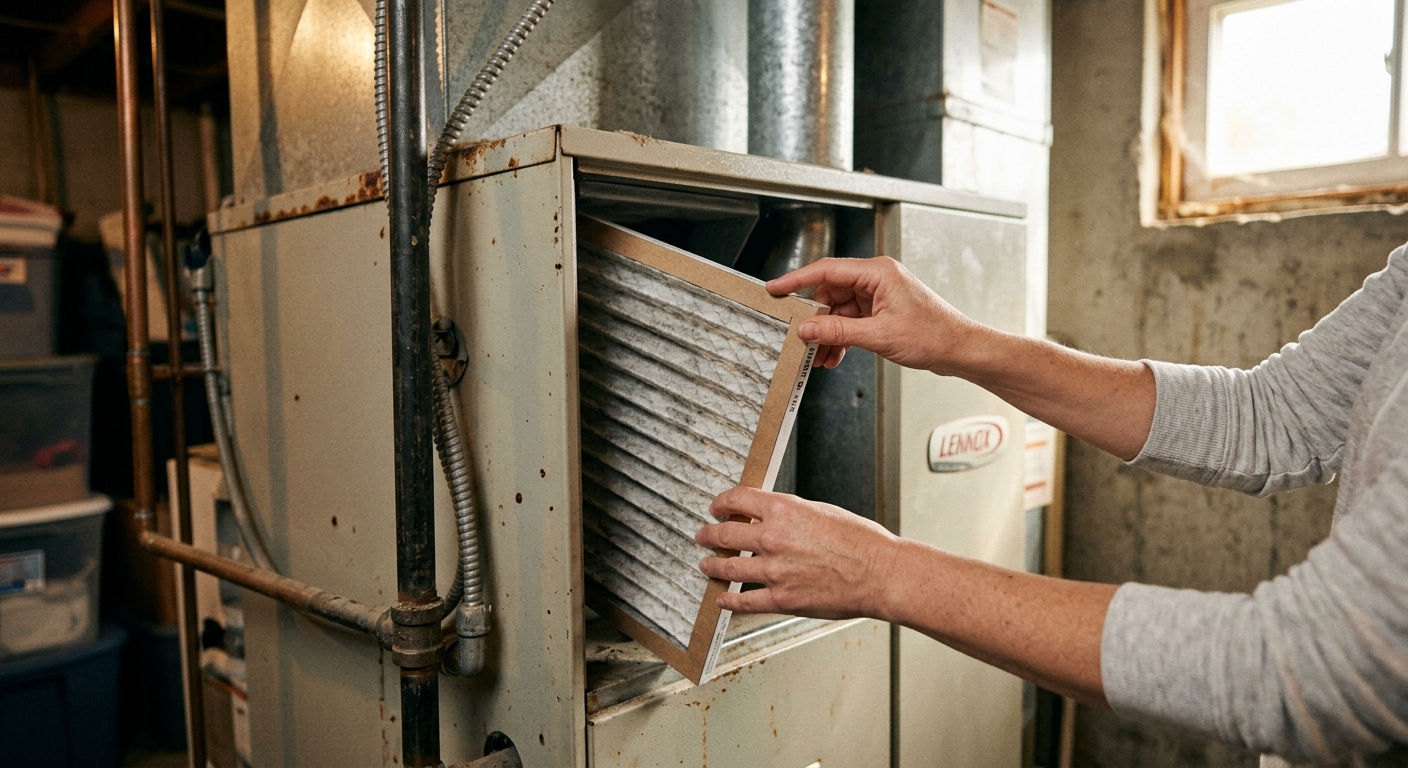
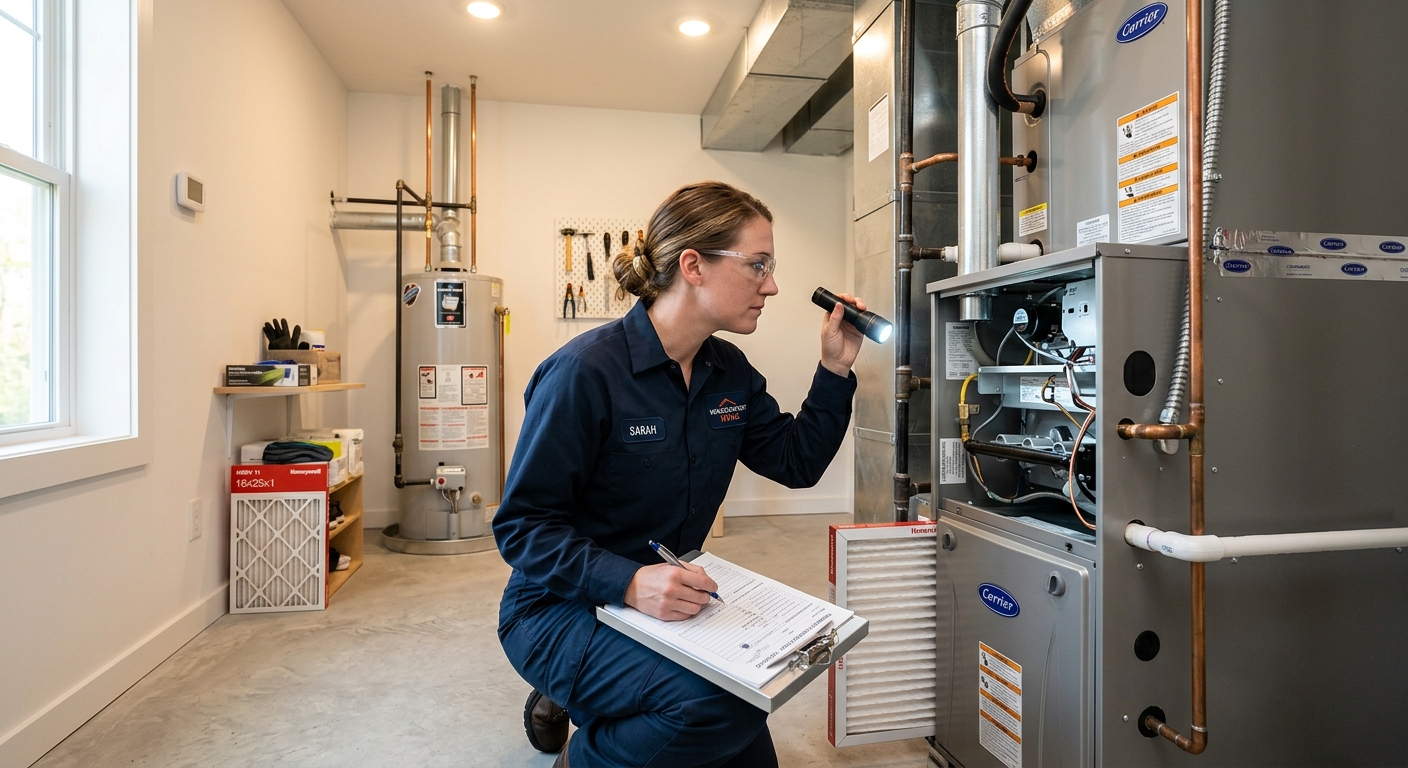
A clogged furnace filter is one of the most common causes of preventable HVAC failures, yet most homeowners never check theirs until something goes wrong. Spending just 20 minutes on a proper filter inspection and replacement can cut energy bills by up to 15% and help you avoid repair bills that routinely run $300 to $1,200.
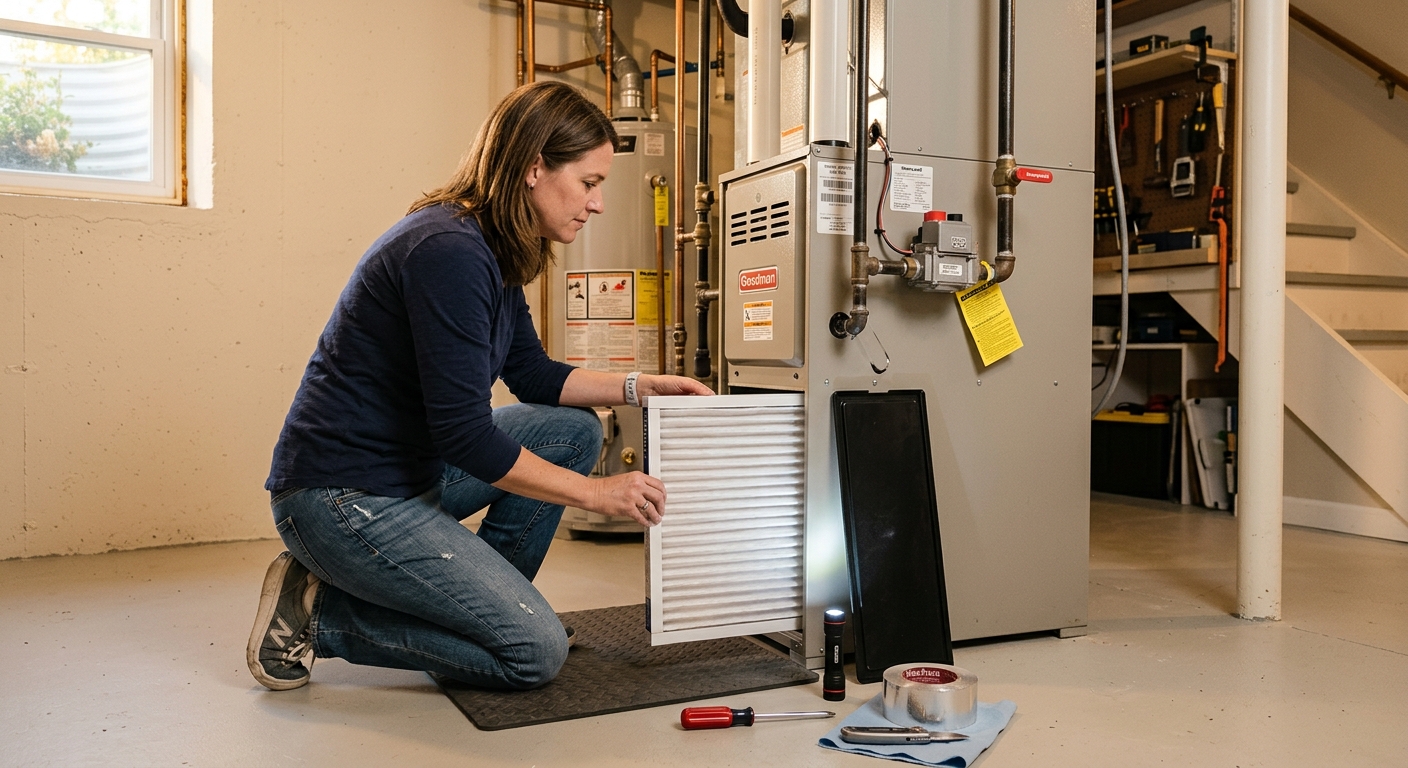
Most homeowners flip on the furnace the first cold morning without a second thought, then wonder why their heating bills spike. Tackling four simple checks before that first ignition can cut your heating costs by 20 to 35% and prevent breakdowns on the coldest nights of the year.
Skipping your furnace tune-up might seem like an easy way to save $100, but a neglected furnace quietly burns more fuel, breaks down at the worst times, and can become a safety hazard. Here is exactly what you risk, what a tune-up actually covers, and how to keep your system running efficiently whether you hire a pro or do part of the work yourself.
Cold floors are not just a comfort complaint, they are a sign that heat is escaping through your home’s lowest surfaces, driving up your heating bills. A targeted combination of rugs, insulation, and air sealing under $50 can dramatically warm your floors and reduce heat loss by up to 20%.
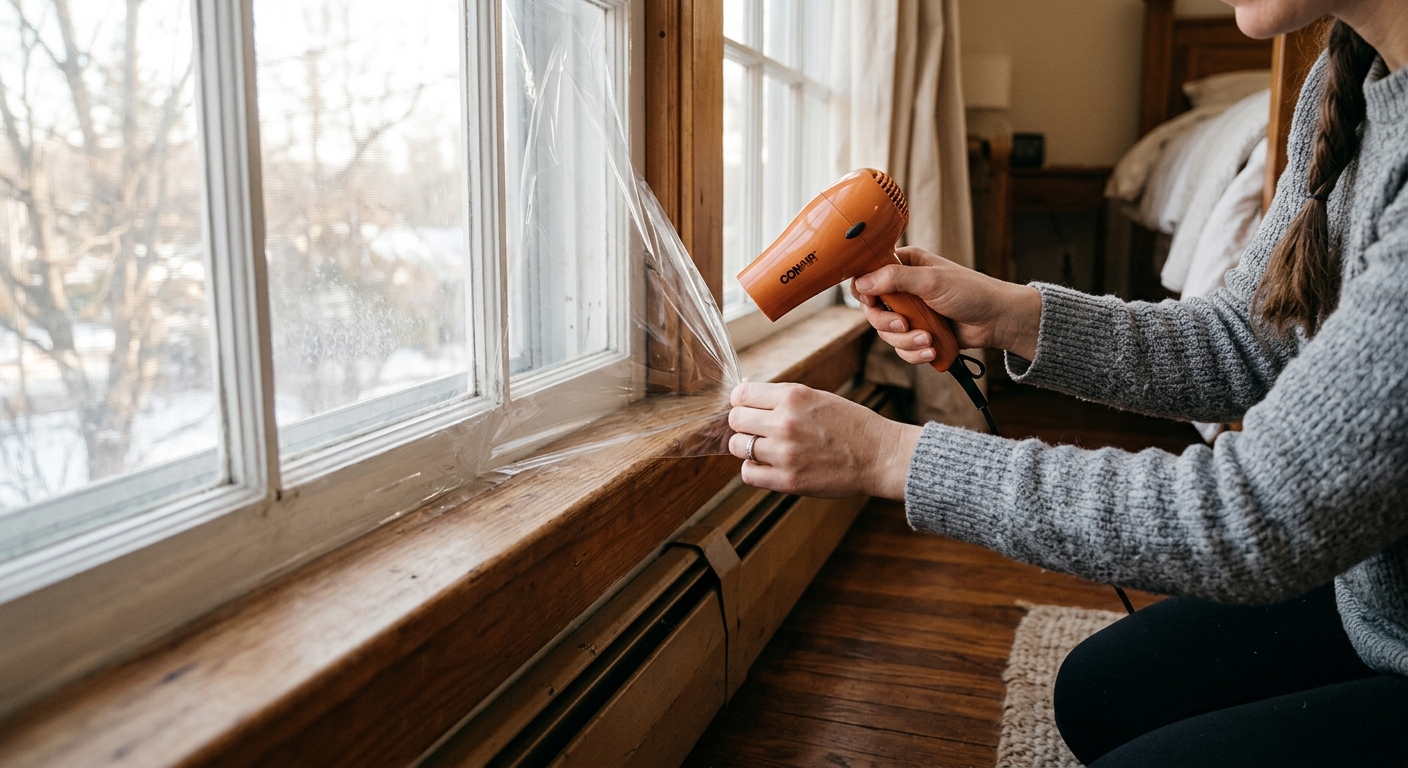
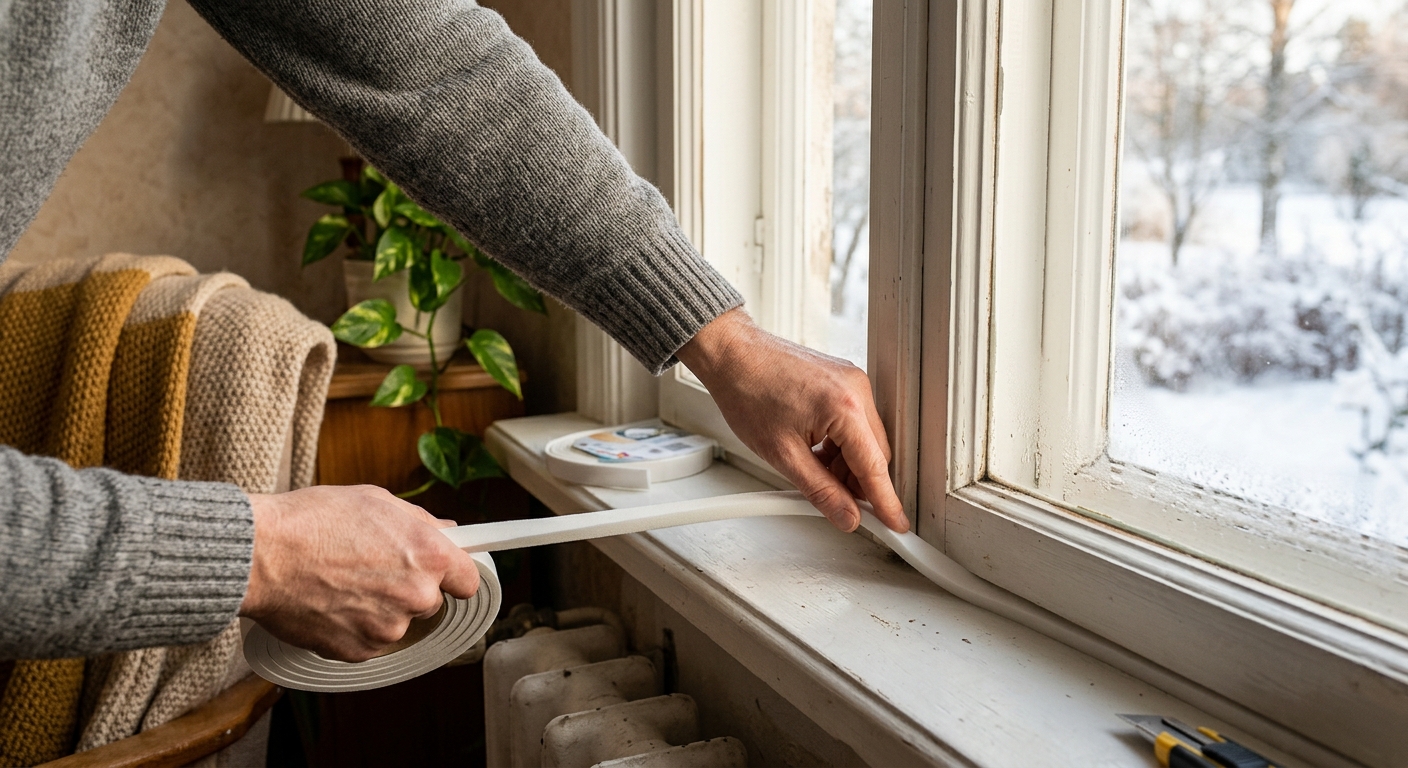
If your furnace runs constantly but rooms still feel chilly, the problem is rarely the heating system itself. Air leaks, missing insulation, and radiant heat loss from cold surfaces are stealing your comfort before warmth ever reaches you.
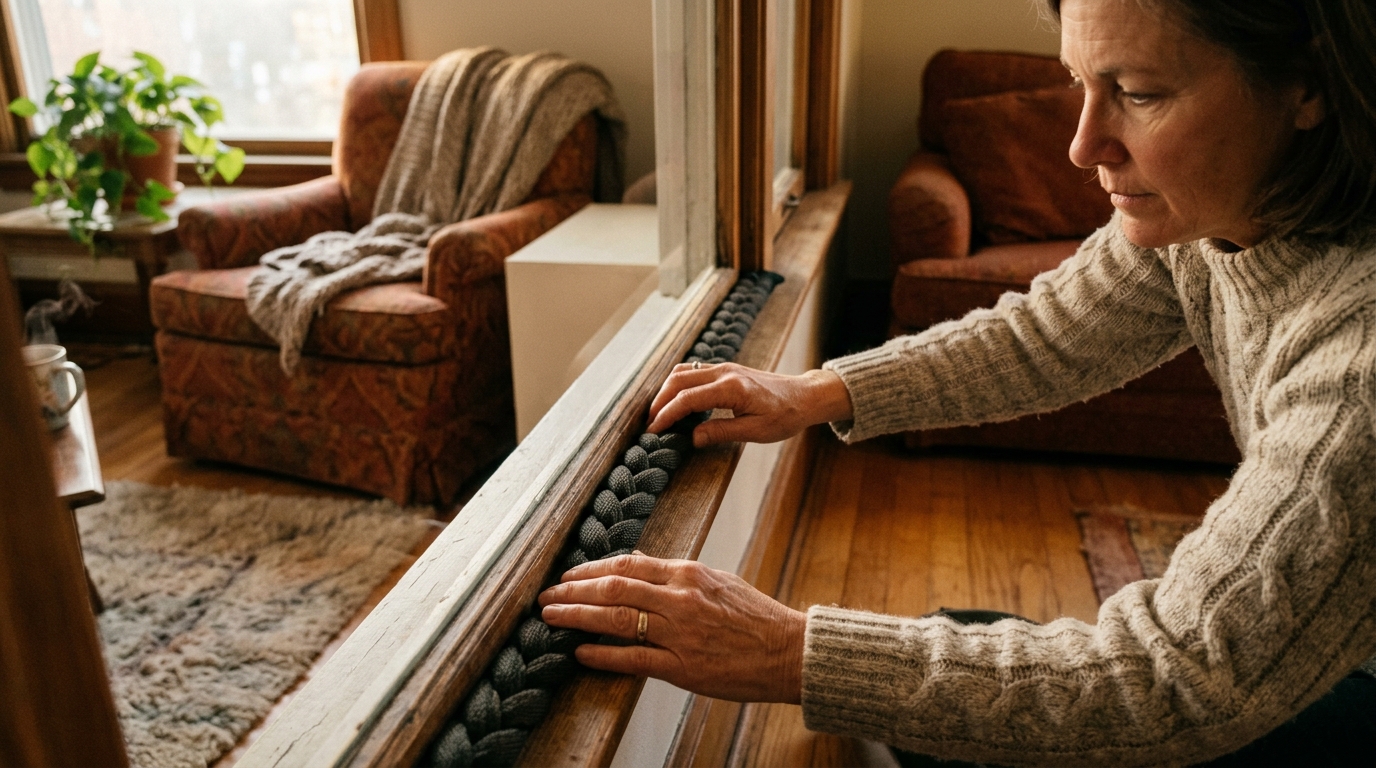
Your thermostat says 70°F but your living room still feels cold and drafty. The fix isn’t cranking up the heat – it’s understanding why the room loses warmth and addressing the real causes.
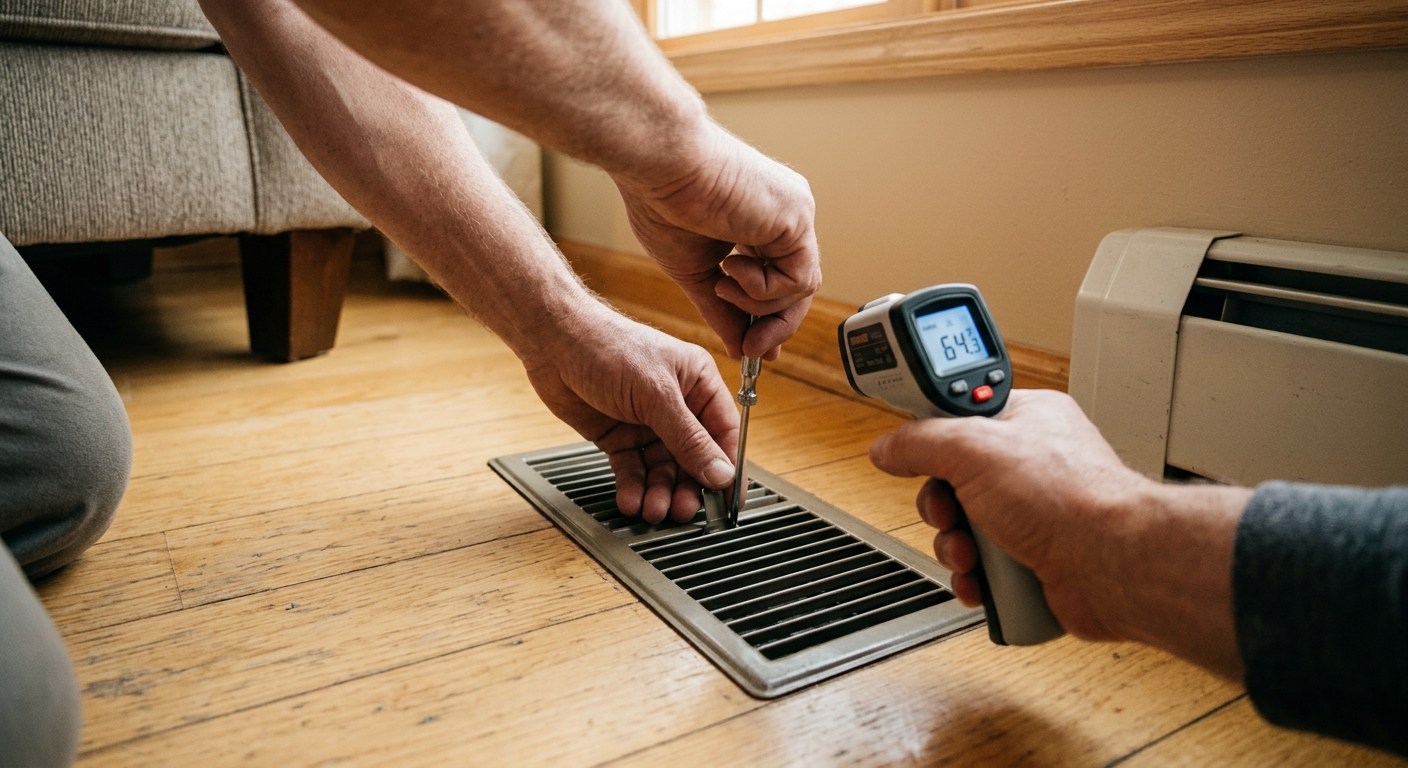
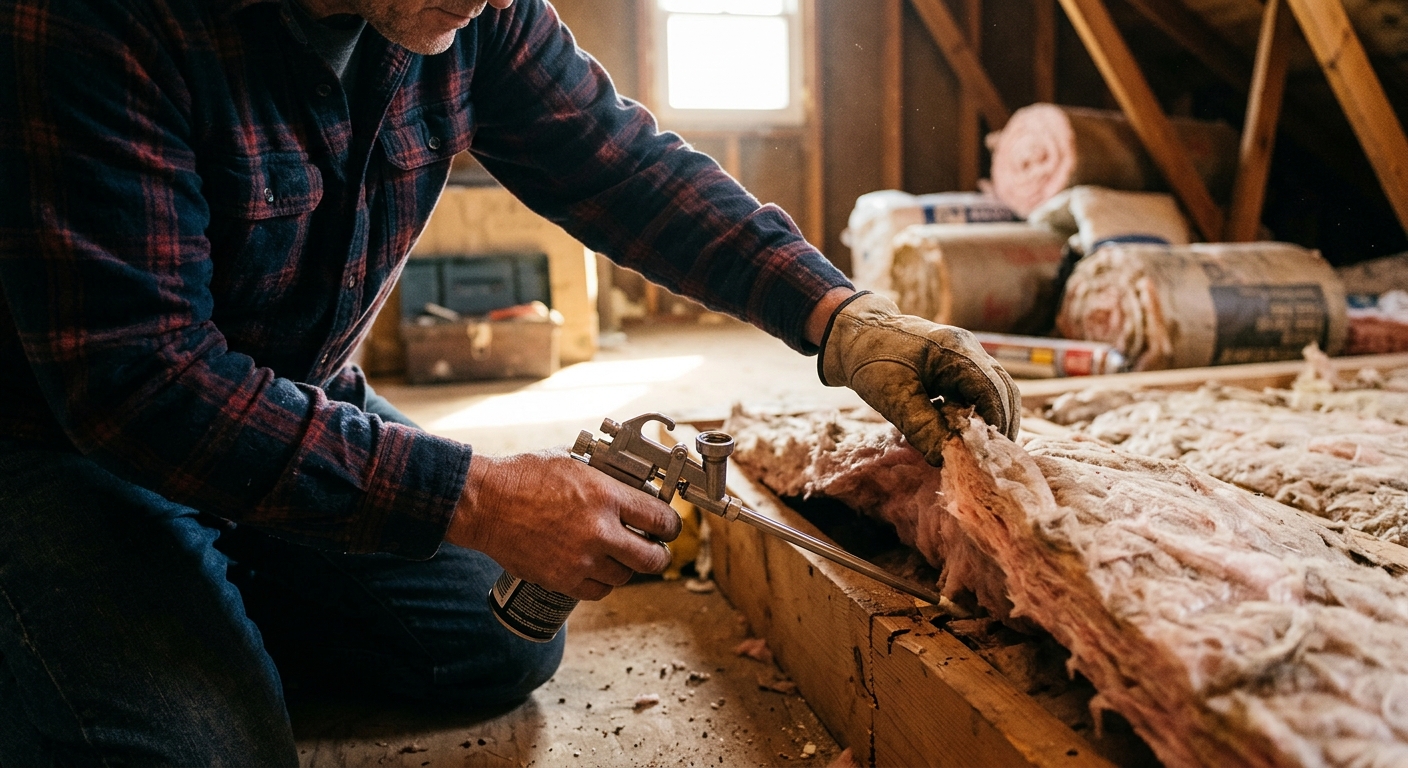
Uneven heating leaves some rooms freezing while others overheat, and most homeowners assume the only fix is an expensive new HVAC system. In reality, a combination of targeted air sealing, duct balancing, and smart thermostat strategies can eliminate cold spots and cut heating bills by 15 to 30% without replacing a single major component.
Most homeowners pay for heat that never reaches them, lost through leaky ducts, poor airflow, and an overworked furnace fighting against itself. These targeted fixes help your existing heating system deliver more warmth for every dollar you already spend.
Cold spots in your home are not just uncomfortable, they are a sign that heat is escaping or being blocked before it reaches you. This room-by-room guide shows you exactly where to look, what is causing the problem, and how to fix it for good.