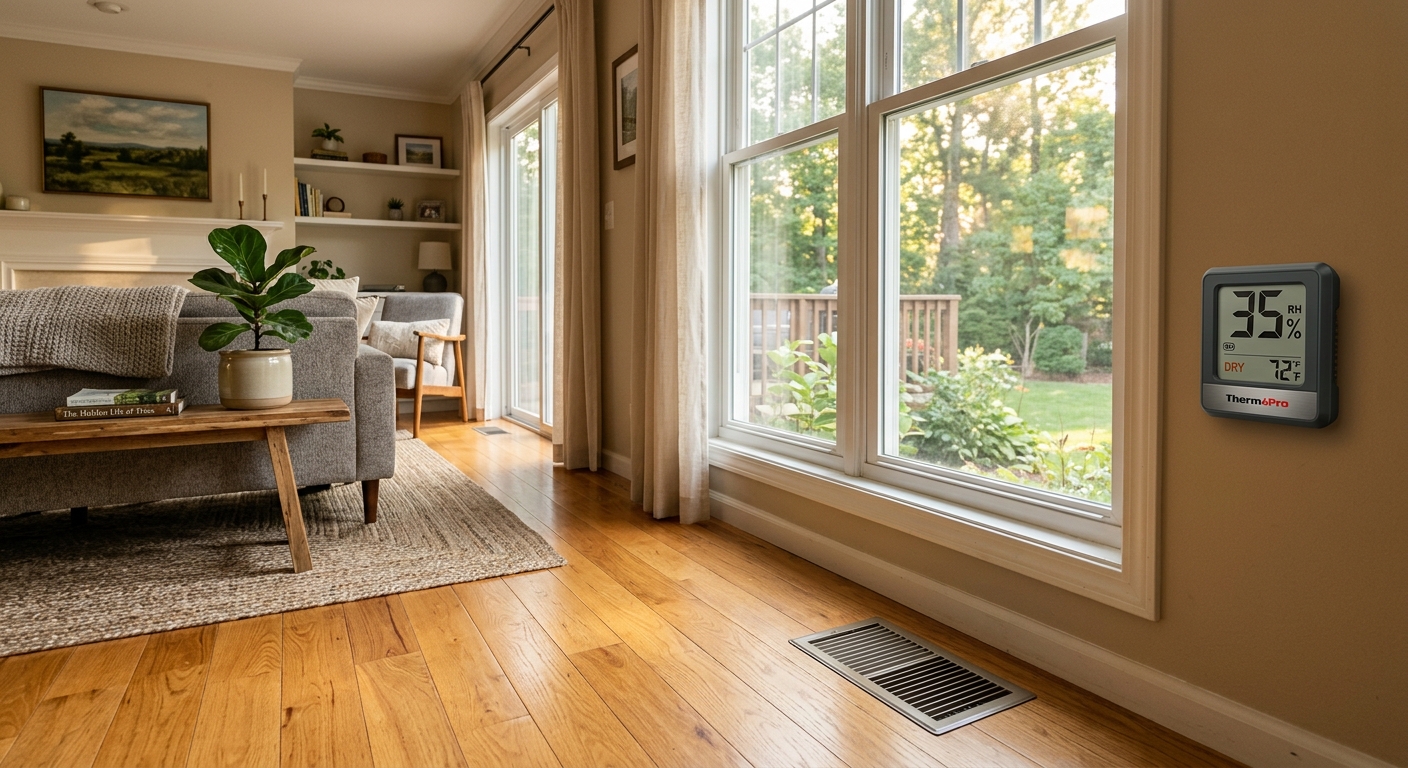
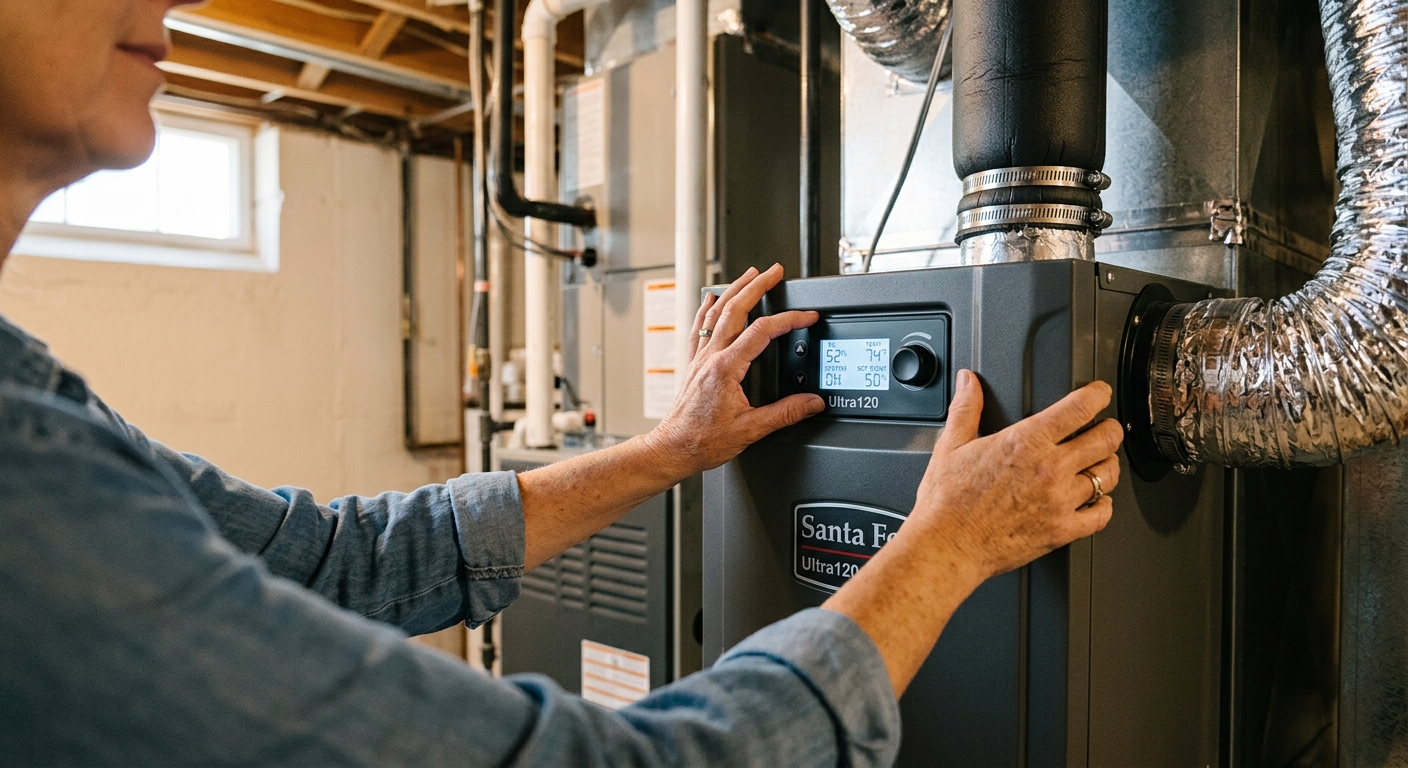
Most homeowners set their humidifier or dehumidifier once and forget it, but running the same humidity level year-round wastes energy and can damage your home. Targeting 30 to 35% relative humidity in winter and 45 to 50% in summer keeps you comfortable, protects your home, and trims 10 to 15% off your HVAC bills.
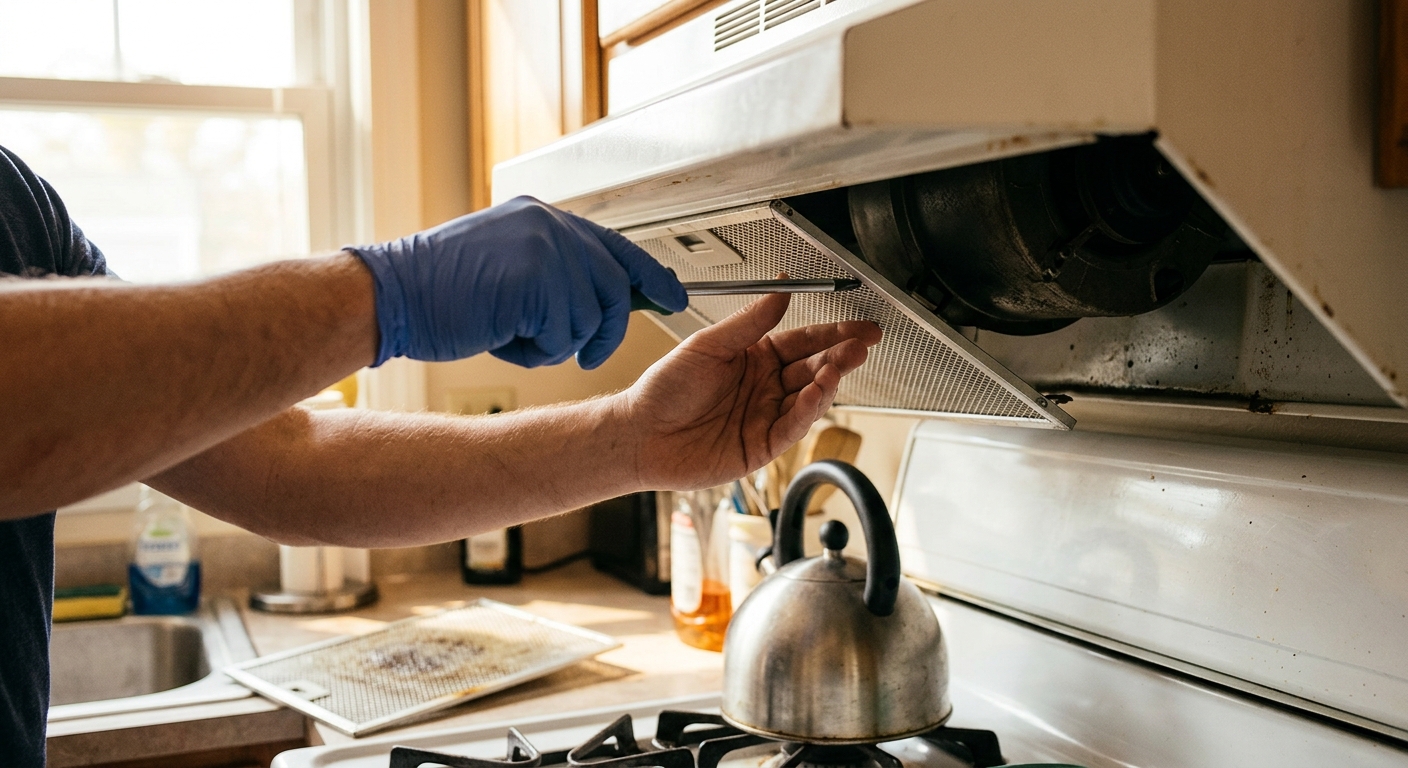
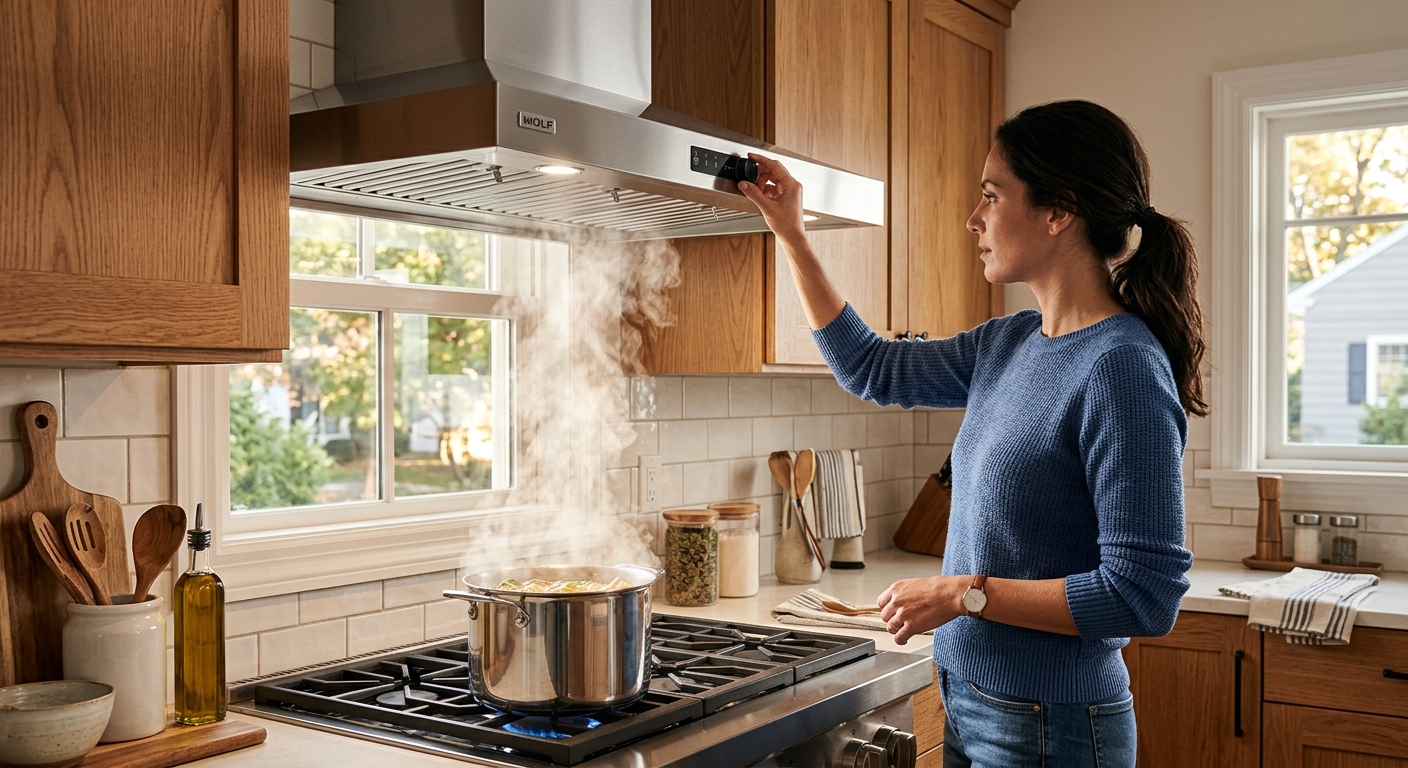
A kitchen exhaust fan that runs but fails to clear smoke, grease, or odors is one of the most overlooked sources of indoor air quality problems and wasted energy. The fix is often a clogged filter or blocked duct, and most homeowners can solve it in under an hour without any special tools.
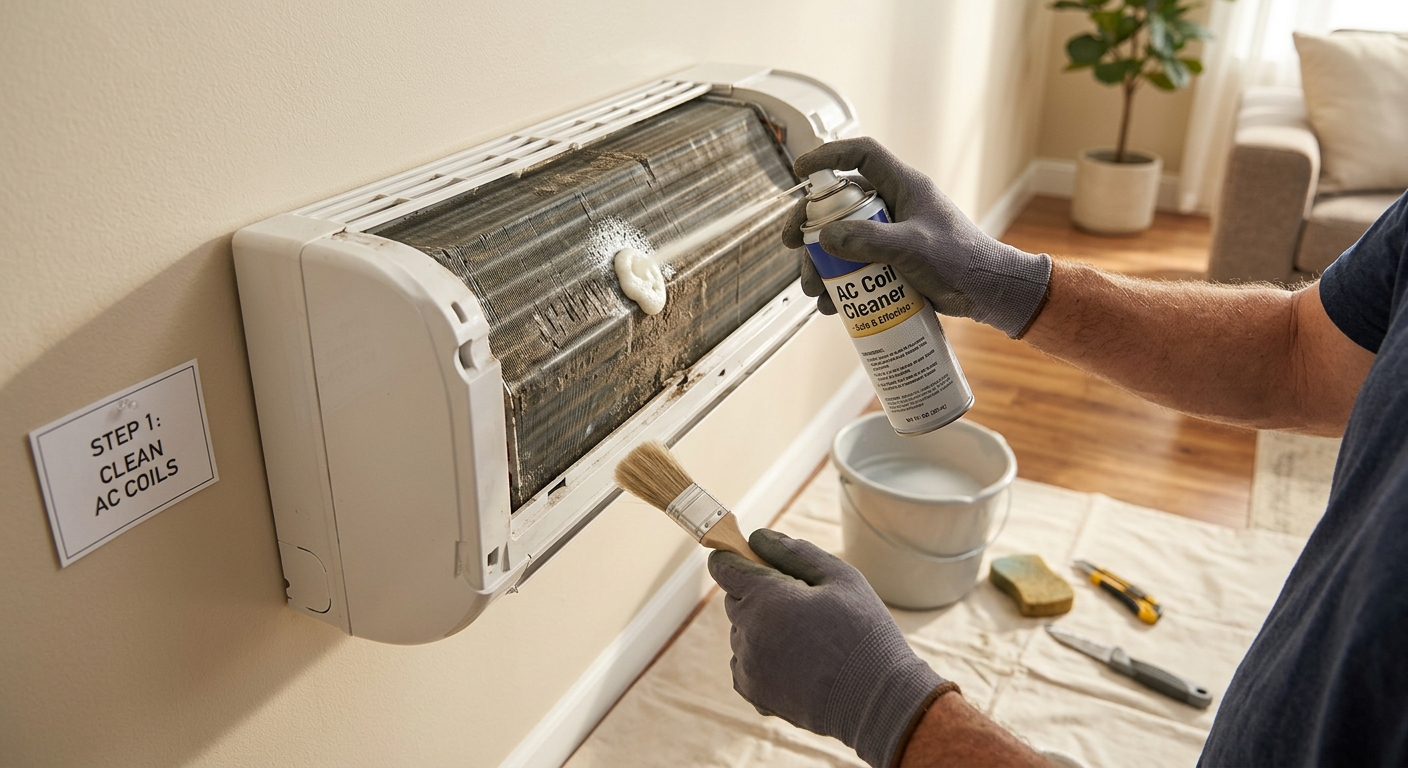
A musty smell from your AC vents is almost always a sign of mold or mildew growing inside your system, which tanks indoor air quality and makes your unit work harder. The good news is that most causes can be diagnosed and fixed in a single weekend without calling a pro.
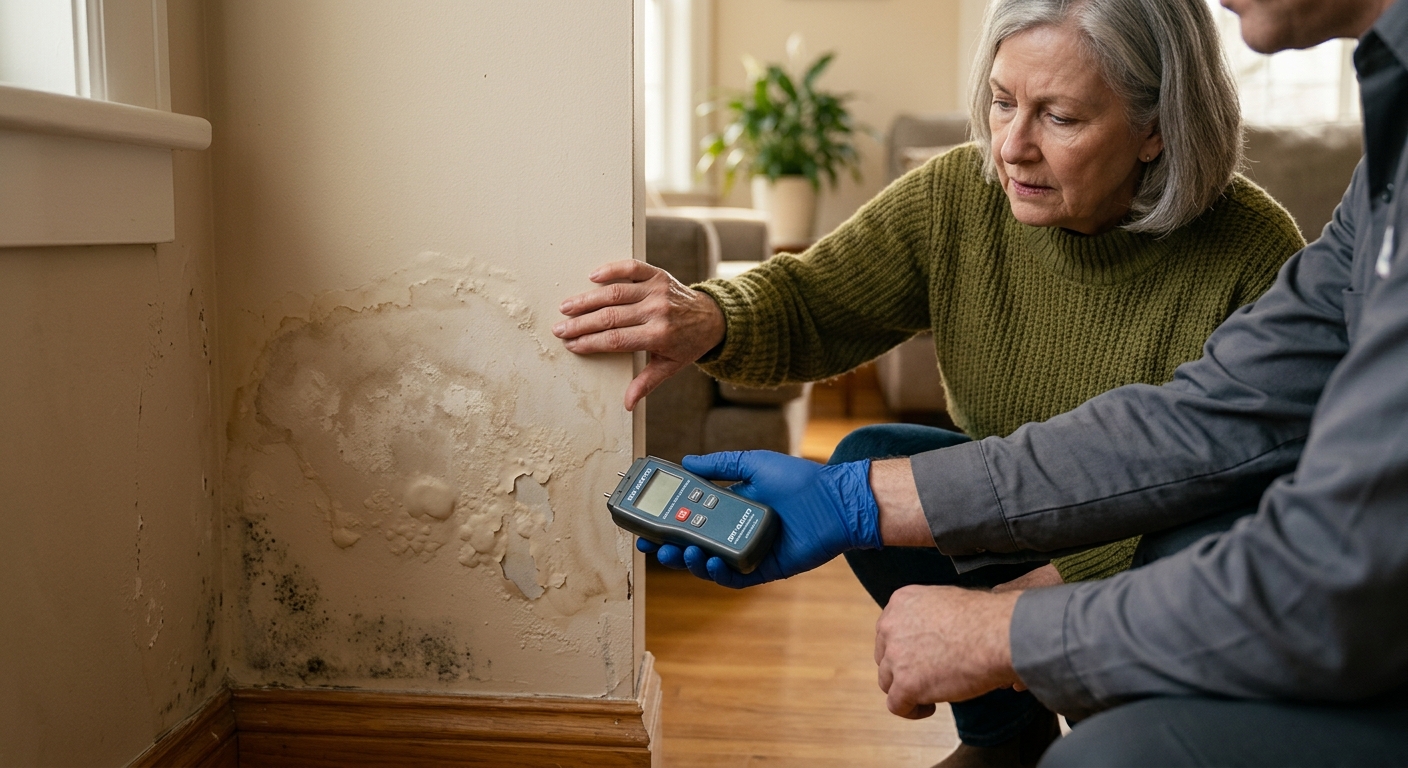
Excess moisture is one of the most overlooked causes of stuffy rooms, high energy bills, and unhealthy air in homes. Learn how to spot the six warning signs early and take targeted action before small leaks become expensive structural damage.
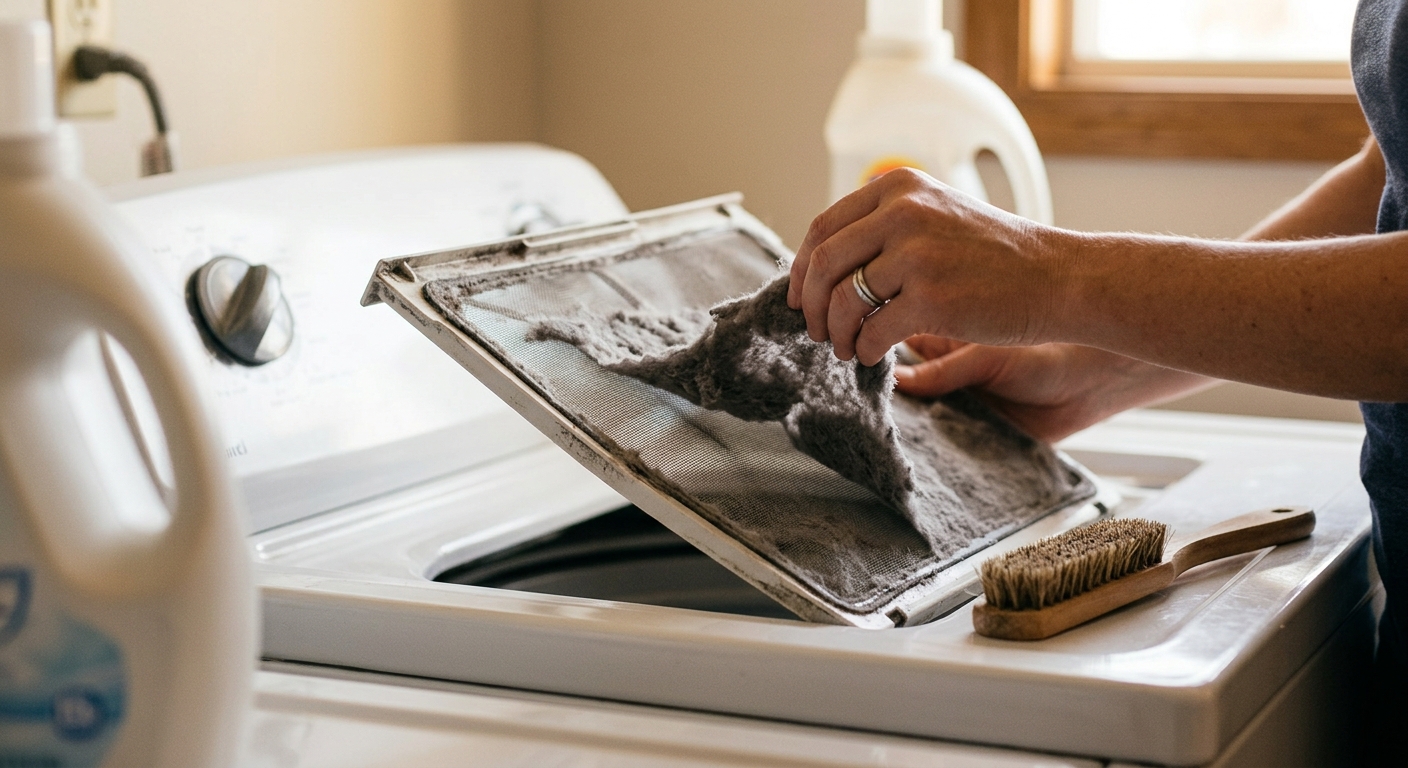
Dusty, clogged vents quietly choke your HVAC system and spike your energy bills by up to 25%. A simple cleaning schedule that takes less than an hour can restore airflow, cut costs, and extend the life of your system.
Most homes trap pollutants, moisture, and stale air because of three fixable ventilation failures. Addressing them in the right order can cut indoor pollutant concentrations by up to 50% and noticeably improve comfort within days.
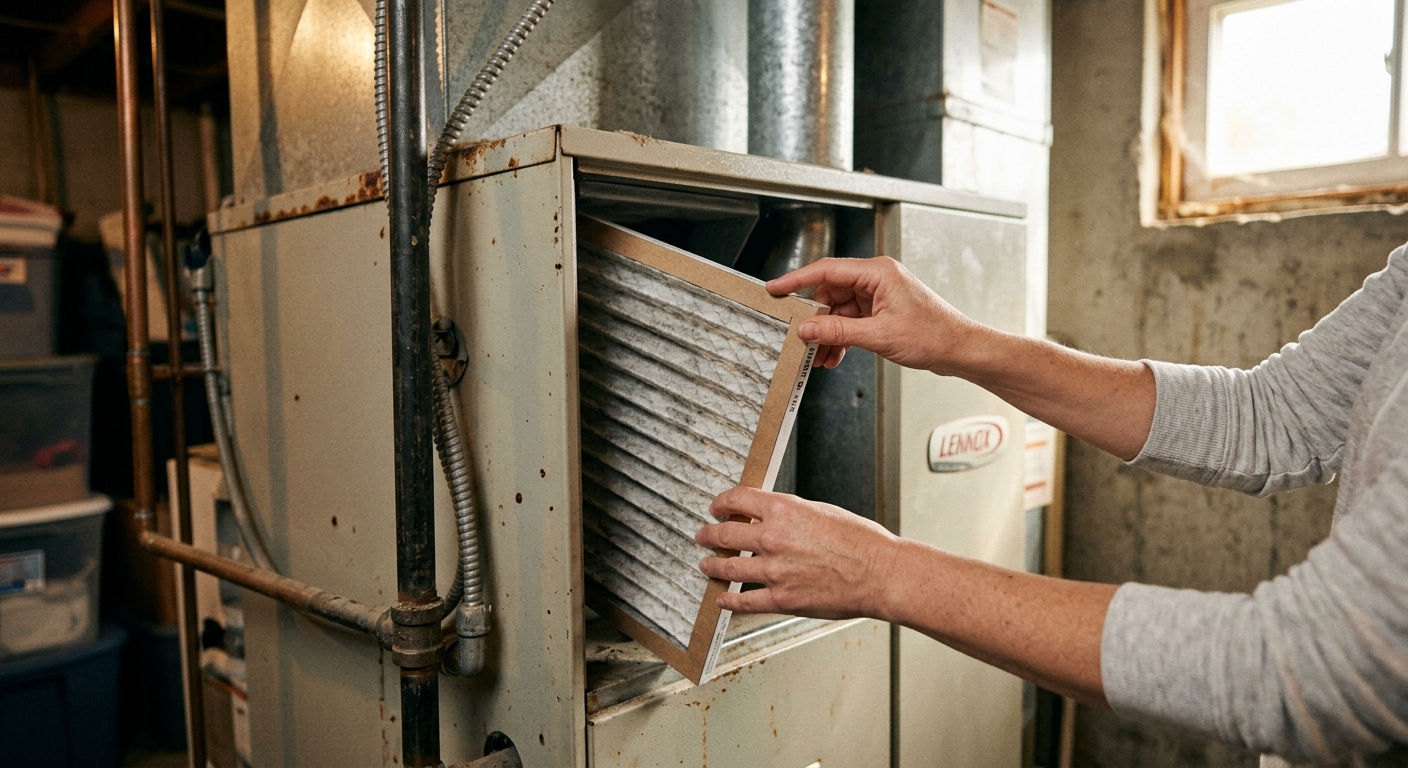
A clogged furnace filter is one of the most common causes of preventable HVAC failures, yet most homeowners never check theirs until something goes wrong. Spending just 20 minutes on a proper filter inspection and replacement can cut energy bills by up to 15% and help you avoid repair bills that routinely run $300 to $1,200.
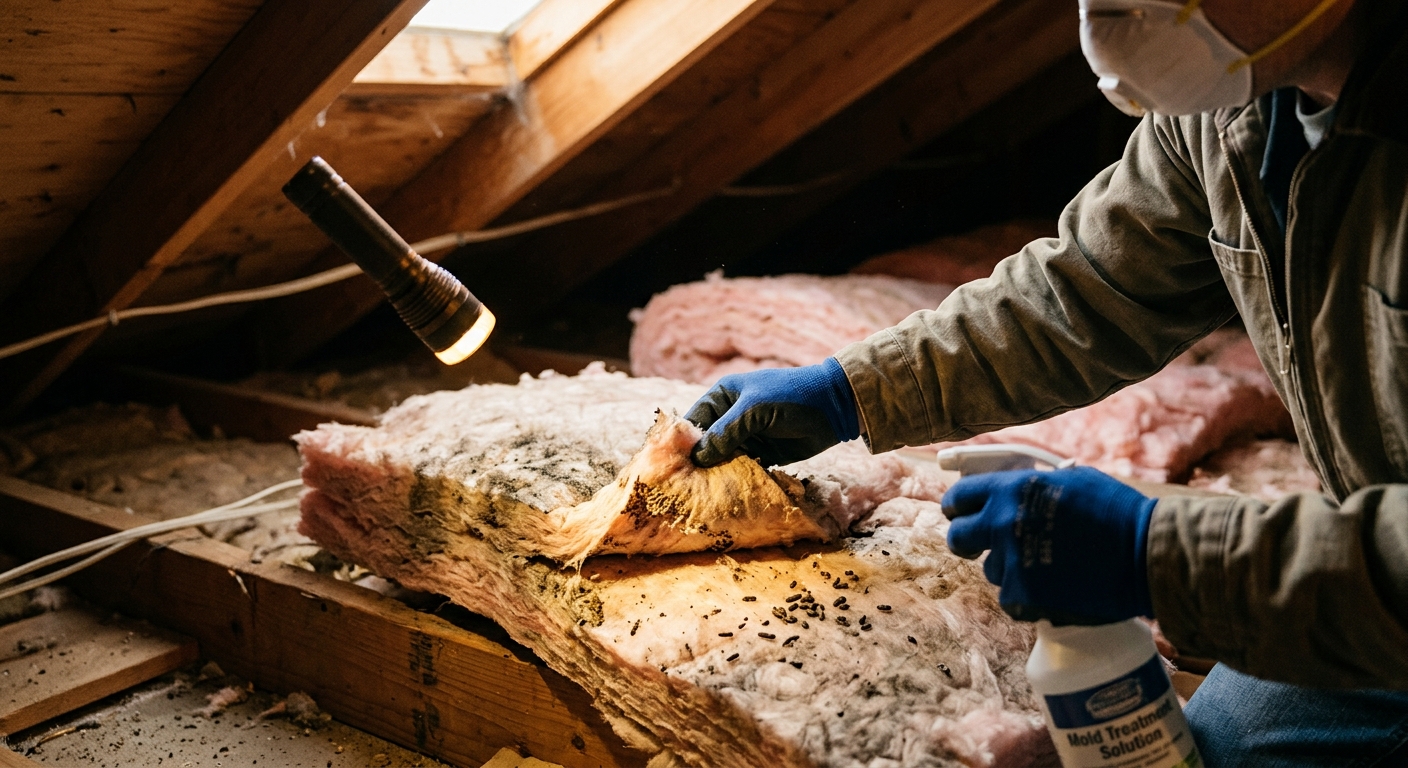
Damaged insulation does not just waste energy, it can harbor mold spores, rodent waste, and structural rot that threaten your family’s health. This guide walks you through how to identify the damage, safely remove it, and replace it so your home is both efficient and safe.
High indoor humidity makes 78°F feel like 85°F, forcing your AC to work harder and leaving your home feeling clammy no matter how low you set the thermostat. A whole-home or portable dehumidifier can cut perceived temperature by 4 to 6 degrees and trim cooling bills by 10 to 15%.
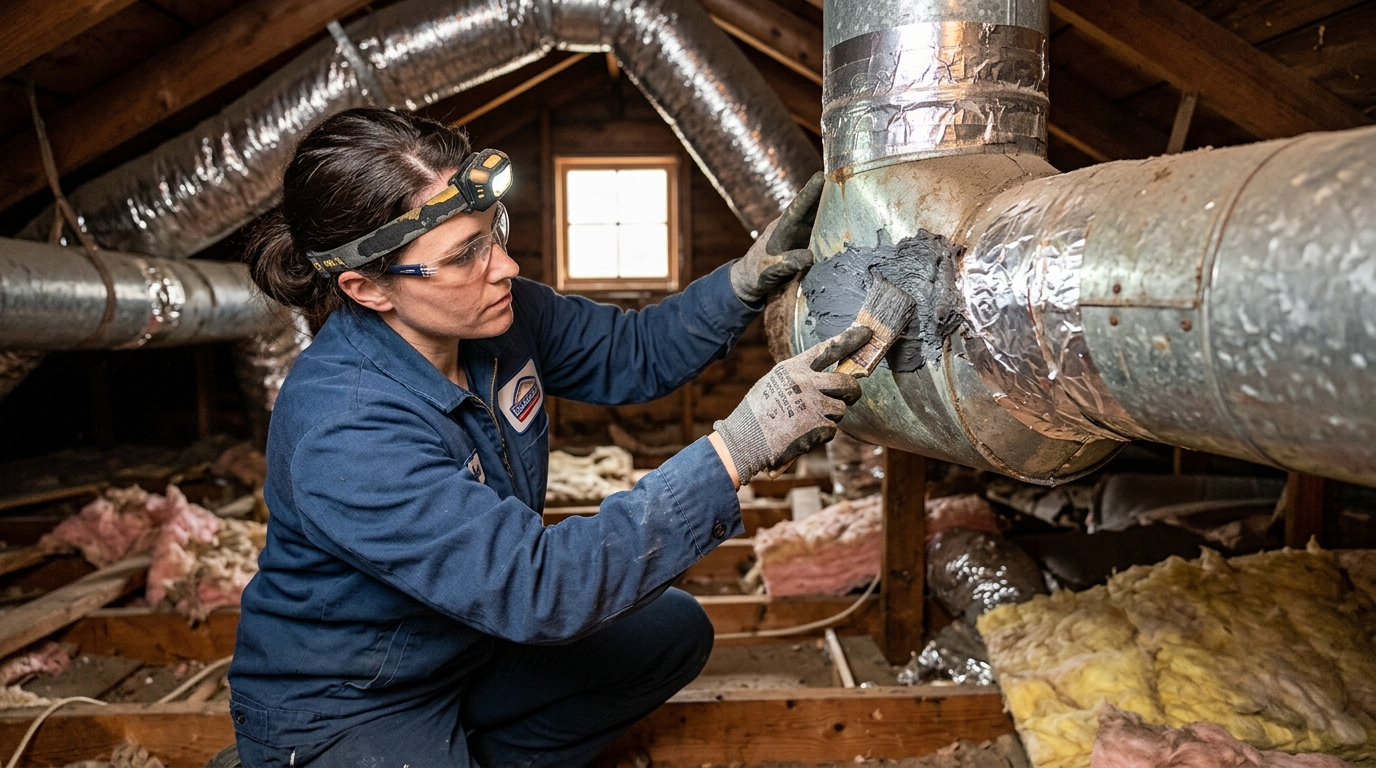
Most homeowners blame their HVAC system when rooms stay stuffy or bills spike, but the real culprit is often leaky ductwork silently dumping conditioned air into attics and crawlspaces. Sealing your ducts can cut energy waste by 20 to 30% and finally make every room in your home comfortable.