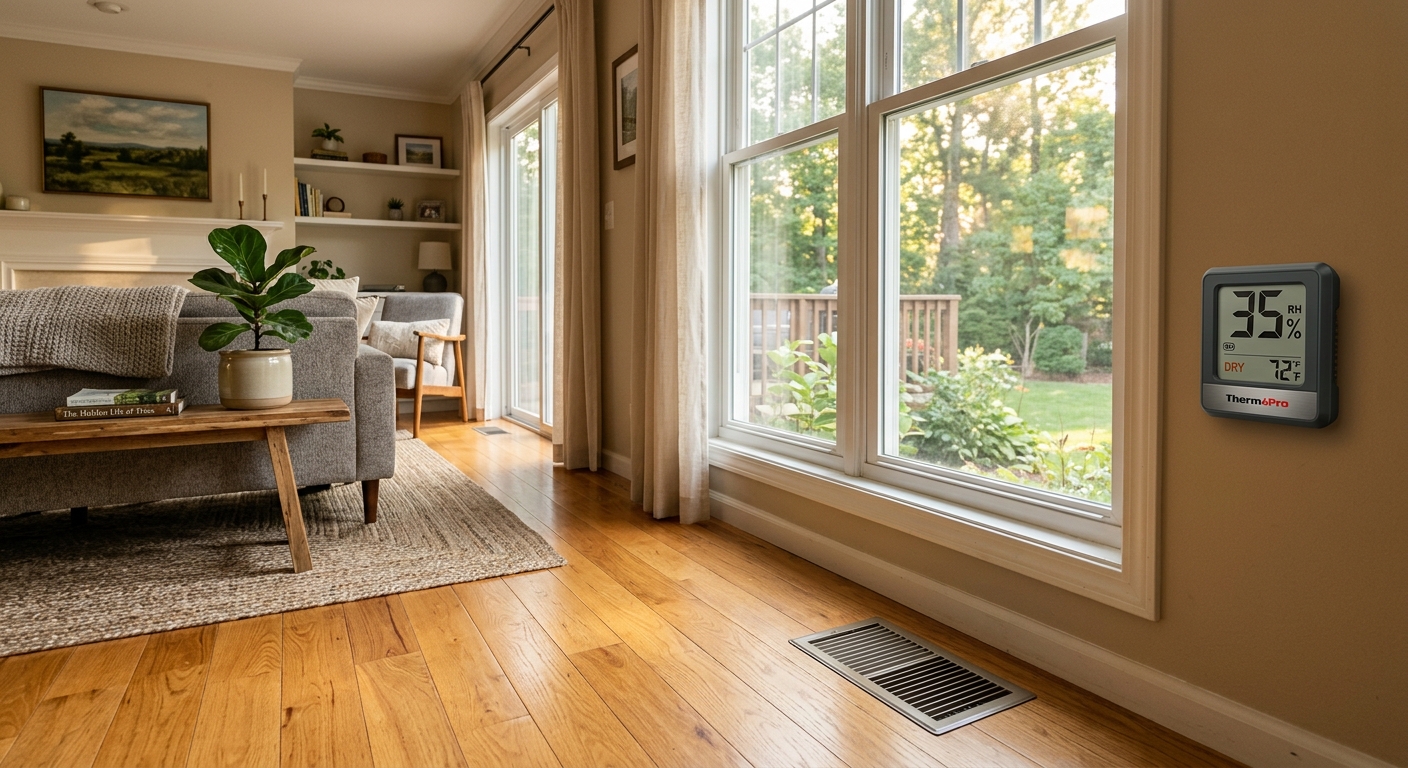
Most homeowners set their humidifier or dehumidifier once and forget it, but running the same humidity level year-round wastes energy and can damage your home. Targeting 30 to 35% relative humidity in winter and 45 to 50% in summer keeps you comfortable, protects your home, and trims 10 to 15% off your HVAC bills.
Most homeowners skip routine maintenance until something breaks, turning a $20 fix into a $2,000 emergency. A well-structured home maintenance calendar prevents costly failures, extends equipment life, and keeps your energy bills predictable year-round.
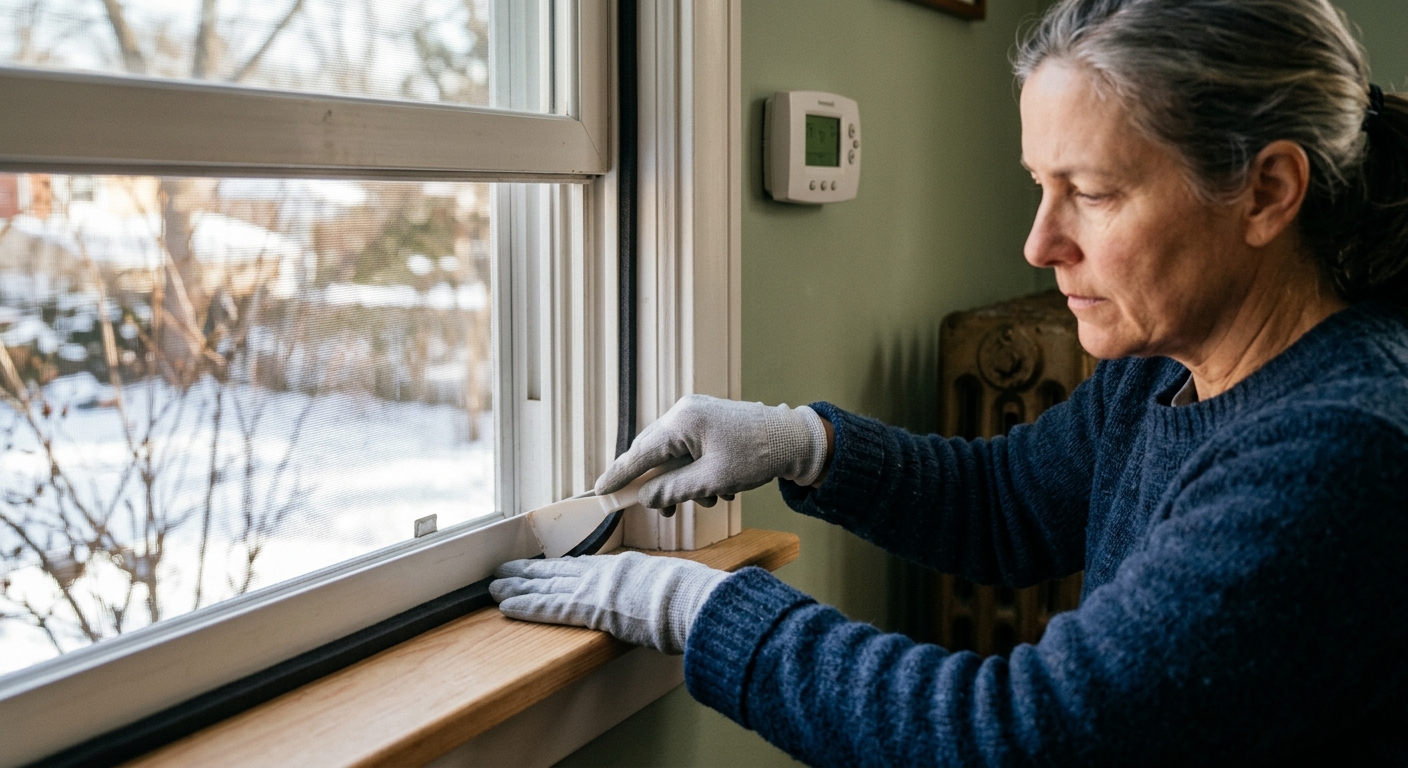
A sudden jump in your January energy bill is not just about cold weather. It is a signal that your home’s thermal envelope, heating system, or daily habits have a hidden efficiency problem worth fixing.
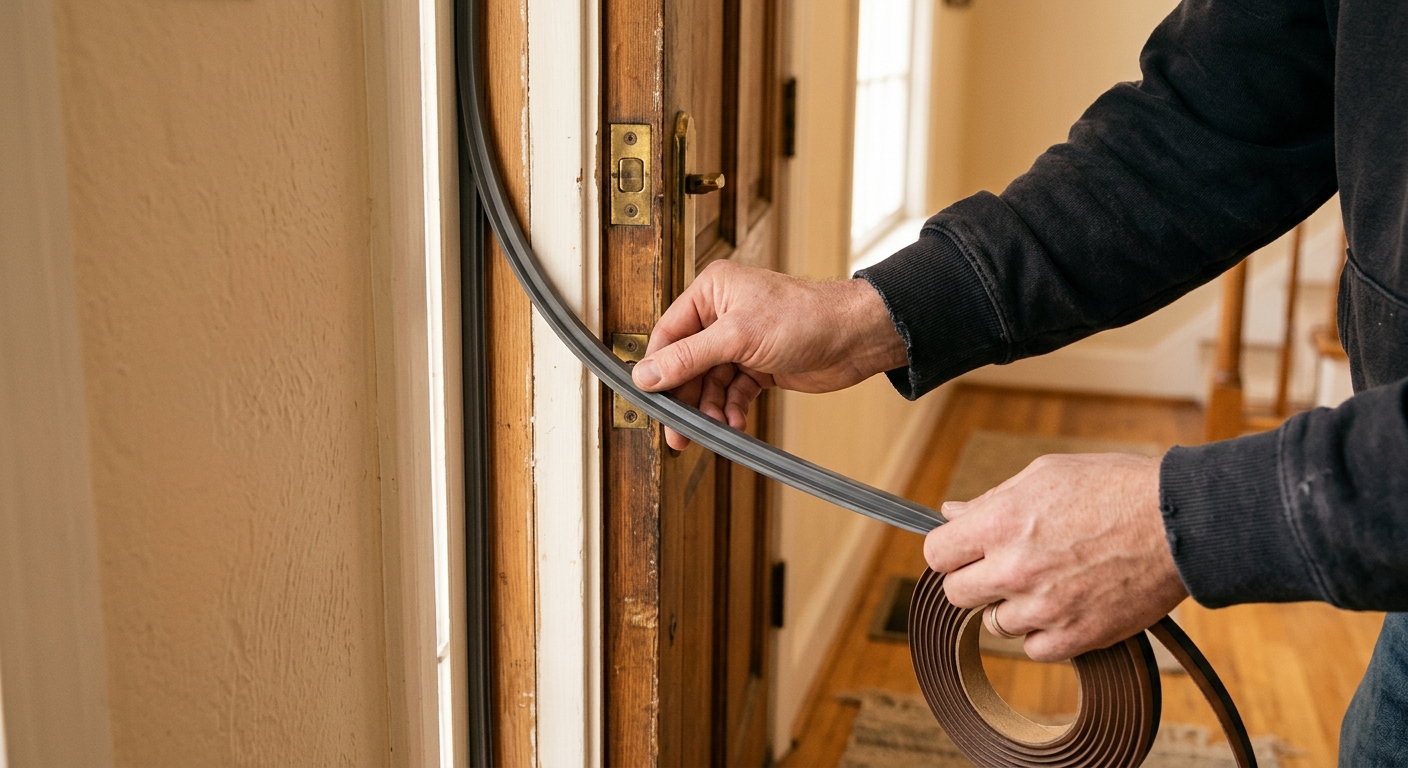
A drafty front door can account for up to 11% of your home’s total air leakage, quietly inflating your heating and cooling bills year-round. Replacing worn weatherstripping takes less than an hour, costs under $30, and delivers immediate, measurable comfort improvements.
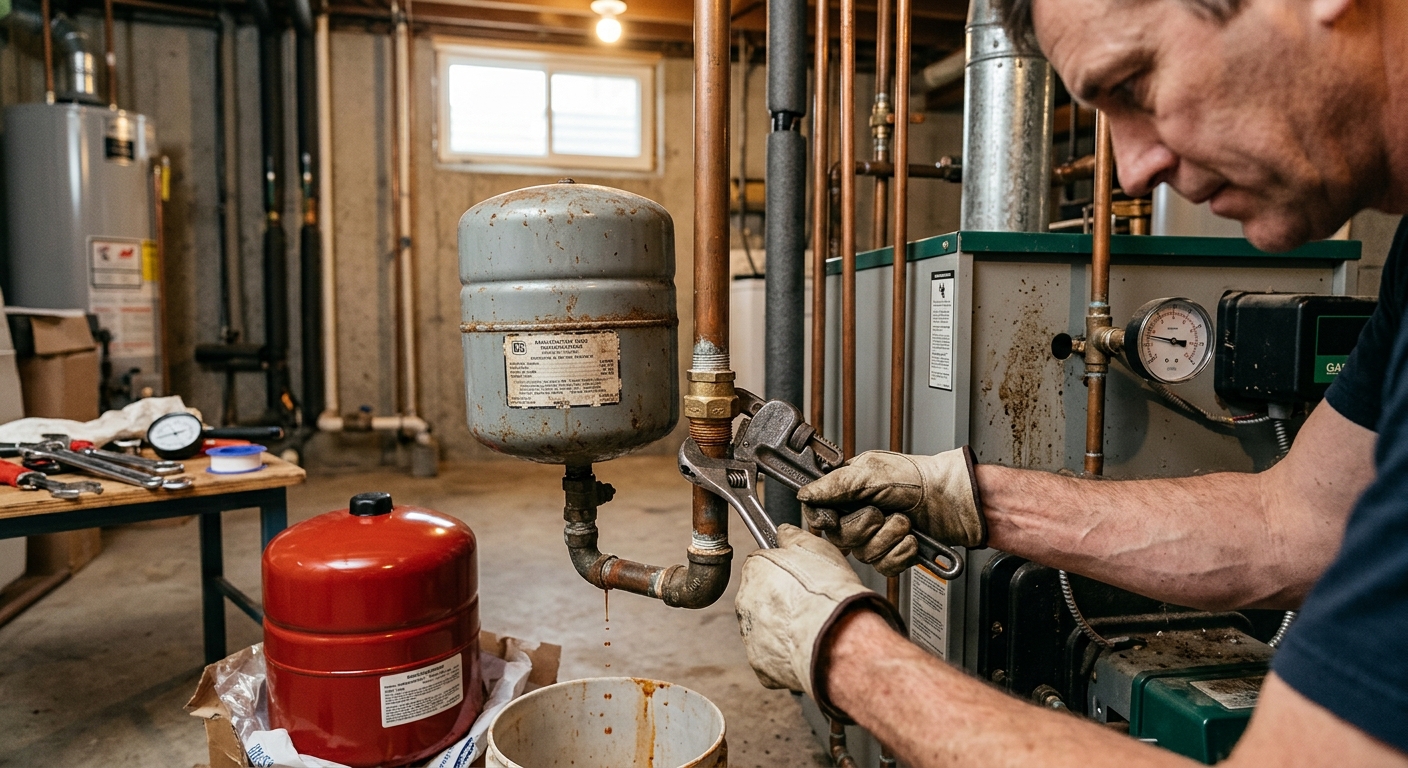
A failing expansion tank puts your entire plumbing system under constant excess pressure, silently damaging water heaters, valves, and fixtures. Catching the problem early costs under $100 and takes a weekend afternoon, while ignoring it can lead to a burst water heater or flooded basement.
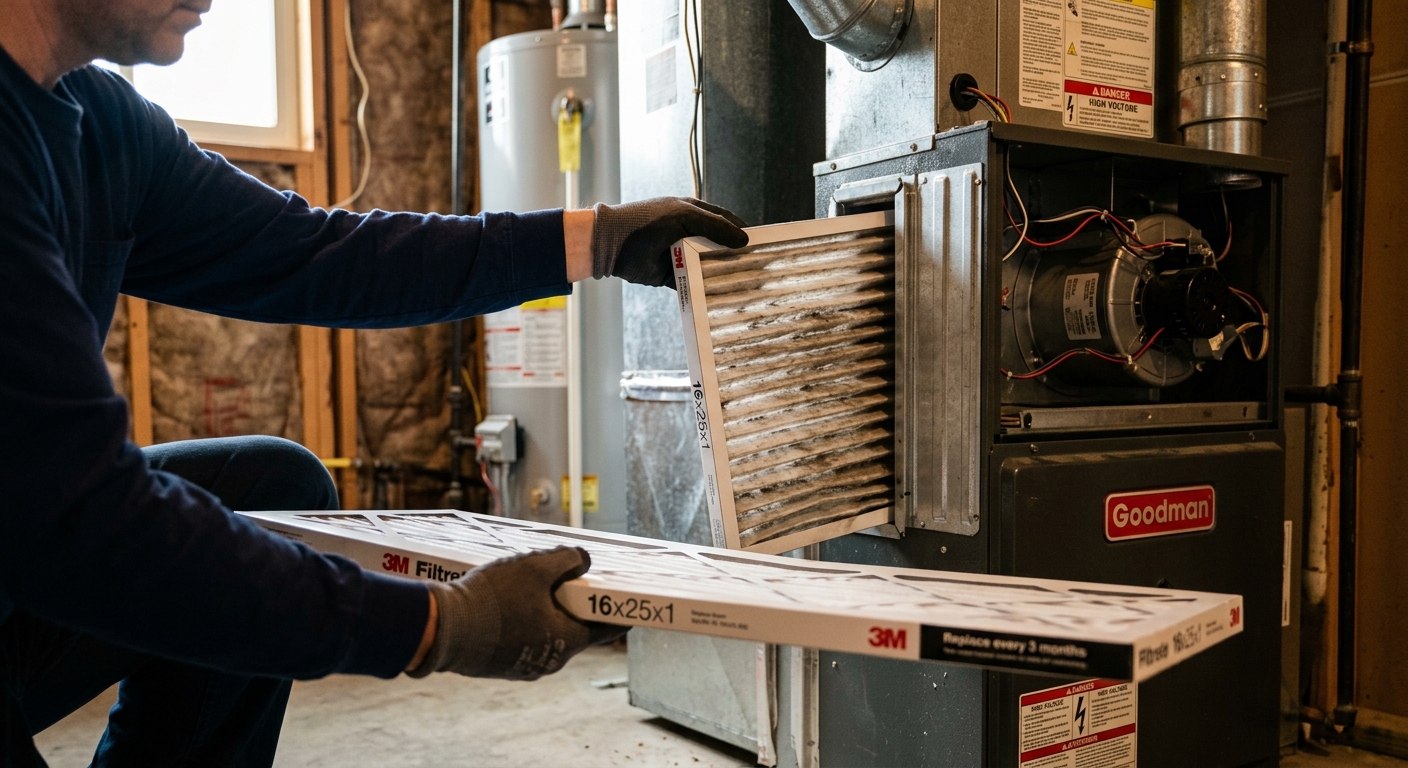
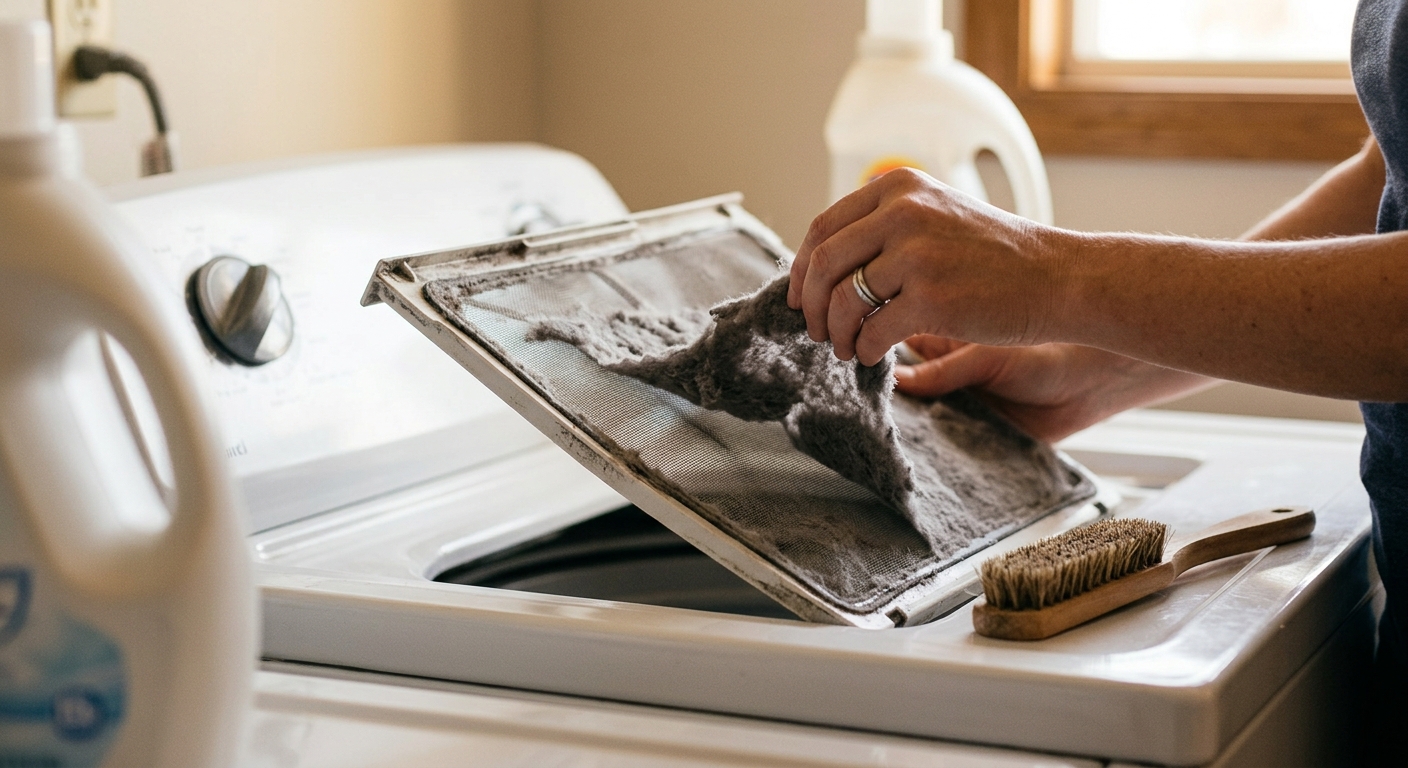
Dusty, clogged vents quietly choke your HVAC system and spike your energy bills by up to 25%. A simple cleaning schedule that takes less than an hour can restore airflow, cut costs, and extend the life of your system.
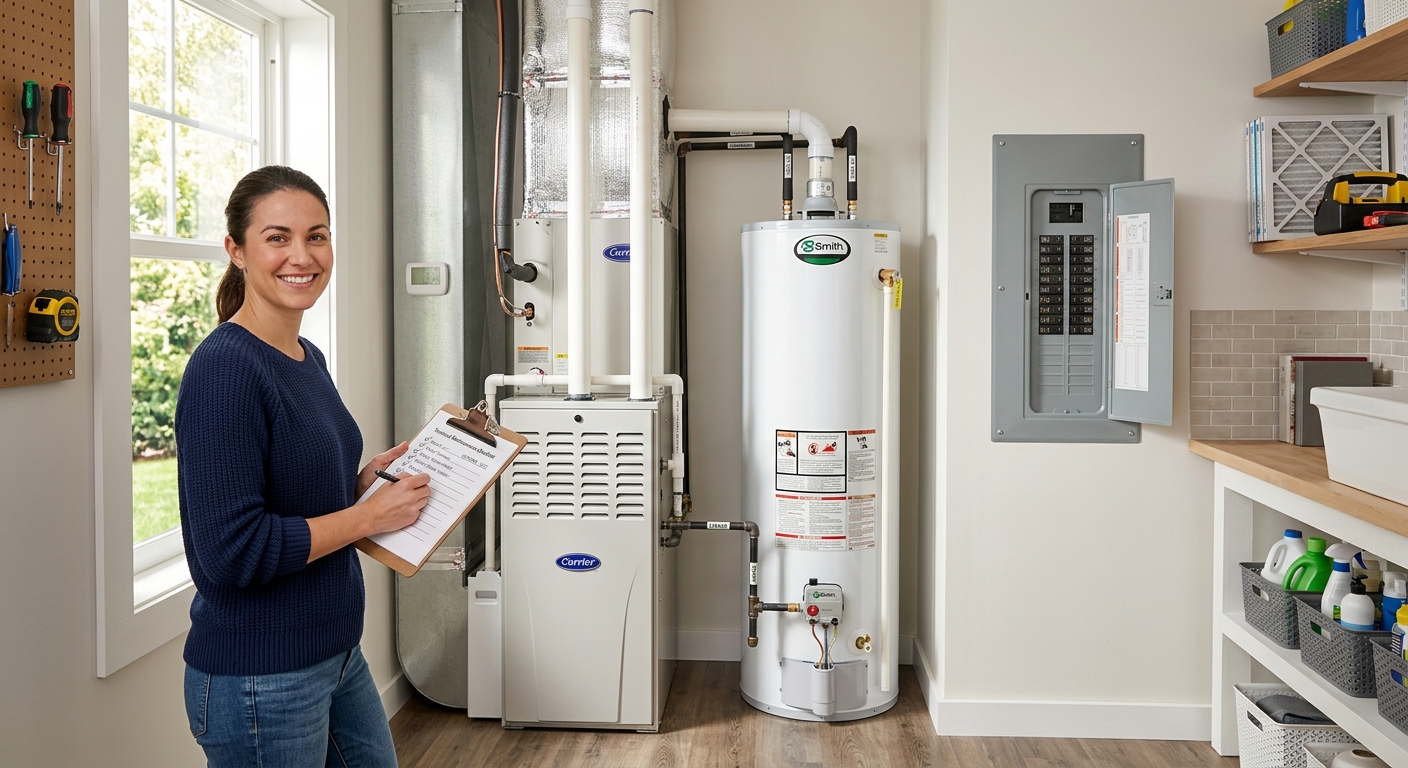
Most homeowners service their home systems reactively, after something breaks, which costs far more than a well-timed tune-up. Scheduling maintenance for each major system at the right point in the calendar year keeps efficiency high, prevents failures during peak demand, and can cut annual energy bills by 15 to 30%.
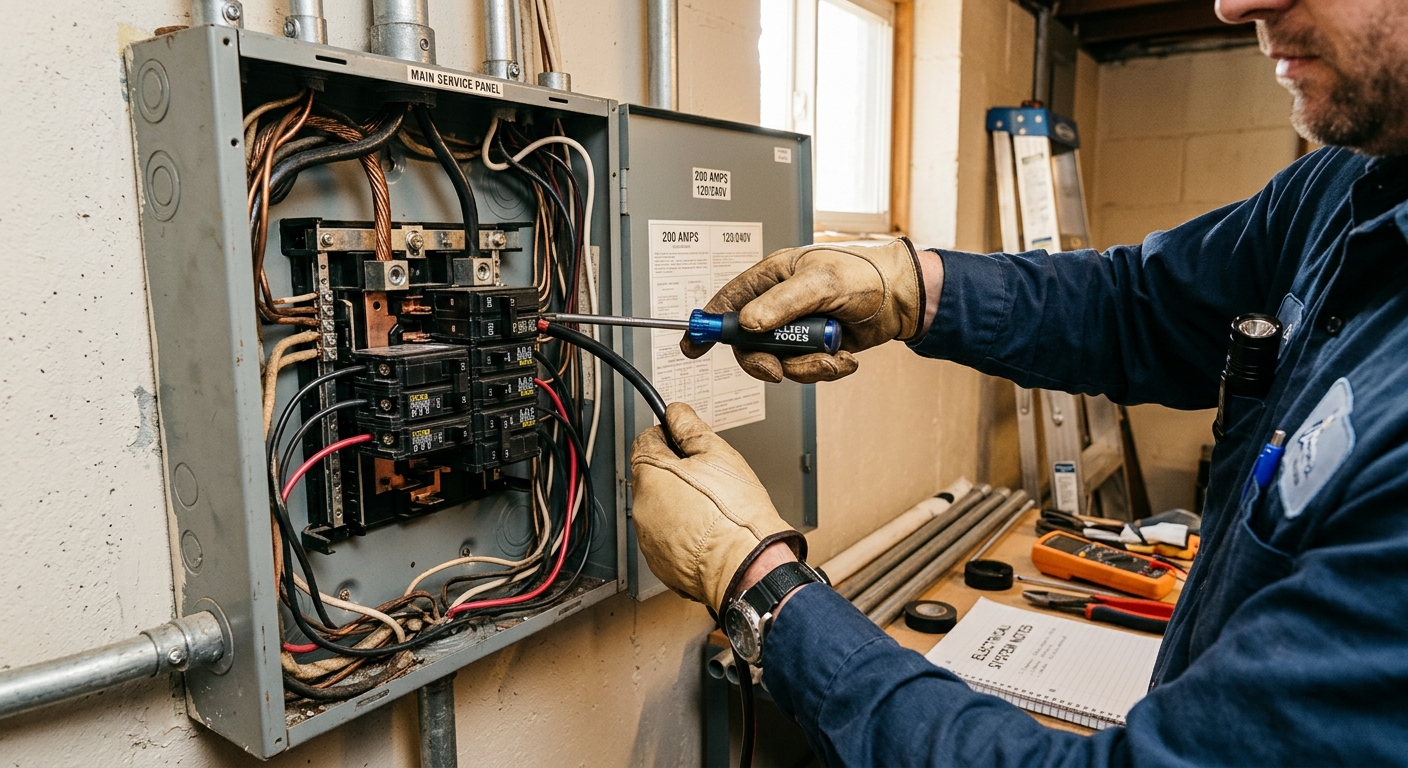
An outdated or undersized electrical panel is one of the most overlooked hazards and efficiency bottlenecks in a home. This guide explains exactly when an upgrade is necessary, what the process involves, and how to budget for it.
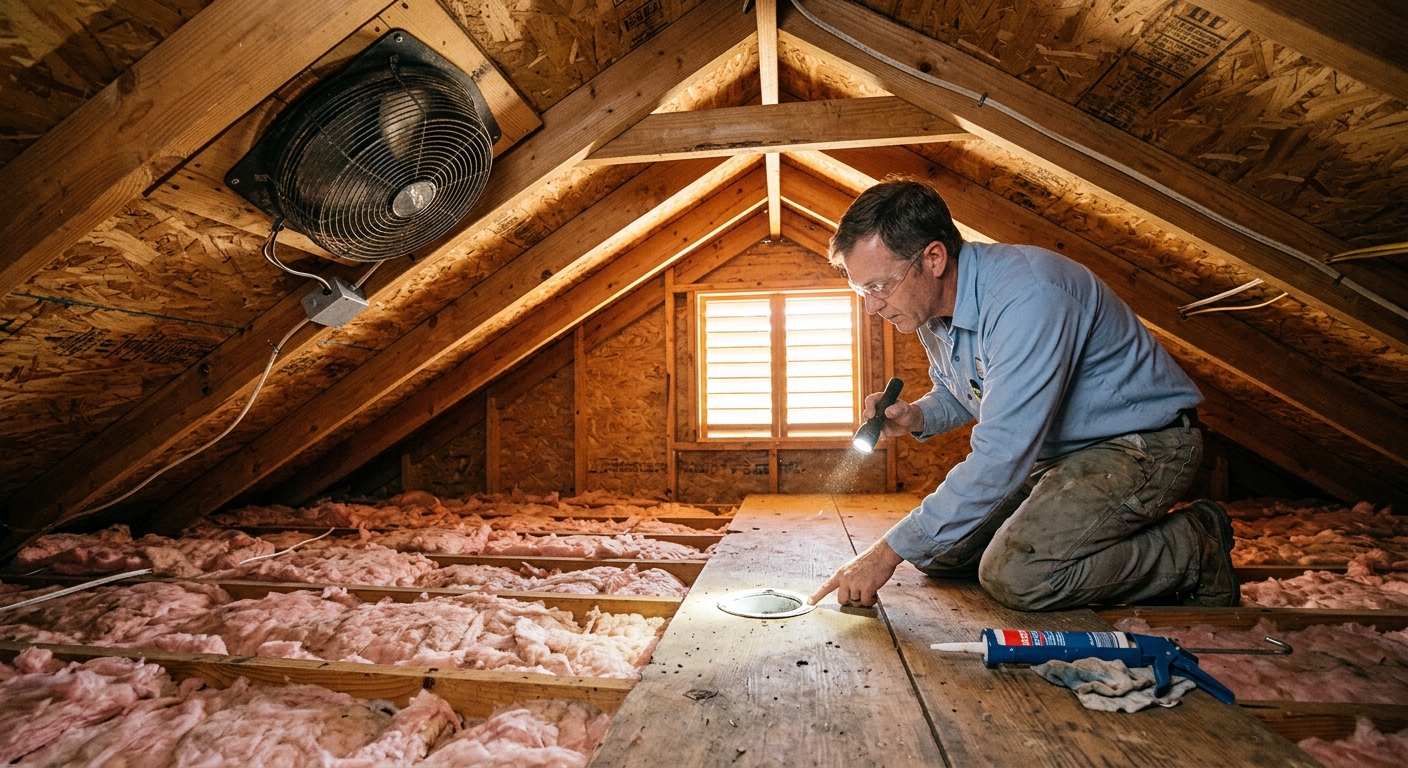
Attic fans are sold as energy savers, but under the wrong conditions they can actually pull expensive conditioned air out of your living space and spike your cooling bills. Learn how to test your setup, correct common mistakes, and decide whether your attic fan is helping or hurting.
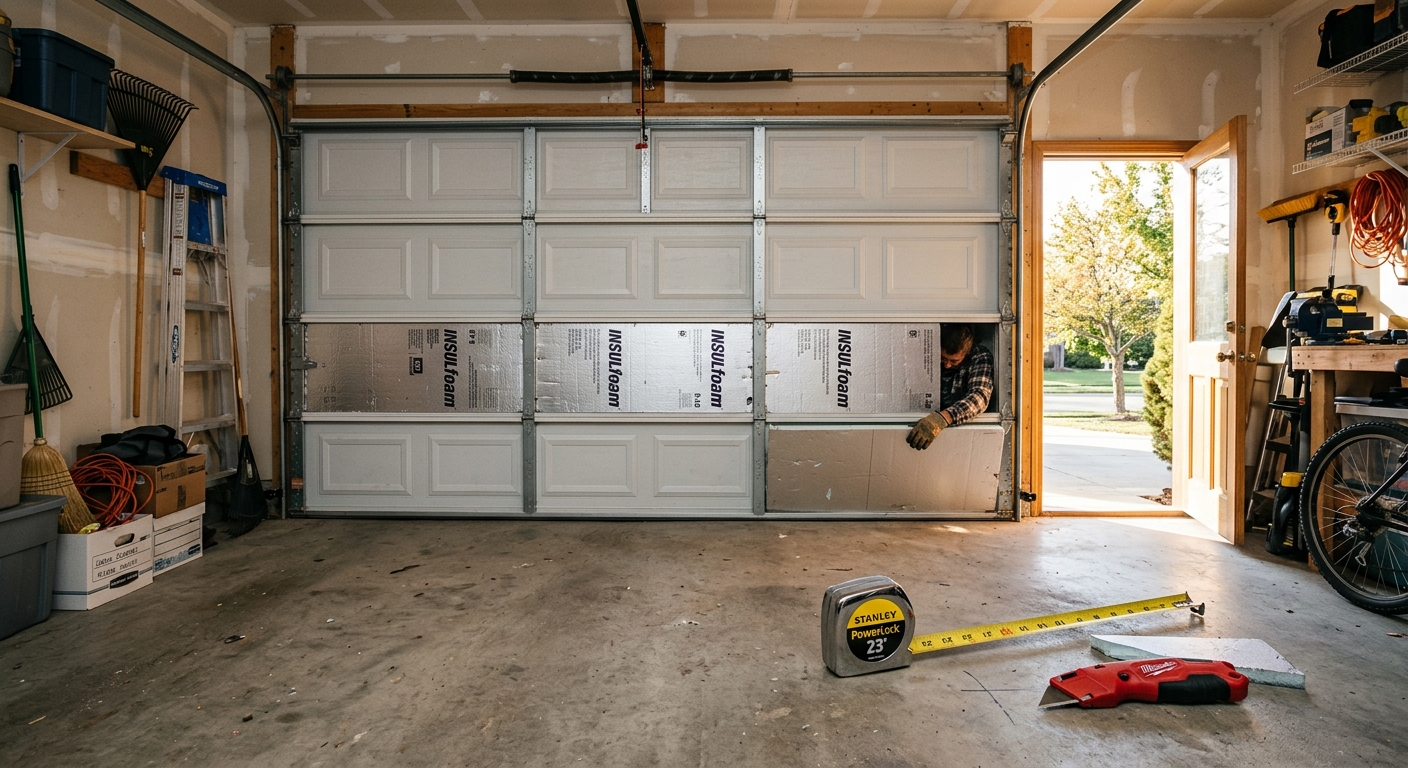
An uninsulated garage door is one of the biggest thermal weak points in your home, letting heat pour in during summer and cold seep in during winter. Add insulation to your garage door this weekend and you can cut garage temperature swings by 20 degrees or more, lower your energy bills, and protect everything stored inside.