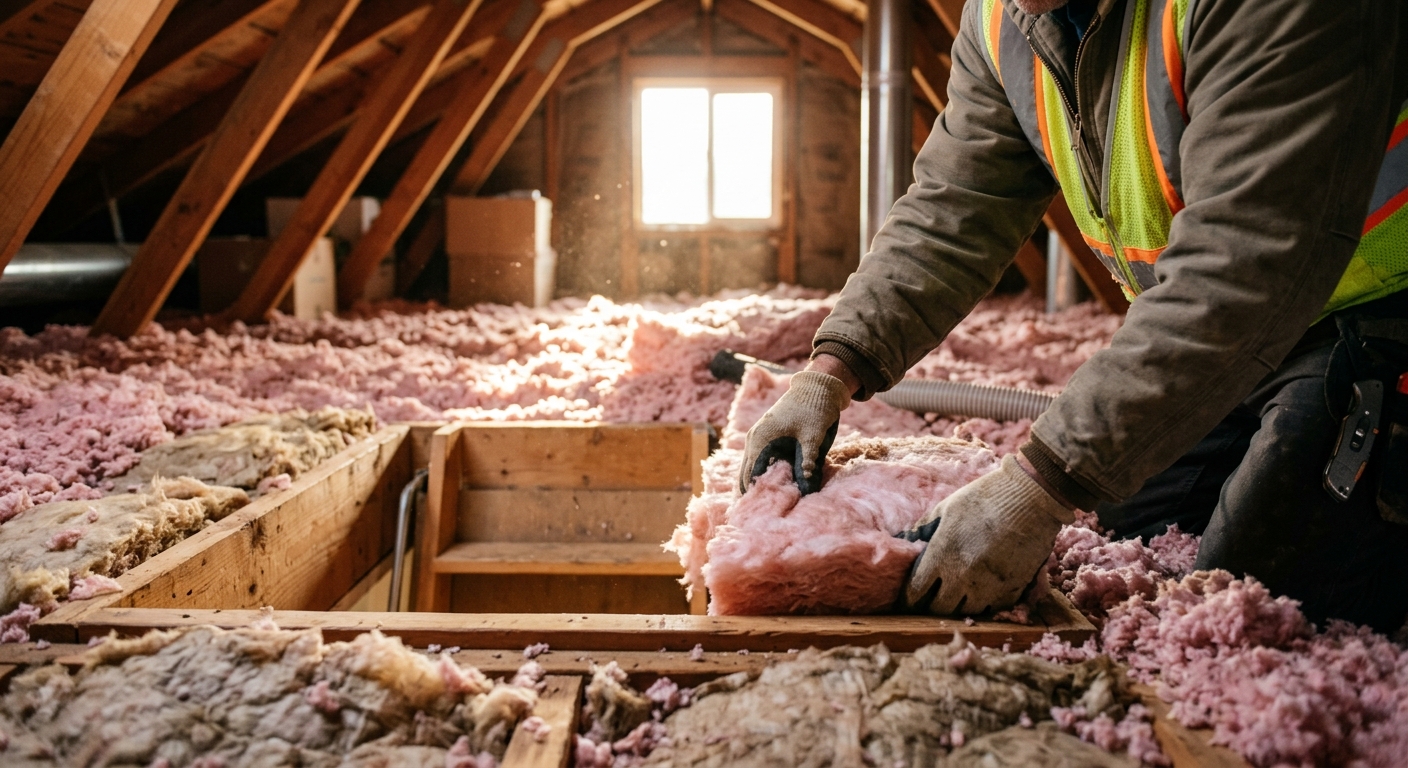
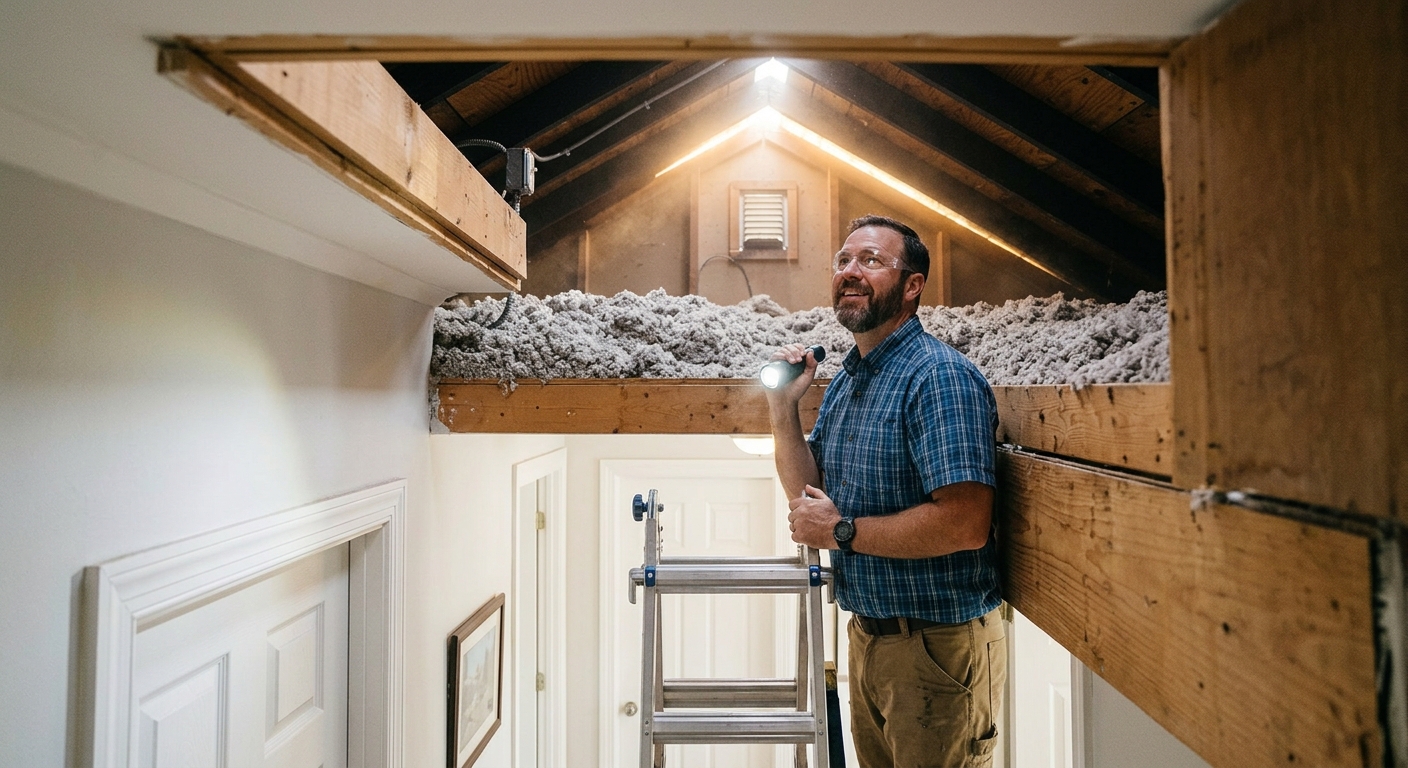
Most homeowners upgrade windows or buy smart thermostats first, but the attic is responsible for up to 40% of a home’s heating and cooling loss. Starting here delivers the fastest payback and the biggest comfort improvement of any single upgrade.
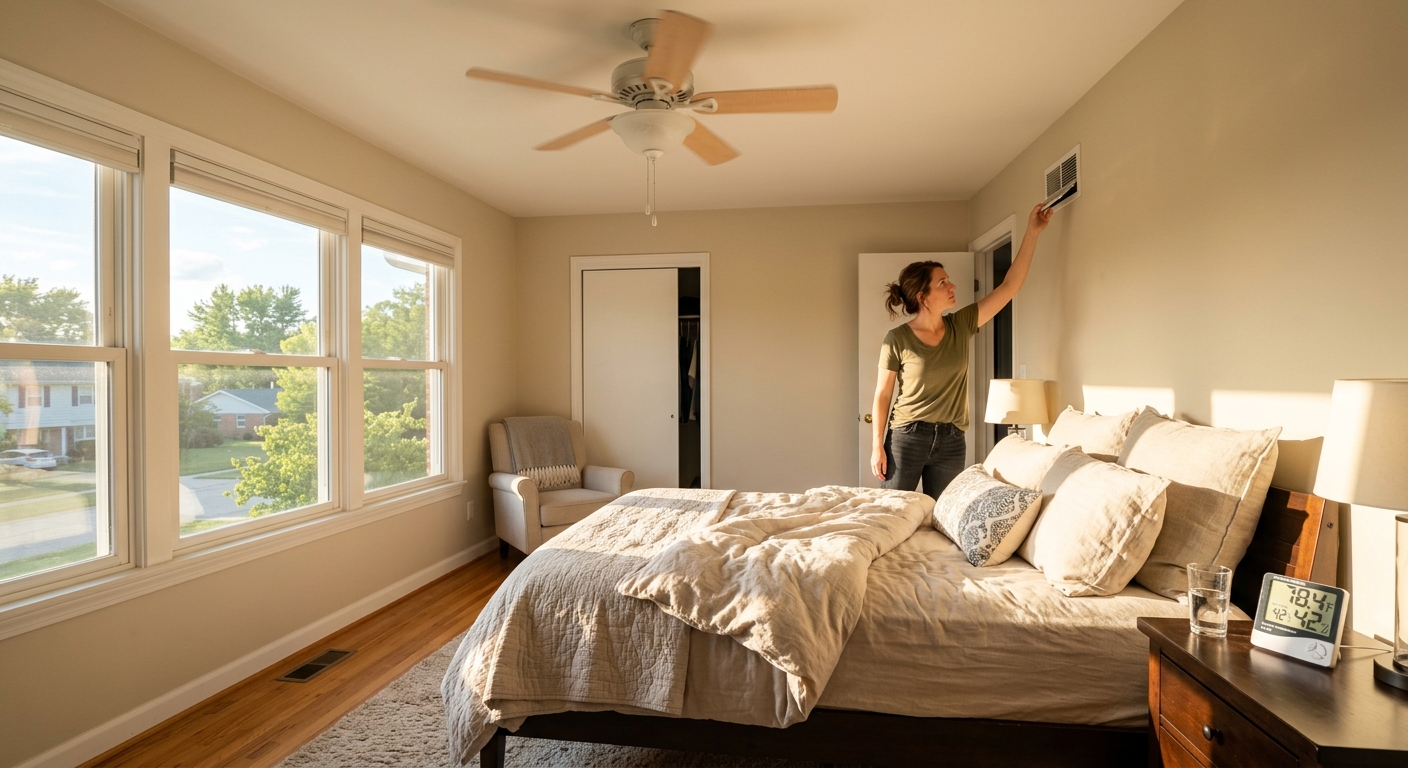
A single sweltering room can make your whole home feel uncomfortable and drive up energy bills as your AC works overtime. The good news is that most hot room problems trace back to a handful of fixable causes, many of which cost little or nothing to address.
Most homeowners either under-insulate and pay for it every month, or over-spend on insulation that delivers diminishing returns. Knowing the right R-value target for your specific climate zone is the single most reliable way to maximize your insulation investment.
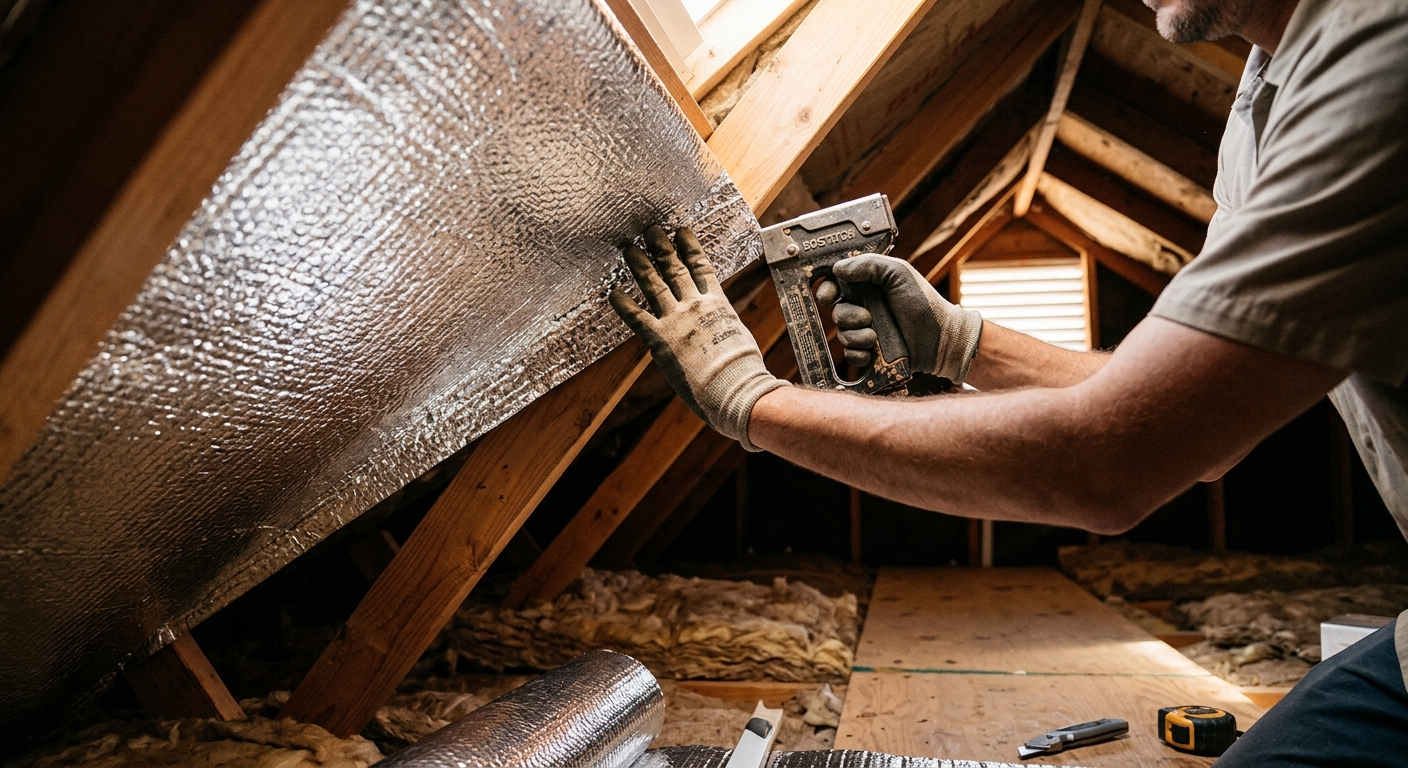
In hot climates, attic temperatures can soar past 150°F, turning your ceiling into a radiant heater that forces your AC to work overtime. A properly installed radiant barrier can cut attic heat gain by up to 97% and reduce cooling costs by 5 to 17%, with payback periods as short as 2 to 3 years.
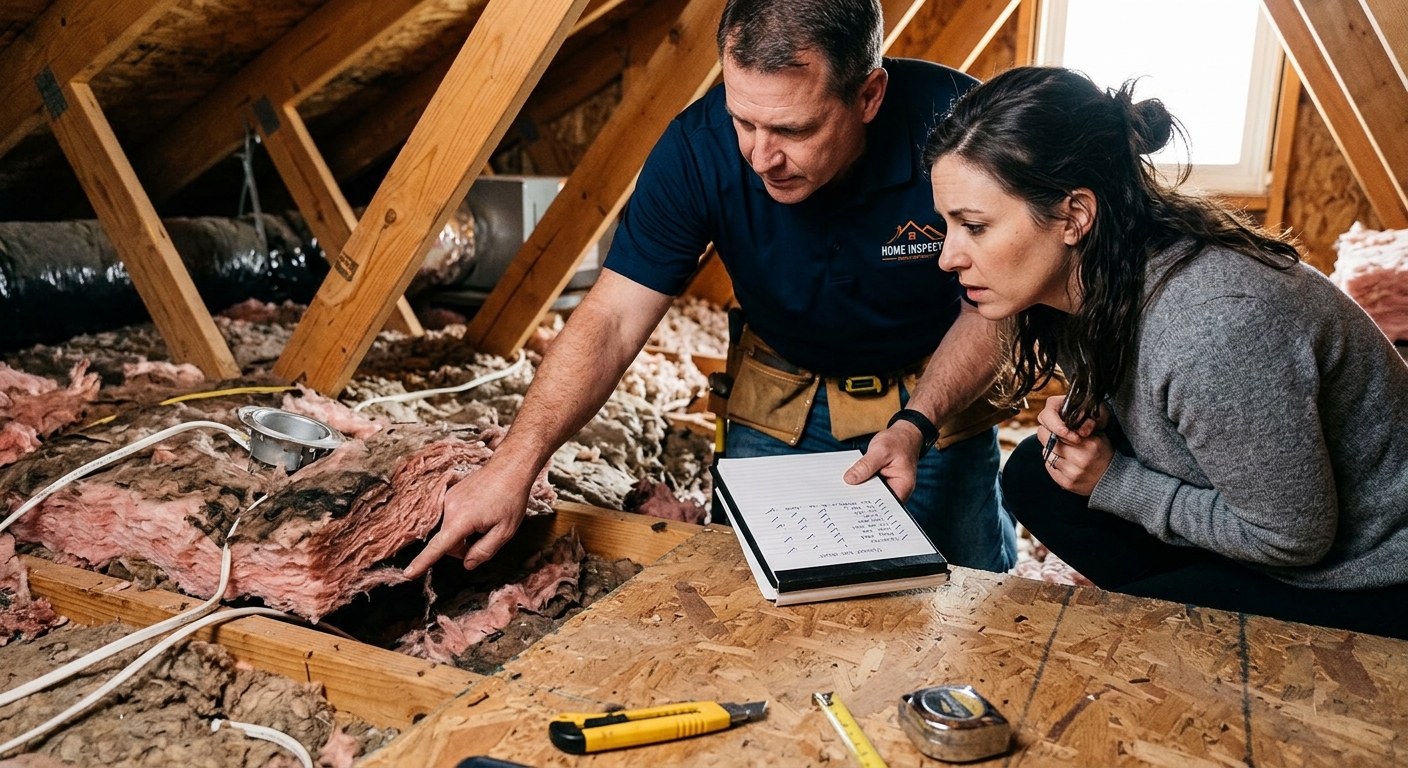
Home inspection reports are dense documents full of jargon, and insulation problems are easy to overlook or misunderstand. This guide shows you exactly how to decode common inspection language, find the issues yourself, and decide what to fix first.
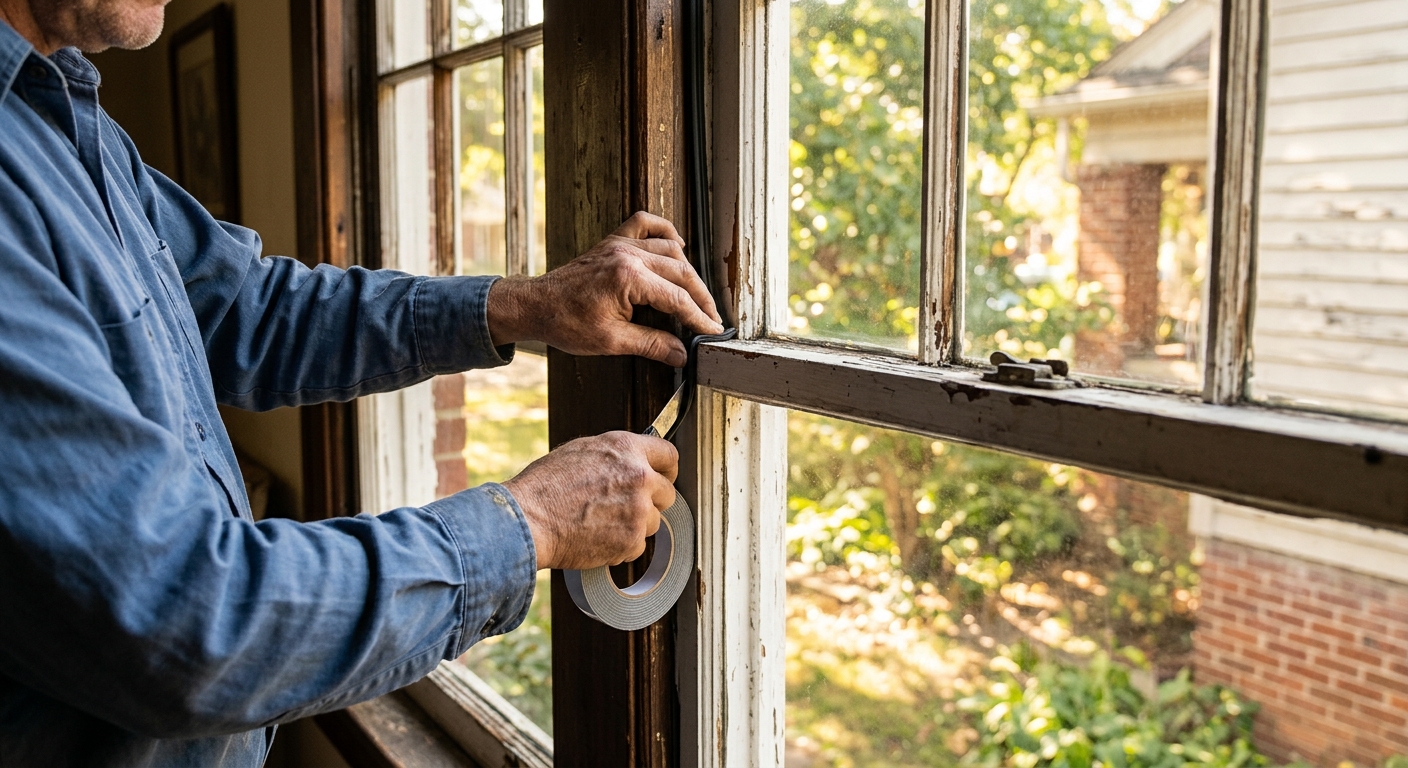
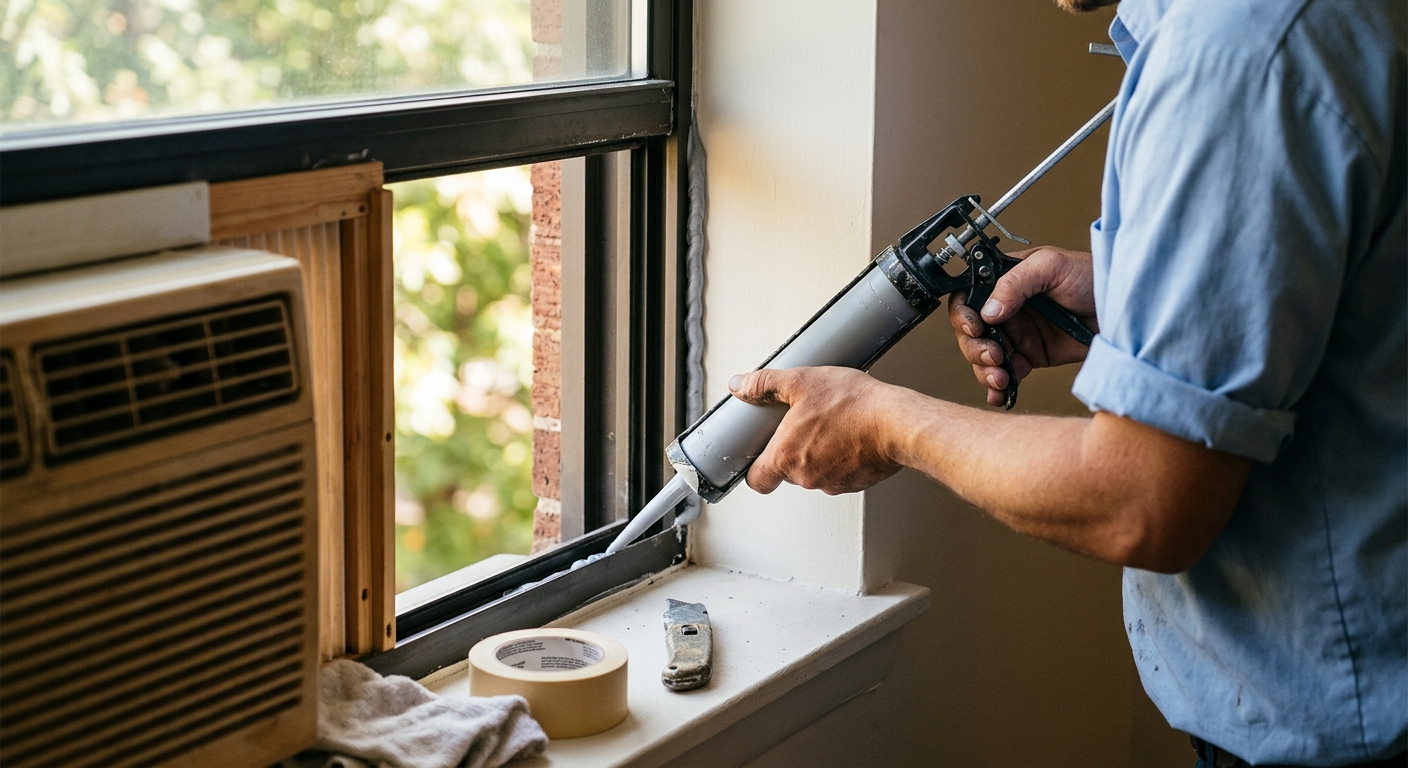
Homes built before 1980 often lose 30 to 50% more conditioned air than modern construction due to poor insulation, single-pane windows, and decades of accumulated air leaks. Targeted upgrades to sealing, insulation, and airflow can cut cooling bills by 25 to 40% without a full renovation.
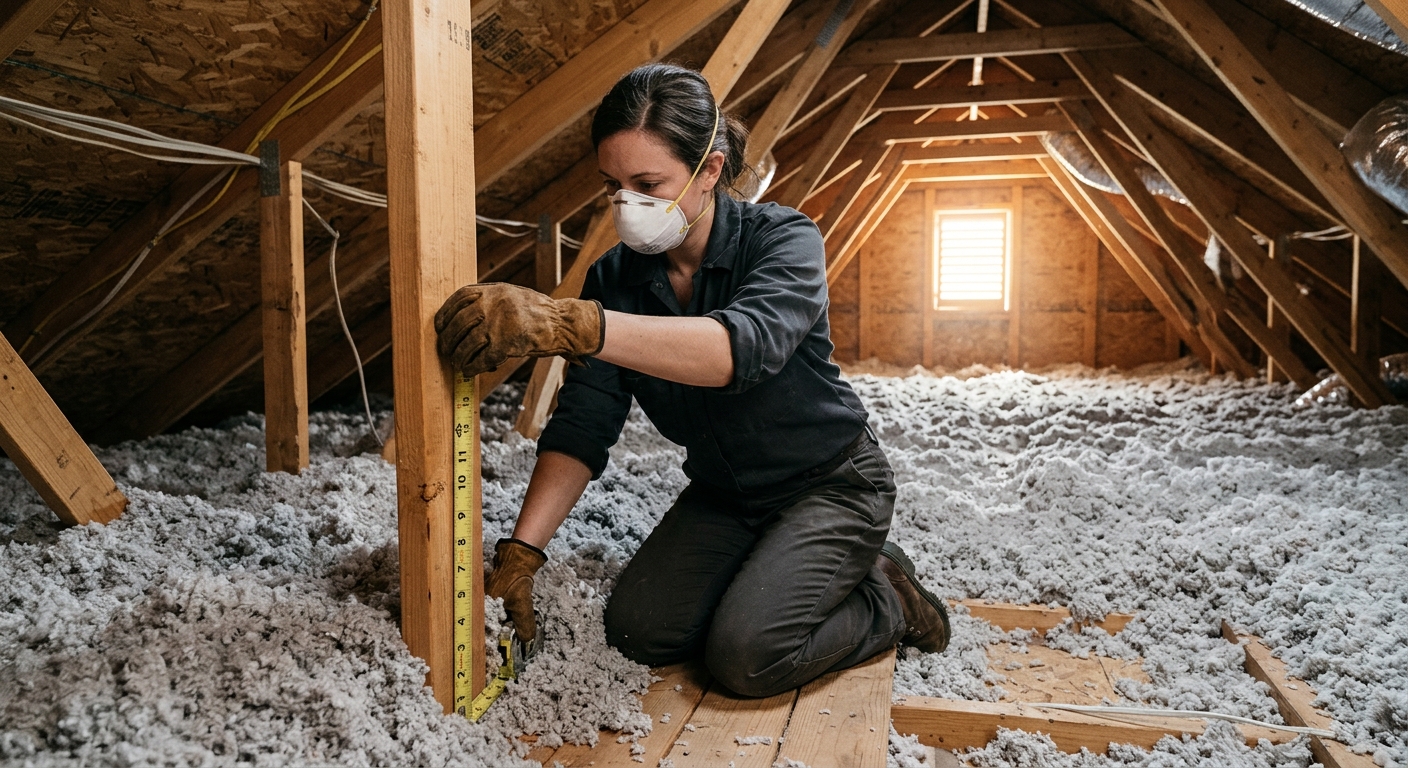
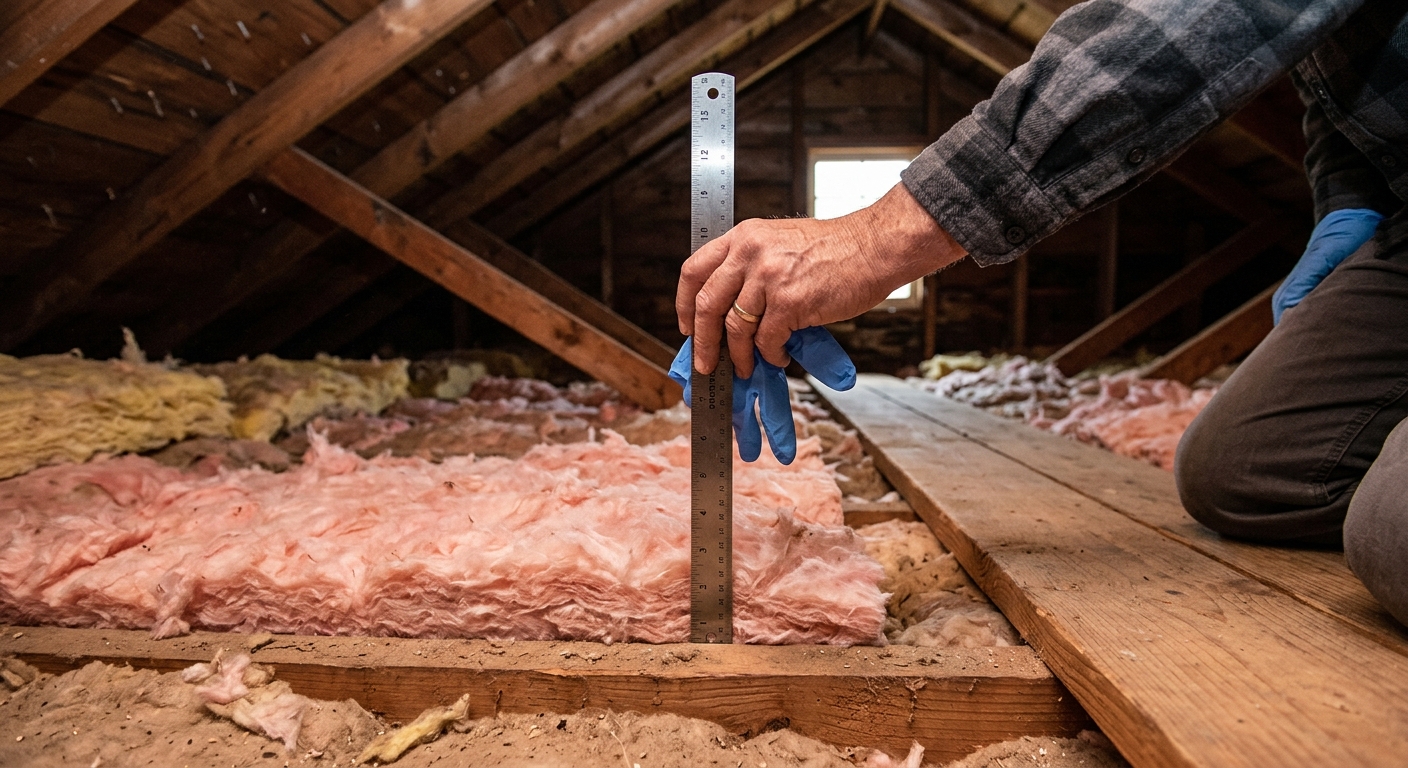
Most homeowners have no idea if their attic insulation is doing its job, and an under-insulated attic can add hundreds of dollars a year to heating and cooling bills. This guide shows you exactly how to measure your insulation depth yourself in under 30 minutes, what the numbers mean, and what to do next.
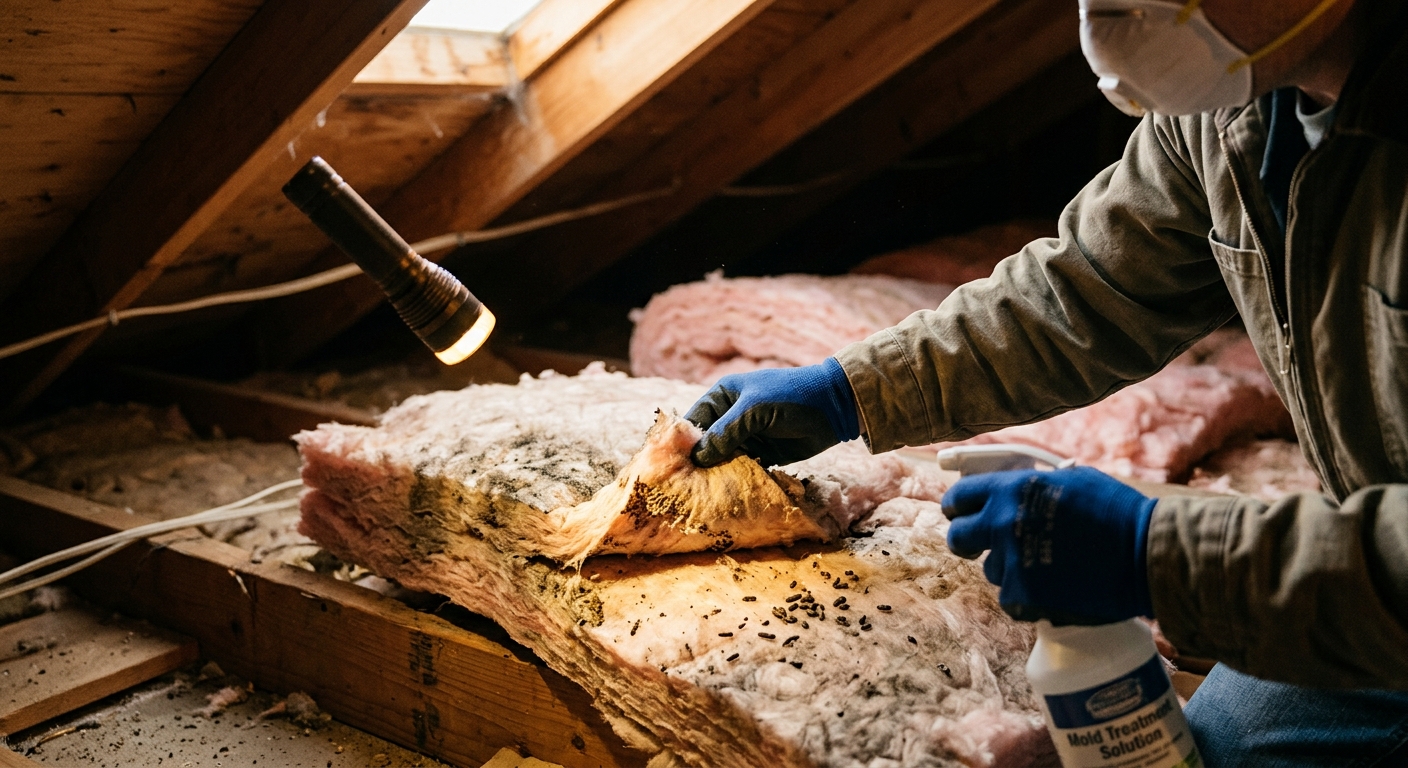
Damaged insulation does not just waste energy, it can harbor mold spores, rodent waste, and structural rot that threaten your family’s health. This guide walks you through how to identify the damage, safely remove it, and replace it so your home is both efficient and safe.
Most homeowners replace a struggling AC unit when the real problem is an oversized cooling load the existing system was never designed to handle. Reducing heat gain through air sealing, shading, and insulation can cut cooling costs by 25 to 40% and may eliminate the need for a bigger unit entirely.
An unventilated or under-insulated attic can reach 150°F on a summer day, turning your upstairs into an oven that your AC simply cannot overcome. The good news is that a combination of air sealing, added insulation, and improved ventilation can cut that temperature gap by more than half and trim your cooling bills by up to 30%.