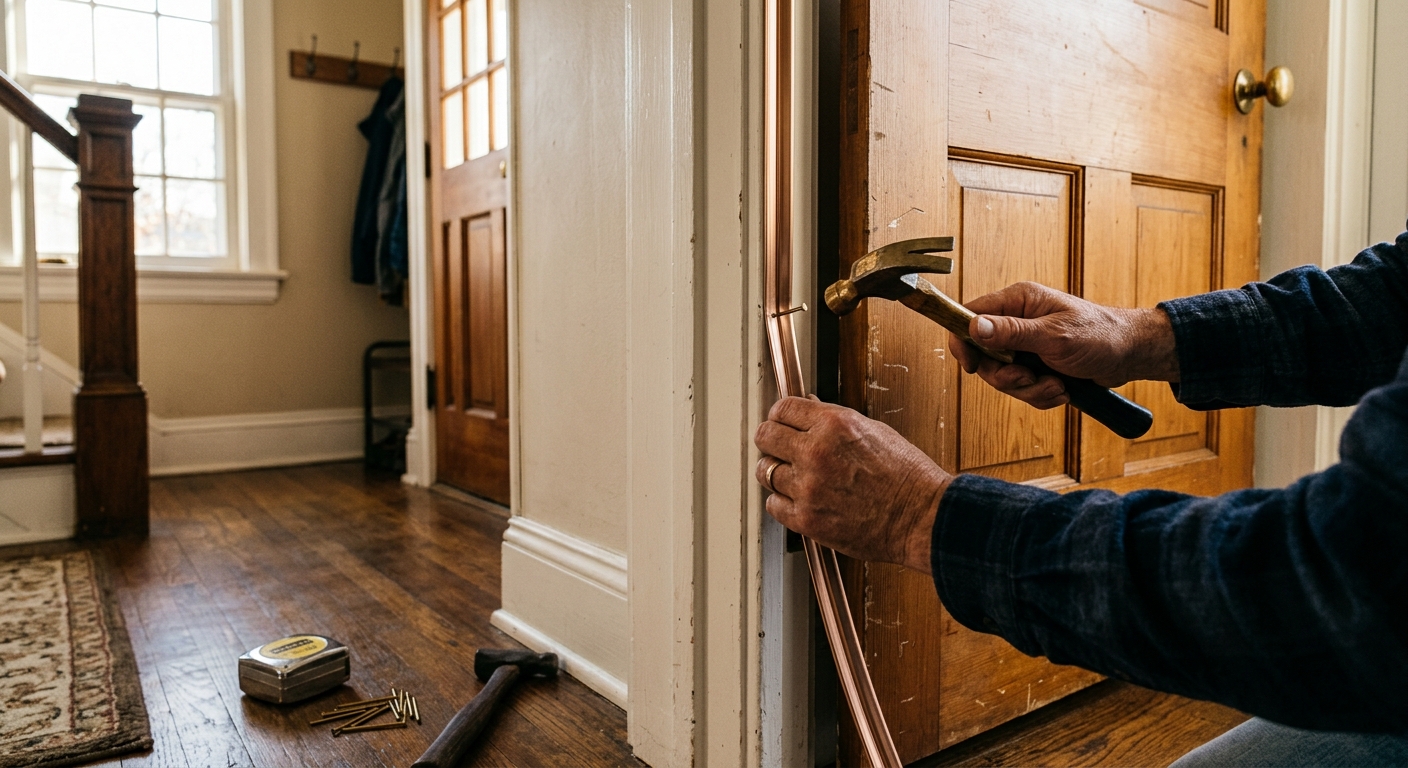
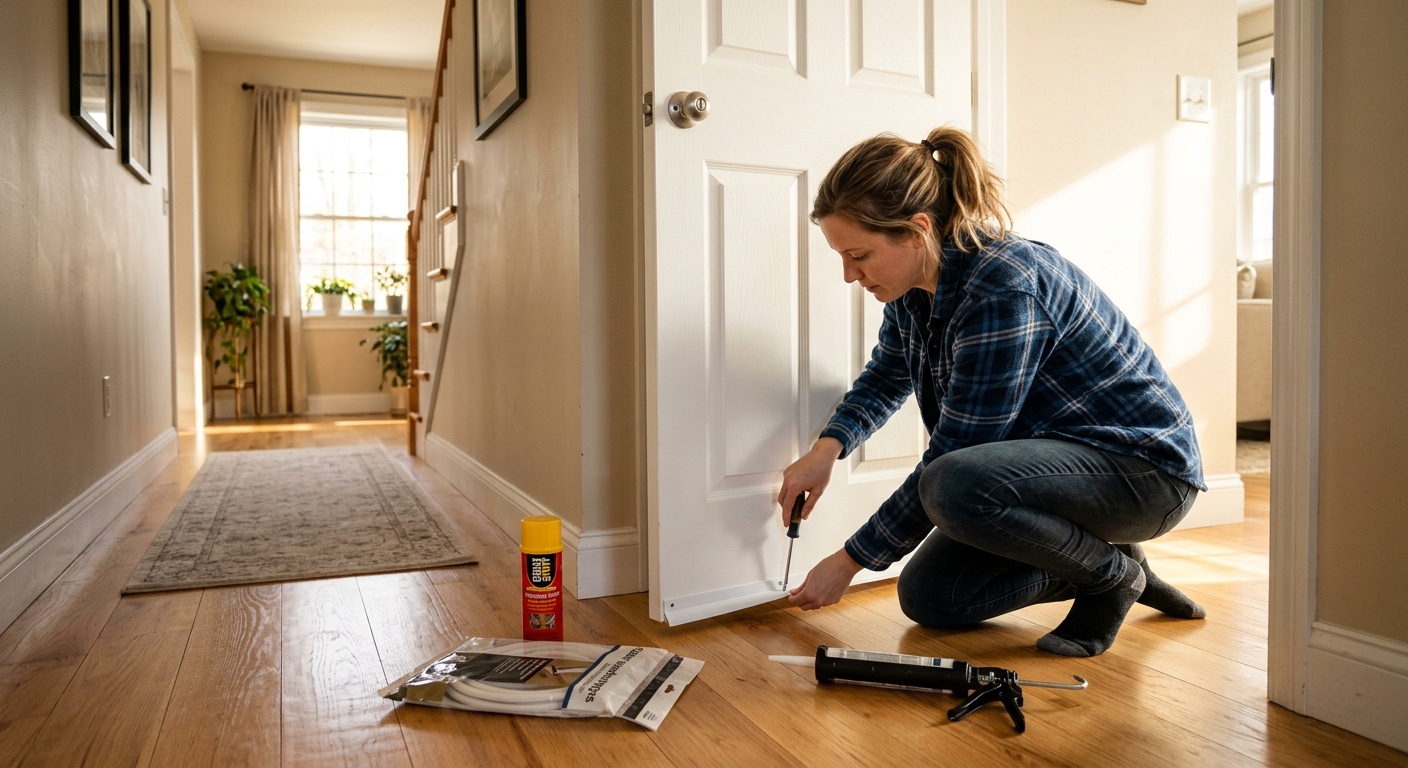
Air leaking through gaps around your doors is quietly adding 10 to 15% to your heating bill every month. A single afternoon and $30 to $60 in weatherstripping can seal those leaks and put real money back in your pocket by February.
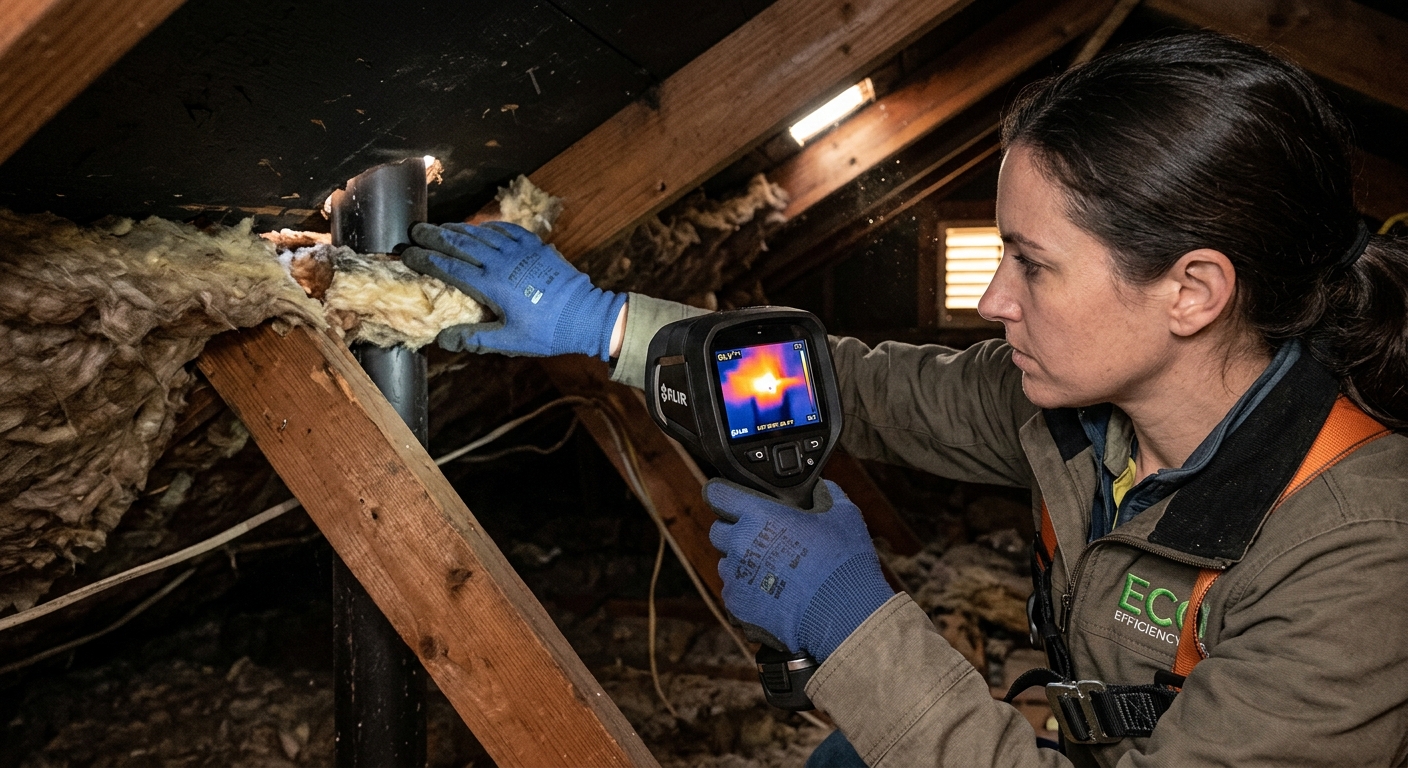
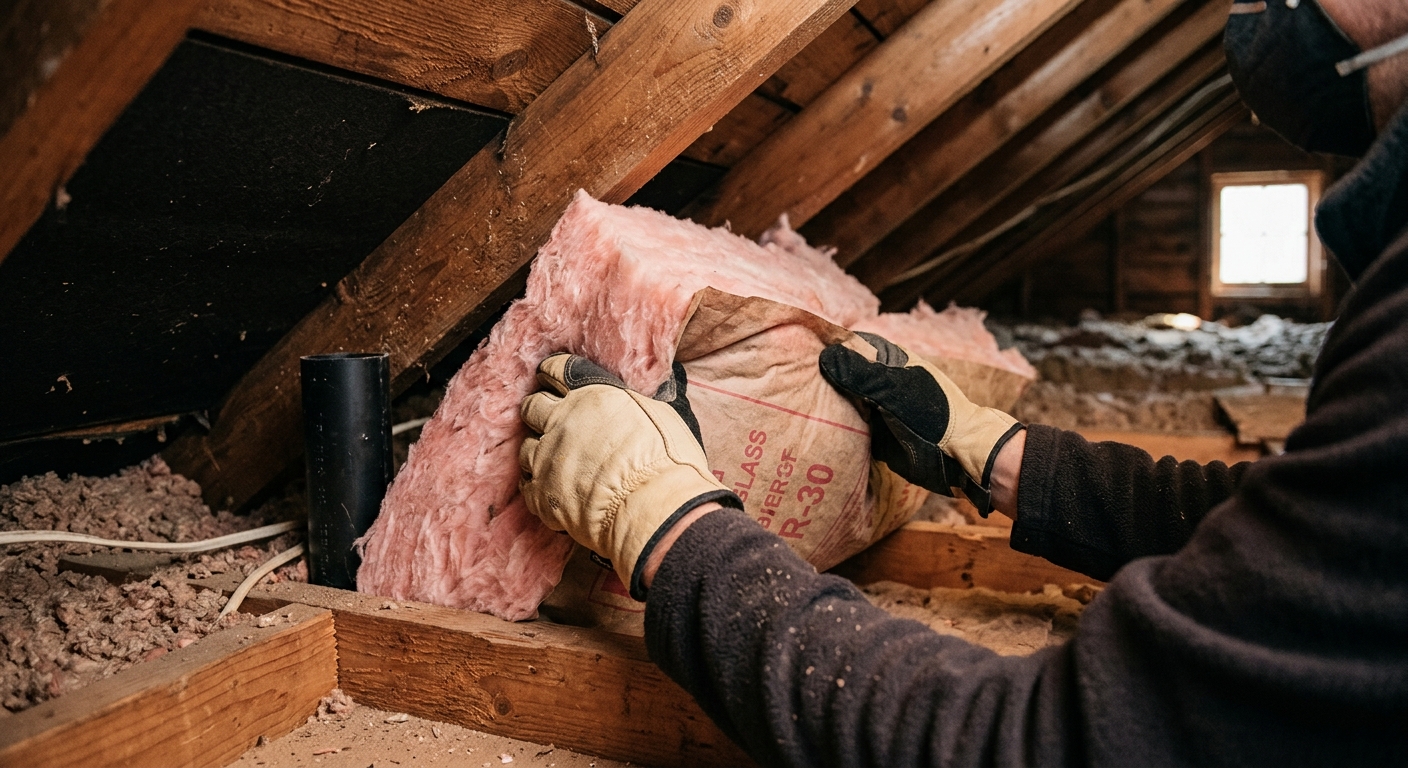
Your roof and attic are responsible for up to 25% of a home’s total heat loss in winter and significant heat gain in summer, yet most homeowners never think to check them. Learn the seven warning signs that your attic is quietly draining your energy budget, plus how to fix the problem yourself or know when to call a pro.
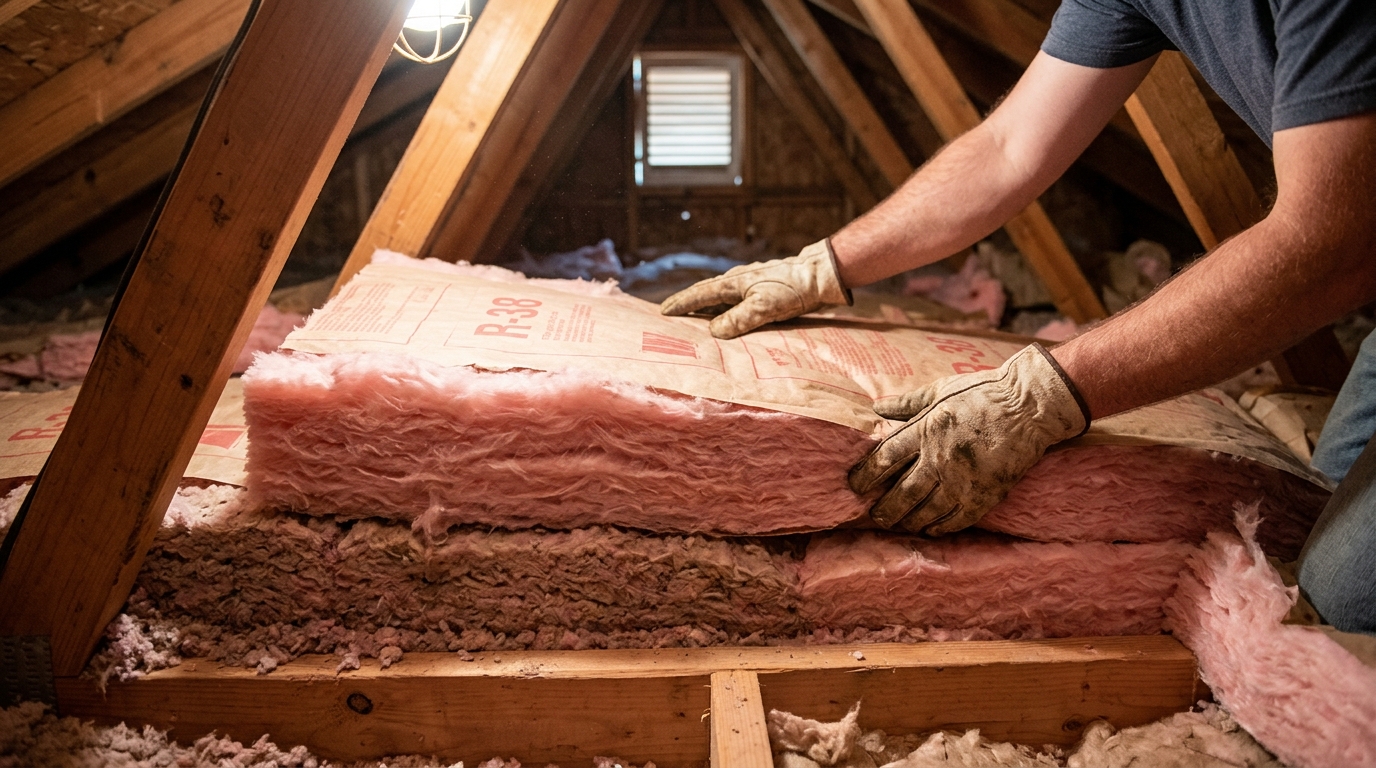
Most homeowners have no idea what R-value their attic has, or whether upgrading it would actually save money. This post breaks down the real numbers behind R-38 vs. R-60 insulation and helps you decide if adding more is worth the cost.
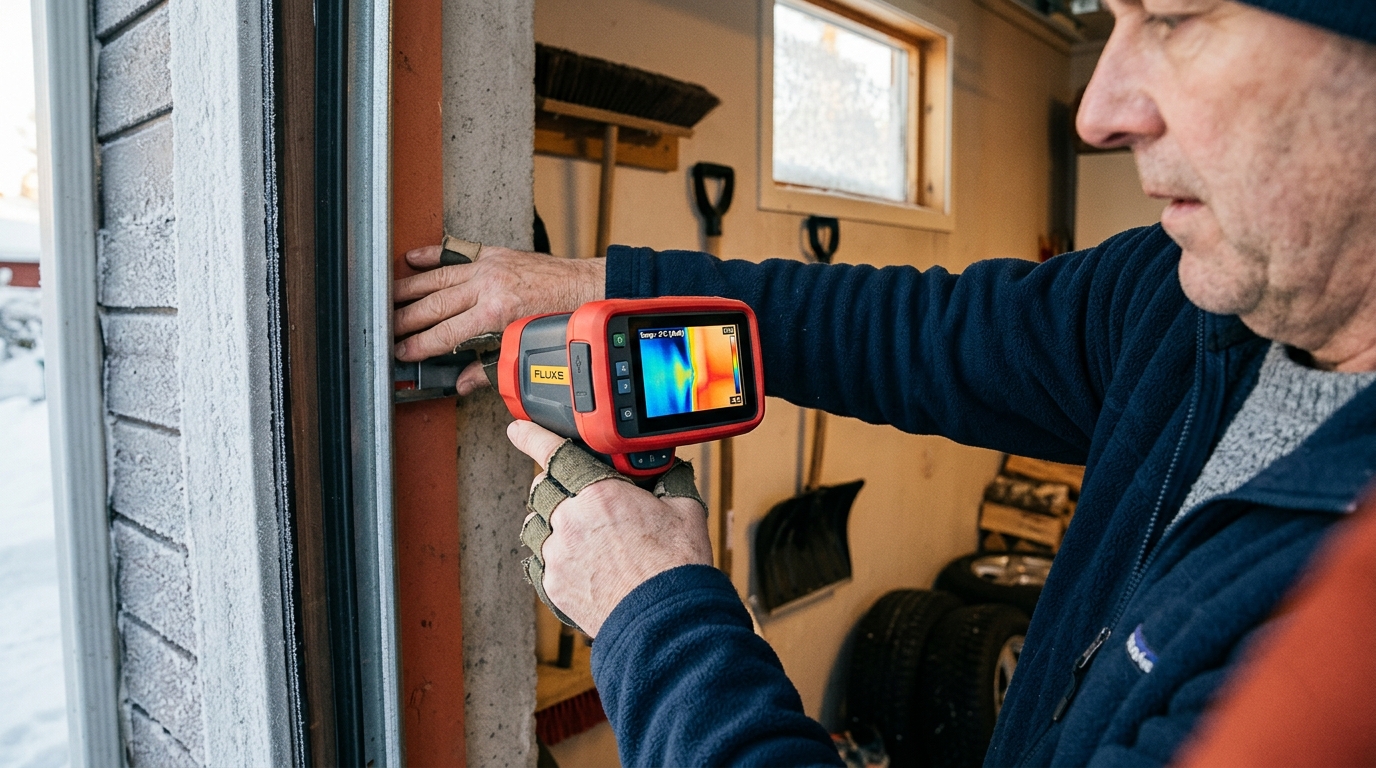
Most homeowners insulate their walls and attic but completely ignore the attached garage, which can quietly drain 10 to 20% of your home’s heating energy every winter. Sealing and insulating the garage boundary can cut that loss dramatically, often with a payback period of one to two heating seasons.
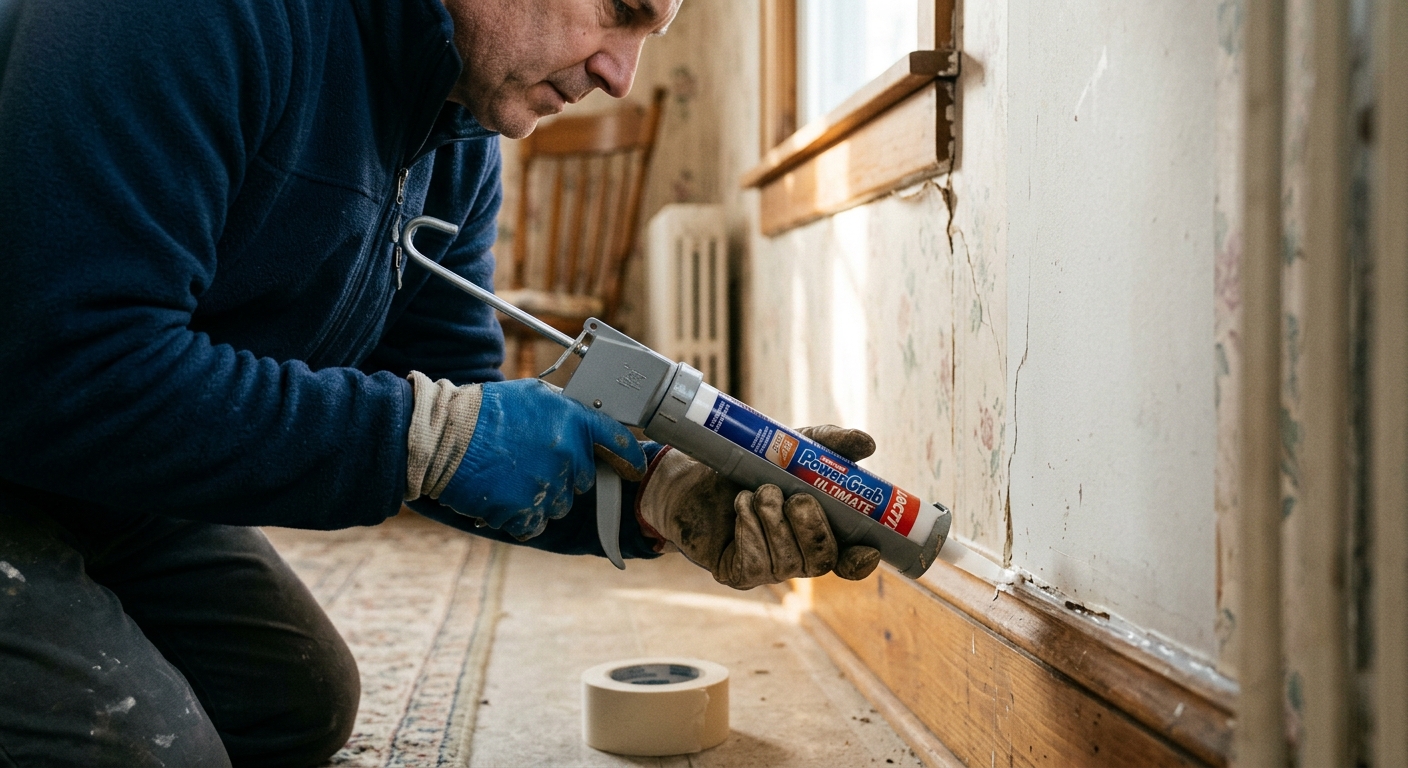
Drafts aren’t just annoying – they’re quietly draining 20 to 30% of your heating and cooling budget through gaps you can’t always see. A single weekend of air sealing with basic materials can eliminate most of them and pay back the investment in as little as 60 days.
When temperatures plunge overnight, poorly insulated homes can lose heat so fast that furnaces run nearly nonstop, driving bills sky high. A few targeted checks and upgrades done before a cold snap arrives can slash heating costs by 15 to 30% and keep every room noticeably warmer.
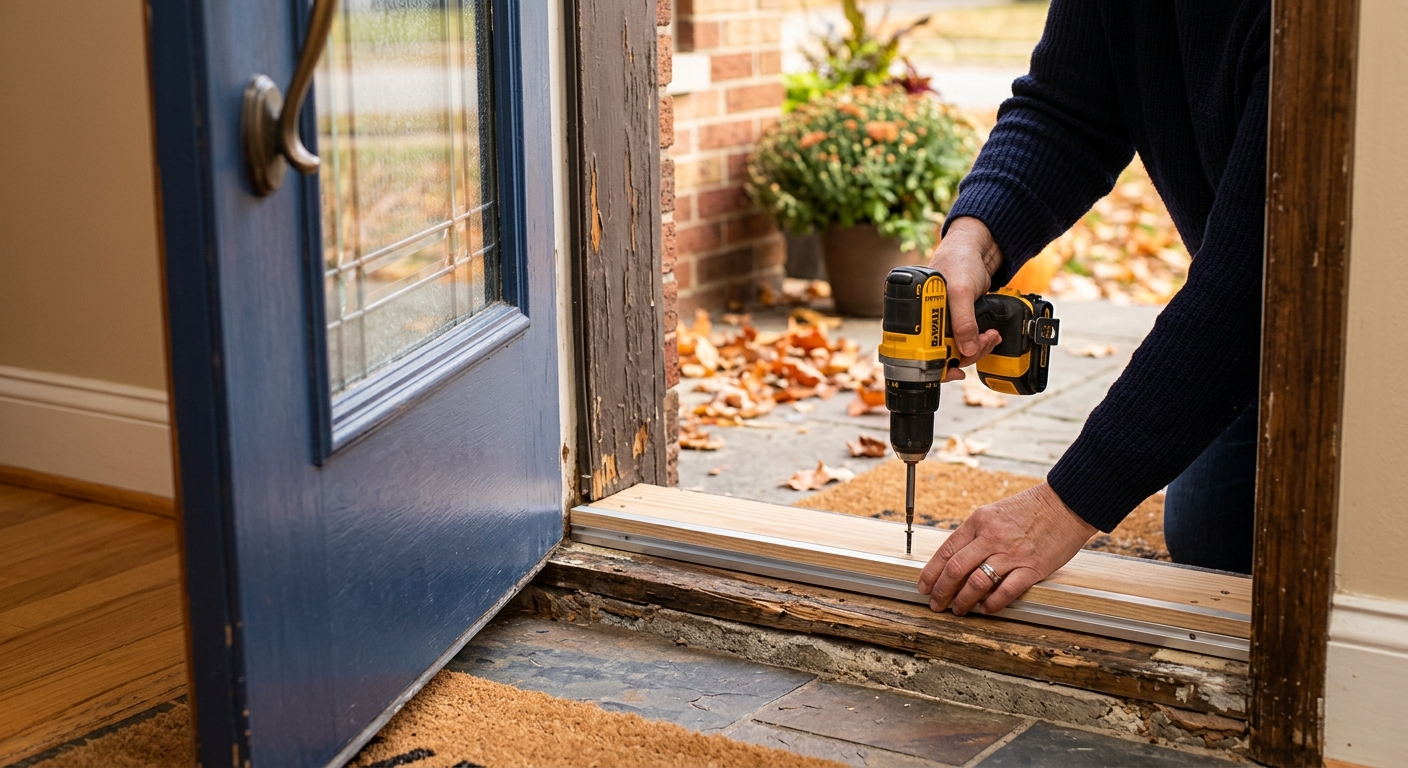
A damaged or worn door threshold can let in cold drafts, moisture, and pests while silently inflating your heating bill by hundreds of dollars each winter. Replacing it takes under two hours and typically pays for itself within the first heating season.
Cold walls, sky-high heating bills, and drafty rooms are not just annoyances – they are symptoms of heat escaping through under-insulated or leaky walls. Learn how to spot the signs, confirm the problem, and fix it before winter drains your wallet.
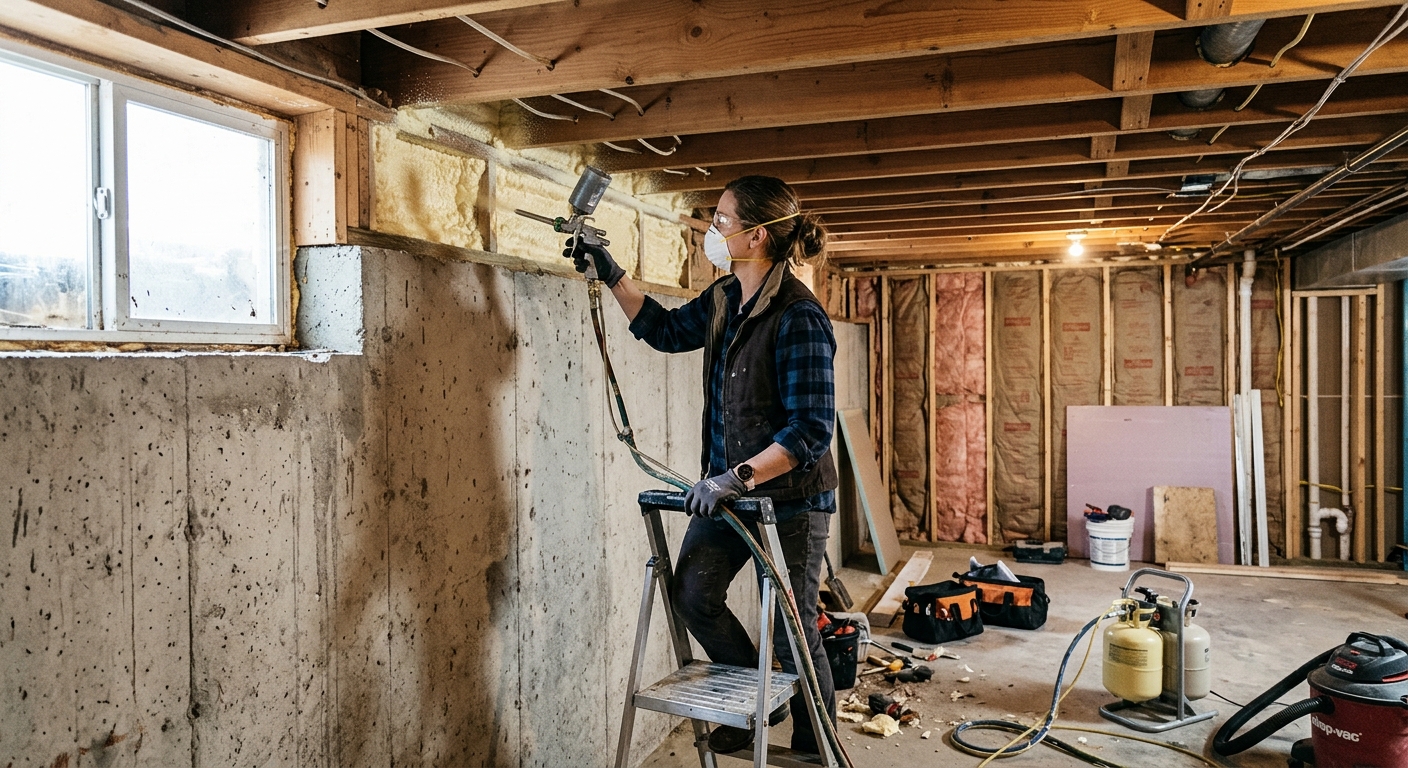
Most homeowners focus on windows and attics when trying to cut heating costs, but the basement is often the biggest source of heat loss in the entire house. By sealing, insulating, and conditioning your basement properly, you can realistically cut your heating bill by 15 to 25% without touching your furnace.
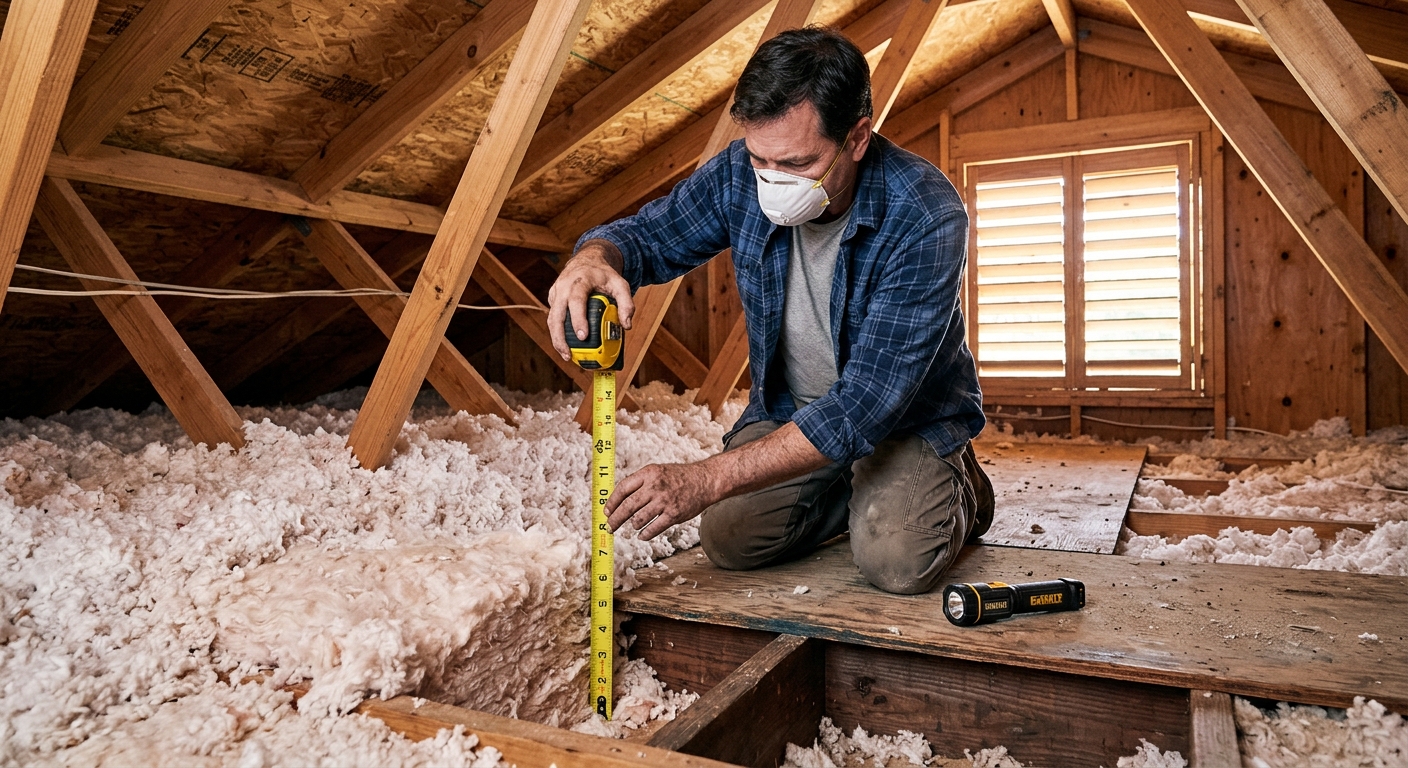
Most homeowners have no idea whether their attic insulation is doing its job – and a thin or damaged layer could be costing them hundreds of dollars every heating season. A simple 15-minute inspection tells you exactly what you have, what you need, and how to fix it before the cold arrives.