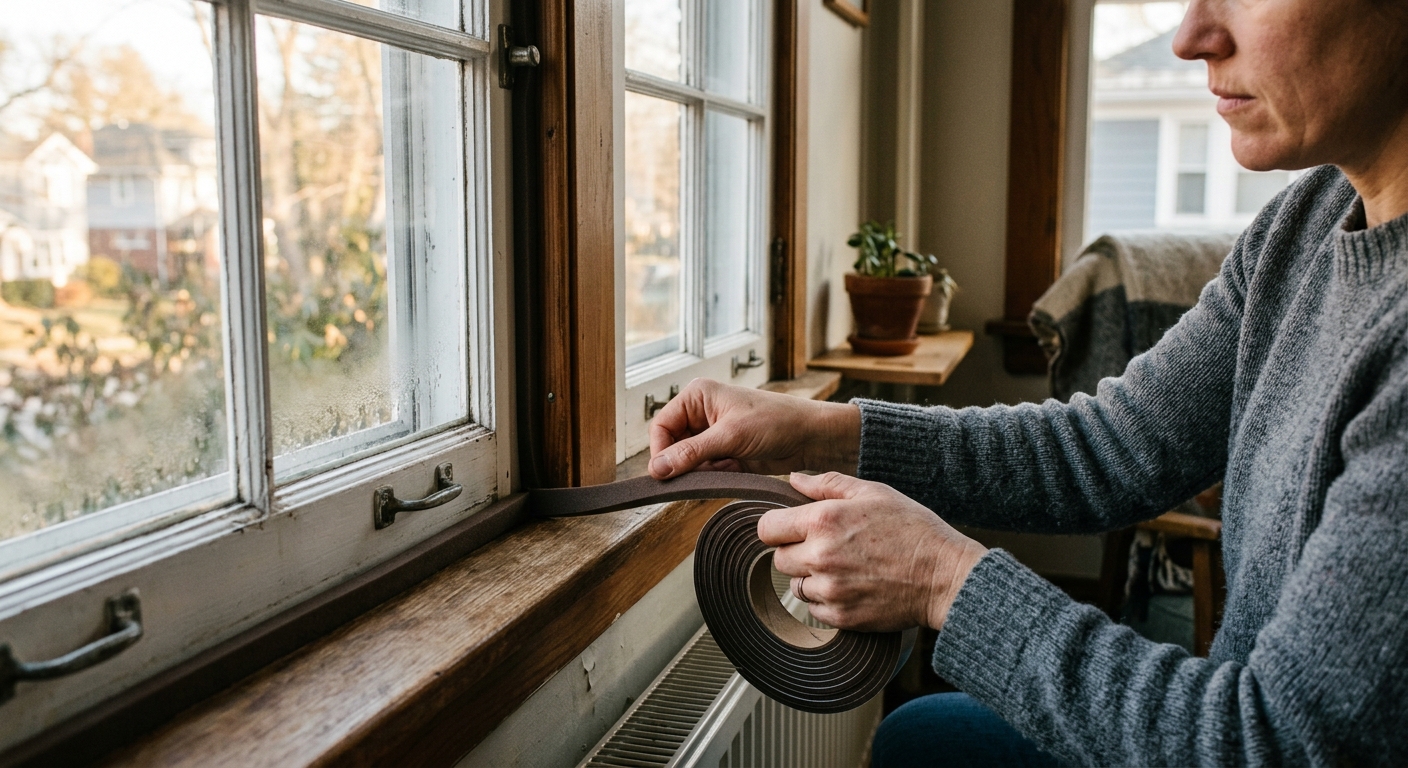
Some rooms stay stubbornly cold no matter how high you crank the thermostat, costing you money while leaving you uncomfortable. The fix is rarely a bigger furnace – it’s almost always a combination of air sealing, airflow correction, and targeted heat delivery that solves it for good.
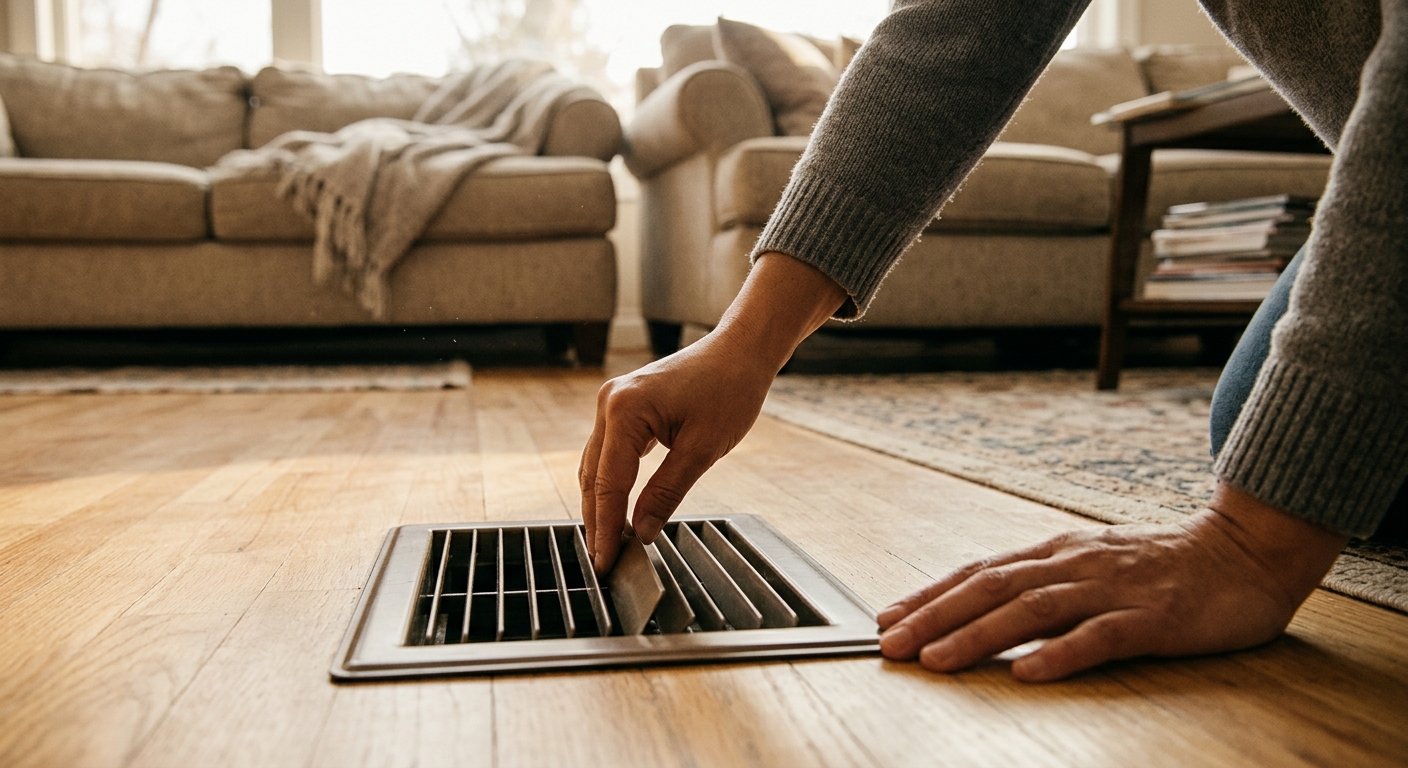
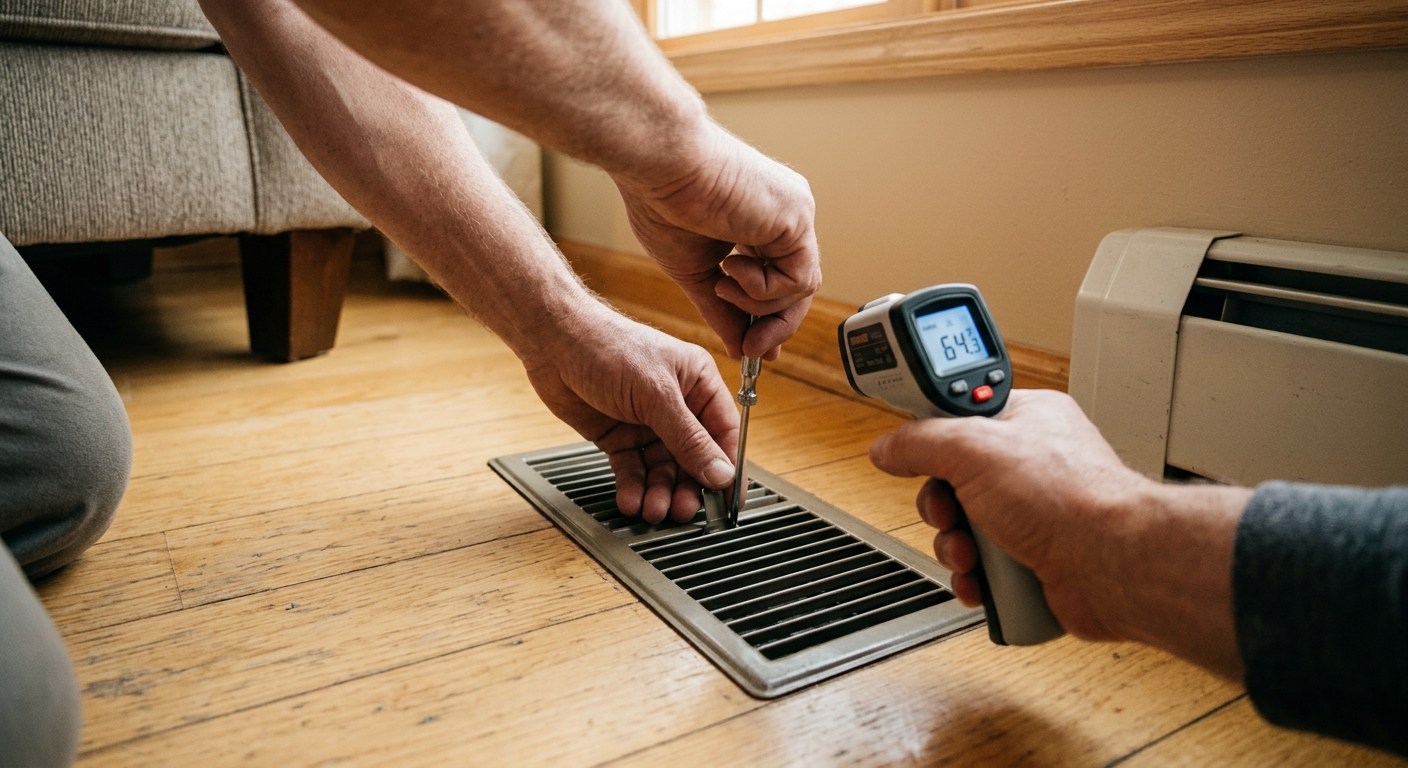
Closing vents in unused rooms seems like a smart way to save energy, but it actually increases pressure in your duct system and forces your HVAC to work harder. Here is what building science says actually works, and the simple fixes that deliver real comfort and savings.
Converted garages are notorious for being freezing in winter and sweltering in summer because they were never designed to be living space. The right combination of air sealing, insulation, and a dedicated heating and cooling source transforms them into genuinely comfortable rooms without breaking the bank.
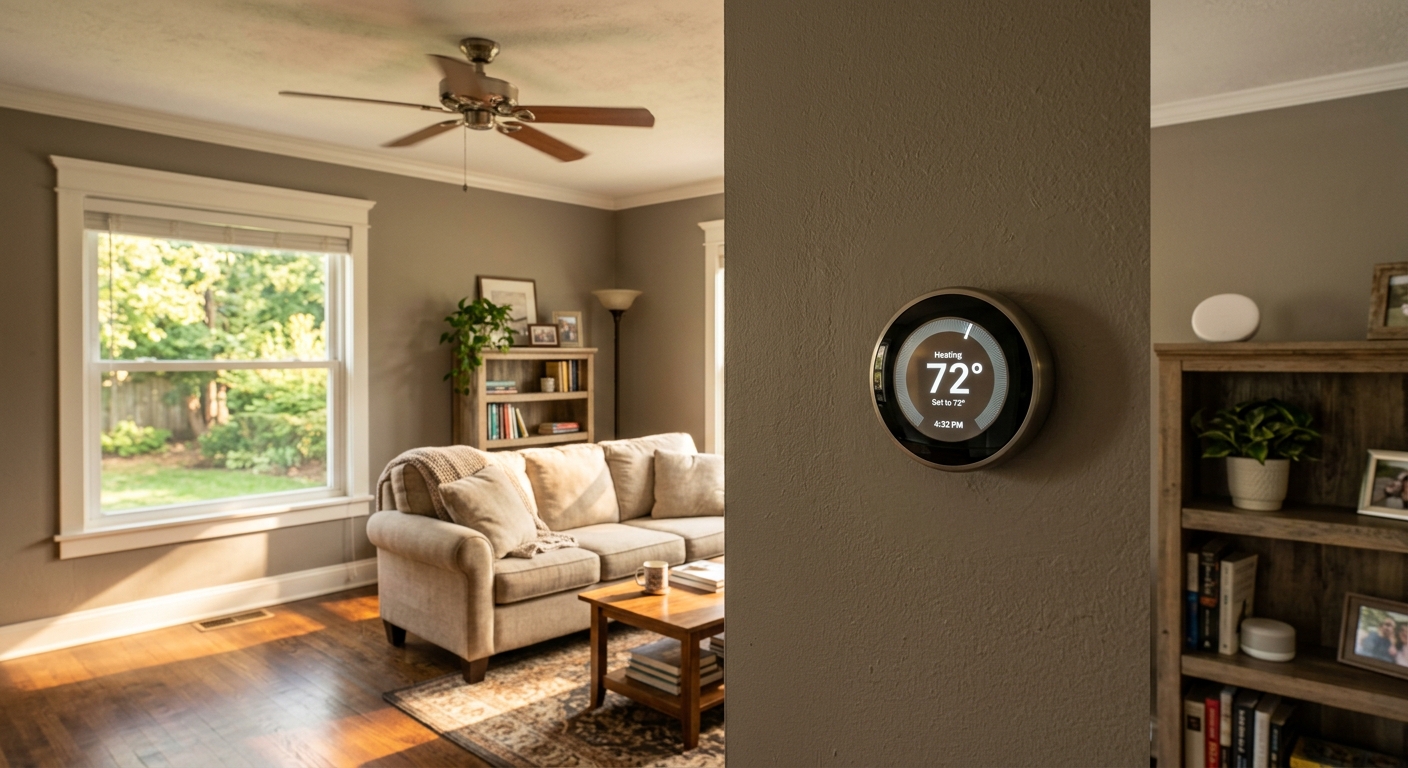
Your thermostat says 72°F but one room feels like a sauna and another like a freezer – and that single number is why. Understanding the gap between your thermostat’s reading and your home’s actual comfort zones can cut energy bills by 15 to 25% and eliminate hot and cold spots for good.
Some rooms in your home are toasty warm while others feel like a walk-in freezer, even with the heat cranked up. The culprit is almost always one of six fixable problems, and most homeowners can tackle at least three of them this weekend.
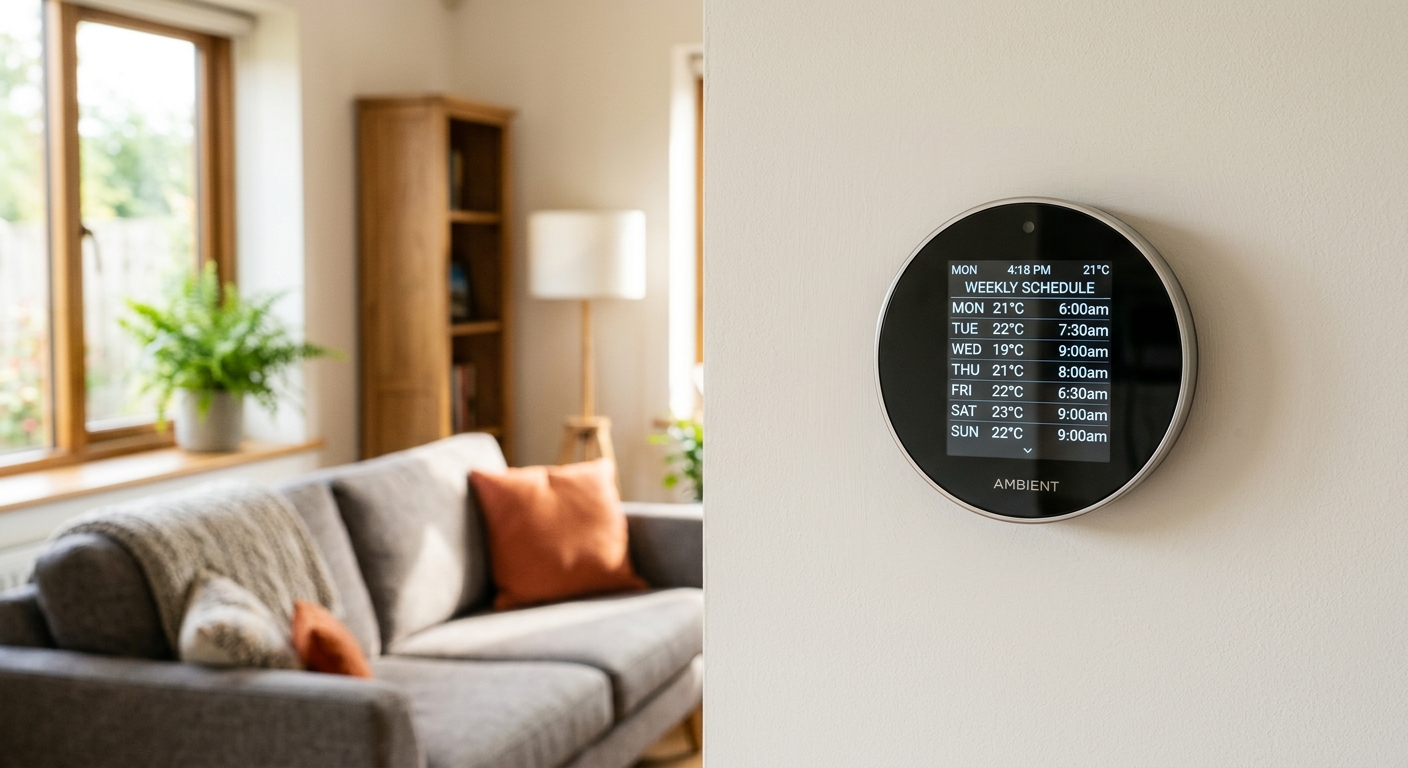
Millions of homeowners have programmable thermostats but still overpay for heating and cooling because the schedules are wrong, the setbacks are too small, or the equipment is fighting against the settings. Getting your thermostat programmed correctly can cut 10 to 15 percent off your annual HVAC bill with zero additional hardware.
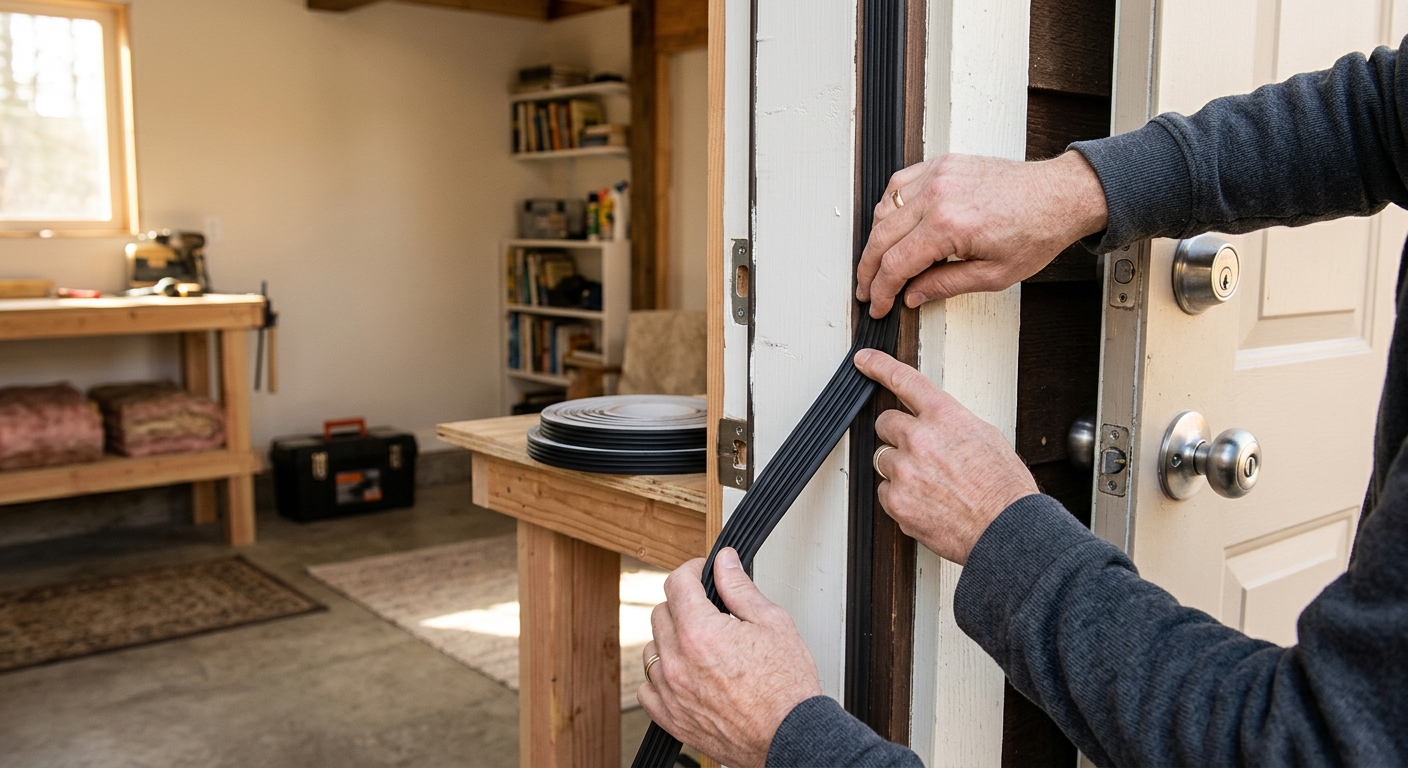
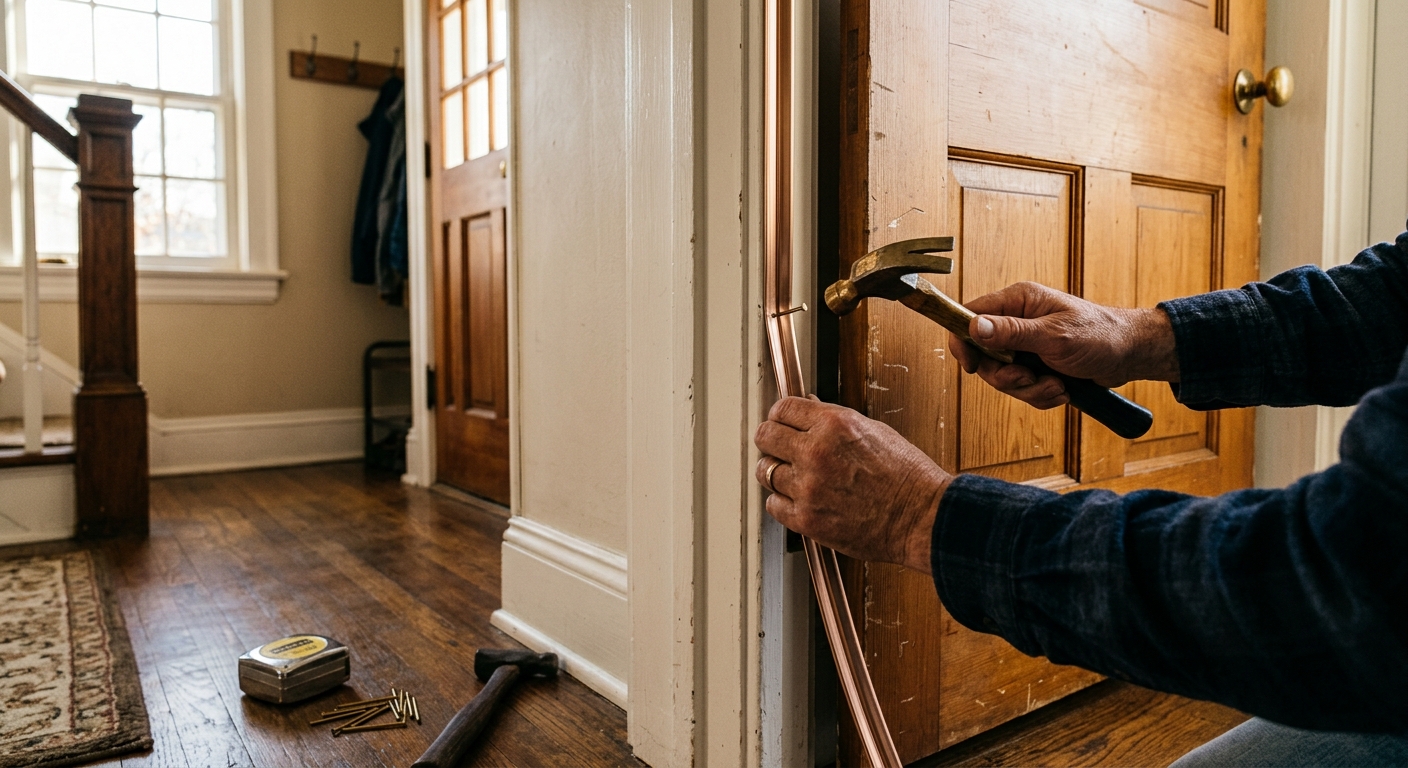
Air leaking through gaps around your doors is quietly adding 10 to 15% to your heating bill every month. A single afternoon and $30 to $60 in weatherstripping can seal those leaks and put real money back in your pocket by February.
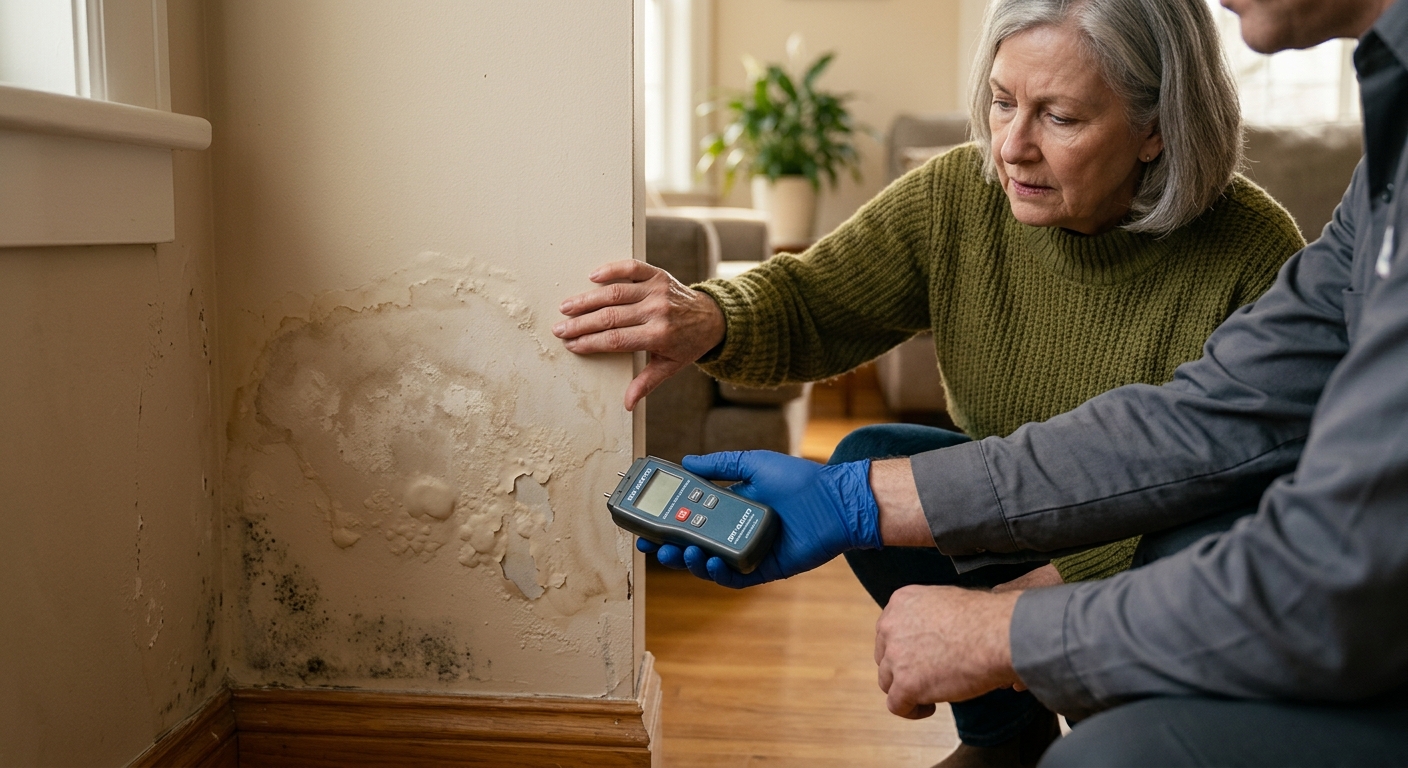
Excess moisture is one of the most overlooked causes of stuffy rooms, high energy bills, and unhealthy air in homes. Learn how to spot the six warning signs early and take targeted action before small leaks become expensive structural damage.
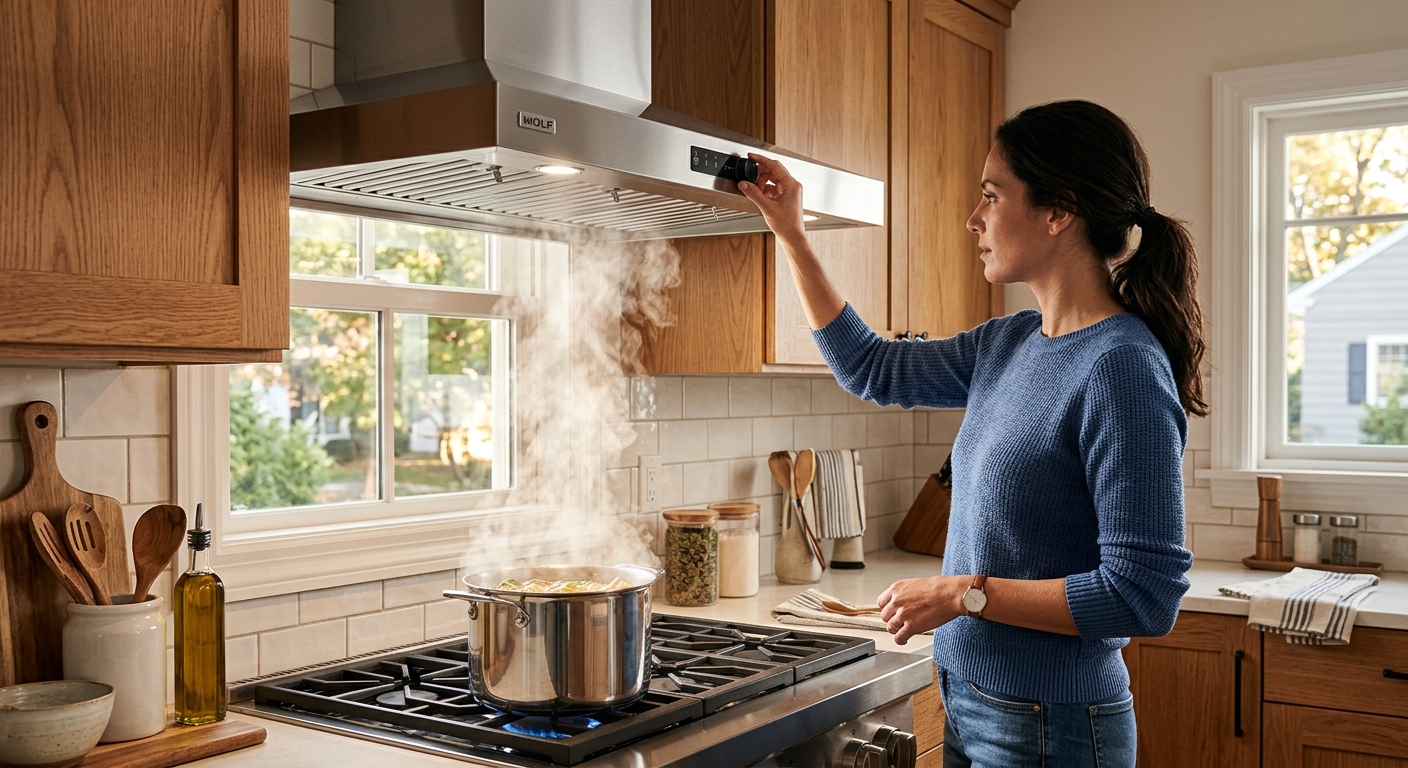
Most homes trap pollutants, moisture, and stale air because of three fixable ventilation failures. Addressing them in the right order can cut indoor pollutant concentrations by up to 50% and noticeably improve comfort within days.
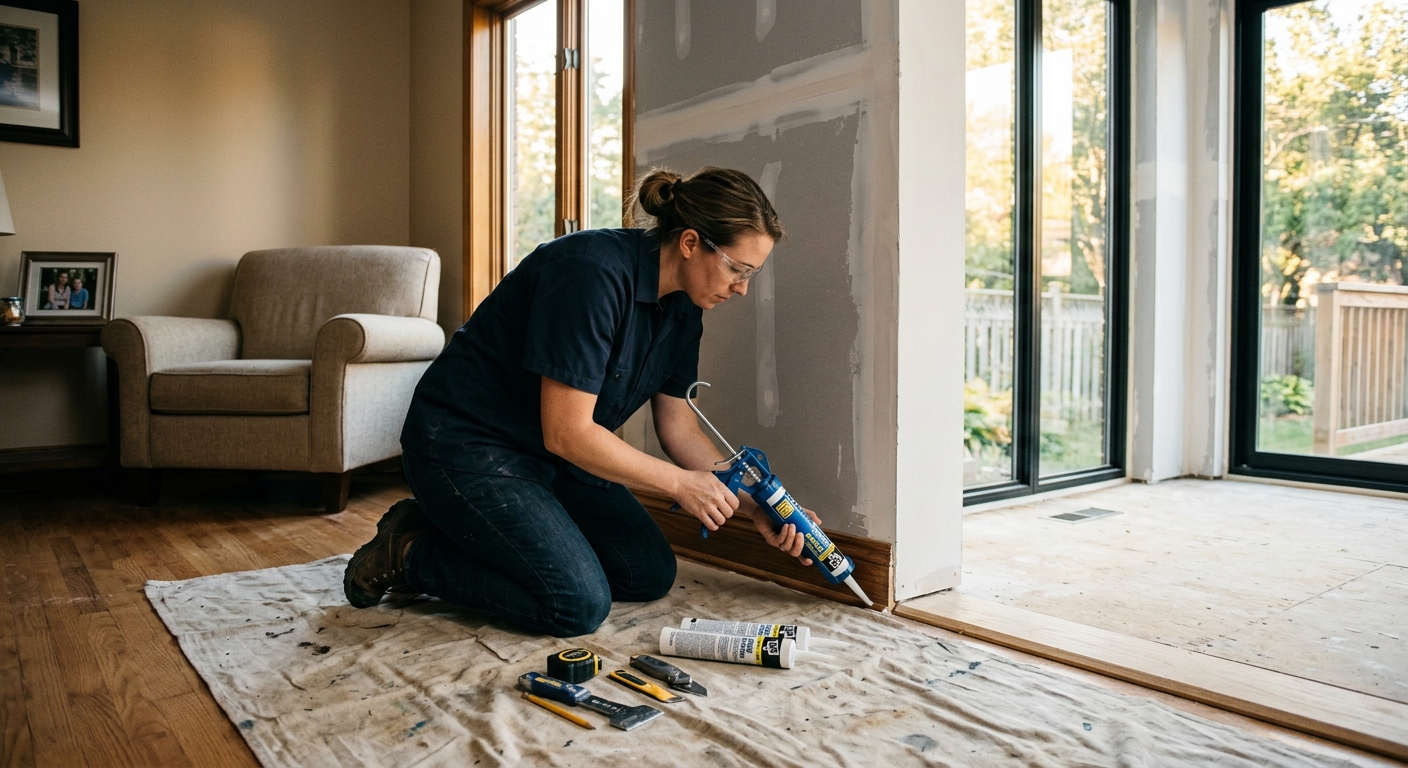
Home renovations promise better living spaces, but they often introduce surprising comfort problems like uneven temperatures, drafts, and skyrocketing energy bills. Understanding why these issues appear and how to prevent them can save you thousands in follow-up repairs and monthly utility costs.