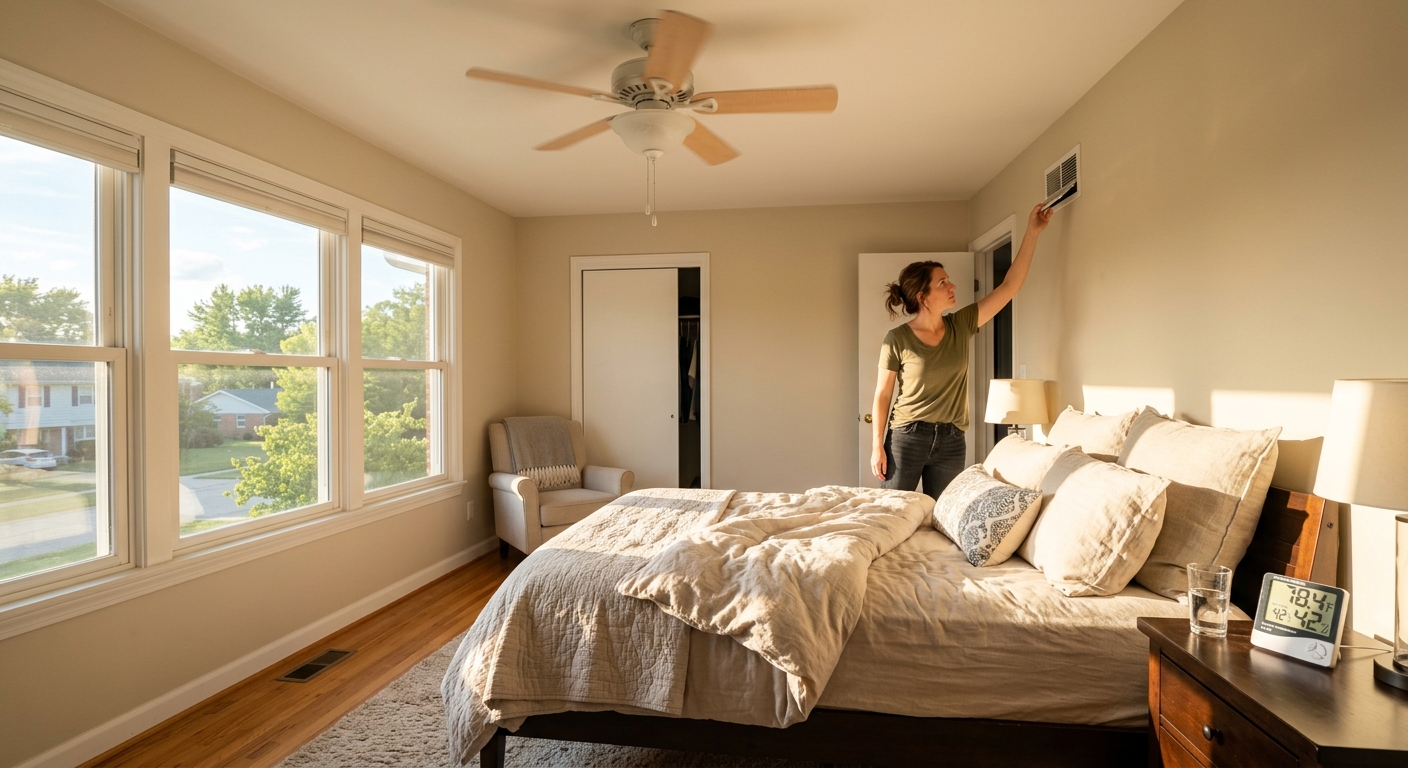
A single sweltering room can make your whole home feel uncomfortable and drive up energy bills as your AC works overtime. The good news is that most hot room problems trace back to a handful of fixable causes, many of which cost little or nothing to address.
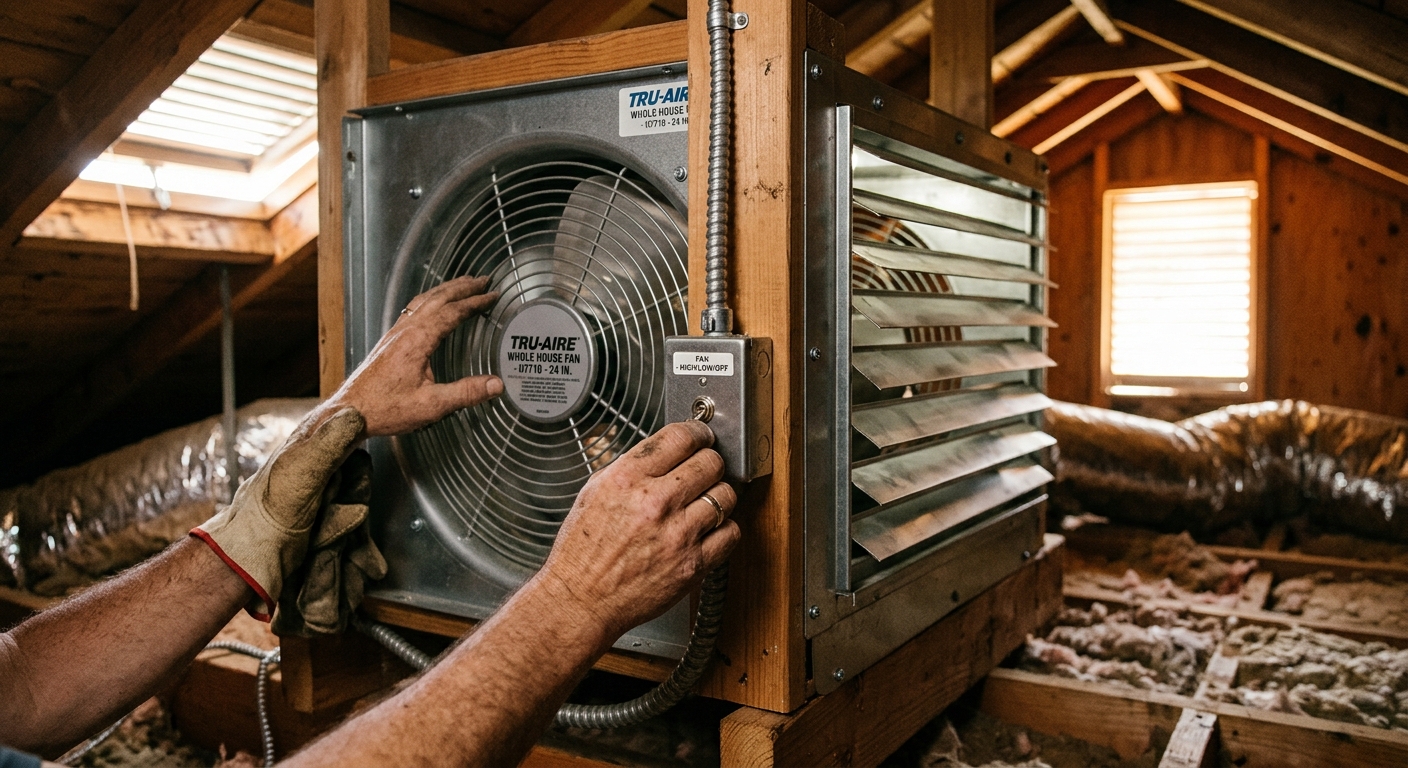
Running central air conditioning around the clock is one of the biggest drains on a home energy budget, but in many climates it is simply unnecessary for a large portion of the year. A properly sized whole-house fan can flush hot air out of your home in minutes and keep you comfortable on mild evenings without ever touching the thermostat.
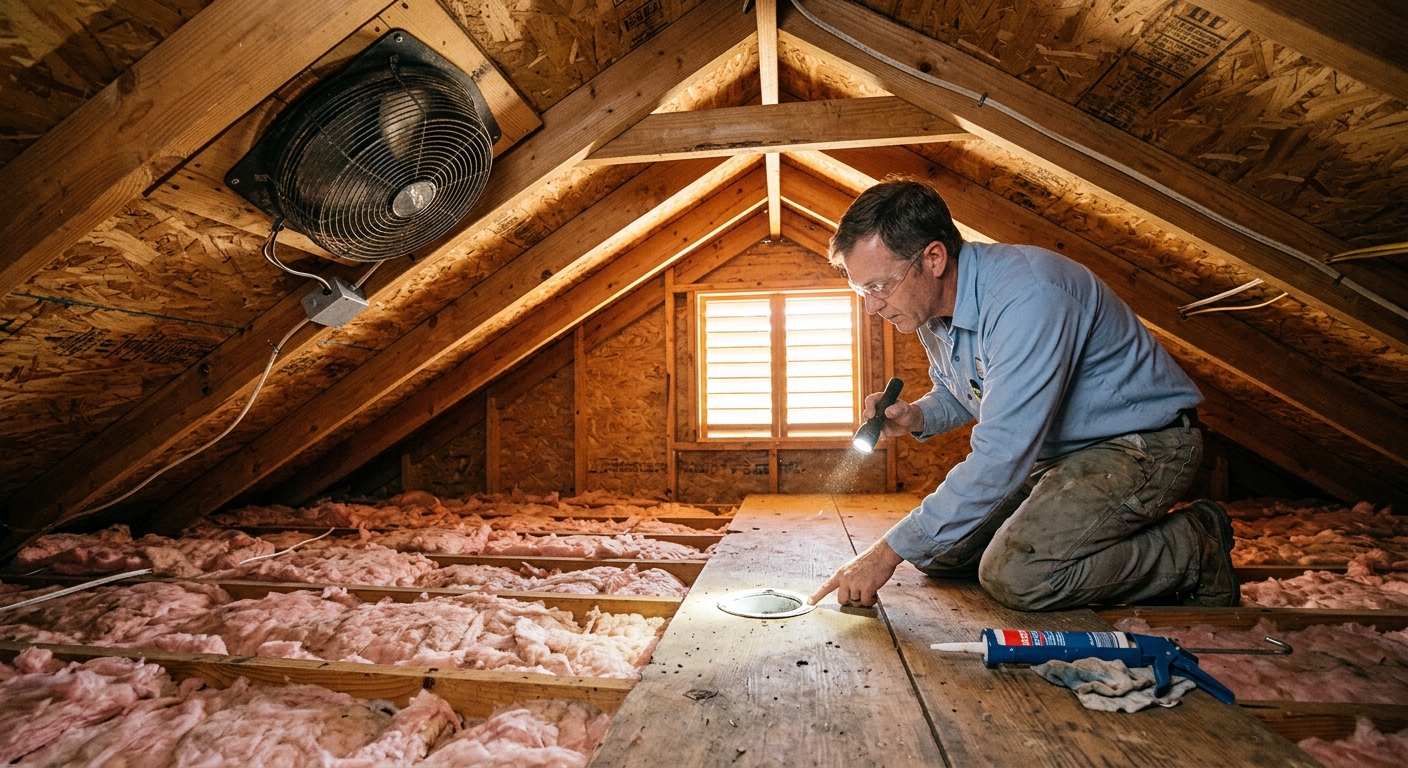
Attic fans are sold as energy savers, but under the wrong conditions they can actually pull expensive conditioned air out of your living space and spike your cooling bills. Learn how to test your setup, correct common mistakes, and decide whether your attic fan is helping or hurting.
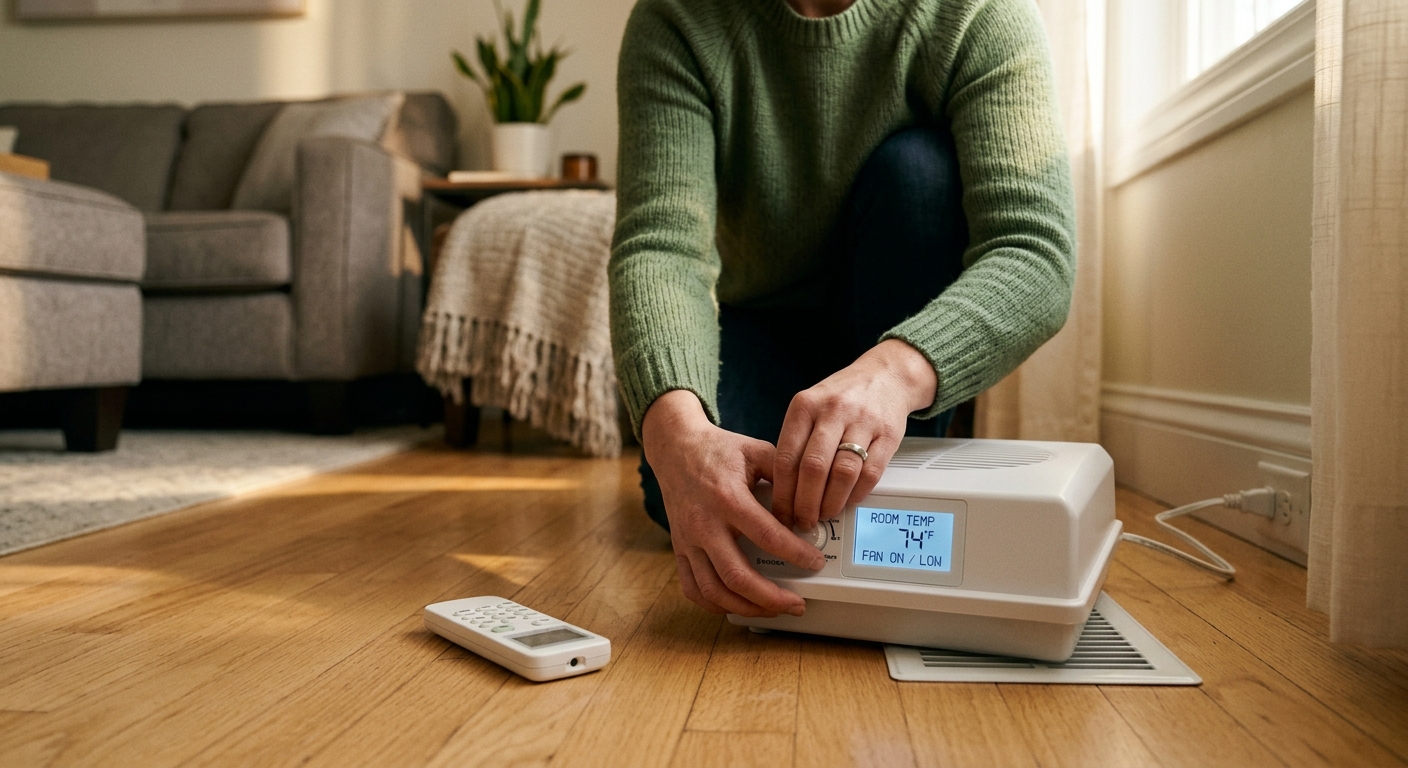
Running central AC to cool every room equally wastes energy on spaces no one is using. With a few smart adjustments and targeted upgrades, you can create effective cooling zones in your existing home without replacing your HVAC system.
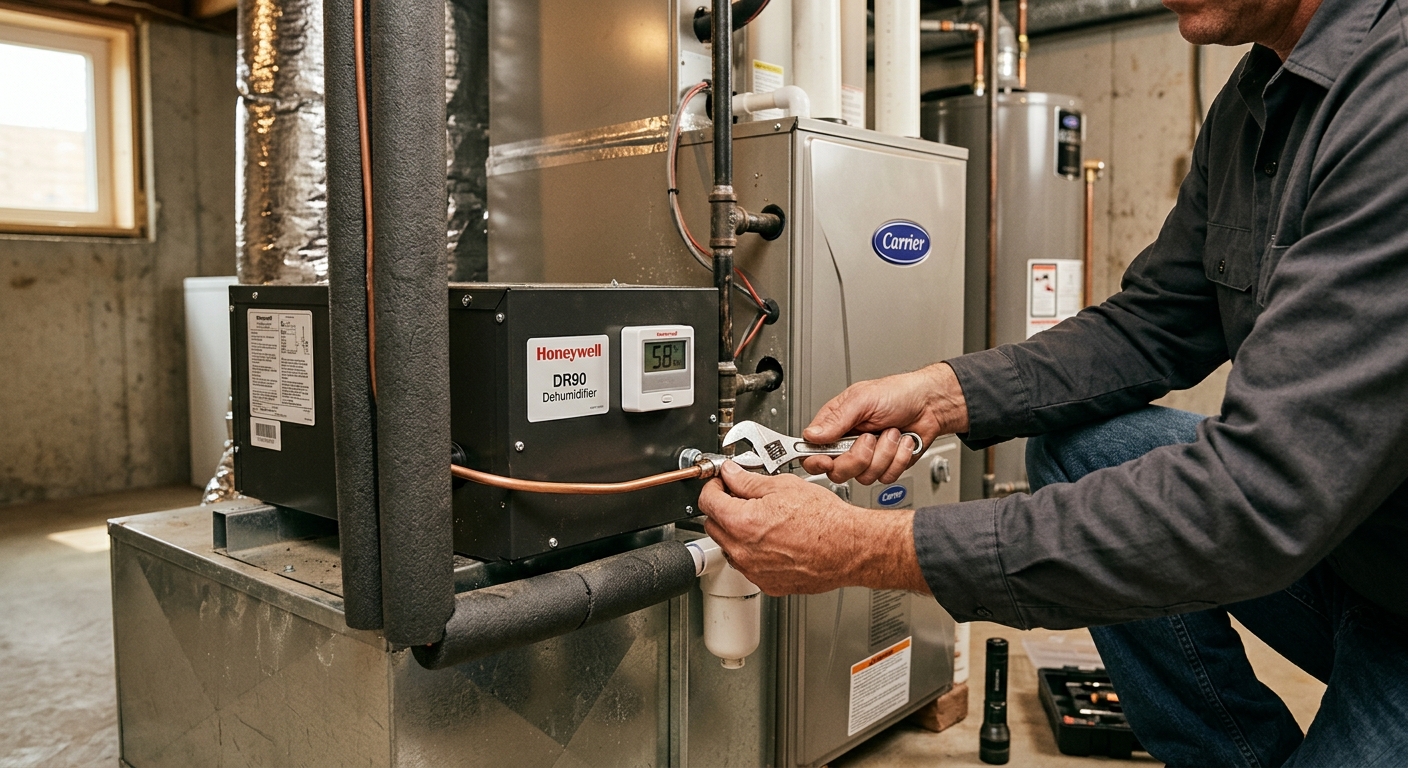
High indoor humidity makes 78°F feel like 85°F, forcing your AC to work harder and leaving your home feeling clammy no matter how low you set the thermostat. A whole-home or portable dehumidifier can cut perceived temperature by 4 to 6 degrees and trim cooling bills by 10 to 15%.
Hidden gaps and cracks around your home act like open windows, constantly pumping hot outdoor air into your cooled living space. Locating and sealing these leaks is one of the highest-return home improvements you can make, often paying back in a single cooling season.
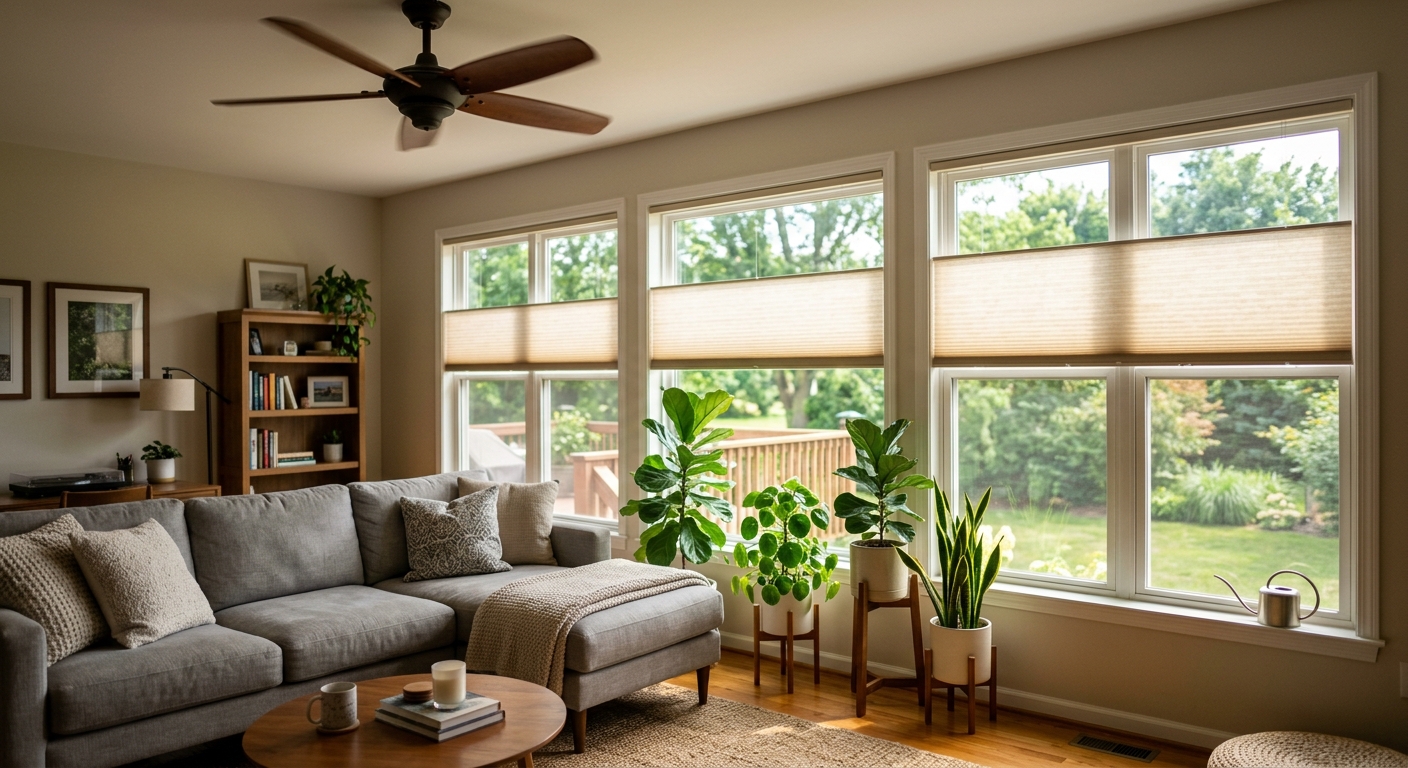
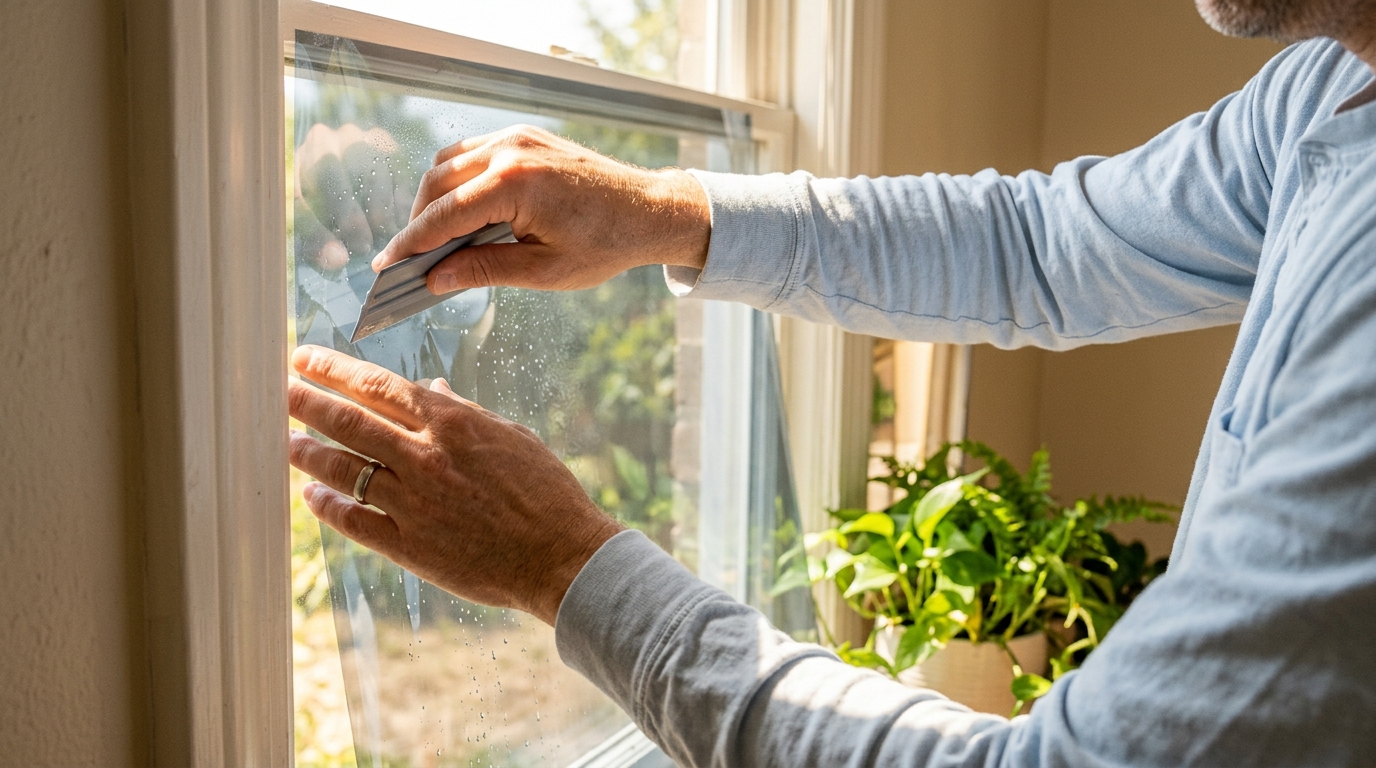
South-facing rooms can run 10 to 15 degrees hotter than the rest of your home in summer, turning a bright space into an oven by midday. The right combination of window treatments, airflow strategies, and targeted insulation upgrades can cut that heat load by up to 70% without sacrificing the natural light you love.
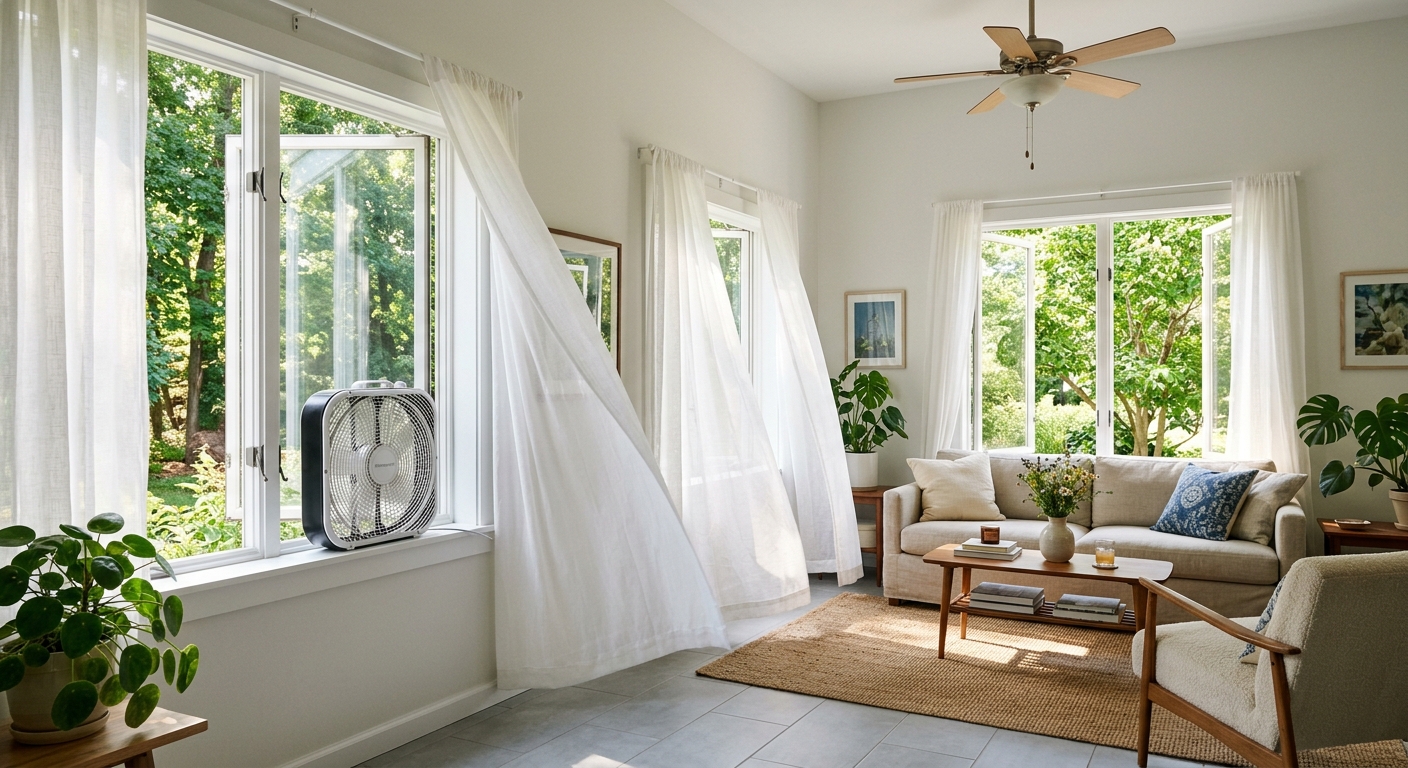
Most homeowners fight summer heat with their AC running constantly, never realizing their windows could be doing the heavy lifting for free. By understanding how air moves through your home and timing your window use strategically, you can cut cooling costs by 10 to 30% without touching your thermostat.
When indoor humidity climbs above 60%, your home can feel 10 degrees hotter than the thermostat reads, driving up energy bills as your AC struggles to keep up. Understanding and controlling moisture is the missing piece most homeowners never address.
South and west-facing rooms can heat up 10 to 15 degrees more than the rest of your home, turning a bright space into an unusable oven by afternoon. The good news is you can cut solar heat gain by up to 70% using smart shading and glazing strategies that still let natural light flood in.