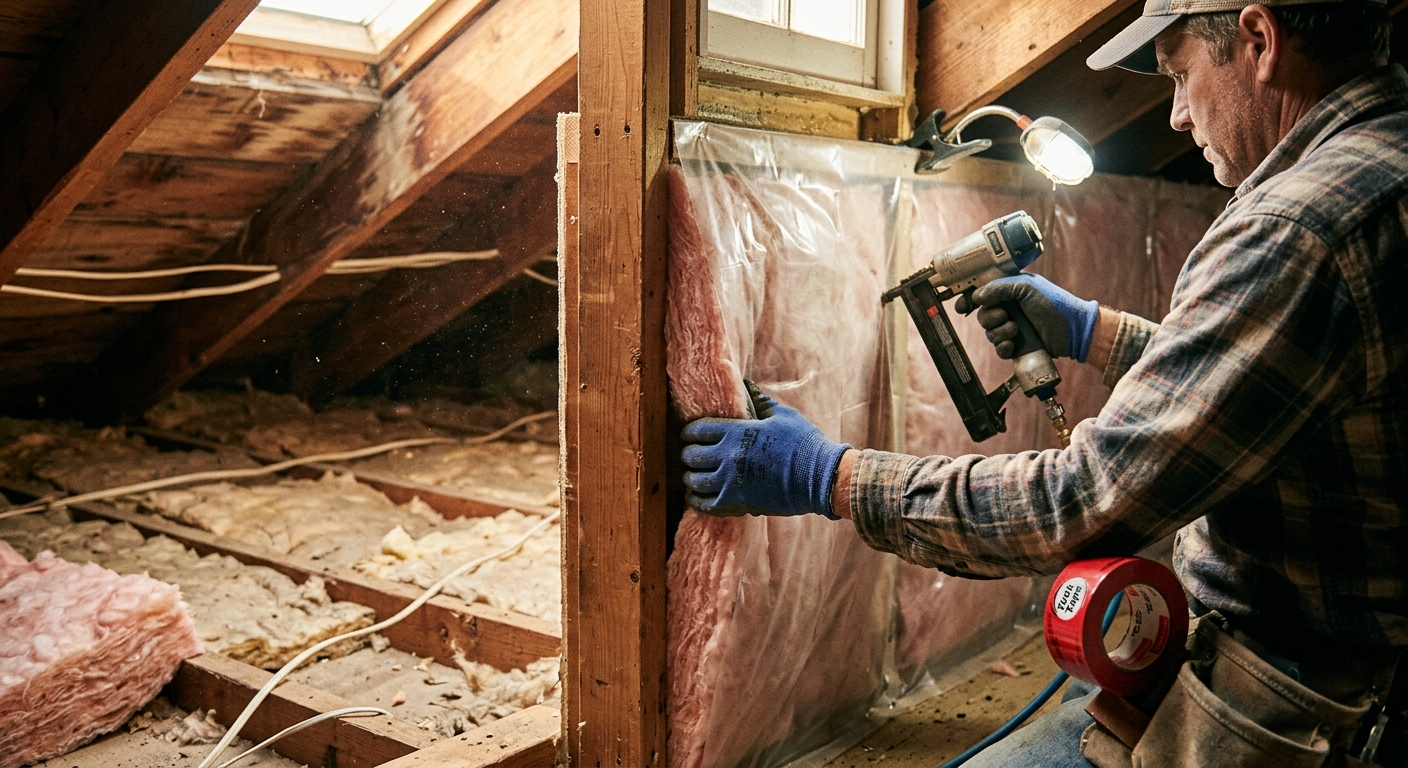
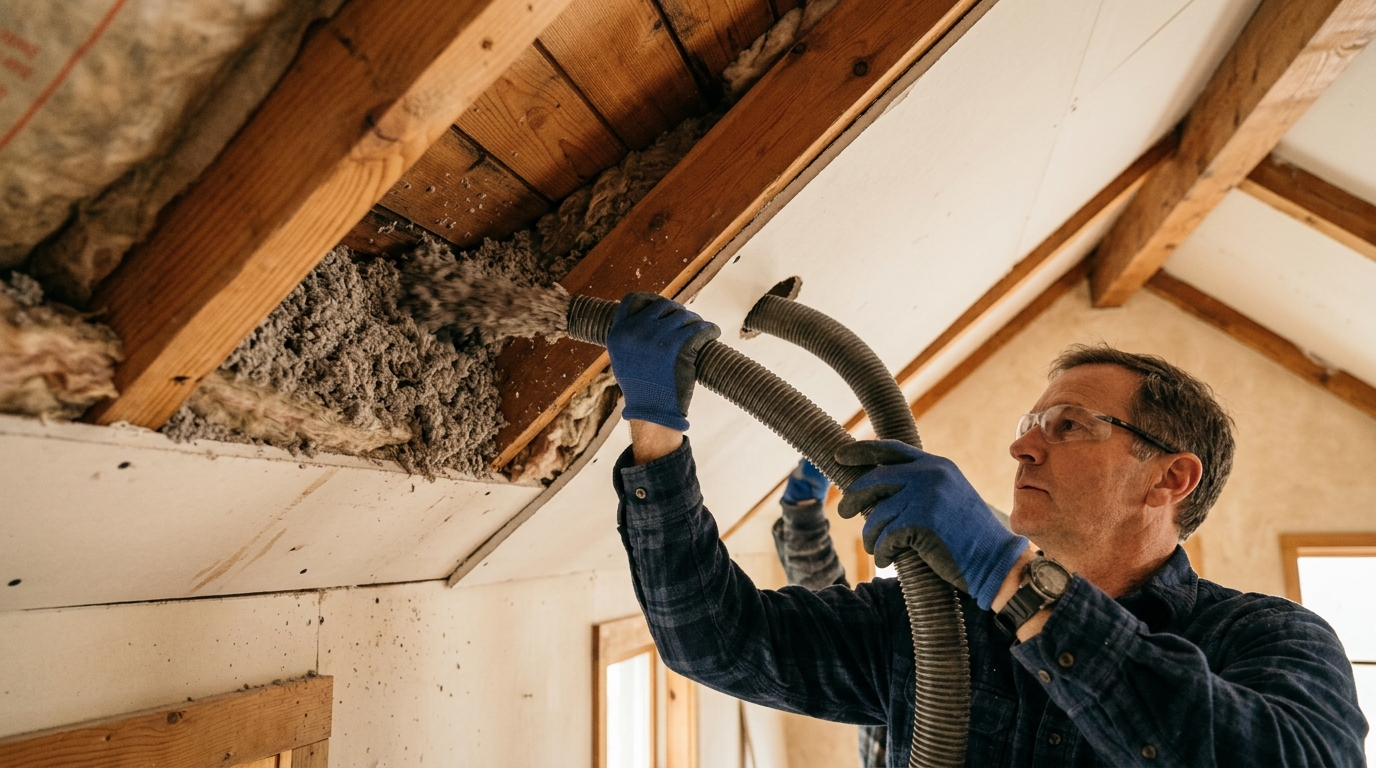
Knee walls in finished attics and Cape Cod homes are notorious for letting conditioned air escape and outside temperatures creep in. Insulating and air sealing them correctly can cut heating and cooling losses by 20 to 30% in affected spaces.
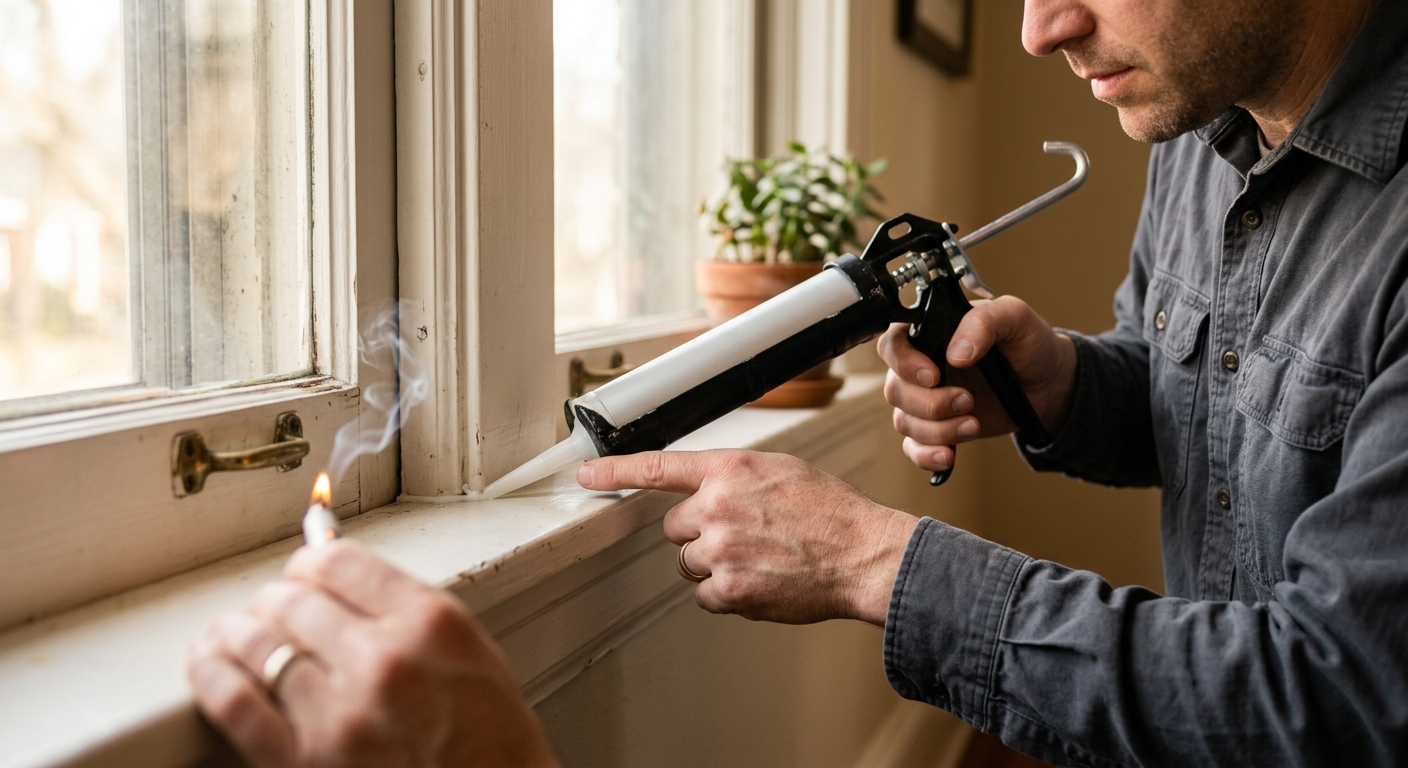
Hidden air leaks in the average home waste 25 to 40% of heating and cooling energy, adding up to $200 to $400 per year in unnecessary utility costs. In about an hour and with under $50 in materials, most homeowners can seal the worst offenders and start saving immediately.
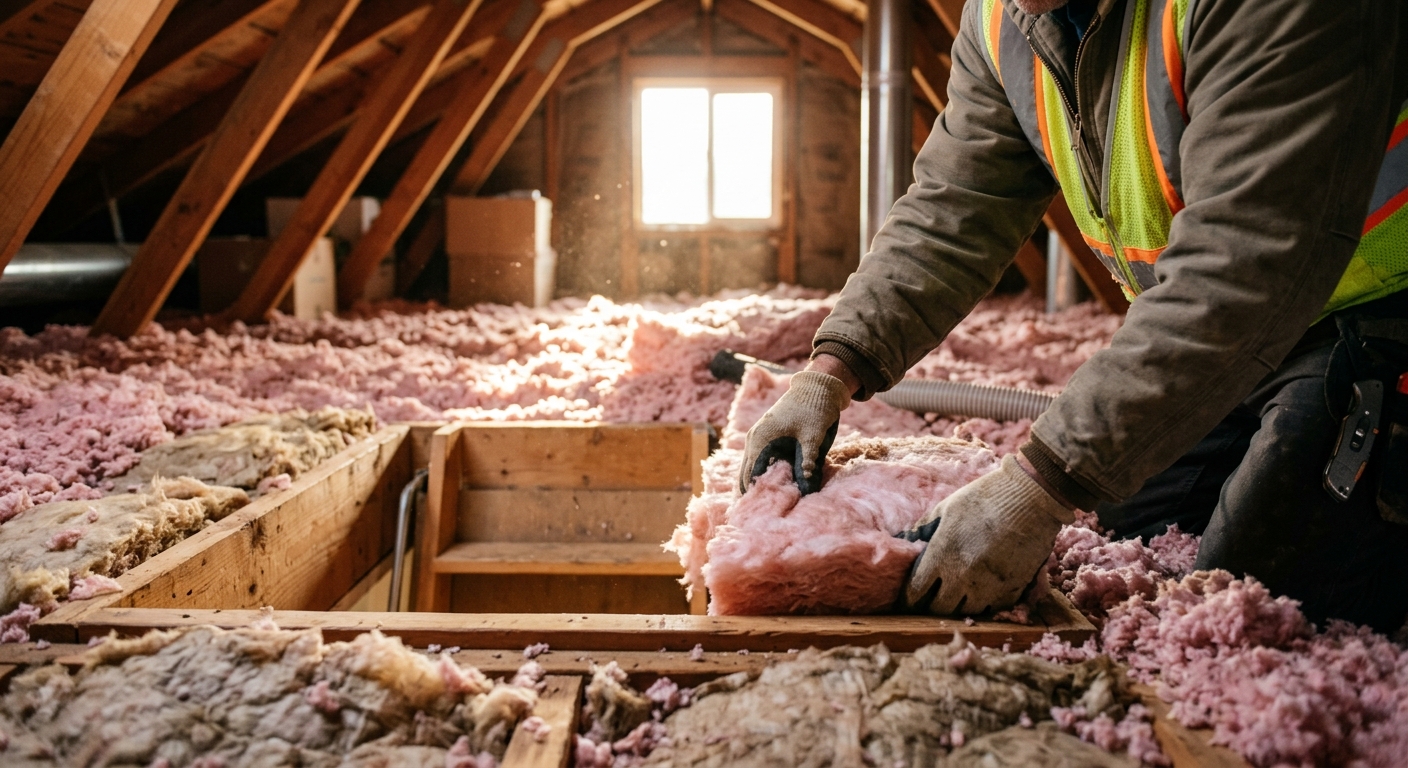
Most homeowners upgrade windows or buy smart thermostats first, but the attic is responsible for up to 40% of a home’s heating and cooling loss. Starting here delivers the fastest payback and the biggest comfort improvement of any single upgrade.
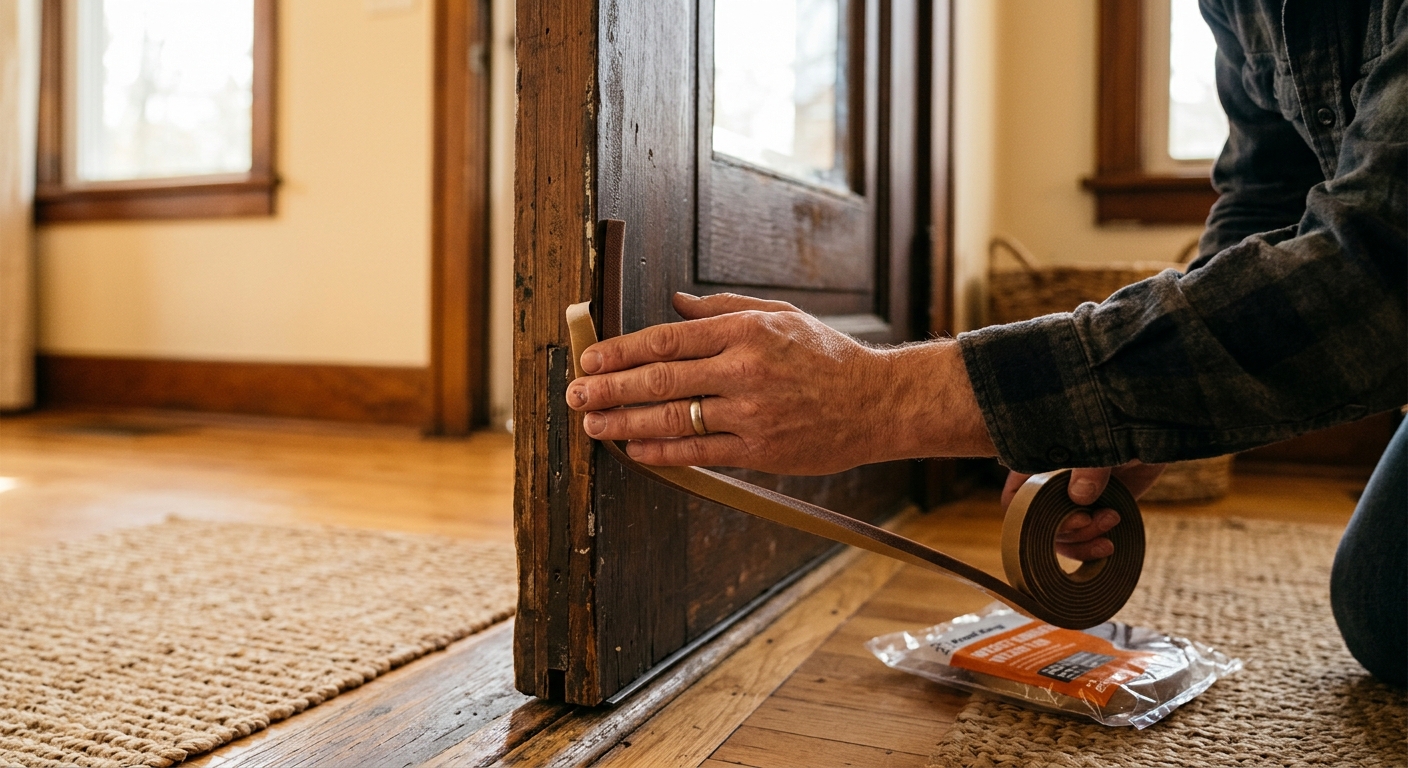
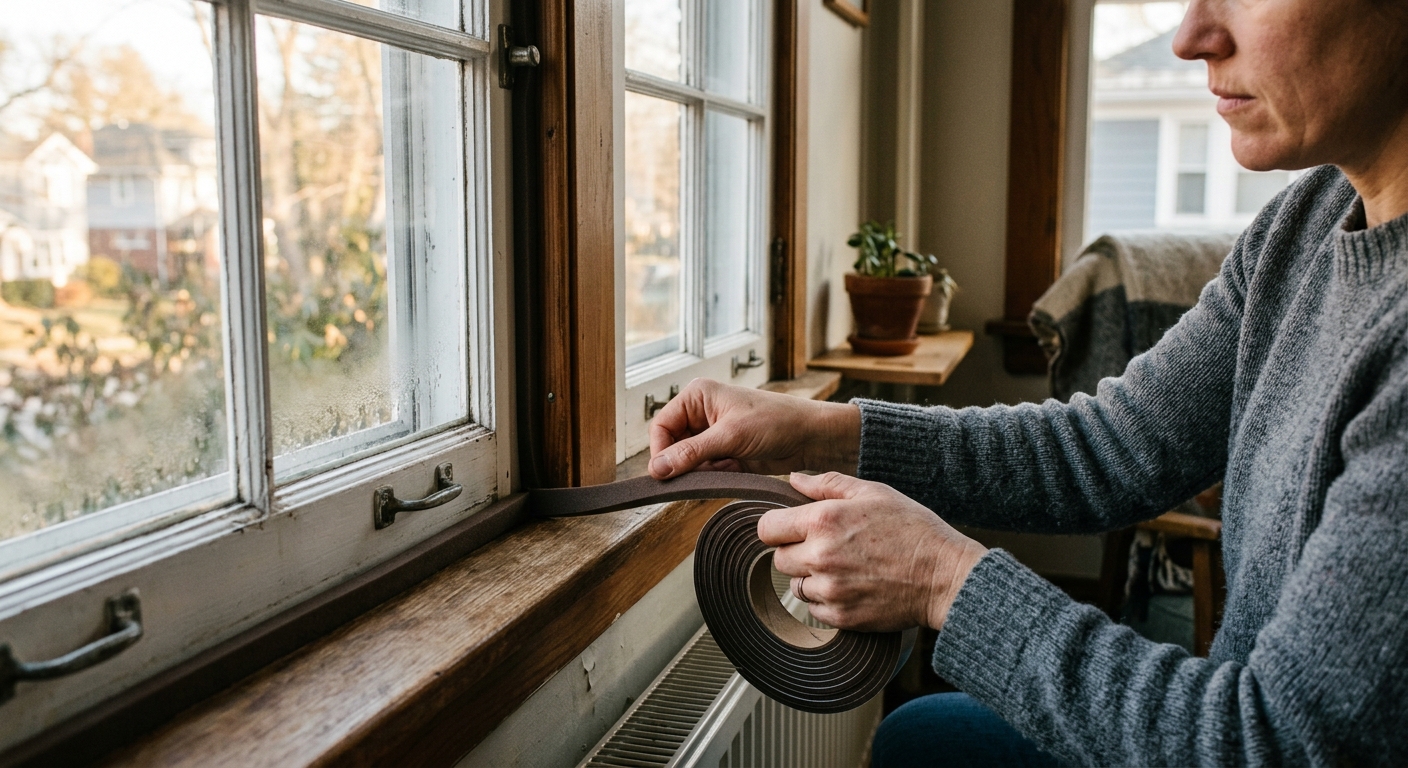
Drafty doors and windows are silently inflating your heating bill every winter, and most homeowners never address the simplest fix available. A few dollars of foam or felt weatherstripping applied in under an hour can seal the gaps that steal your heat and pay for itself within days.
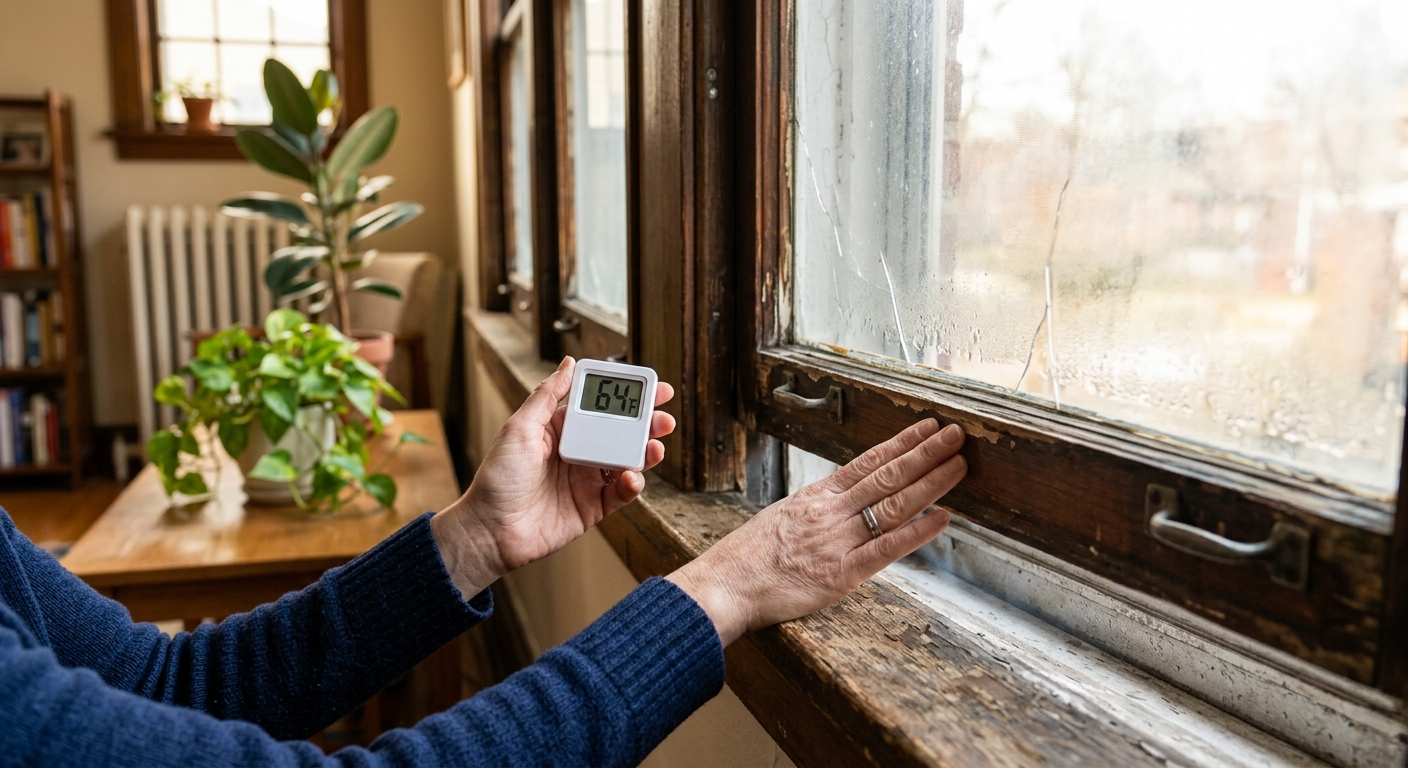
Drafty, single-pane, or poorly sealed windows can quietly add 10 to 25% to your monthly energy bill without you ever noticing. This post breaks down exactly what old windows cost you, how to measure the damage, and what you can do about it today.
Most homeowners overpay on energy bills because they have no idea where the waste is actually happening. A single weekend walkthrough of your home, using mostly free tools, can reveal fixes that pay back hundreds of dollars every year.
Some rooms stay stubbornly cold no matter how high you crank the thermostat, costing you money while leaving you uncomfortable. The fix is rarely a bigger furnace – it’s almost always a combination of air sealing, airflow correction, and targeted heat delivery that solves it for good.
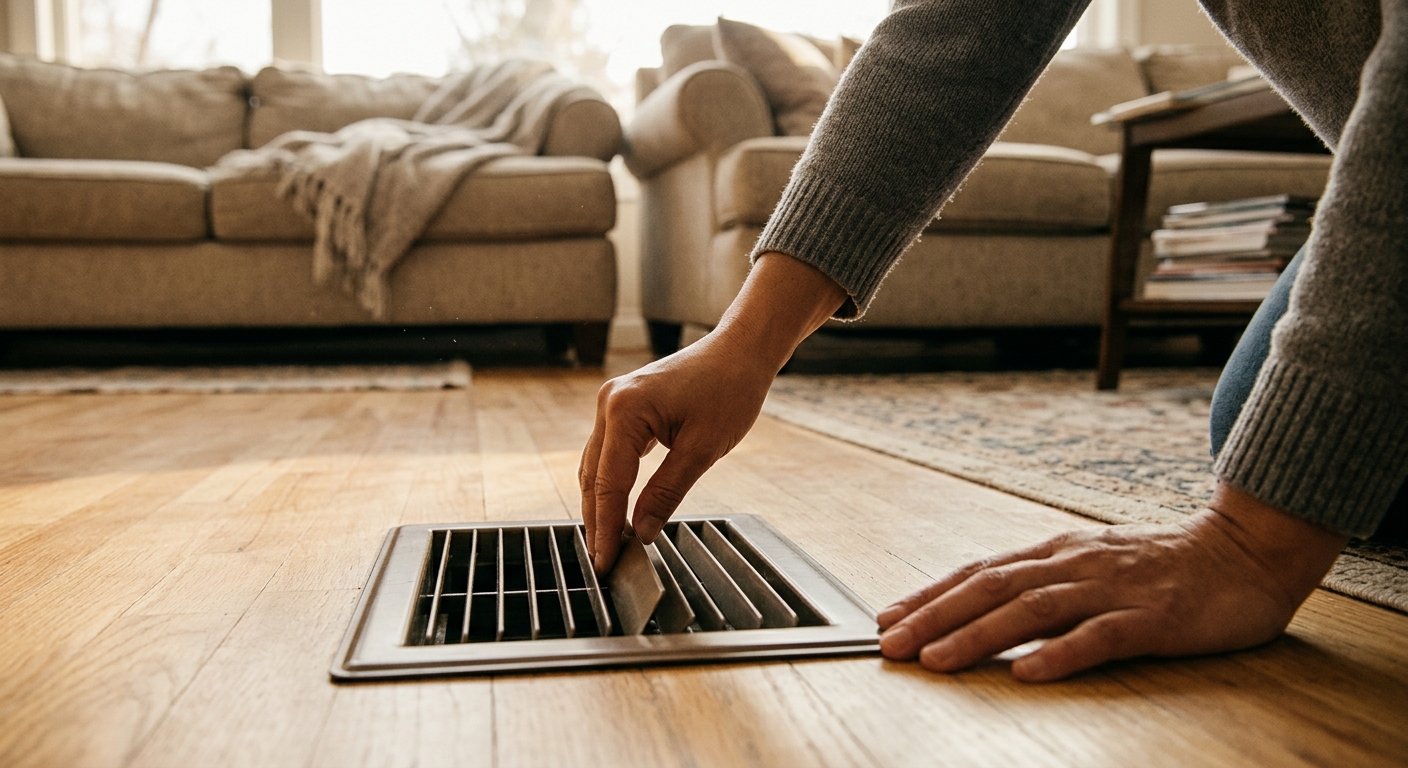
Closing vents in unused rooms seems like a smart way to save energy, but it actually increases pressure in your duct system and forces your HVAC to work harder. Here is what building science says actually works, and the simple fixes that deliver real comfort and savings.
Cathedral ceilings look stunning but are notorious energy drains, losing heat in winter and gaining it in summer far faster than standard flat ceilings. This guide walks you through practical insulation upgrades, from low-cost air sealing fixes to a targeted DIY rigid foam approach, all without a full gut renovation.
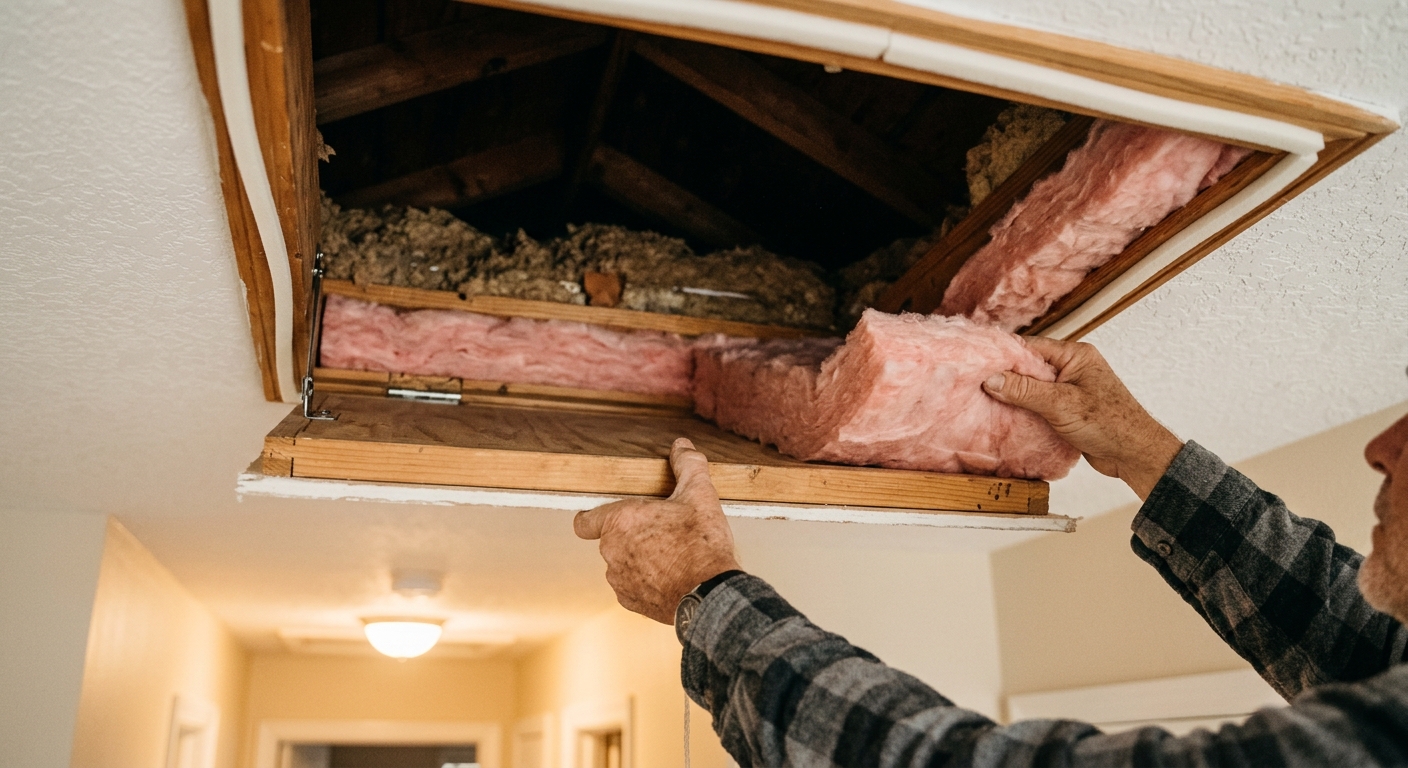
Your attic hatch is likely one of the most under-insulated spots in your entire home, leaking conditioned air 24 hours a day. Adding a simple insulated cover can cut attic-related heat loss by up to 30% and pay for itself in a single heating season.