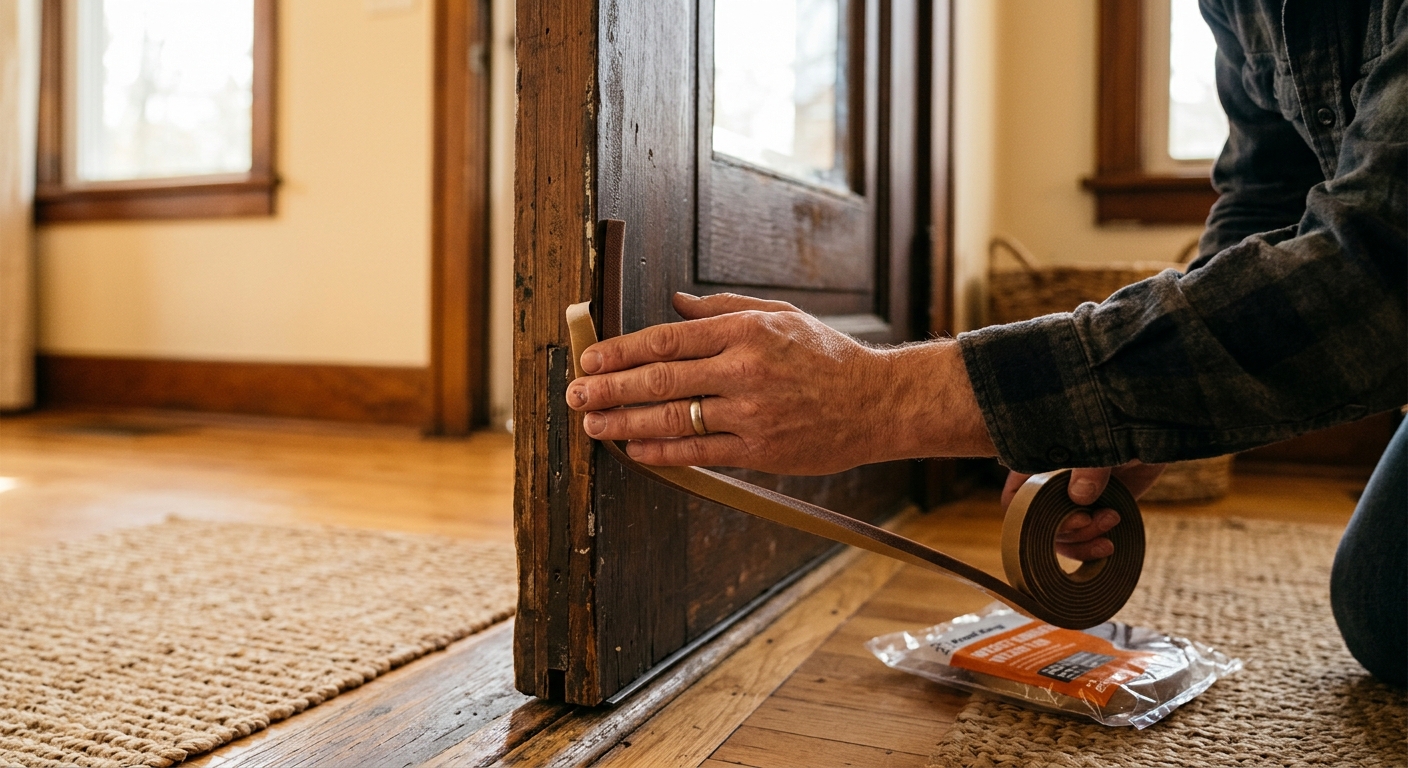
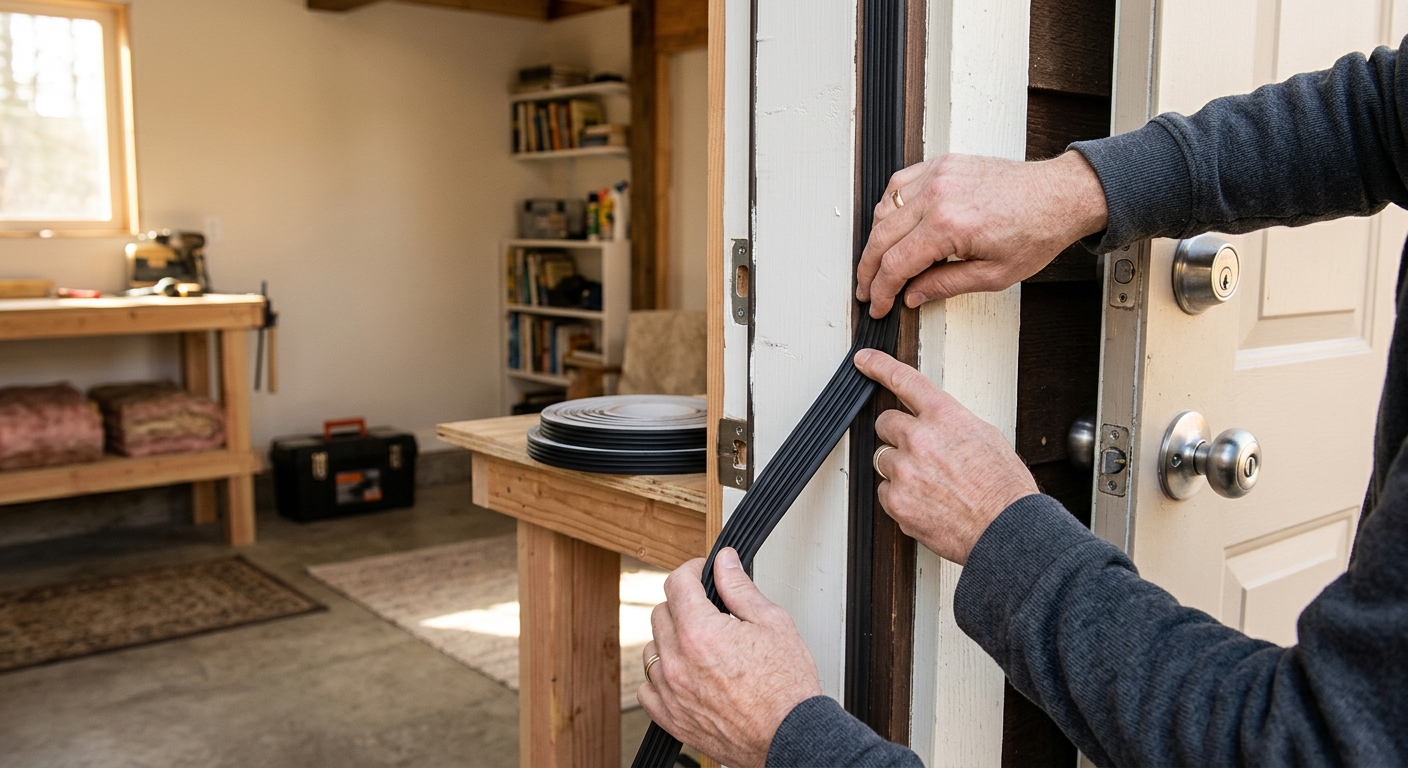
Drafty doors and windows are silently inflating your heating bill every winter, and most homeowners never address the simplest fix available. A few dollars of foam or felt weatherstripping applied in under an hour can seal the gaps that steal your heat and pay for itself within days.
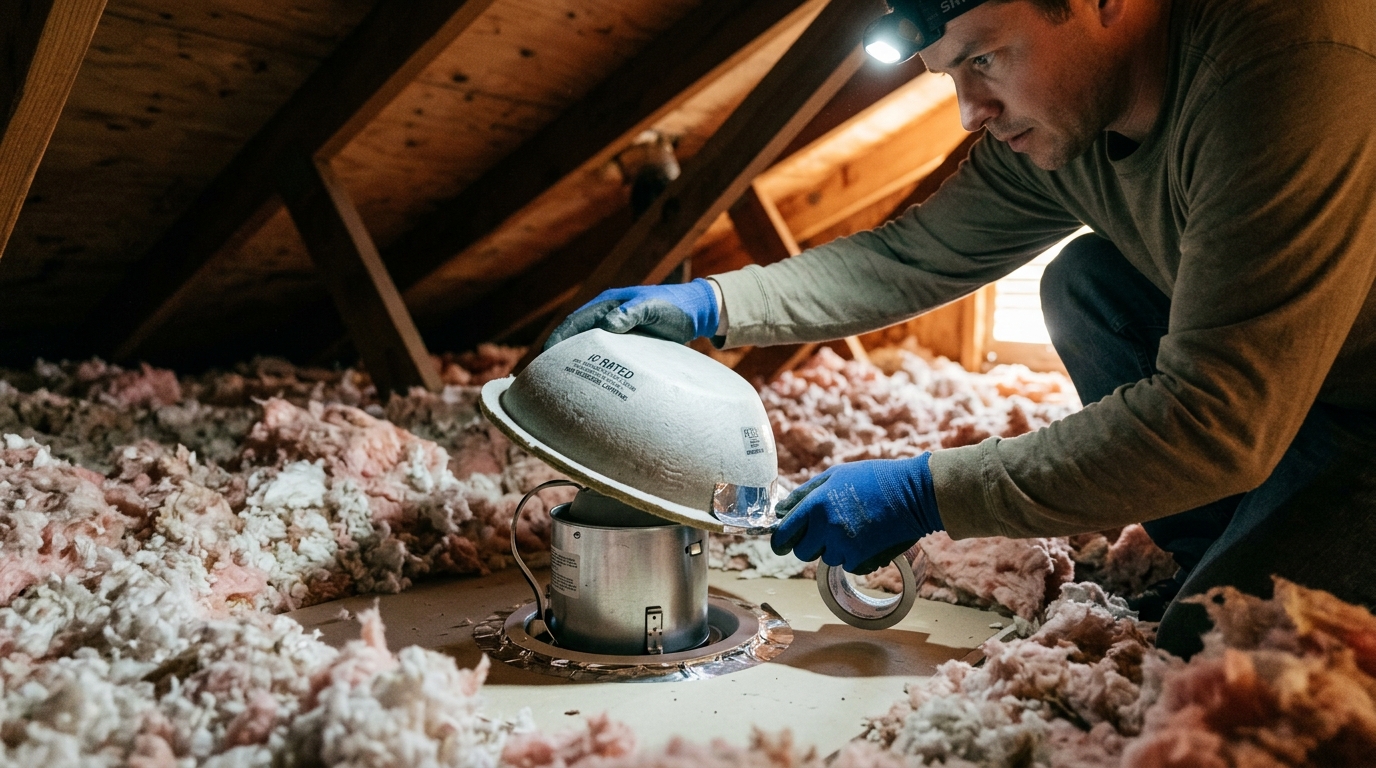
Recessed lights are one of the biggest hidden sources of heat loss in insulated ceilings, but covering them incorrectly can start a fire. This guide shows you exactly how to seal and insulate around recessed cans safely, with real savings numbers and step-by-step approaches for every budget.
Most homeowners skip routine maintenance until something breaks, turning a $20 fix into a $2,000 emergency. A well-structured home maintenance calendar prevents costly failures, extends equipment life, and keeps your energy bills predictable year-round.
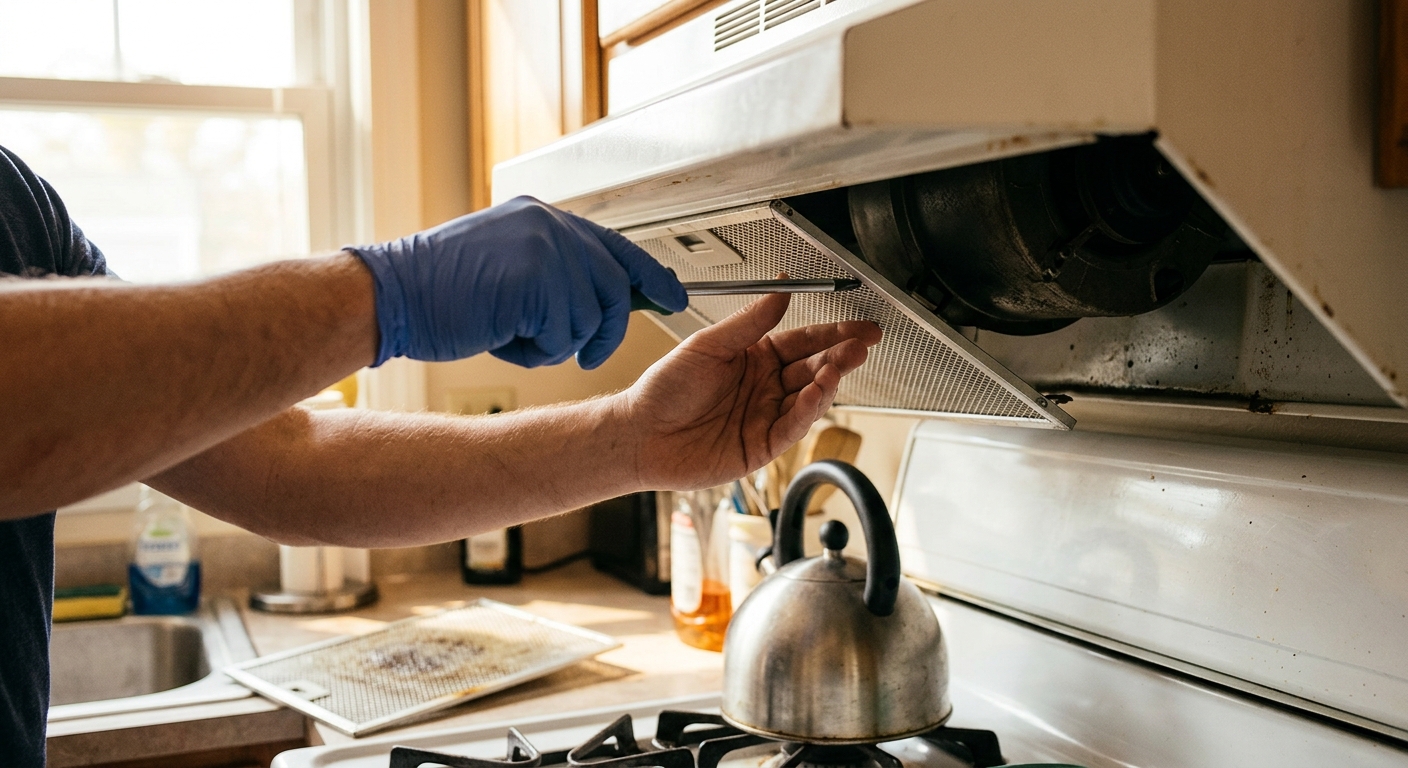
A kitchen exhaust fan that runs but fails to clear smoke, grease, or odors is one of the most overlooked sources of indoor air quality problems and wasted energy. The fix is often a clogged filter or blocked duct, and most homeowners can solve it in under an hour without any special tools.
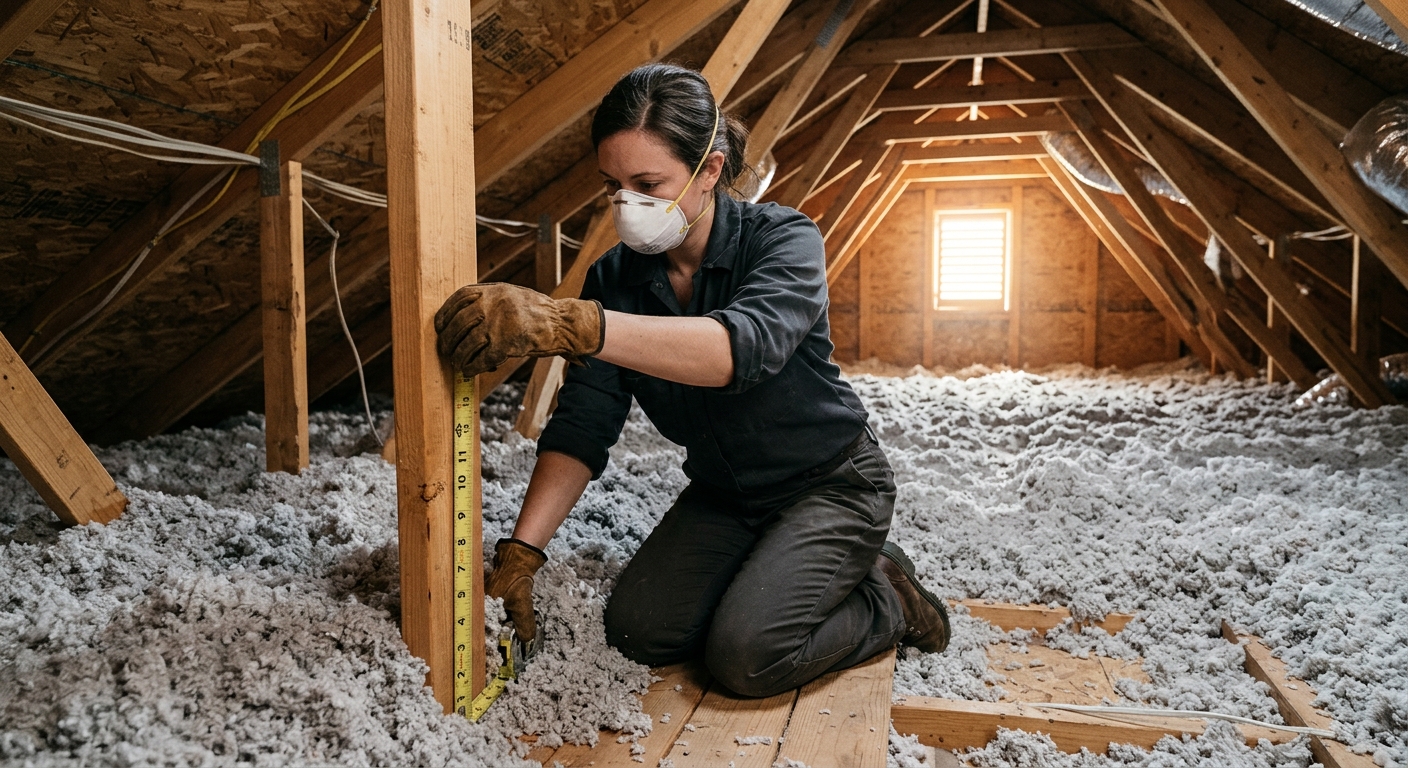
Most homeowners either under-insulate and pay for it every month, or over-spend on insulation that delivers diminishing returns. Knowing the right R-value target for your specific climate zone is the single most reliable way to maximize your insulation investment.
Converted garages are notorious for being freezing in winter and sweltering in summer because they were never designed to be living space. The right combination of air sealing, insulation, and a dedicated heating and cooling source transforms them into genuinely comfortable rooms without breaking the bank.
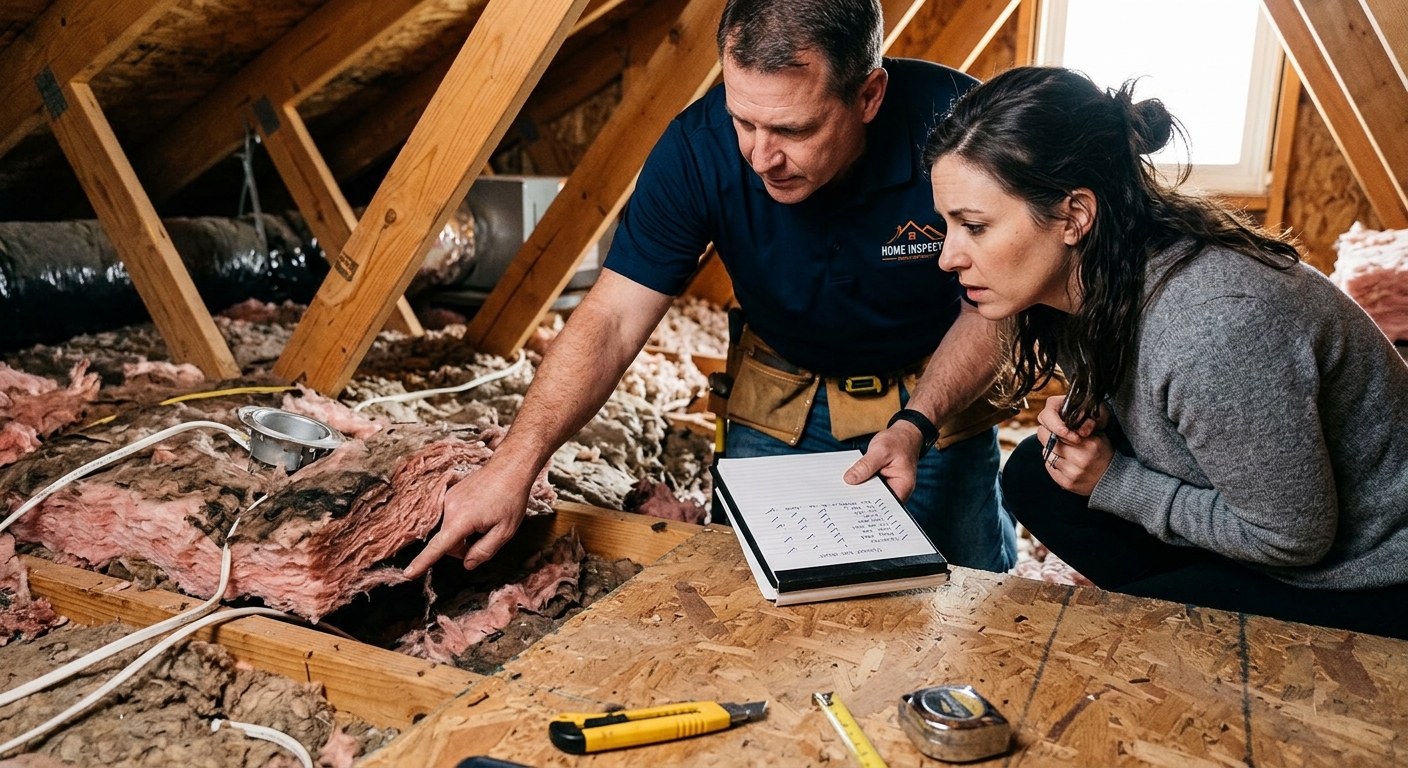
Home inspection reports are dense documents full of jargon, and insulation problems are easy to overlook or misunderstand. This guide shows you exactly how to decode common inspection language, find the issues yourself, and decide what to fix first.
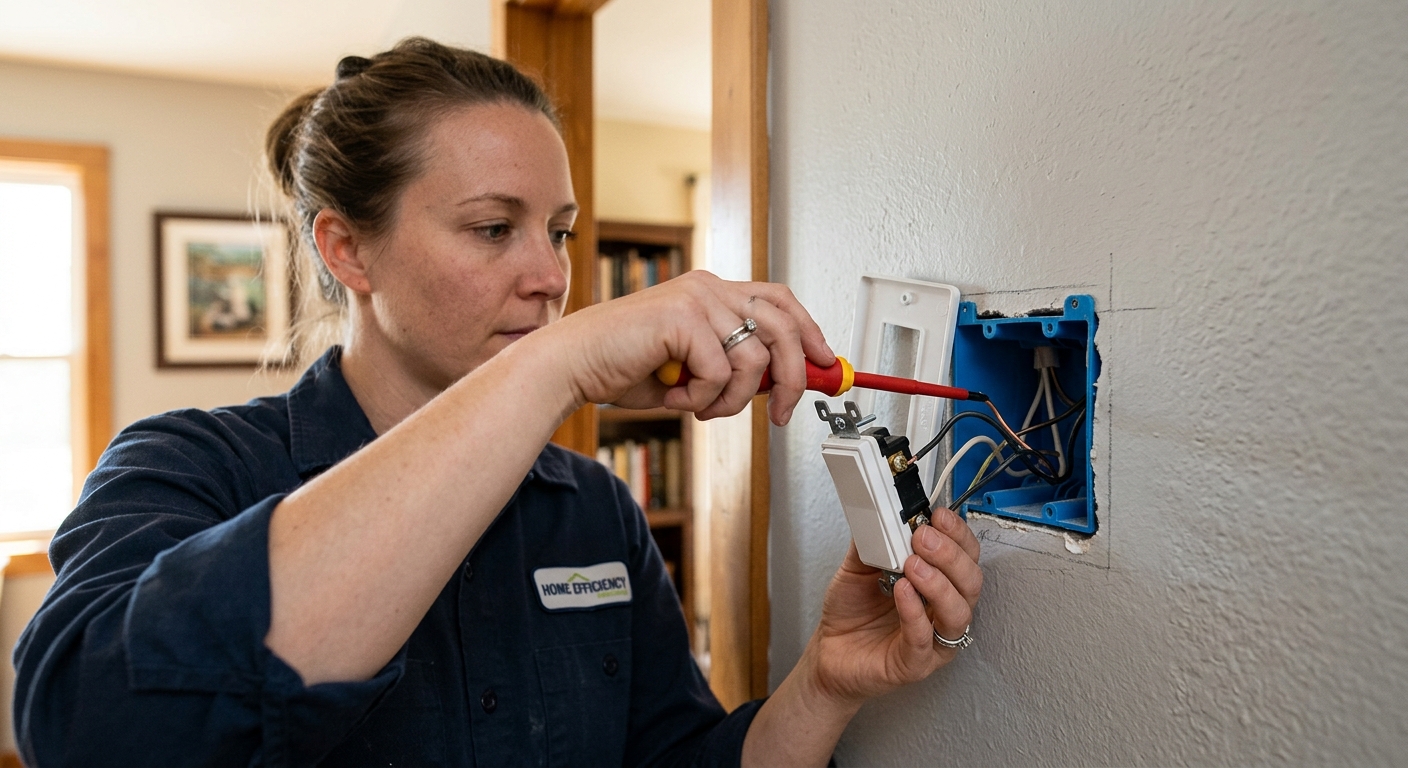
A warm light switch can mean anything from a completely normal dimmer doing its job to a dangerously overloaded circuit that needs immediate attention. Knowing the difference takes about two minutes and could prevent a house fire.
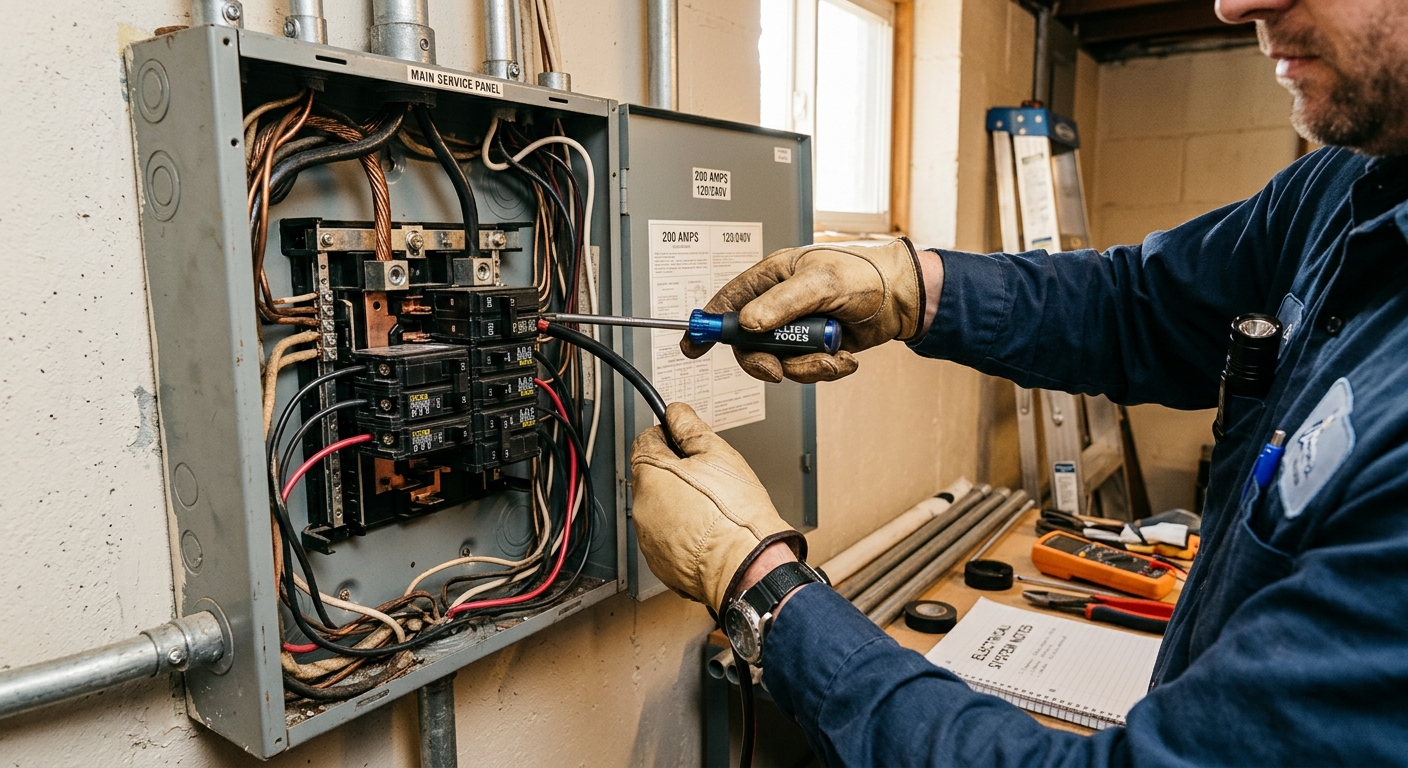
An outdated or undersized electrical panel is one of the most overlooked hazards and efficiency bottlenecks in a home. This guide explains exactly when an upgrade is necessary, what the process involves, and how to budget for it.
Home renovations promise better living spaces, but they often introduce surprising comfort problems like uneven temperatures, drafts, and skyrocketing energy bills. Understanding why these issues appear and how to prevent them can save you thousands in follow-up repairs and monthly utility costs.