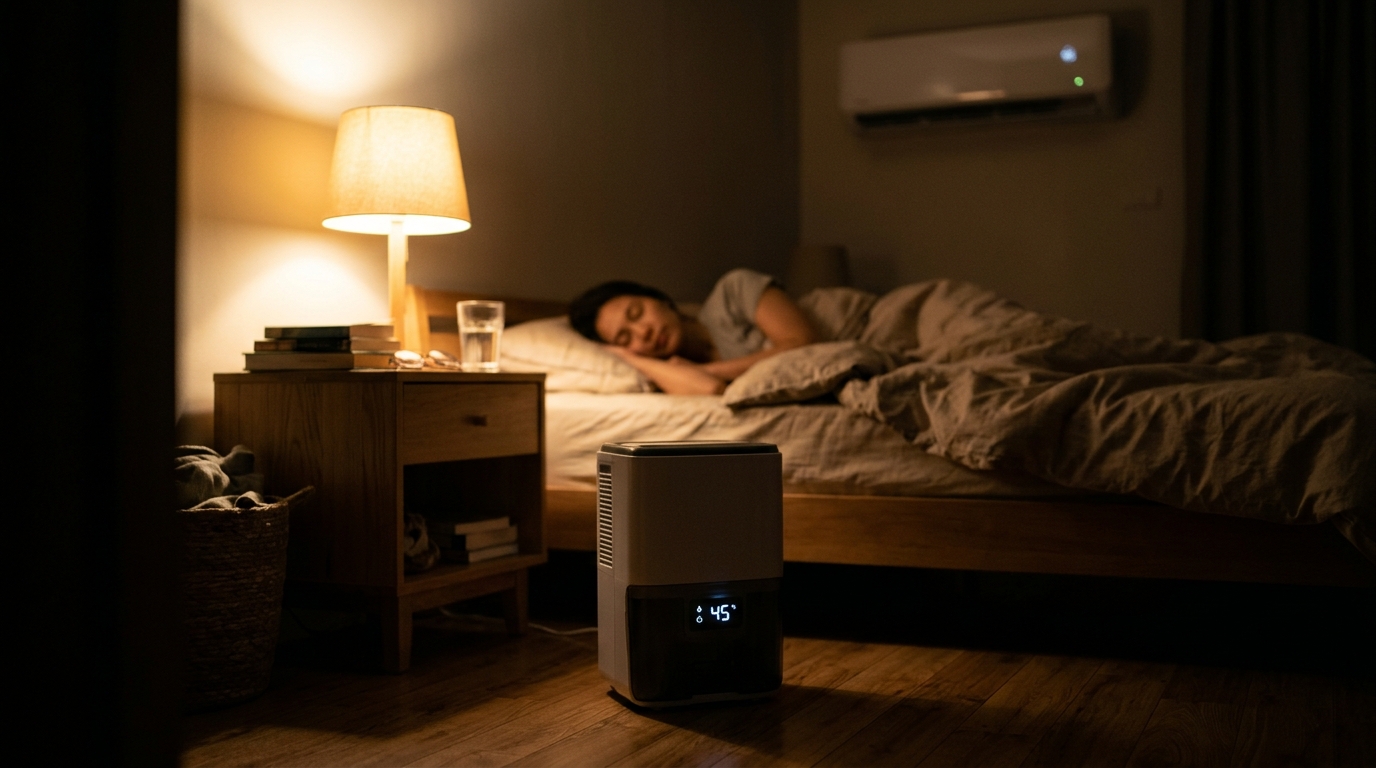
Your AC may be working harder than it needs to because it is fighting humidity, not just heat. Running a dehumidifier overnight at the right humidity target can make your home feel 3 to 5 degrees cooler and let you raise your thermostat setpoint without sacrificing comfort.
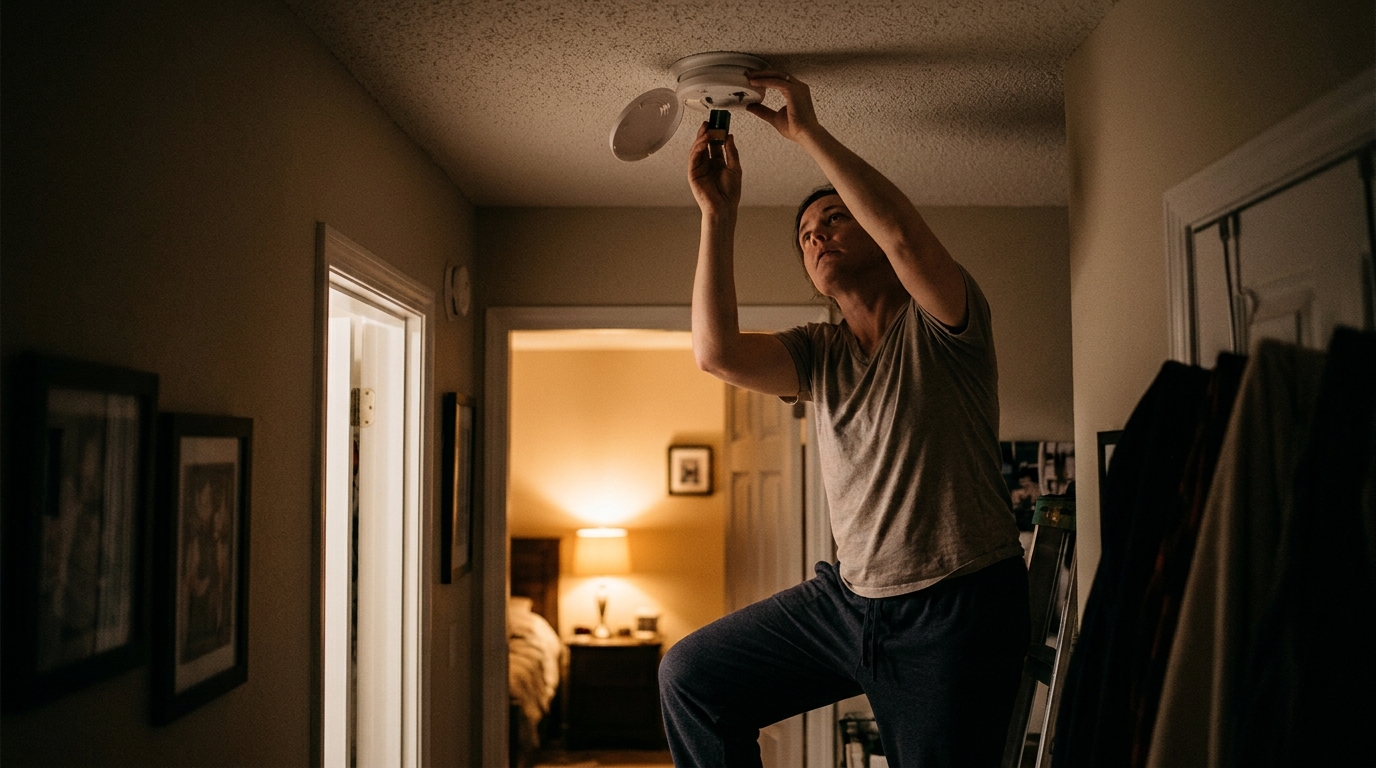
That single, maddening chirp at 3 a.m. is almost always a dying battery meeting a nighttime temperature drop, not a random glitch. Replacing the battery correctly and resetting the unit takes about 10 minutes and costs under $5.
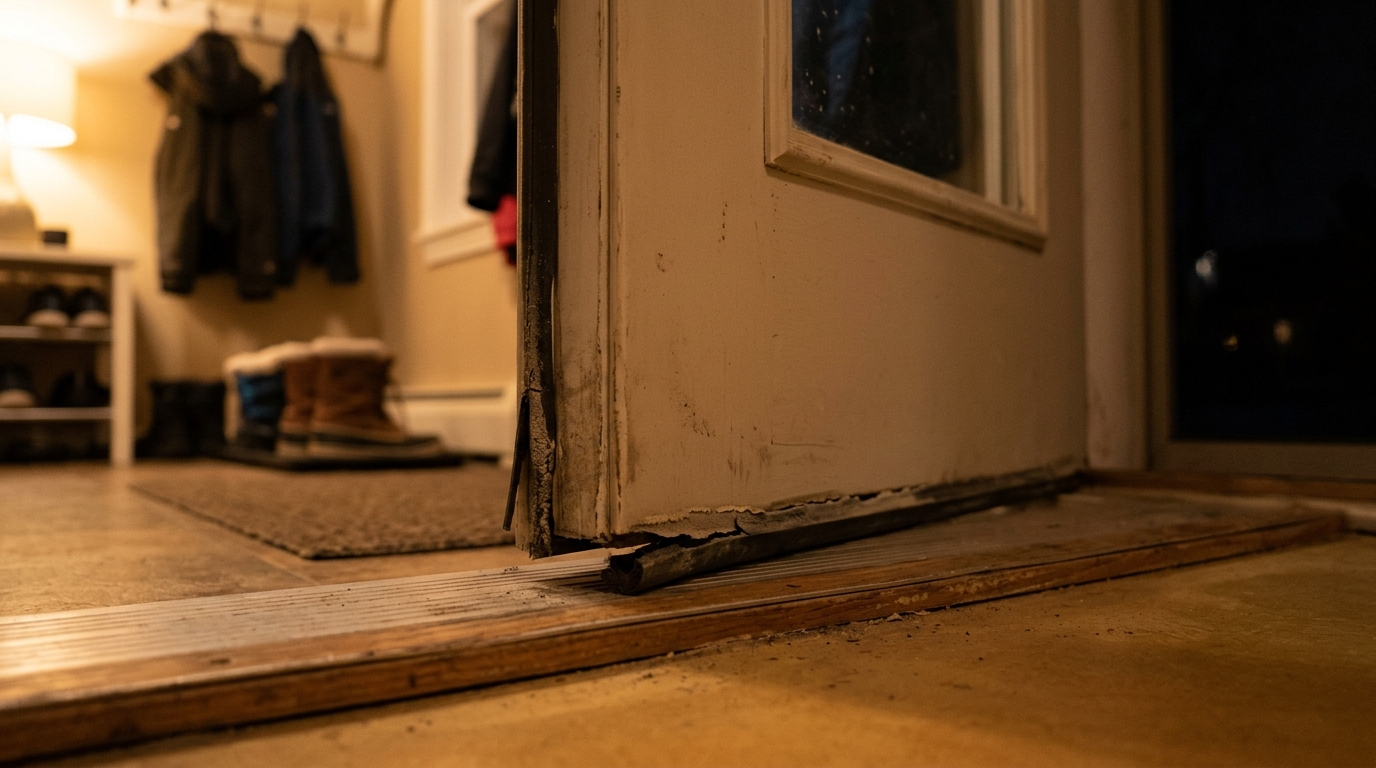
Your mudroom door sees more traffic and more abuse than almost any other exterior door, and a worn seal can quietly leak heat for months before you notice. A 30-minute weatherstripping fix can cut that heat loss dramatically and pay for itself in a single heating season.
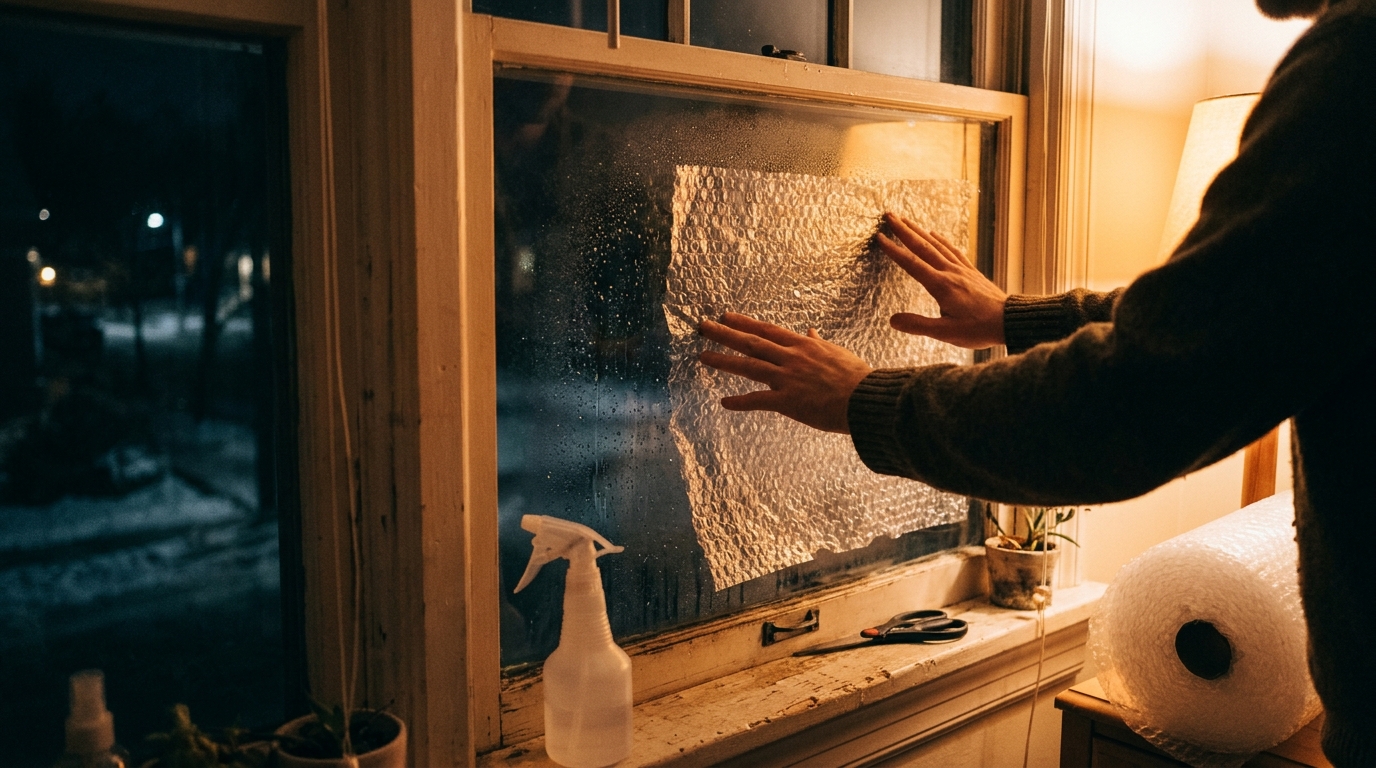
A single-pane or older double-pane window can feel like an open freezer door on a cold night, pulling heat out of your room and making the glass uncomfortably icy. A sheet of ordinary bubble wrap, a spray bottle, and about 15 minutes can trap an insulating air layer against the glass and noticeably cut heat loss through that window.
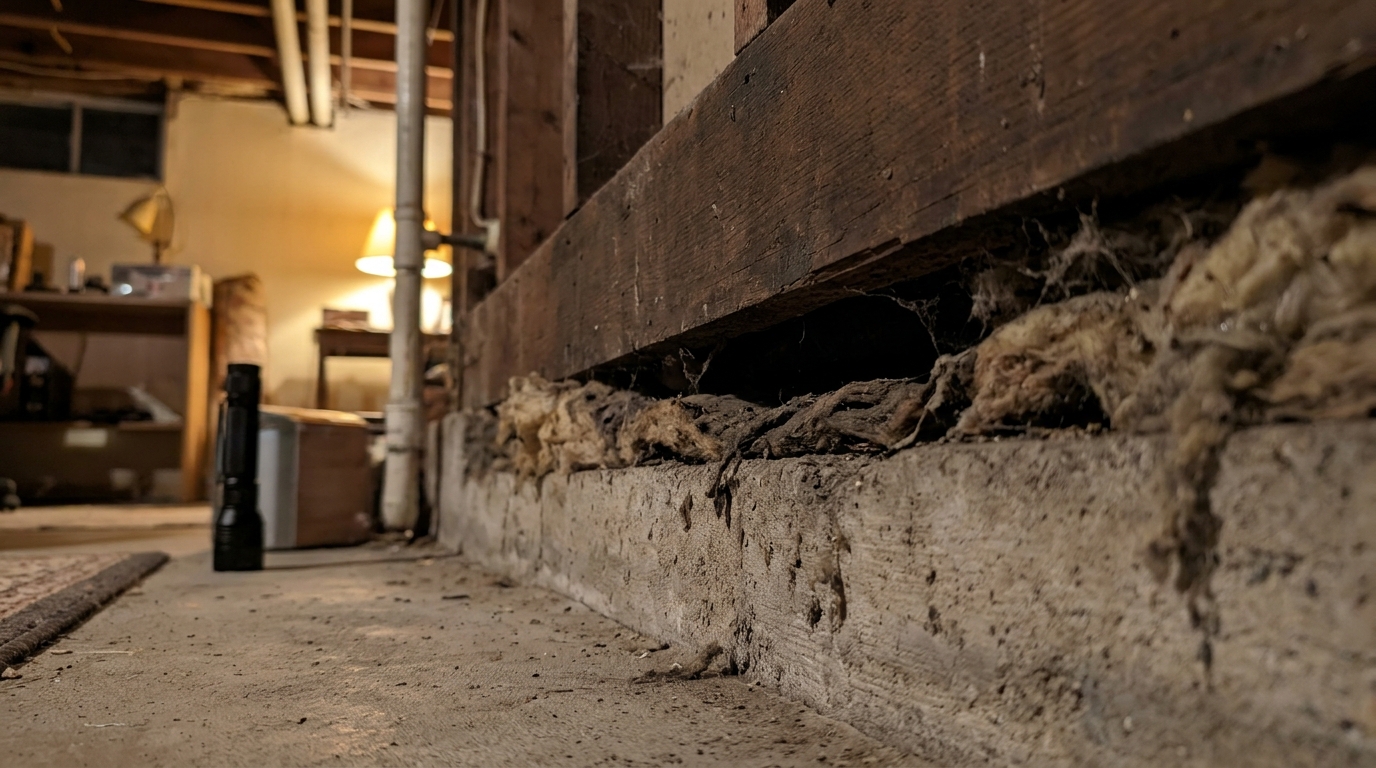
The thin seam where your home’s wood framing meets the concrete foundation leaks cold air all winter, chilling your floors and driving up heating bills. Sealing and insulating the sill plate takes a weekend and a modest budget, and it often pays for itself in two heating seasons or less.
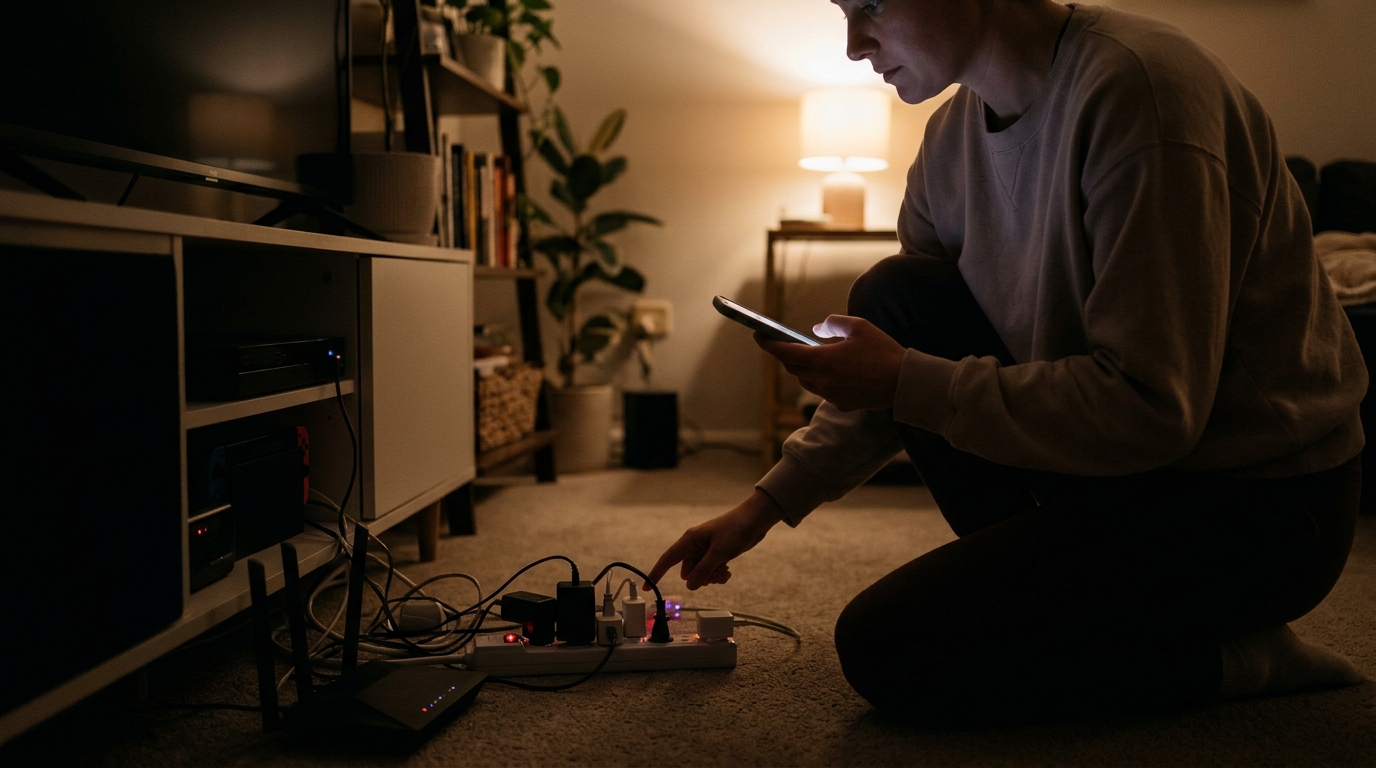
Devices that look switched off are often still drawing power around the clock, and that standby load typically accounts for 5 to 10% of a household’s electricity use. A 20-minute audit using your own electric meter, or an inexpensive plug-in watt meter, shows you exactly where the waste is and how to cut it.
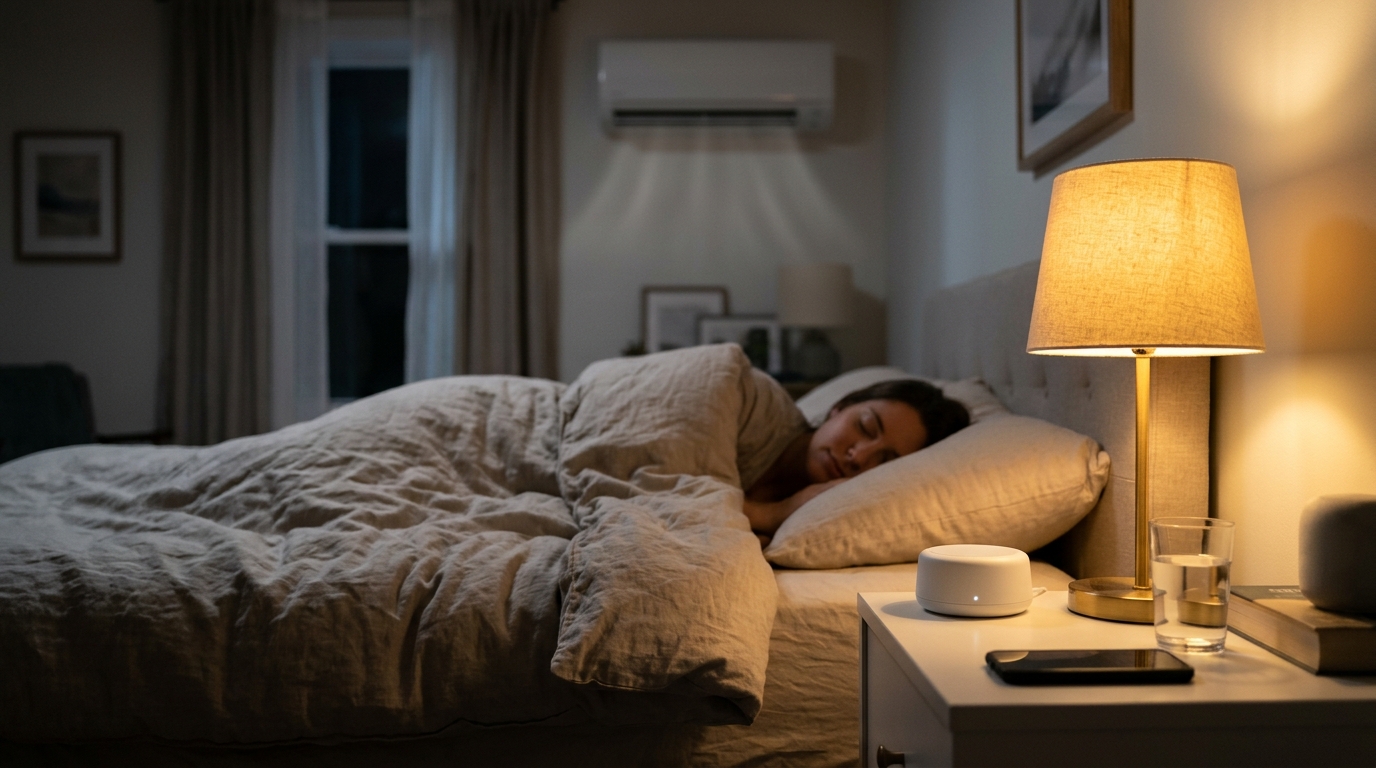
Many homeowners cool the whole house to 68 degrees just to get comfortable sleep, then lie awake listening to every creak, hum, and passing car. Pairing a white noise machine with smart use of your HVAC fan and a slightly warmer bedroom setpoint can improve sleep quality while trimming cooling costs by 5 to 10%.
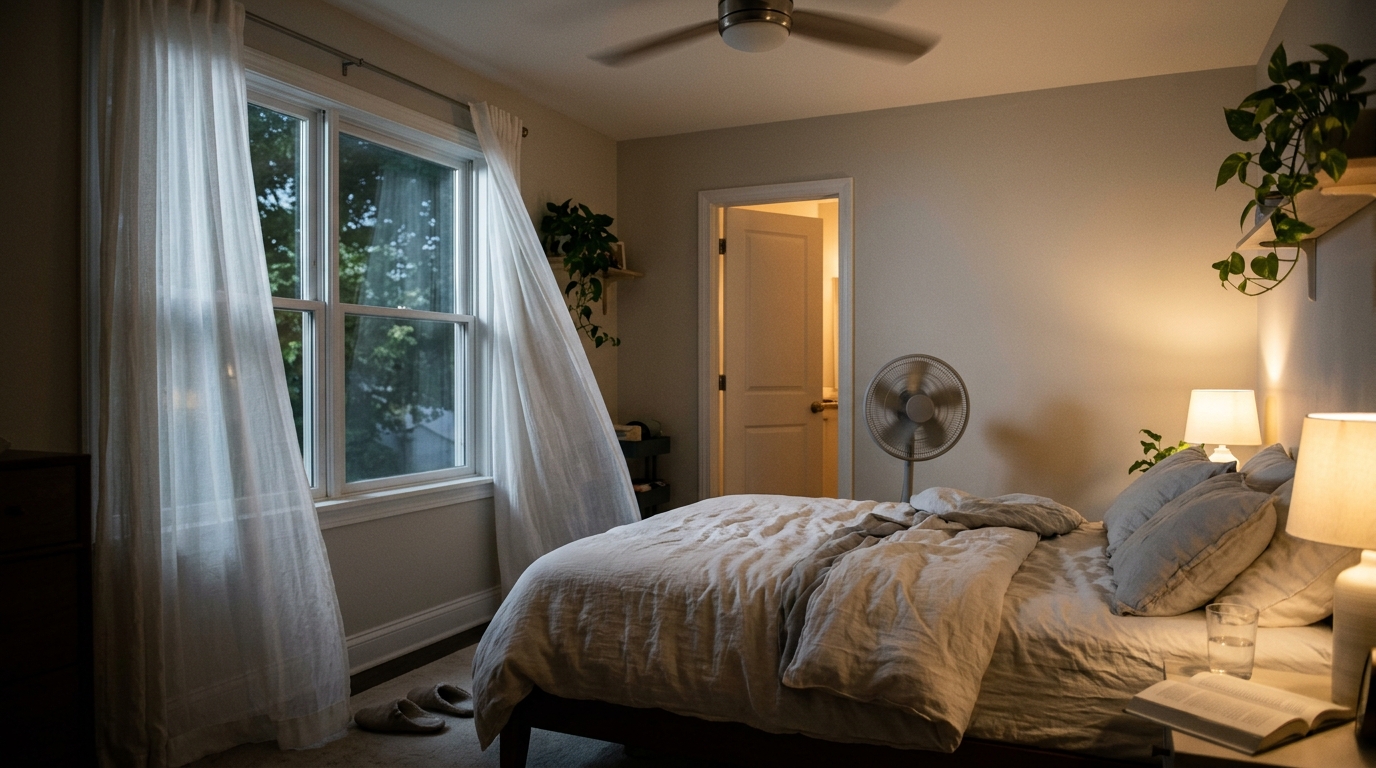
Bedrooms often run 3 to 6 degrees warmer than the rest of the house overnight because closed doors, poor return air, and trapped body heat create a stuffy pocket. A few airflow changes, from free door and vent tweaks to a simple return pathway upgrade, can fix the problem without cranking the AC all night.
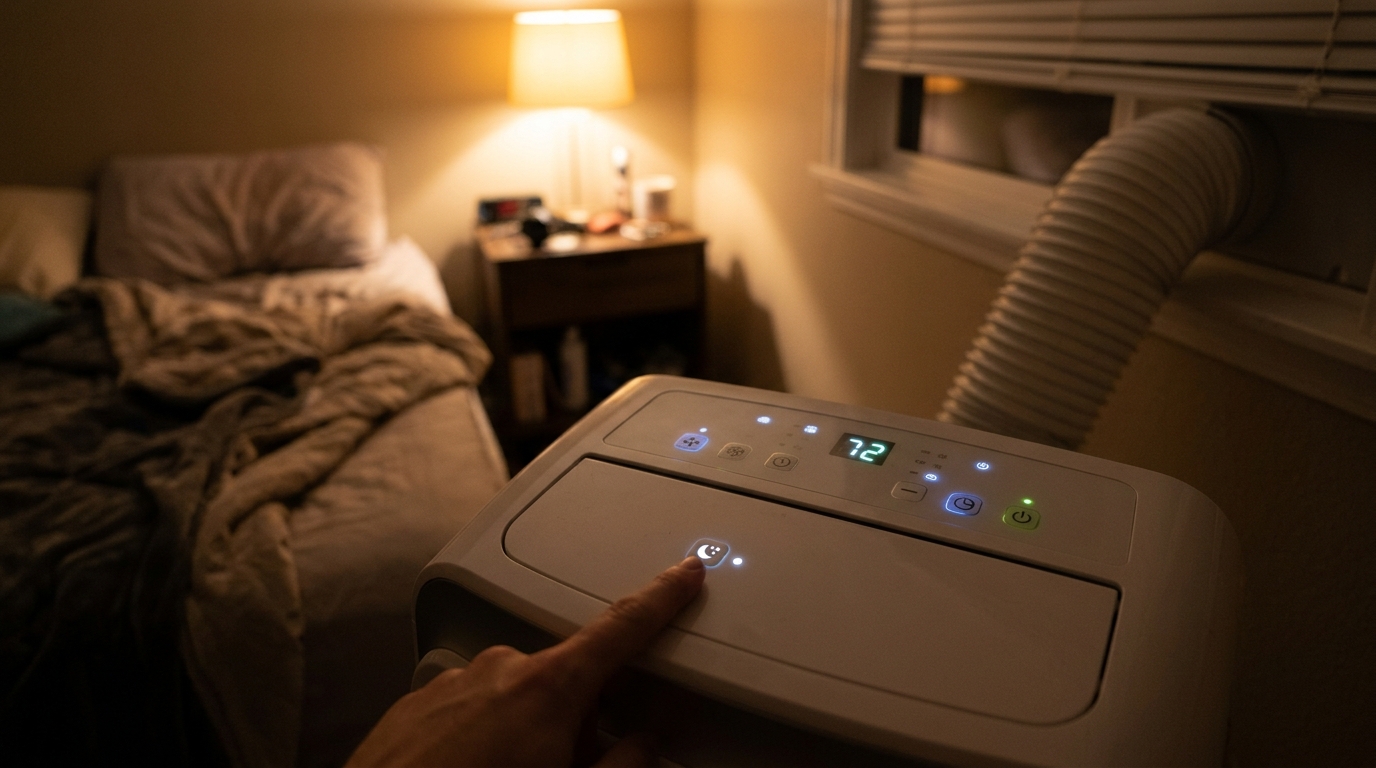
Most portable air conditioners ship with a sleep or night mode that quietly raises the setpoint while you sleep, yet the majority of owners never press the button. Turning it on and pairing it with a few simple setup tweaks can trim nighttime cooling costs by 10 to 20% while making the bedroom quieter and more comfortable.
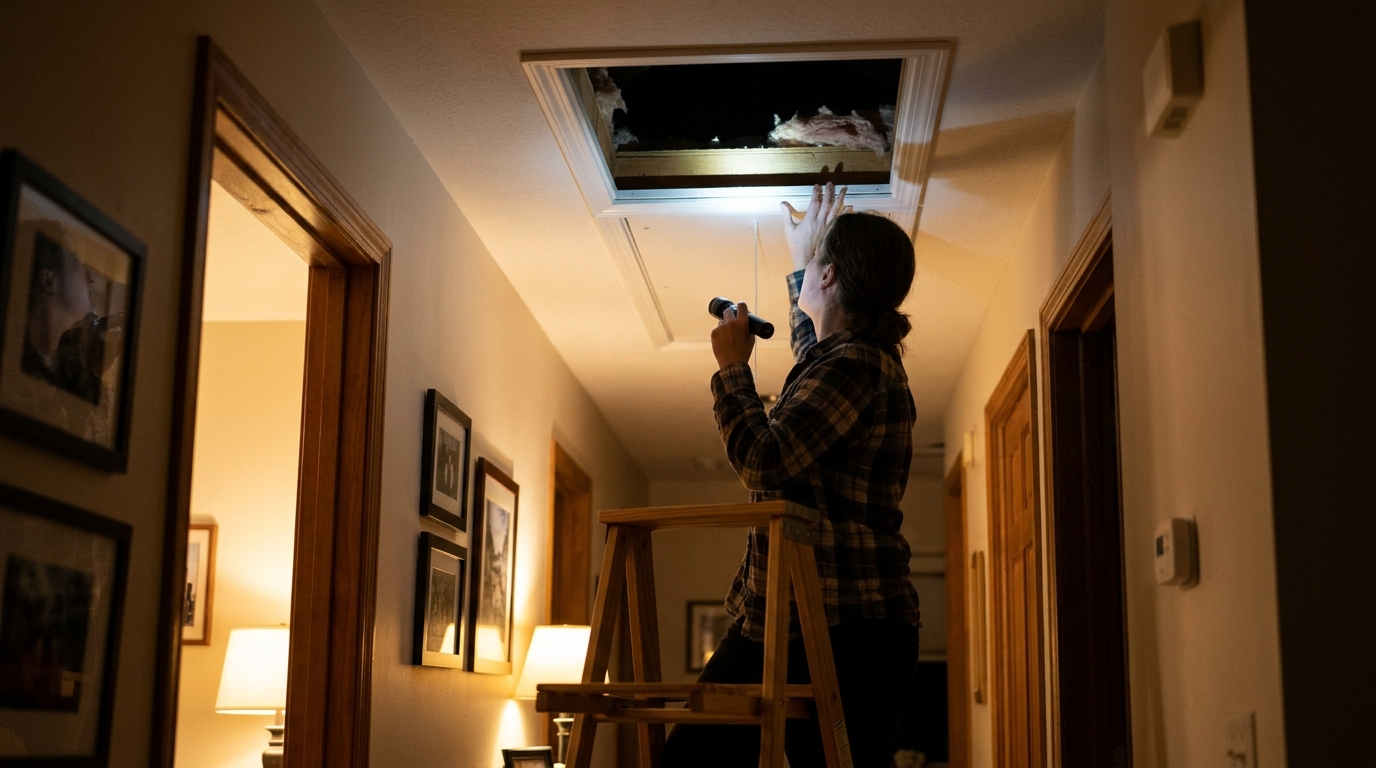
An uninsulated, leaky attic hatch is one of the most overlooked sources of heat loss, and it often sits right above the coldest rooms in your home. A 30-minute fix with inexpensive materials can stop the draft, cut heating waste, and make that bedroom noticeably warmer.