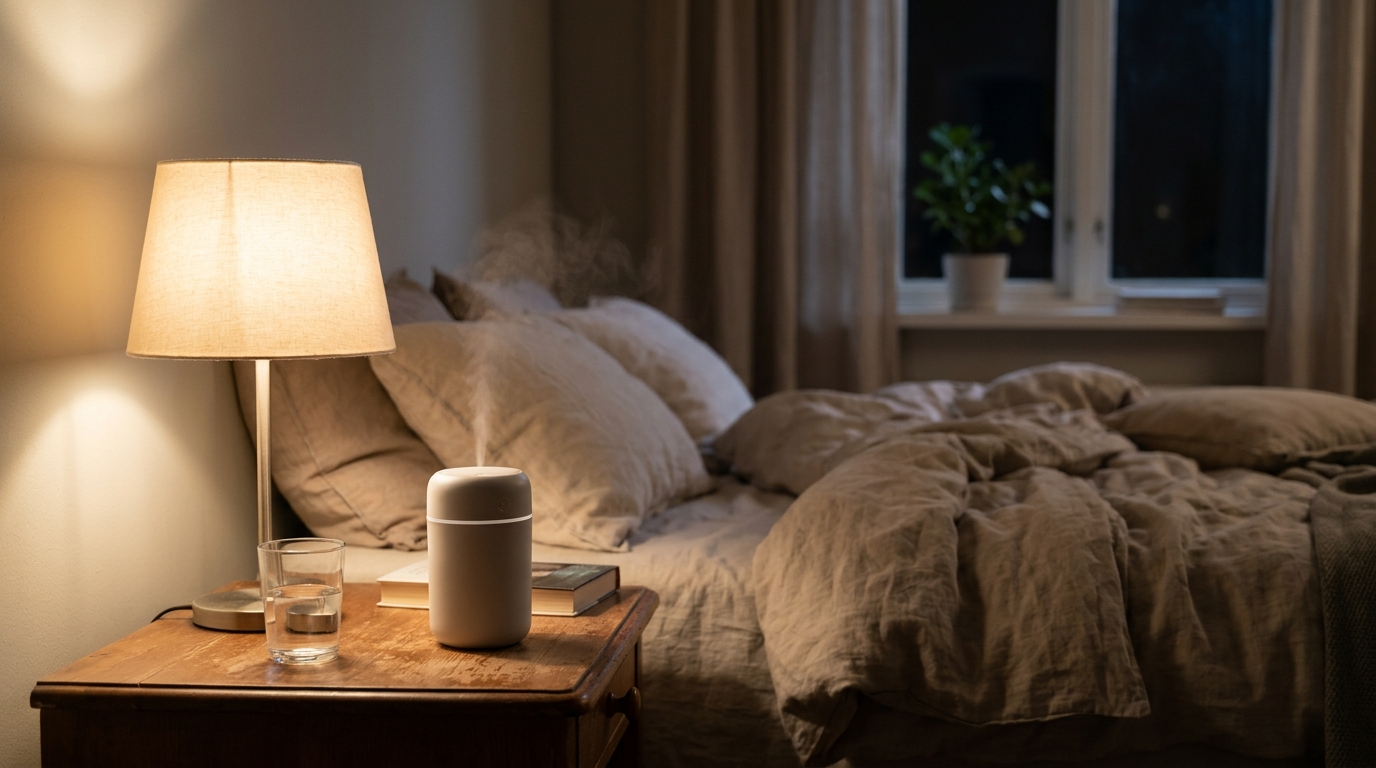
Waking up with a dry throat, static shocks, or clammy sheets usually has more to do with bedroom humidity than temperature. Keeping indoor relative humidity between 40 and 50 percent overnight improves sleep comfort, protects your home, and can let you set the thermostat a few degrees more efficiently.
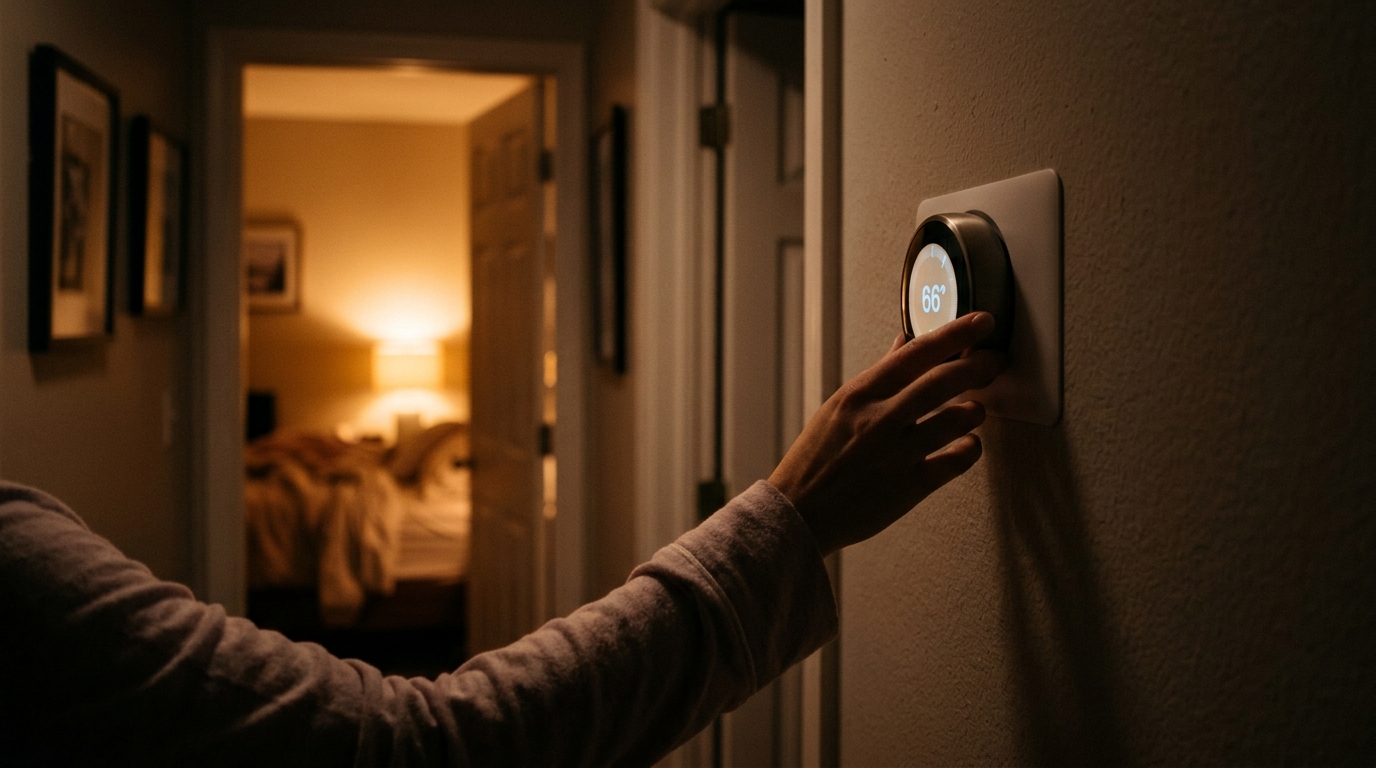
Smart thermostats can cut heating and cooling costs by 8 to 15% by learning when you sleep and what temperature you prefer, but only if you train them correctly. This guide explains how the learning works, how to speed it up, and how to avoid the common habits that confuse the algorithm.
Many utilities charge far less for electricity at night, but the rate is often buried in confusing bill language and tariff sheets. Learn how to decode your bill, find your true overnight price, and shift usage to save real money.
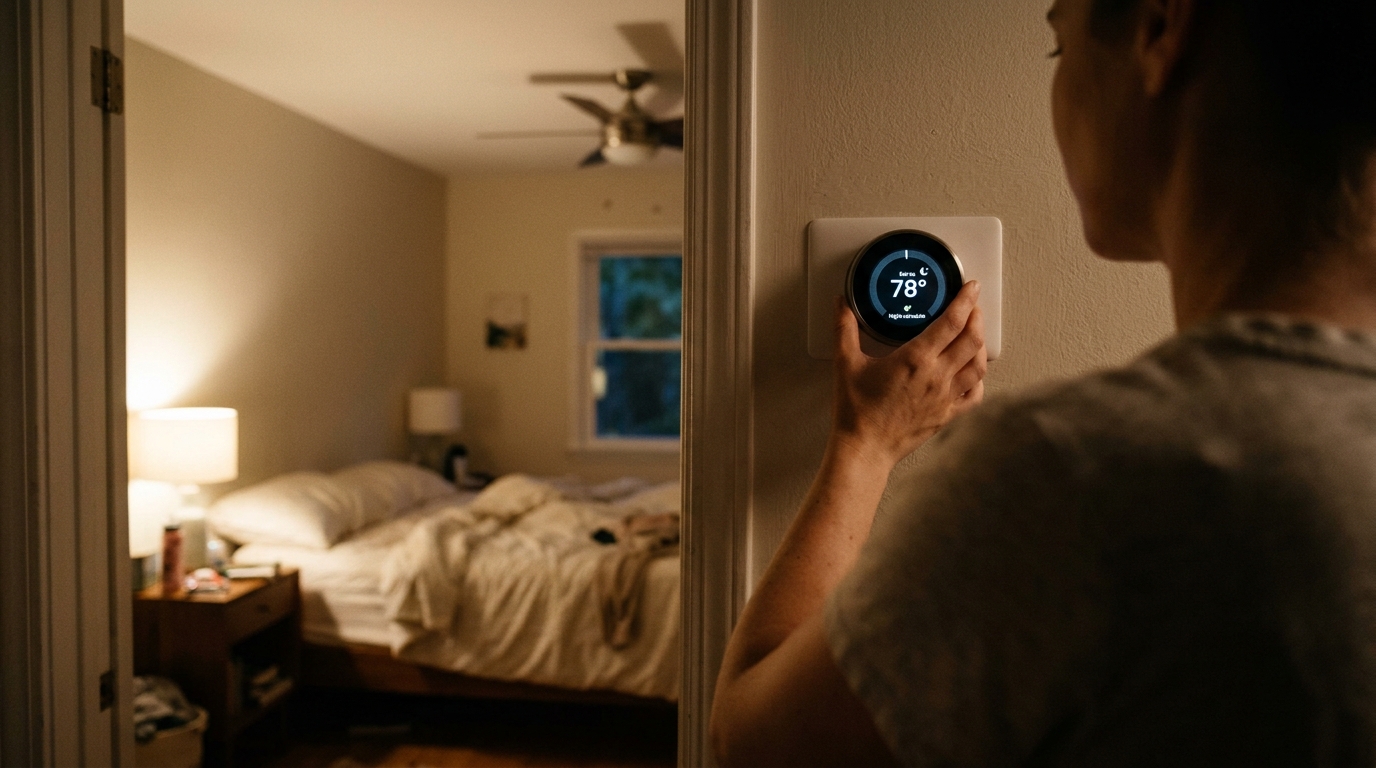
Most homeowners set their AC to one temperature and leave it, paying to cool a house that is mostly asleep or empty. A well-designed night setback schedule can cut cooling costs by 5 to 10% with no new equipment and almost no loss in comfort.
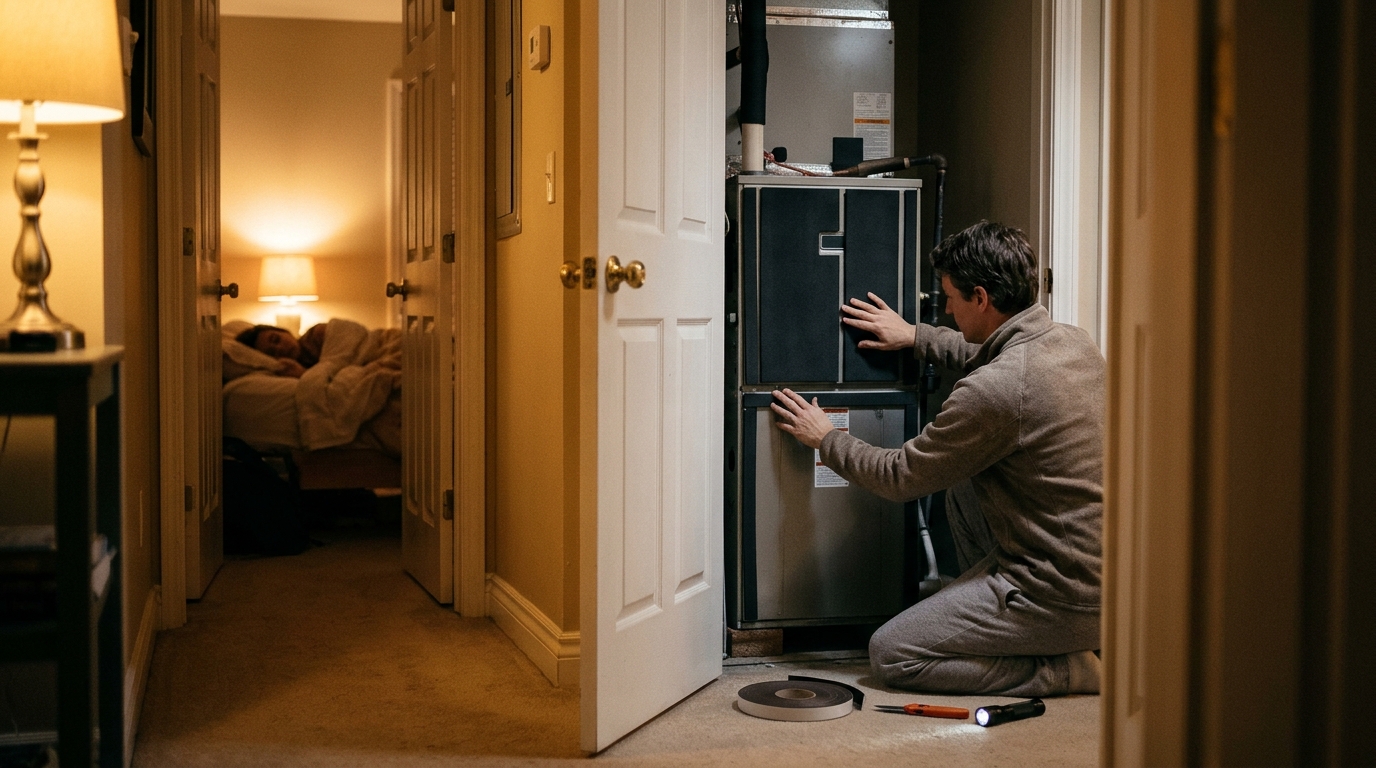
A noisy air handler can turn a restful night into hours of staring at the ceiling, and the cause is usually a loose panel, dirty filter, or vibrating duct rather than a dying system. Most bedroom-disturbing noises can be fixed in an afternoon with basic tools, and the same repairs often lower your energy use by 5 to 15%.
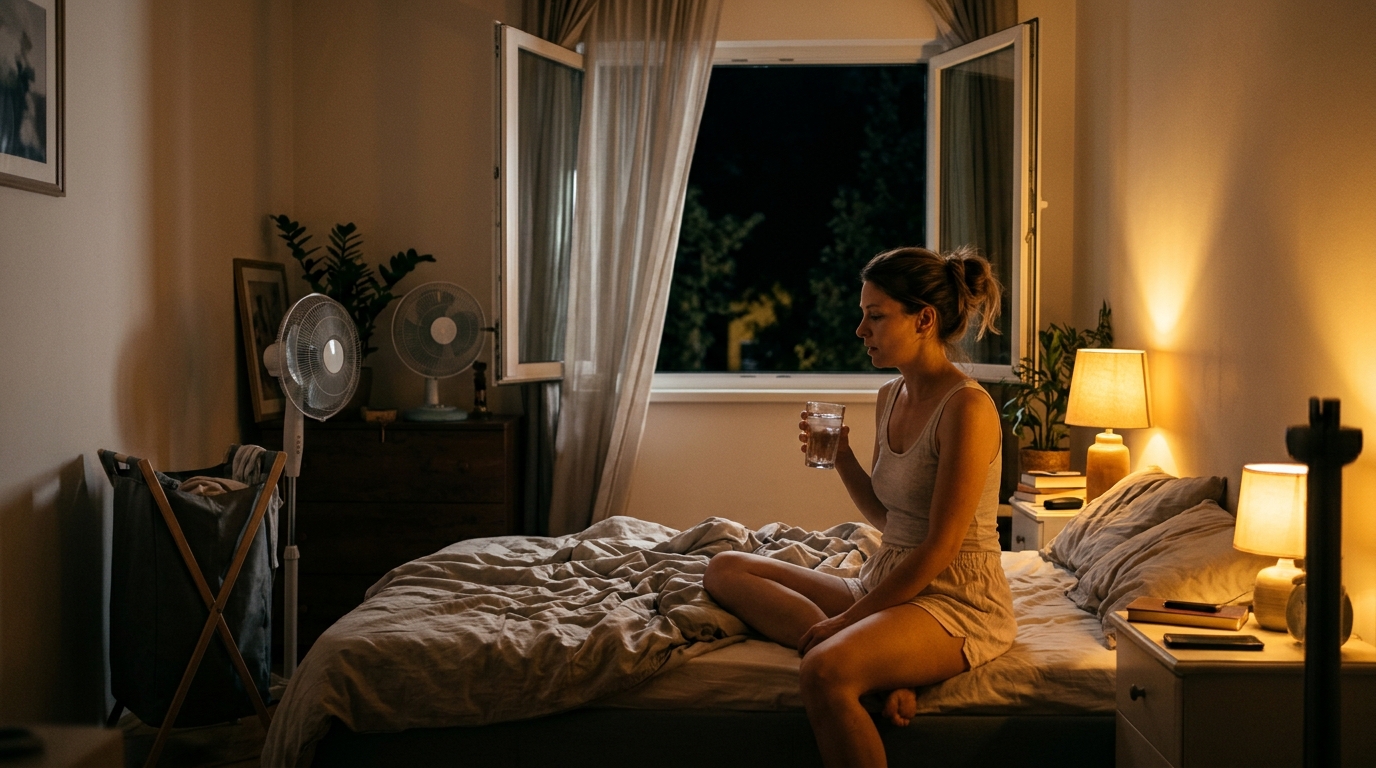
South-facing bedrooms soak up solar heat all day and then release it right when you are trying to fall asleep, leaving you tossing in a room that can run 5 to 8 degrees warmer than the rest of the house. A mix of smart window management, nighttime ventilation, and a few targeted upgrades can drop bedroom temperatures noticeably without cranking the AC all night.
If your utility charges more for electricity in the late afternoon and evening, running your dishwasher, dryer, and EV charger at the wrong hour quietly inflates your bill every month. Shifting those loads to overnight off-peak hours can save a typical household $150 to $300 a year with no new equipment and no change in comfort.
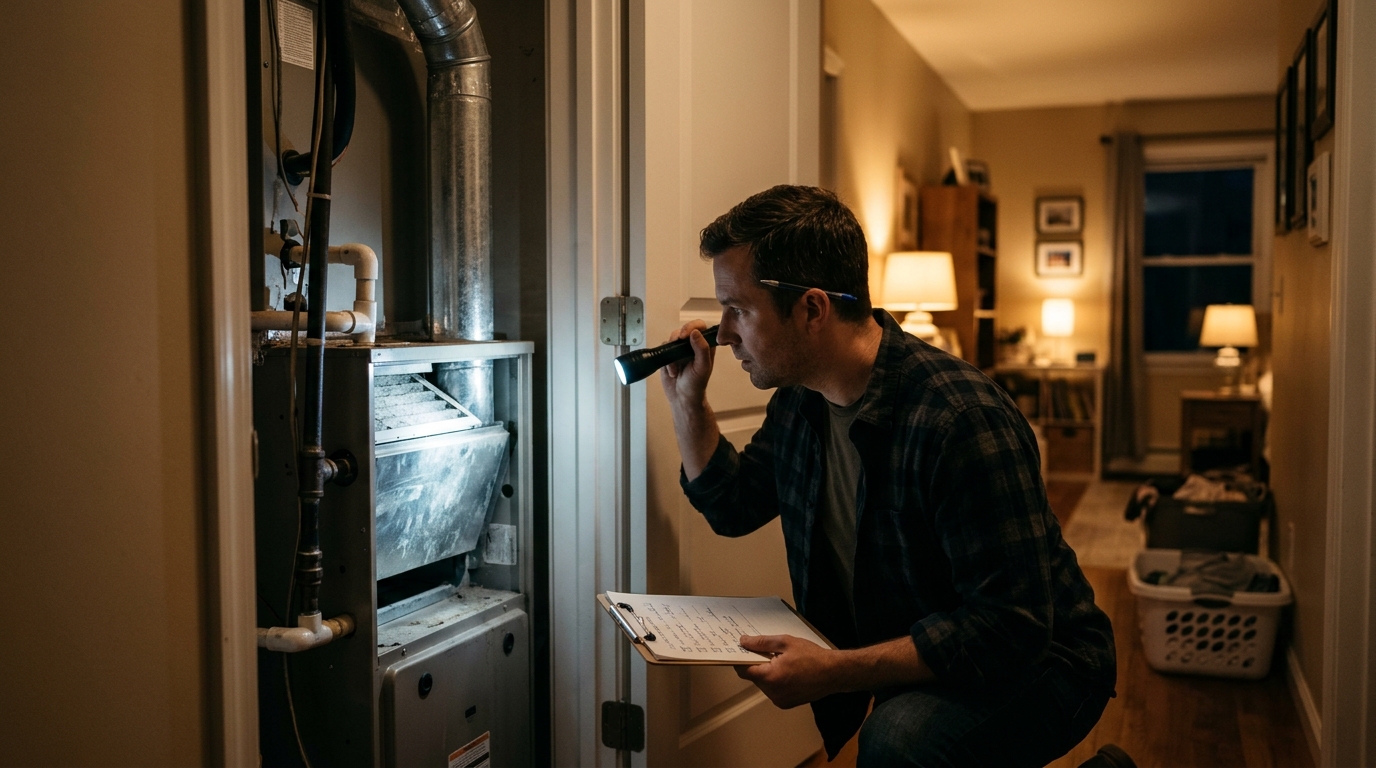
Most mid-summer AC failures at 2 AM come from small, preventable issues like clogged filters, dirty coils, and blocked drain lines. A simple checklist done before the heat wave hits can cut cooling costs by 5 to 15% and dramatically lower your odds of a sweaty emergency call.
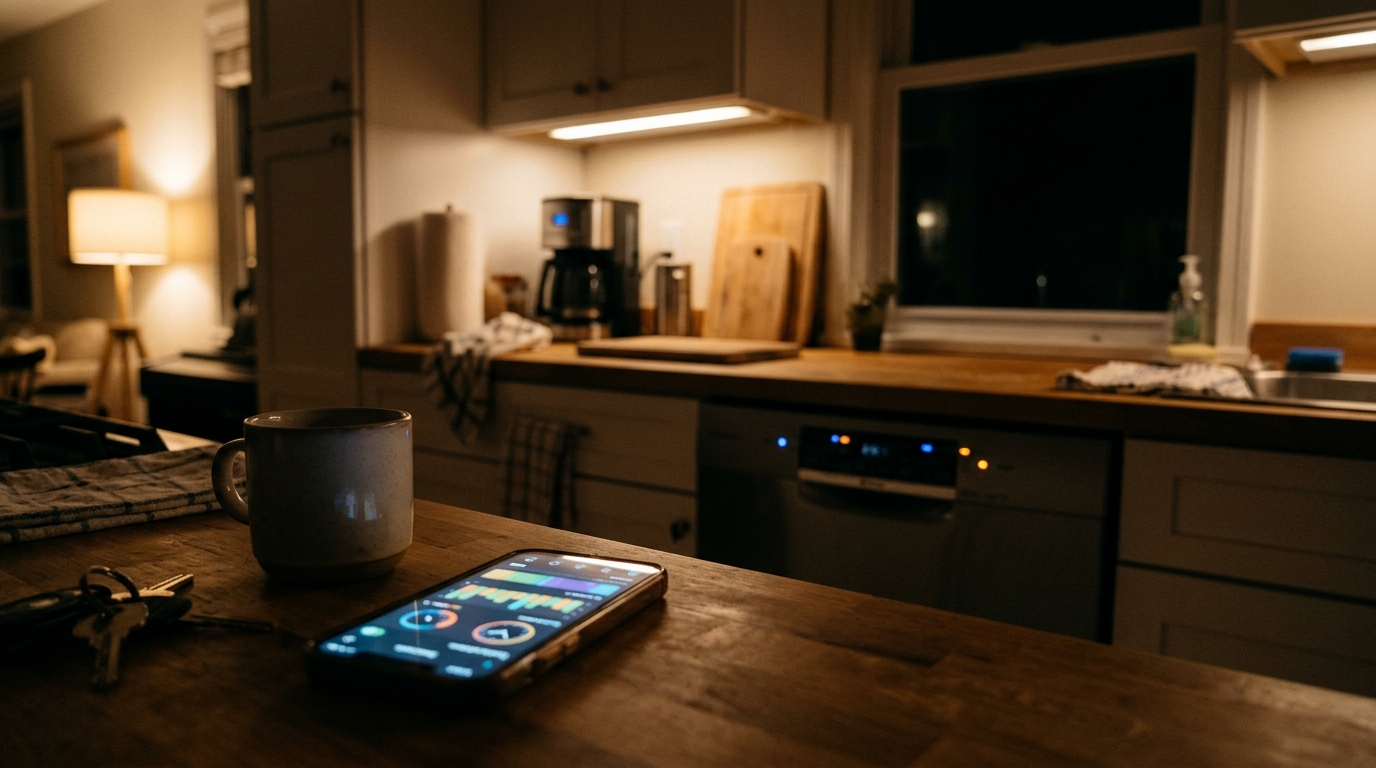
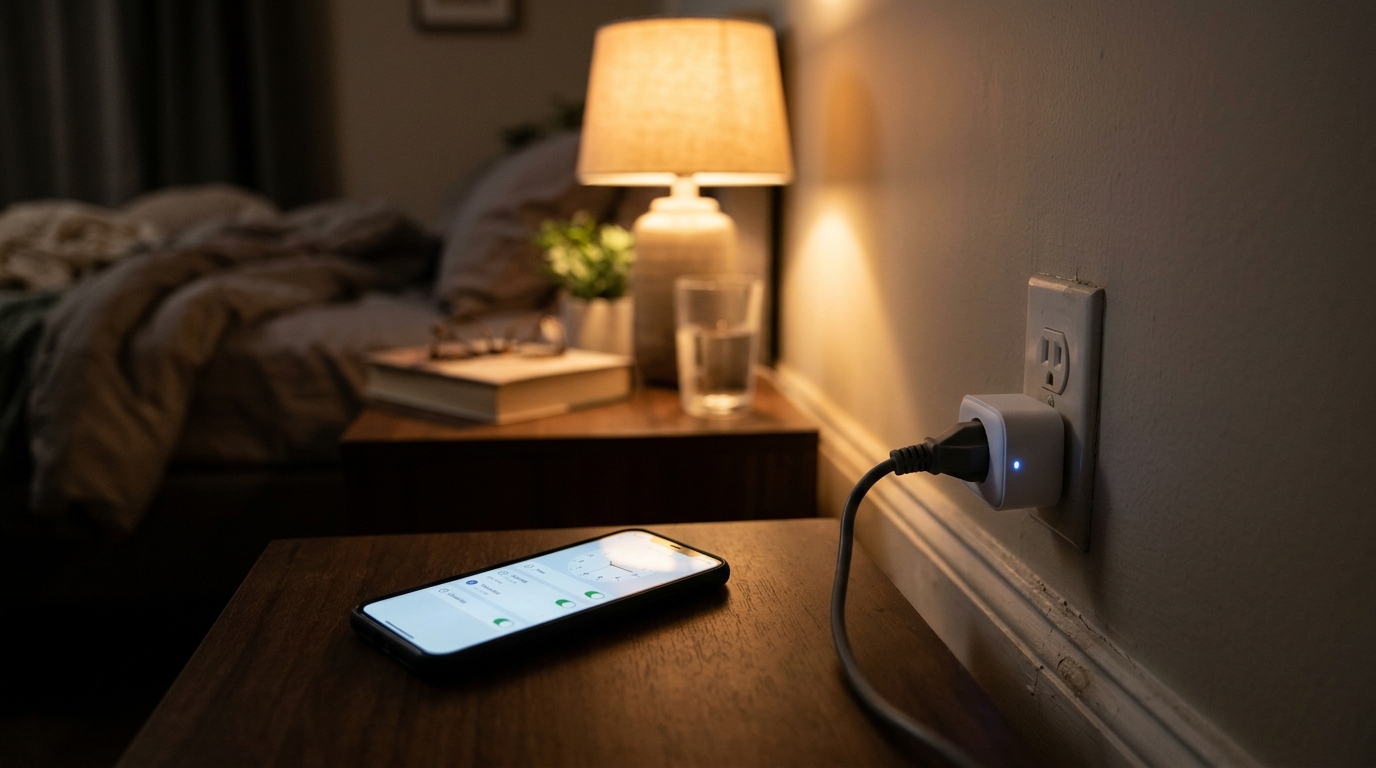
If your utility charges more for electricity in the late afternoon and evening, running flexible appliances at the wrong time quietly inflates your bill. A $10 to $25 smart plug paired with a simple schedule can move that usage to cheaper hours without you changing your daily routine.
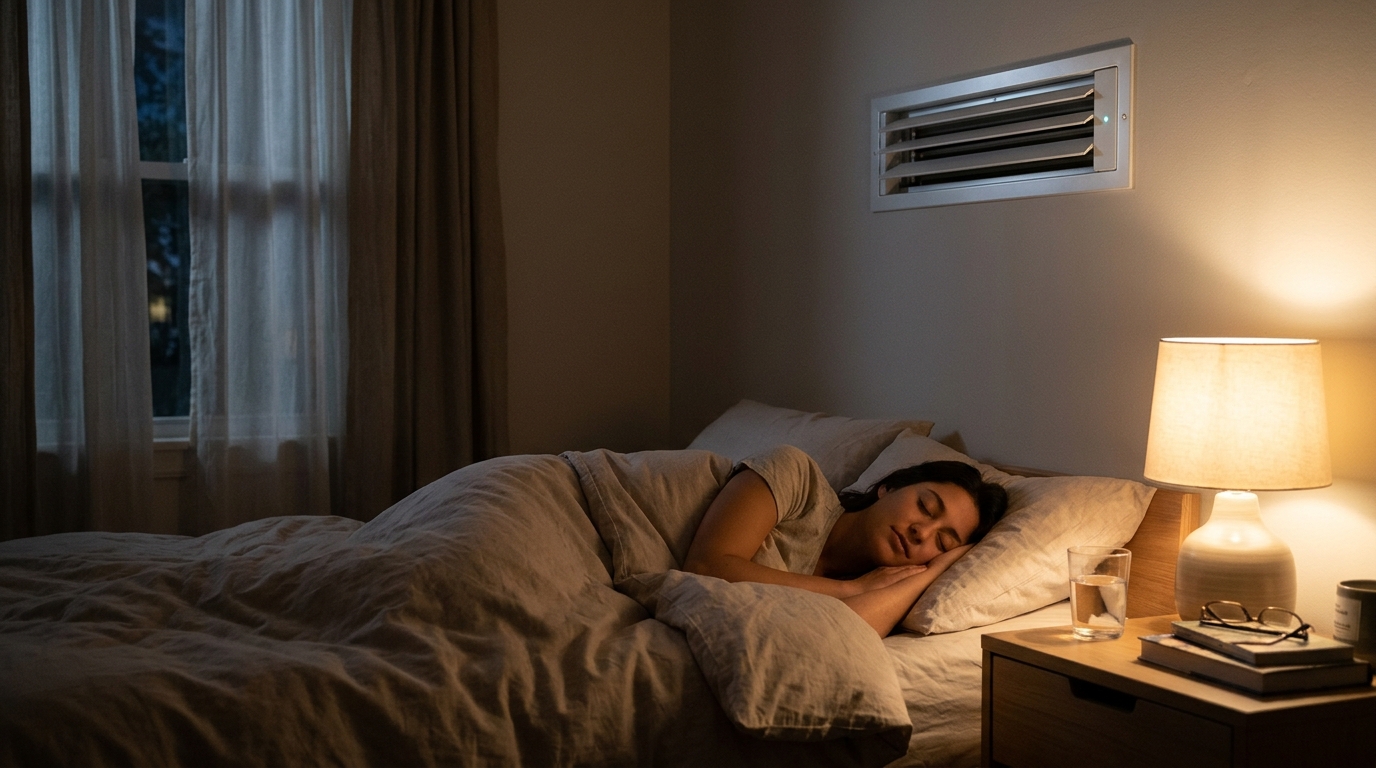
If your upstairs bedrooms are stuffy at midnight while the living room downstairs is an icebox, your ductwork is sending air where nobody needs it. Smart vent dampers let you steer conditioned air toward occupied rooms overnight, which can trim 10 to 20% off heating and cooling costs while fixing hot and cold spots.