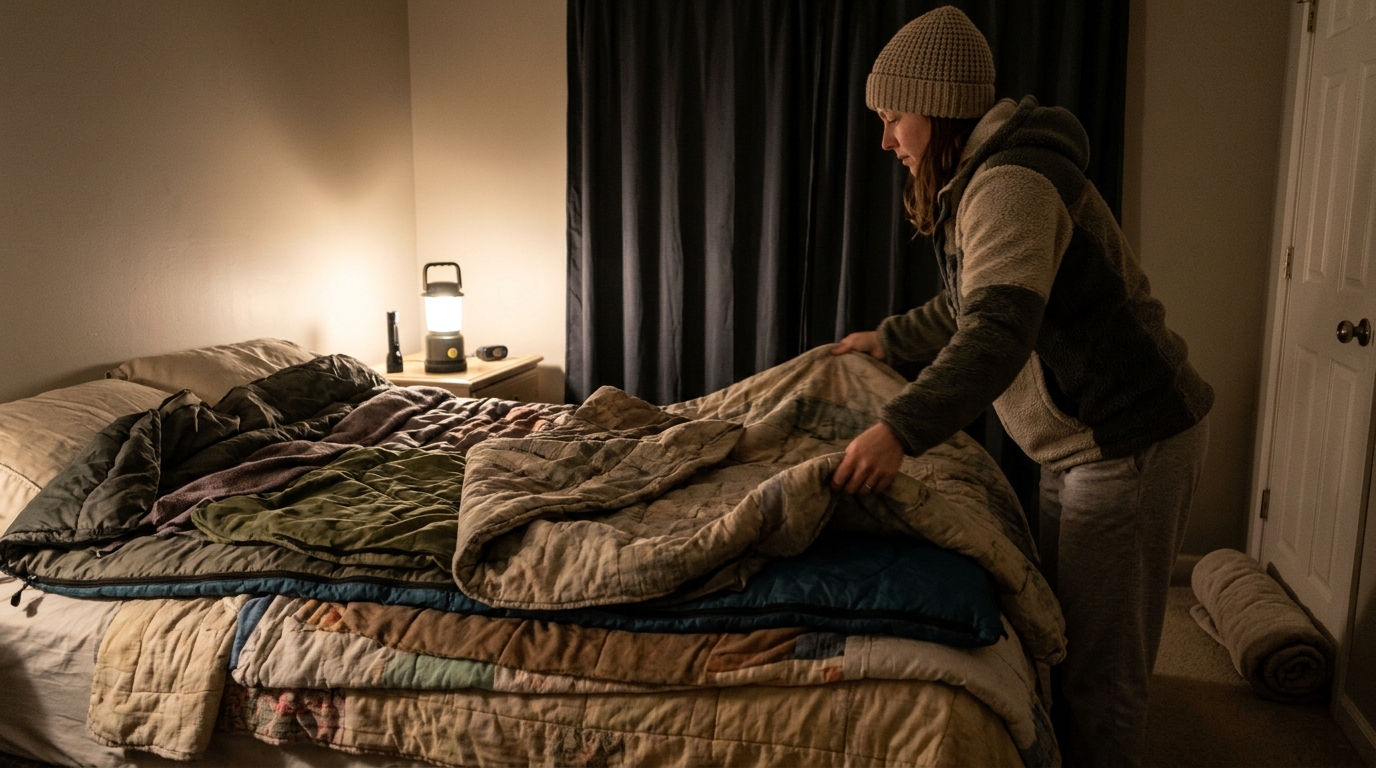
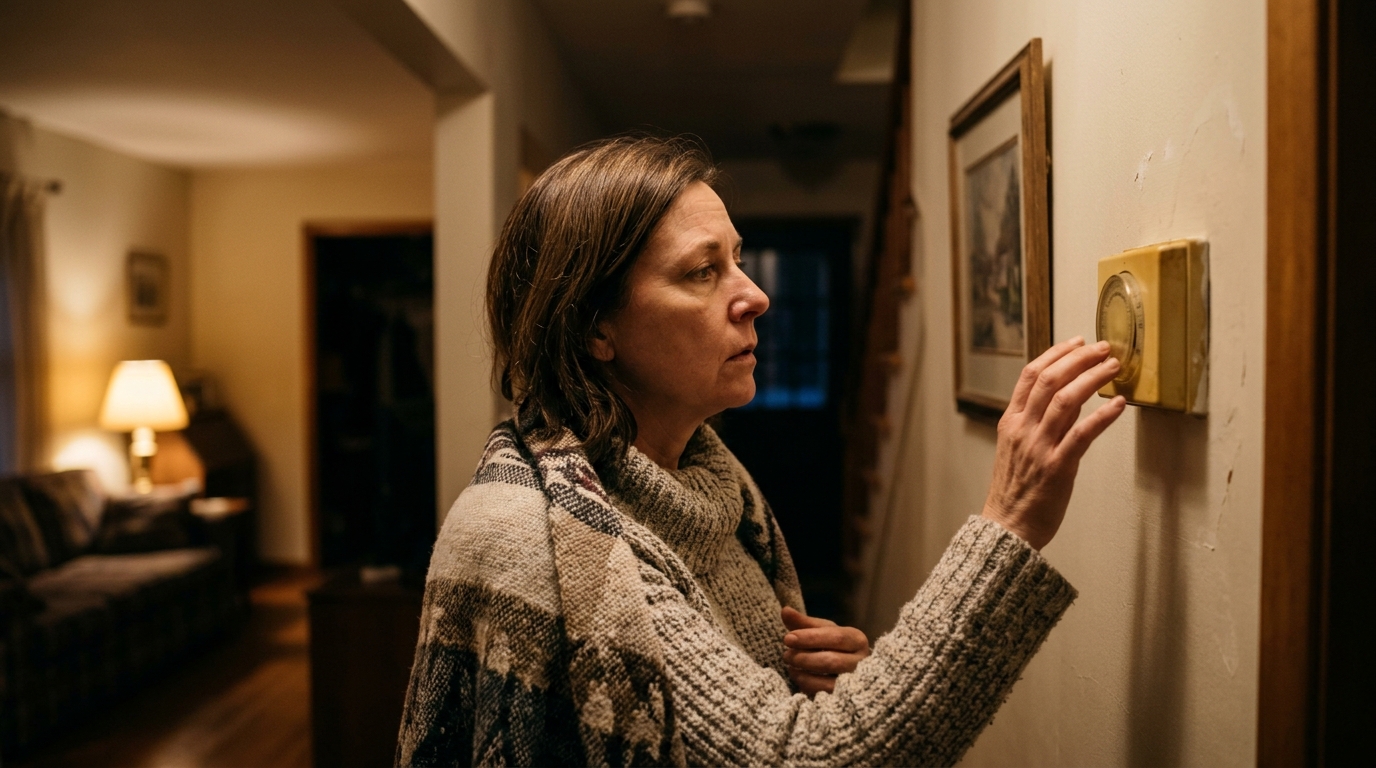
A winter outage at 2 a.m. can drop an average home from 68 degrees to the 40s within 12 to 24 hours, and most homeowners have no plan beyond blankets. A layered backup heat setup, from a no-cost warm-room strategy to a properly installed vented heater, keeps your family safe and your pipes intact when the grid goes down.
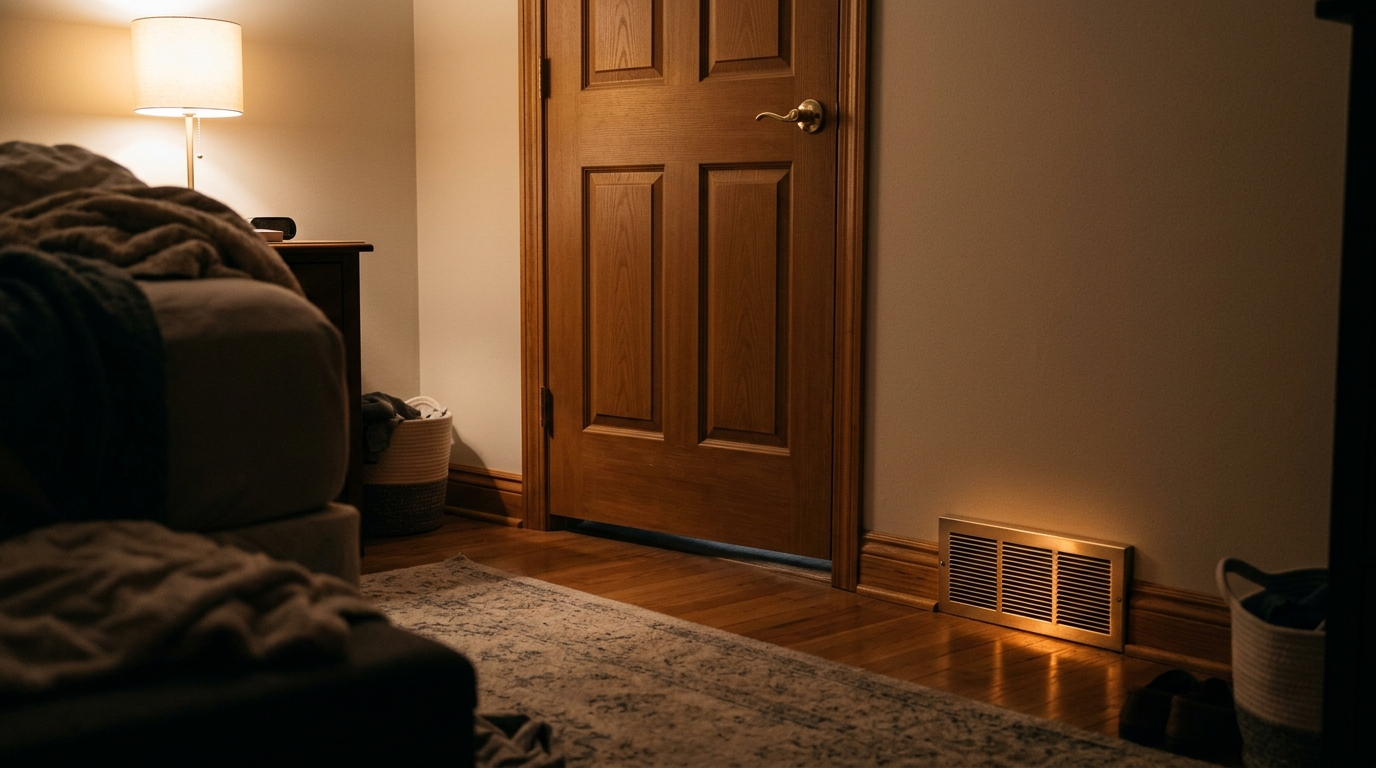
Shutting bedroom doors for privacy and quiet can quietly turn your HVAC system into a pressure-fighting, energy-wasting machine. A few simple airflow fixes can restore comfort and trim your heating and cooling bills by up to 10 to 15%.
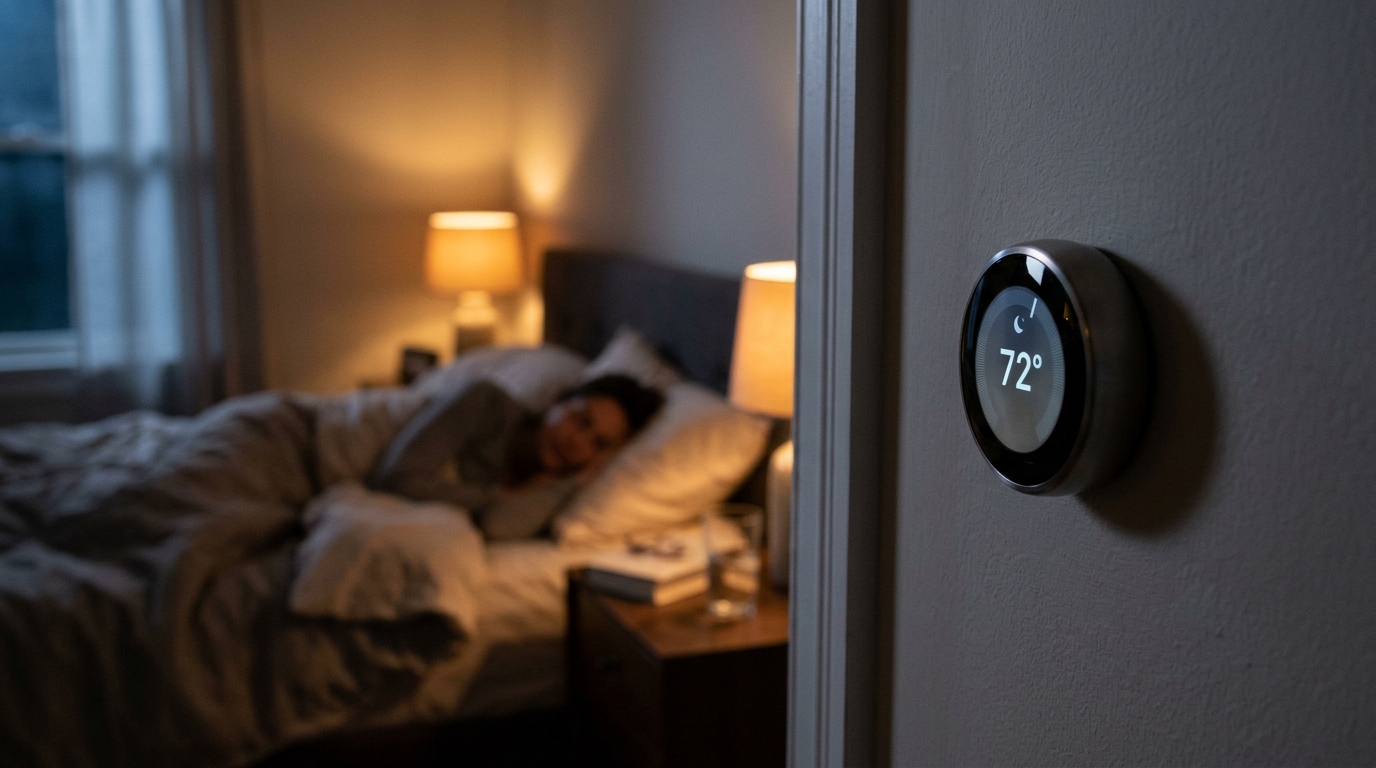
Most homeowners cool an empty or sleeping house to the same temperature they use when awake, wasting 8 to 12 hours of cooling every day. A smart thermostat’s learning mode can fix this automatically by building a schedule around your sleep and wake patterns, trimming cooling costs by roughly 8 to 15%.
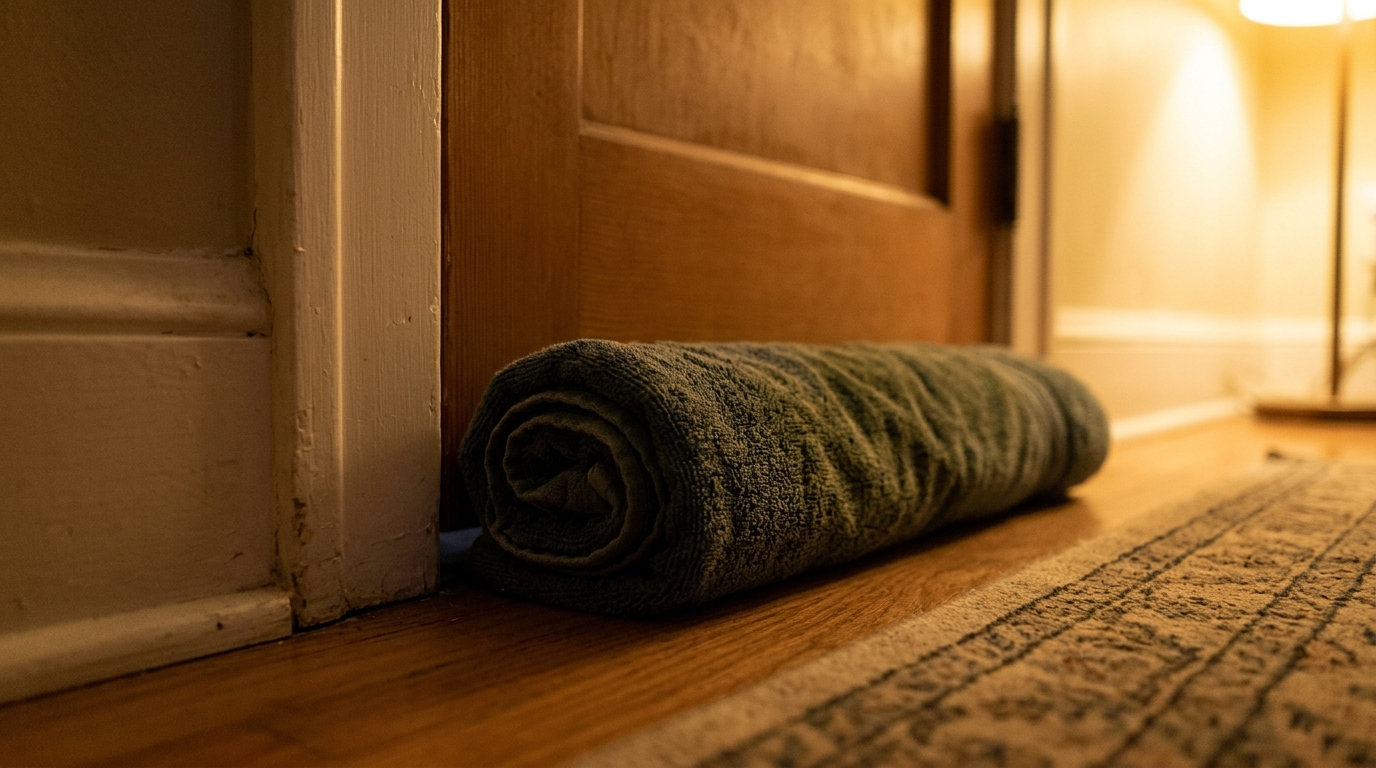
That gap under your exterior door can leak as much air as a window left cracked open, and most people fix it with an overpriced stopper that barely seals. A rolled towel, a rice-filled sock, or a $10 door sweep can do the job better when you match the fix to the gap.
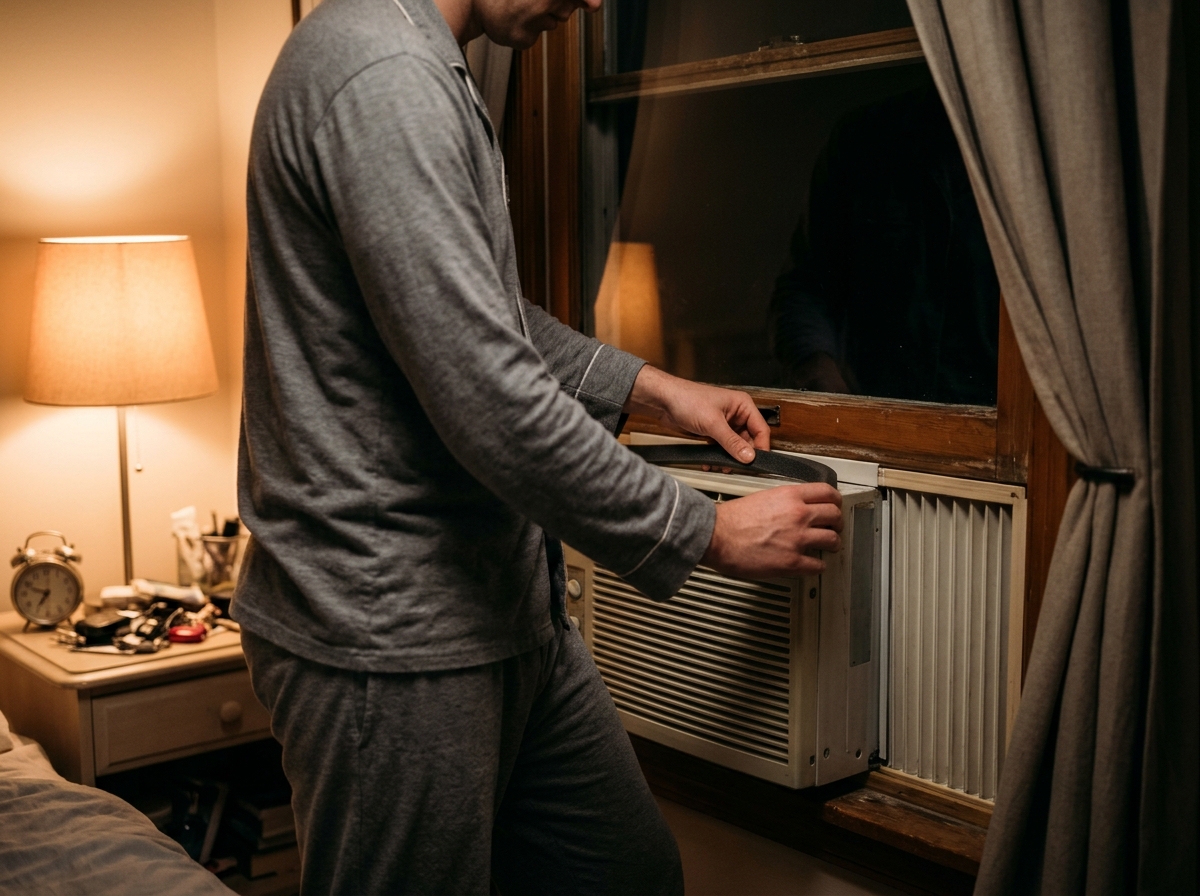
A rattling window AC is rarely a sign of a dying unit. It is usually loose mounting, vibrating panels, or a poor window seal that you can fix in under an hour with a few dollars in supplies.
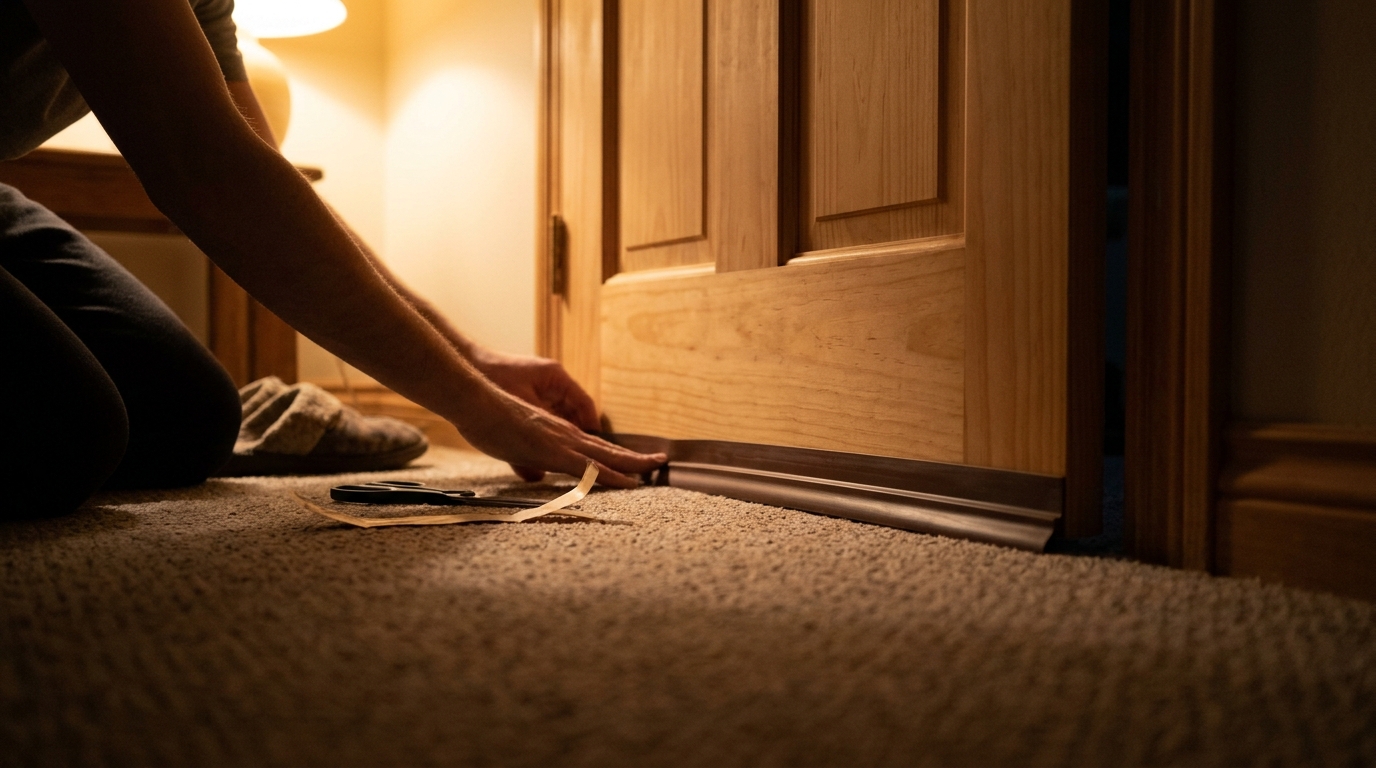
That cold ribbon of air creeping across your floor at night is conditioned air escaping and outdoor air sneaking in through a gap you can often fit a pencil through. Sealing the bottom of exterior doors takes under an hour, costs $10 to $40, and typically pays for itself within a single heating season.
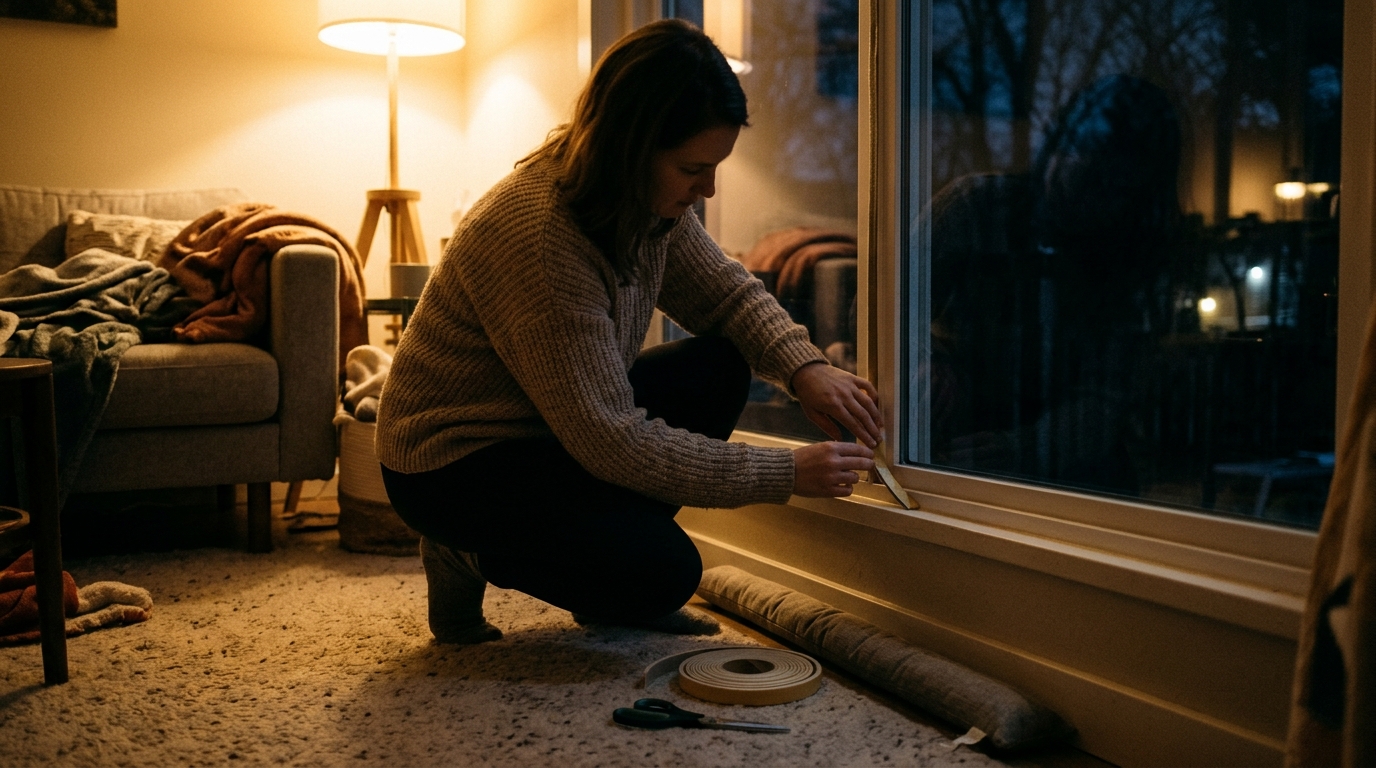
When the sun goes down, outdoor temperatures drop, your windows turn into cold plates, and your furnace works hardest just when you are least aware of it. A few targeted fixes can cut nighttime heat loss by 10 to 25% without replacing a single window.
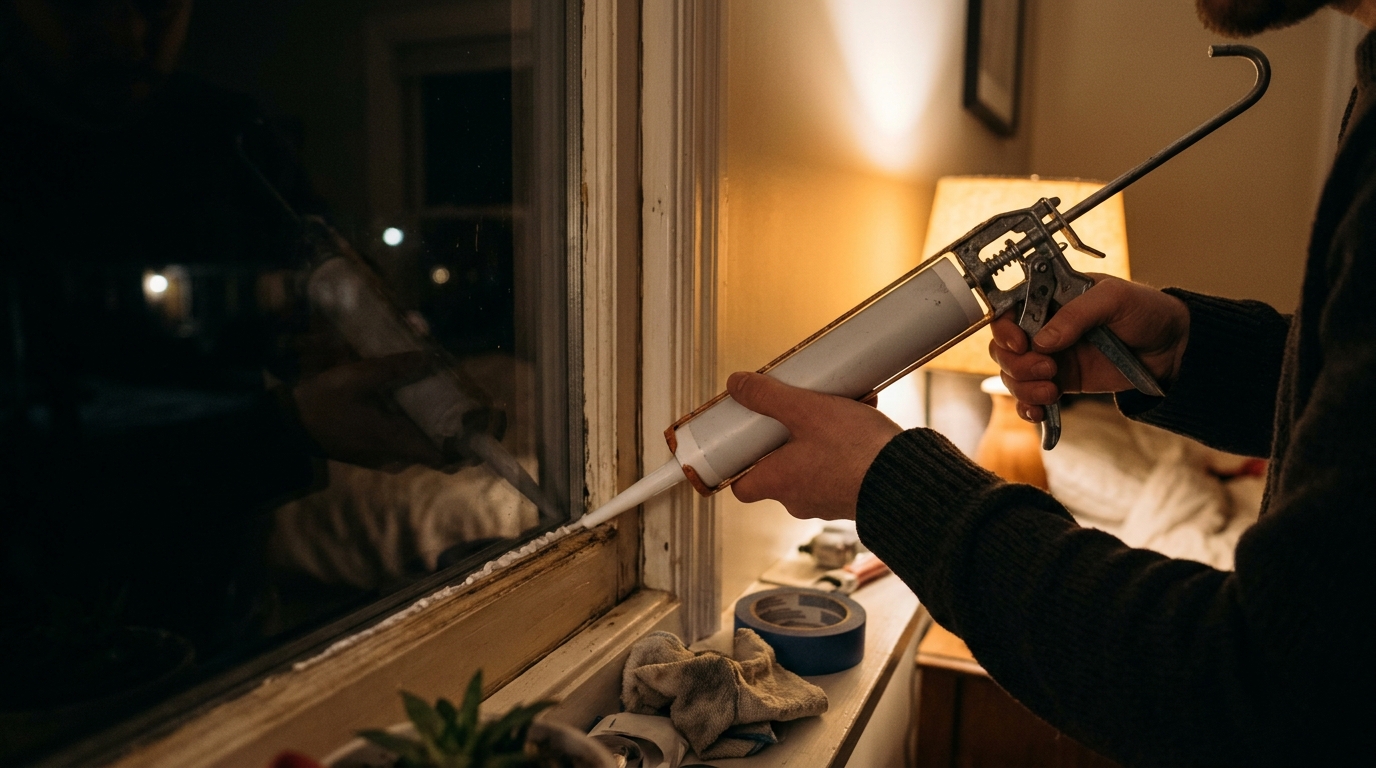
That faint whistle coming from your window at night is air leaking through a gap, which means you are paying to heat or cool the outdoors. A tube of caulk and half an hour can silence the noise and trim the energy waste that comes with it.
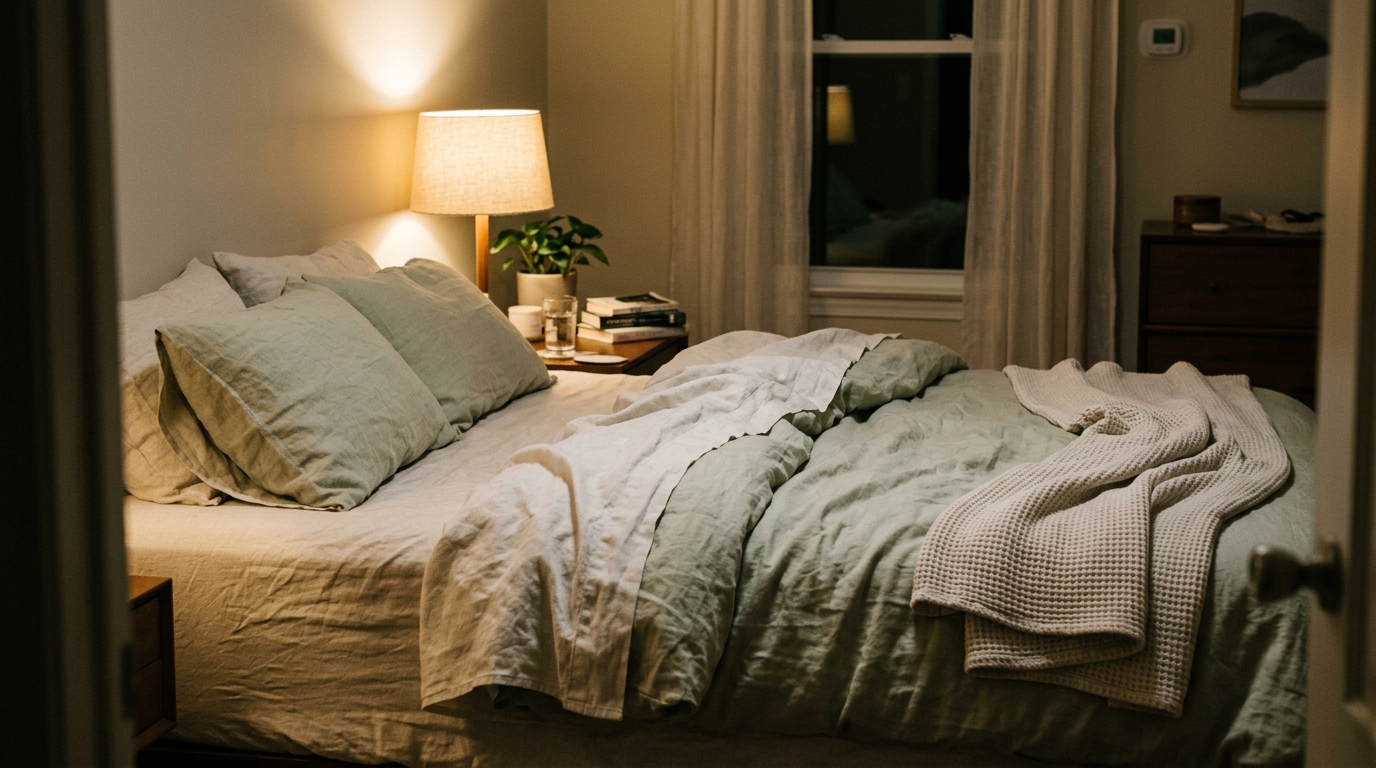
Heat trapped in your sheets and mattress can make a 72 degree bedroom feel like 78, driving you to crank the AC all night. Swapping to breathable bedding can improve sleep comfort immediately and let you raise your nighttime setpoint a few degrees, trimming cooling costs without sacrificing rest.
Furnaces rarely fail on mild days, they fail at 2 a.m. when it is 5 degrees outside and the system is running nonstop. Knowing how your furnace’s age changes its risk, and what to check before the next cold snap, can save you from an emergency repair bill and a frozen house.