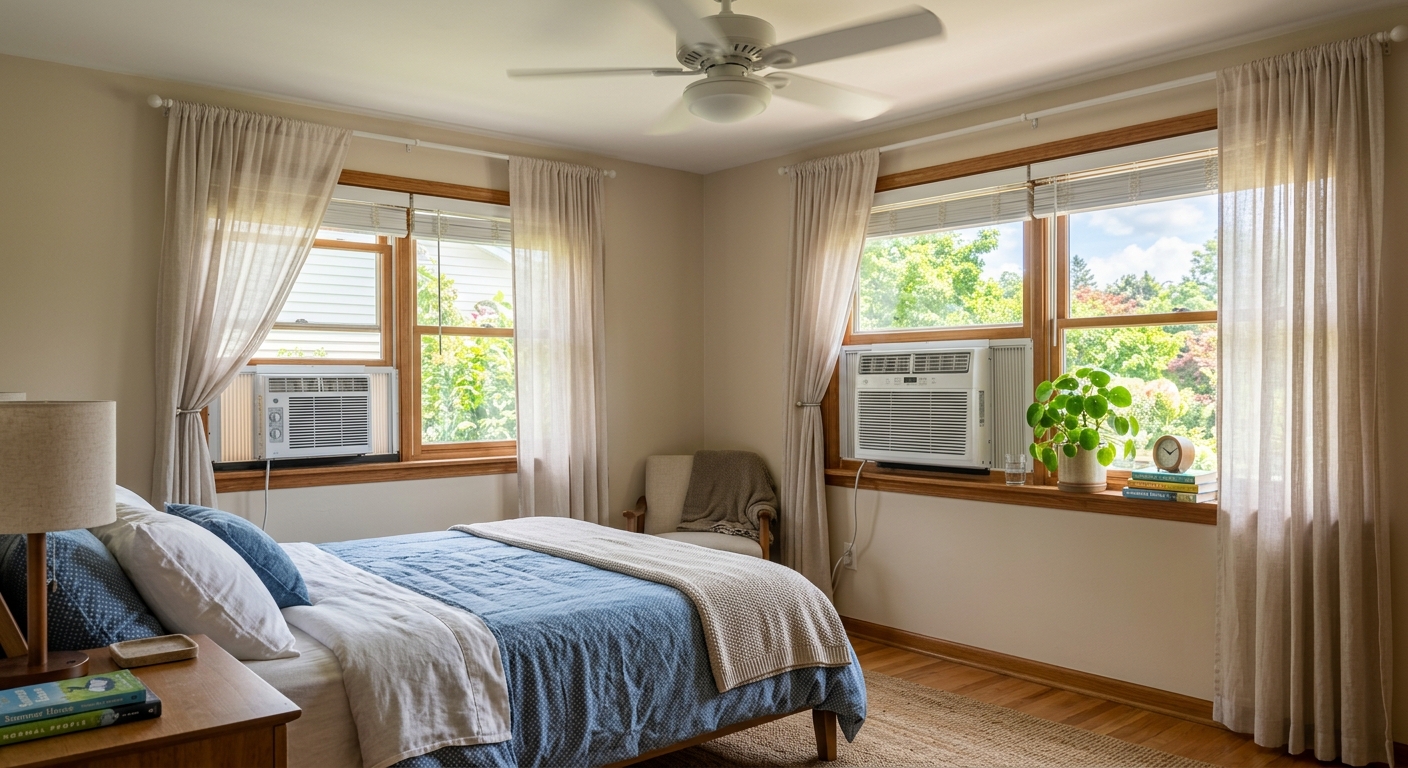
Window AC units are cheap to buy but can quietly drain $150 to $400 or more per summer depending on size, usage, and efficiency. Understanding exactly what drives that cost puts you in control of your bill before the heat even arrives.
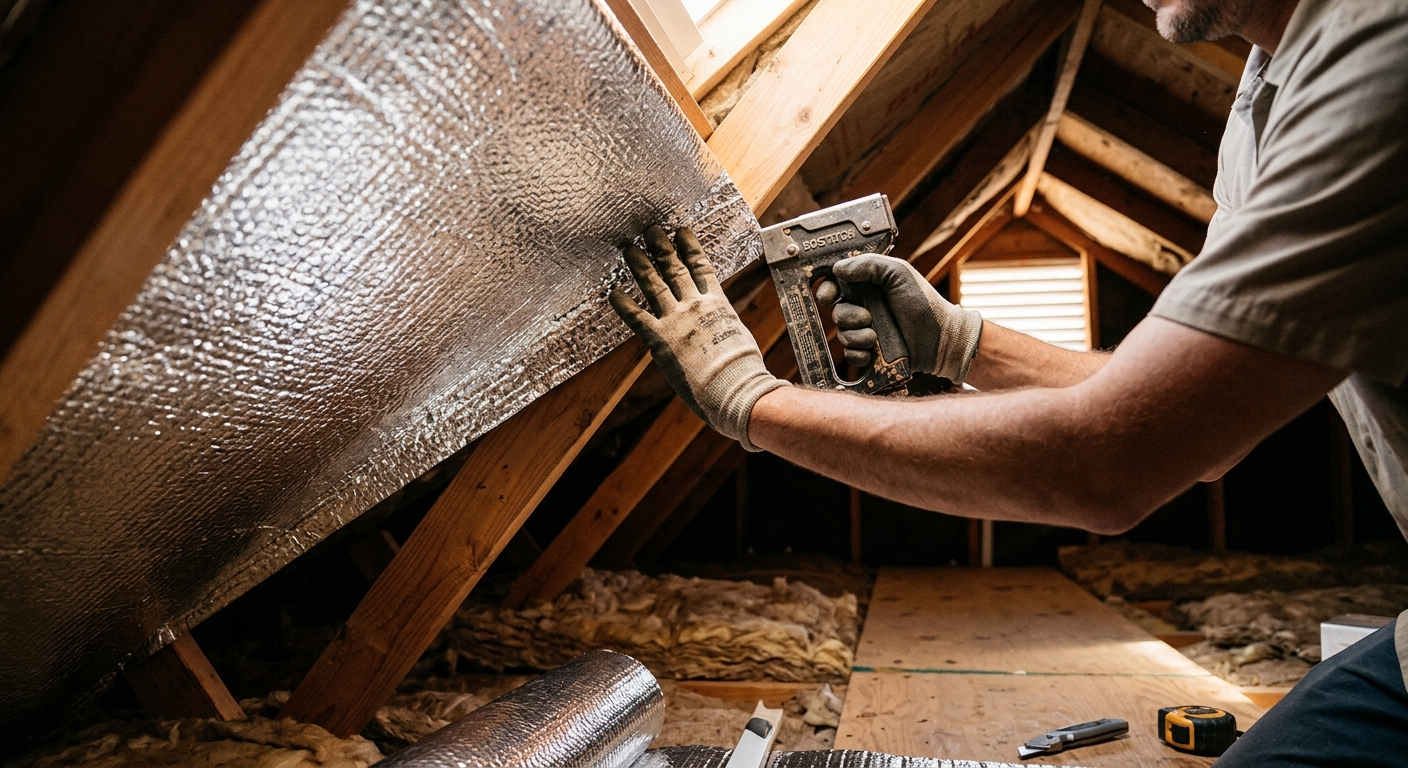
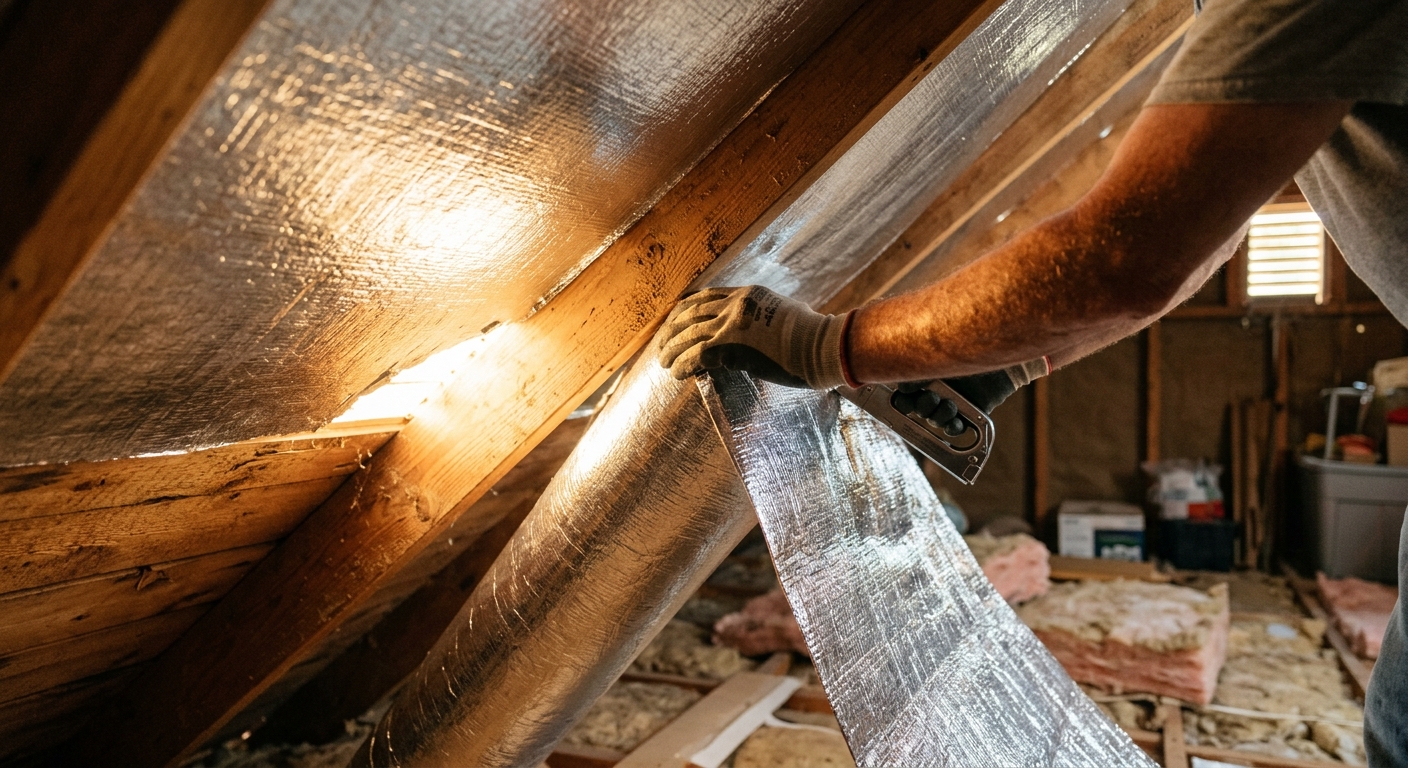
In hot climates, attic temperatures can soar past 150°F, turning your ceiling into a radiant heater that forces your AC to work overtime. A properly installed radiant barrier can cut attic heat gain by up to 97% and reduce cooling costs by 5 to 17%, with payback periods as short as 2 to 3 years.
Unshaded walls and windows can make your AC work twice as hard during summer, driving up energy bills significantly. Strategic tree and shrub placement can cut cooling costs by up to 25%, with many plantings paying for themselves in under 10 years.
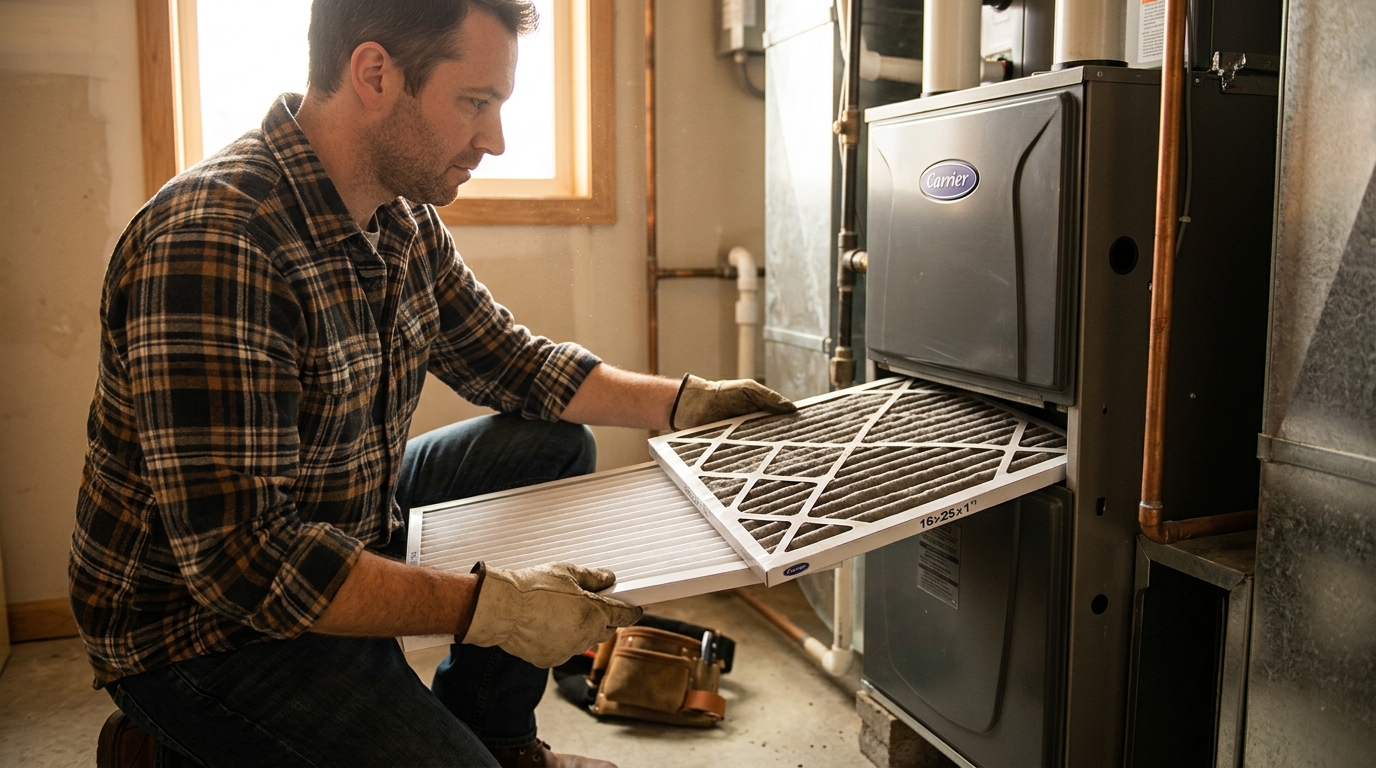
A clogged or wrong-sized HVAC filter forces your system to work harder, driving up energy bills by 15% or more. Learn how to check your filter, choose the right MERV rating, and fix the problem in under 15 minutes.
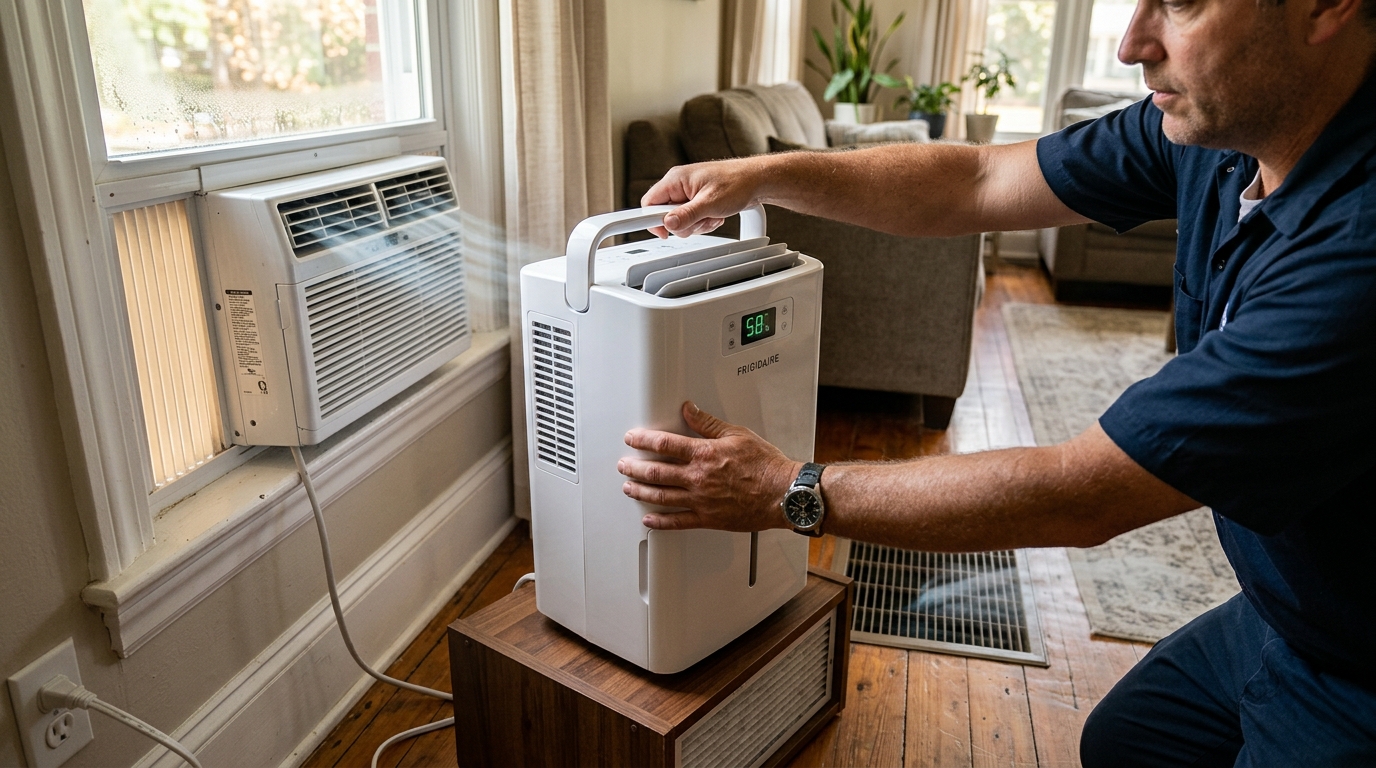
High indoor humidity forces your air conditioner to work overtime, raising bills and leaving rooms feeling sticky even at cool temperatures. Placing a dehumidifier strategically can cut your AC runtime by 10 to 20% and make 76°F feel as comfortable as 72°F.
In hot climates, attic temperatures can soar past 150°F and push massive heat loads into your living space, forcing your AC to work overtime. A radiant barrier installed in your attic can reflect up to 97% of that radiant heat, cutting cooling costs by 5 to 15% with a payback period as short as 2 to 3 years.
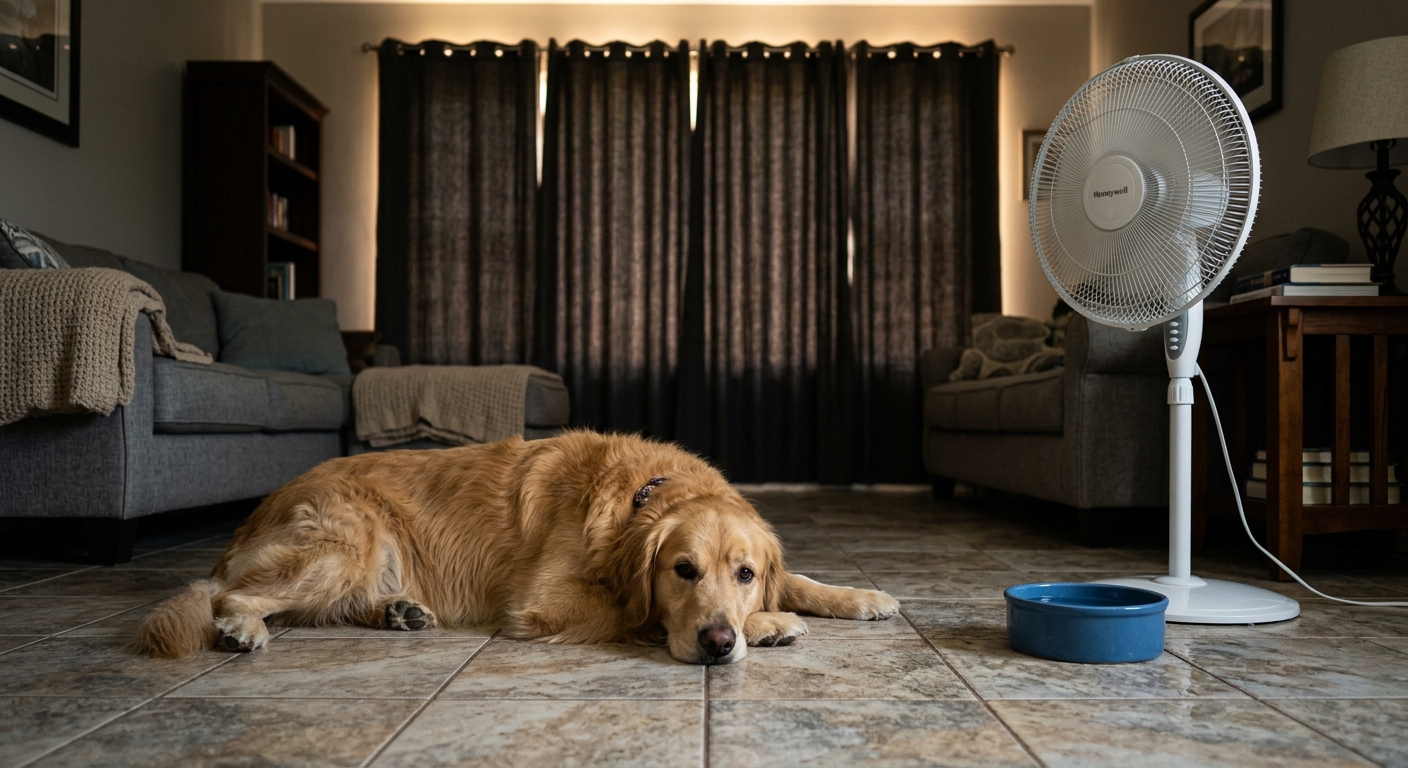
Leaving the AC blasting all day for your pets can add $50 to $150 to your summer electric bill, but it is rarely the only option. With the right combination of passive cooling, smart thermostat settings, and targeted upgrades, you can keep your dog or cat comfortable while cutting your cooling runtime significantly.
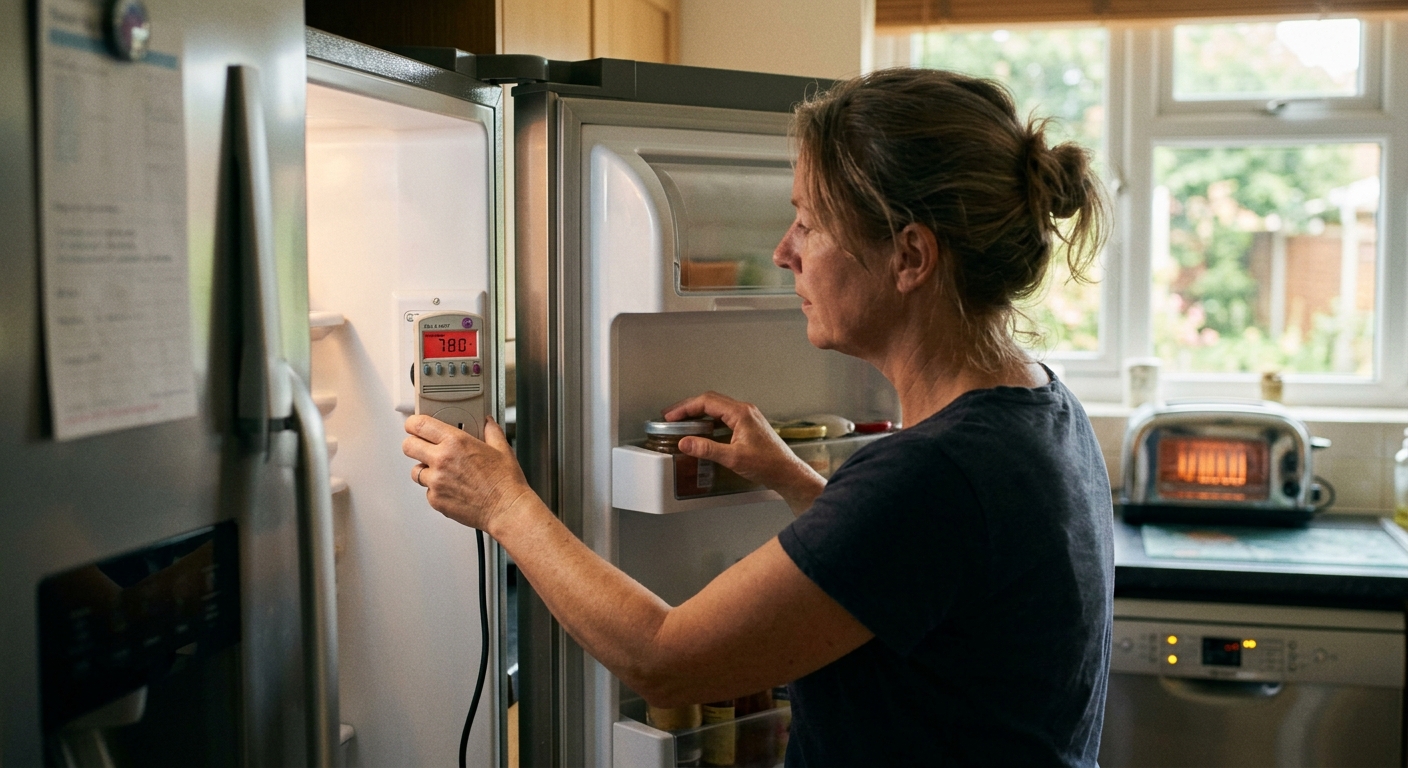
Your kitchen appliances may be working against your AC all summer long, quietly inflating your energy bills by hundreds of dollars. Learn which culprits generate the most heat, which swaps pay off fastest, and how to cook smarter without sacrificing comfort or convenience.
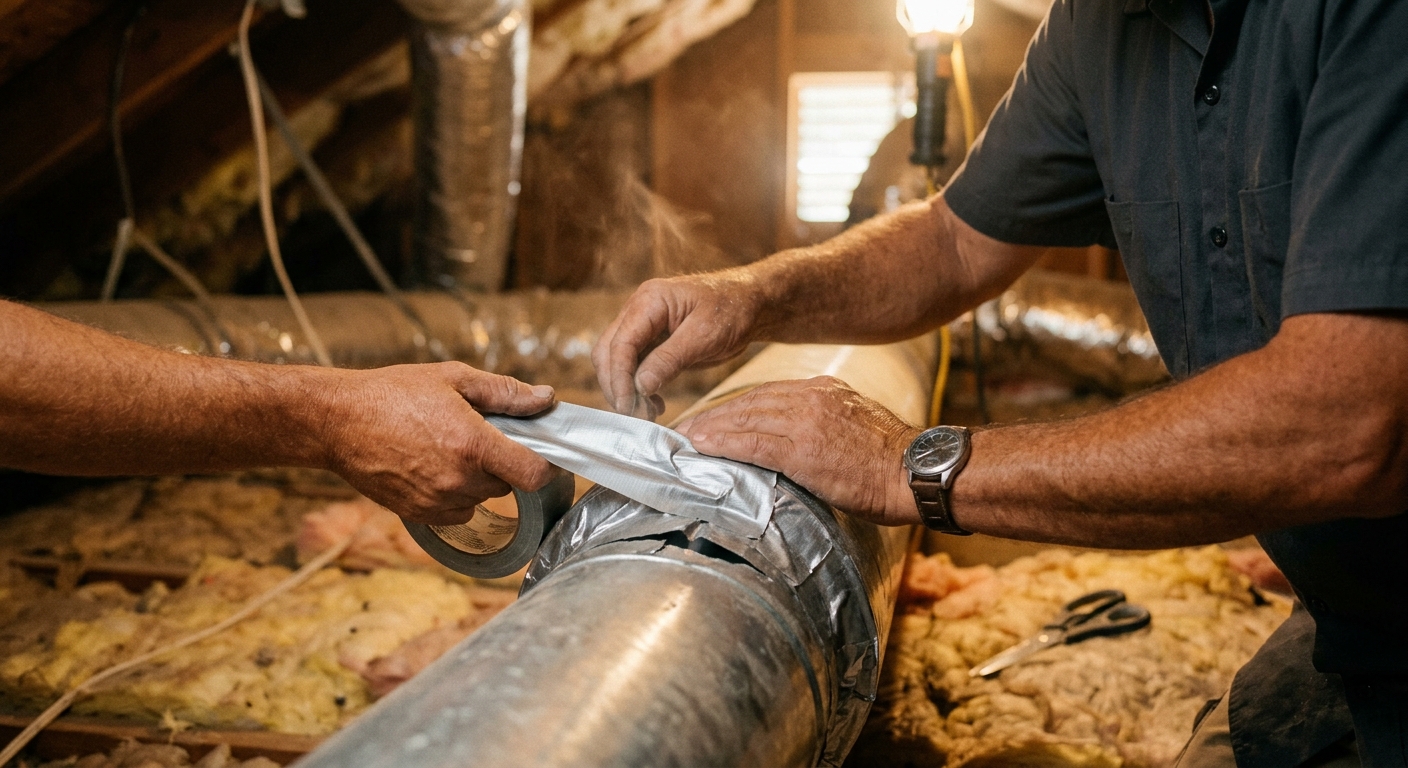
Most homeowners blame July’s sweltering temperatures for sky-high energy bills, but outdoor heat is only part of the story. Hidden factors like solar heat gain, poor thermostat habits, and air leaks are quietly multiplying your cooling costs, and fixing them is easier than you think.
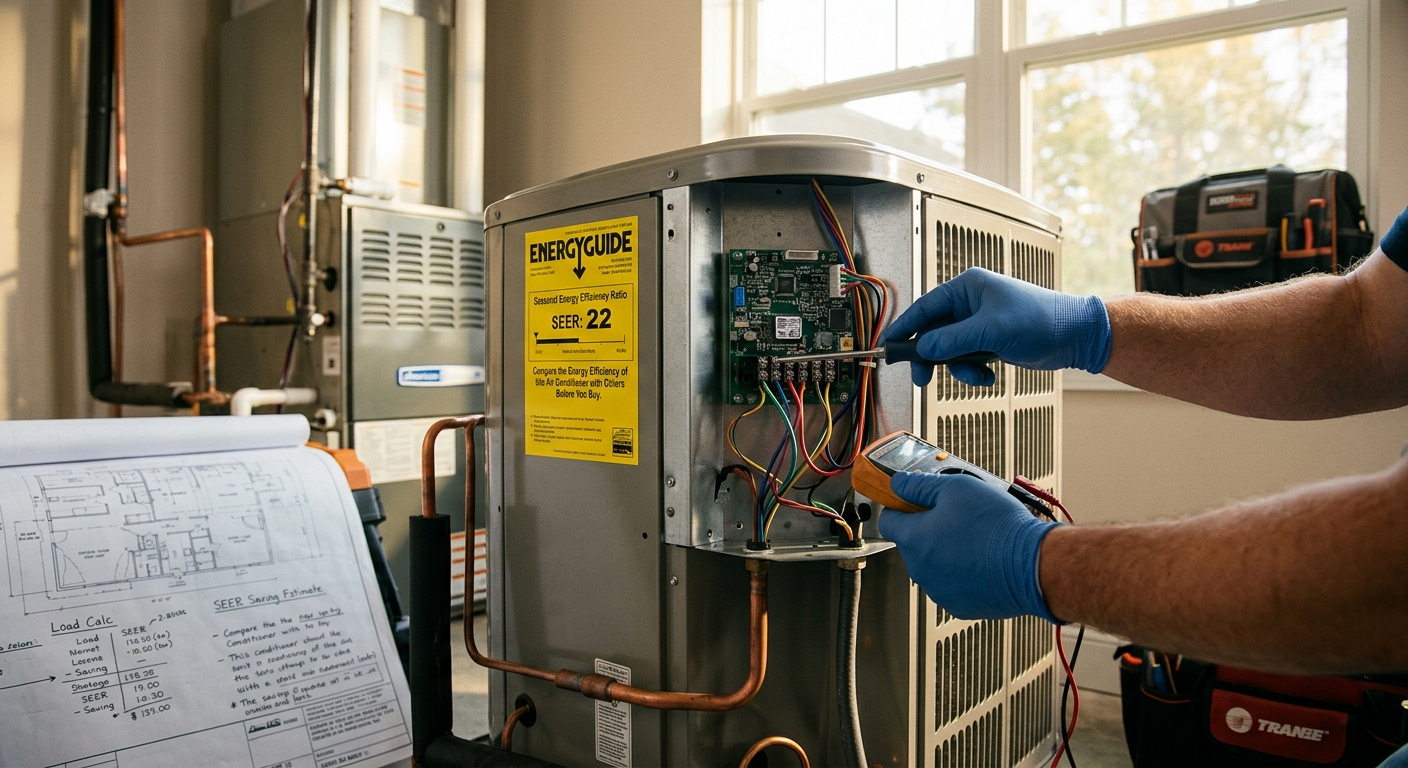
Most homeowners buy a new AC based on price alone, leaving hundreds of dollars in annual savings on the table. Understanding your SEER rating before you sign a quote can dramatically lower your long-term cooling costs and help you choose the right system for your climate.