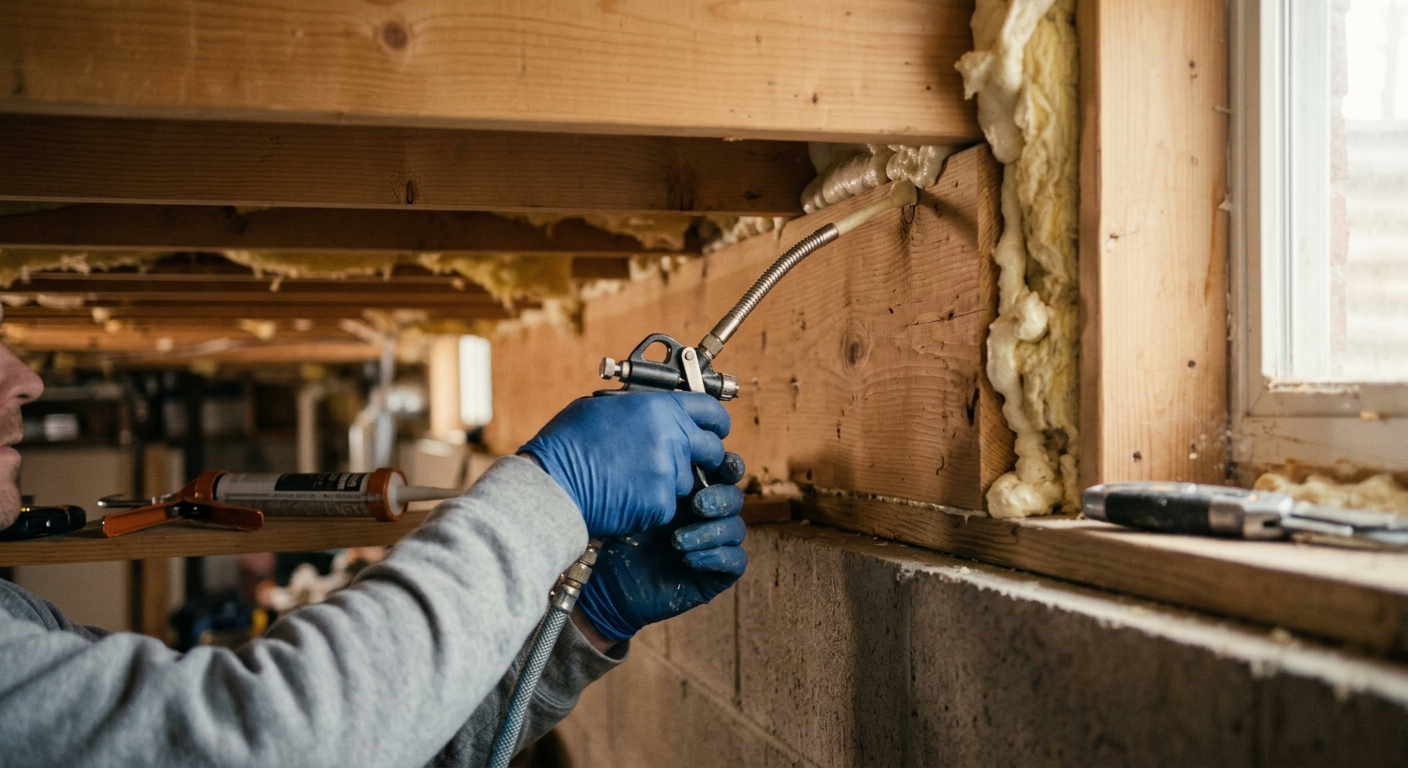
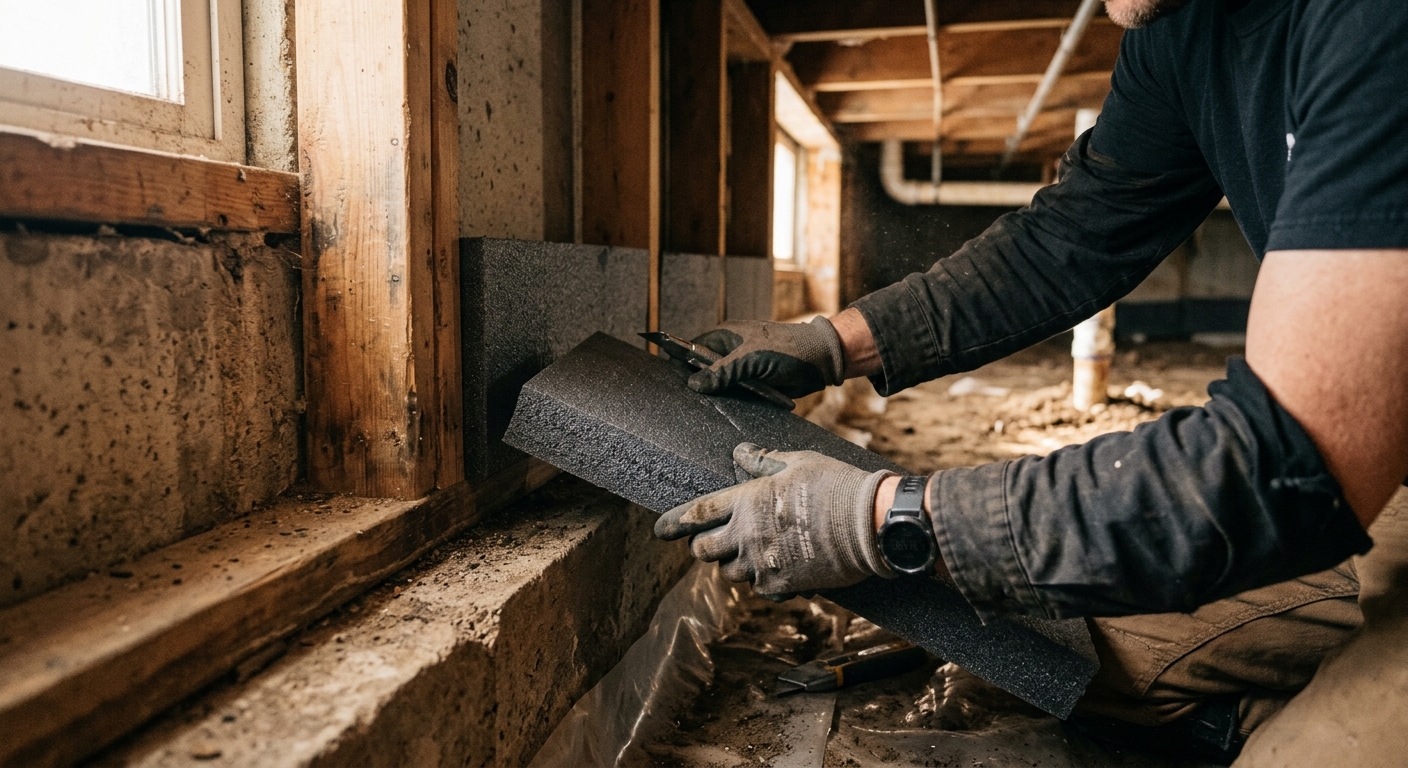
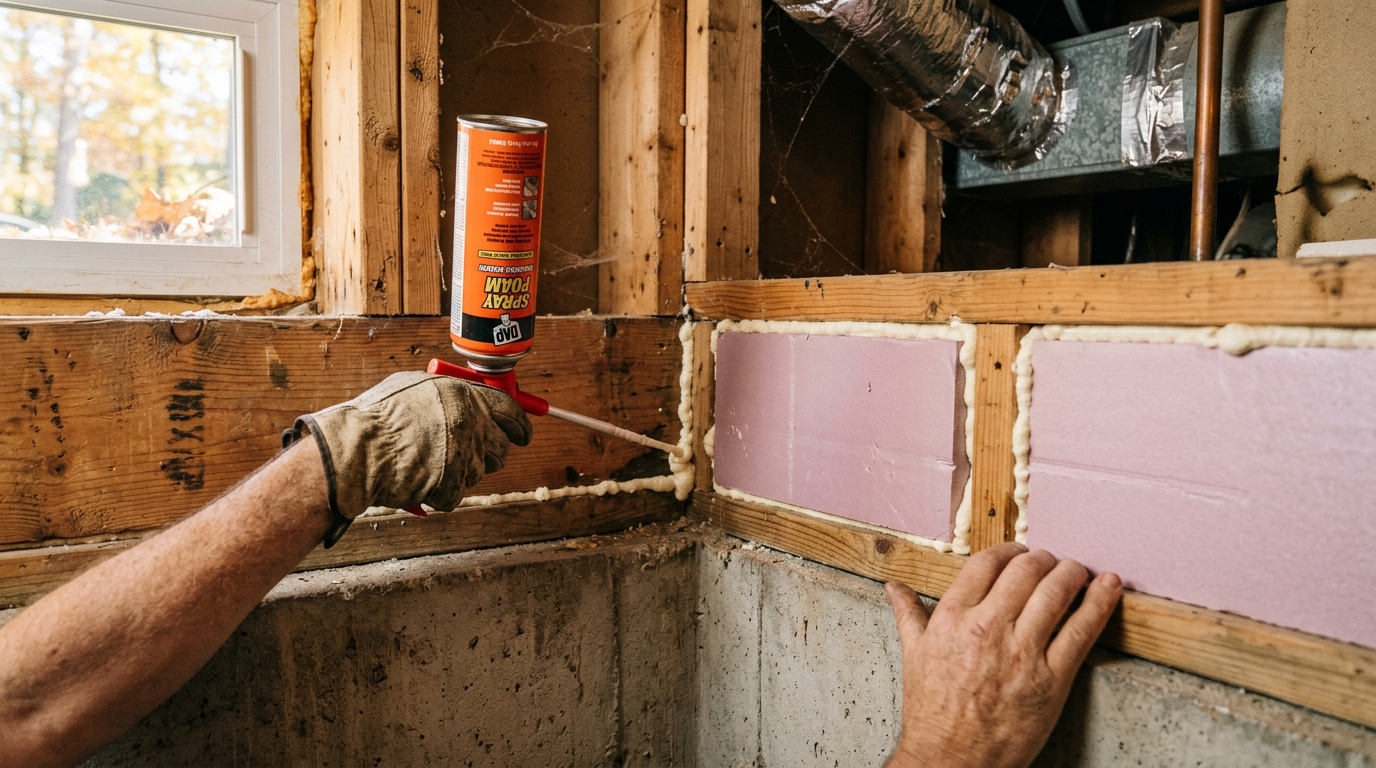
Rim joists are one of the most overlooked air leakage points in a home, responsible for up to 25% of a basement’s total heat loss. Sealing and insulating them with rigid foam takes just a few hours and can pay for itself in a single heating season.
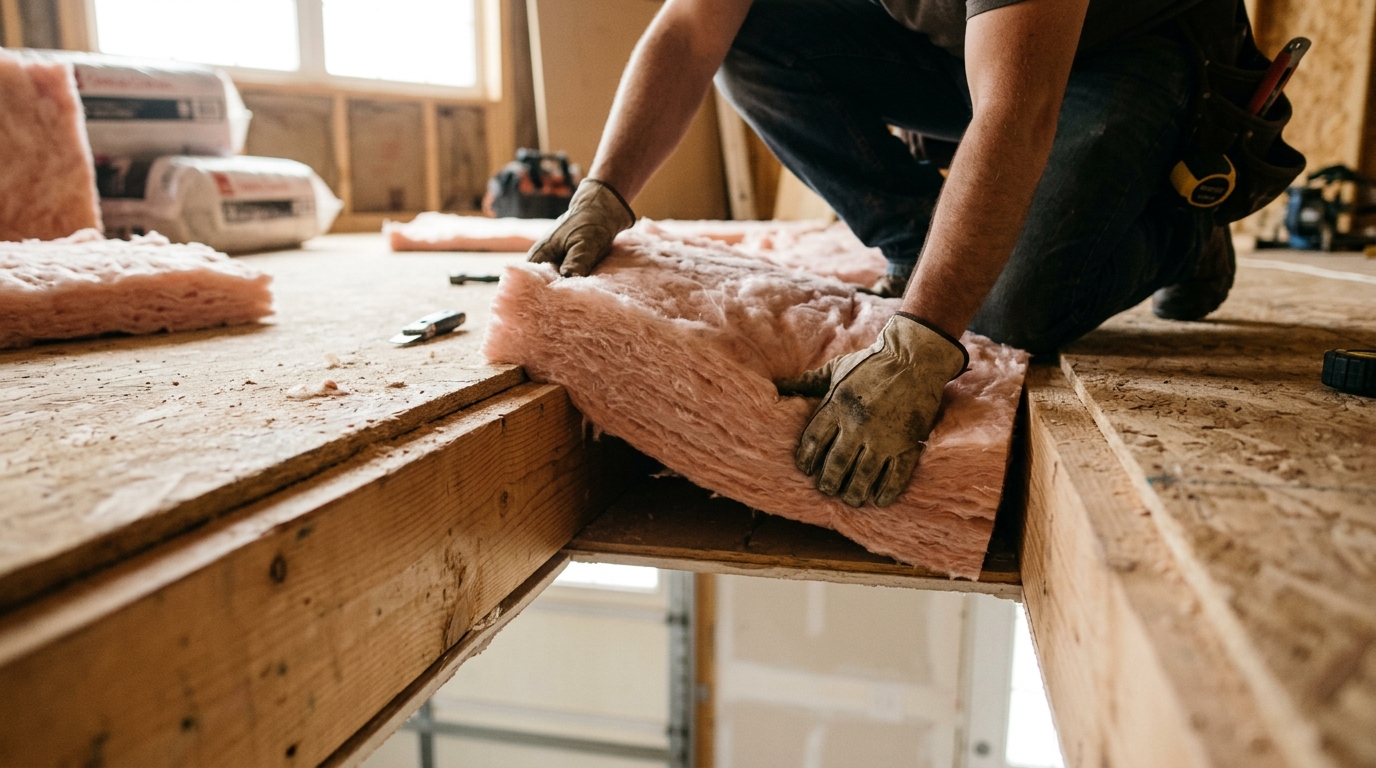
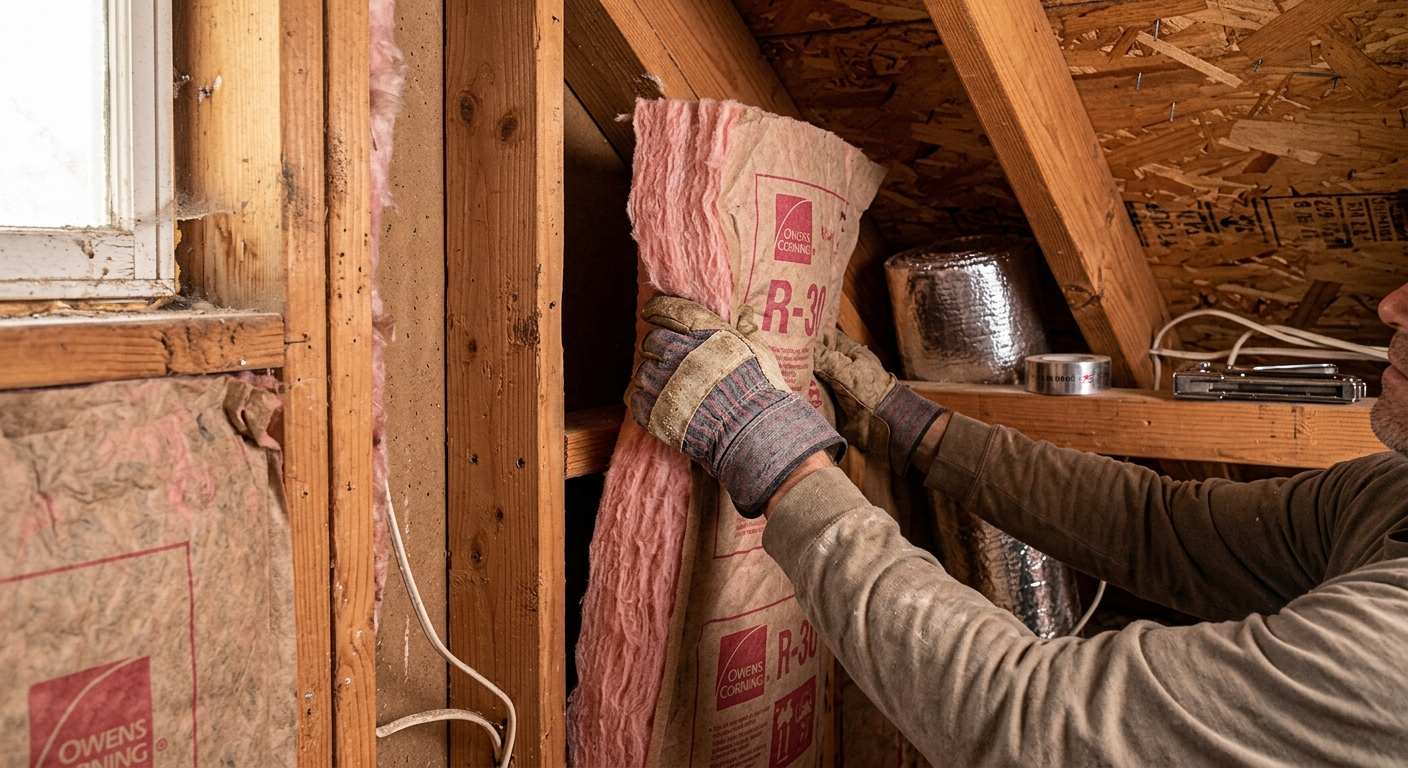
A bonus room above a garage is one of the most uncomfortable and energy-wasteful spaces in a home, thanks to the uninsulated garage ceiling below. Properly insulating the floor, walls, and knee walls of this room can cut heating and cooling costs by 20 to 30% for that zone and make the space genuinely livable year-round.
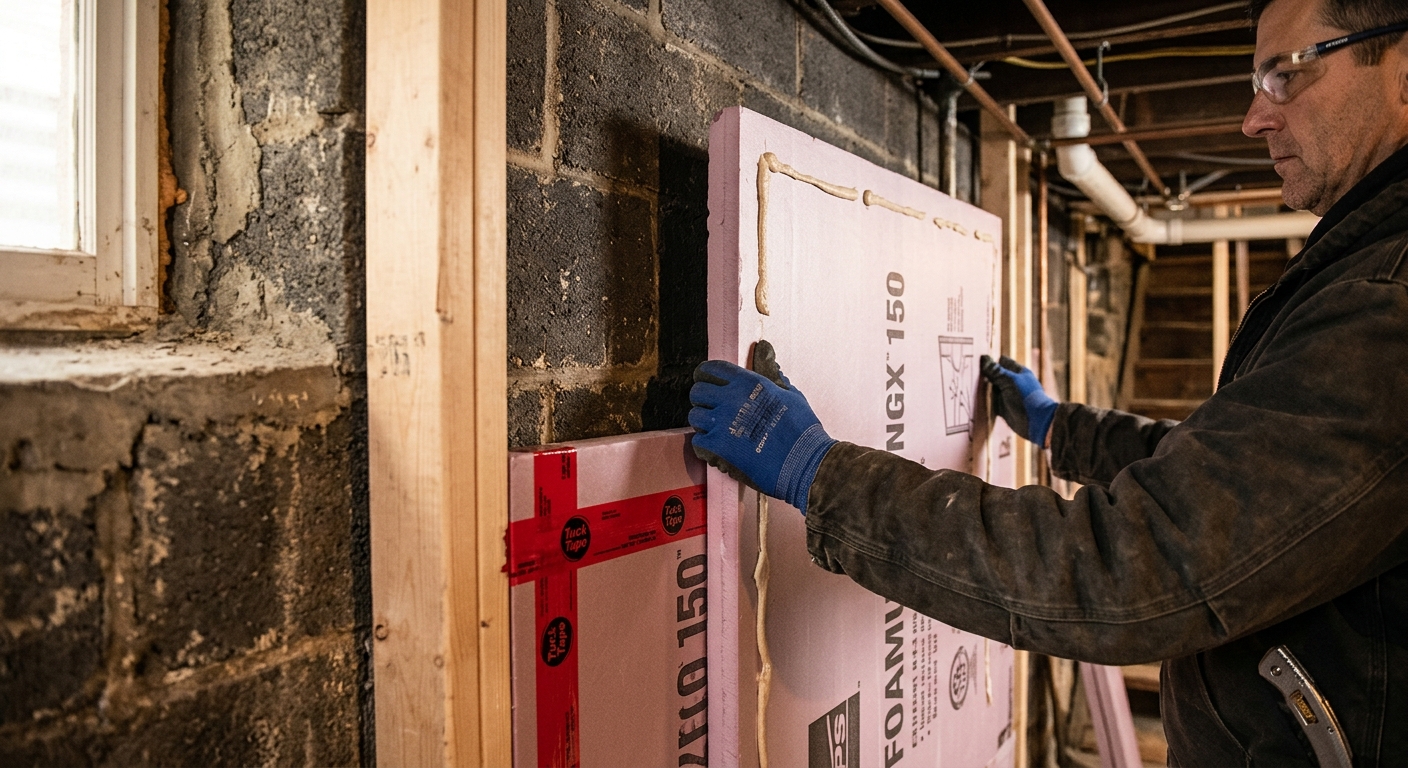
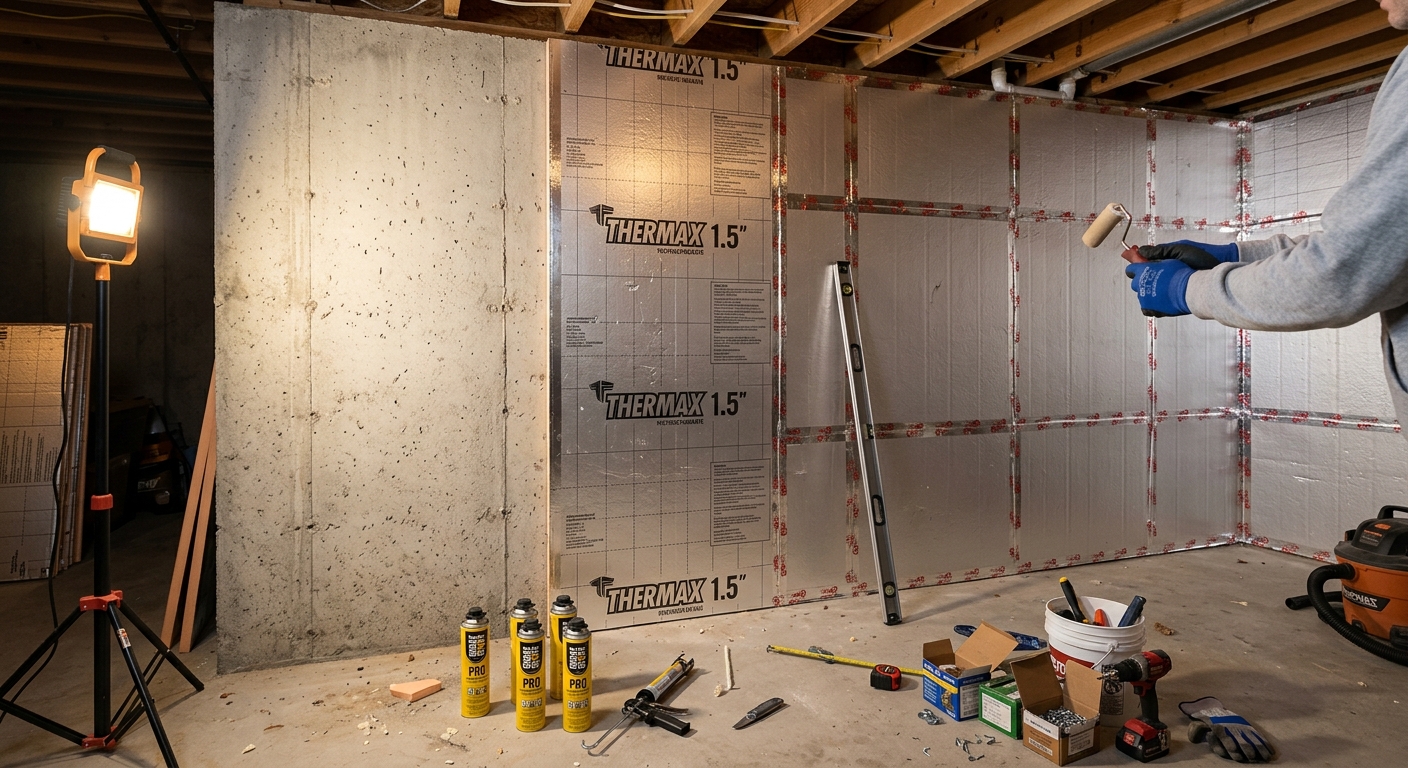
Choosing the wrong insulation for your basement walls can leave you with moisture problems, wasted energy, and a cold floor above. This guide breaks down the real costs, R-values, and payback periods for both rigid foam and spray foam so you can make the smartest choice for your home.
In humid climates, the wrong insulation can trap moisture, grow mold, and cost you thousands in repairs. Choosing materials designed to handle heat and humidity protects your home and keeps cooling bills in check.
Not all insulation is created equal, and choosing the wrong type can mean replacing it in 10 to 15 years instead of never. This guide breaks down the lifespan, performance, and hidden pitfalls of every major insulation material so you can invest once and insulate right.
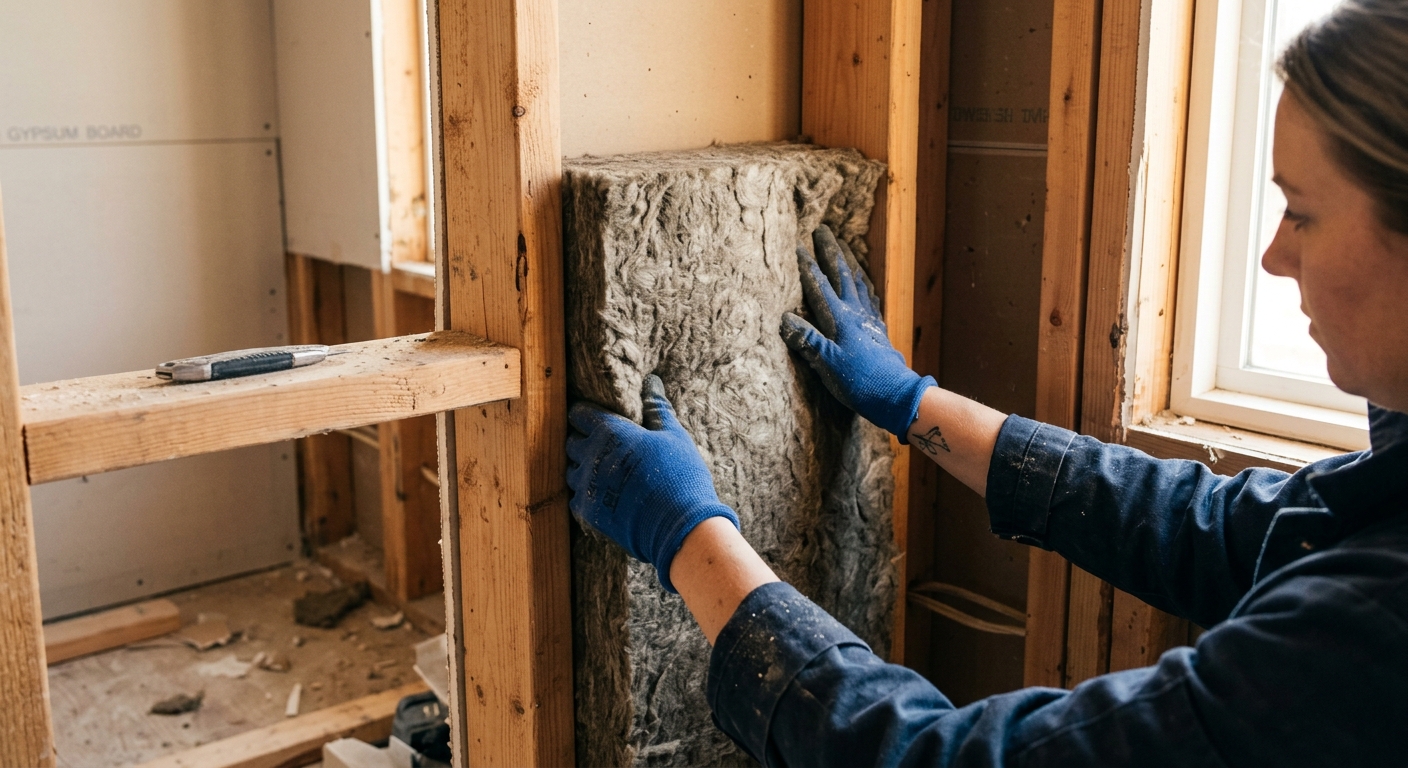
Not all insulation projects are created equal, and tackling the wrong one yourself can cost more than hiring a pro from the start. This guide breaks down exactly which jobs a motivated homeowner can handle safely and which ones require licensed expertise.
Rim joists are one of the biggest hidden sources of heat loss in a home, yet most homeowners never think to address them. Sealing and insulating this narrow band of wood between your foundation and first floor can cut heating bills noticeably and eliminate drafty floors for good.
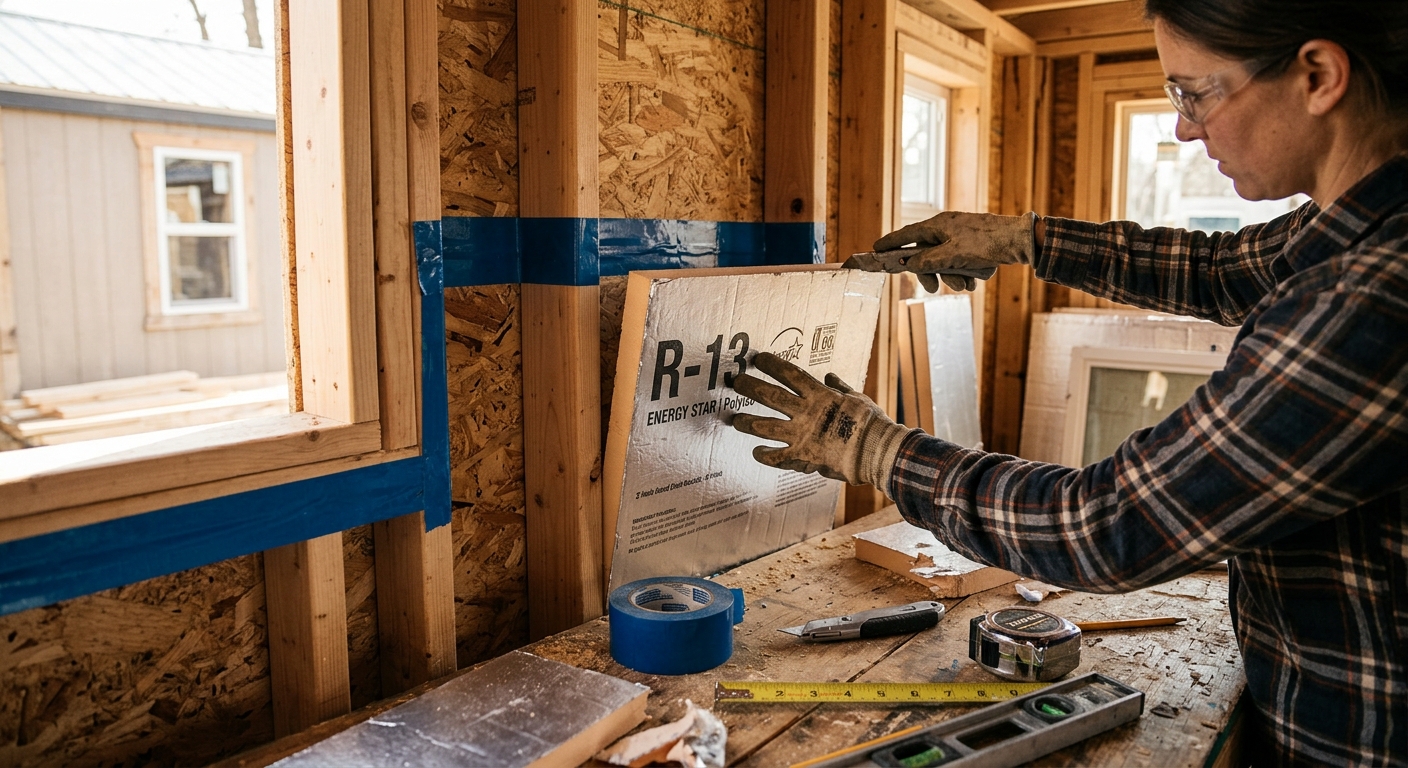
Tiny homes and ADUs lose heat and cooling faster than standard houses because of their high surface-area-to-volume ratio, making insulation choices critical. Get the right R-values and air sealing strategy, and you can cut energy bills by 30 to 50% while staying comfortable through every season.
Homeowners often waste money insulating the wrong part of their basement first, leaving major heat loss untouched. Understanding whether to insulate your basement walls or ceiling can mean the difference between a 15% and a 30% reduction in heating bills.
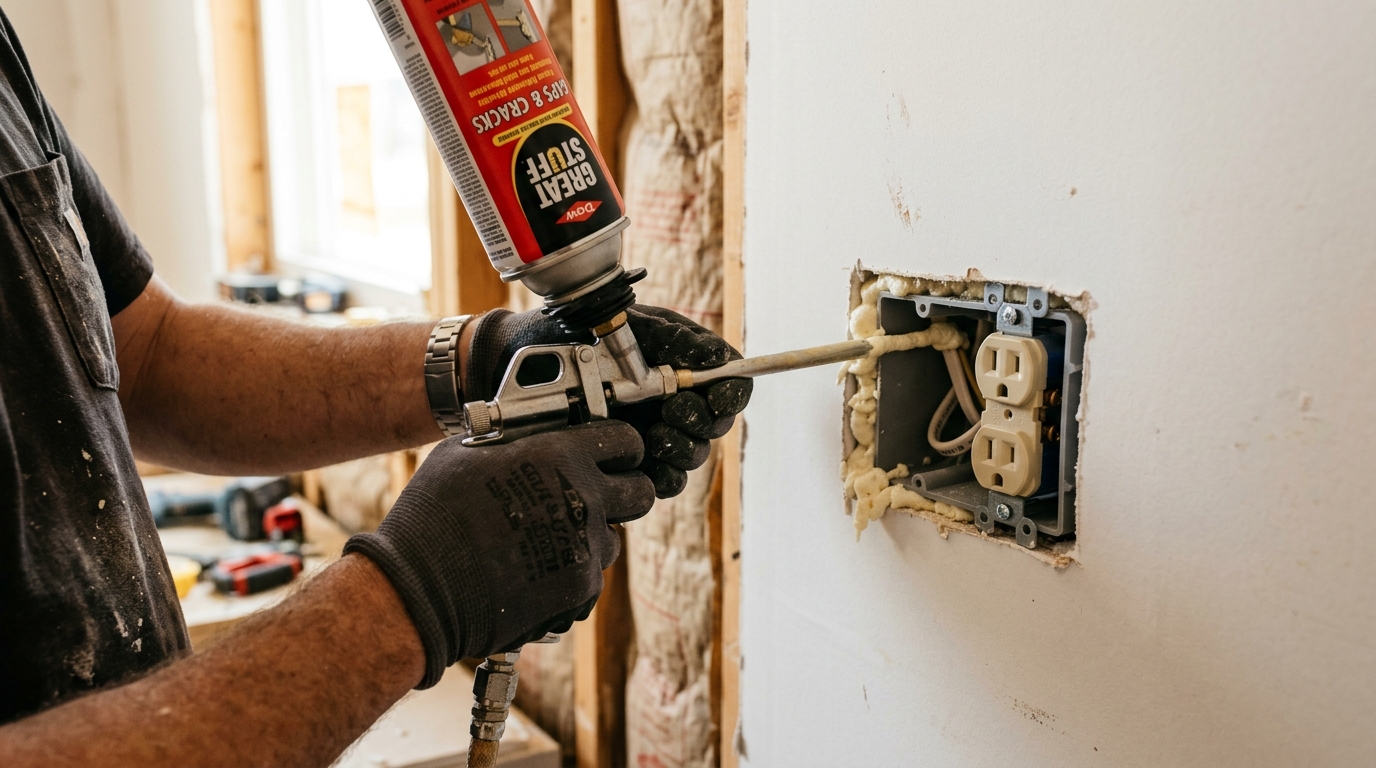
Electrical outlets on exterior walls are among the most overlooked air leaks in a home, quietly draining your heating and cooling budget year-round. A few dollars of foam and gaskets can seal these gaps and cut your energy bills by up to 20% with no tools required.