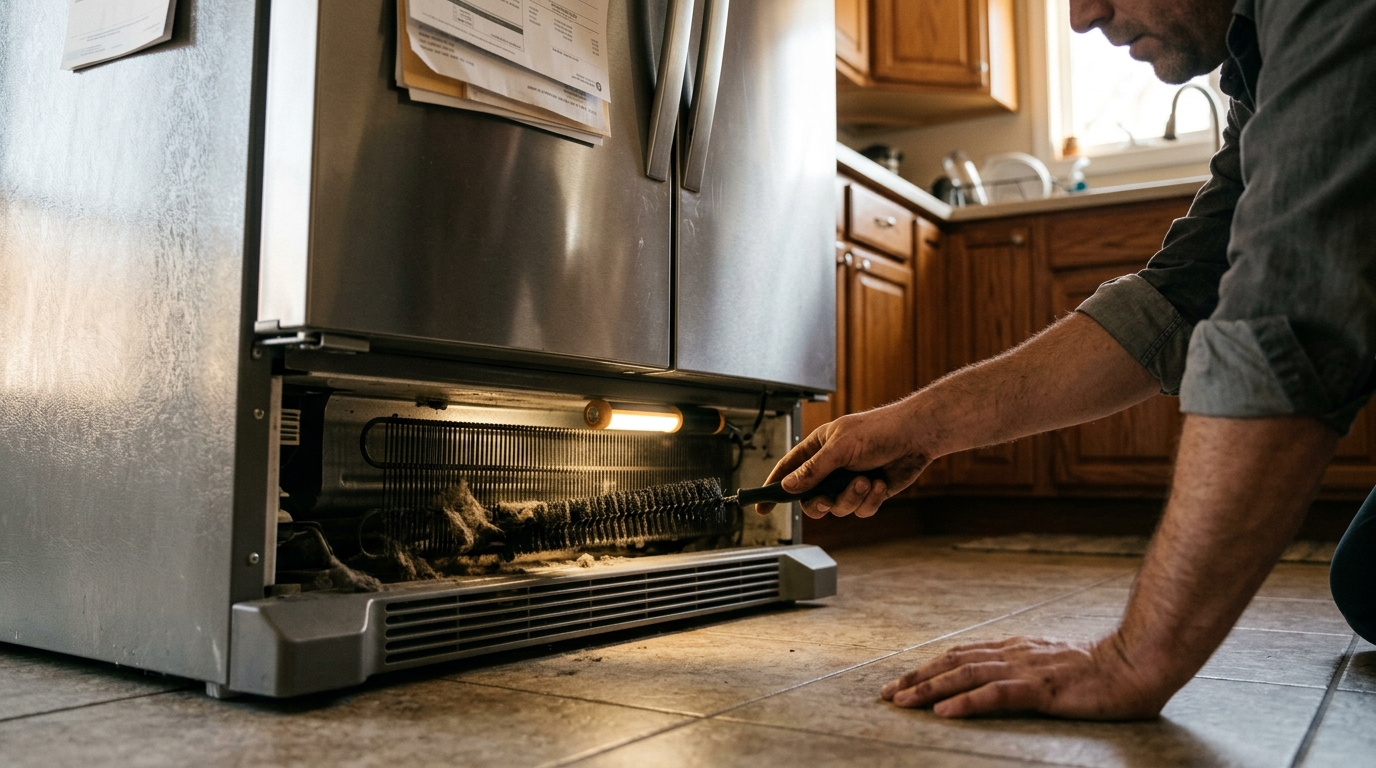
Most homeowners blame their HVAC for high energy bills, but the refrigerator runs 24 hours a day, 365 days a year, quietly draining hundreds of dollars annually. With a few targeted adjustments and upgrades, you can cut your fridge’s energy use by 20 to 50% without spending a fortune.
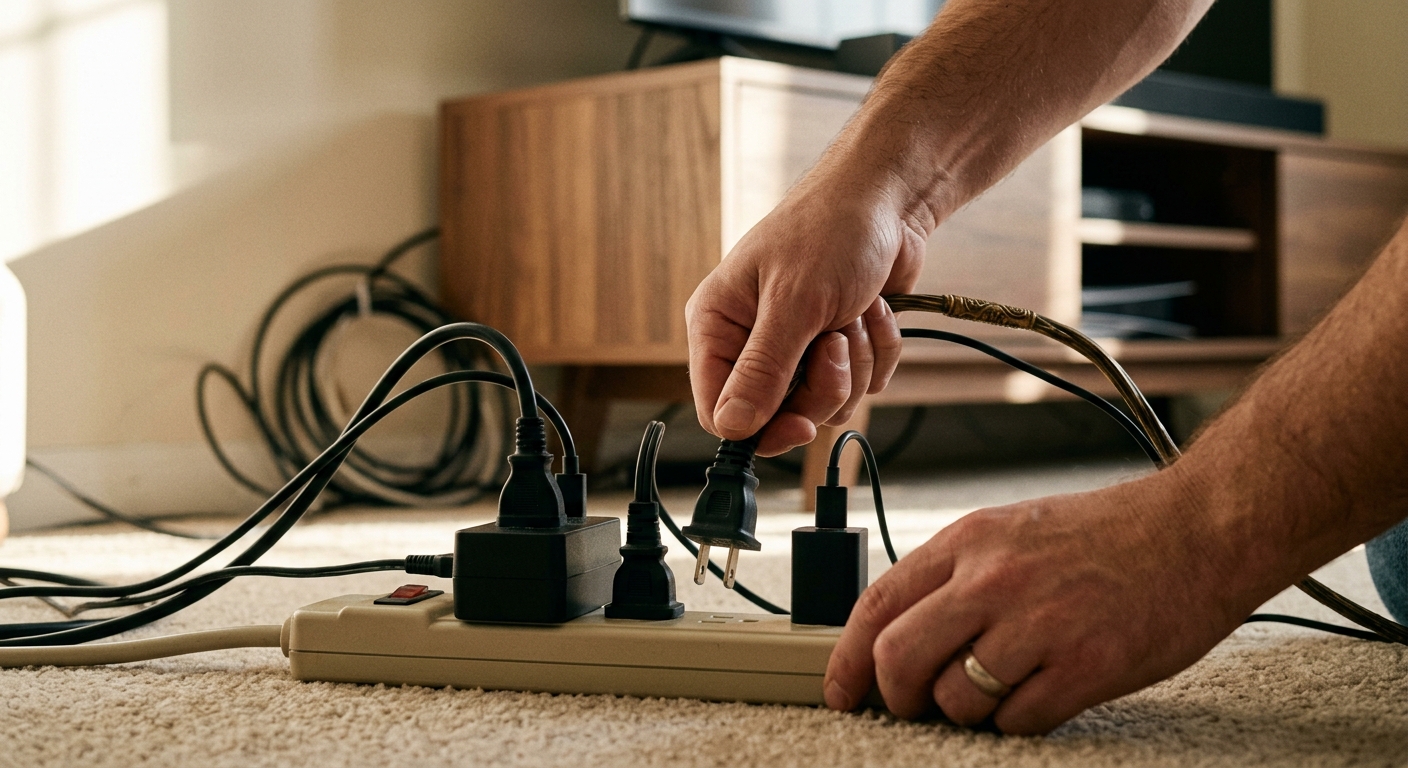
Most homeowners have no idea their plugged-in devices are silently burning electricity 24 hours a day, even when turned off. Phantom loads, also called standby power, cost the average U.S. household between $100 and $200 per year, and eliminating them requires nothing more than a power strip and a few minutes of your time.
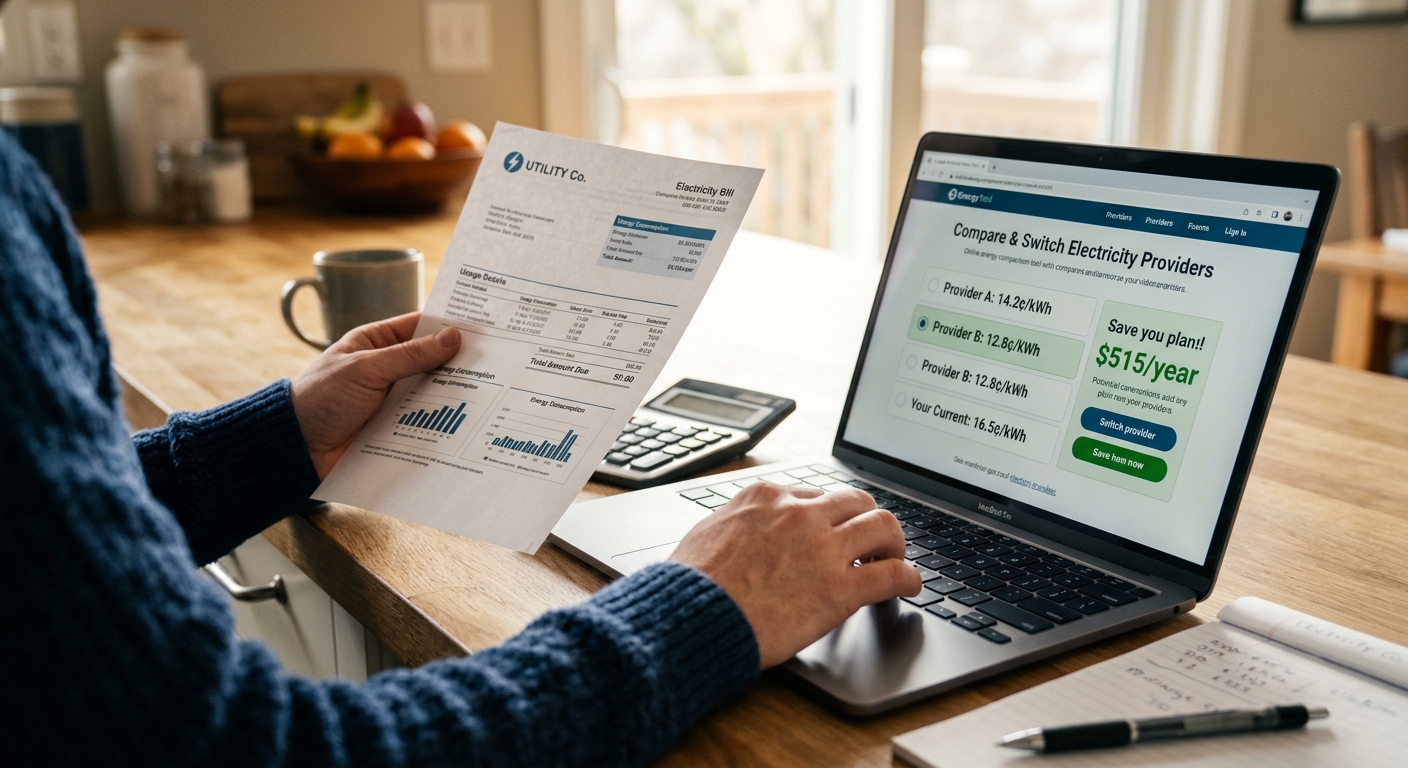
Most homeowners overpay for electricity simply because they have never compared rates or explored alternative providers in deregulated markets. Switching to a lower-rate plan or provider takes less than an hour and can realistically save $300 to $600 in year one alone.
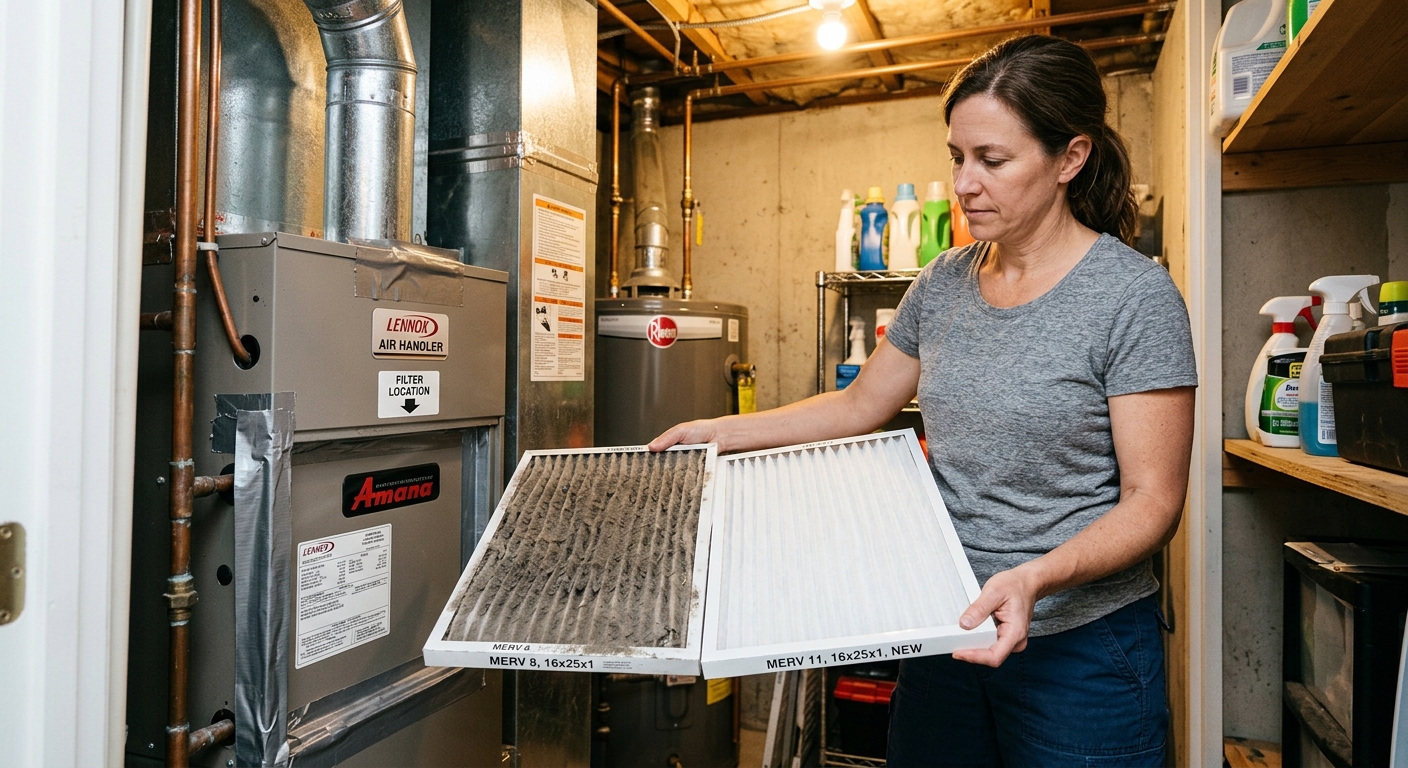
A clogged air filter forces your HVAC system to work harder, quietly inflating your energy bill by 5 to 15% every single month. Swapping or cleaning it takes under 10 minutes and pays back instantly, making it the easiest money-saving task in your entire home.
Your refrigerator runs 24 hours a day, 365 days a year, making it one of the top three energy consumers in most homes. A few simple fixes can cut its energy use by 20 to 30% without buying a new appliance.
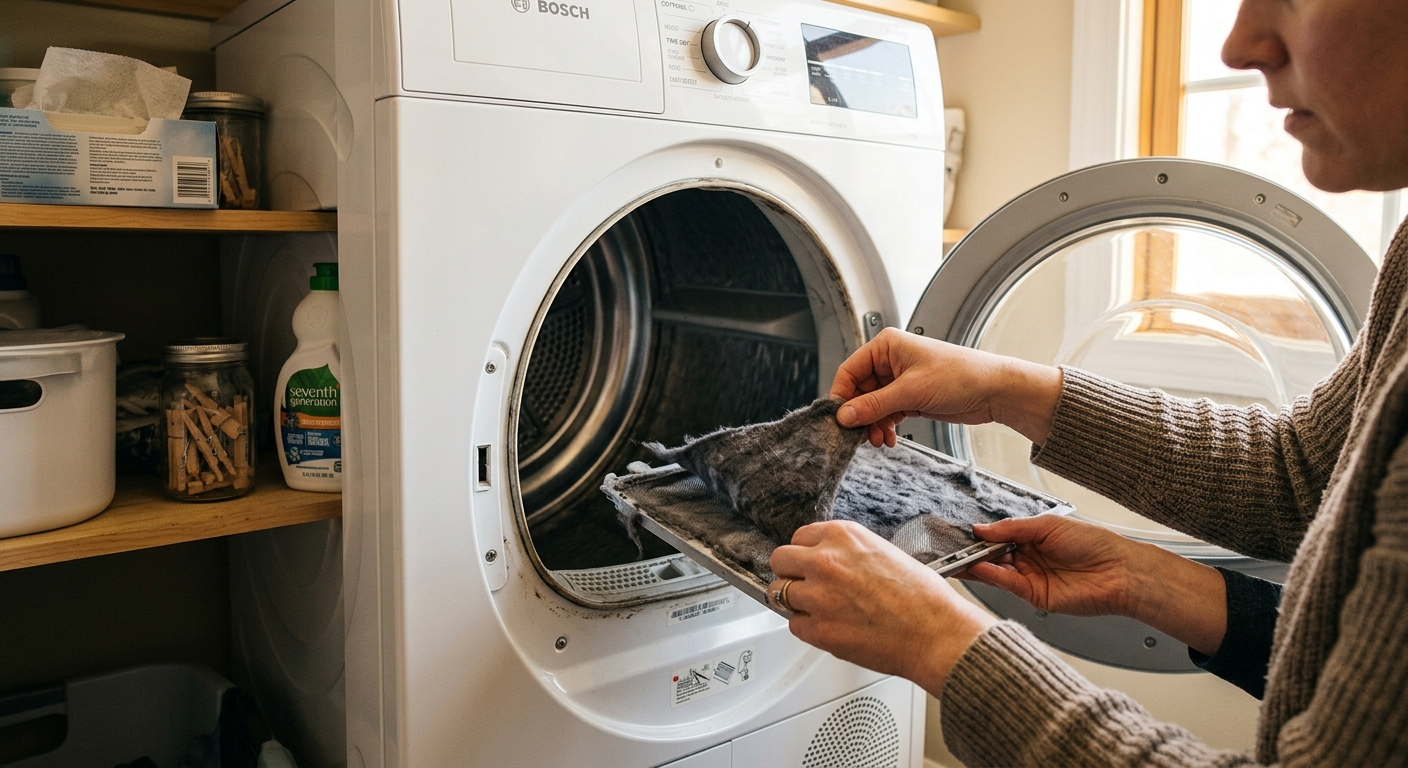
Most homeowners focus on their HVAC or water heater when looking to cut energy bills, but the clothes dryer quietly ranks among the top three most energy-hungry appliances in the home. A few targeted changes to how you use and maintain your dryer can slash operating costs by 25 to 50% without buying anything new.
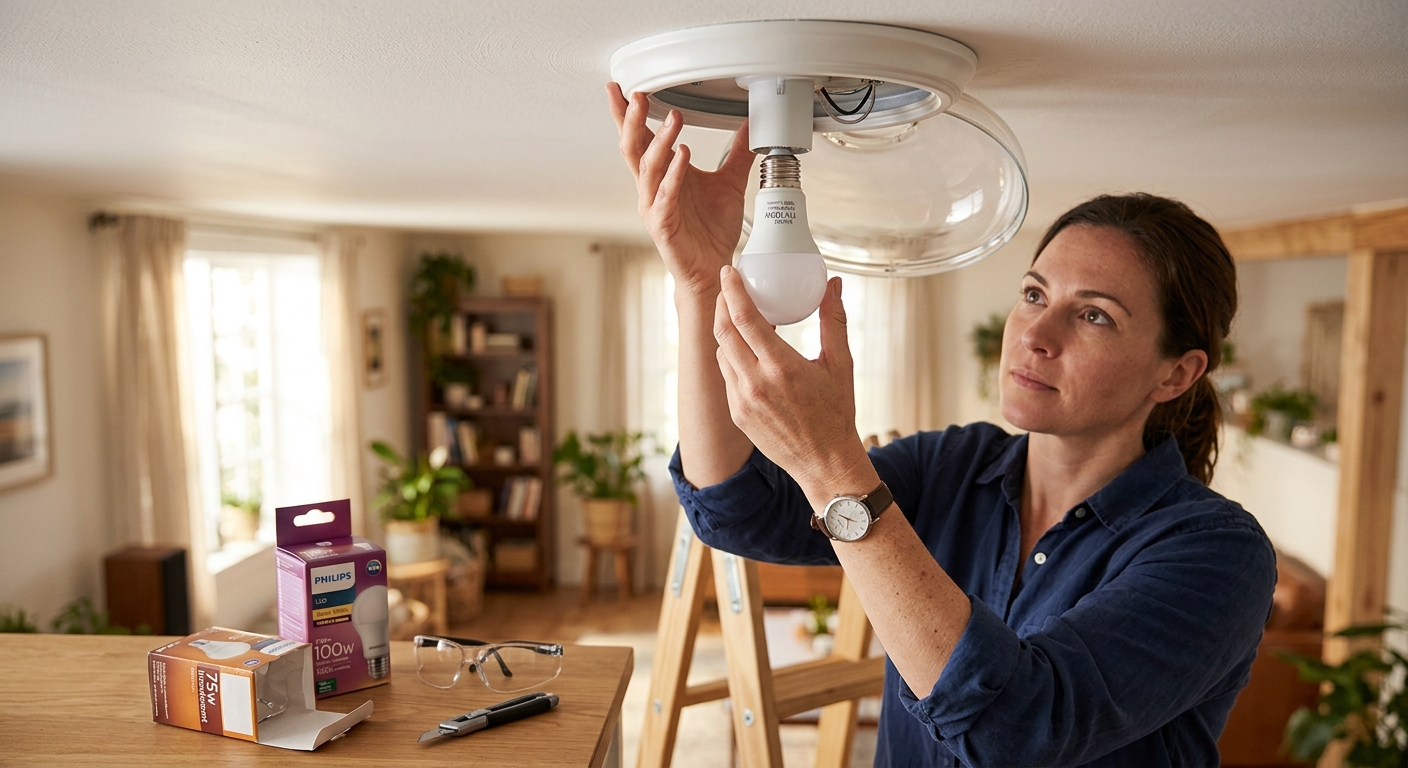
Lighting accounts for about 15% of the average home’s electricity use, yet most households still run a mix of inefficient bulbs and outdated fixtures. Switching to a fully optimized LED lighting system can slash your lighting energy costs by 50 to 75% with payback periods as short as 6 months.
Most homeowners assume their utility rate is fixed, but many providers offer programs, discounts, and rate structures that can cut your bill by 10 to 30%. Three strategic phone calls, armed with the right information, can unlock savings most customers never know to ask for.
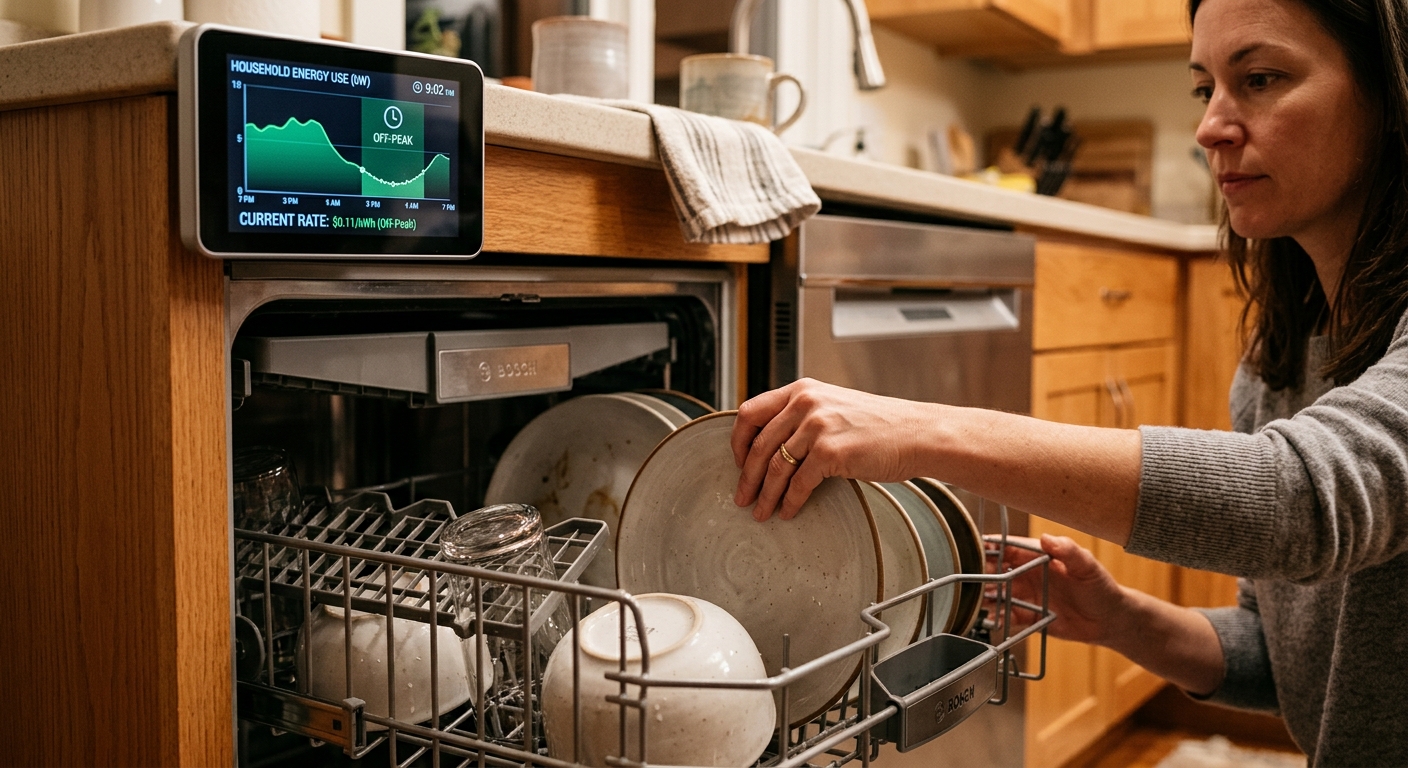
Running your dishwasher, washer, and dryer at the wrong time of day can quietly inflate your electric bill every single month. Shifting these loads to off-peak hours can save 10 to 30% on the energy those appliances use, with zero investment required.
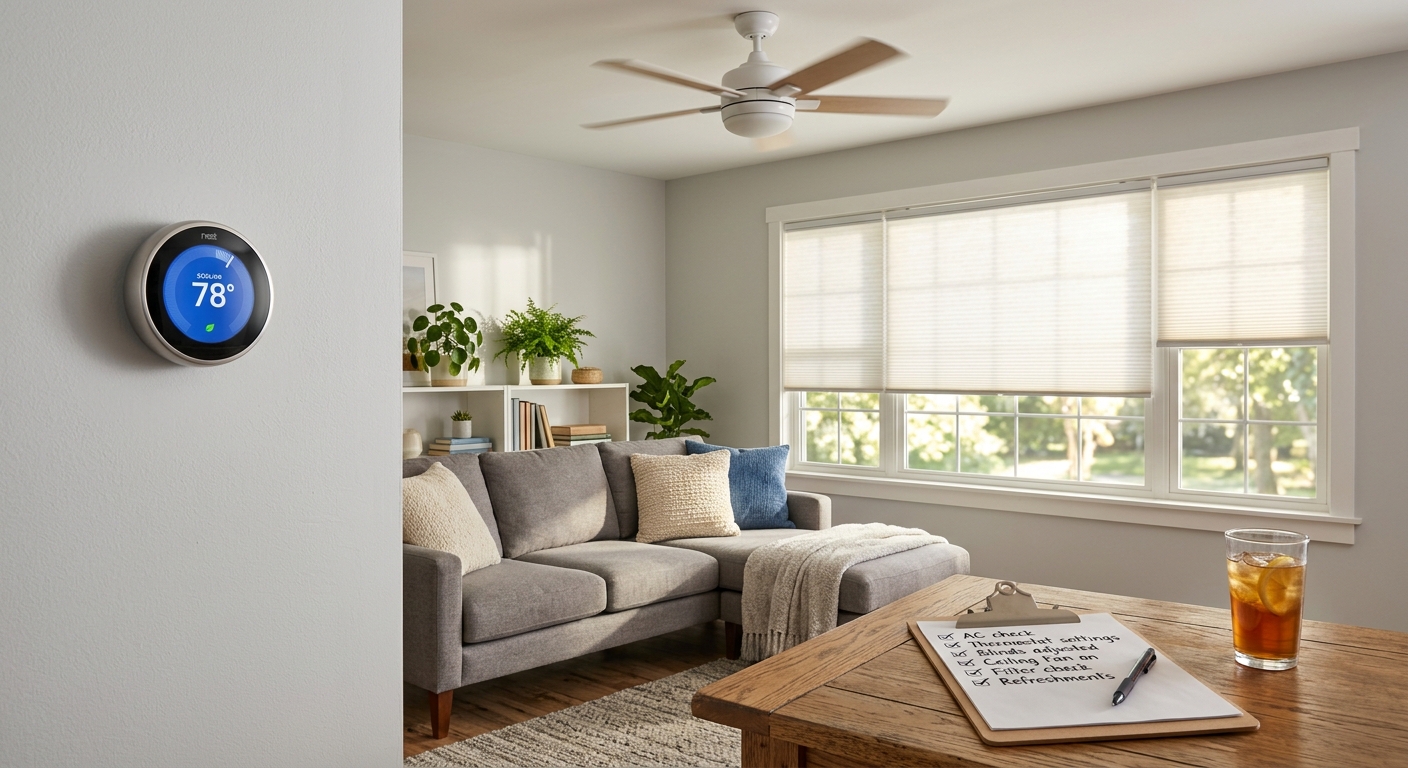
Summer cooling bills can easily spiral past $200 or even $300 a month, but most homes are losing conditioned air through the same handful of fixable problems. This checklist walks you through the exact steps to cut your cooling costs to under $100 a month using a combination of free habit changes, low-cost DIY fixes, and a few targeted upgrades.