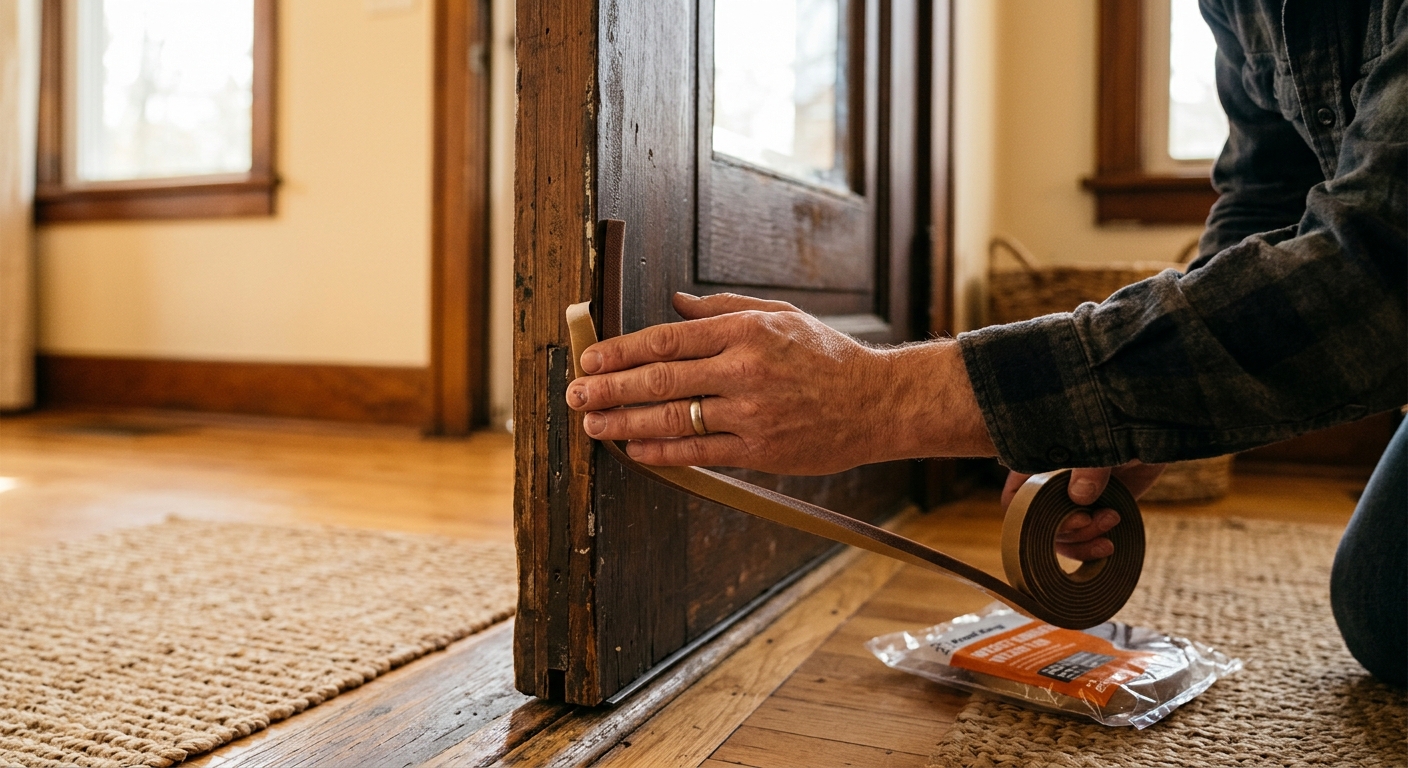
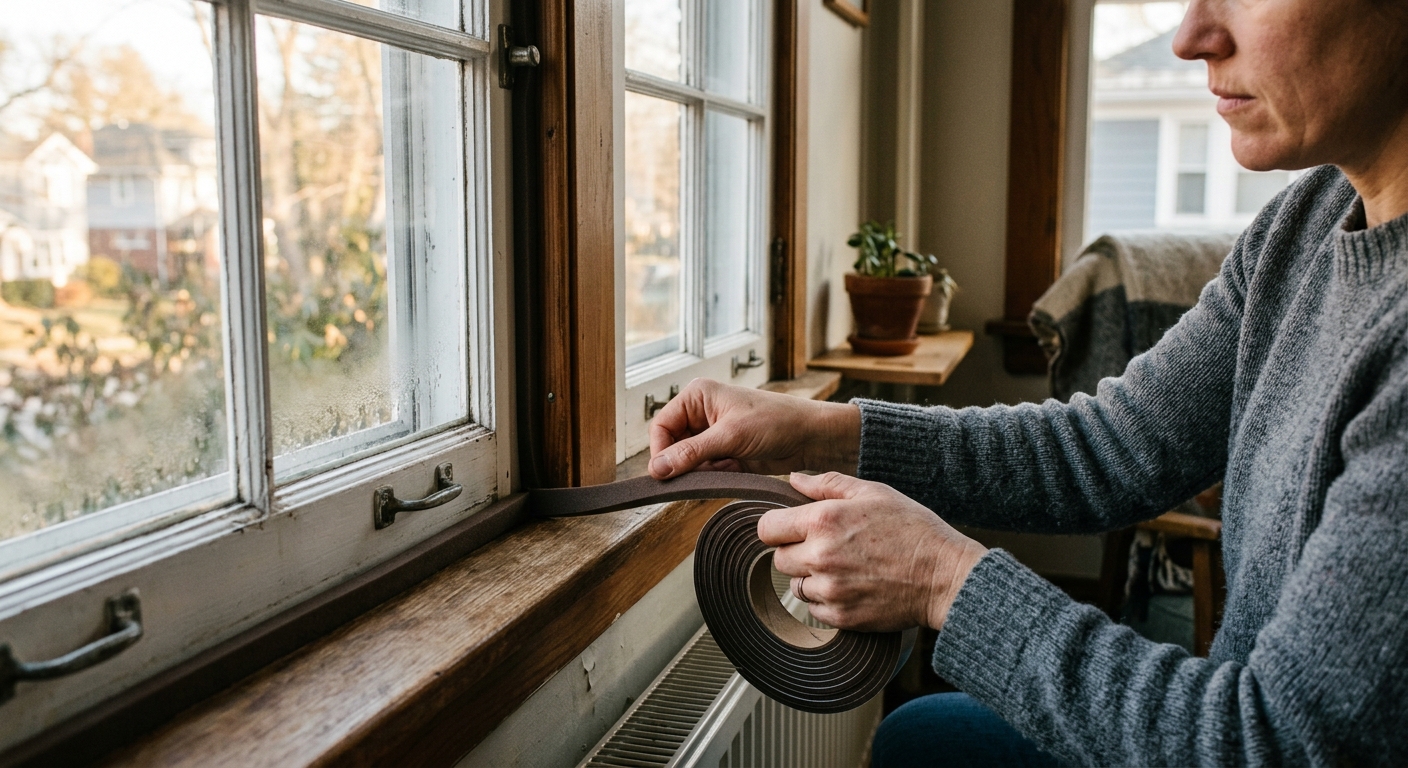
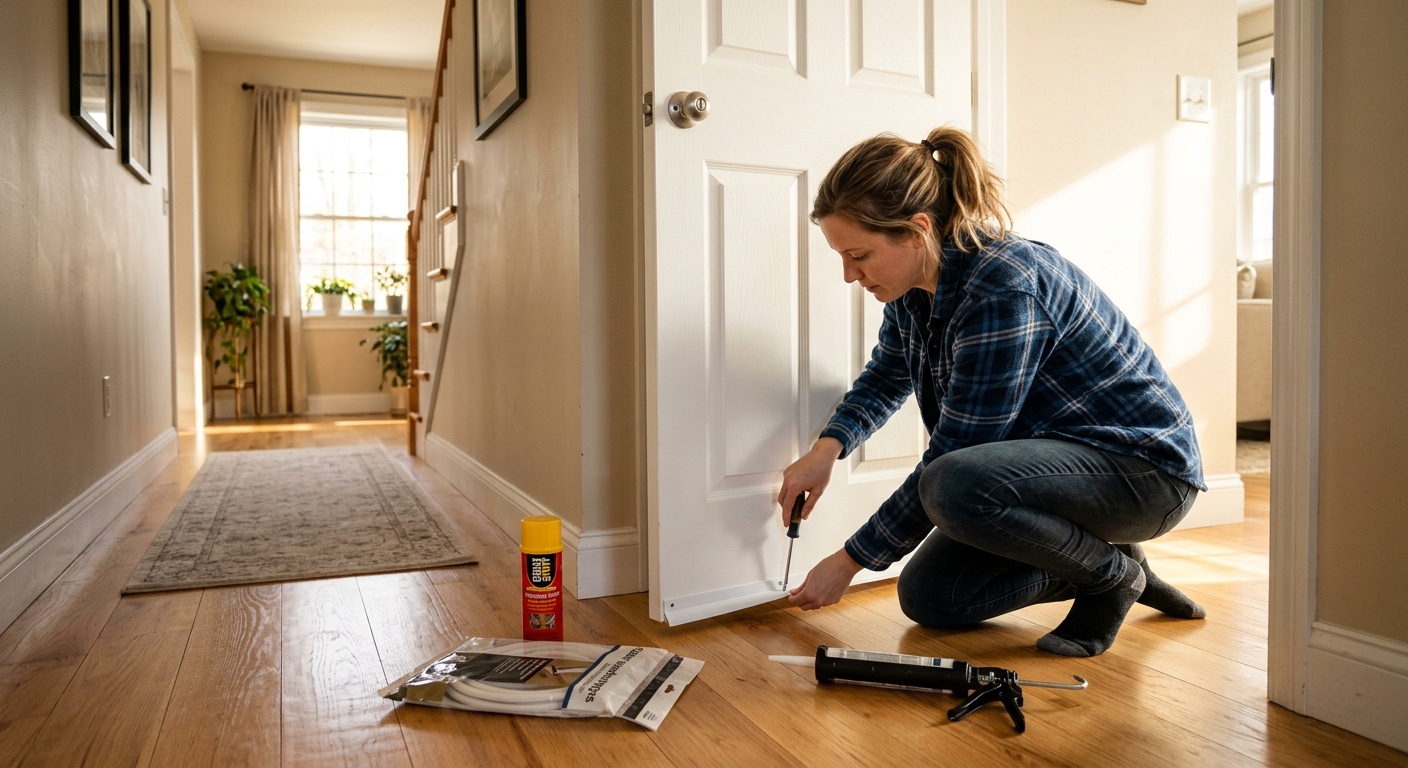
Drafty doors and windows are silently inflating your heating bill every winter, and most homeowners never address the simplest fix available. A few dollars of foam or felt weatherstripping applied in under an hour can seal the gaps that steal your heat and pay for itself within days.
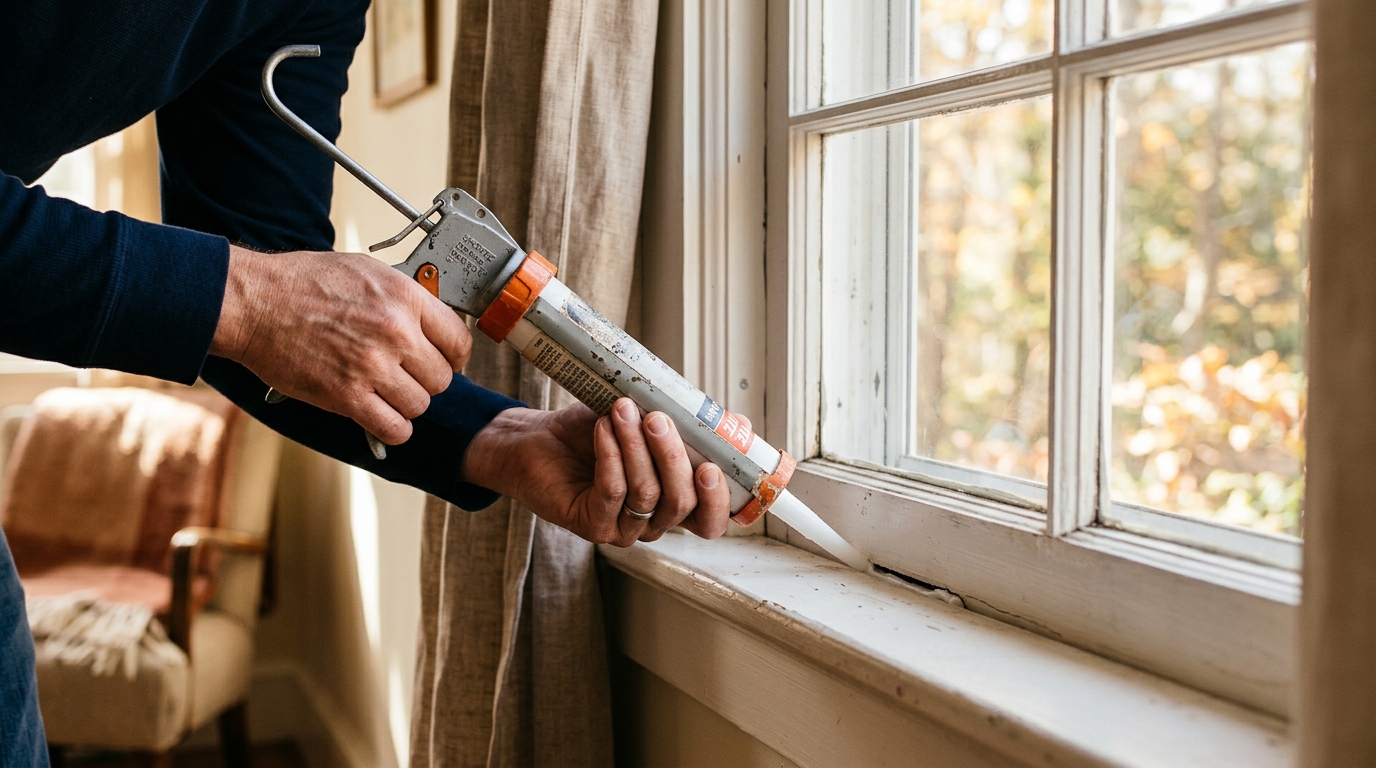
Drafty, single-pane, or poorly sealed windows can quietly add 10 to 25% to your monthly energy bill without you ever noticing. This post breaks down exactly what old windows cost you, how to measure the damage, and what you can do about it today.
Some rooms stay stubbornly cold no matter how high you crank the thermostat, costing you money while leaving you uncomfortable. The fix is rarely a bigger furnace – it’s almost always a combination of air sealing, airflow correction, and targeted heat delivery that solves it for good.
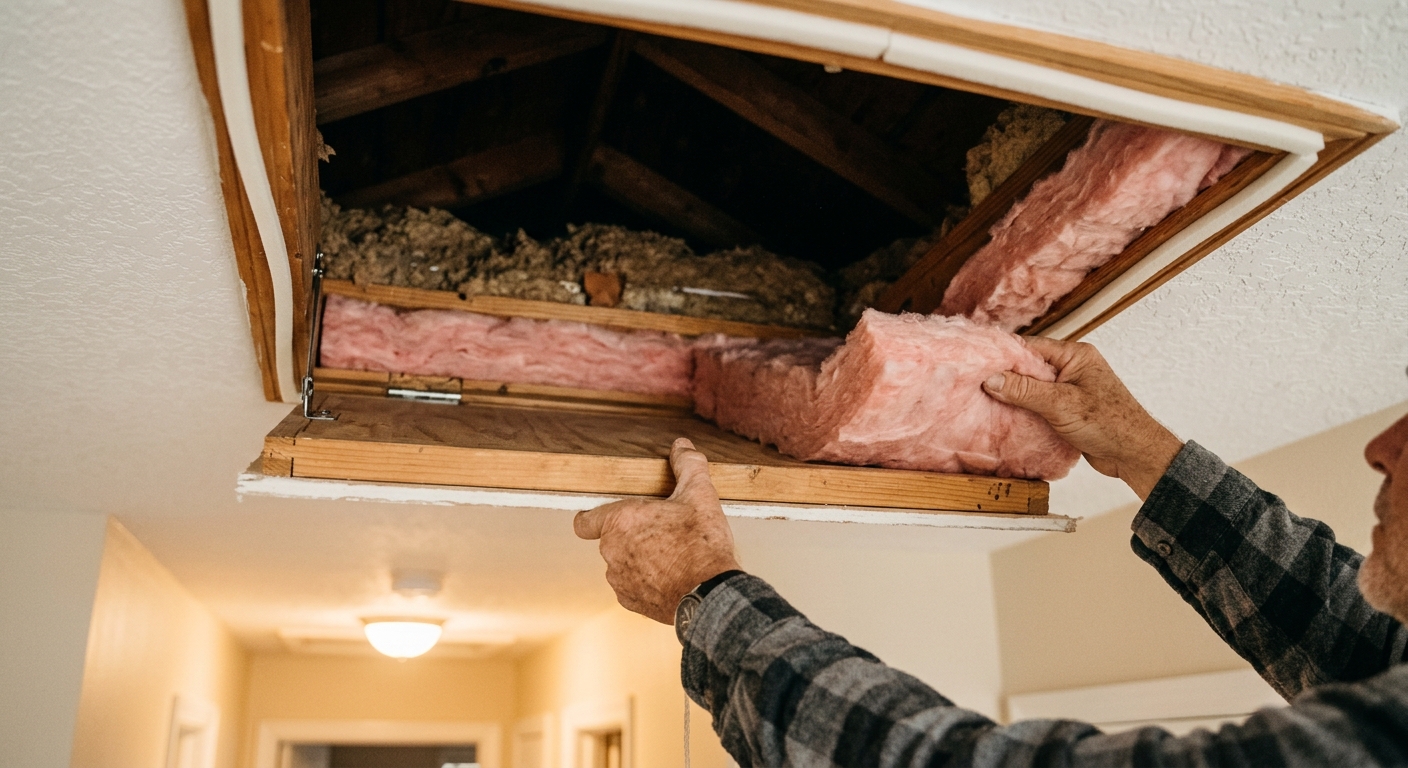
Your attic hatch is likely one of the most under-insulated spots in your entire home, leaking conditioned air 24 hours a day. Adding a simple insulated cover can cut attic-related heat loss by up to 30% and pay for itself in a single heating season.
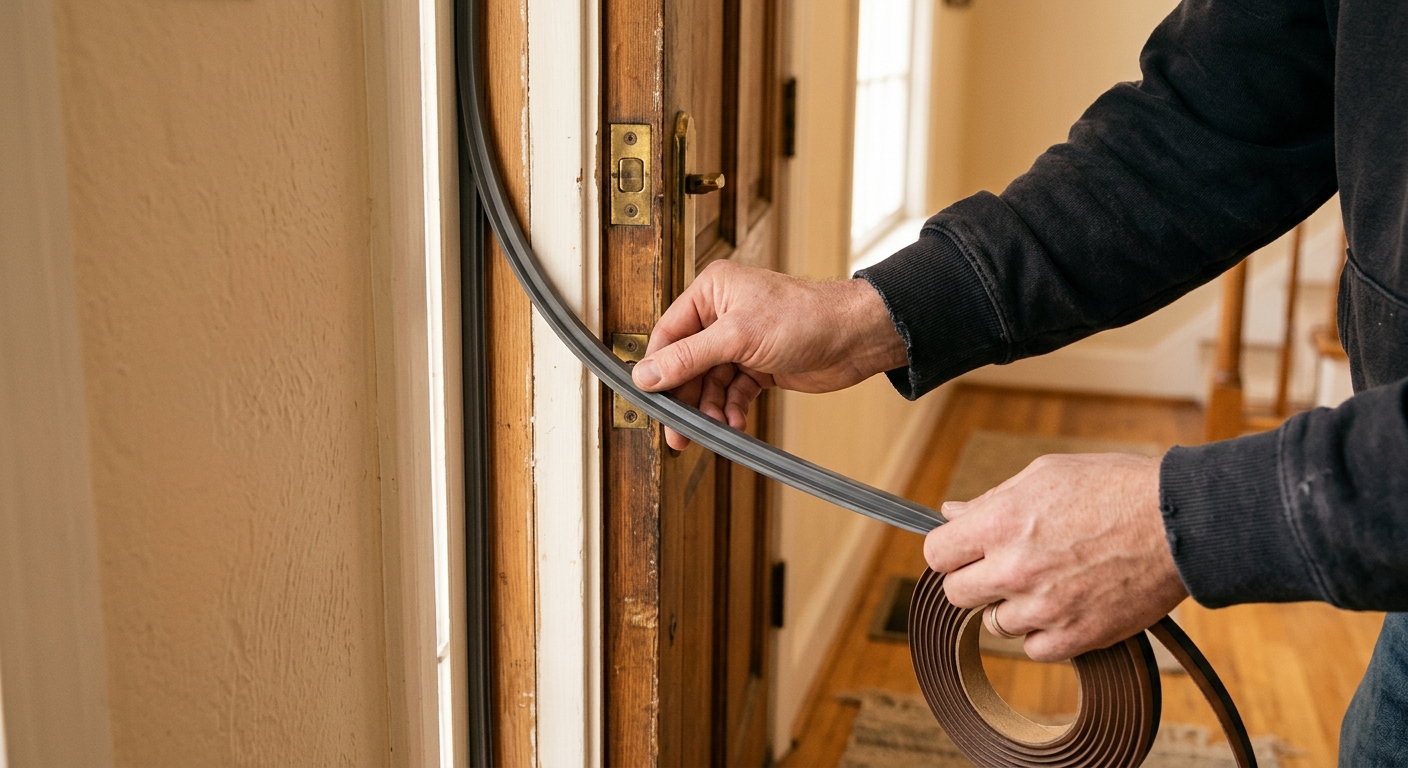
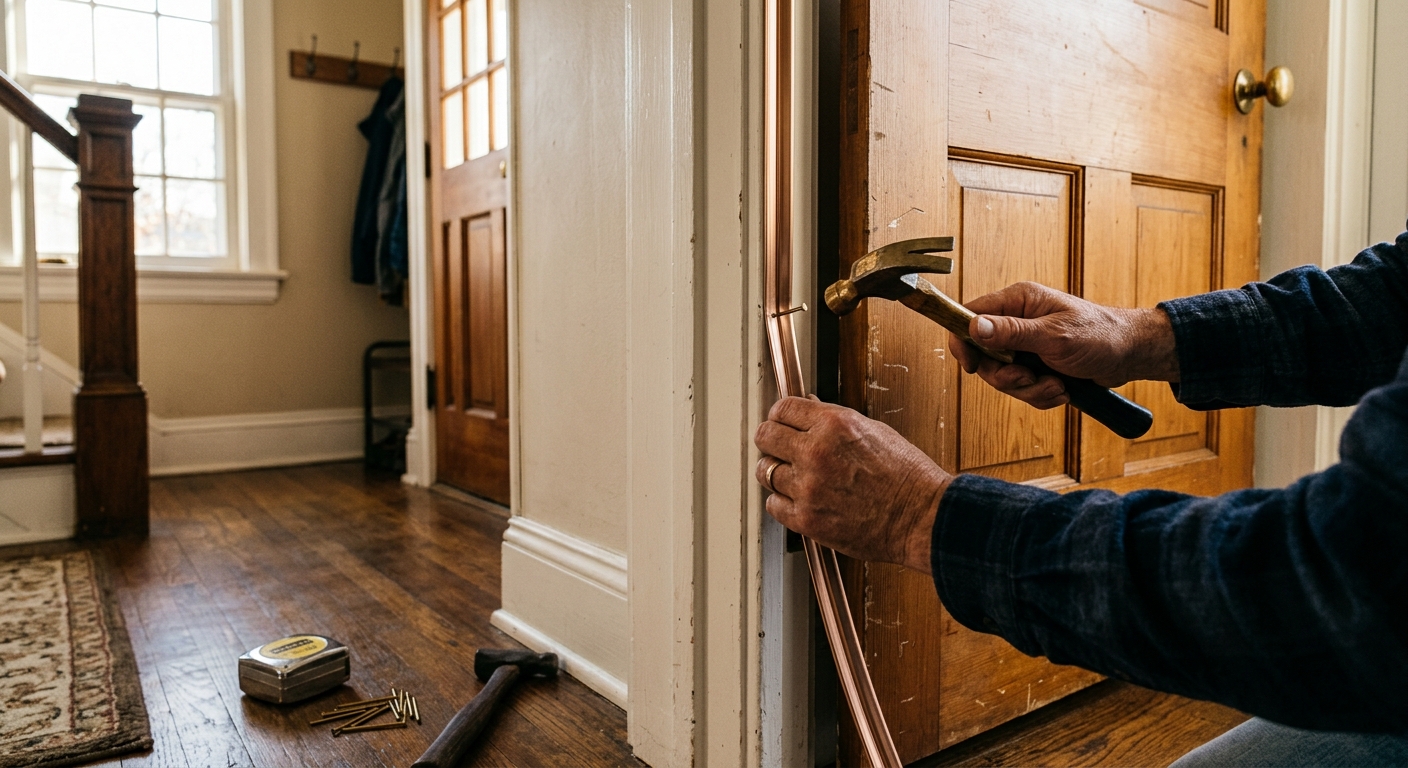
A drafty front door can account for up to 11% of your home’s total air leakage, quietly inflating your heating and cooling bills year-round. Replacing worn weatherstripping takes less than an hour, costs under $30, and delivers immediate, measurable comfort improvements.
Air leaking through gaps around your doors is quietly adding 10 to 15% to your heating bill every month. A single afternoon and $30 to $60 in weatherstripping can seal those leaks and put real money back in your pocket by February.
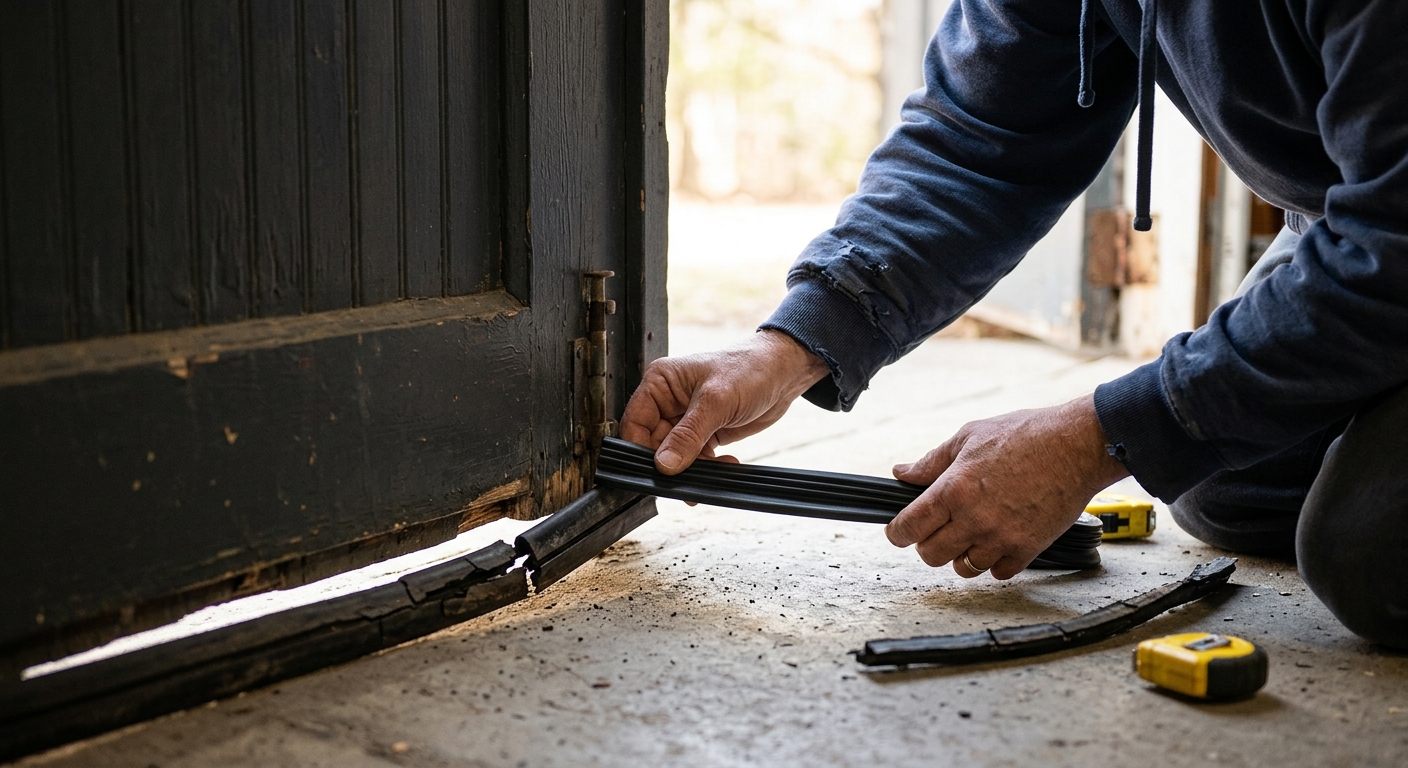
A worn or missing garage door bottom seal can let in as much cold air as leaving a window cracked open all winter. Replacing or reinforcing this seal takes under 30 minutes and costs less than $10, yet it can noticeably reduce drafts and lower heating bills.
Drafts are not just annoying – they are silently inflating your energy bills by forcing your heating and cooling system to work harder than it should. This guide breaks down the four distinct sources of drafts in any home and gives you a step-by-step plan to stop each one.
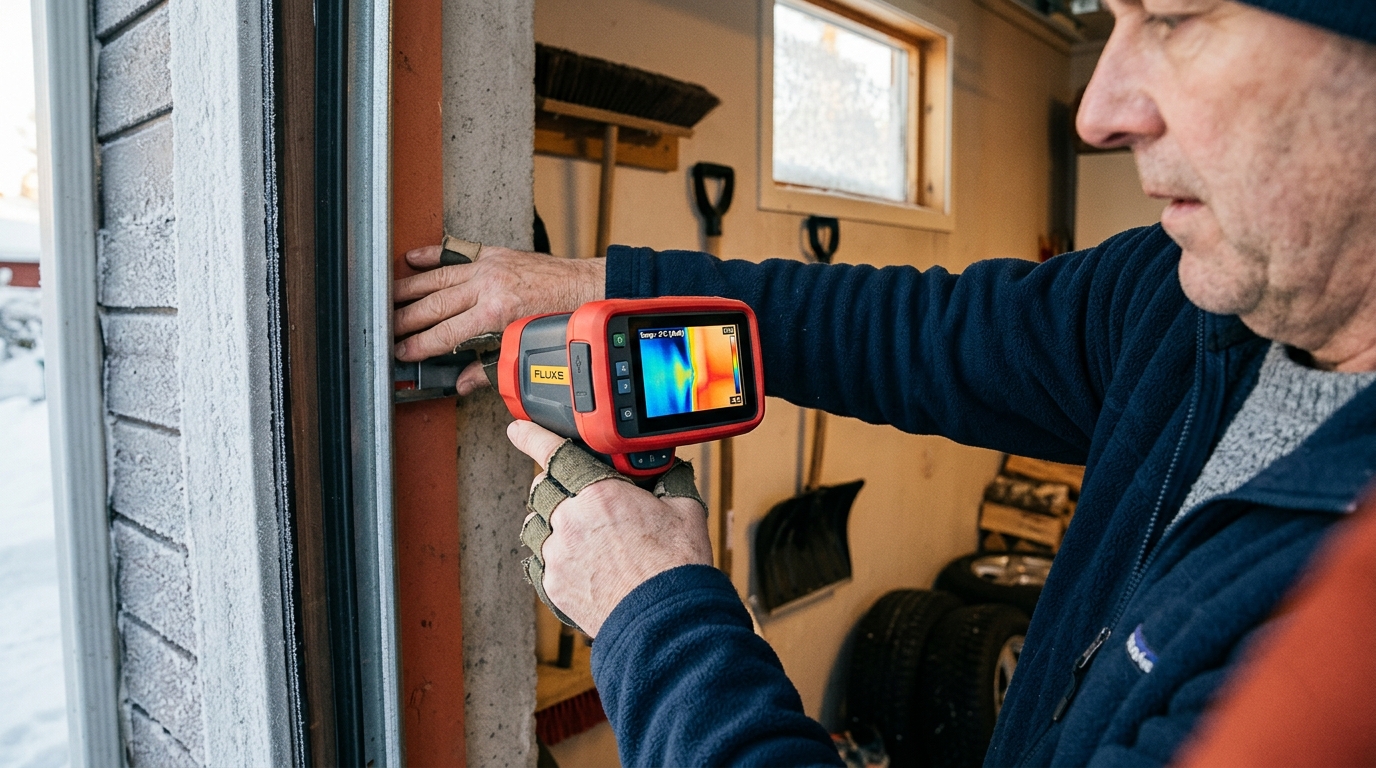
Most homeowners insulate their walls and attic but completely ignore the attached garage, which can quietly drain 10 to 20% of your home’s heating energy every winter. Sealing and insulating the garage boundary can cut that loss dramatically, often with a payback period of one to two heating seasons.
Drafts aren’t just annoying – they’re quietly draining 20 to 30% of your heating and cooling budget through gaps you can’t always see. A single weekend of air sealing with basic materials can eliminate most of them and pay back the investment in as little as 60 days.