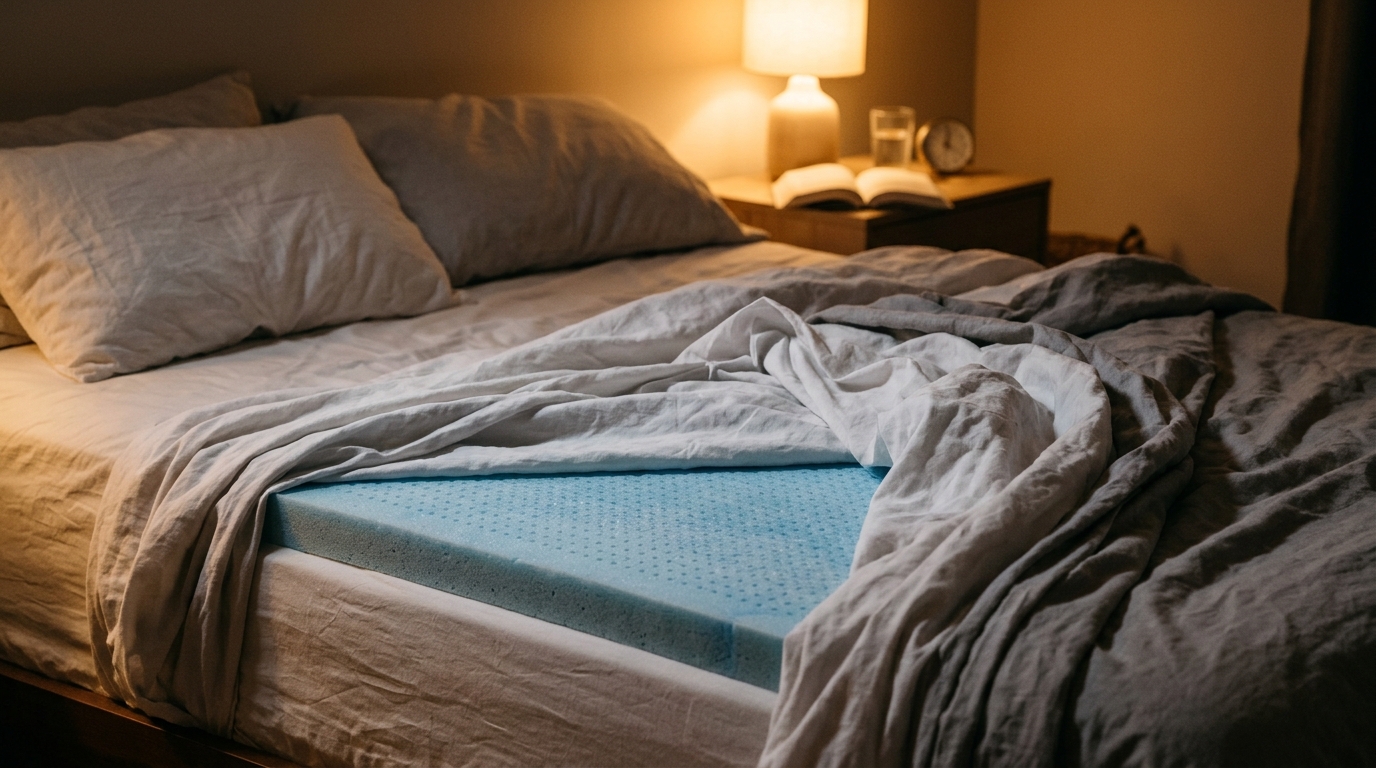
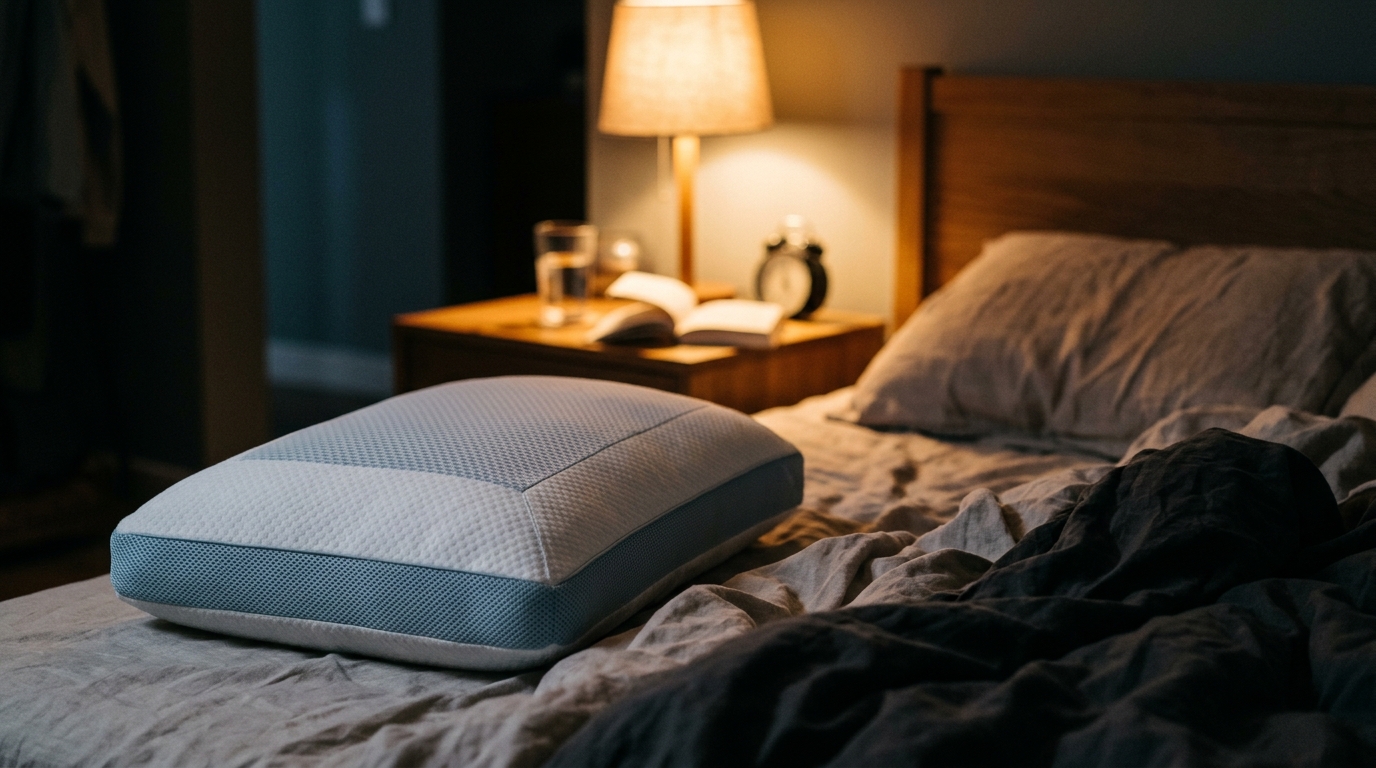
Hot sleepers often crank the AC down to 68 degrees or colder just to stay comfortable at night, which can add 10 to 20% to cooling costs. A cooling gel topper, paired with a few smart bedroom tweaks, can let you raise the thermostat 3 to 5 degrees while sleeping better.
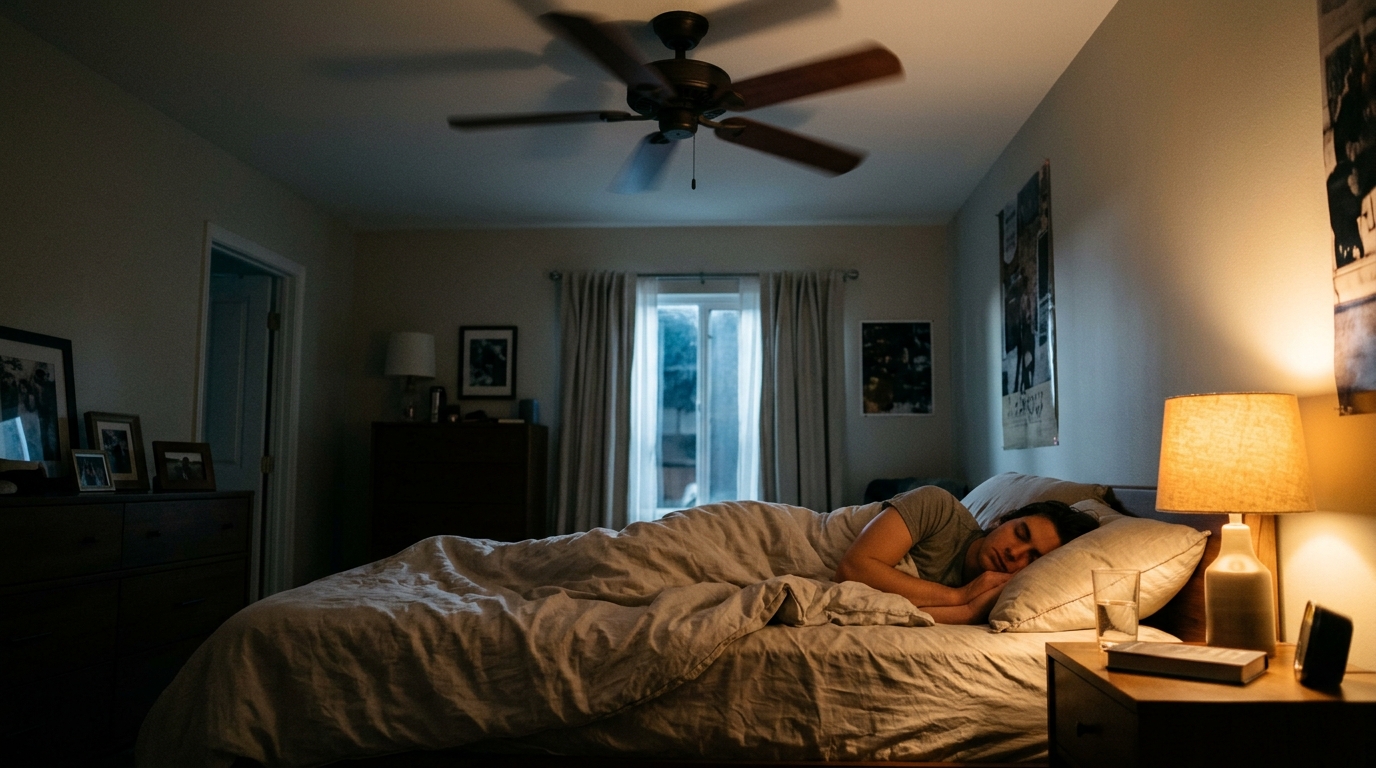
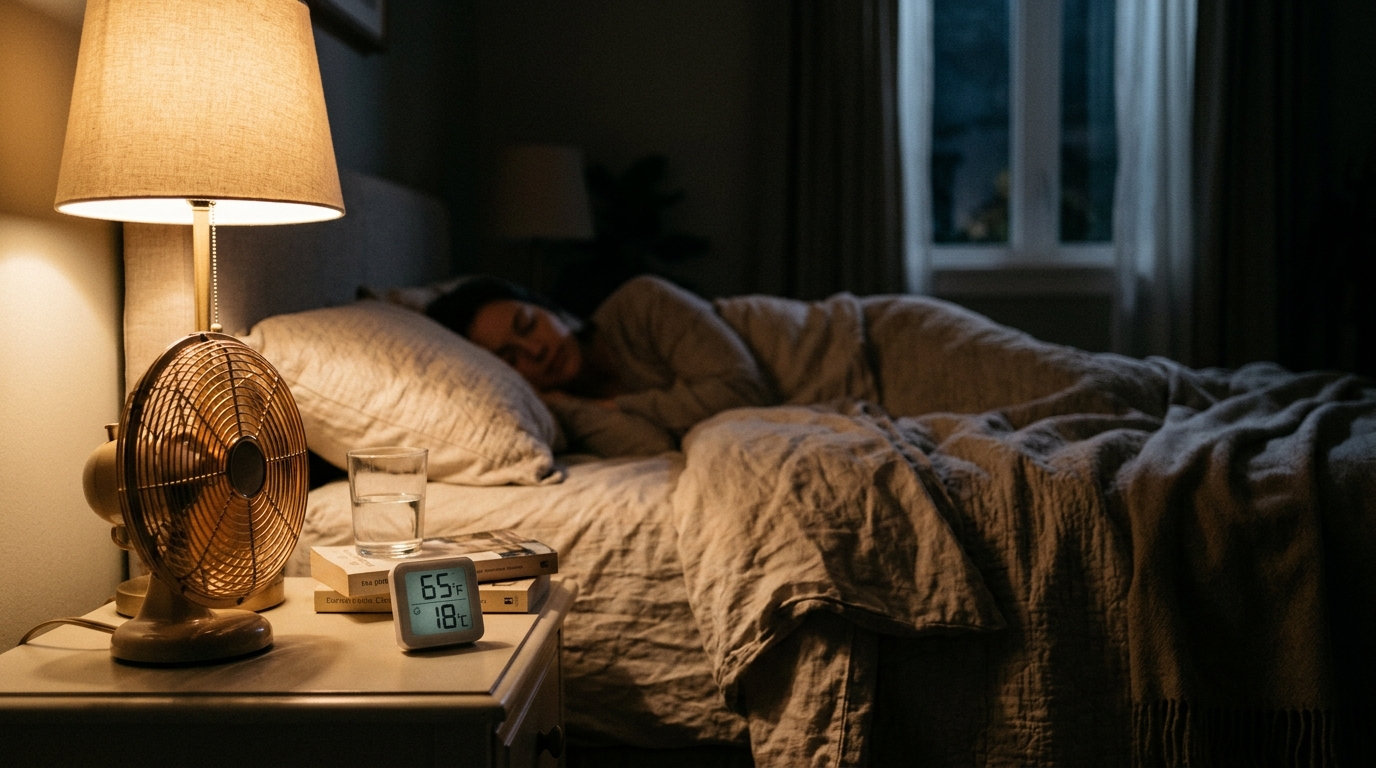
Most people flip the ceiling fan switch once and never think about it again, but the wrong direction can leave you sweating at 2 a.m. while your AC runs overtime. Set your fan to counterclockwise in summer, pair it with the right speed and a 4 degree thermostat bump, and you can sleep cooler while trimming cooling costs by 10 to 15%.
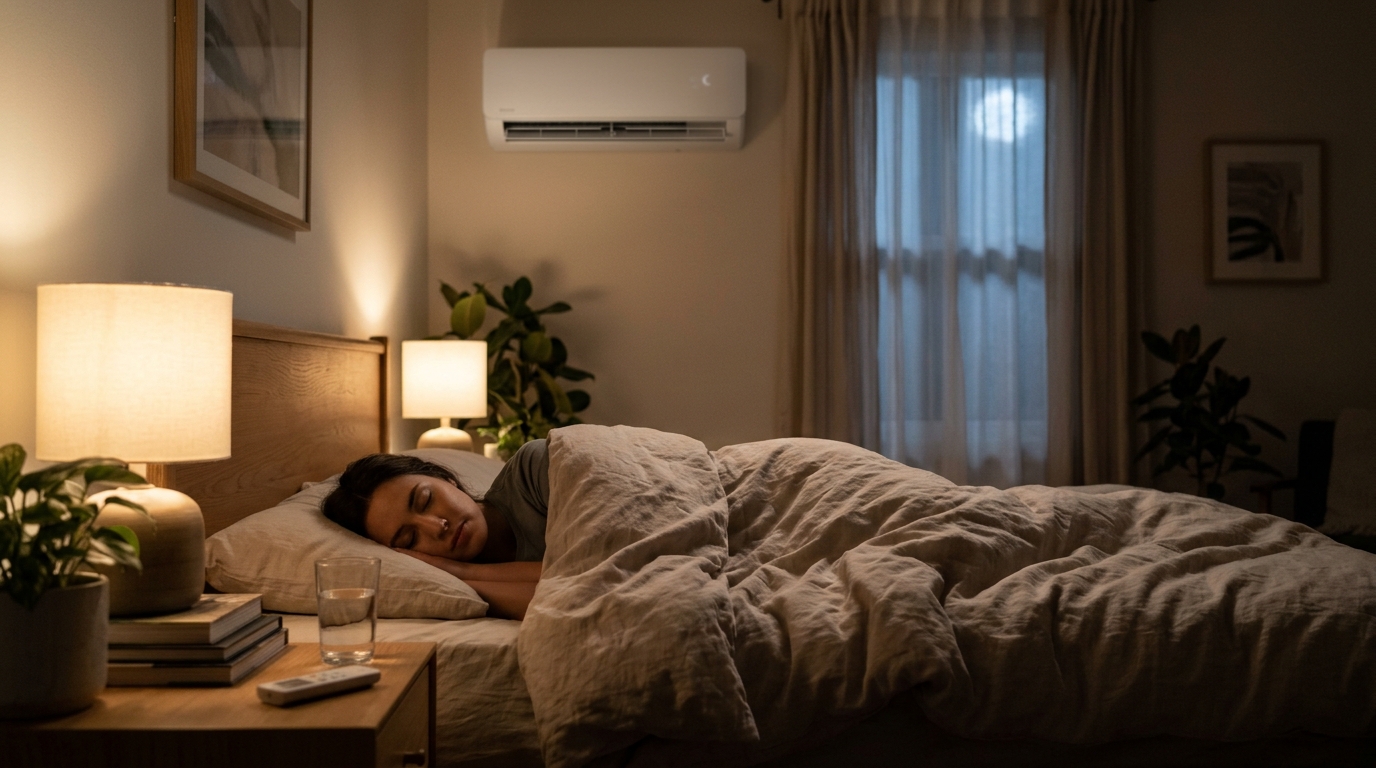
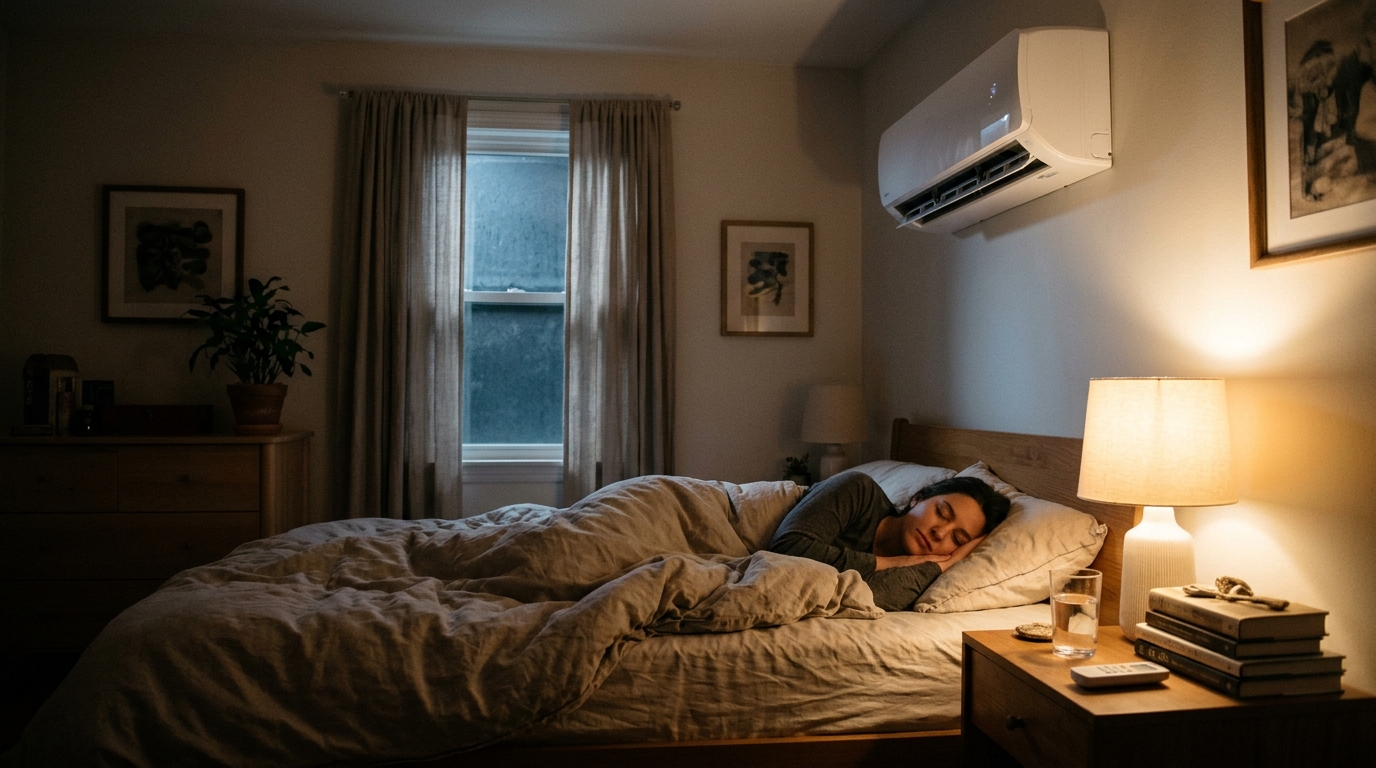
Most mini-split owners either leave the unit blasting all night or shut it off and wake up sweaty. A properly tuned sleep mode and a smart overnight setpoint can cut nighttime cooling energy by 15 to 25% while keeping the bedroom comfortable.
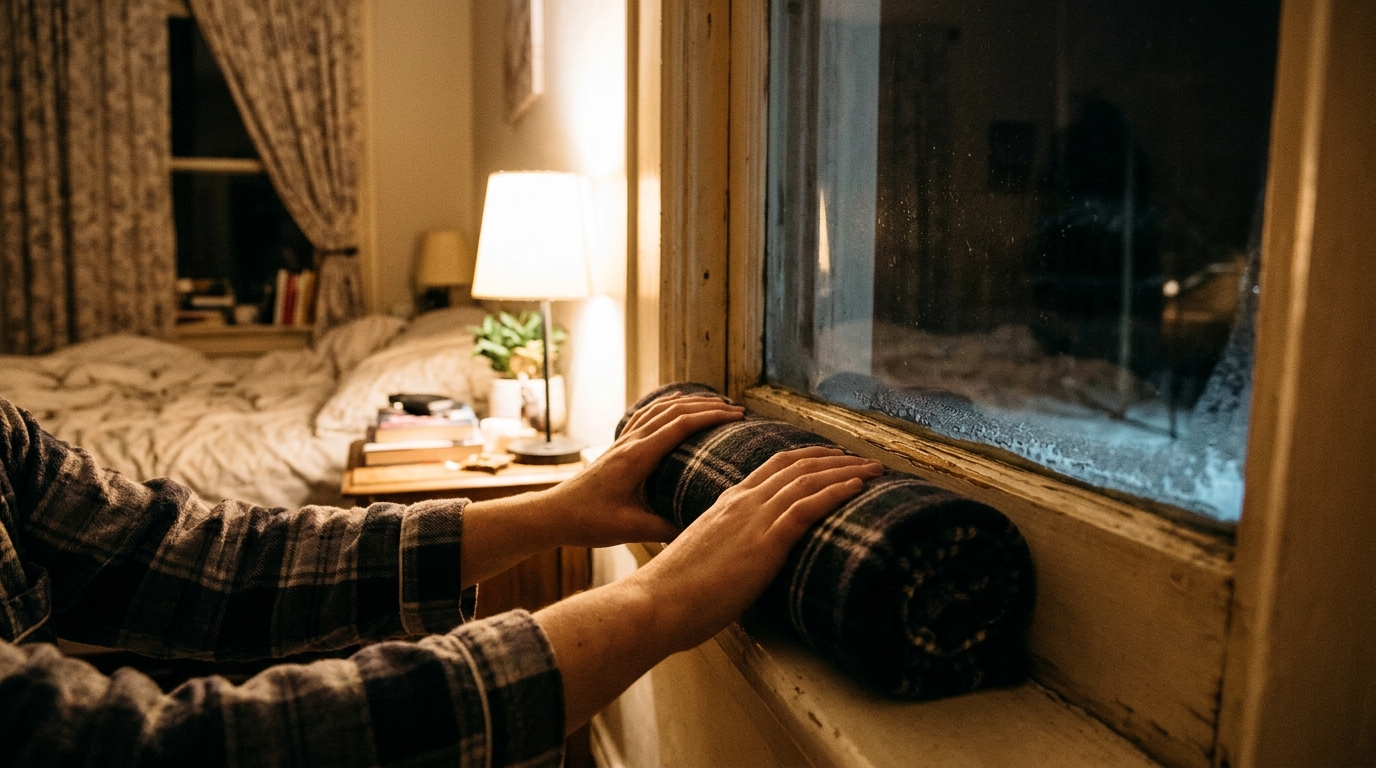
A leaky bedroom window can quietly waste energy and ruin your sleep, but you do not need new windows to stop it. A few cheap materials and five minutes can seal most of the leakage before you go to bed tonight.
Hot sleepers often crank the AC down to 68 degrees or lower just to stay comfortable at night, driving up cooling costs while still tossing and turning. The right cooling pillow tech, paired with a few smart bedroom tweaks, lets you raise the thermostat a few degrees and still sleep cool.
Sleep researchers consistently point to a bedroom temperature of about 65 to 68°F as the sweet spot for most adults, yet many homes sit at 72°F or higher overnight. Dialing in the right nighttime temperature can improve sleep quality while trimming your heating and cooling bills by 5 to 15%.
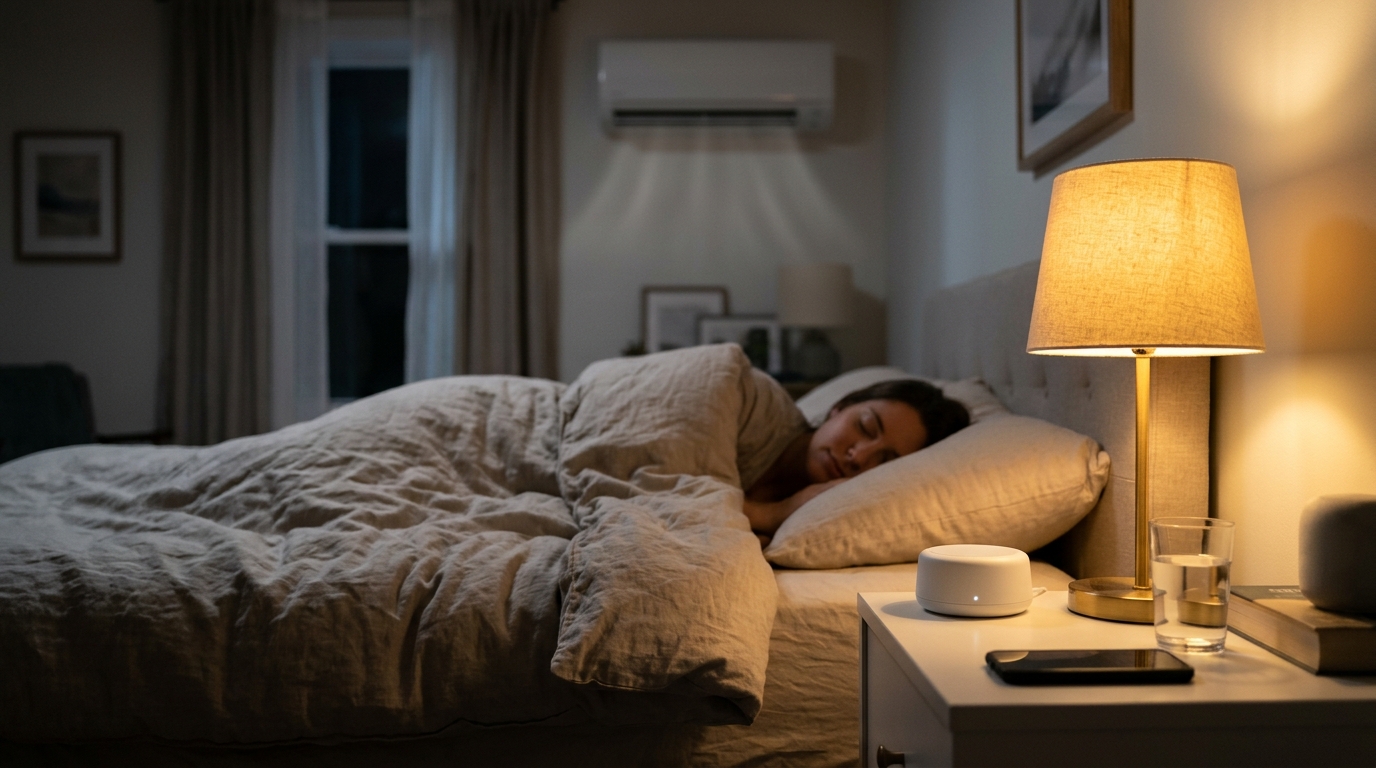
Many homeowners cool the whole house to 68 degrees just to get comfortable sleep, then lie awake listening to every creak, hum, and passing car. Pairing a white noise machine with smart use of your HVAC fan and a slightly warmer bedroom setpoint can improve sleep quality while trimming cooling costs by 5 to 10%.
Cooling or heating your entire house to keep one bedroom comfortable overnight is one of the most common ways homeowners waste energy. A ductless mini-split zoned to your sleeping area can cut nighttime HVAC costs by 30 to 50% while giving you better sleep temperatures than a central system ever could.
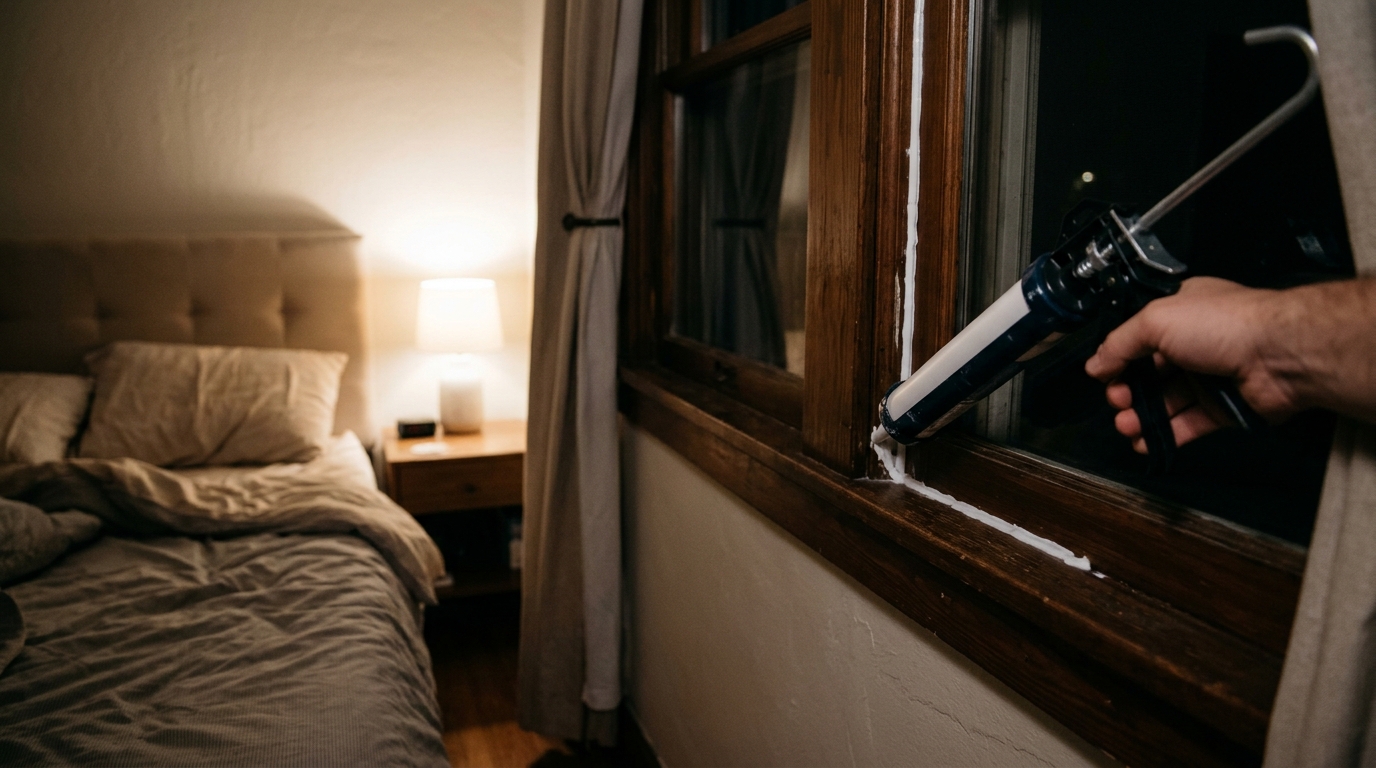
That cold stream of air across your shoulders at night usually comes from failed caulk around your window casing, not the glass itself. A $10 tube of caulk and an hour of work can cut window-related air leakage dramatically and make your bedroom noticeably more comfortable.
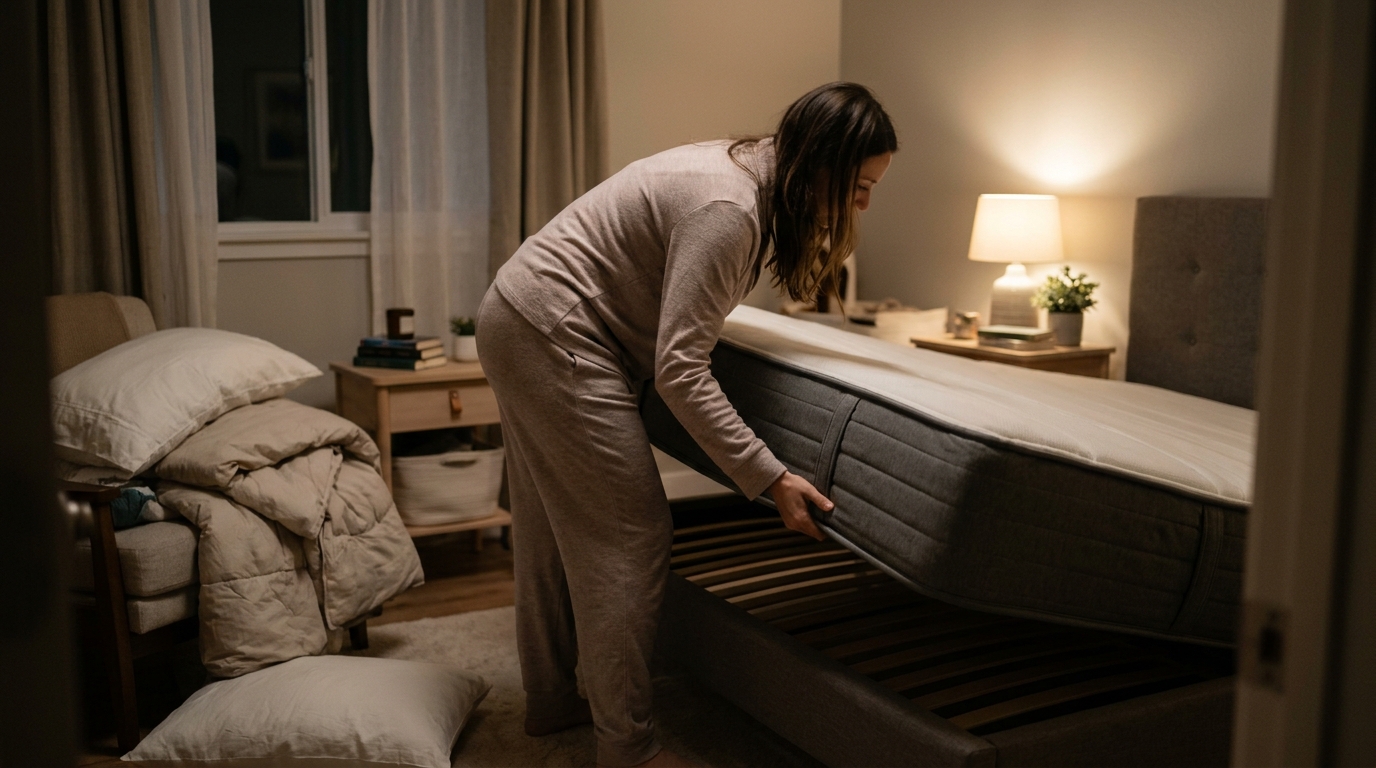
Many mattresses are built with different layers on each side, and rotating or flipping them with the seasons can change how much heat you trap overnight. Used alongside a few simple bedroom tweaks, it can help you sleep comfortably at a thermostat setting 2 to 4 degrees less aggressive, trimming your heating and cooling use.