A sudden jump in your January energy bill is not just about cold weather. It is a signal that your home’s thermal envelope, heating system, or daily habits have a hidden efficiency problem worth fixing.
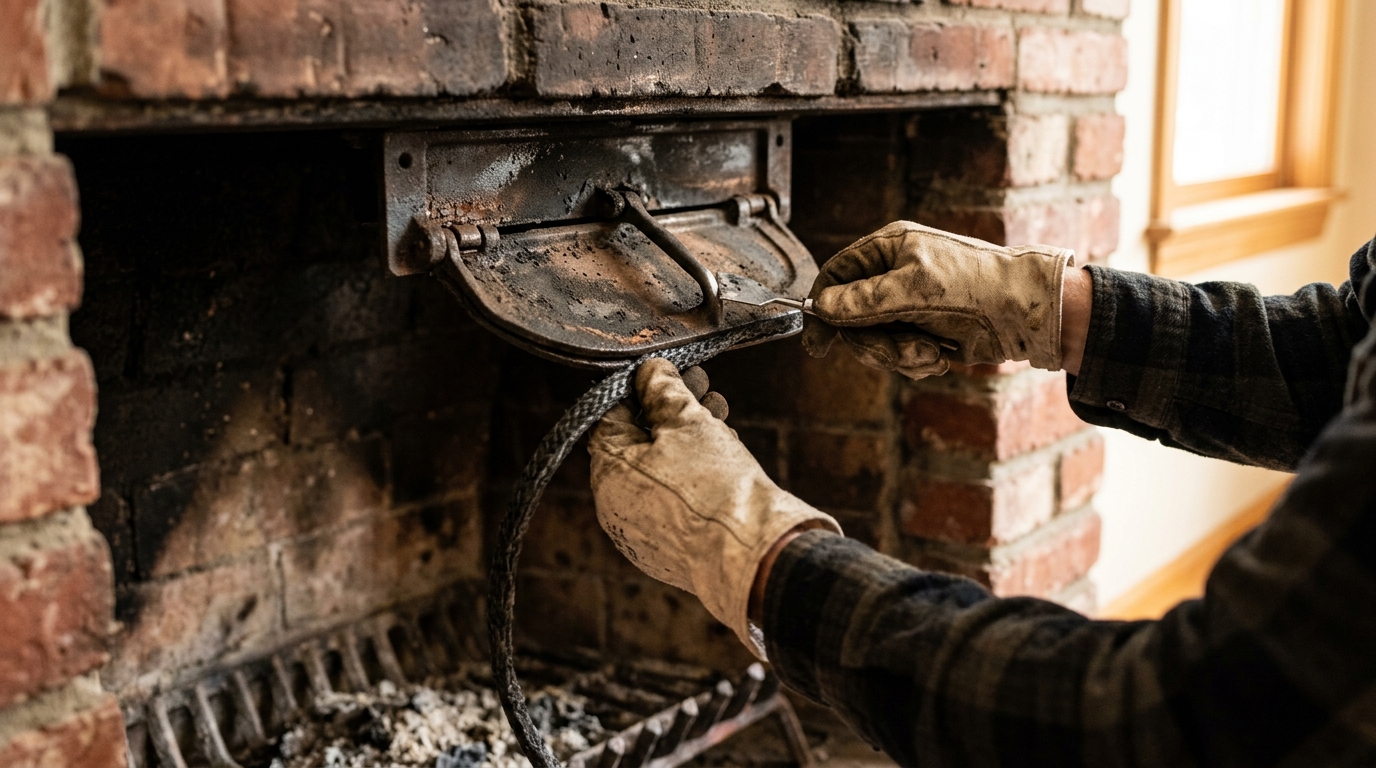
A leaky fireplace damper can silently drain hundreds of dollars in heating costs by letting cold outside air pour into your living space. Learn how to diagnose the problem and fix it yourself, from a simple draft stopper to a top-mounted damper upgrade that seals 90% better than standard throat dampers.
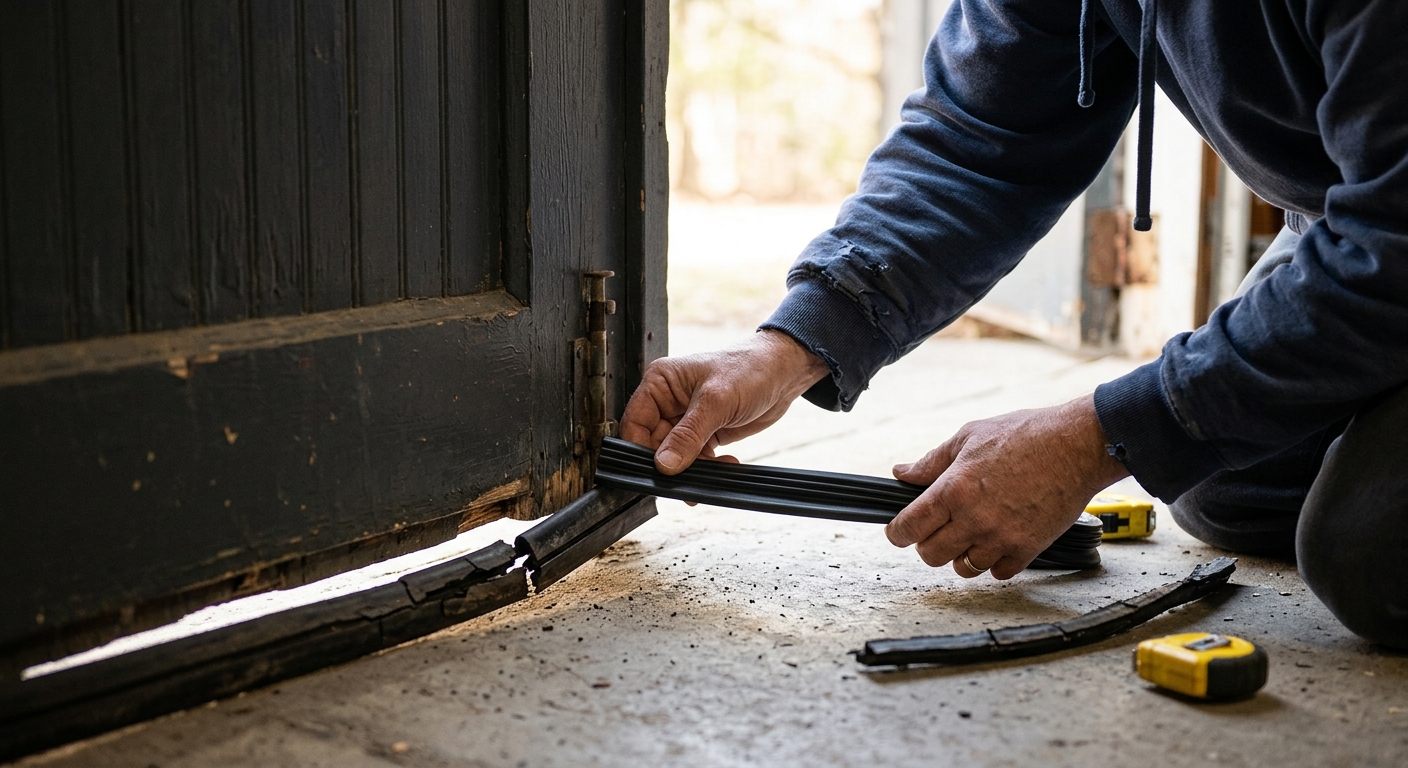
A worn or missing garage door bottom seal can let in as much cold air as leaving a window cracked open all winter. Replacing or reinforcing this seal takes under 30 minutes and costs less than $10, yet it can noticeably reduce drafts and lower heating bills.
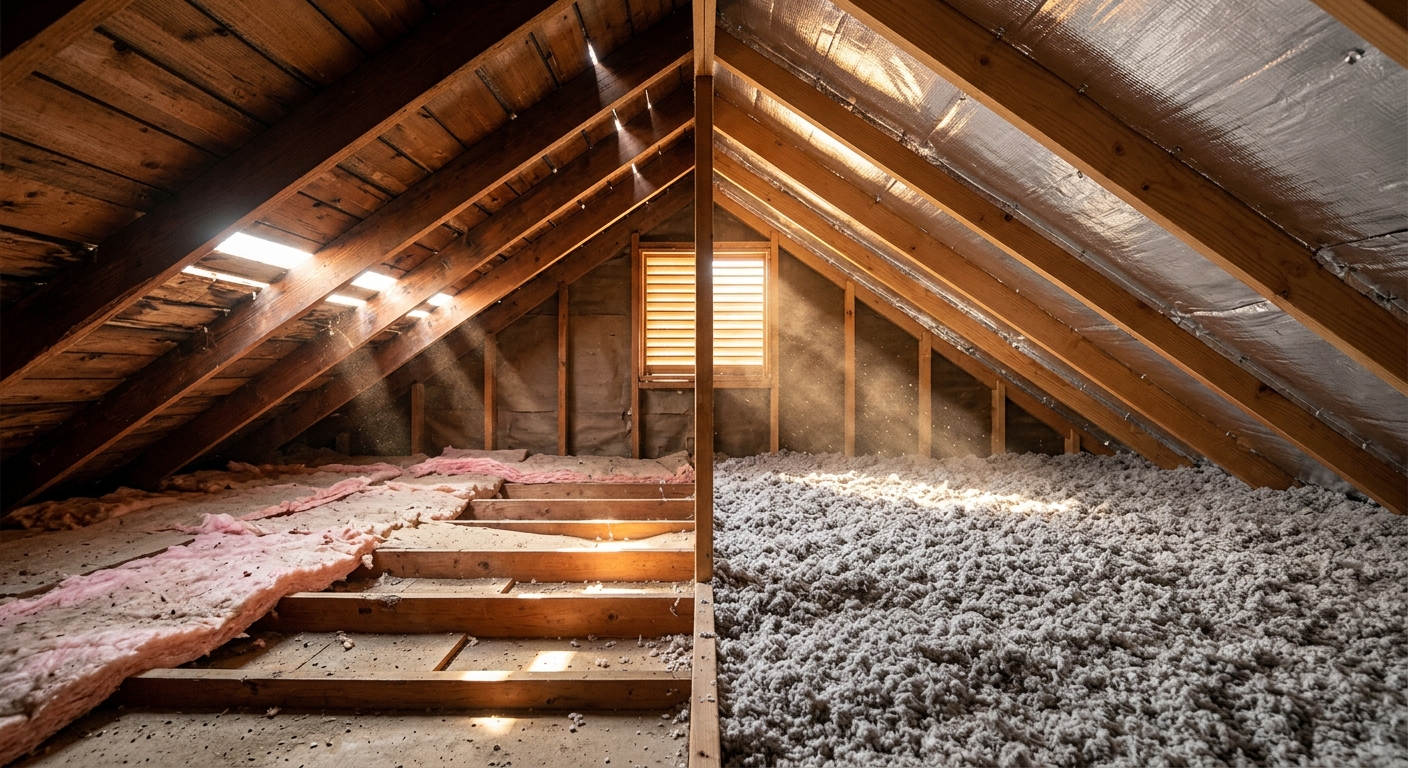
A brand-new furnace or heat pump that still struggles to warm your home is not a system problem, it is a building envelope problem. Sealing air leaks and upgrading insulation gives your HVAC the backup it needs to finally keep up on the coldest days.
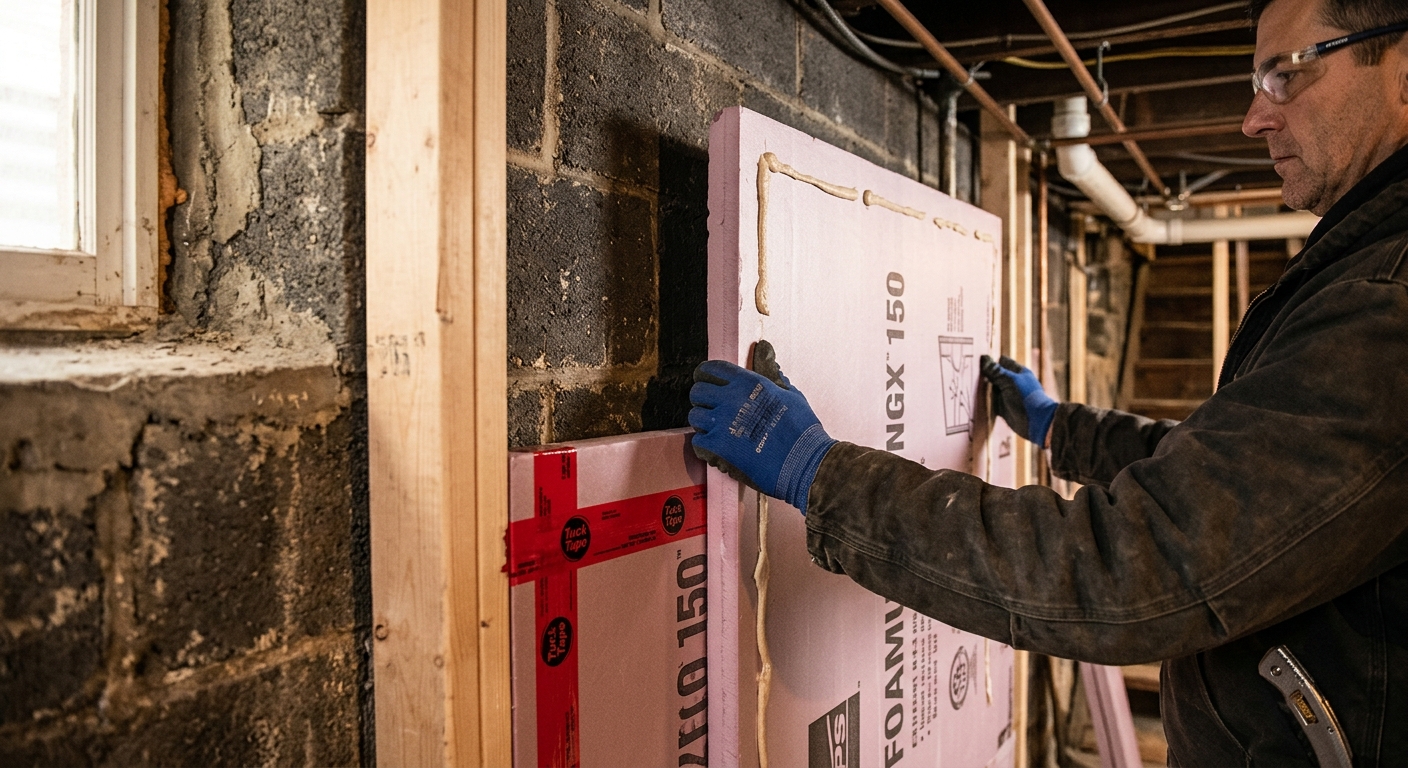
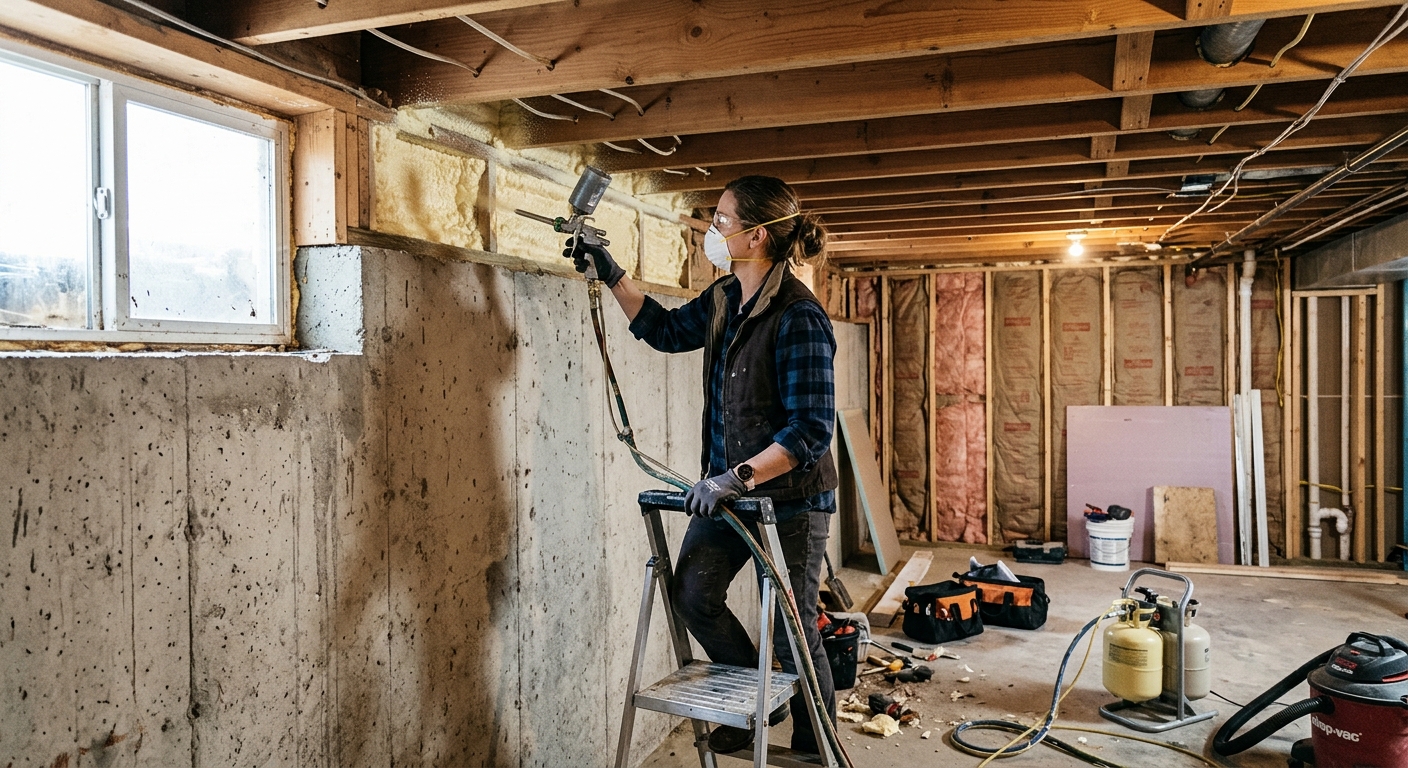
Choosing the wrong insulation for your basement walls can leave you with moisture problems, wasted energy, and a cold floor above. This guide breaks down the real costs, R-values, and payback periods for both rigid foam and spray foam so you can make the smartest choice for your home.
Most homeowners focus on windows and attics when trying to cut heating costs, but the basement is often the biggest source of heat loss in the entire house. By sealing, insulating, and conditioning your basement properly, you can realistically cut your heating bill by 15 to 25% without touching your furnace.
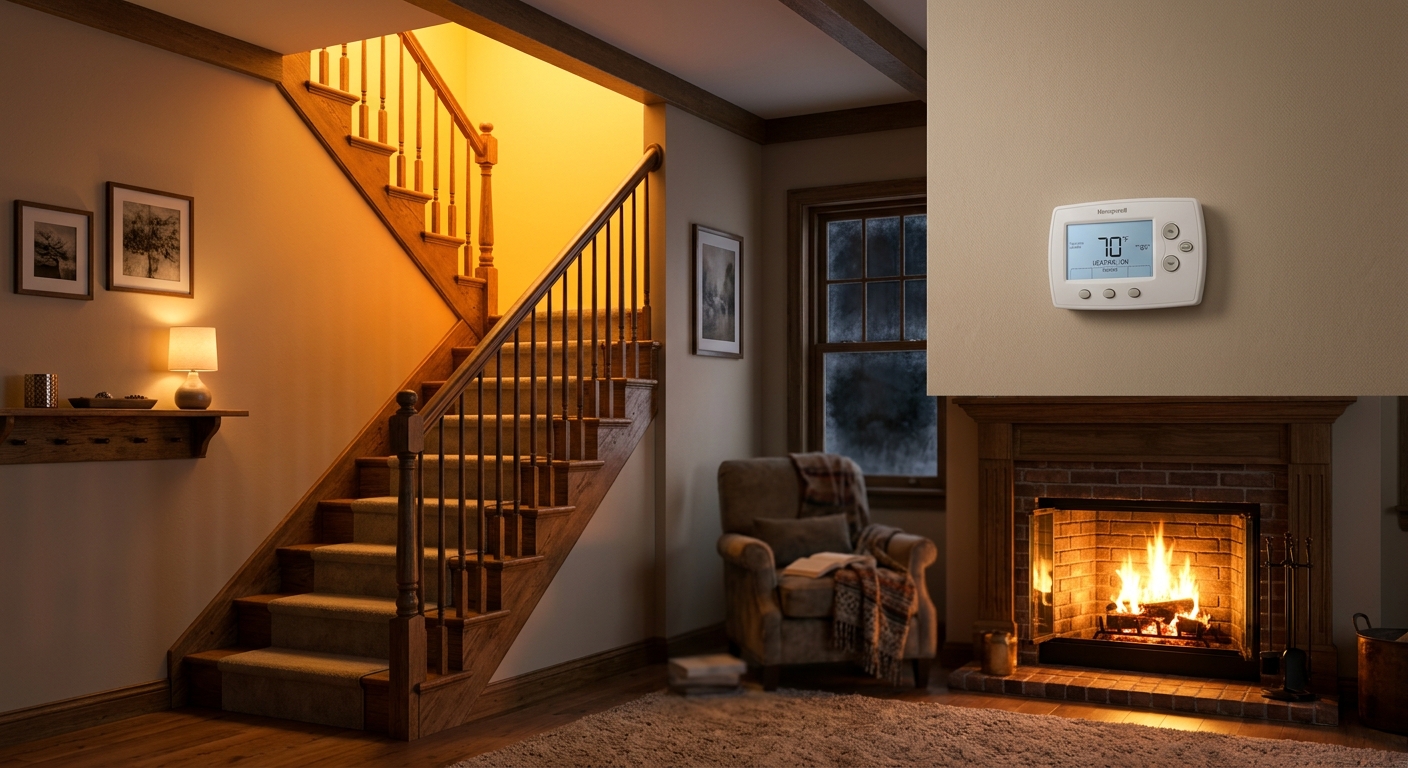
If your upstairs feels like a sauna while your downstairs stays chilly, your home is wasting energy and comfort at the same time. This guide walks you through the exact causes and fixes, from free adjustments you can make today to targeted upgrades that deliver lasting results.
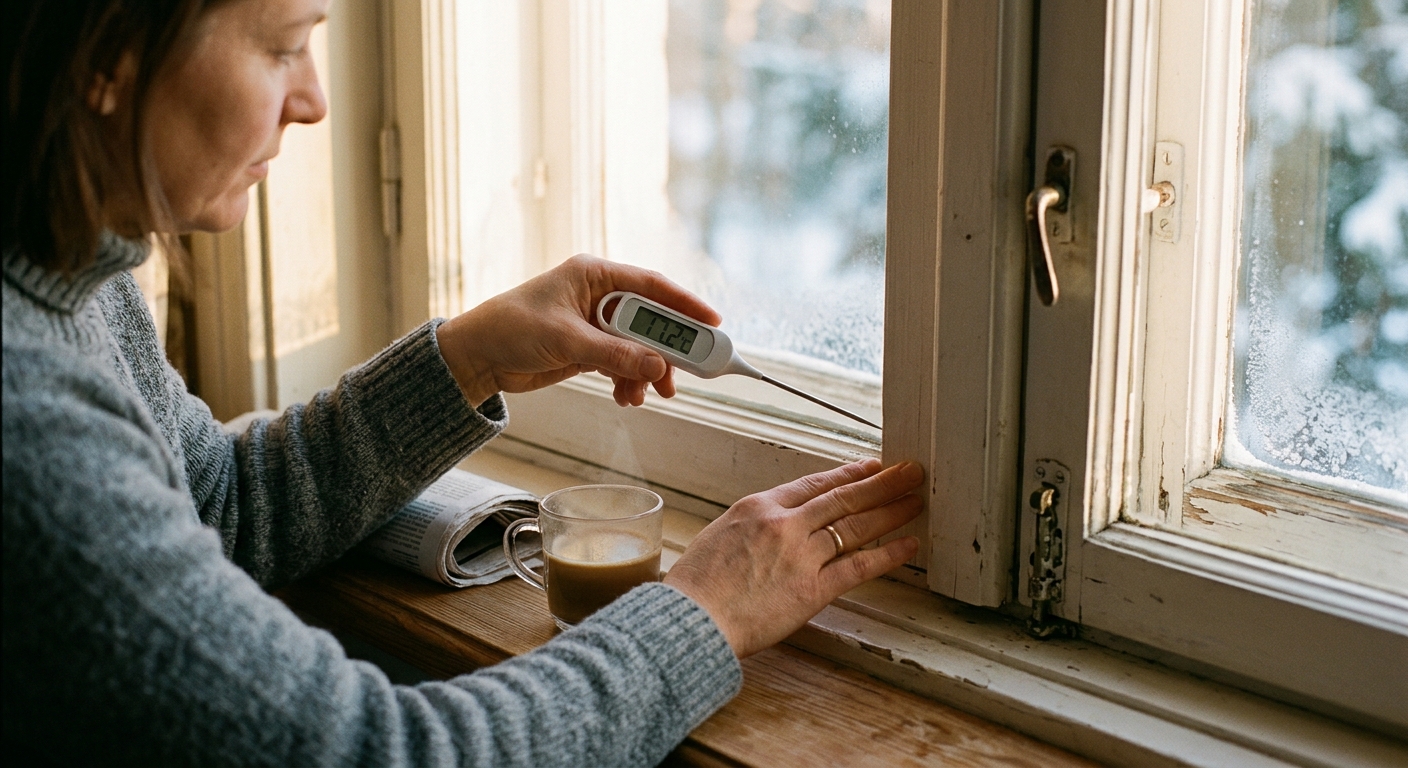
If your furnace is running hard every morning just to catch up, your home is silently bleeding heat while you sleep. This simple morning diagnostic routine pinpoints exactly where that heat is escaping so you can stop wasting money on warmth that never stays.
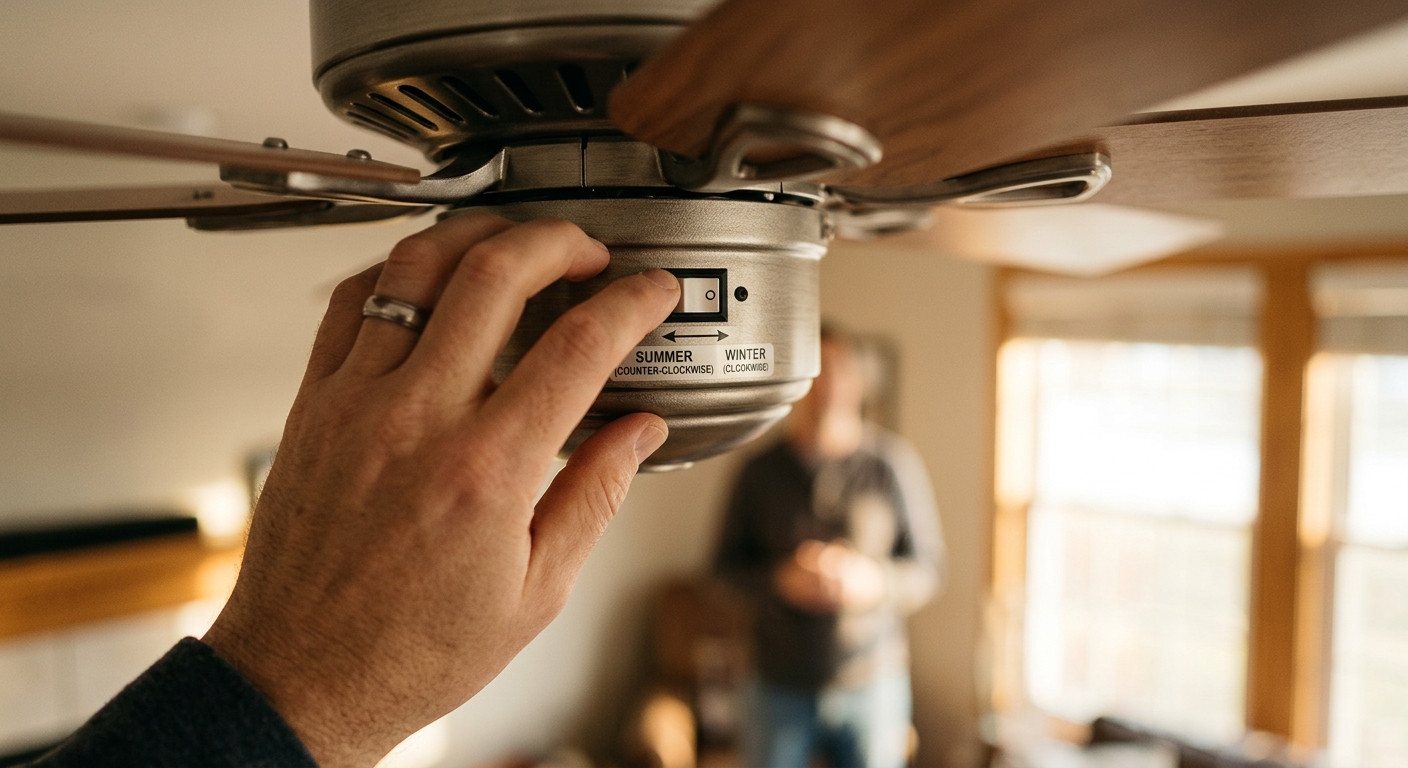
Most homeowners run their ceiling fans the wrong direction half the year, paying to heat or cool rooms less efficiently than they could. Switching fan direction seasonally and pairing fans with smart thermostat setbacks can trim 5 to 15% off annual HVAC bills with zero equipment purchases.
Most homeowners assume insulation works the same way year-round, but heat moves through your home by completely different mechanisms depending on the season. Understanding this seasonal shift can help you target upgrades that cut both heating and cooling bills by 15 to 30%.