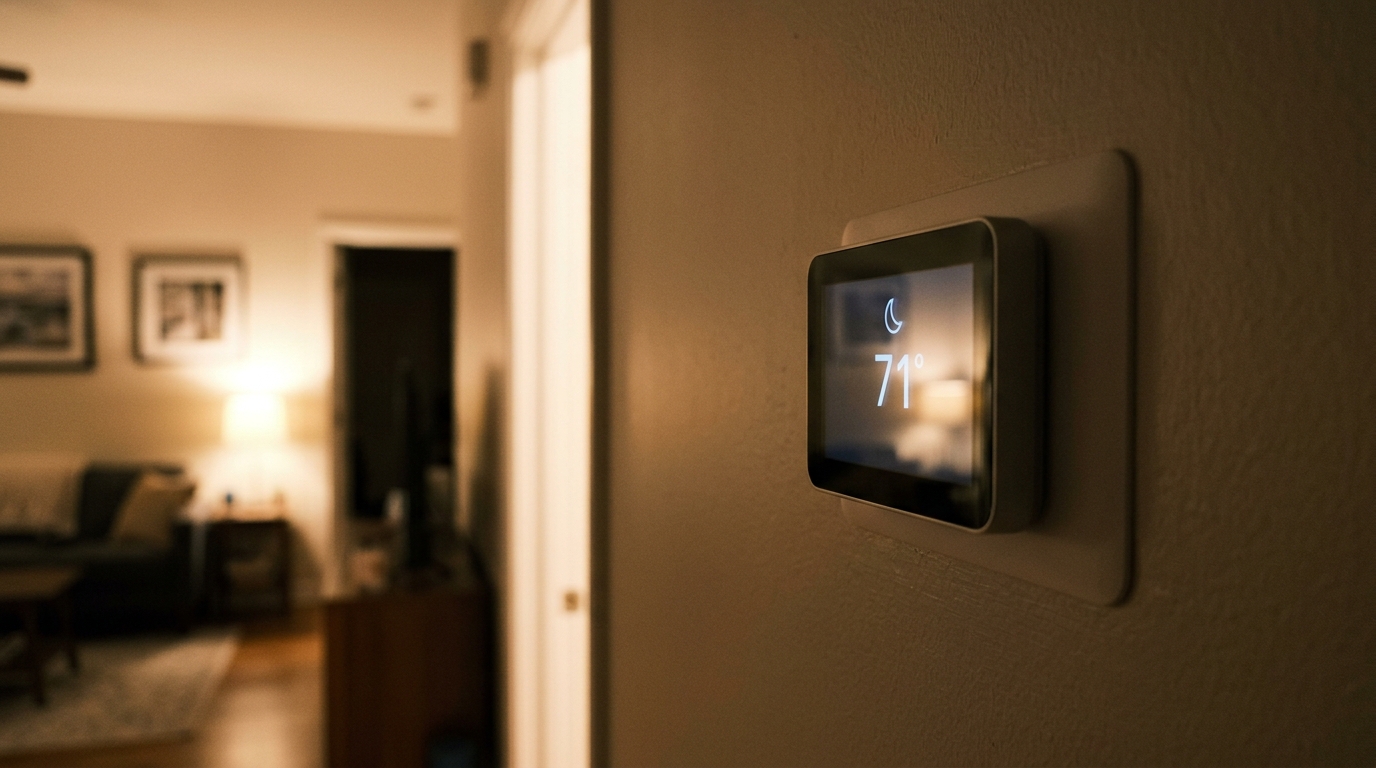
Many homeowners trust the factory ‘Sleep’ mode on their thermostat, but in summer a poorly tuned setback can force your AC to run harder and longer when you wake up. Learn how to adjust your overnight schedule so it saves money instead of quietly wasting it.
Every clear night, your home can shed heat straight into space through a physics effect called radiative cooling, but most houses barely use it. With a few smart habits and the right roof or window choices, you can cut cooling bills by roughly 10 to 30 percent while researchers push the technology even further.
If you have ever woken up in a home with radiant floors and felt oddly comfortable at 66 degrees, or felt chilly at 70 with forced air, you are experiencing real physics, not your imagination. Understanding how each system delivers heat overnight lets you set smarter temperatures, avoid the common setback mistakes, and trim heating bills by 10 to 20 percent.
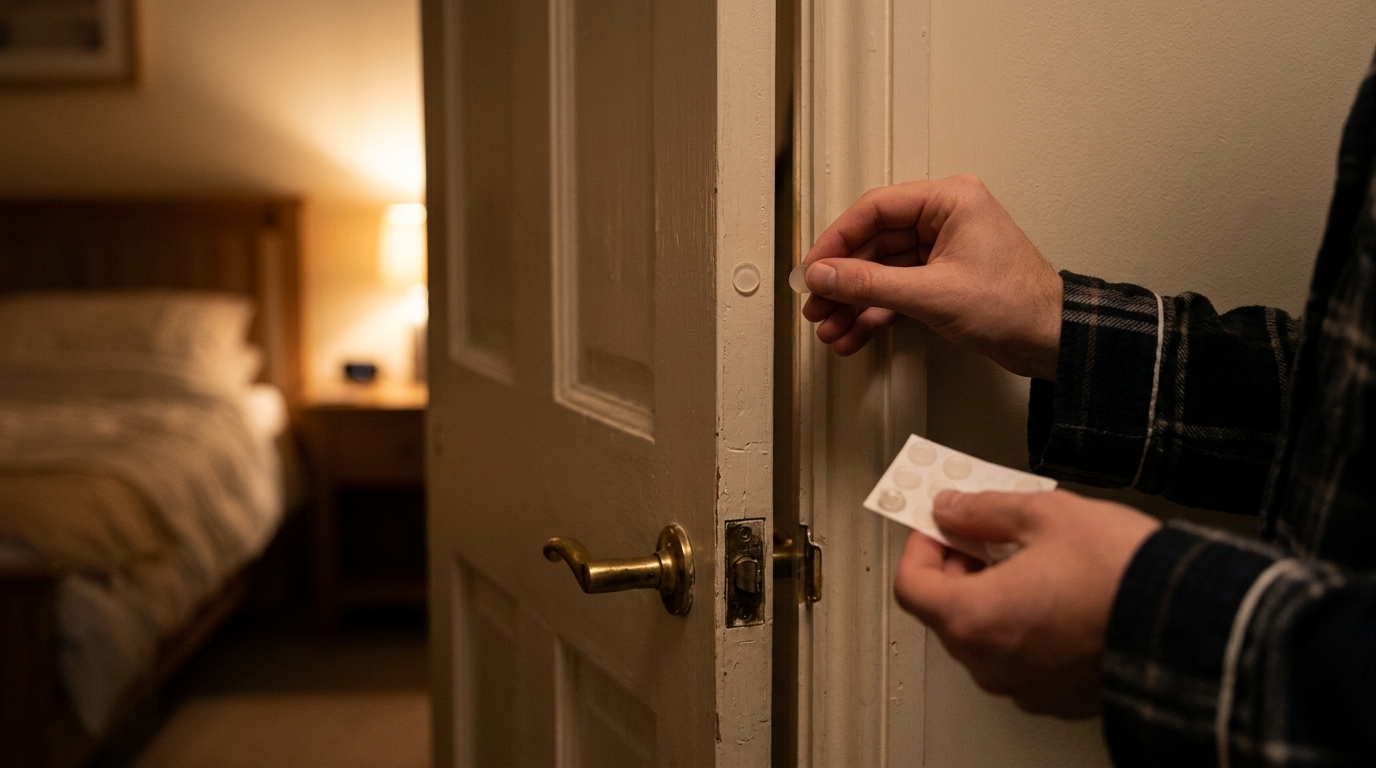
A slamming door is rarely just a noise problem. It usually points to a pressure imbalance, worn hardware, or a draft you are already paying to heat and cool, so the same fixes that quiet the bang can also trim your energy bill. Start with a free 10-minute tune-up, then step up to inexpensive soft-close hardware if you want near-silent doors that last.
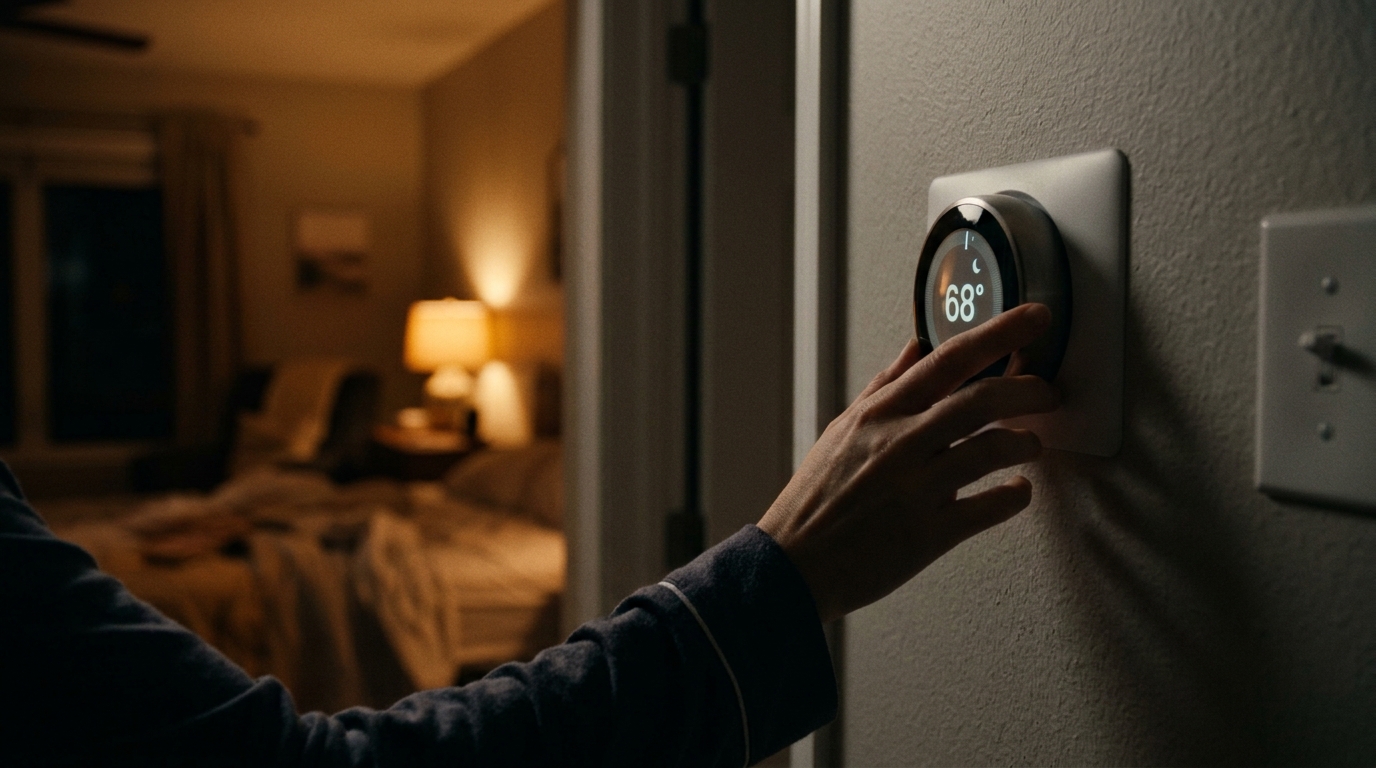
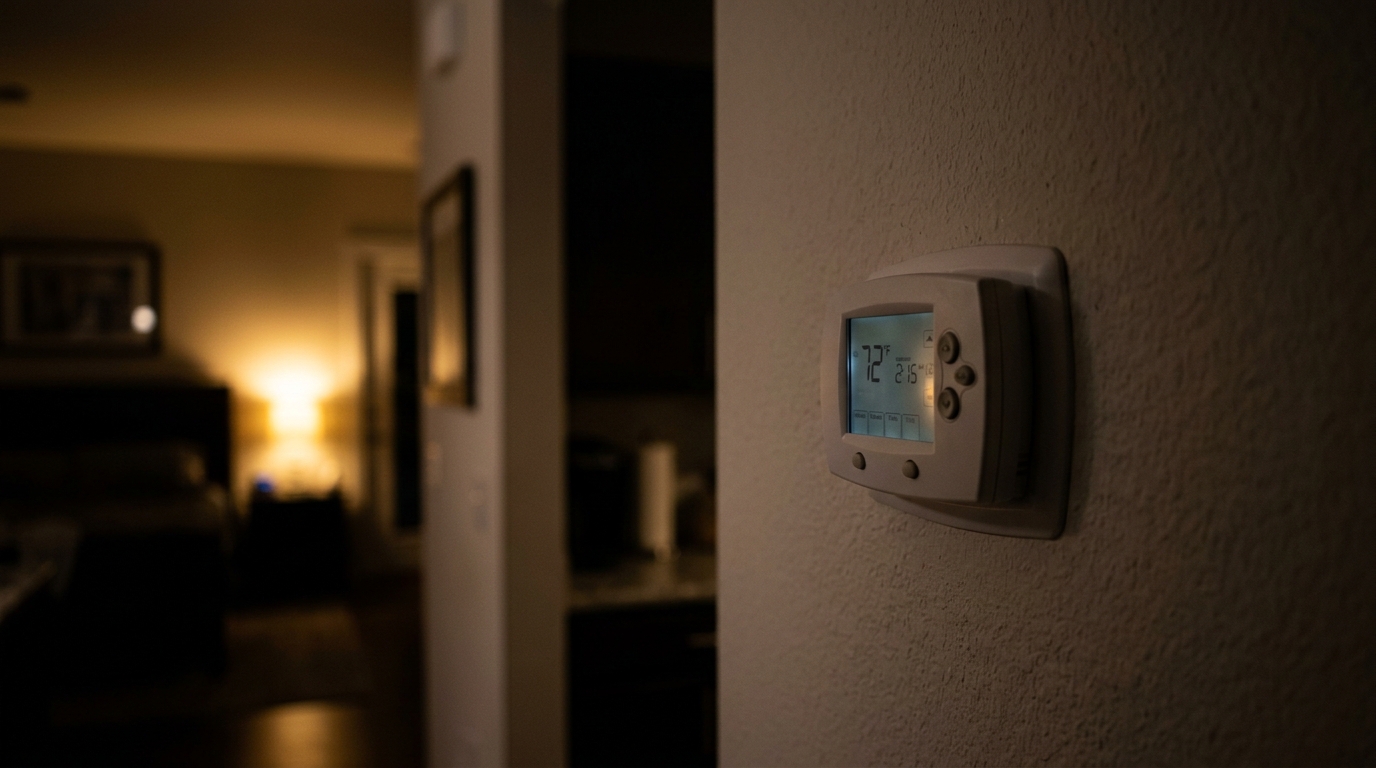
Most thermostat night settings are either factory defaults or guesses made years ago, and they often waste energy or leave you waking up uncomfortable. A few small adjustments to your overnight schedule can trim 5 to 10% off your annual heating and cooling costs while improving sleep.
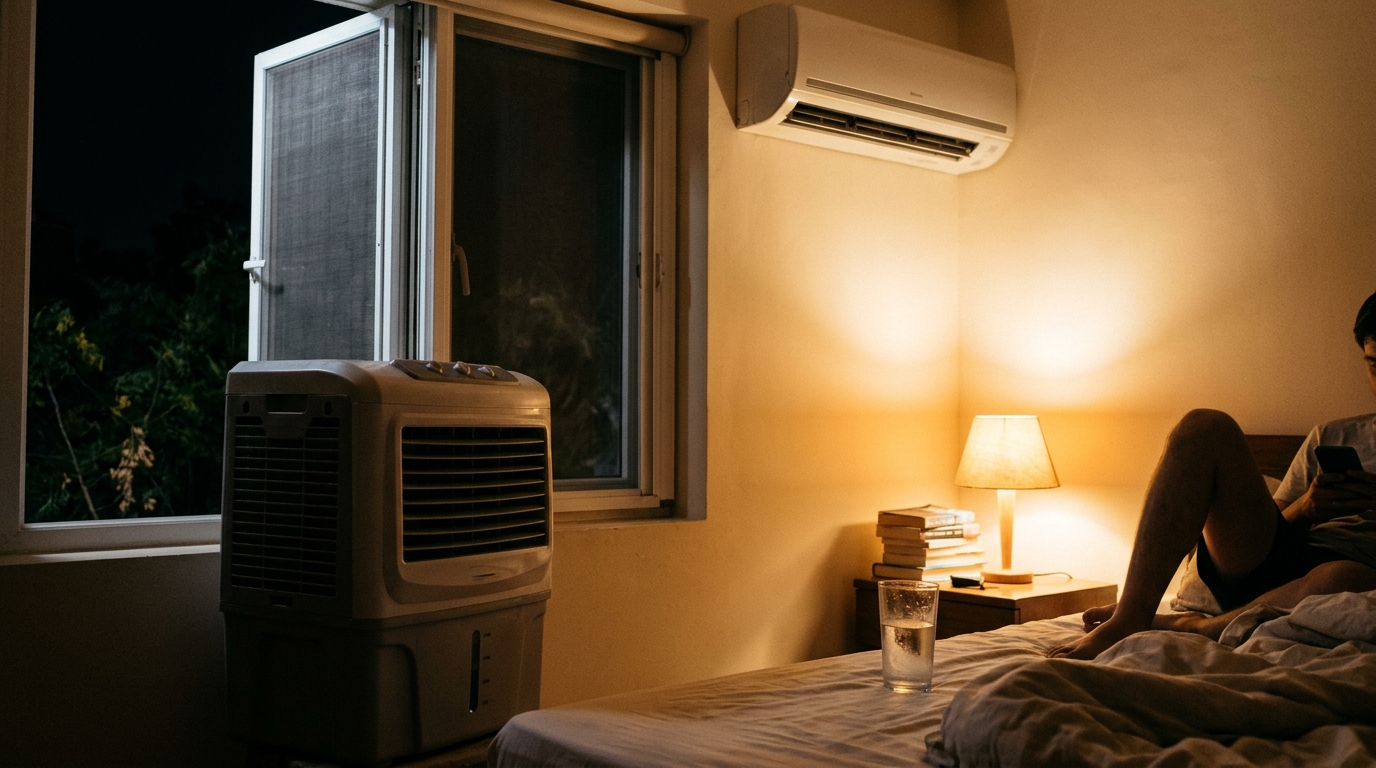
In dry climates, evaporative coolers can deliver comfortable nights for a fraction of what central air costs to run, but only when humidity and setup are right. Here is how to decide between a swamp cooler and AC, and how to get the most out of whichever you choose.
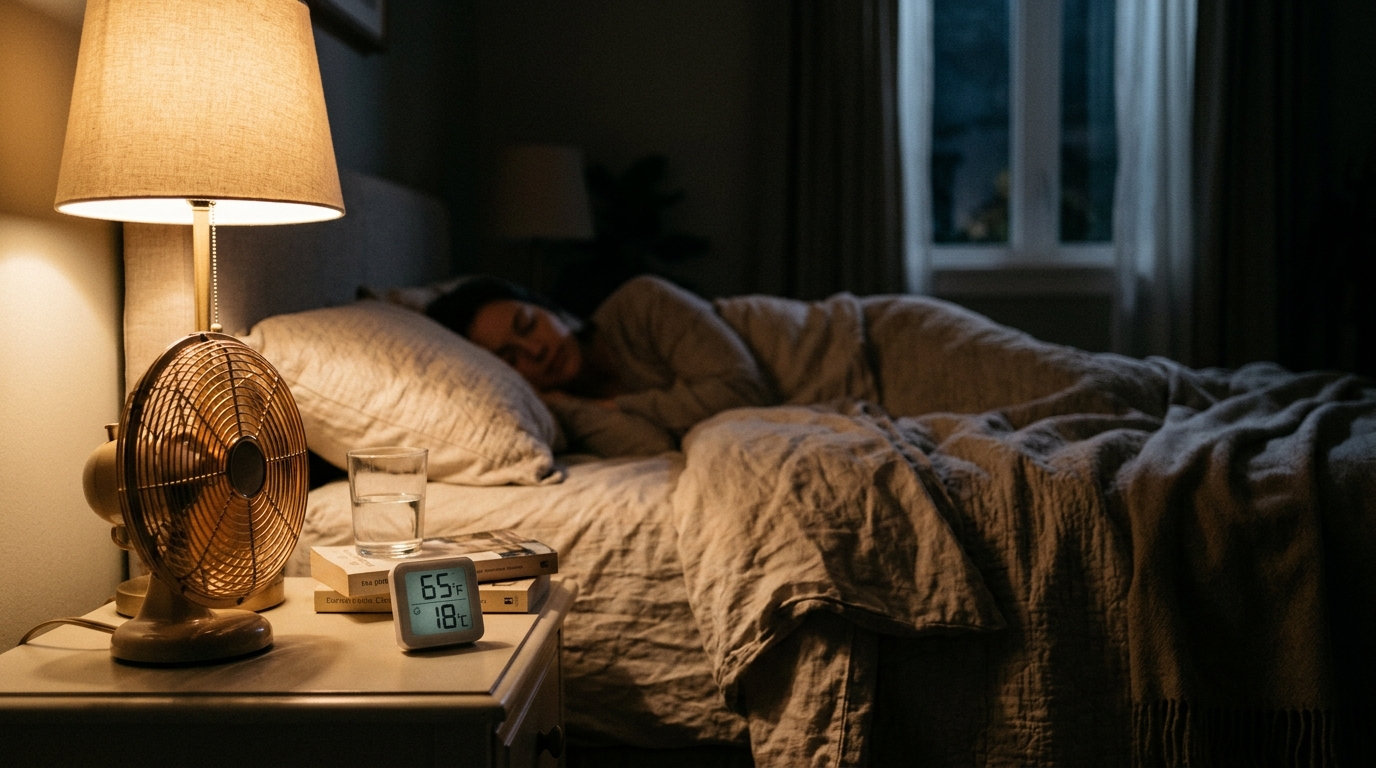
Sleep researchers consistently point to a bedroom temperature of about 65 to 68°F as the sweet spot for most adults, yet many homes sit at 72°F or higher overnight. Dialing in the right nighttime temperature can improve sleep quality while trimming your heating and cooling bills by 5 to 15%.
A programmable thermostat can cut heating and cooling costs by up to 10% a year, but a poorly built night schedule can erase those savings or leave you cold and sweaty at 3 a.m. The fix is usually about timing, setback depth, and recovery behavior, not buying new equipment.
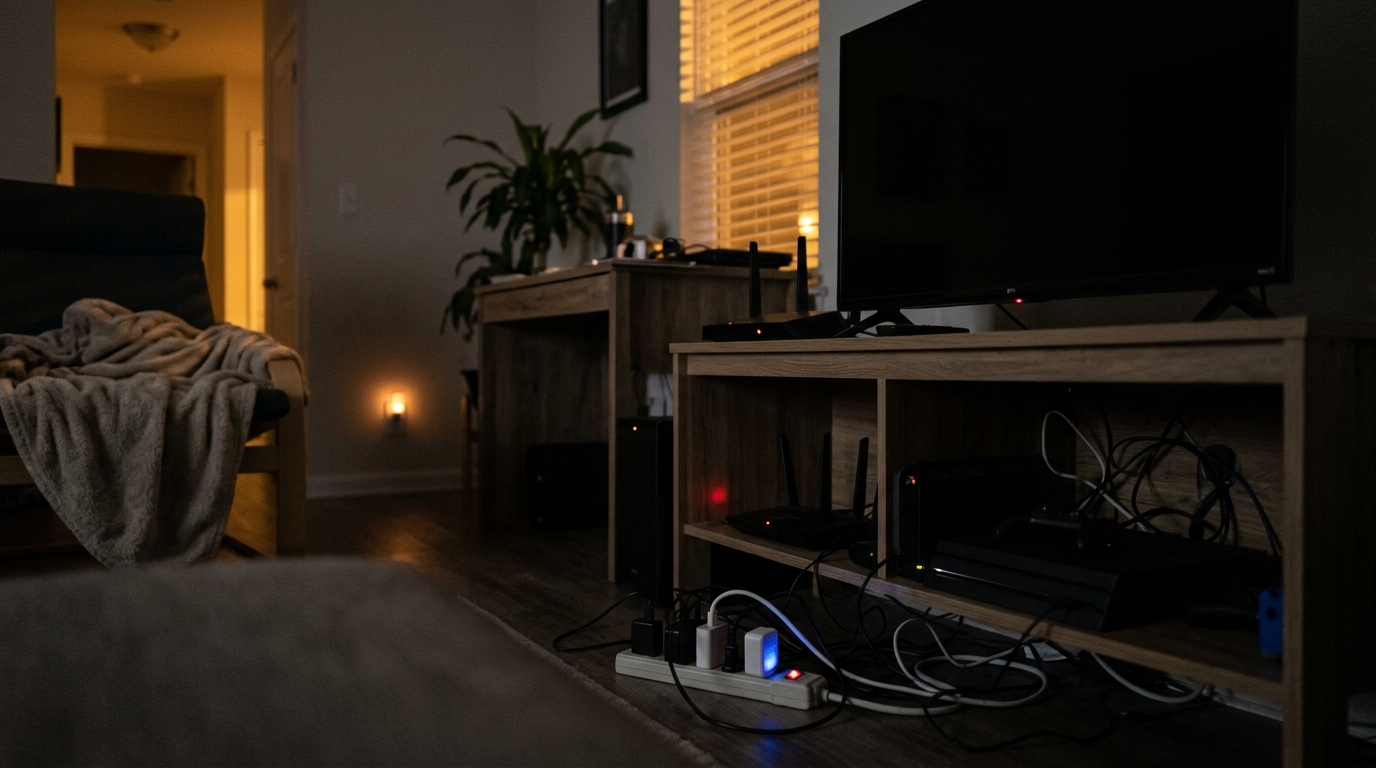
Even when the TV is dark and the chargers are untouched, a typical American home draws a constant stream of standby power around the clock. Learn how to find the biggest offenders, cut that waste by 50 to 75 percent, and pay back your investment in months, not years.
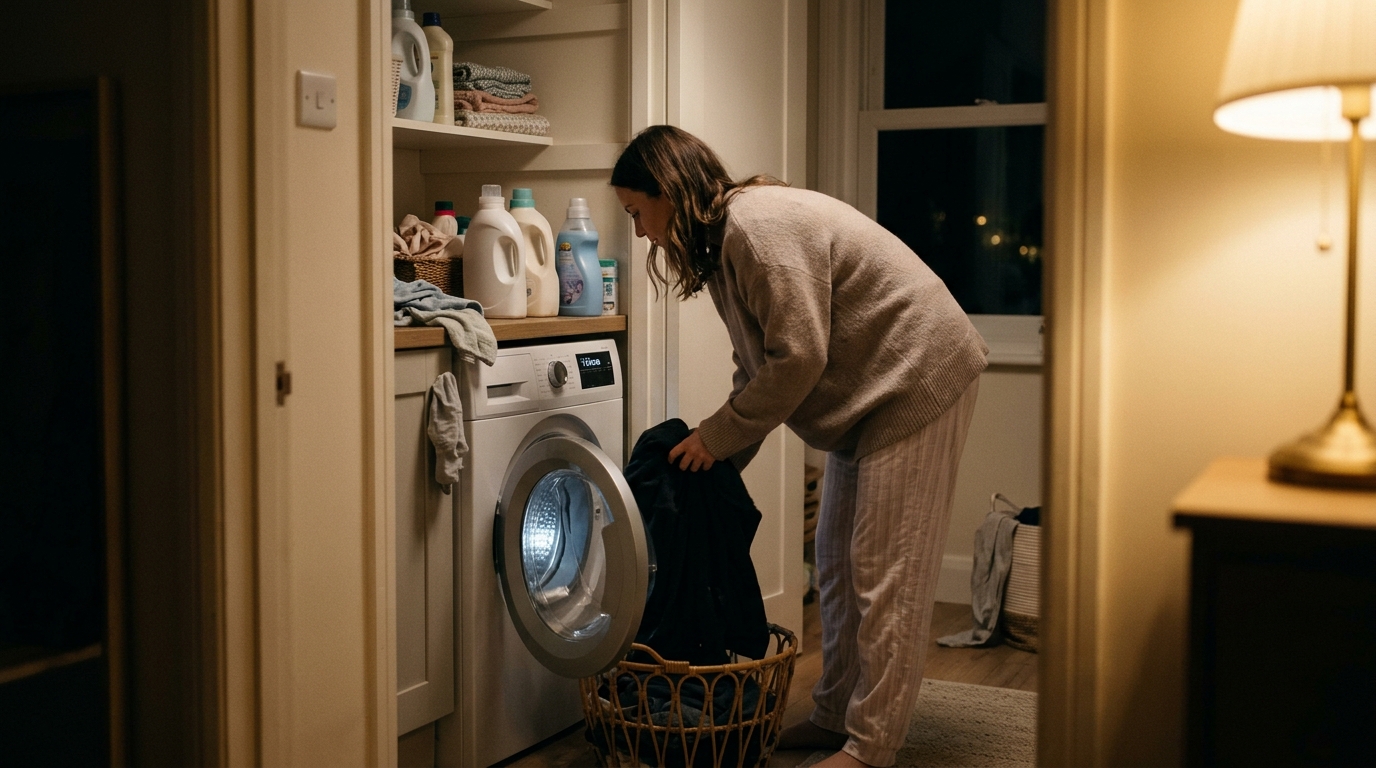
If your utility uses time-of-use (TOU) rates, the same load of laundry can cost two to four times more at dinnertime than it does late at night. Shifting your washer, dryer, and other big appliances to off-peak hours can trim 10 to 30% from the electricity portion of your bill without changing how much power you use.