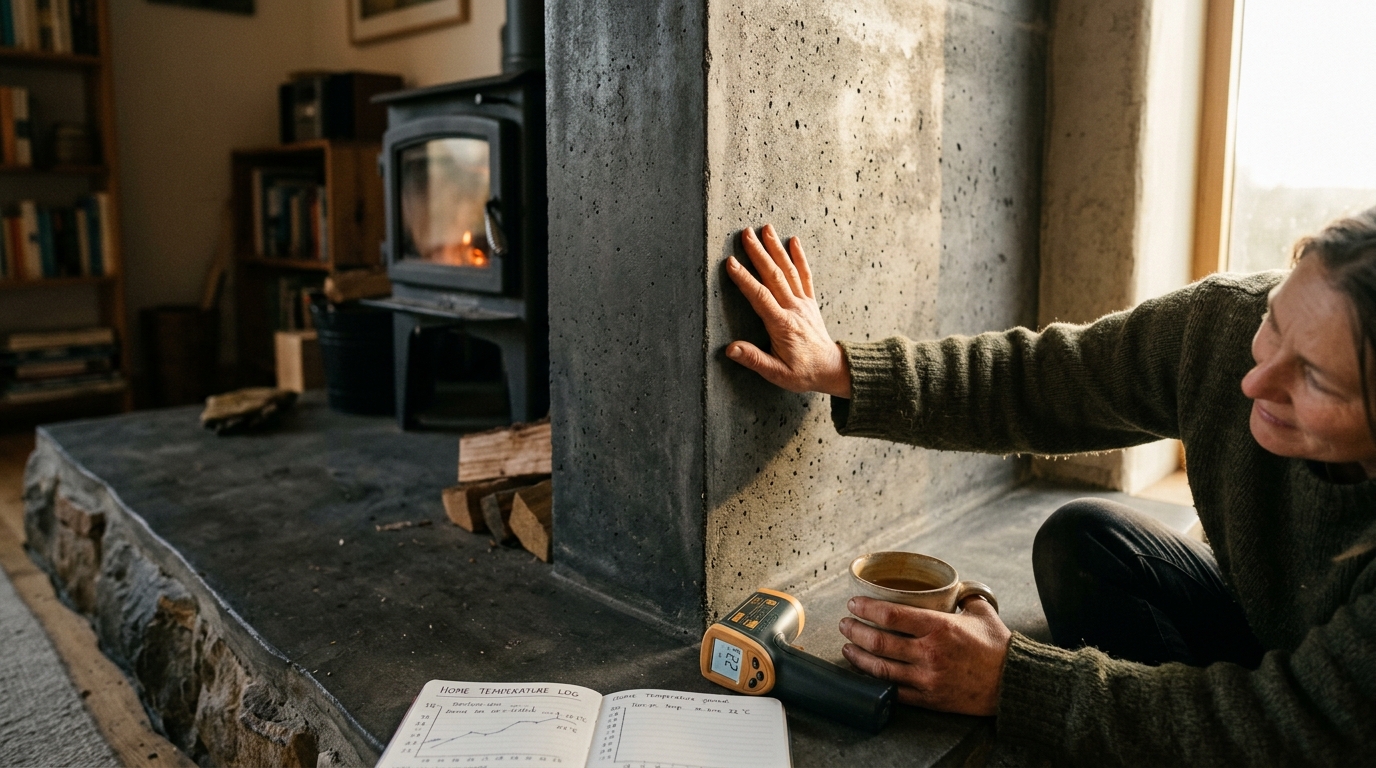
Most homeowners chase comfort by adjusting the thermostat, never realizing their walls, floors, and countertops are silently storing and releasing heat all day. Understanding thermal mass lets you work with your home’s natural physics to stay comfortable longer while running your heating and cooling system less.
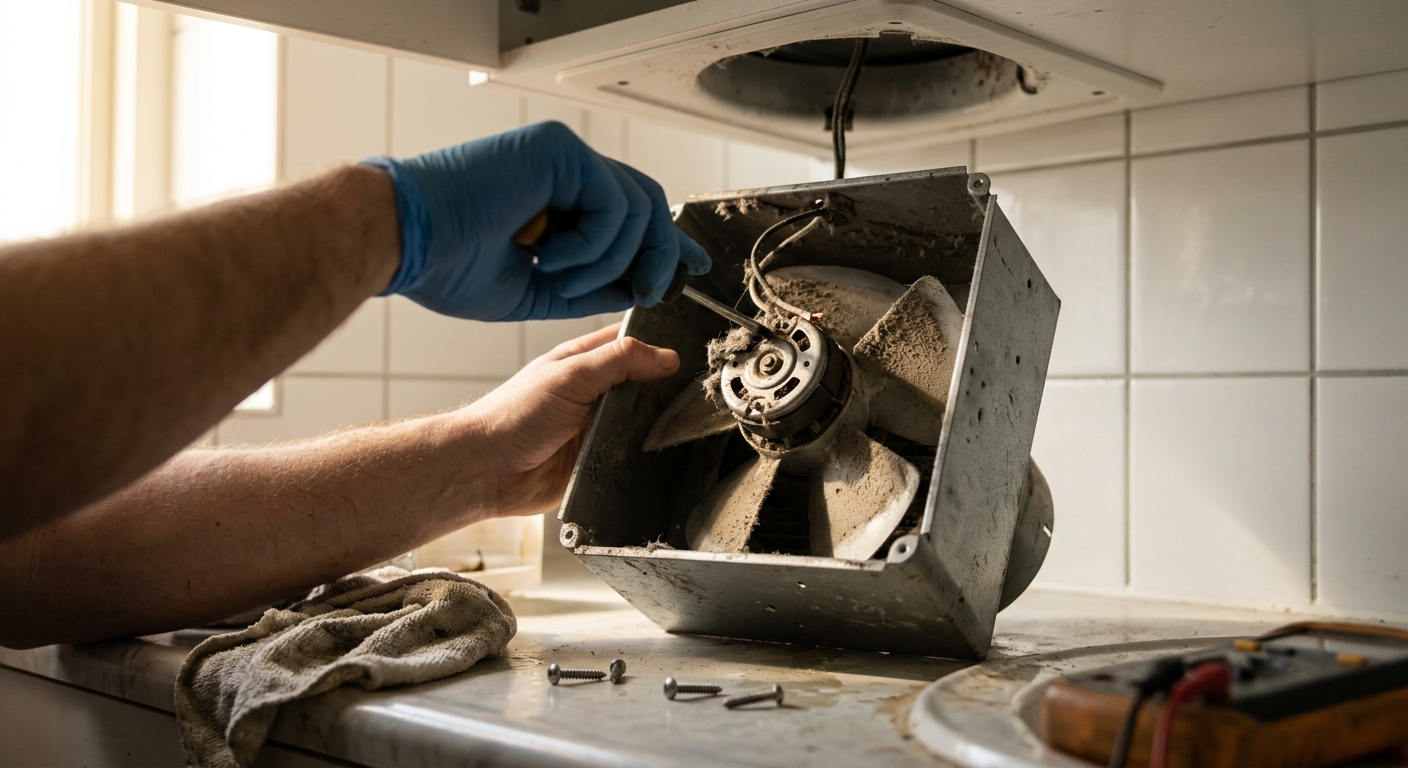
Most homeowners never think twice about their bathroom exhaust fan, but a poorly chosen or improperly used fan can quietly drain energy and comfort year-round. The right fan, sized and used correctly, pays for itself in lower bills, fewer mold problems, and a more comfortable home.
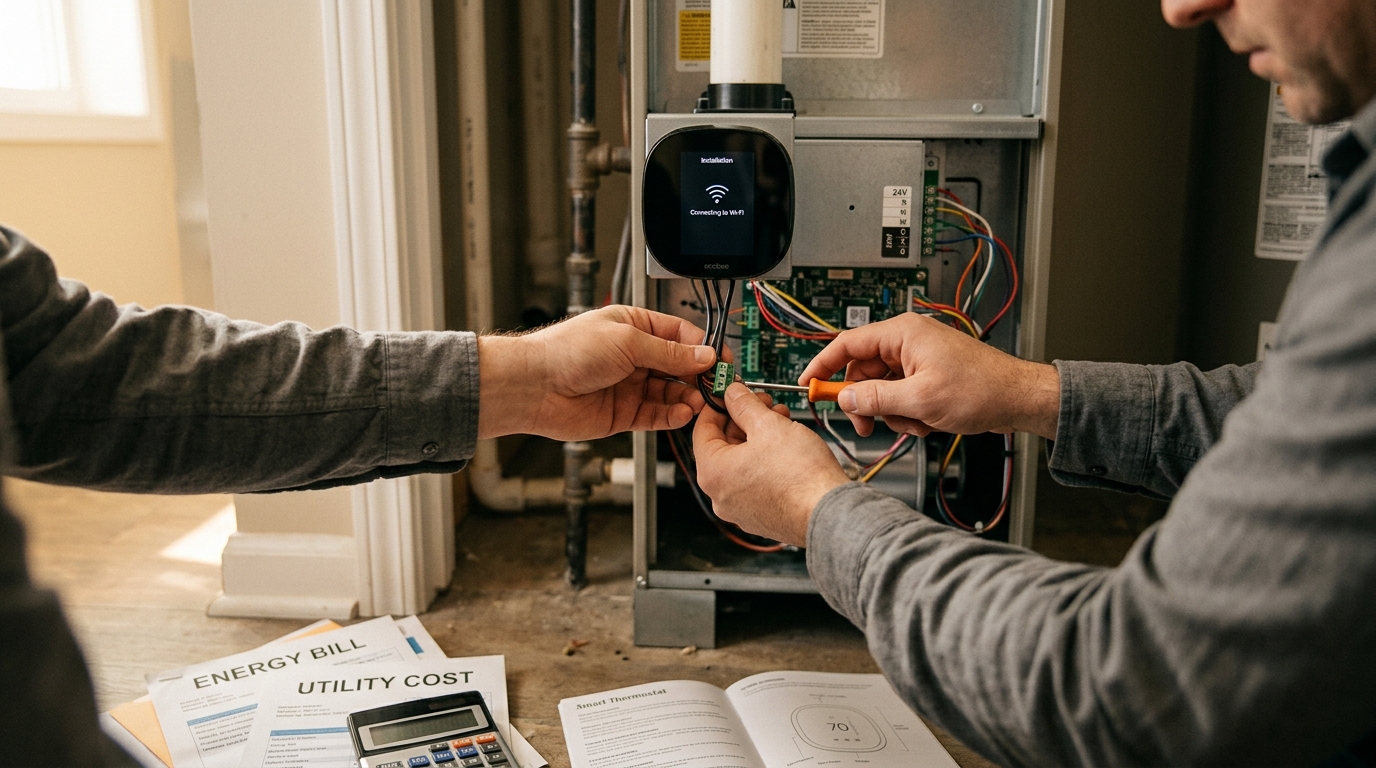
Most ‘smart home’ gadgets are novelties that add convenience without saving money, but a handful of targeted upgrades genuinely cut energy bills by 15 to 30% annually. This post breaks down exactly which five upgrades deliver real payback, what they cost, and how to install them yourself.
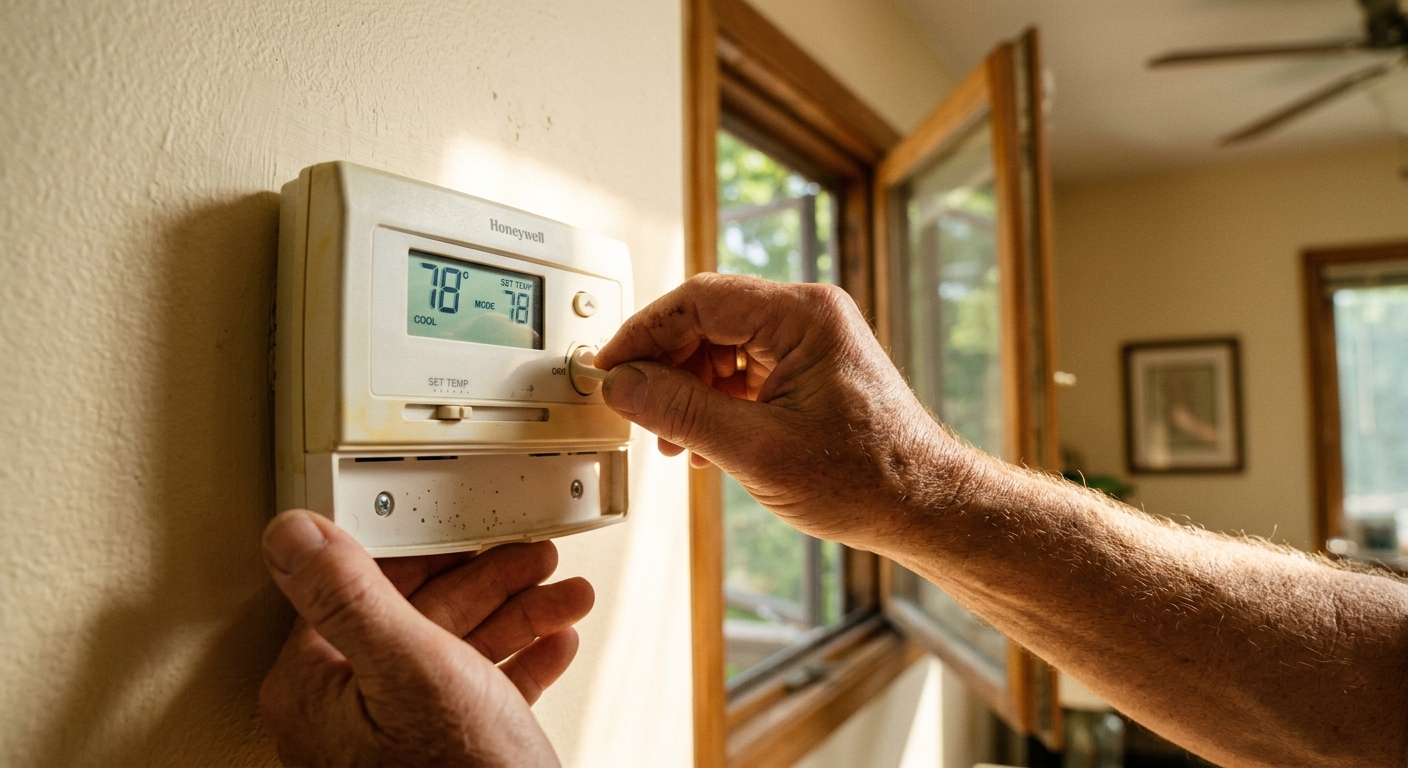
Most homeowners crank the AC below 72 degrees and watch their energy bills climb, not realizing that smart home prep can make 78 degrees feel just as comfortable. By managing heat gain, airflow, and humidity together, you can stay cool at a higher thermostat setting and cut cooling bills by 20 to 30 percent.
Cold drafts, uneven heat, and sky-high heating bills are signs your home is losing warmth faster than your furnace can replace it. These seven weekend projects tackle the biggest heat loss culprits and can cut your heating costs by 15 to 30% starting this season.
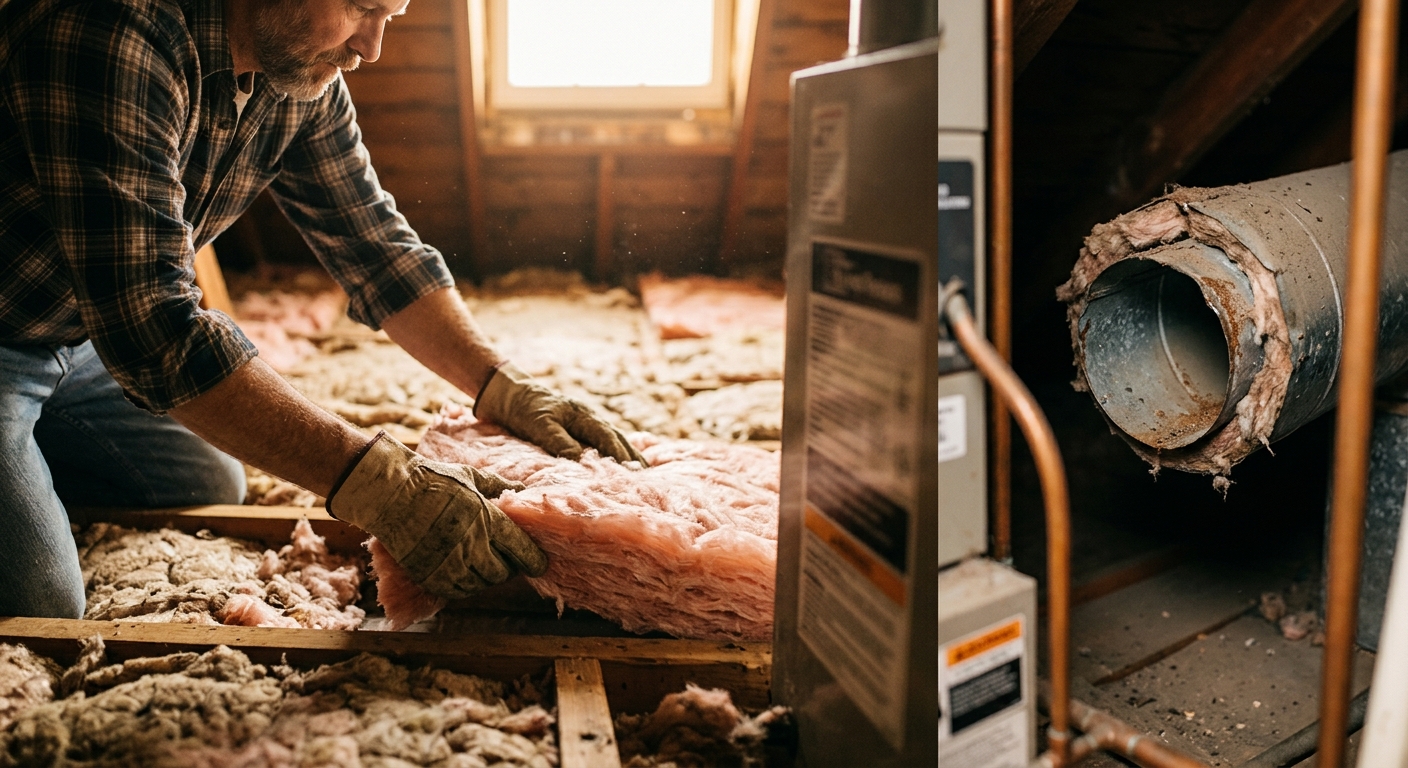
Poor insulation forces your furnace or heat pump to run nearly constantly just to maintain a comfortable temperature, quietly draining hundreds of dollars from your budget every winter. Upgrading your insulation is one of the highest-return investments a homeowner can make, with payback periods as short as two to four years.
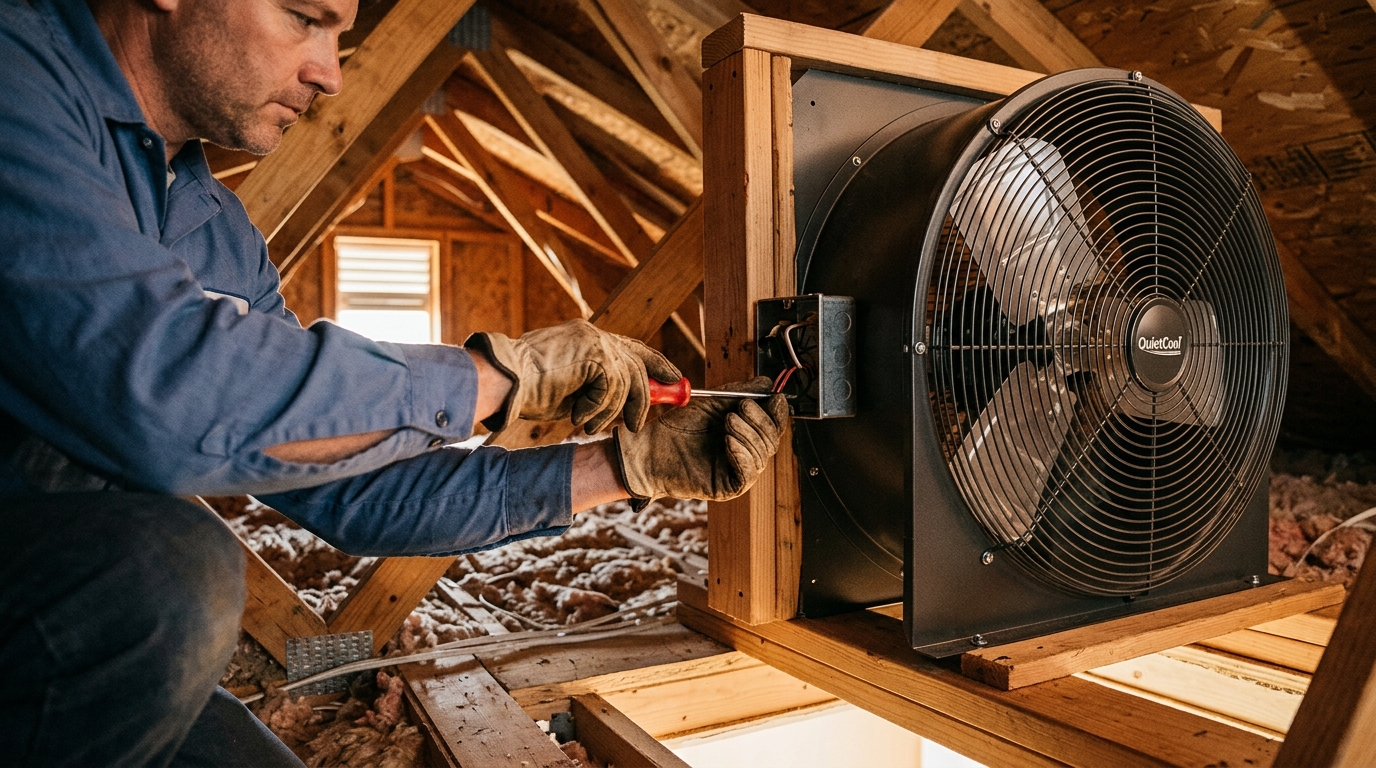
Running your AC all night burns money and leaves bedrooms stuffy and stale. A whole-house fan can flush your home with cool night air in minutes, slashing cooling costs by 50 to 90% on mild evenings.
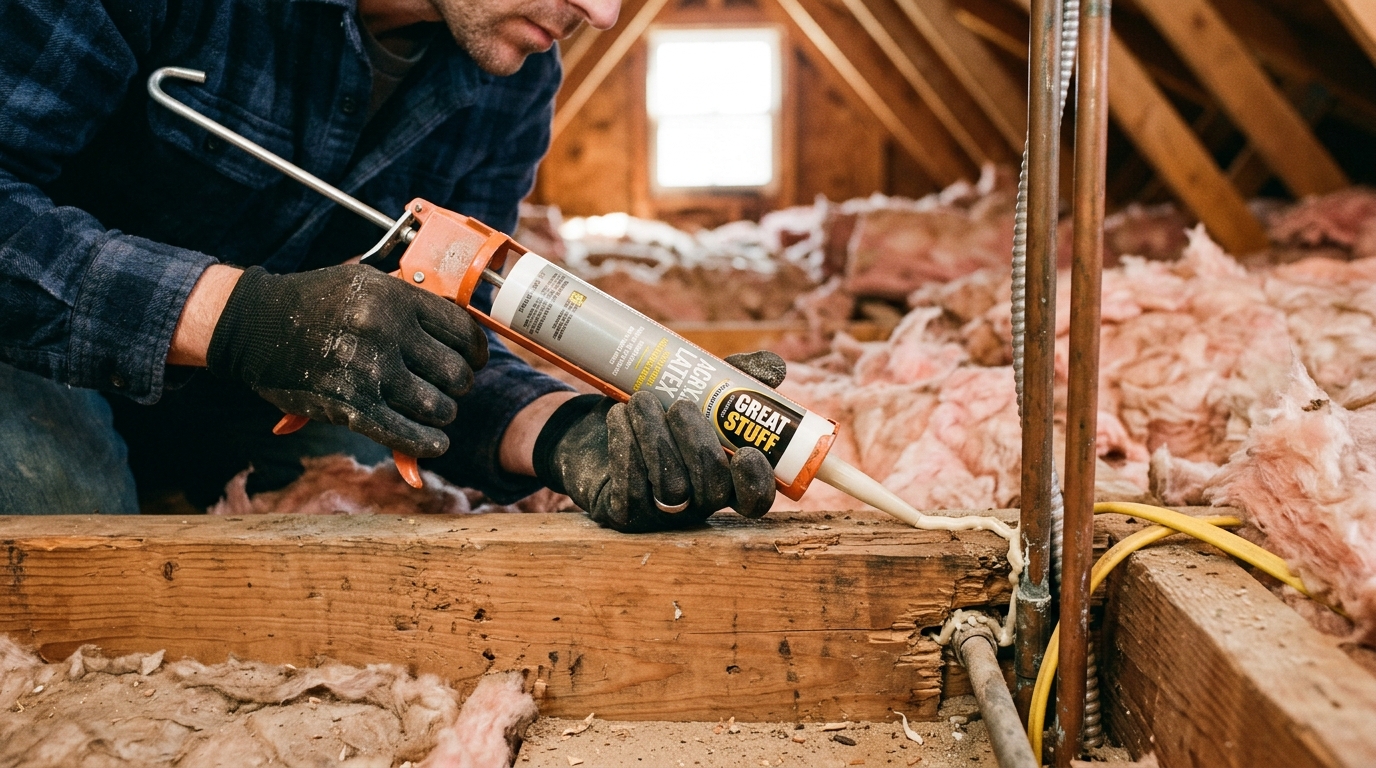
Most homeowners throw money at insulation while ignoring the real culprit behind drafts, high bills, and uneven temperatures. Air sealing your home’s hidden gaps and cracks can cut heating and cooling costs by up to 20% and dramatically improve comfort, often for less than $50.
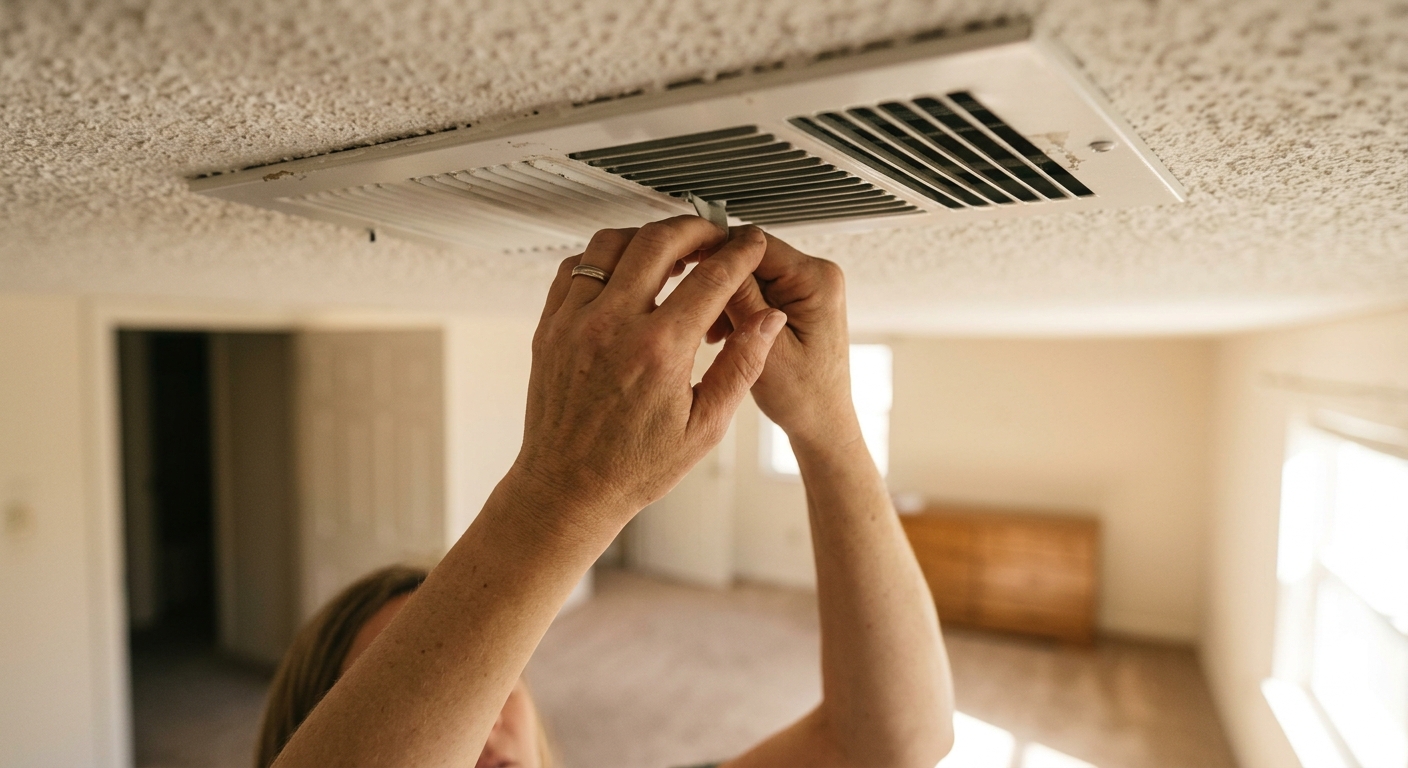
Closing vents in spare bedrooms seems like a smart way to save energy, but it actually increases pressure in your duct system and forces your AC to work harder. Here is what building science says you should do instead to actually lower your cooling bills.
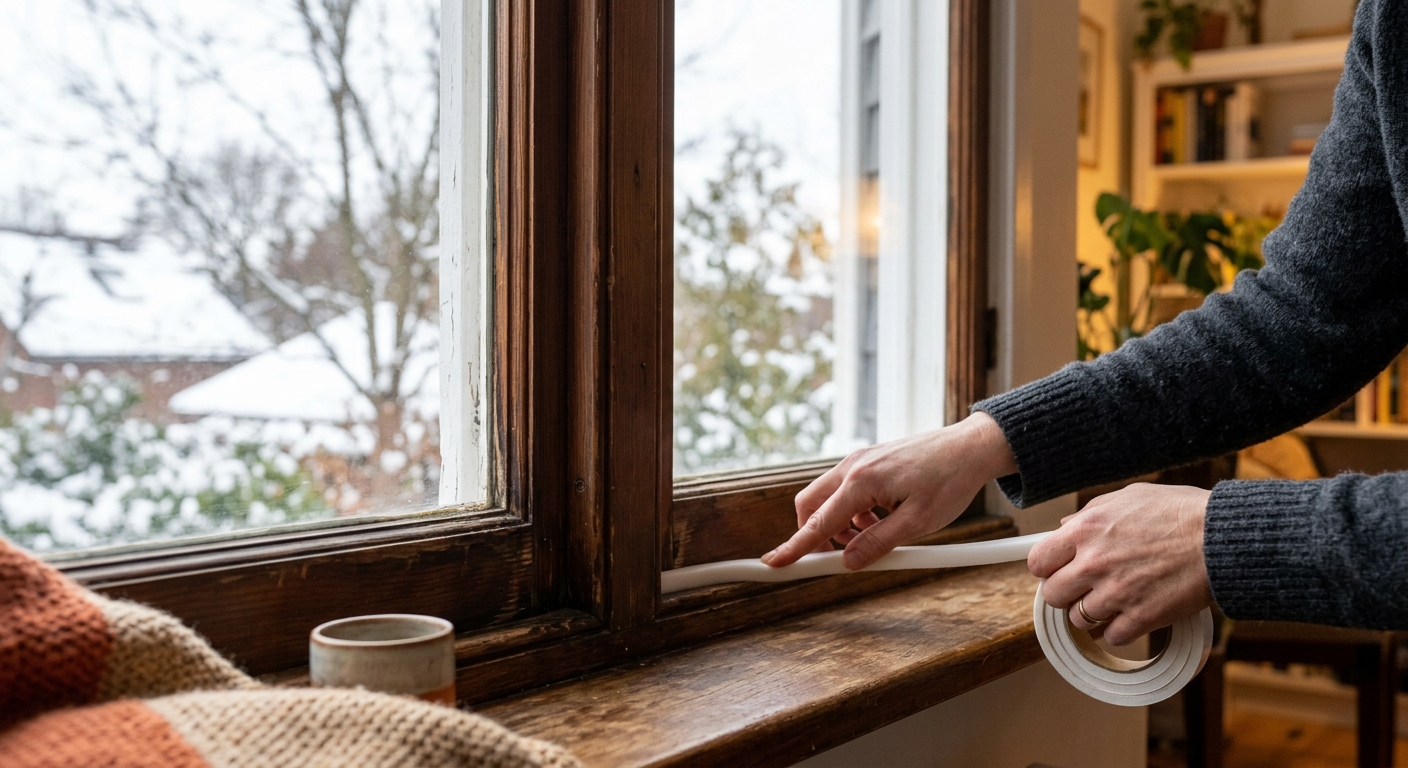
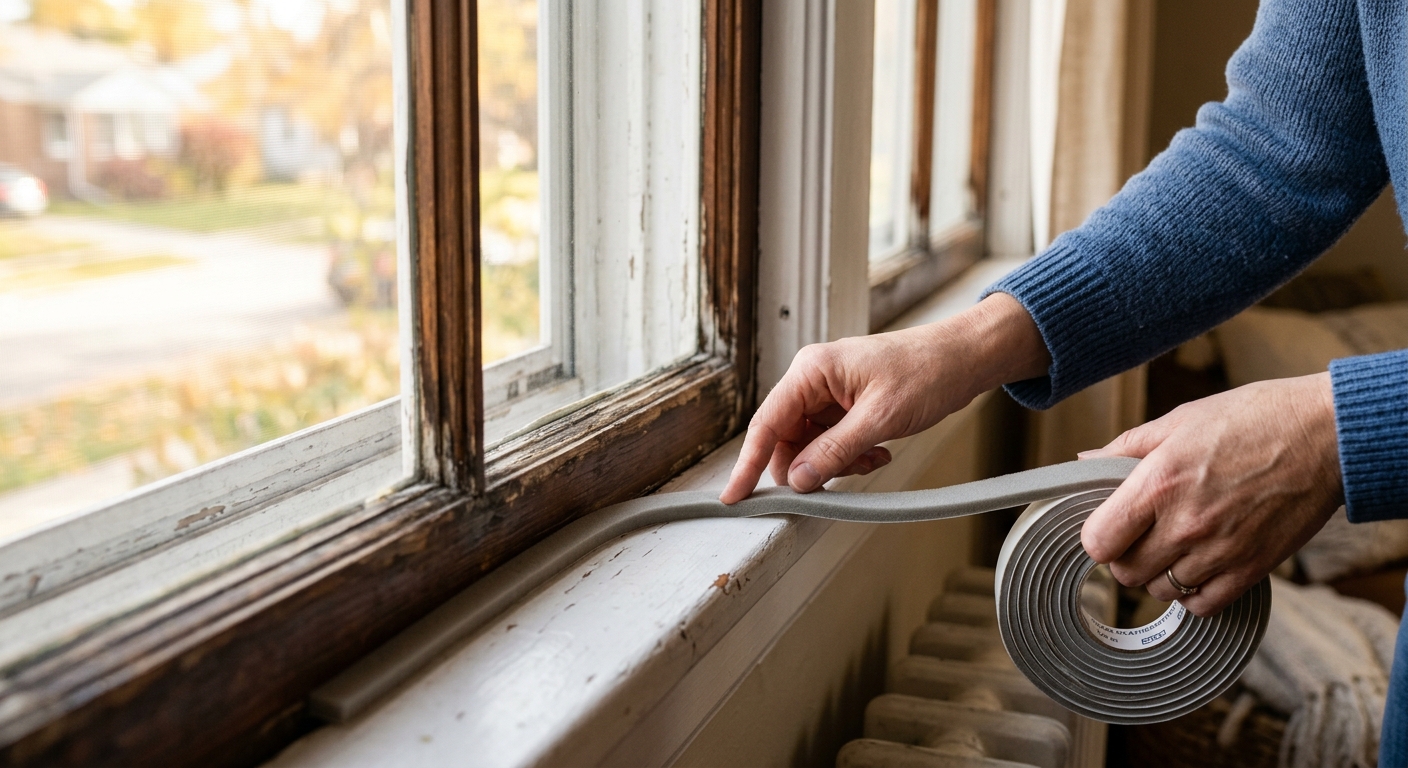
Leaky windows can account for 25 to 30% of your home’s heating and cooling loss, driving up energy bills season after season. The good news is you can fix most drafts yourself in an afternoon for under $50, no replacement windows required.