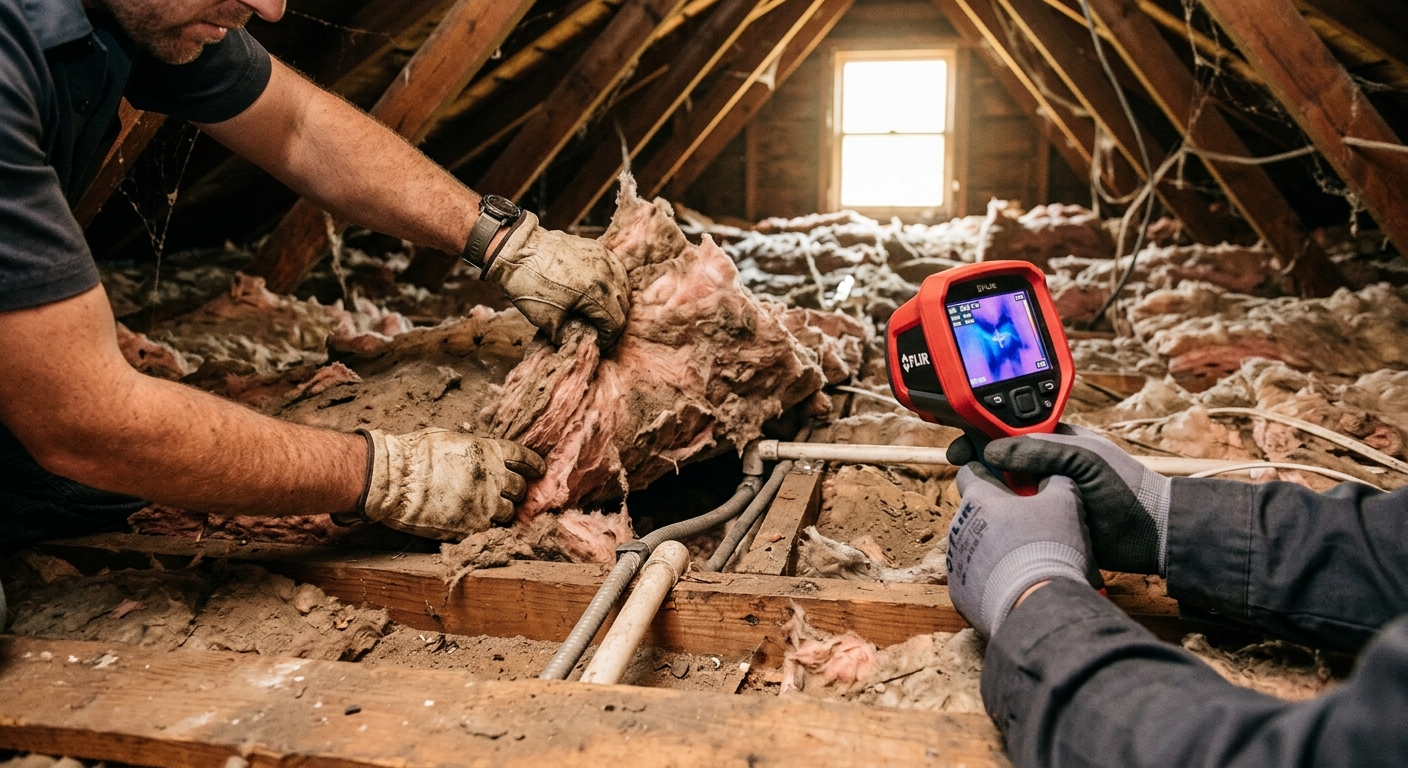
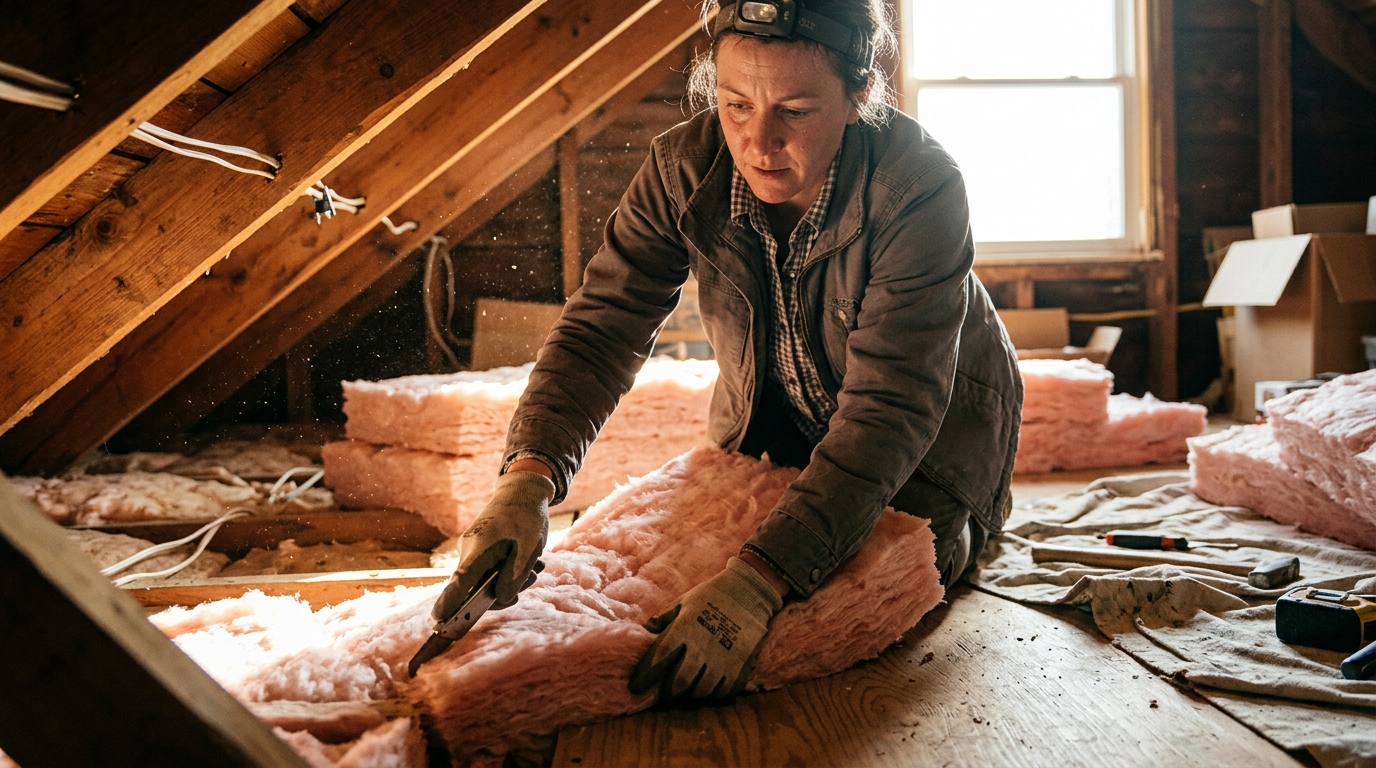
If your upstairs is always too hot in summer and too cold in winter, your attic is almost certainly the culprit. Poor attic insulation and ventilation create a thermal battery effect that overwhelms your HVAC system and drives up energy bills every single month.
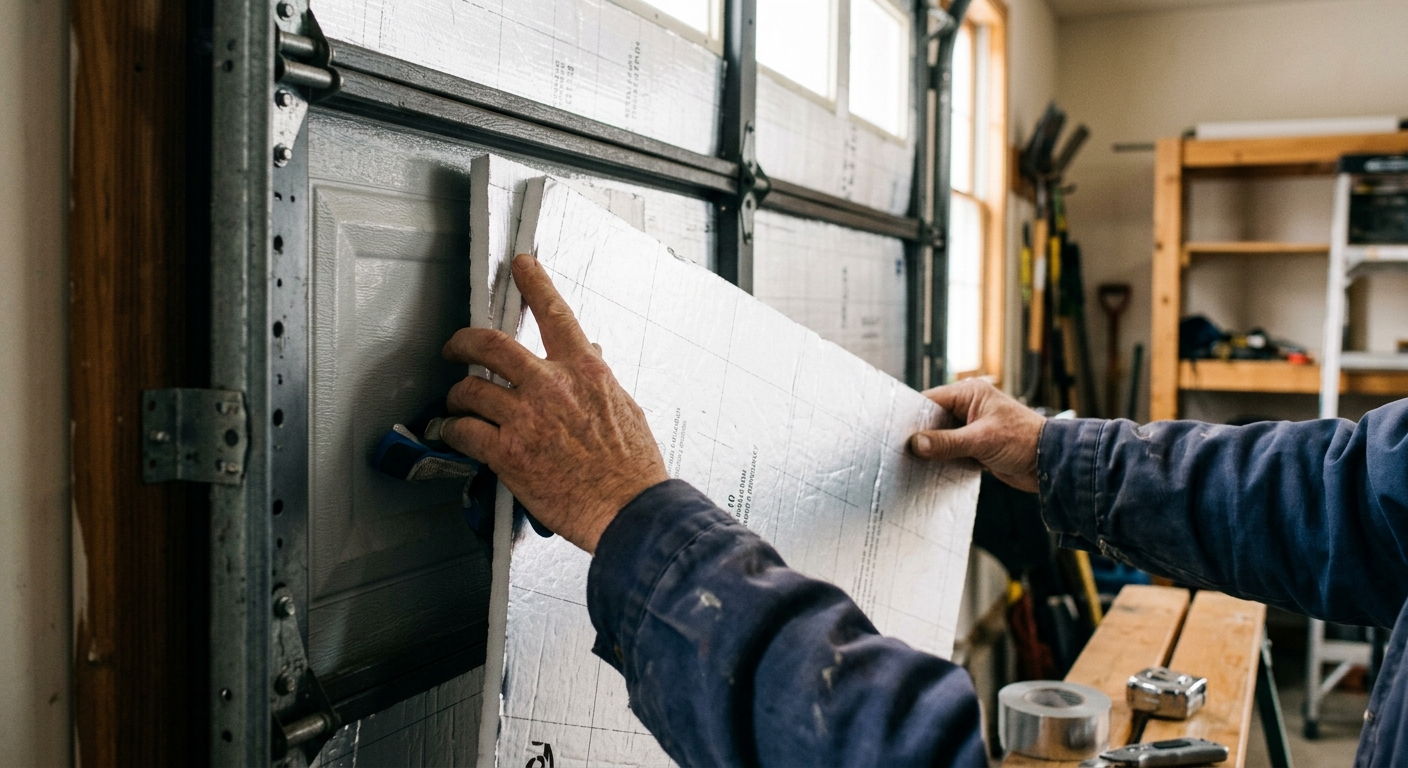
An uninsulated garage door is one of the most overlooked sources of heat loss in attached garages, letting cold air pour into your home every winter. Adding insulation to your garage door can cut heating bills by $100 to $180 annually with a payback period as short as one to two years.
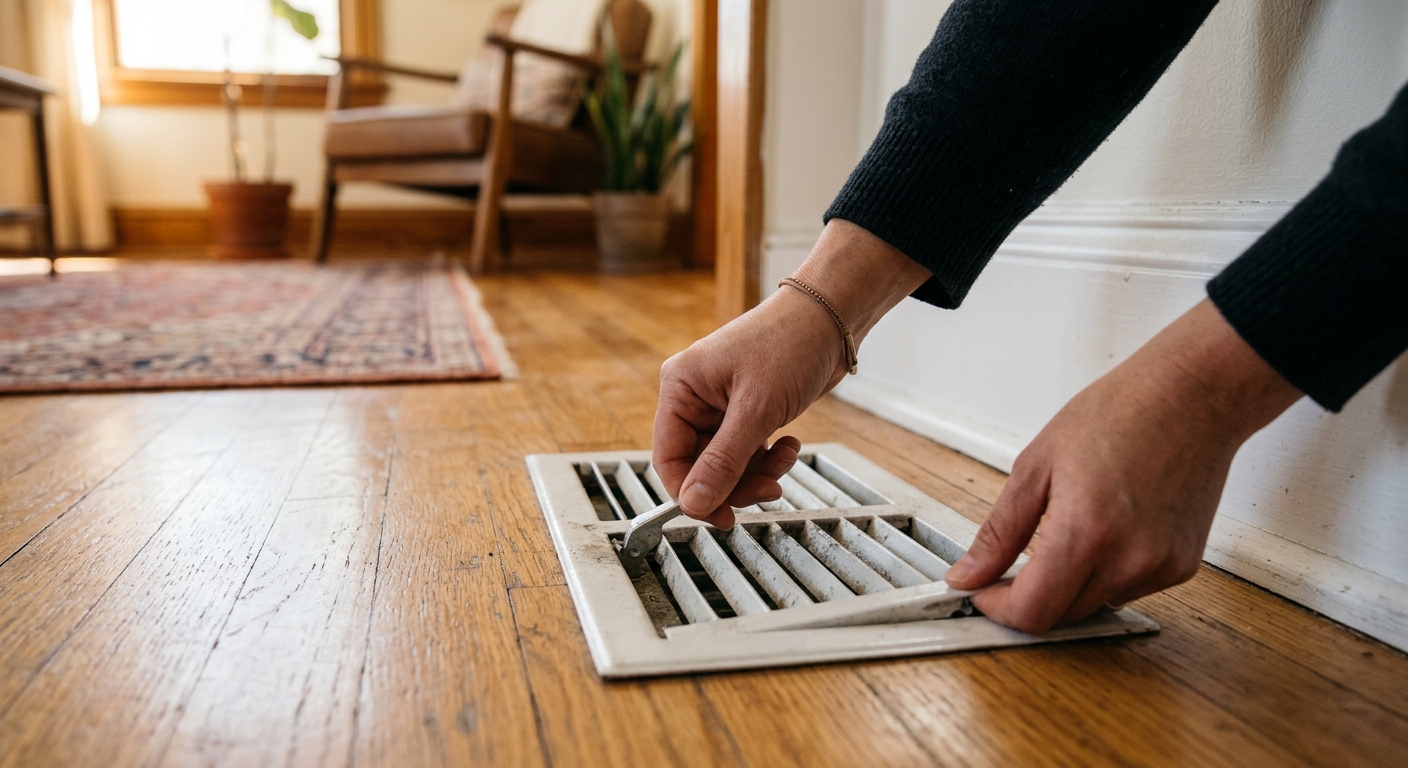
Closing vents in unused rooms seems like a smart way to save energy, but it actually increases pressure in your duct system and forces your HVAC to work harder. Here is what to do instead to actually lower your bills.
Running an air conditioner all summer can add hundreds of dollars to your energy bill, but strategic box fan placement can cool your home almost as effectively on mild days. By understanding how air moves through a house, you can create powerful cross-ventilation that flushes out heat and brings in cool outdoor air for just pennies a day.
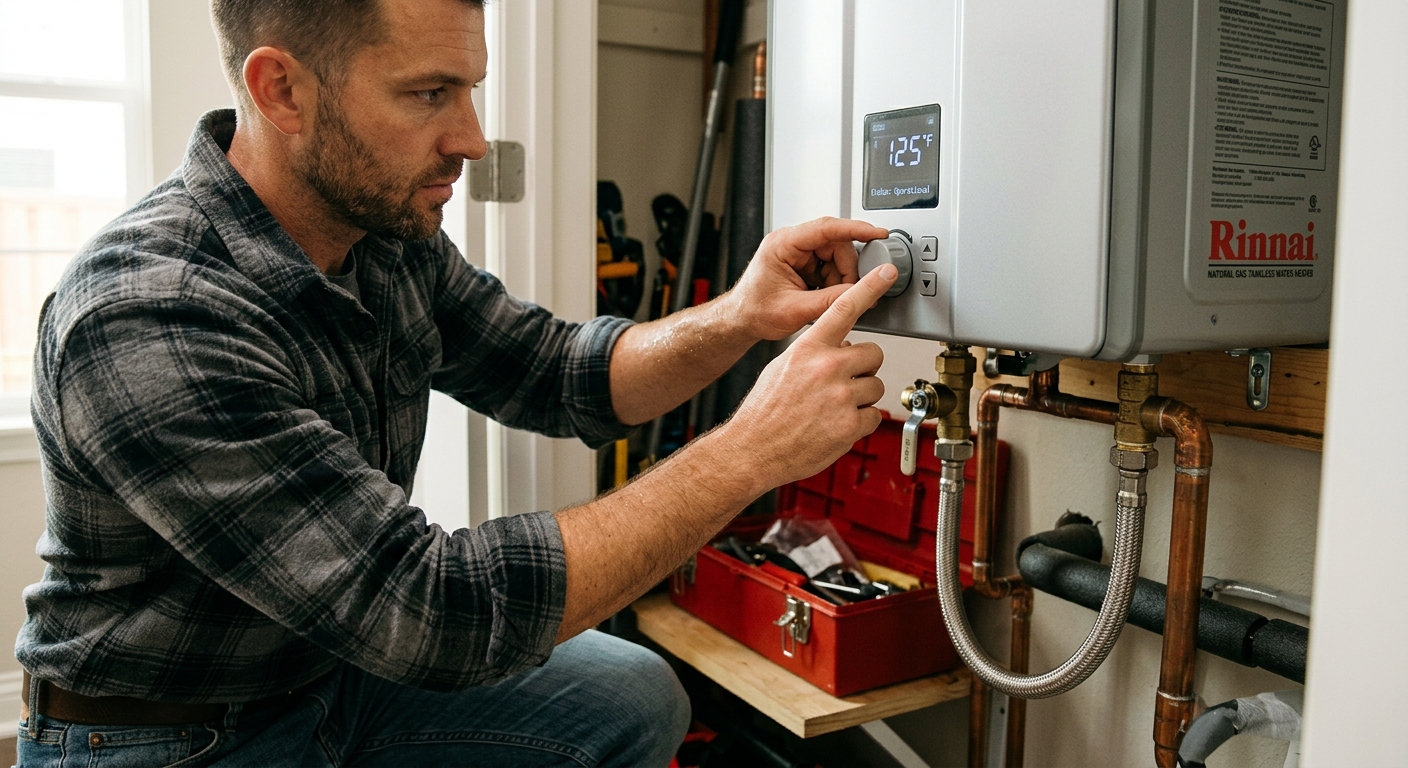
Running out of hot water during the morning rush is frustrating, but it is almost always fixable without replacing your water heater. The right combination of thermostat adjustments, sediment flushing, and scheduling habits can restore full capacity in under an hour.
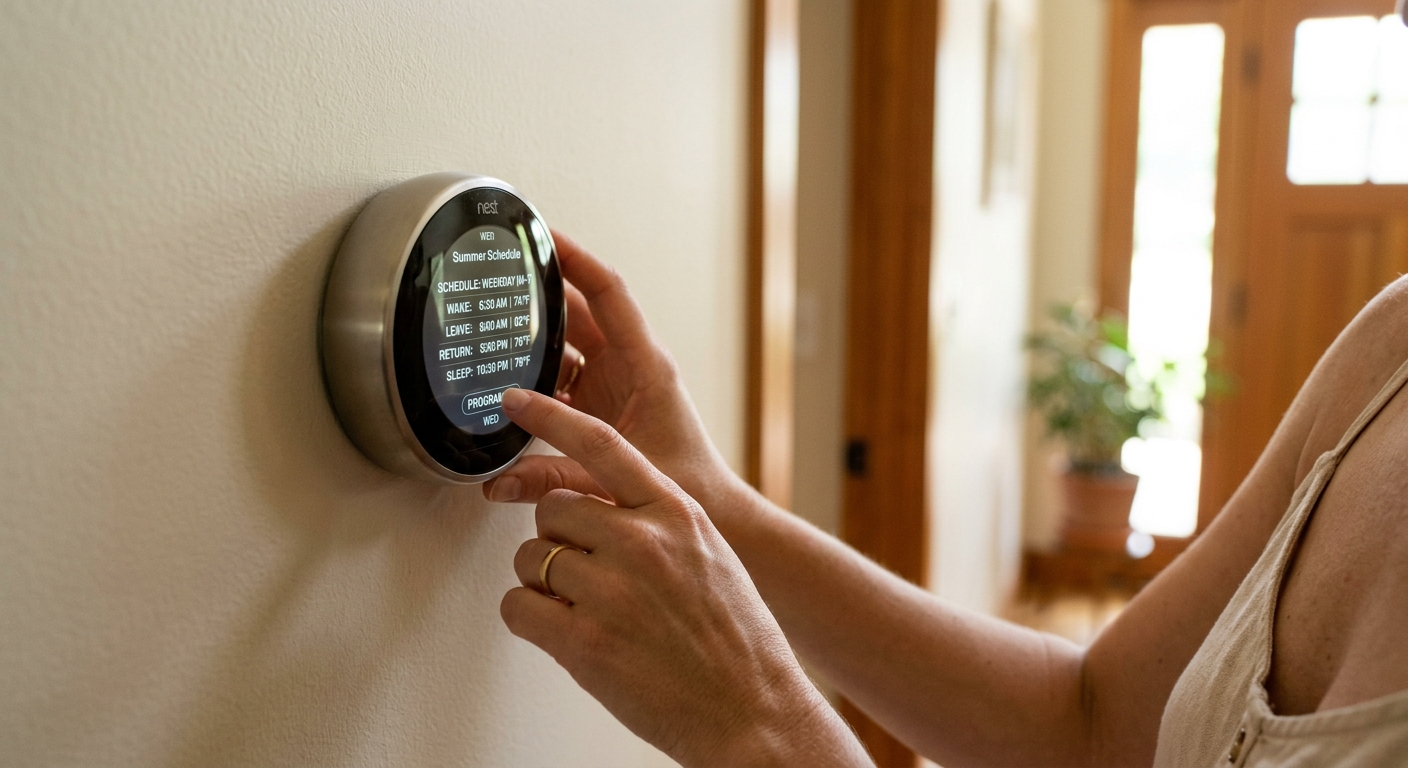
Most homeowners set their thermostat once and forget it, letting their AC run at full blast whether anyone is home or not. Programming a schedule that mirrors your actual daily routine can shave 10 to 15% off your summer cooling bill with zero additional hardware.
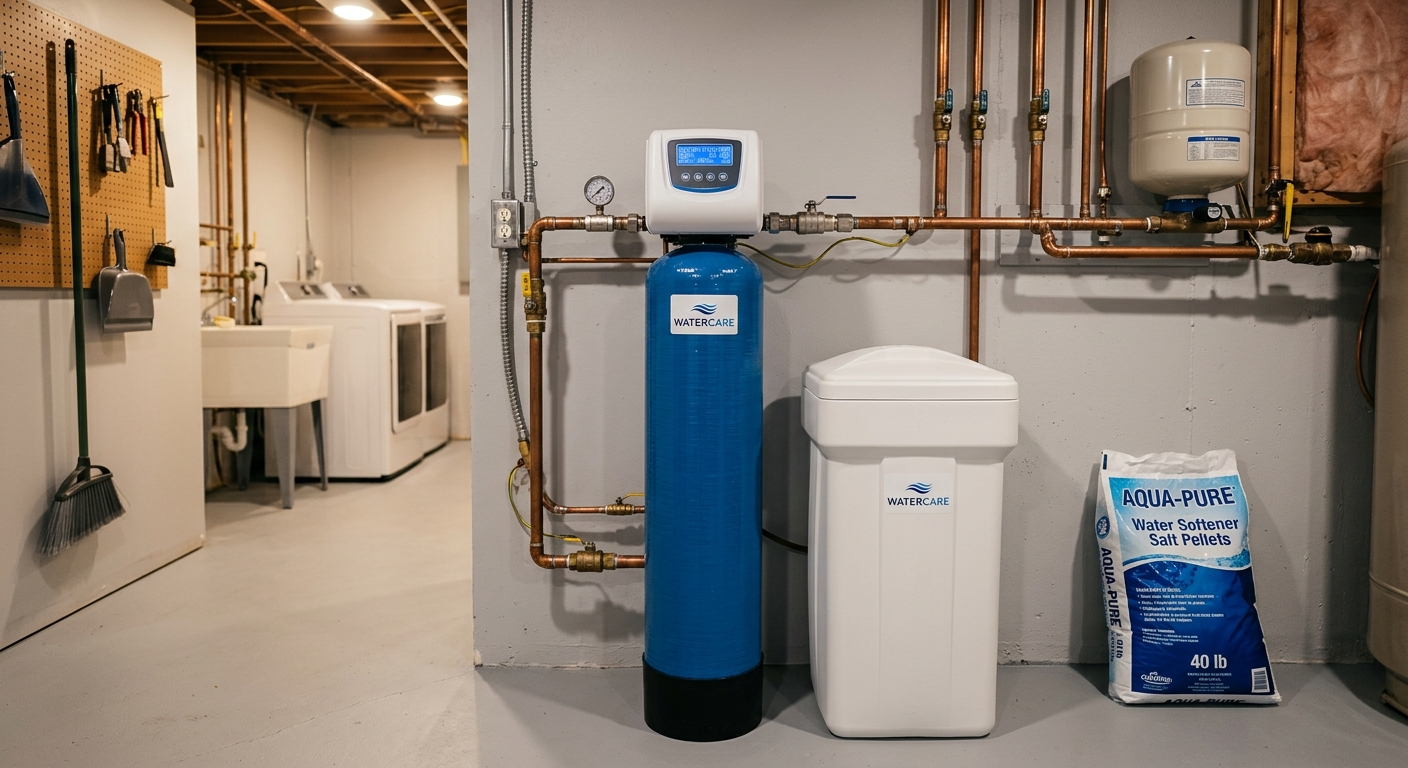
An undersized water softener regenerates too often and wastes salt and water, while an oversized one lets hardness slip through and shortens appliance life. This guide gives you the exact formula to size your softener correctly and shows you how much you can actually save.
Most homeowners have no idea how long it actually takes for energy upgrades to pay for themselves, so they either overspend on low-ROI projects or skip high-value ones entirely. This guide breaks down the honest payback periods, annual savings, and priority order for every major home energy upgrade so you can invest smarter.
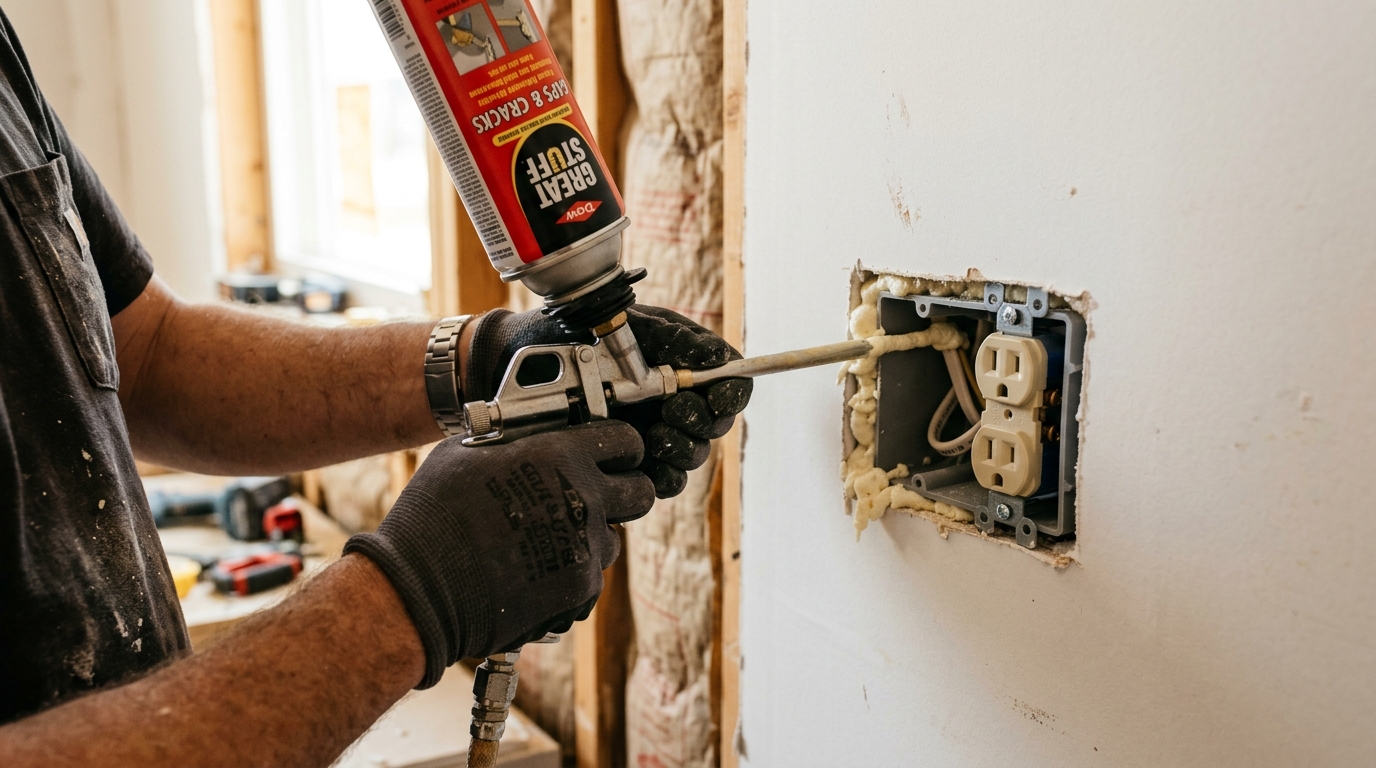
Electrical outlets on exterior walls are among the most overlooked air leaks in a home, quietly draining your heating and cooling budget year-round. A few dollars of foam and gaskets can seal these gaps and cut your energy bills by up to 20% with no tools required.
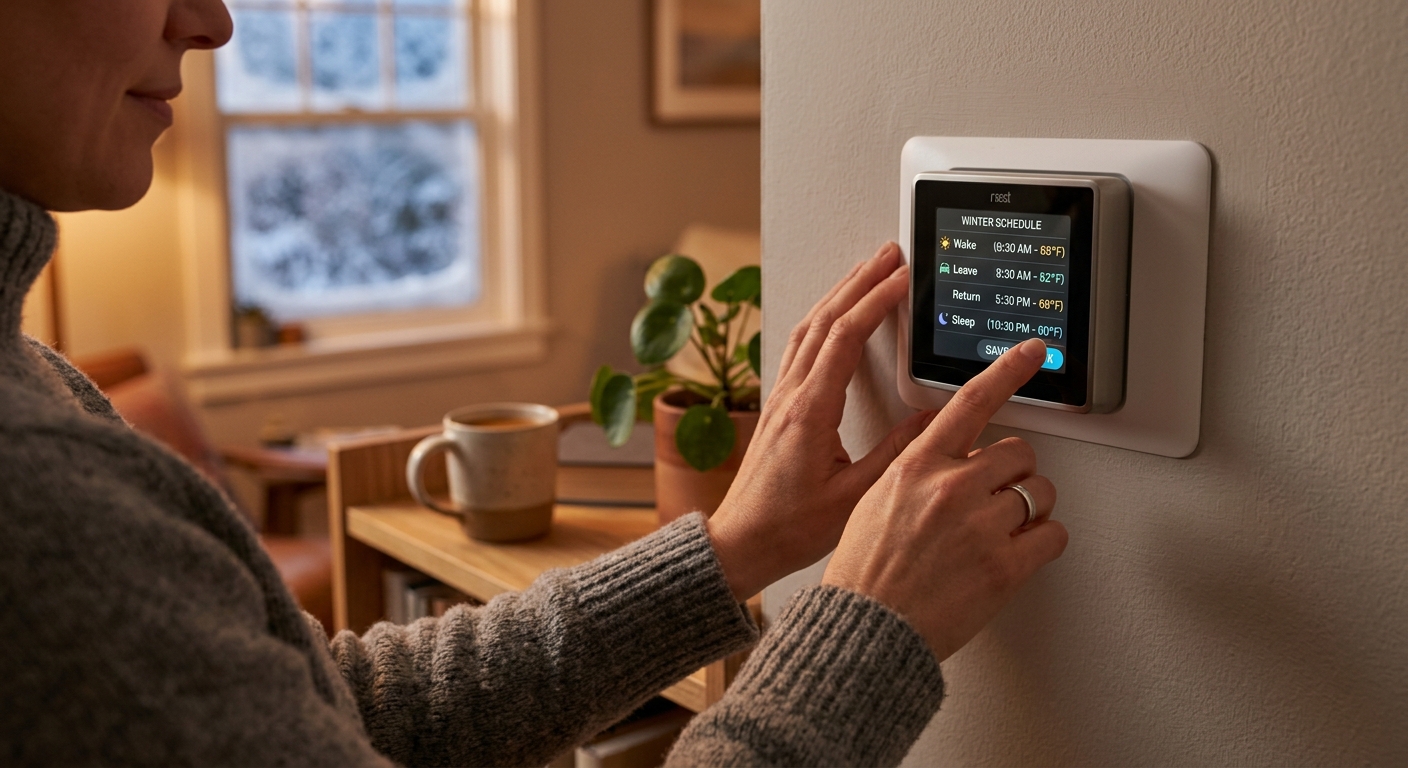
Most homeowners set their thermostat once and forget it, paying to heat an empty house or a sleeping household at full temperature all night. A properly programmed thermostat schedule can trim your annual heating bill by 10% or more with zero hardware upgrades.