Most homeowners overpay on energy bills because they have no idea where the waste is actually happening. A single weekend walkthrough of your home, using mostly free tools, can reveal fixes that pay back hundreds of dollars every year.
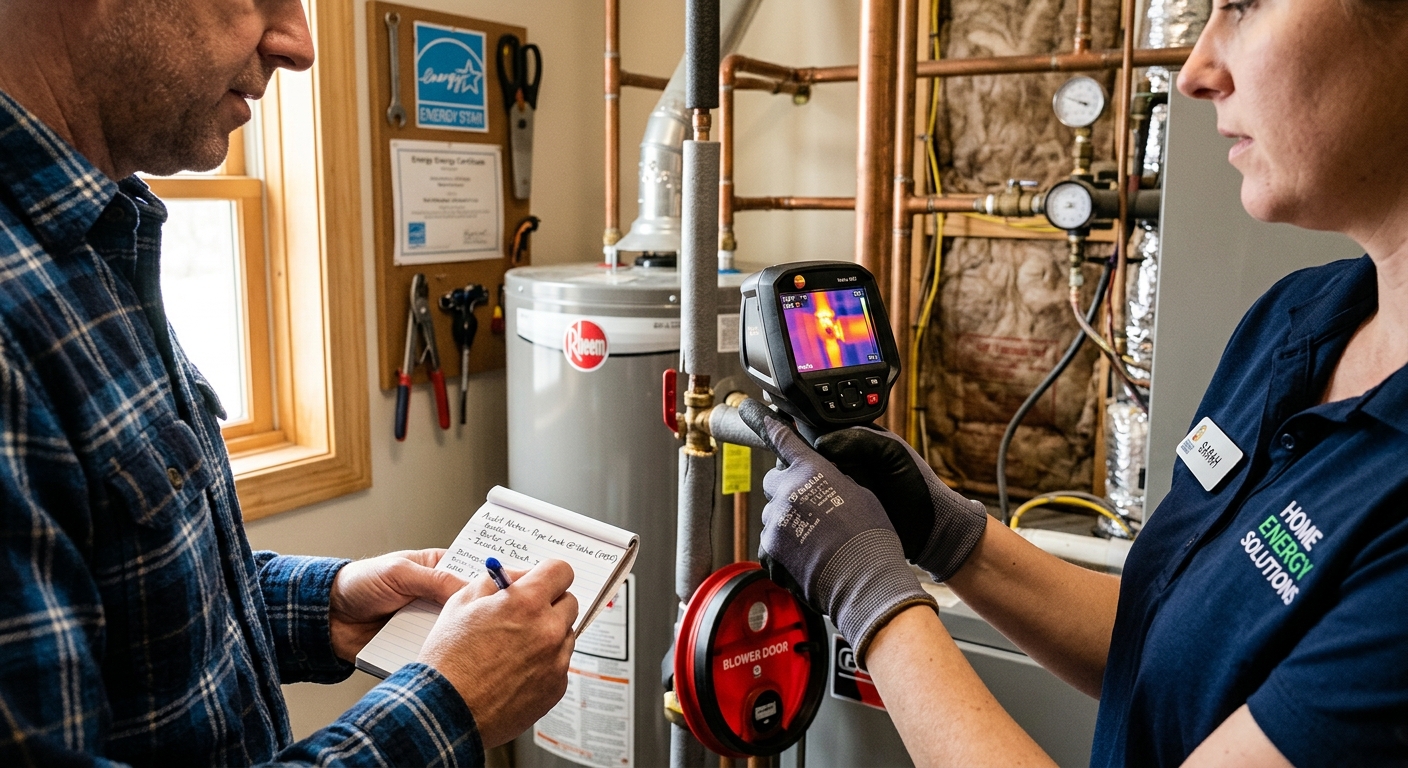
Most utility companies offer free or heavily subsidized home energy audits, but fewer than 5% of eligible homeowners ever claim them. This guide walks you through exactly how to find, request, and maximize a professional energy audit so you can turn the results into real savings.
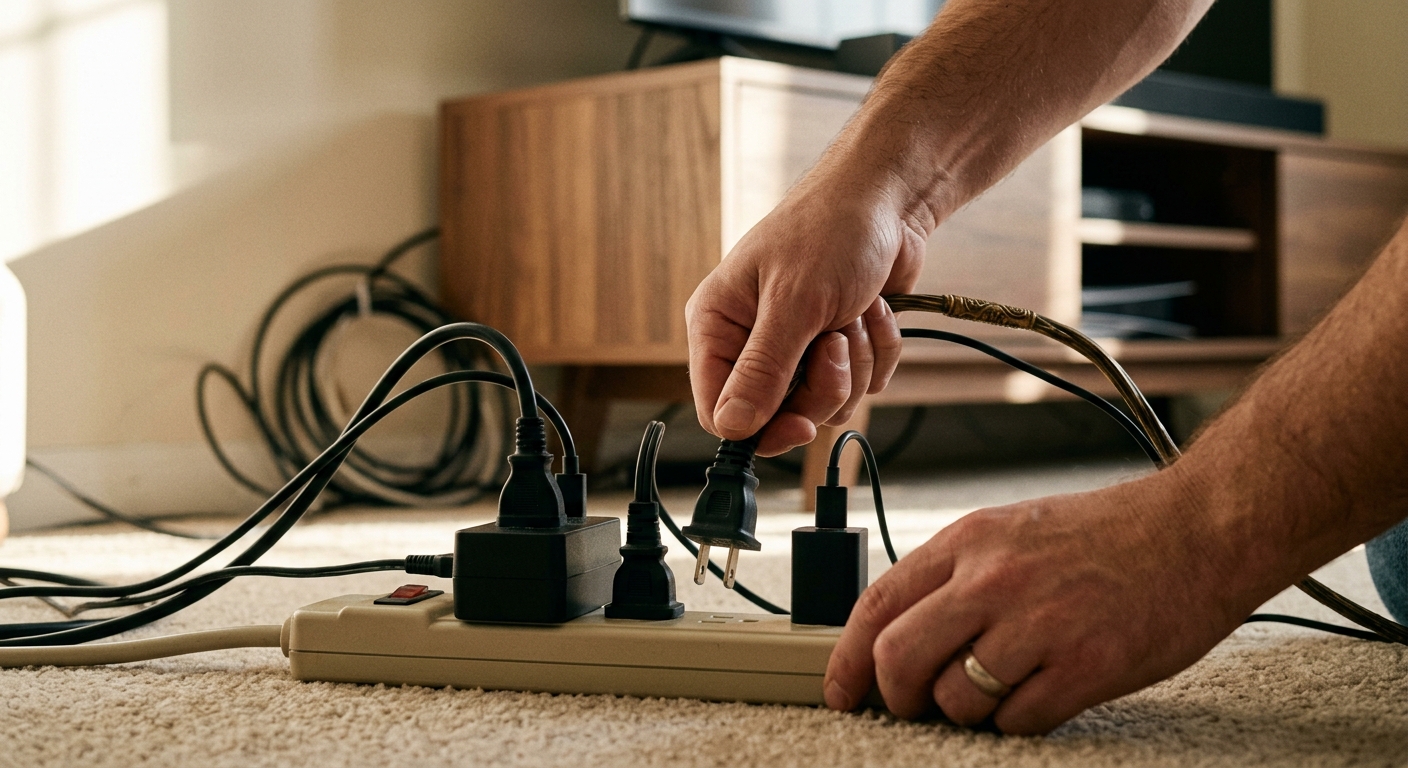
Most homeowners have no idea their plugged-in devices are silently burning electricity 24 hours a day, even when turned off. Phantom loads, also called standby power, cost the average U.S. household between $100 and $200 per year, and eliminating them requires nothing more than a power strip and a few minutes of your time.
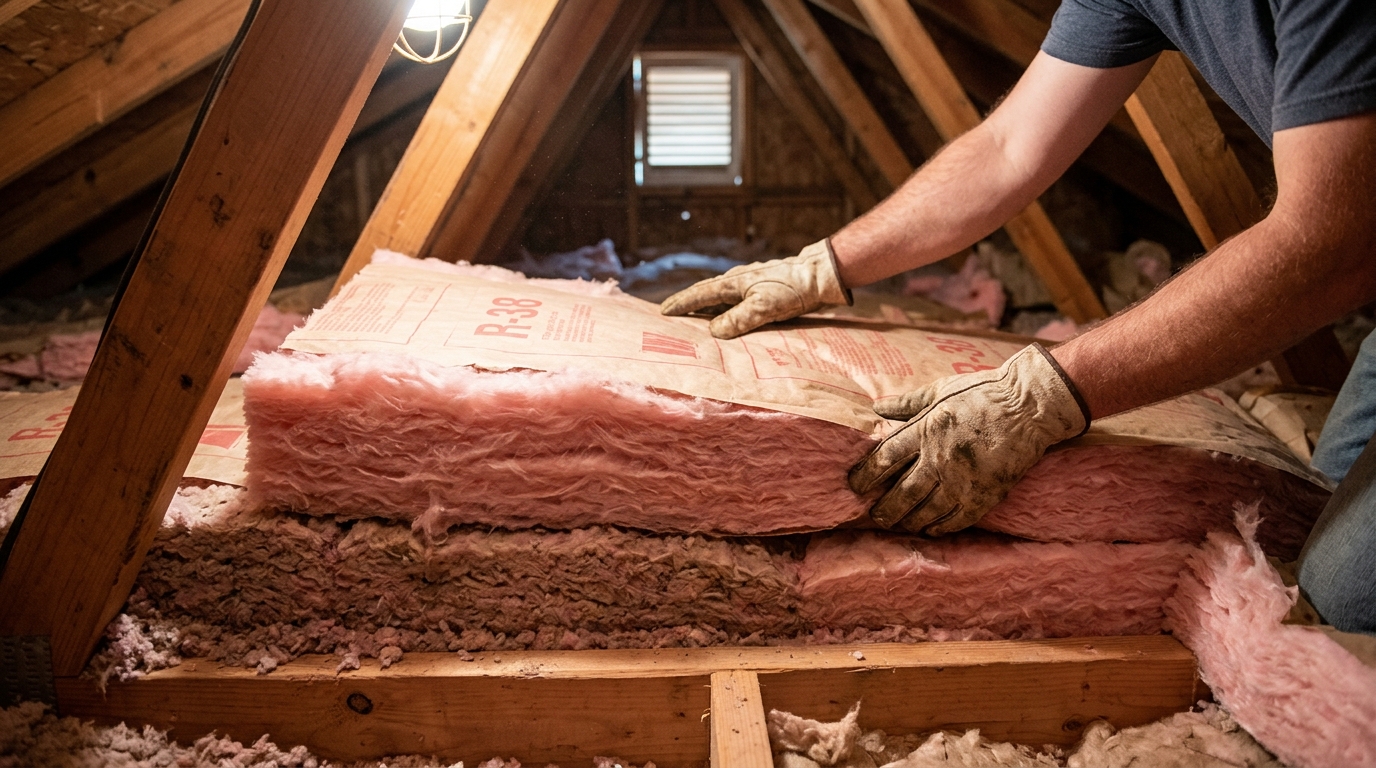
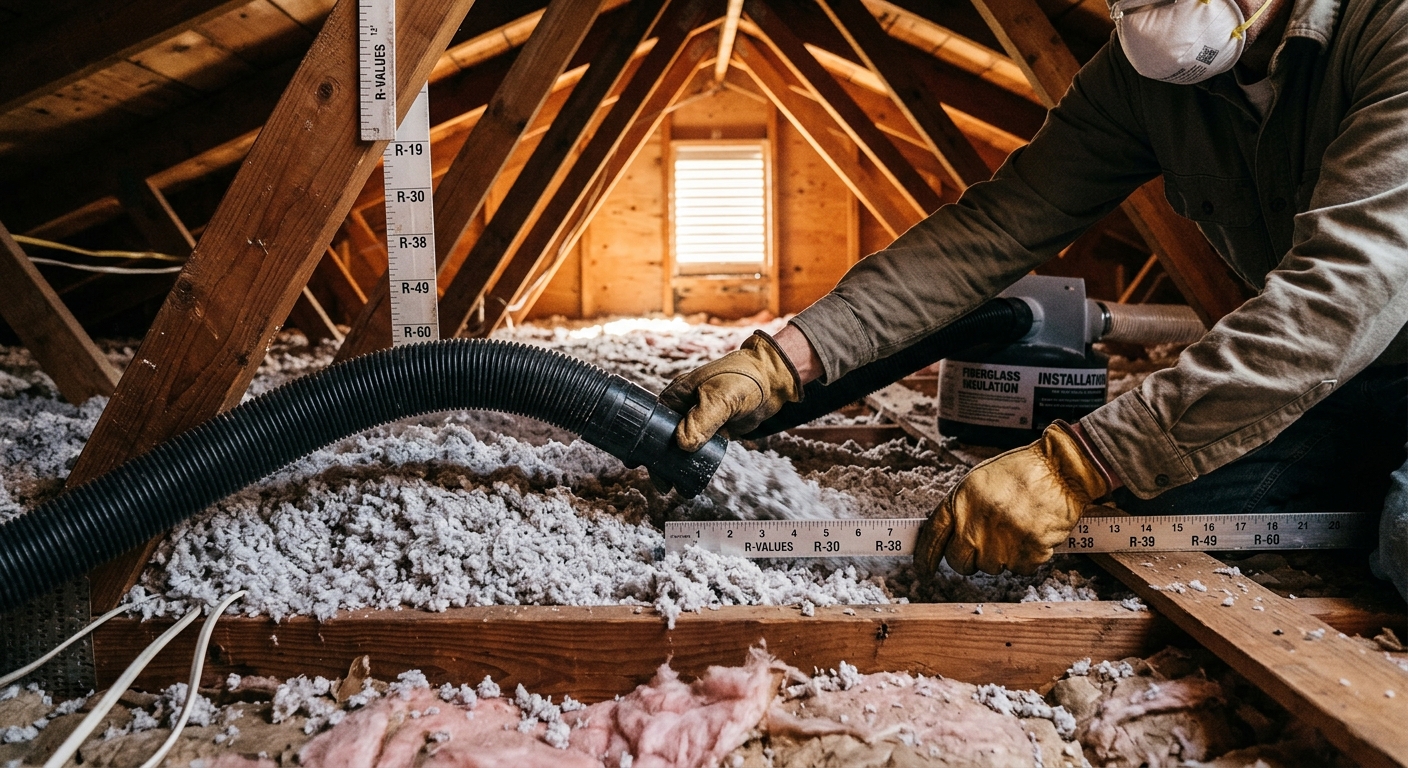
Most homeowners have no idea what R-value their attic has, or whether upgrading it would actually save money. This post breaks down the real numbers behind R-38 vs. R-60 insulation and helps you decide if adding more is worth the cost.
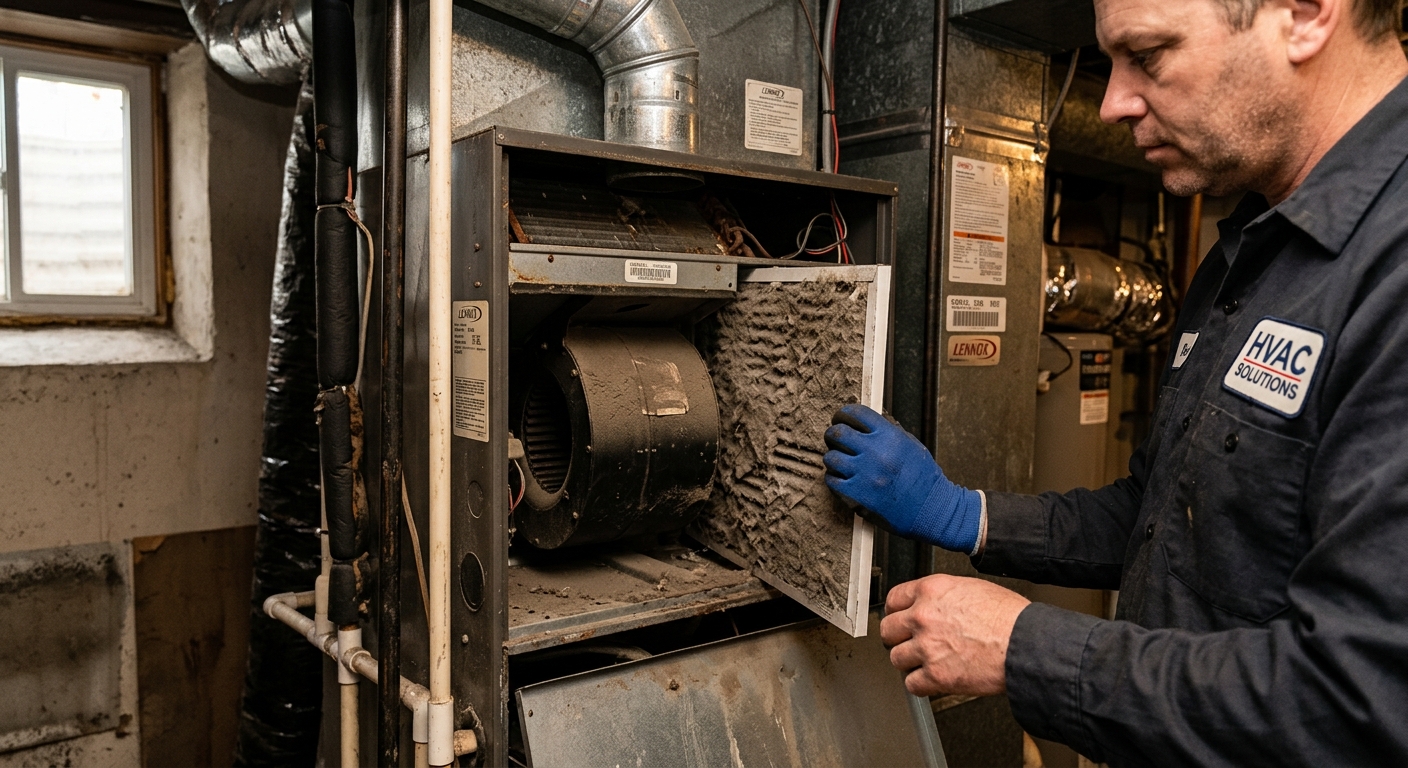
Skipping annual HVAC maintenance feels like an easy way to save money, but deferred upkeep quietly inflates your energy bills and accelerates expensive breakdowns. Learn exactly what one skipped season costs you and how to get your system back on track fast.
Most homes are under-insulated by 30 to 50%, and homeowners often have no idea what R-value they actually need for their climate. This guide breaks down DOE-recommended R-values by zone and shows you exactly how to close the gap, whether you rent, own, or are working with a tight budget.
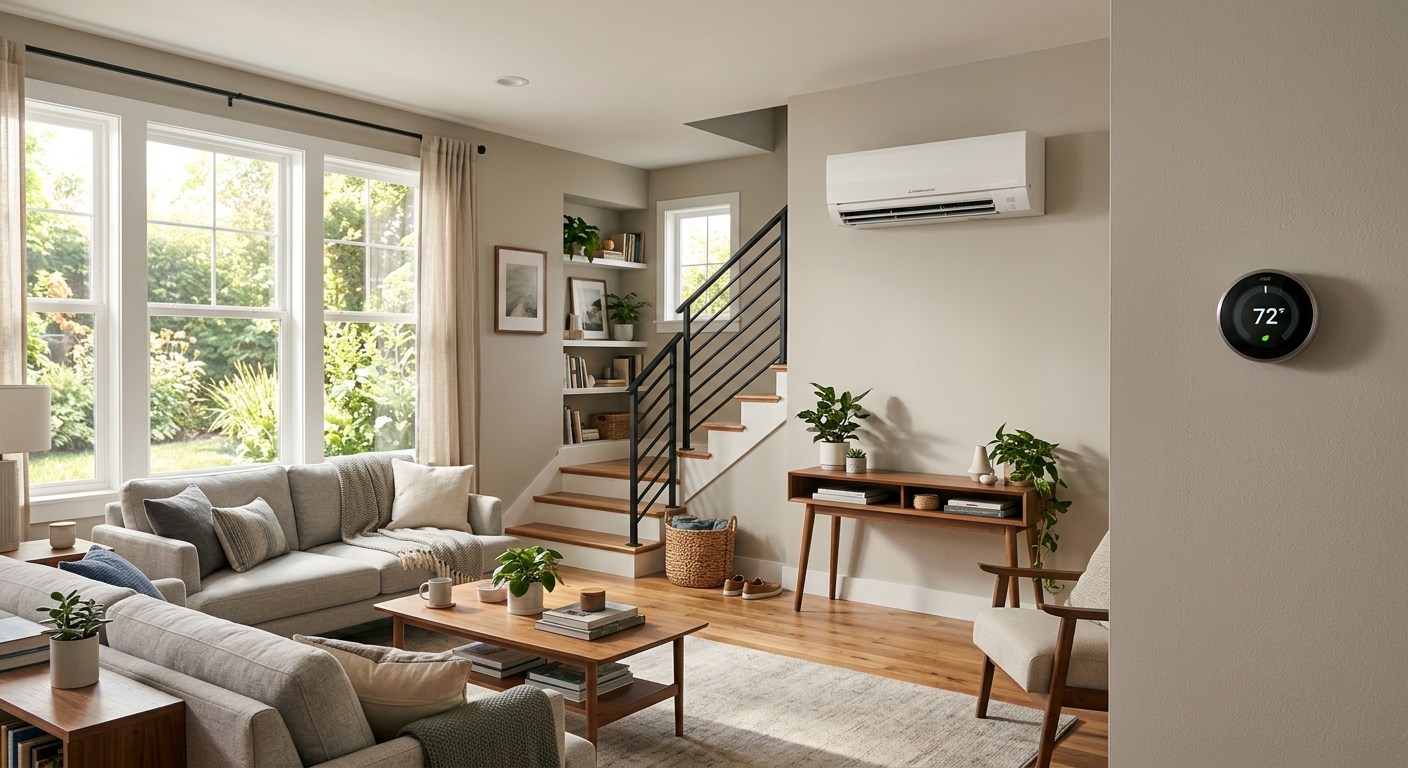
Uneven temperatures and wasted energy from heating or cooling empty rooms drain comfort and money from millions of homeowners. An HVAC zoning system can solve both problems, but the cost and payback period vary widely depending on your home and approach.
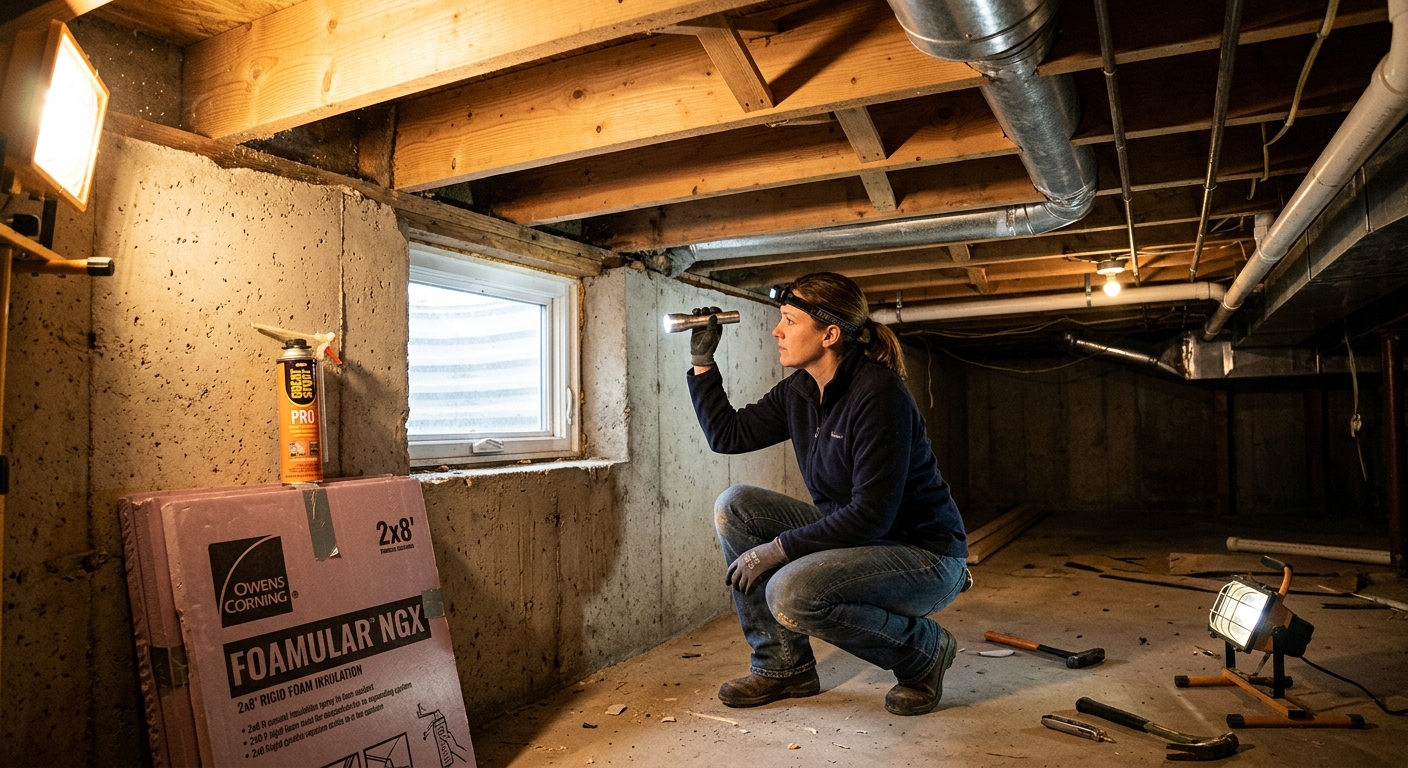
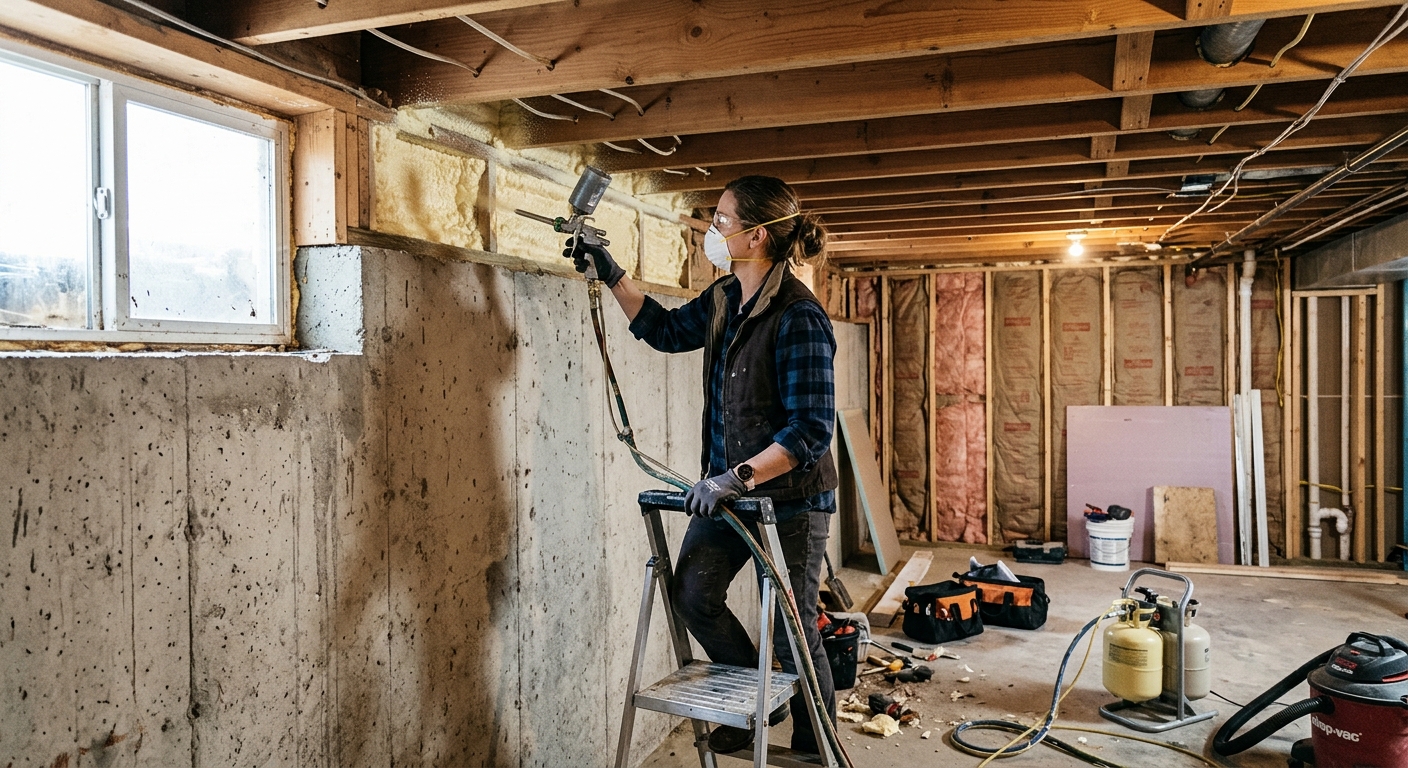
Your basement is one of the most energy-wasteful spaces in your home, yet most homeowners never think to look there first. From uninsulated rim joists to leaky ducts and bare pipes, a simple basement walkthrough can uncover hundreds of dollars in annual savings.
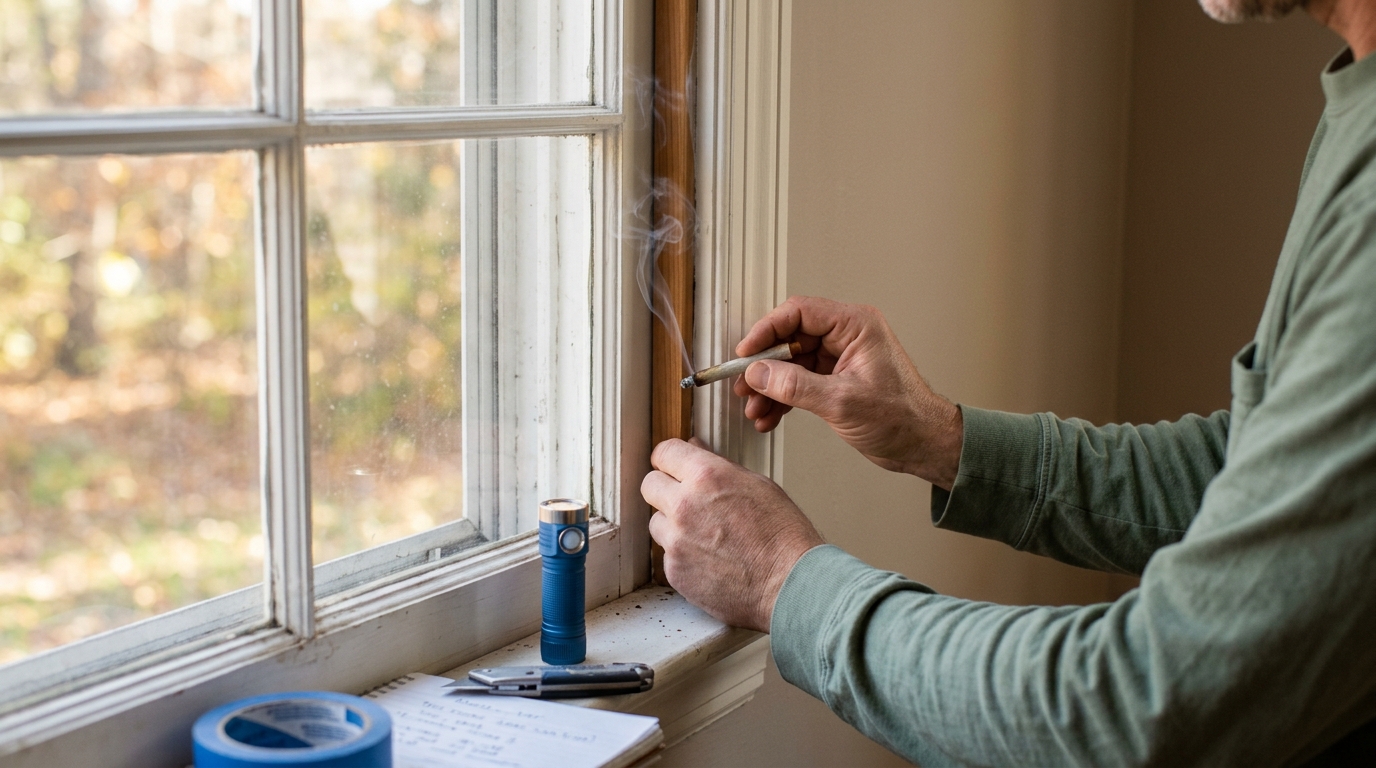
Air leaks can account for 25 to 40% of your heating and cooling costs, yet most homeowners have no idea where they are. A single afternoon of detective work can pinpoint the gaps draining your comfort and your wallet.
Most homeowners focus on windows and attics when trying to cut heating costs, but the basement is often the biggest source of heat loss in the entire house. By sealing, insulating, and conditioning your basement properly, you can realistically cut your heating bill by 15 to 25% without touching your furnace.