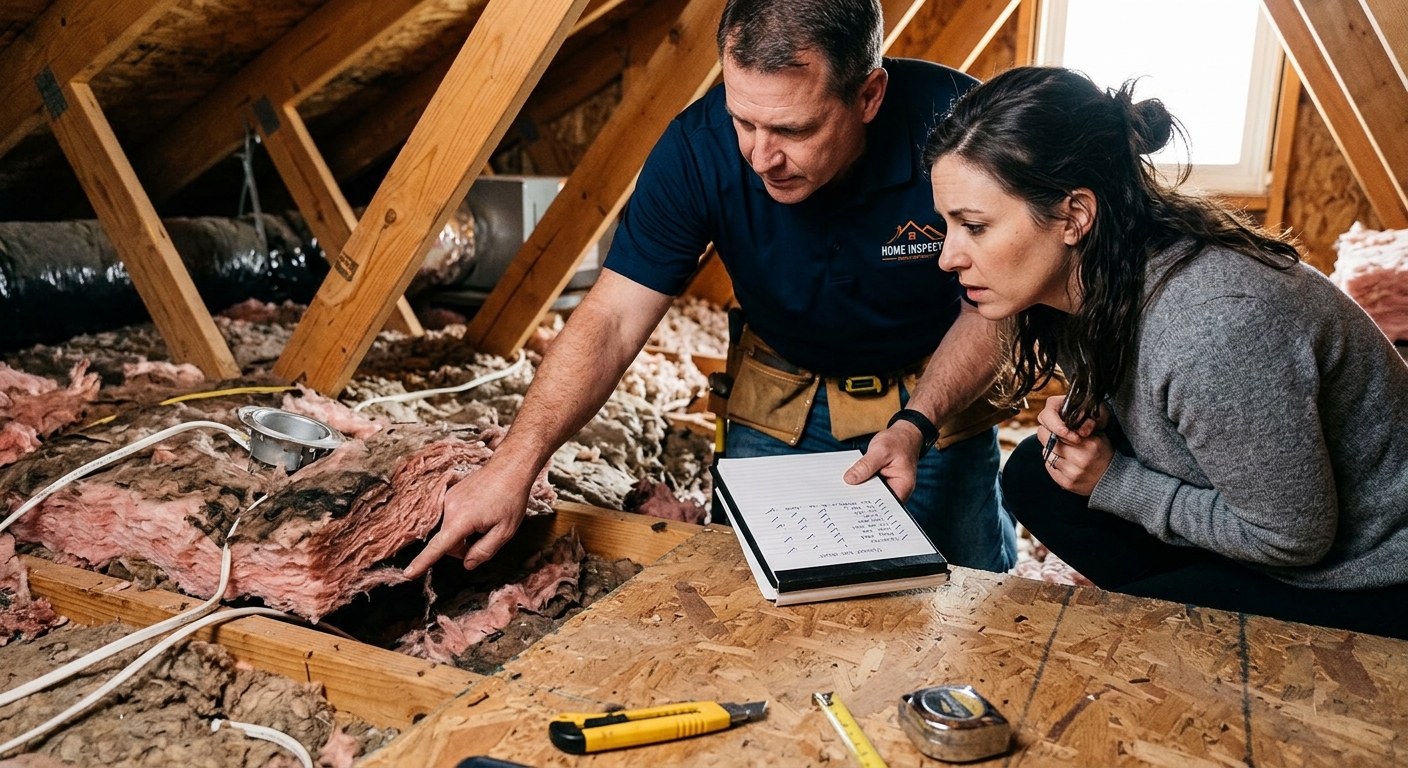
Home inspection reports are dense documents full of jargon, and insulation problems are easy to overlook or misunderstand. This guide shows you exactly how to decode common inspection language, find the issues yourself, and decide what to fix first.
Most homeowners install vapor barriers with good intentions, but placing them on the wrong side of the wall or doubling up on them can trap moisture and rot your home from the inside out. Understanding a few key building science principles will help you get it right and protect both your insulation’s performance and your home’s structure.
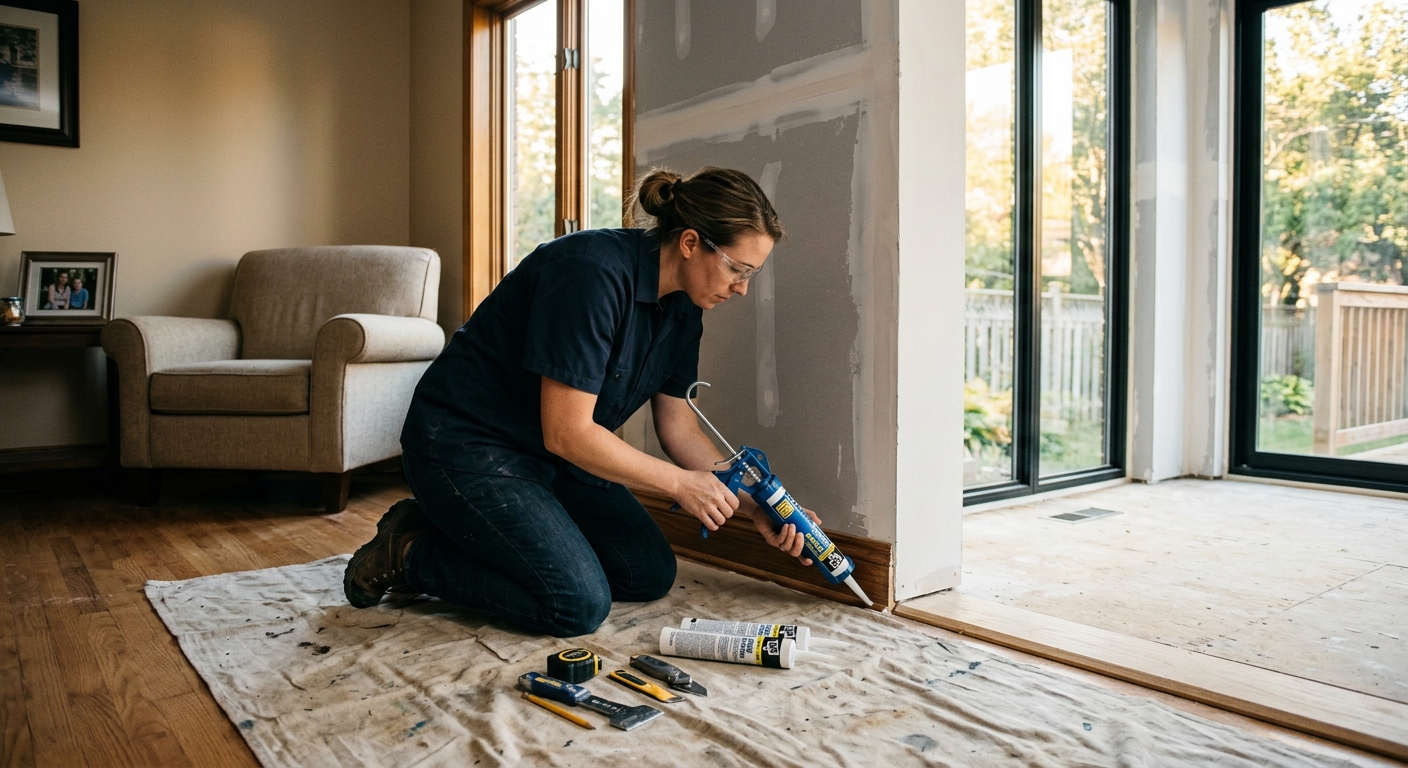
Home renovations promise better living spaces, but they often introduce surprising comfort problems like uneven temperatures, drafts, and skyrocketing energy bills. Understanding why these issues appear and how to prevent them can save you thousands in follow-up repairs and monthly utility costs.
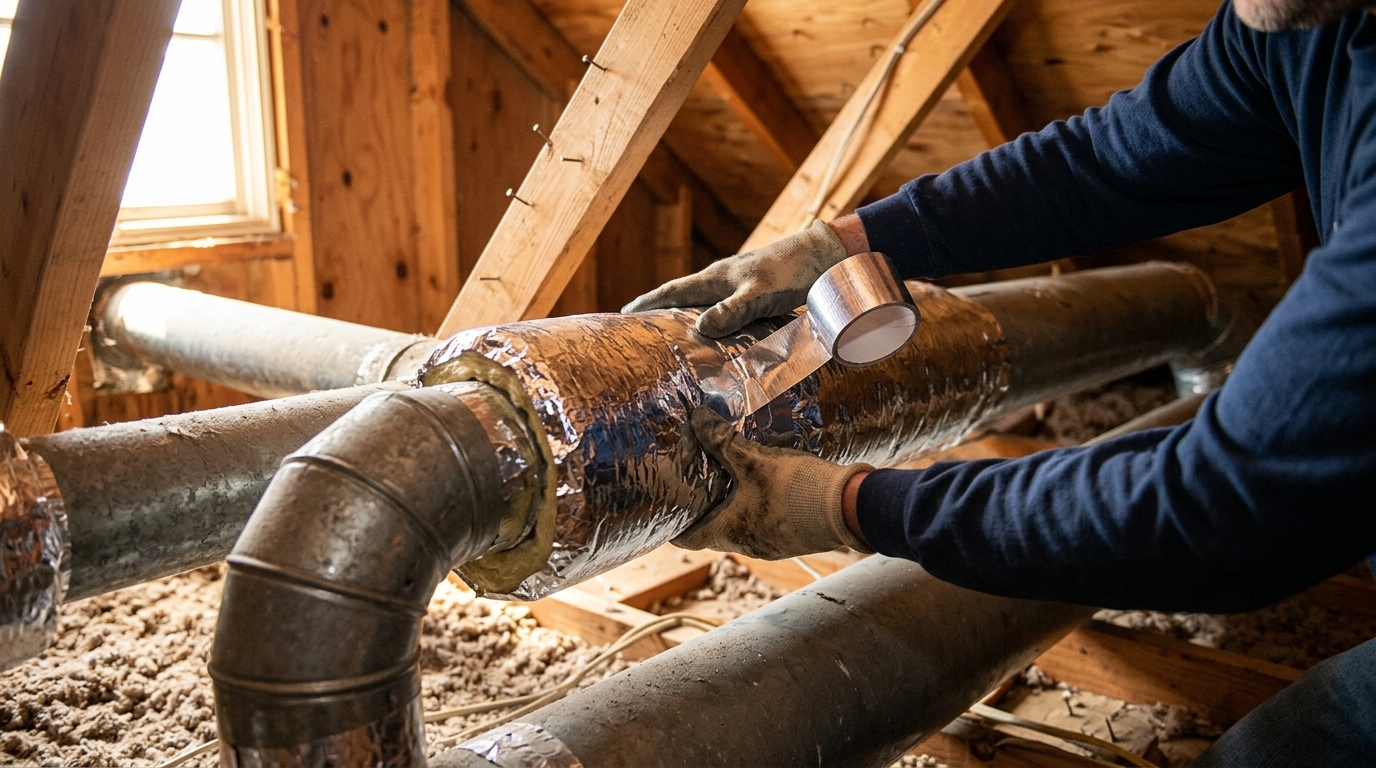
Uninsulated ducts running through hot attics or cold crawlspaces can waste 20 to 30% of your conditioned air before it ever reaches a room. Wrapping those ducts in proper insulation is one of the highest-return upgrades a homeowner can make, often paying back in 2 to 4 years.
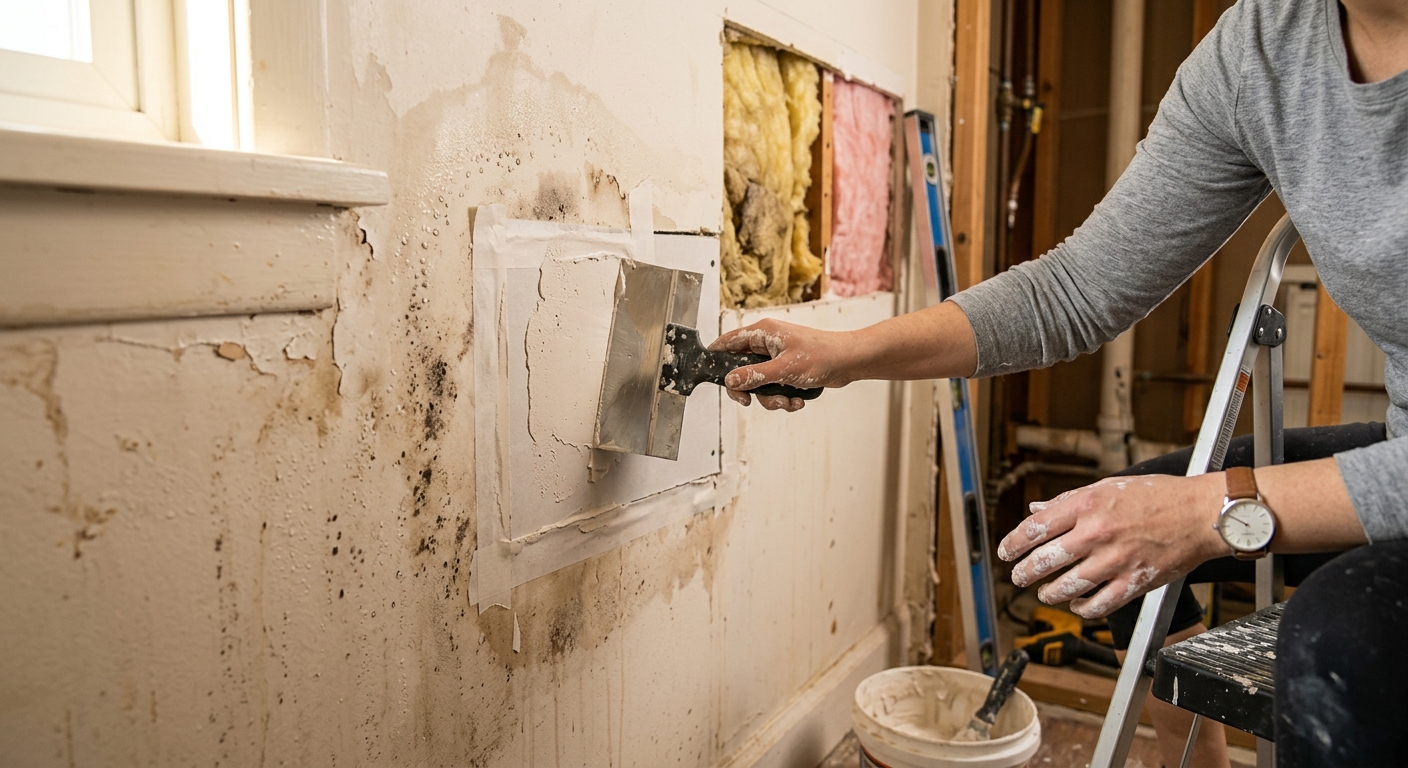
Condensation on interior walls is not just an eyesore – it signals a serious insulation or vapor control failure that can lead to mold, rot, and structural damage. Understanding the building science behind wall condensation helps you pinpoint the real cause and fix it before it becomes a costly repair.
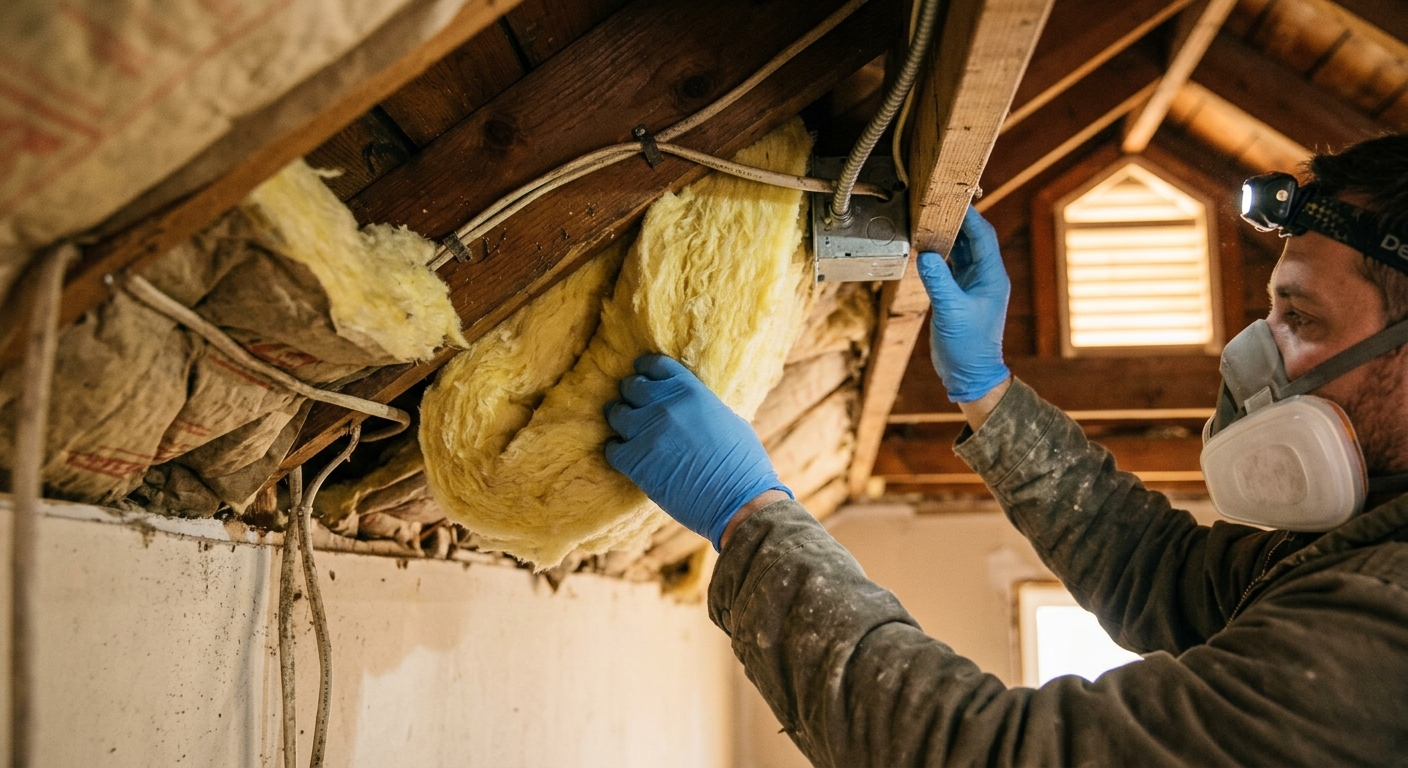
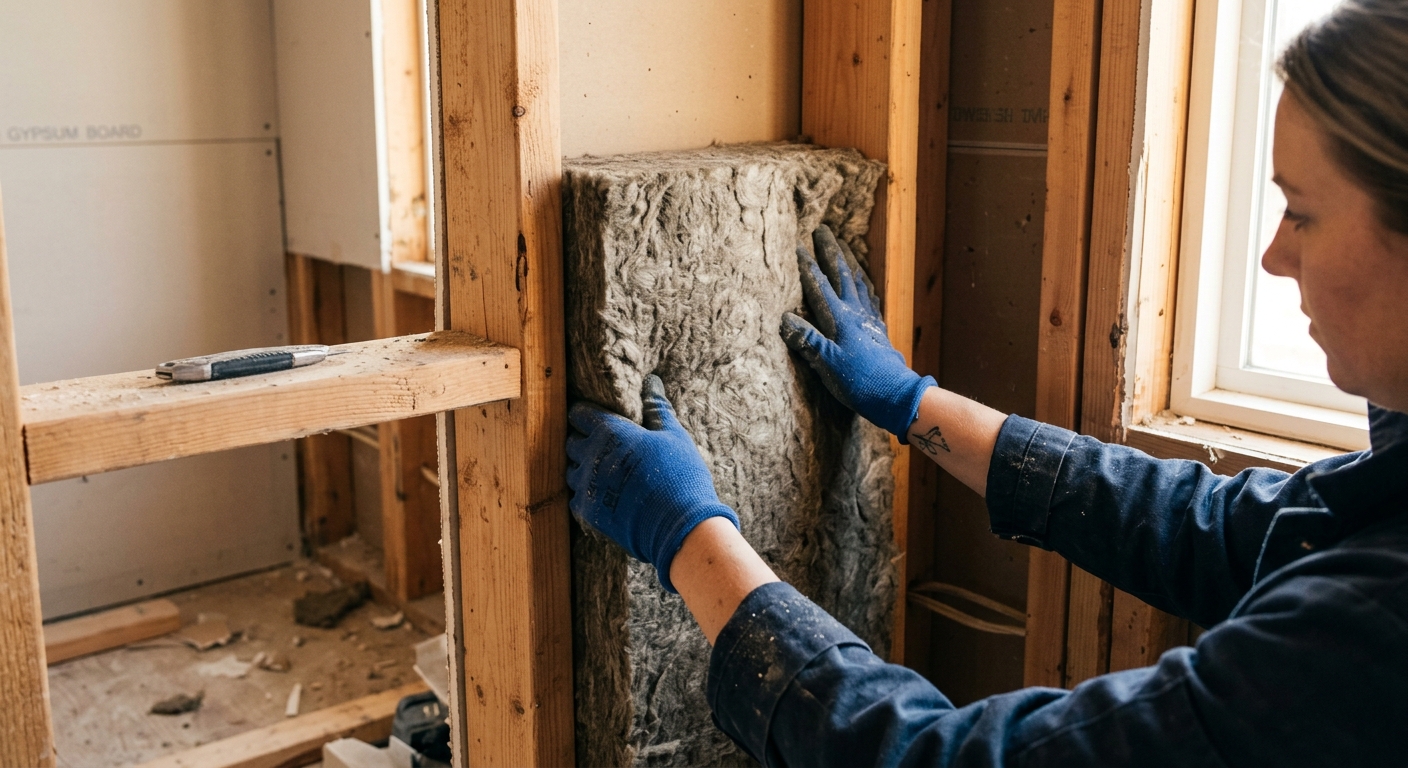
Fiberglass batt insulation is one of the most common materials in American homes, but improper installation can cut its effectiveness by 50% or more. Learn how to spot the mistakes, fix them yourself, and get the R-value you’re actually paying for.
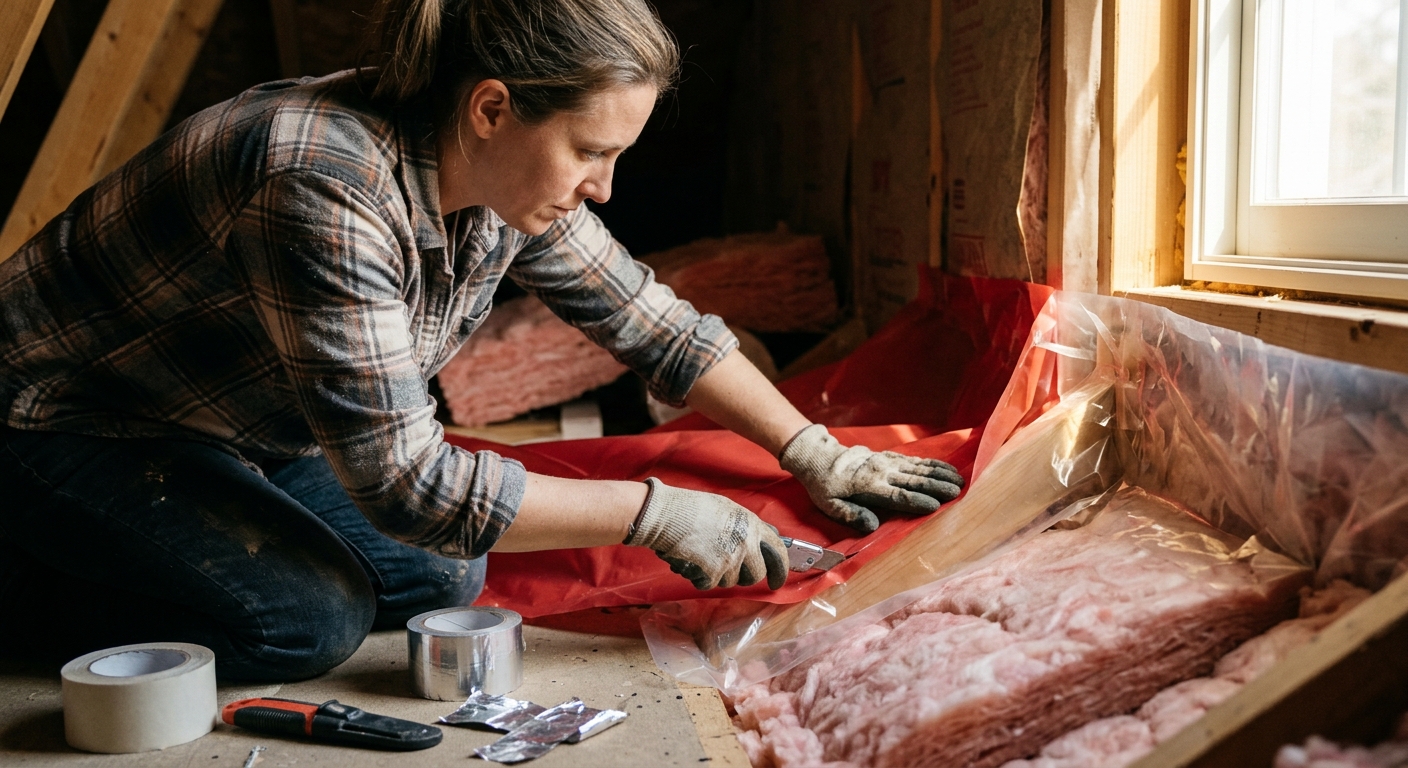
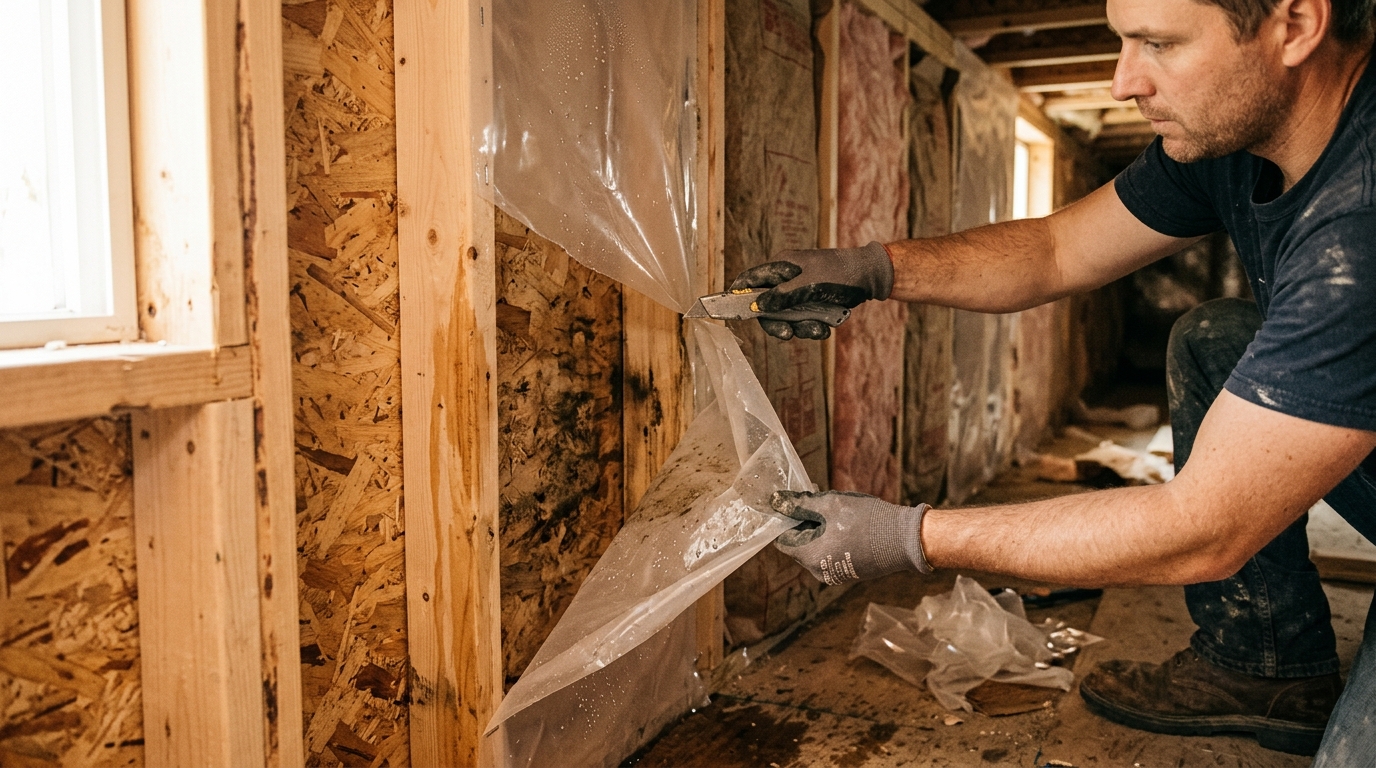
A vapor barrier installed in the wrong location or wrong direction can trap moisture inside your walls, floors, and framing, leading to rot, mold, and thousands in structural repairs. Understanding how vapor moves through your home is the first step to making sure your barrier is helping, not hurting.
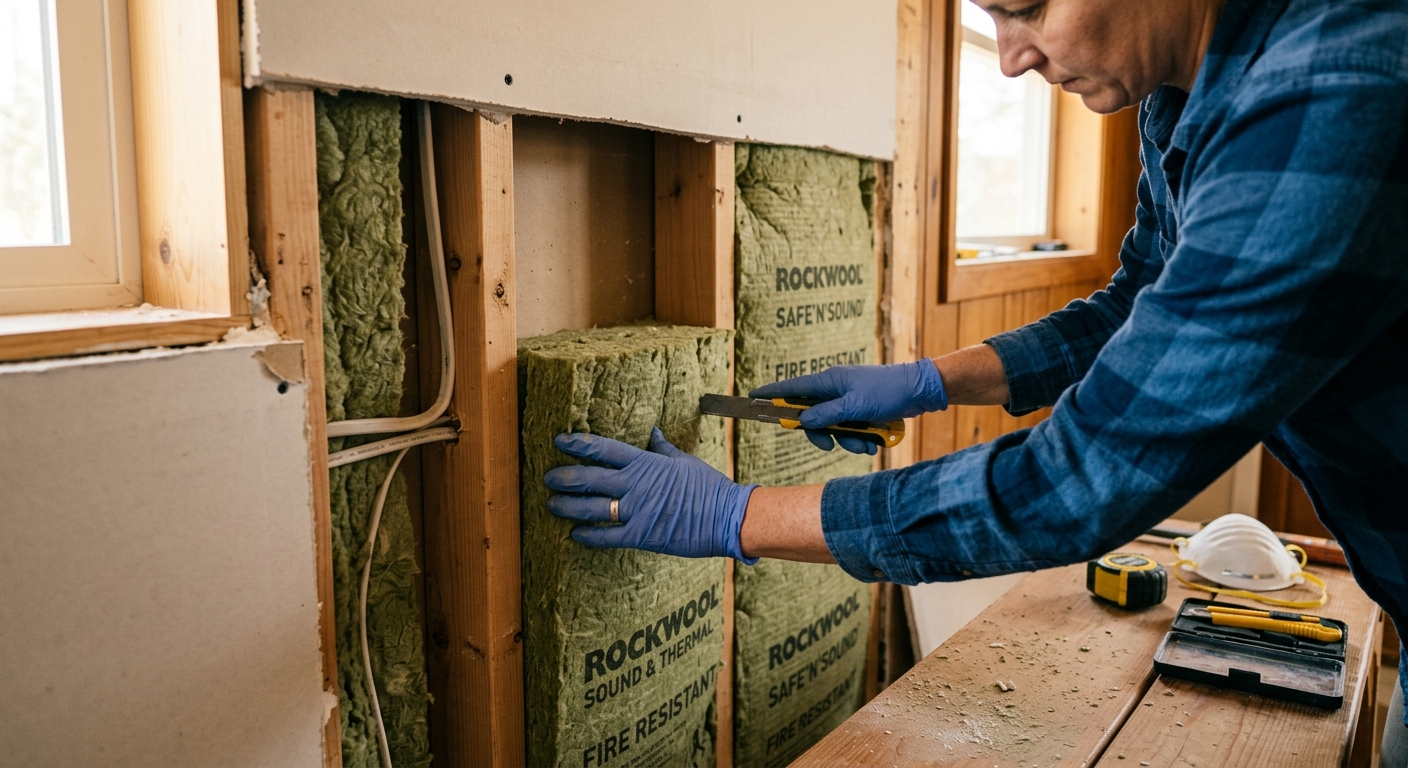
Many homeowners assume that adding insulation will also quiet their home, or that soundproofing products will lower their energy bills. These are two distinct sciences with very different solutions, and confusing them leads to wasted money and disappointing results.
Not all insulation is created equal, and choosing the wrong type can mean replacing it in 10 to 15 years instead of never. This guide breaks down the lifespan, performance, and hidden pitfalls of every major insulation material so you can invest once and insulate right.
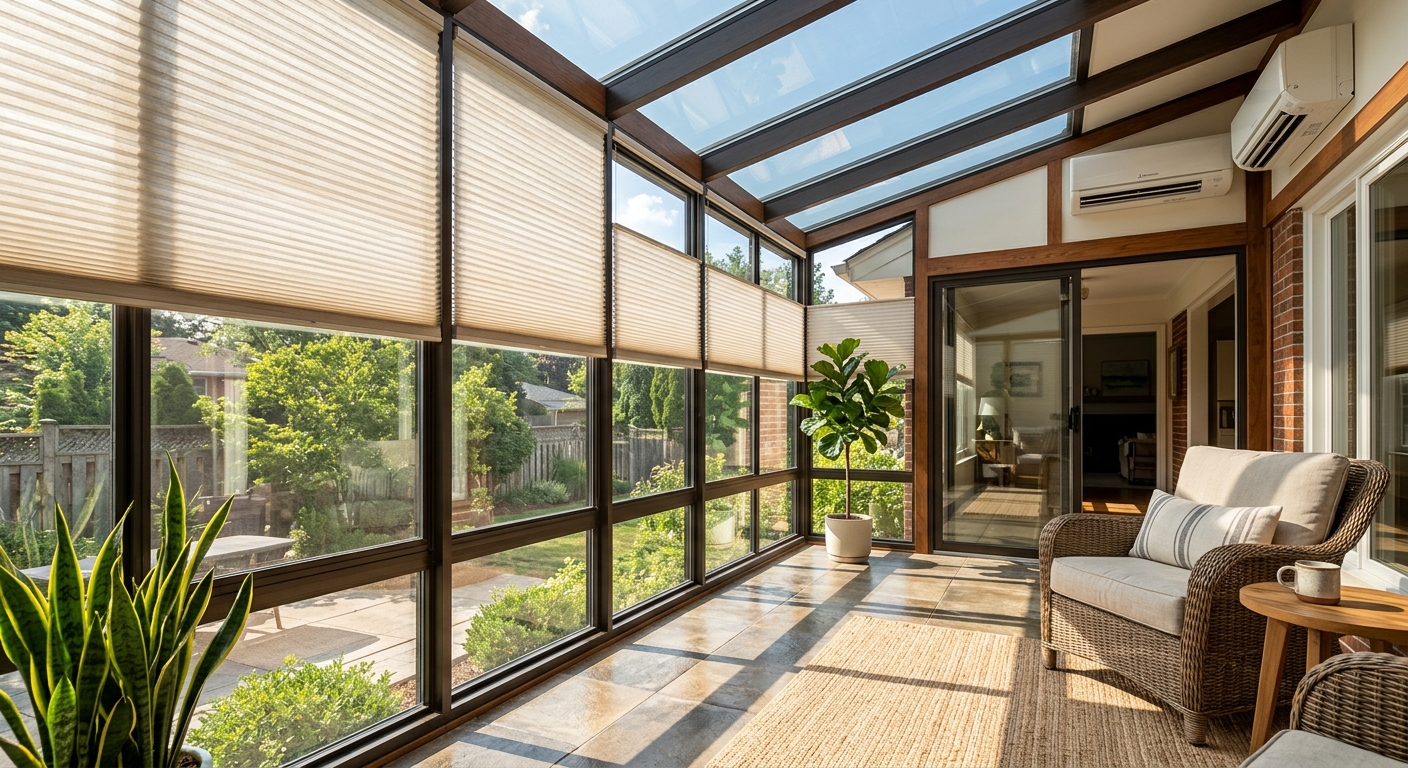
Sunrooms are one of the most requested home additions, but they’re also one of the biggest sources of surprise energy bill spikes. Before you break ground, here’s what building science actually says about keeping your new space comfortable without wrecking your monthly budget.