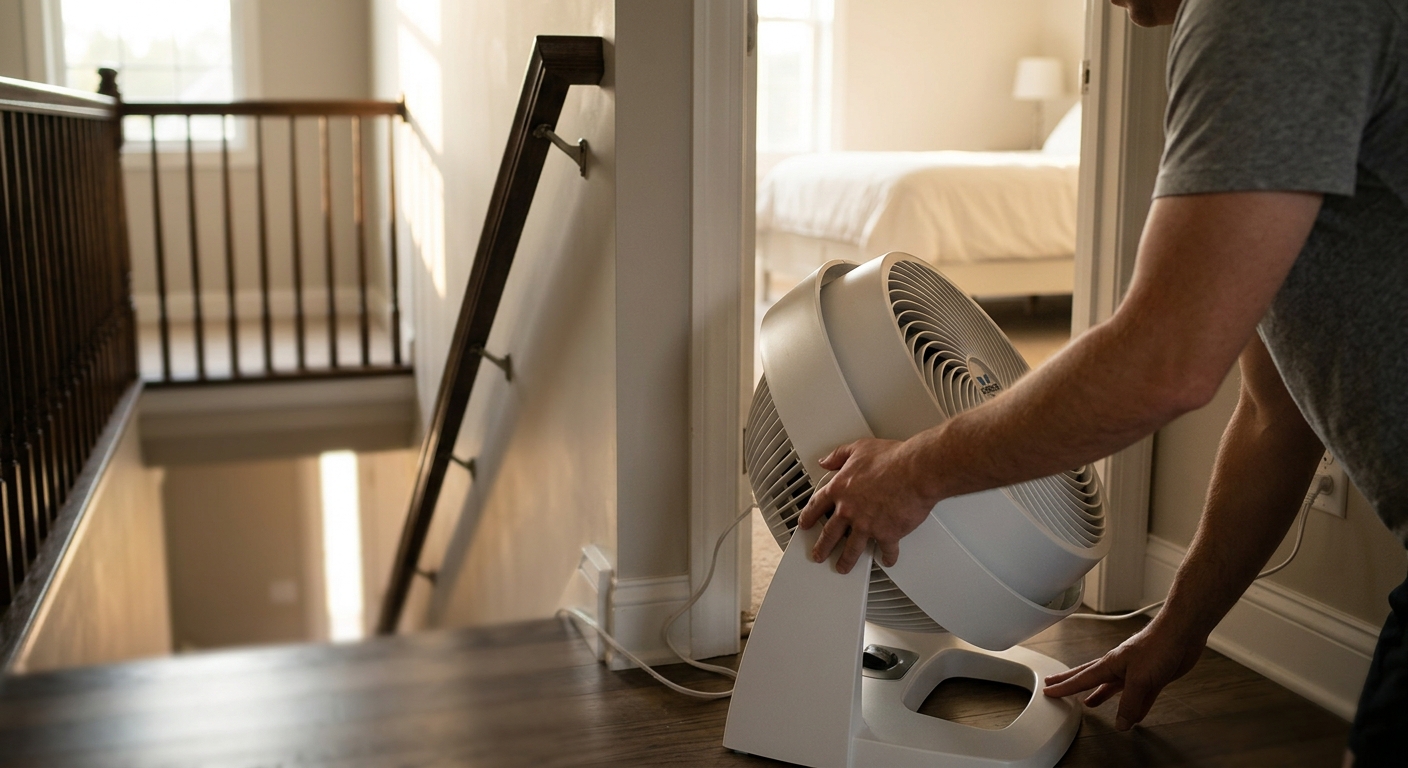
Two-story homes trap heat upstairs because warm air naturally rises, making upper floors 8 to 12 degrees hotter than the ground level. Strategic portable fan placement can neutralize that temperature gap and cut cooling costs by 15 to 30% without any permanent installation.
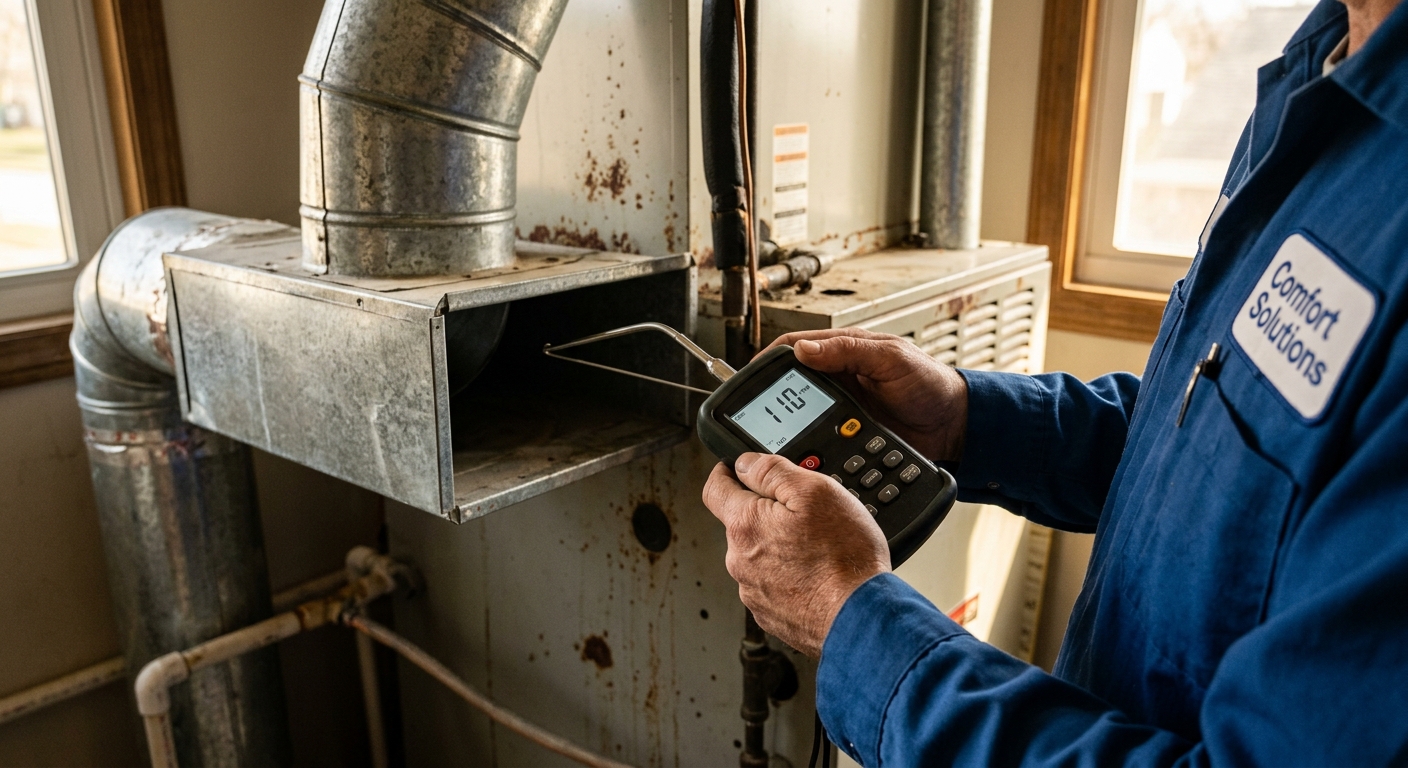
An undersized HVAC system runs constantly, struggles to hit your target temperature, and quietly drives up your energy bills every month. Learning to recognize the warning signs and confirm the problem with a few simple checks can save you thousands in wasted energy and premature equipment replacement.
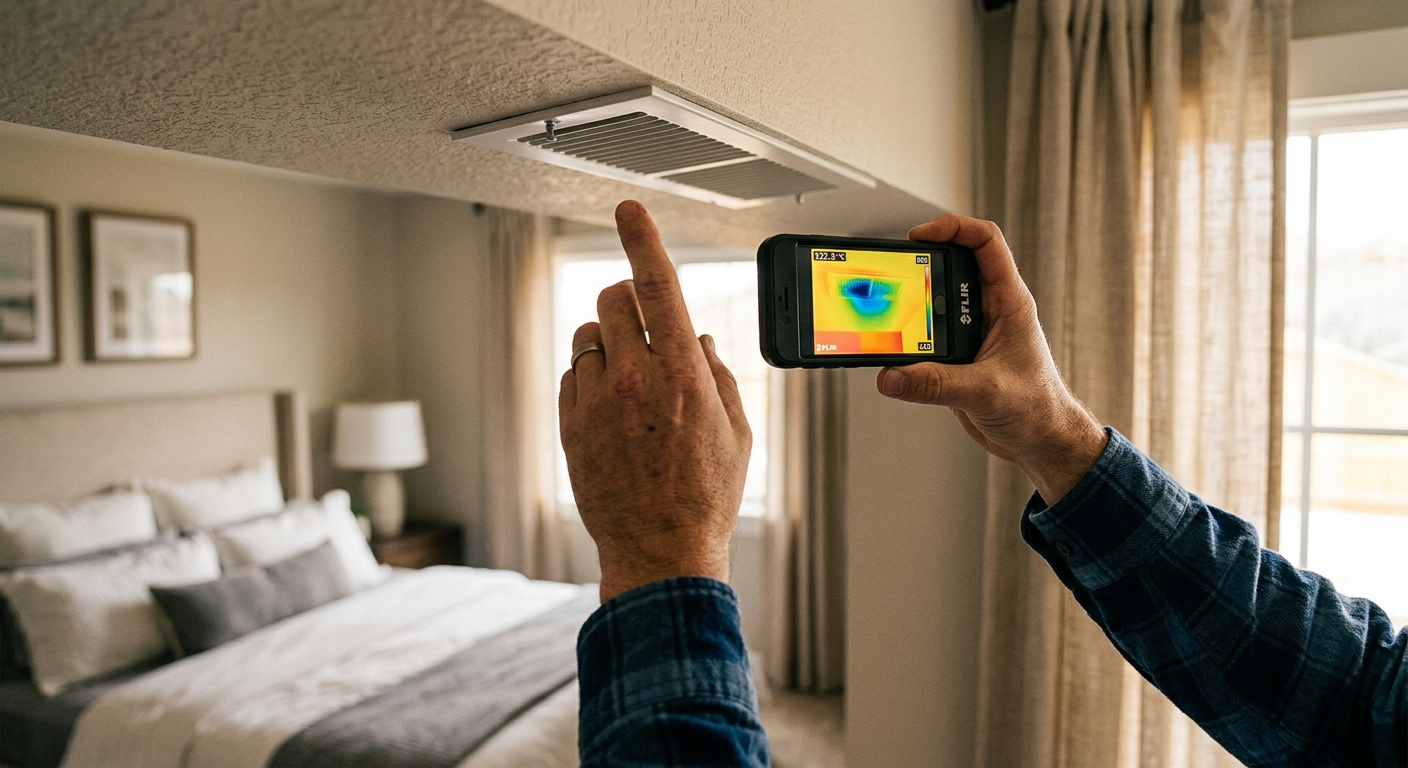
A stuffy master bedroom at night is one of the most frustrating comfort problems homeowners face, and a perfectly functioning AC system is often not the real culprit. The causes are almost always fixable once you understand what is actually trapping heat in your room.
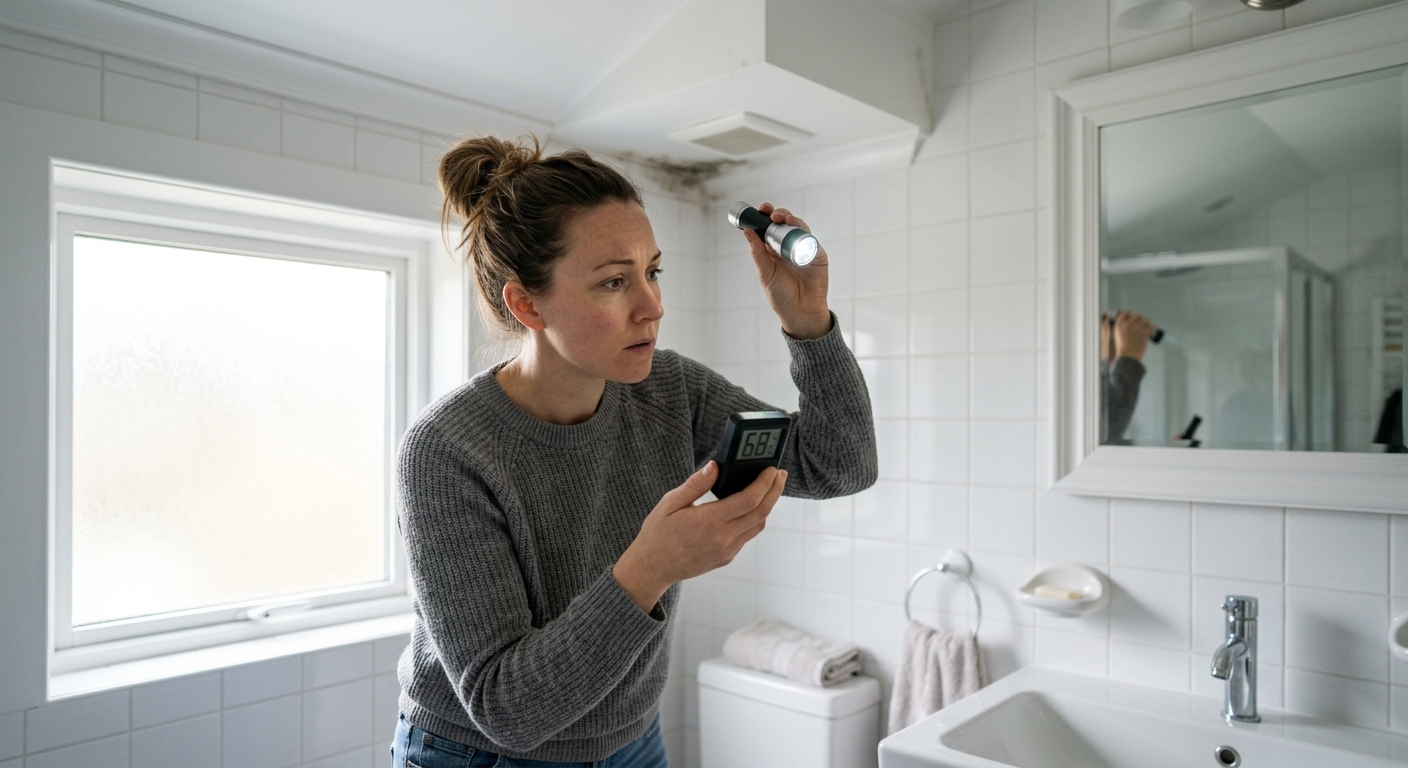
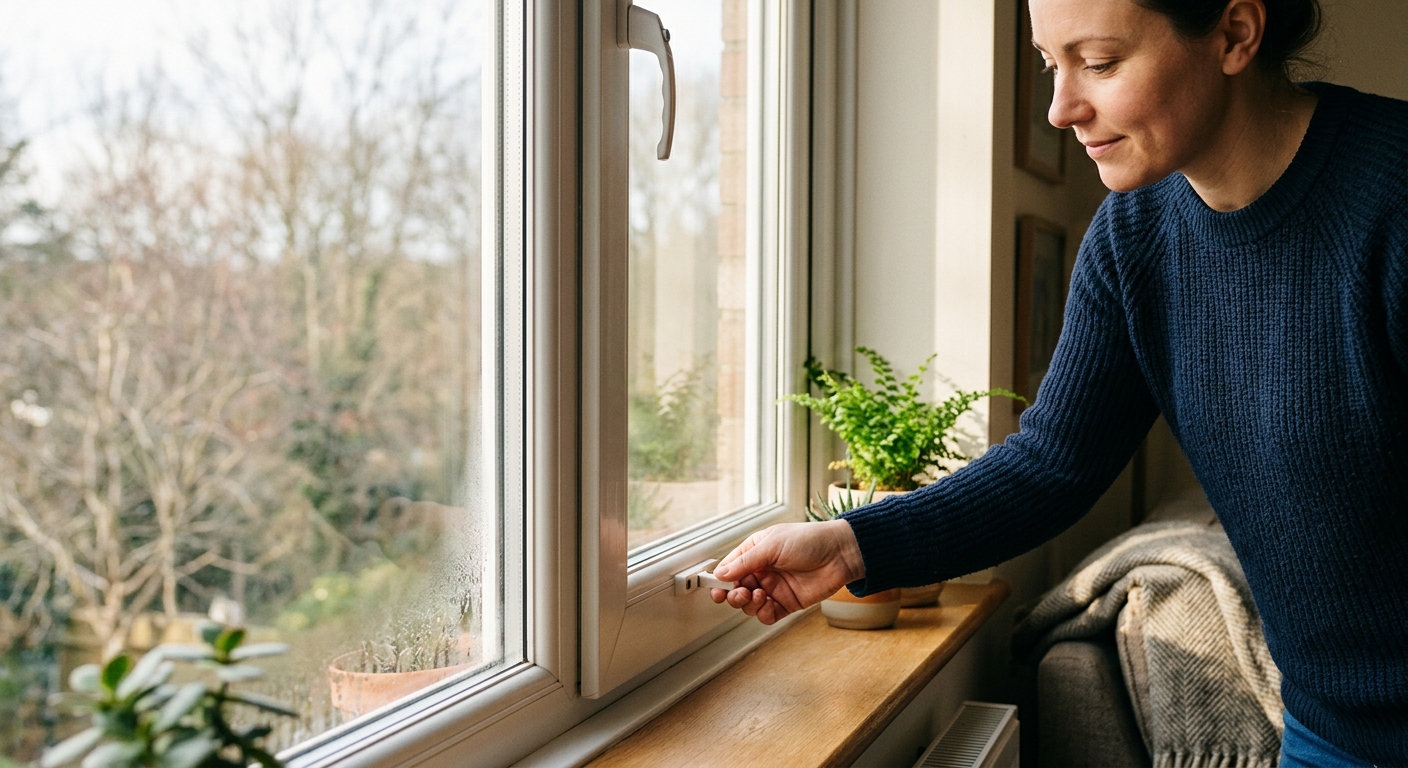
Stuffy rooms, foggy windows, and musty odors are early warning signs that your home’s air is not moving properly. Catching circulation problems early can prevent costly mold remediation that averages $2,000 to $6,000 per affected area.
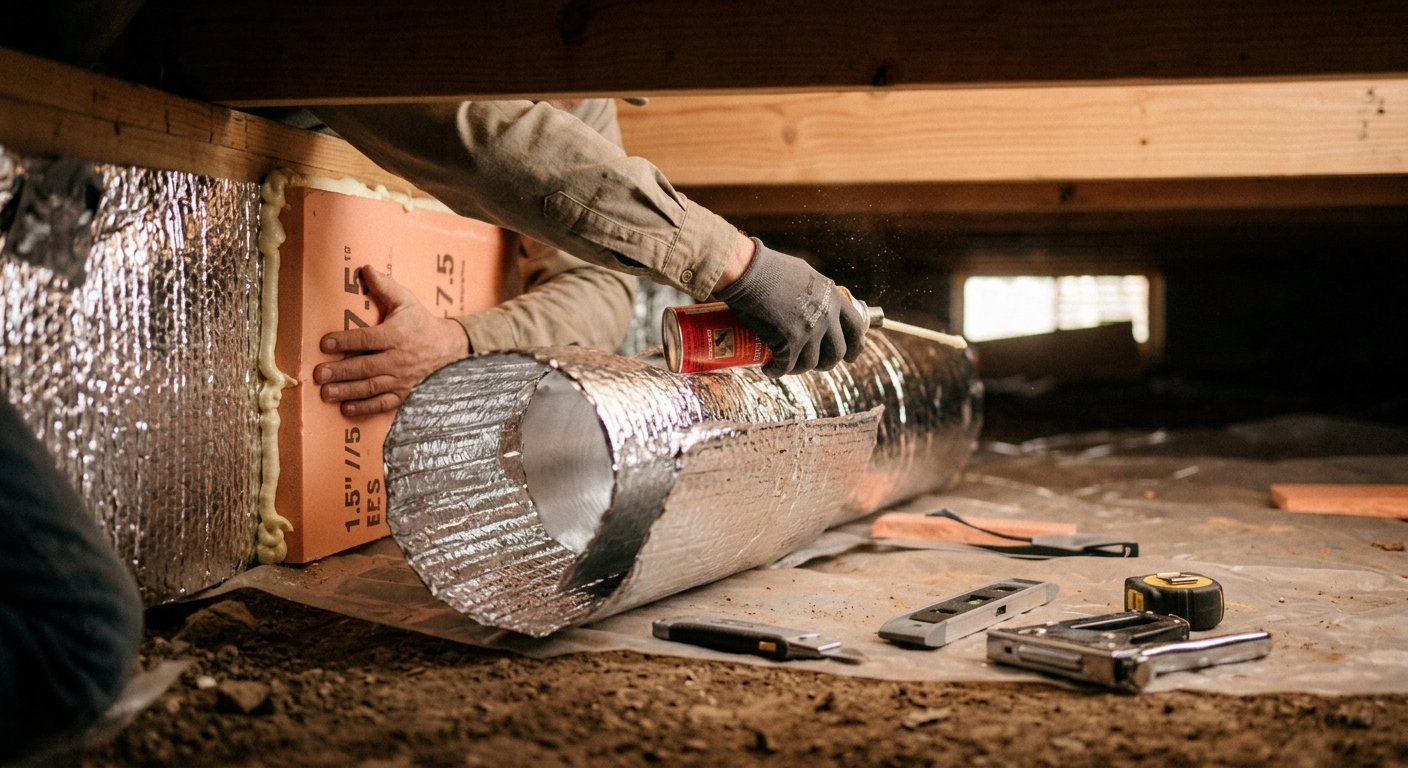
An uninsulated or poorly insulated crawl space silently drives up heating and cooling bills while making your floors cold and your home damp. The right approach costs under $500 and can cut energy bills by 15 to 25% while dramatically improving comfort.
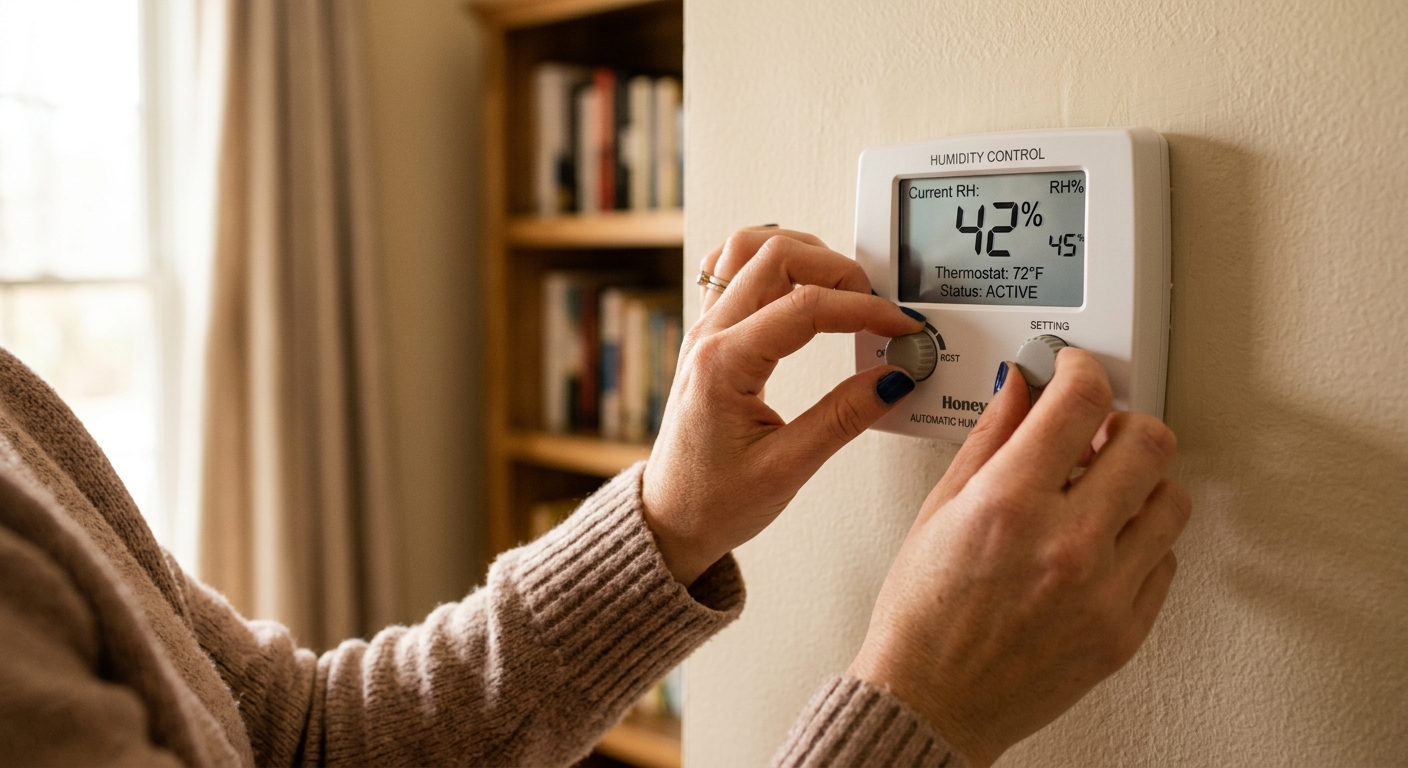
Most homeowners obsess over thermostat numbers while ignoring the humidity level that actually determines how comfortable they feel. Keeping indoor relative humidity between 40 and 50 percent can make a 75°F home feel as comfortable as a 70°F home, letting you raise your thermostat setpoint and cut cooling bills by up to 15 percent.
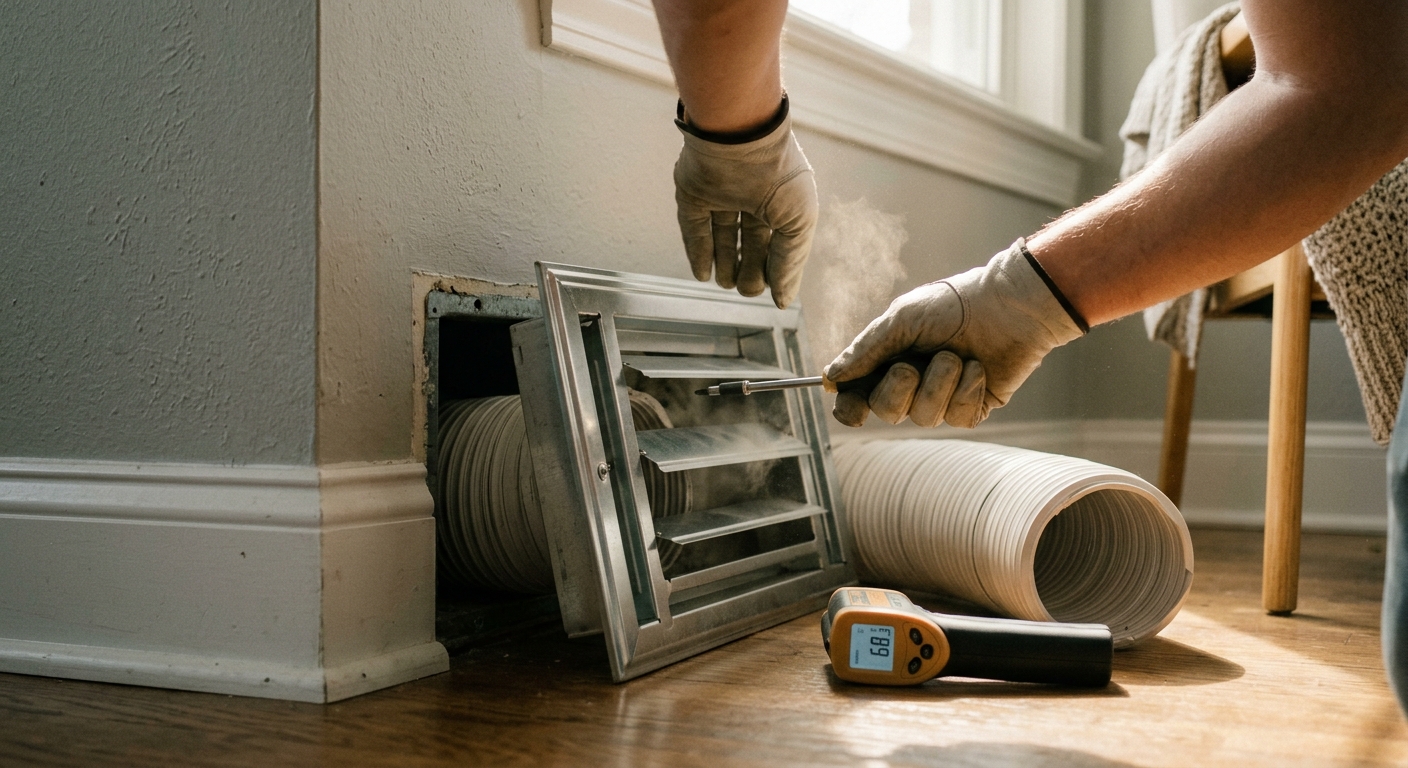
A single cold room is one of the most frustrating comfort problems homeowners face, and it almost never means your furnace is broken. The real culprits are almost always airflow imbalances, insulation gaps, or duct issues that you can diagnose and fix yourself.
When you seal your home against the cold, you also trap cooking odors, moisture, pet dander, and VOCs with nowhere to go. Strategic ventilation can flush out stale air, improve indoor air quality, and keep your heating bills from spiking at the same time.
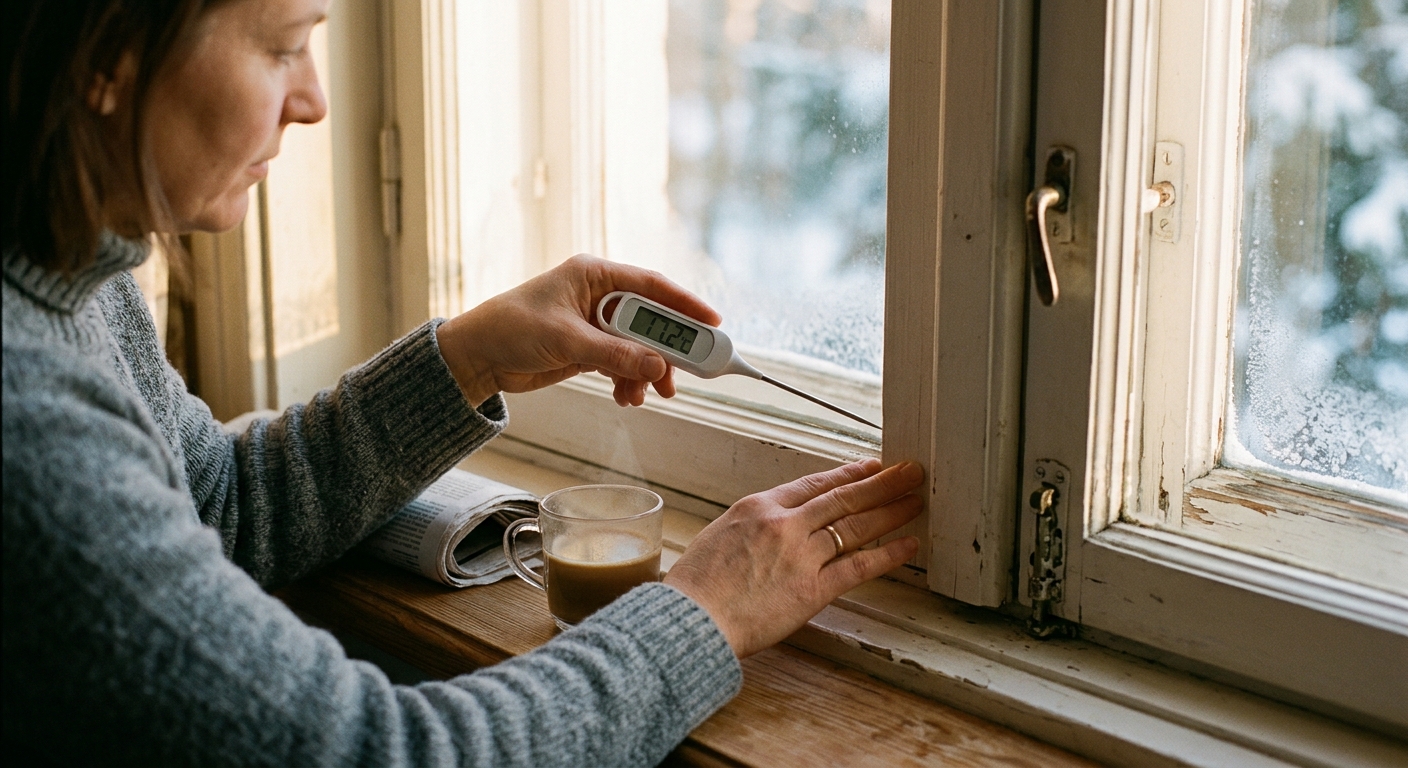
If your furnace is running hard every morning just to catch up, your home is silently bleeding heat while you sleep. This simple morning diagnostic routine pinpoints exactly where that heat is escaping so you can stop wasting money on warmth that never stays.
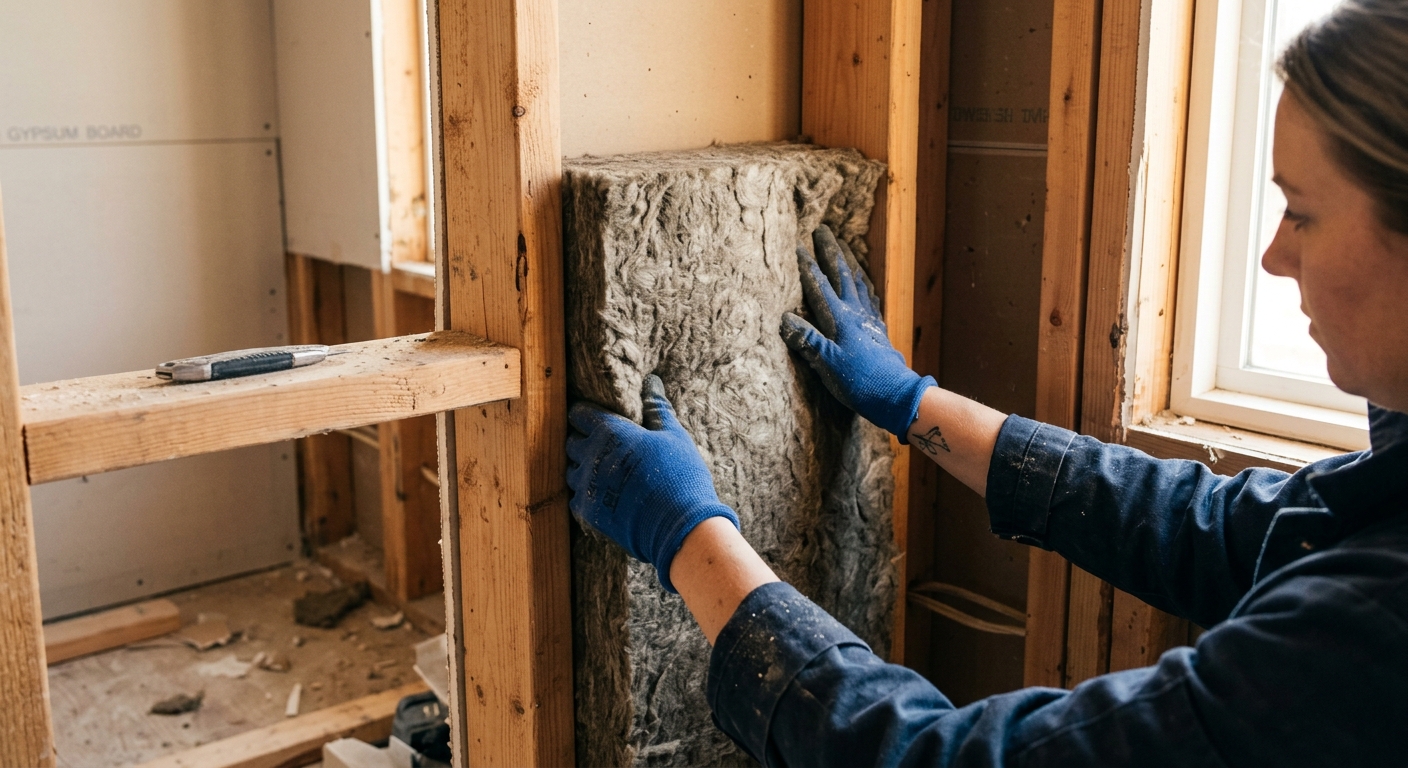
Not all insulation is created equal, and choosing the wrong type can mean replacing it in 10 to 15 years instead of never. This guide breaks down the lifespan, performance, and hidden pitfalls of every major insulation material so you can invest once and insulate right.