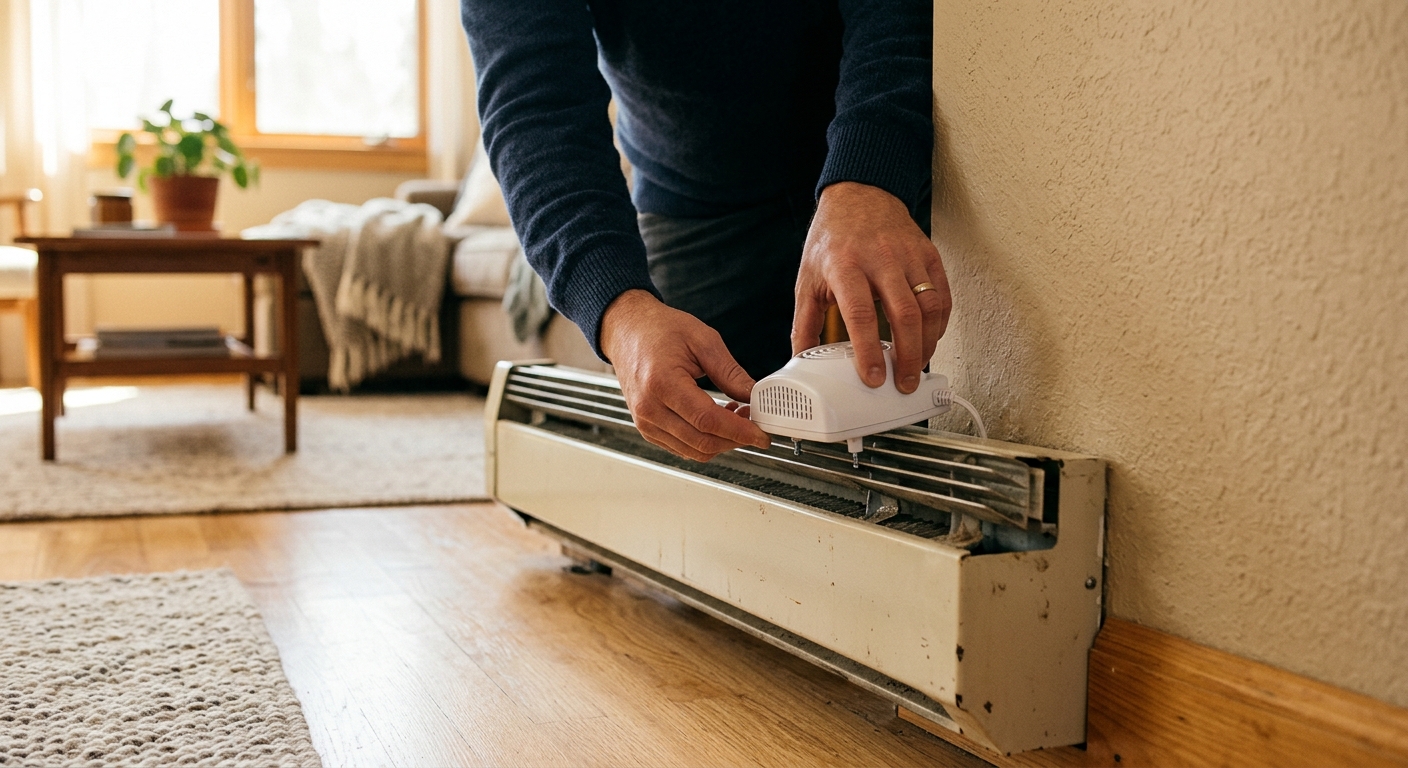
Electric baseboard heat is notoriously expensive and uneven, leaving some rooms stuffy and others freezing. These practical, low-cost strategies can cut your heating bills by 15 to 30% while making your whole home feel warmer and more consistent.
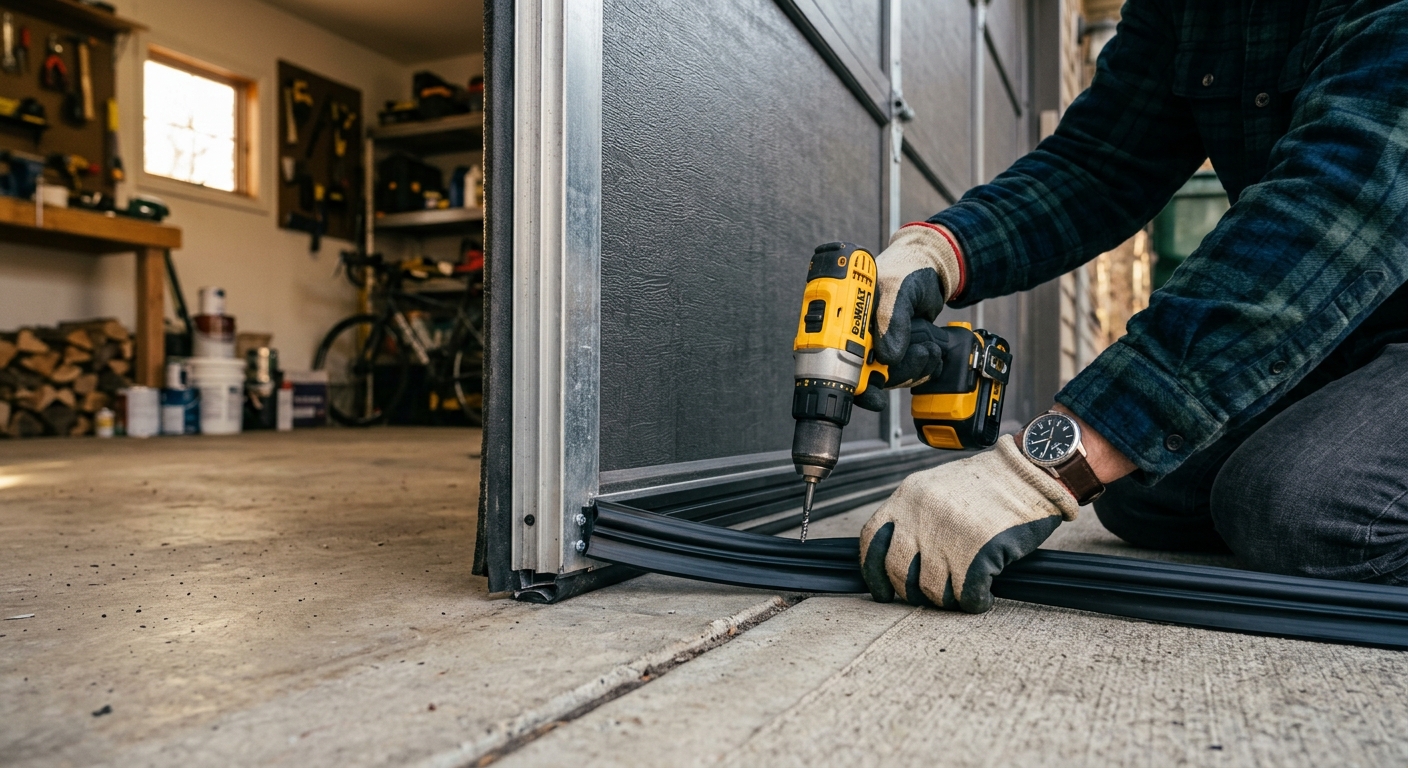
A freezing garage damages vehicles, pipes, stored belongings, and even the comfort of your attached home. You can keep temps above freezing all winter without running a full heater 24/7, and most solutions cost under $200.
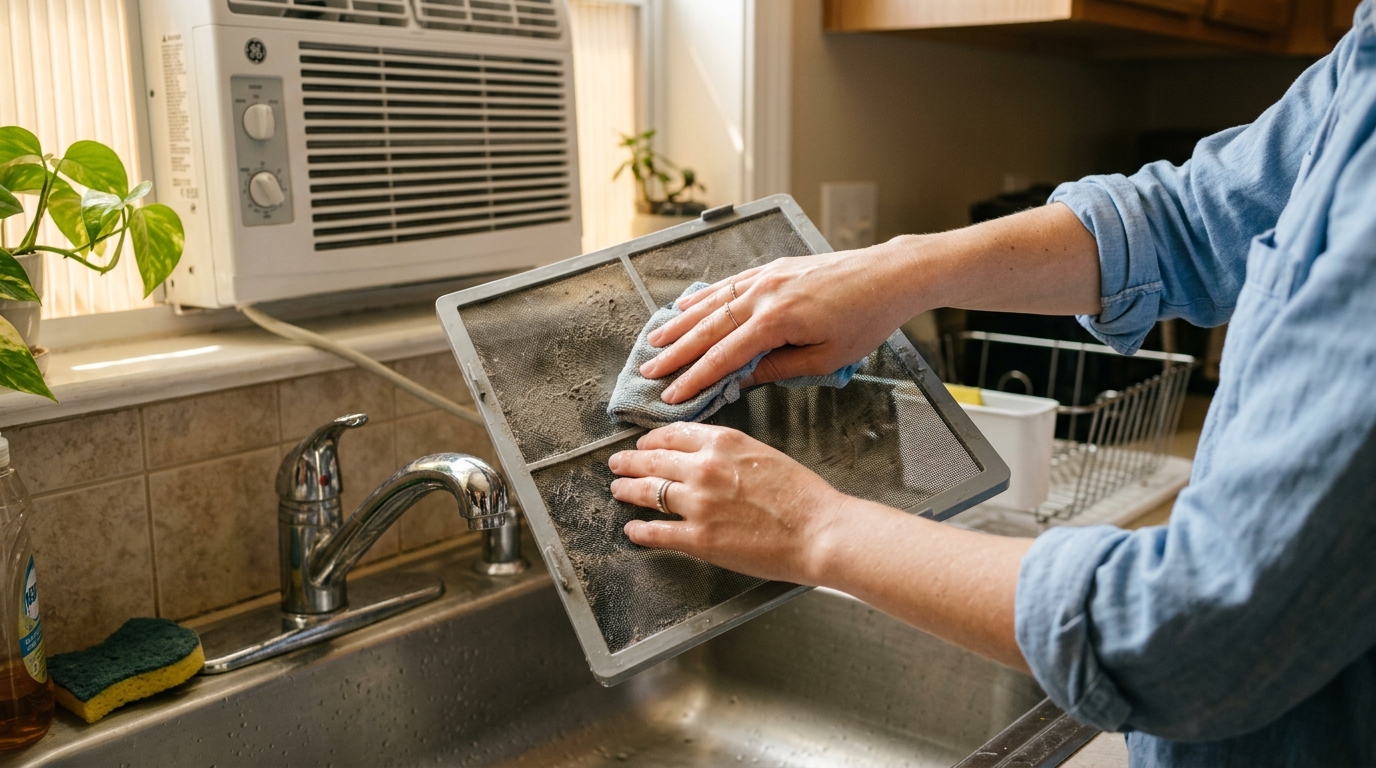
The first heat wave of the year catches most homes unprepared, and your AC works overtime just to keep up. With a few targeted fixes before temperatures spike, you can stay comfortable and avoid the surge in energy bills that hits most households in June.
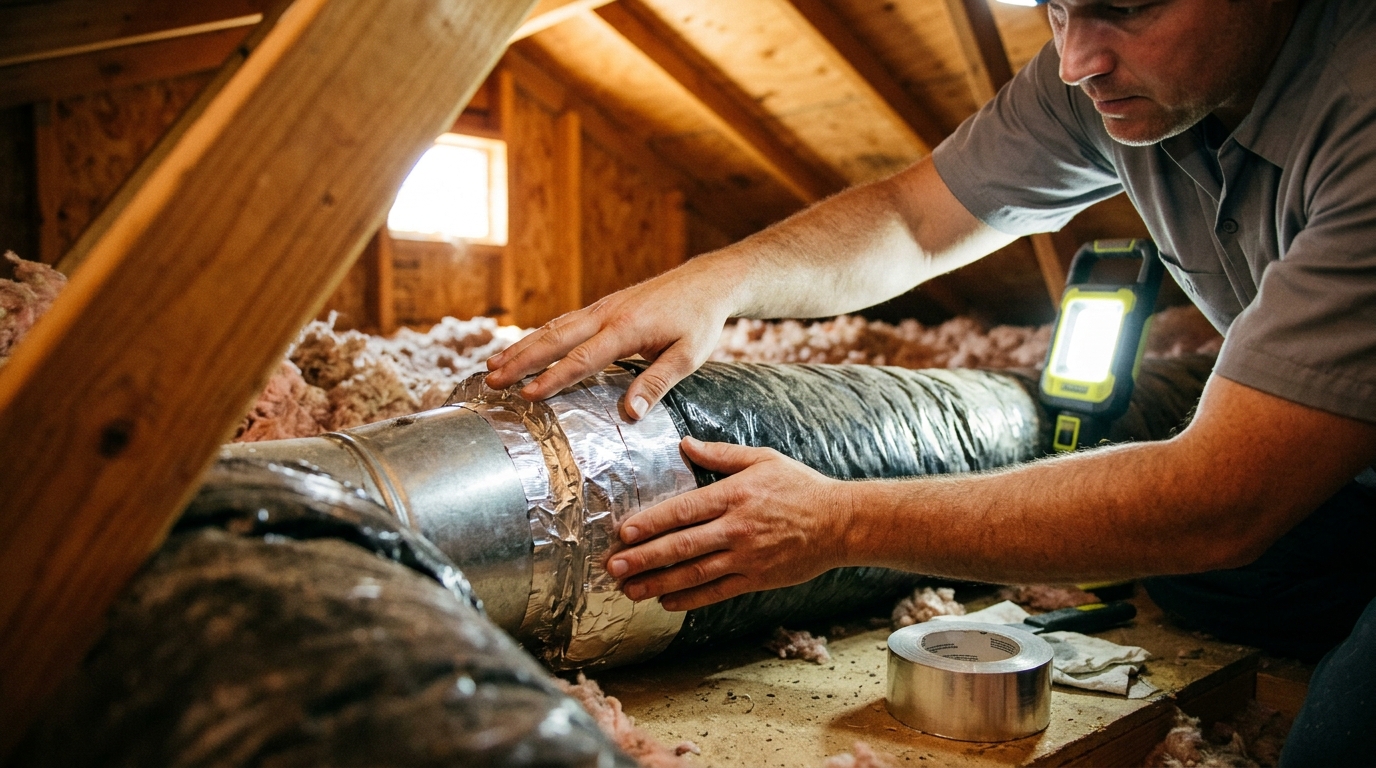
Most homeowners blame their HVAC system when the upstairs stays stuffy and hot, but the real culprit is usually a combination of attic heat, poor airflow, and duct problems. Fix the right things in the right order and you can close that temperature gap by 3 to 5 degrees without replacing your AC.
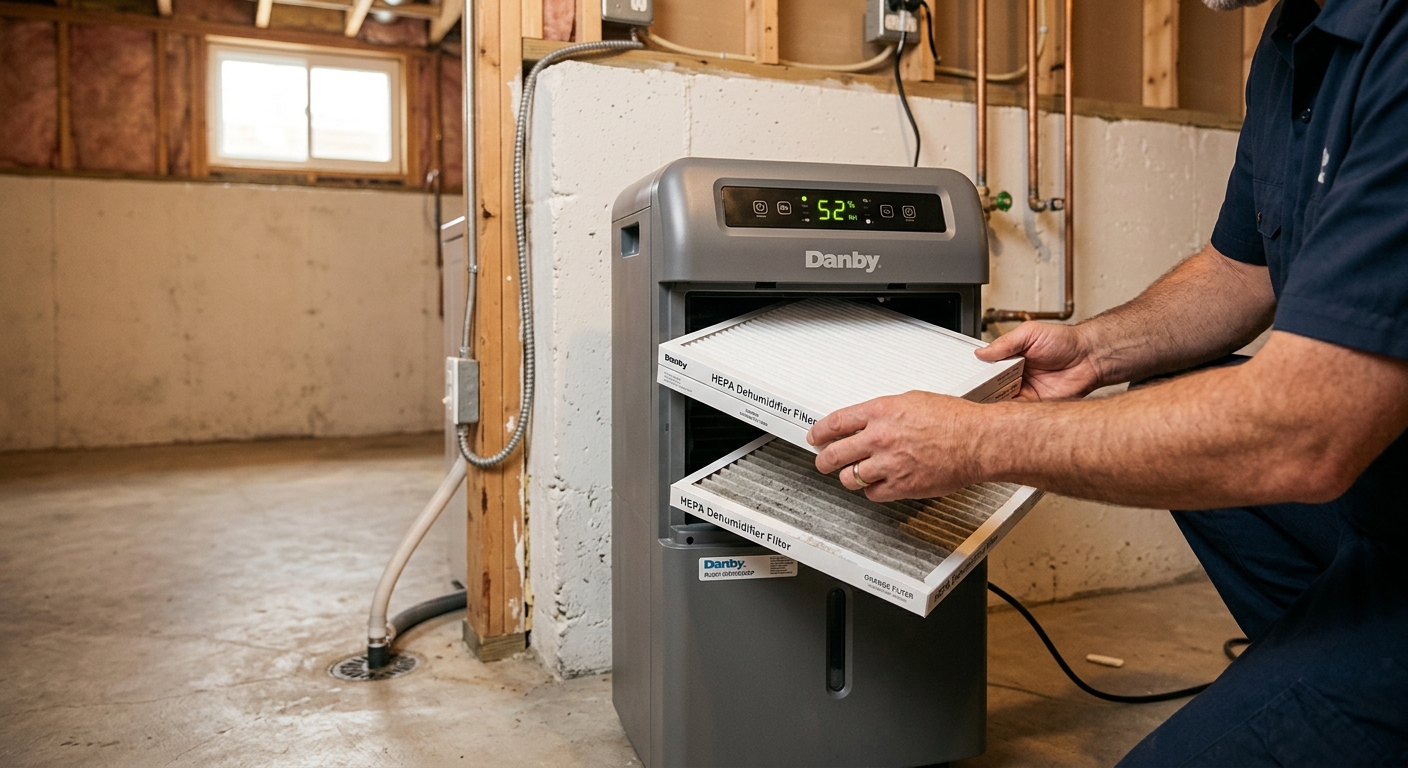
Summer humidity turns basements into clammy, musty spaces that can damage belongings and grow mold within 48 hours. Understanding why moisture enters and which fixes actually work can save you hundreds in repairs and slash cooling costs by up to 15%.
Uneven temperatures and wasted energy from heating or cooling empty rooms drain comfort and money from millions of homeowners. An HVAC zoning system can solve both problems, but the cost and payback period vary widely depending on your home and approach.
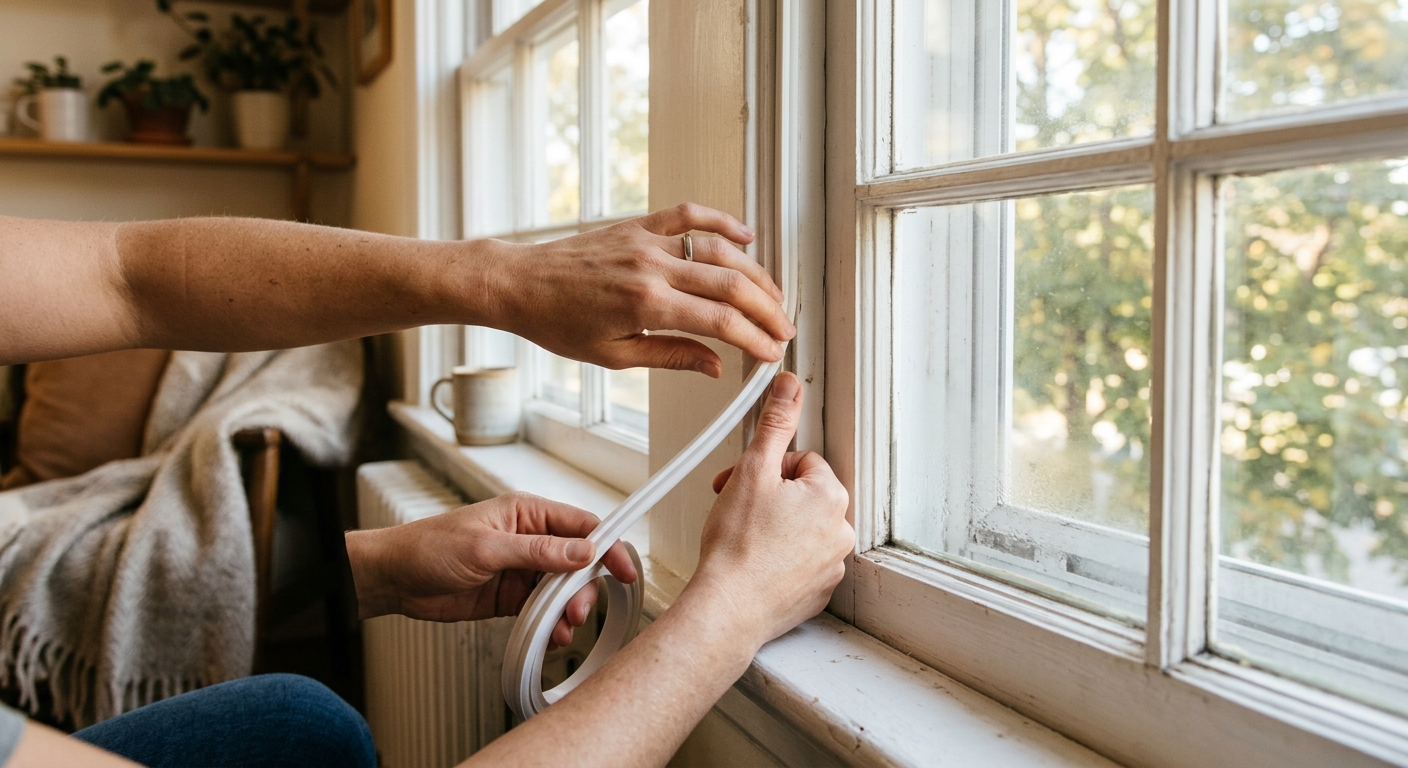
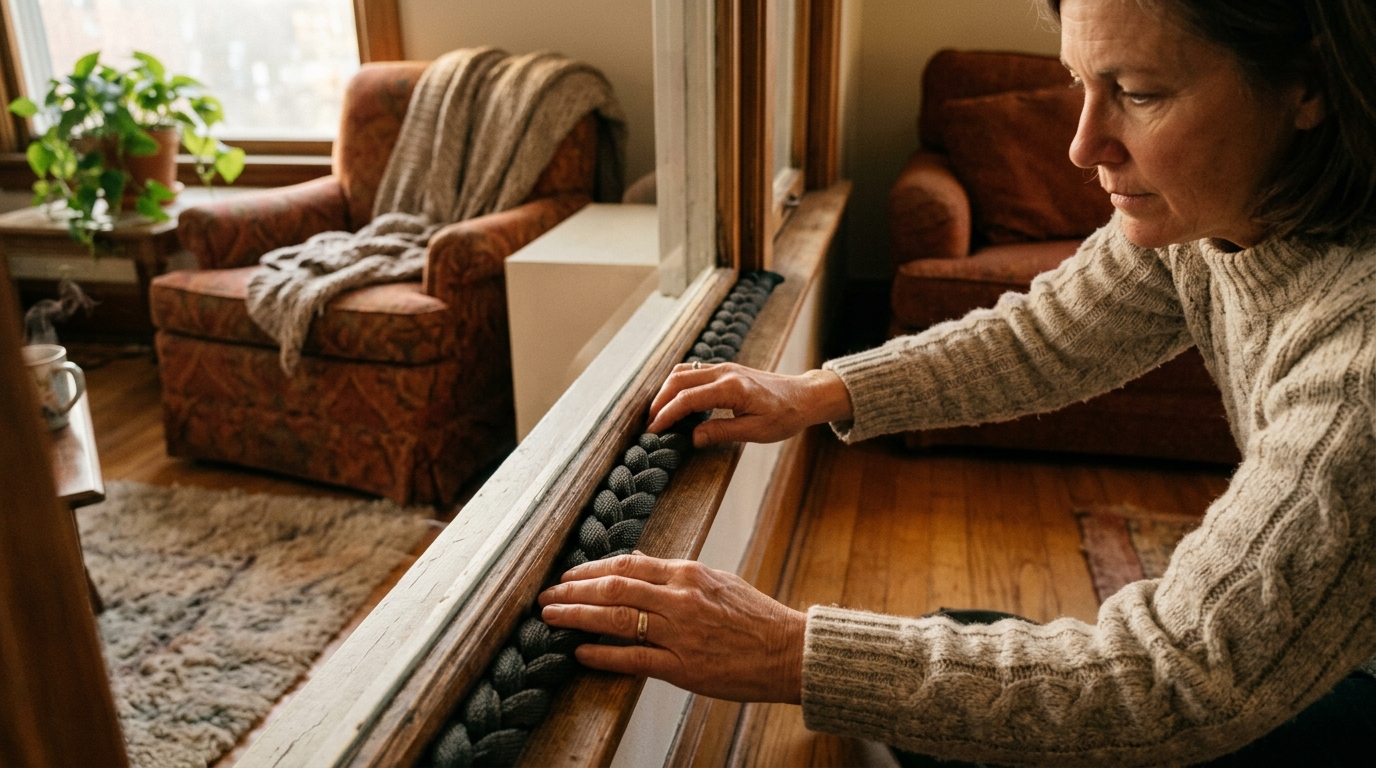
Drafty windows can account for 25 to 30% of a home’s heating and cooling loss, quietly inflating your energy bills every month. With about $30 in materials and a free weekend afternoon, you can seal most window drafts yourself and start seeing savings on your next bill.
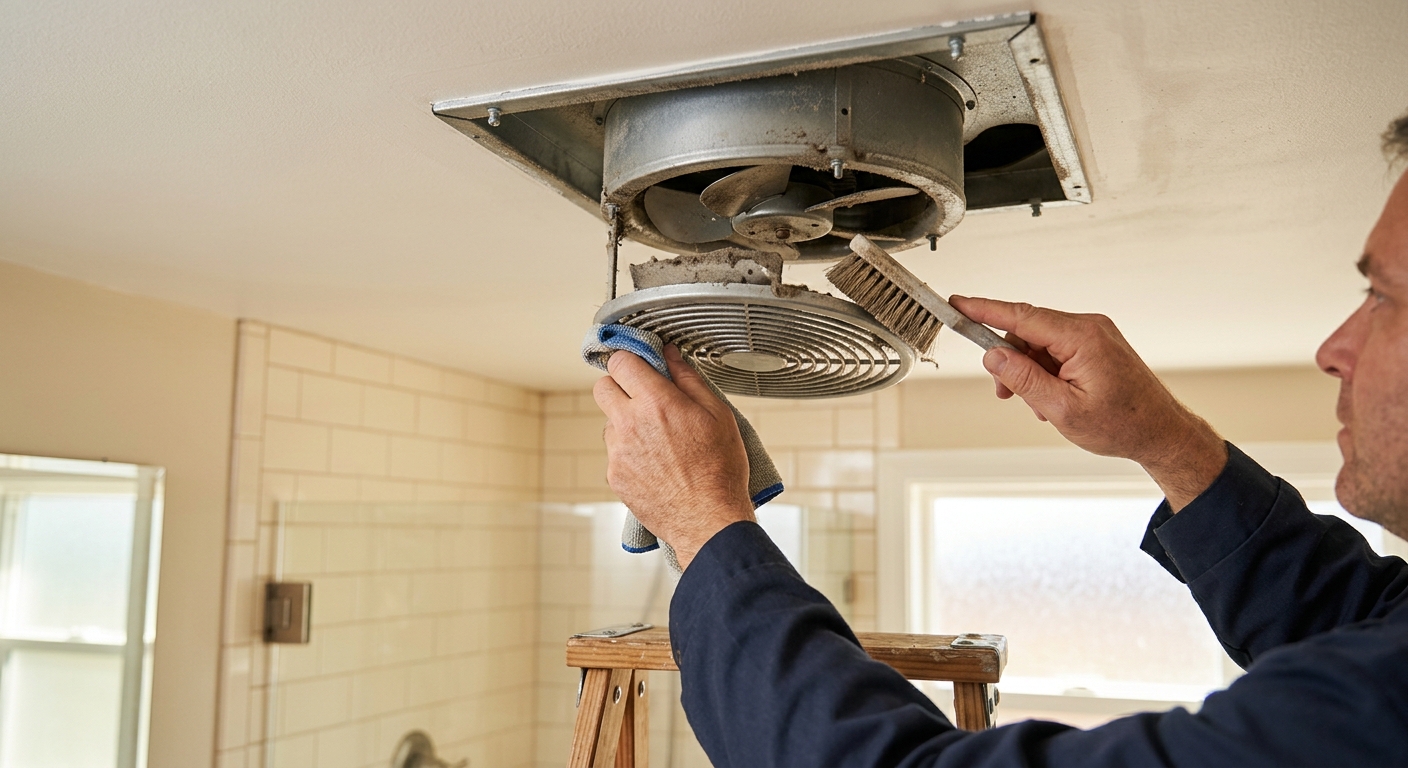
Most homeowners blame their HVAC system when certain rooms feel stuffy, drafty, or hard to heat and cool. The real culprit is often the bathroom exhaust fan creating pressure imbalances that ripple through the entire house.
Your thermostat says 70°F but your living room still feels cold and drafty. The fix isn’t cranking up the heat – it’s understanding why the room loses warmth and addressing the real causes.
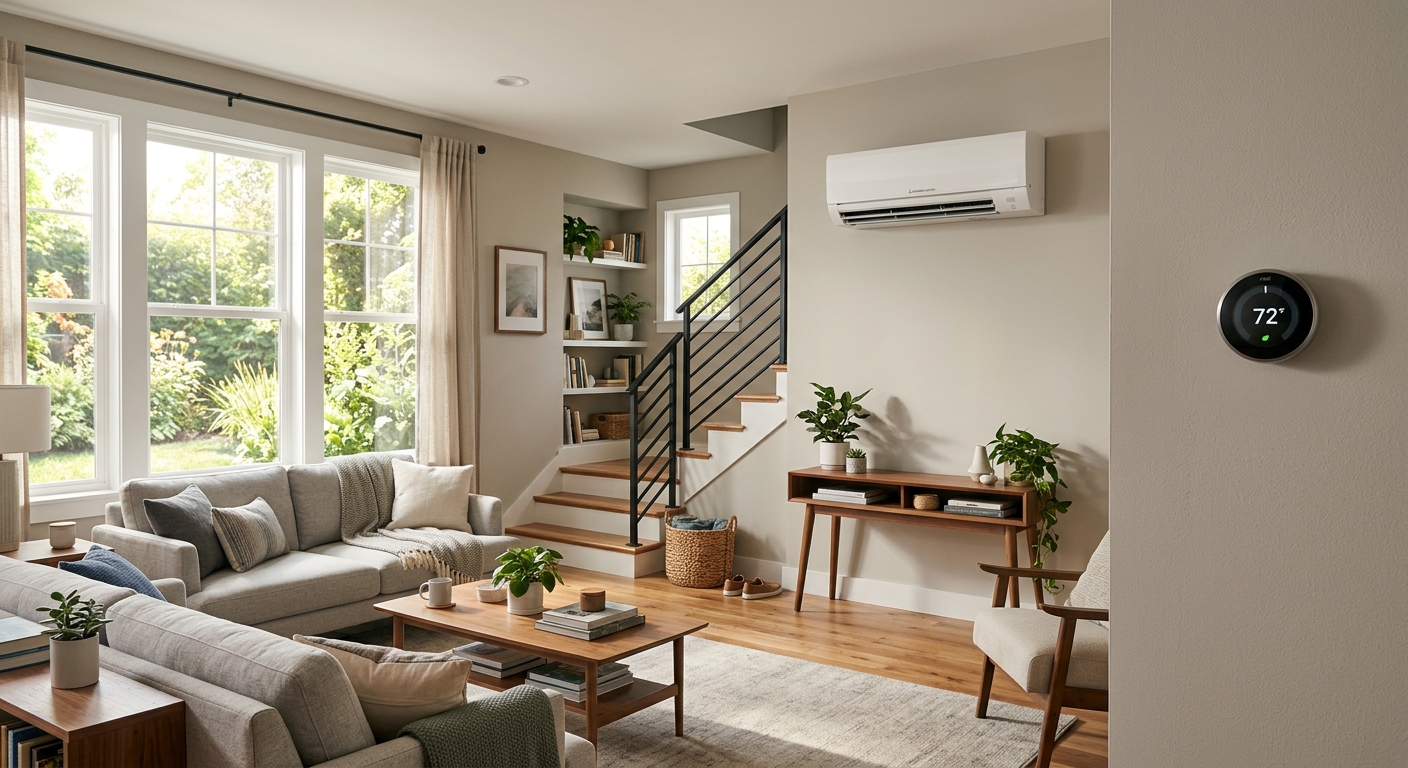
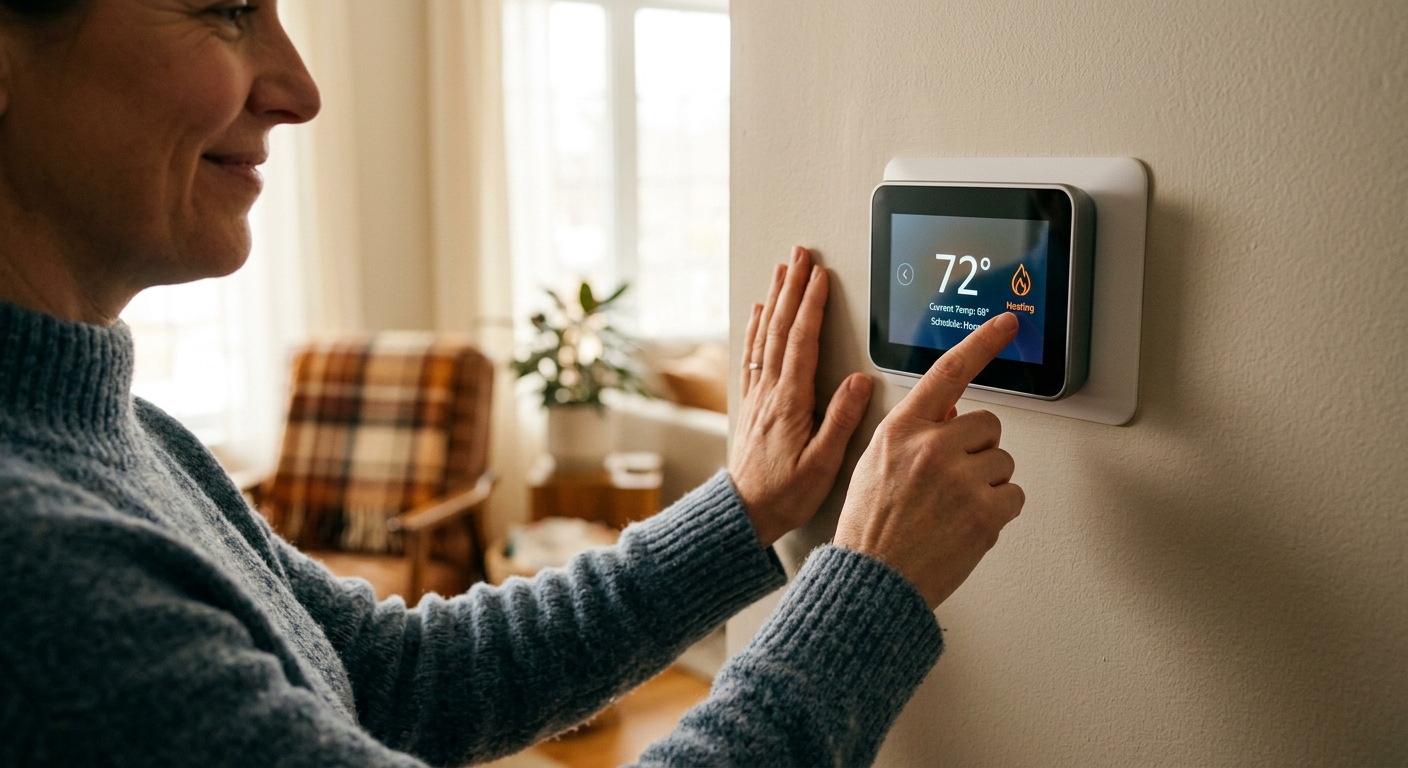
Most homeowners set their thermostat once and forget it, leaving hundreds of dollars a year on the table. A $150 smart thermostat can pay for itself in under a year while making every room feel more consistently comfortable.