Many homeowners are baffled when their January heating bill jumps 30 to 50% despite not touching the thermostat. The real culprit is a combination of radiant heat loss, infiltration, and your furnace working harder against extreme cold, and there are practical fixes that can bring those bills back down.
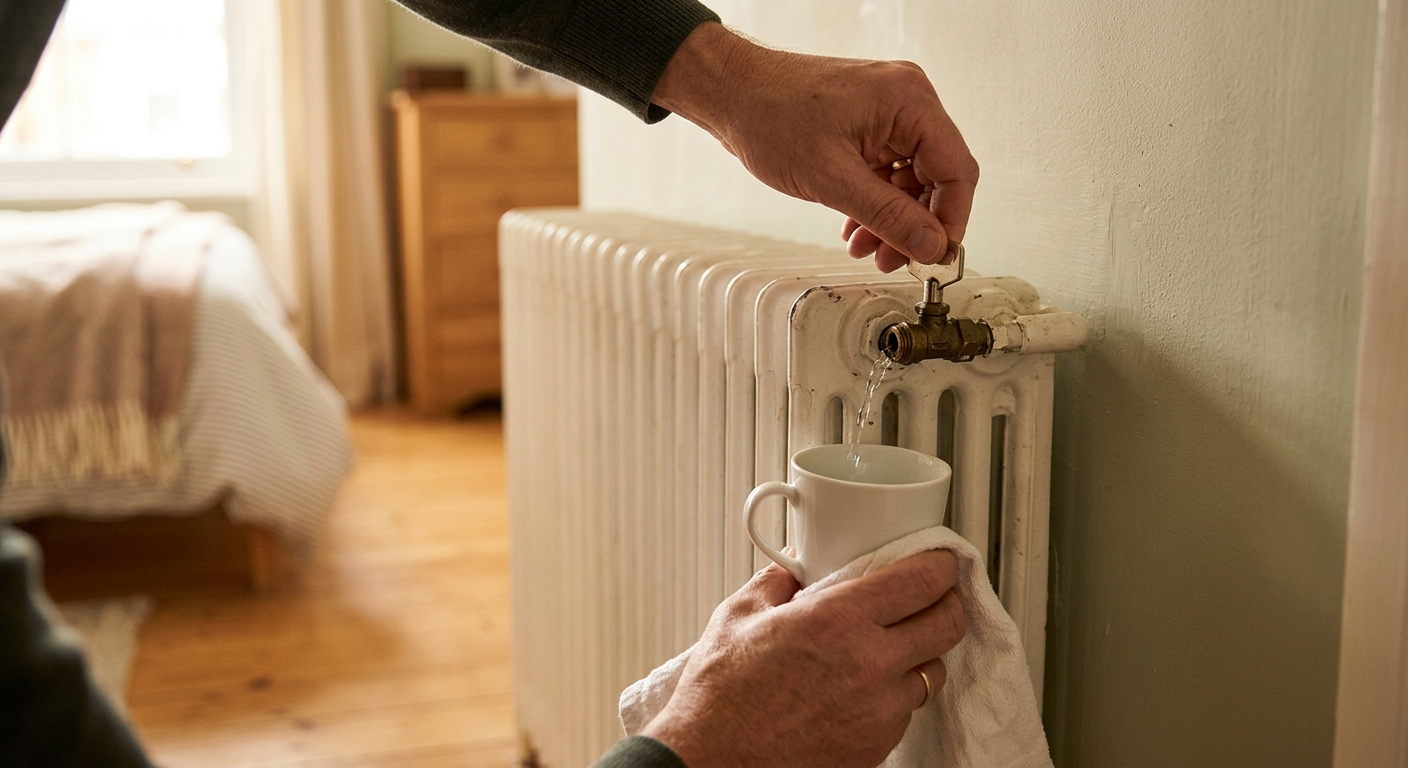
Uneven heat from a radiator system is one of the most common comfort complaints in older homes, and the cause is almost never the boiler itself. Understanding how hot water or steam moves through your system reveals simple fixes that can balance your home’s heat without replacing anything.
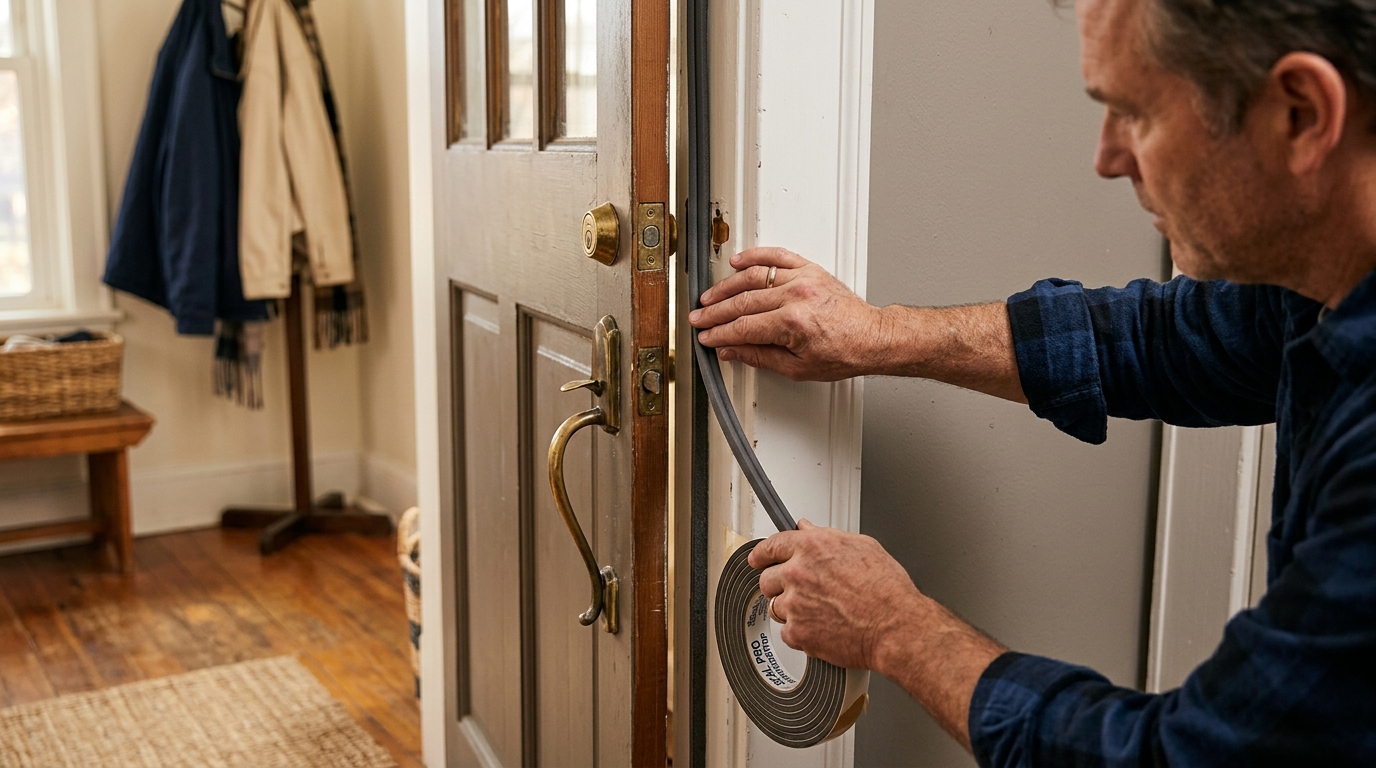
Most homeowners focus on windows and attic insulation while ignoring the single most-used air leak in the house: the front door and entryway. Sealing and improving your entryway can reduce drafts, cut heating and cooling losses by up to 15%, and make every room in your home feel more comfortable year-round.
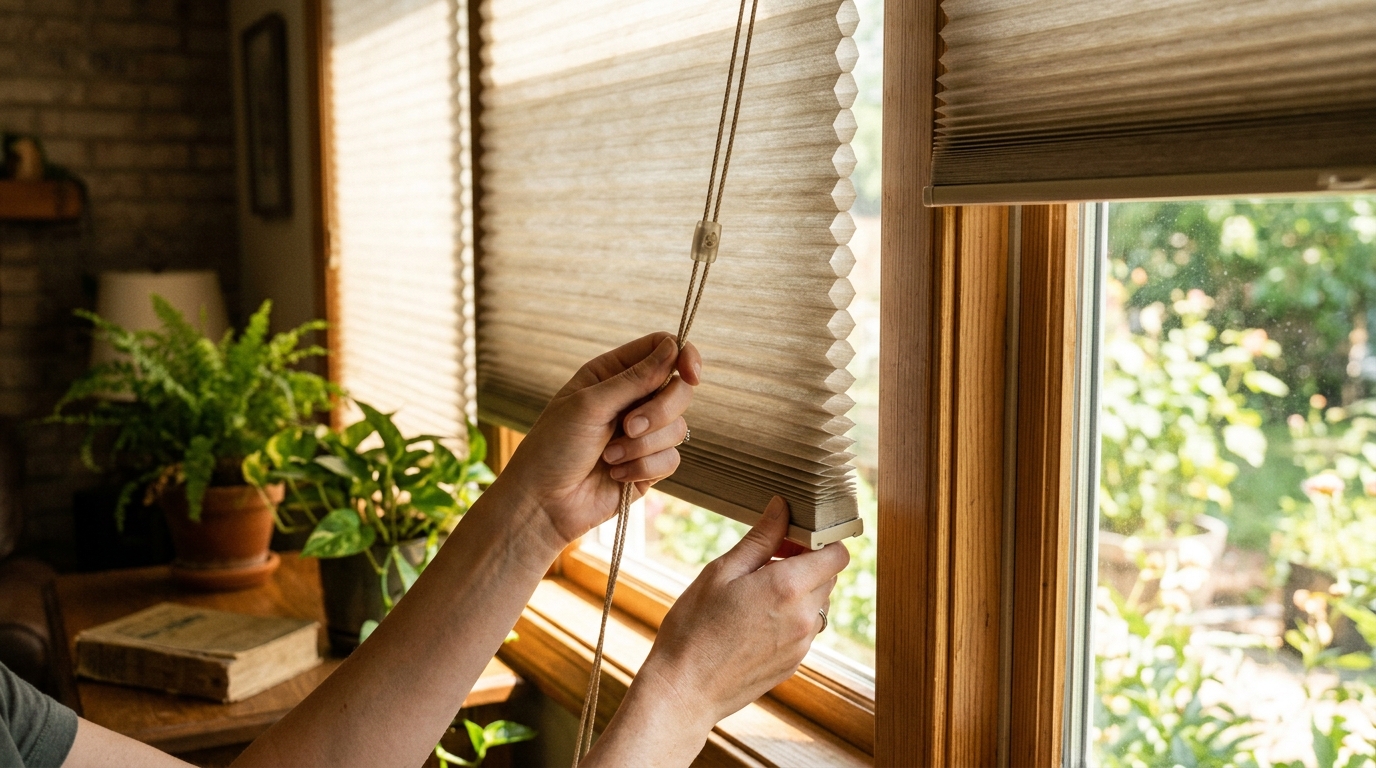
Heat waves push home cooling costs through the roof, and simply turning down the thermostat is often the most expensive solution. A combination of smart heat-blocking strategies, airflow management, and targeted cooling can keep your home comfortable while cutting energy bills by 20 to 40%.
Most homeowners react to comfort problems instead of preventing them, paying more in energy bills and repair costs as a result. This seasonal checklist gives you a concrete, month-by-month maintenance plan that keeps your home comfortable year-round while cutting energy waste by up to 30%.
Too much or too little humidity makes your home uncomfortable, damages wood and paint, and forces your HVAC system to work harder. You can maintain ideal indoor humidity levels using portable devices and simple habits, without spending thousands on a whole-house system.
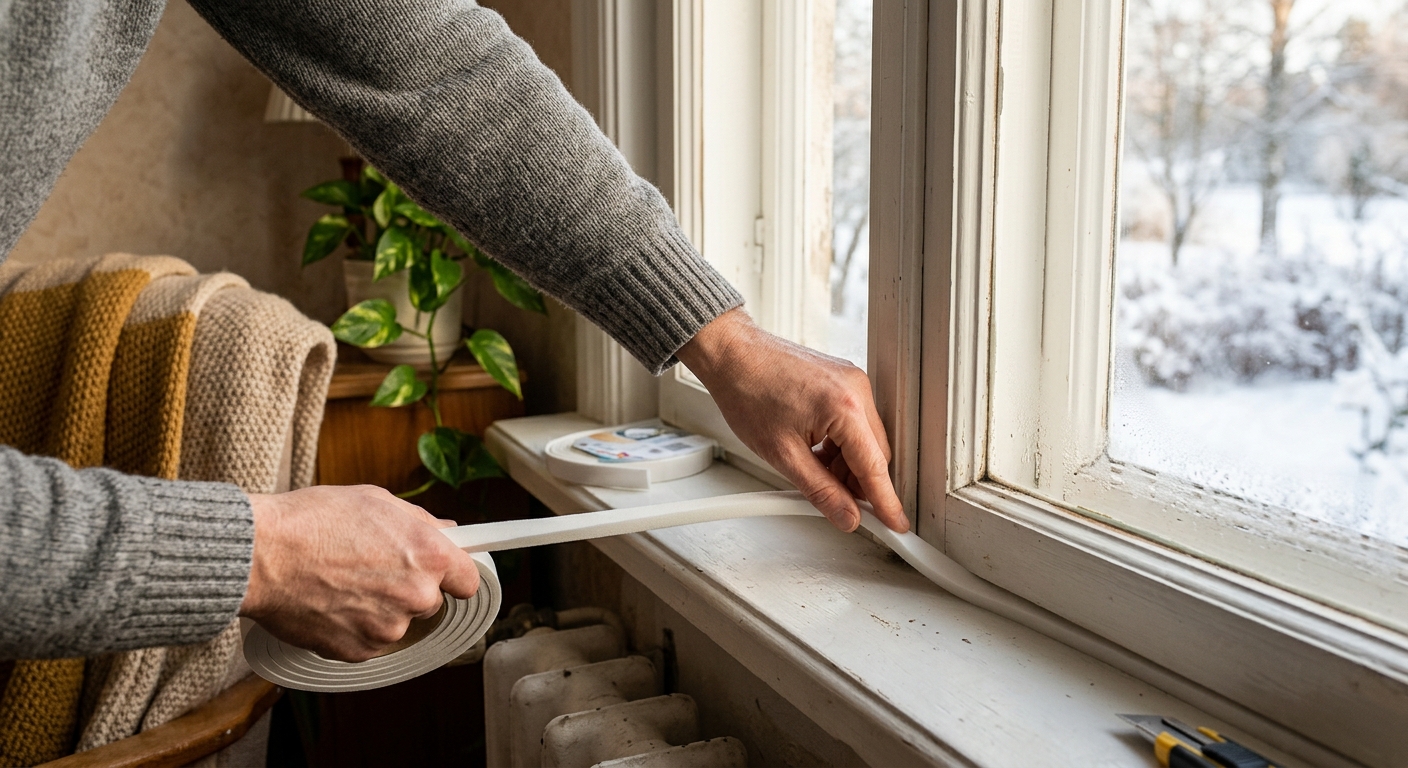
Most homeowners wait until the first cold snap to think about winter readiness, and by then they are already paying more than they should. A few hours of fall prep can cut heating bills by 20 to 30% and eliminate the drafts and cold spots that make winter miserable.
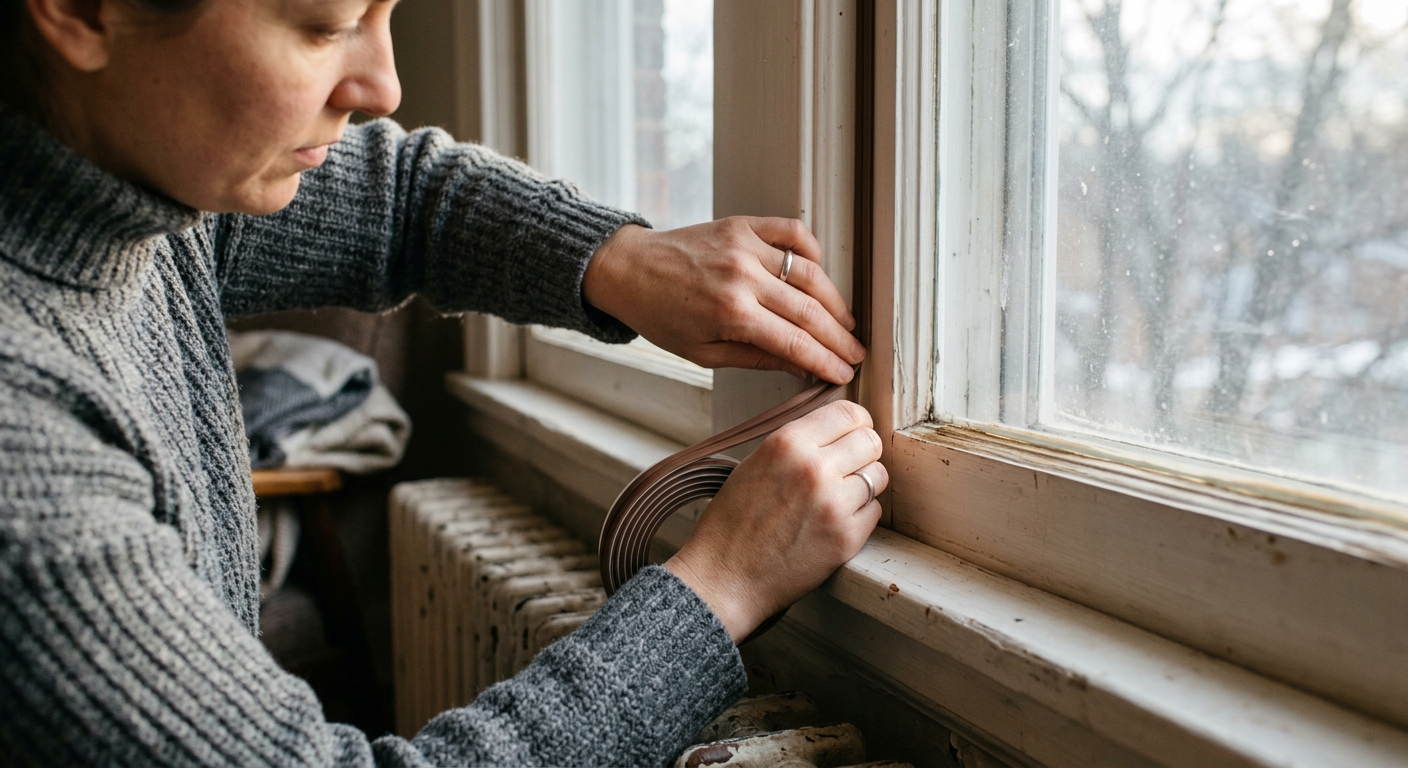
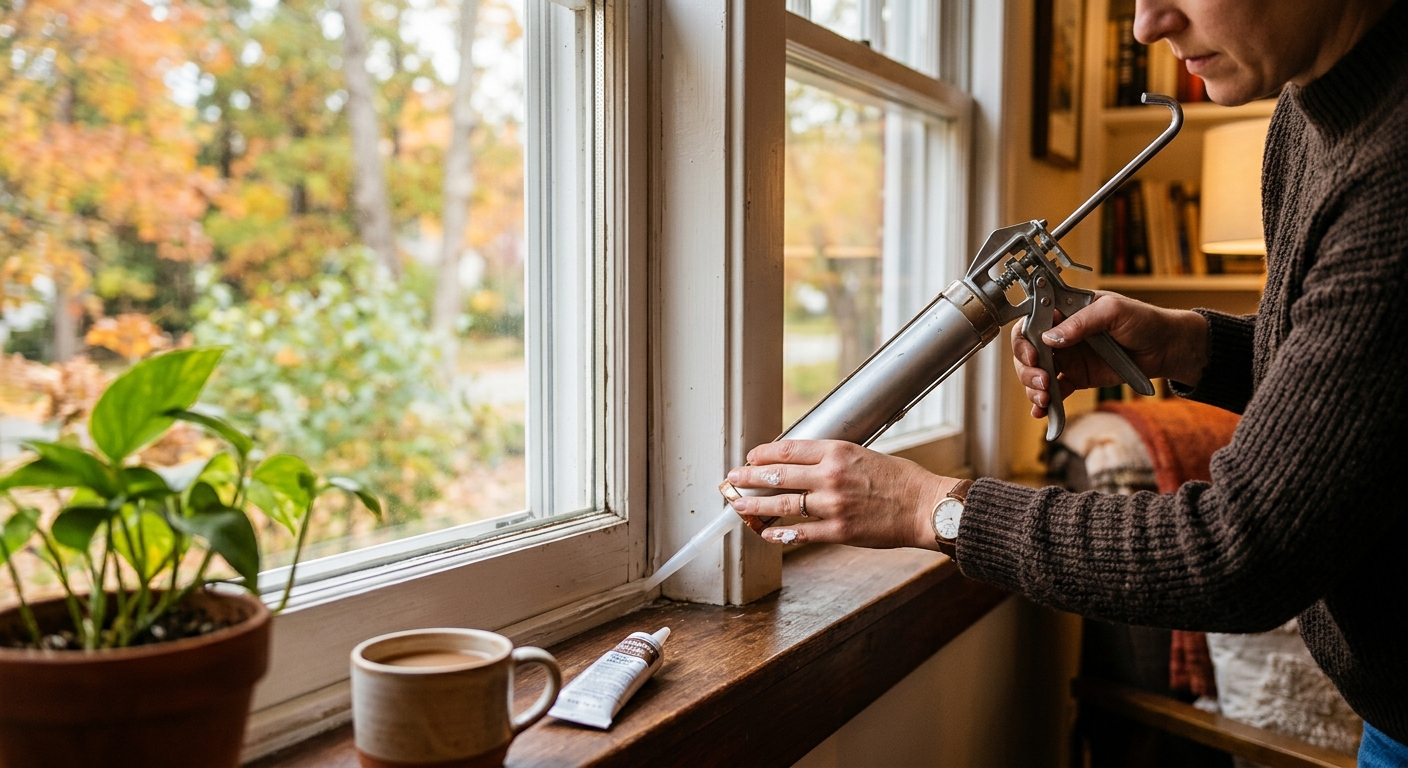
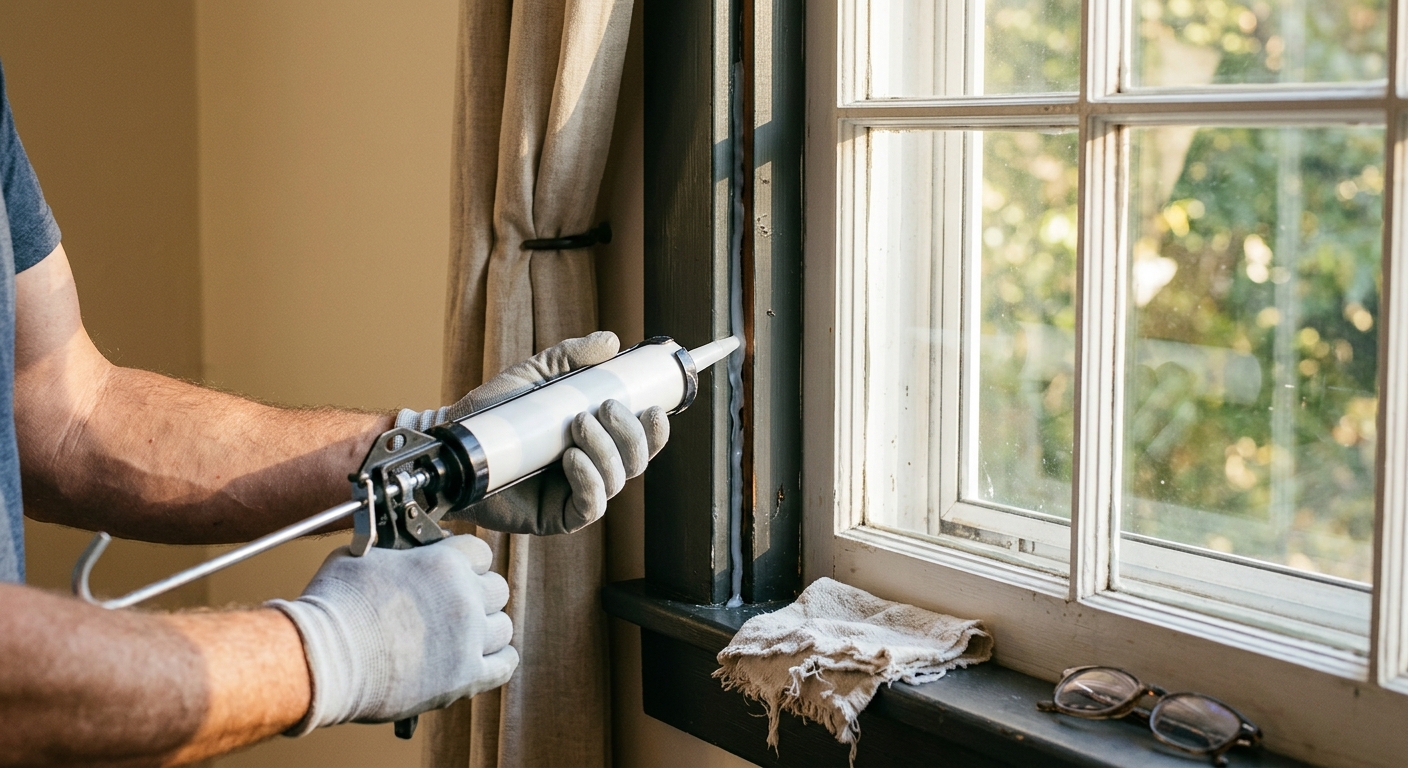
Drafts, cold spots, and stubbornly high energy bills are almost always caused by hidden air leaks that most homeowners never think to address. Spend one afternoon sealing the worst offenders and you can realistically save 10 to 20% on your annual heating and cooling costs.
Cold spots in your home are not just uncomfortable, they are a sign that heat is escaping or being blocked before it reaches you. This room-by-room guide shows you exactly where to look, what is causing the problem, and how to fix it for good.
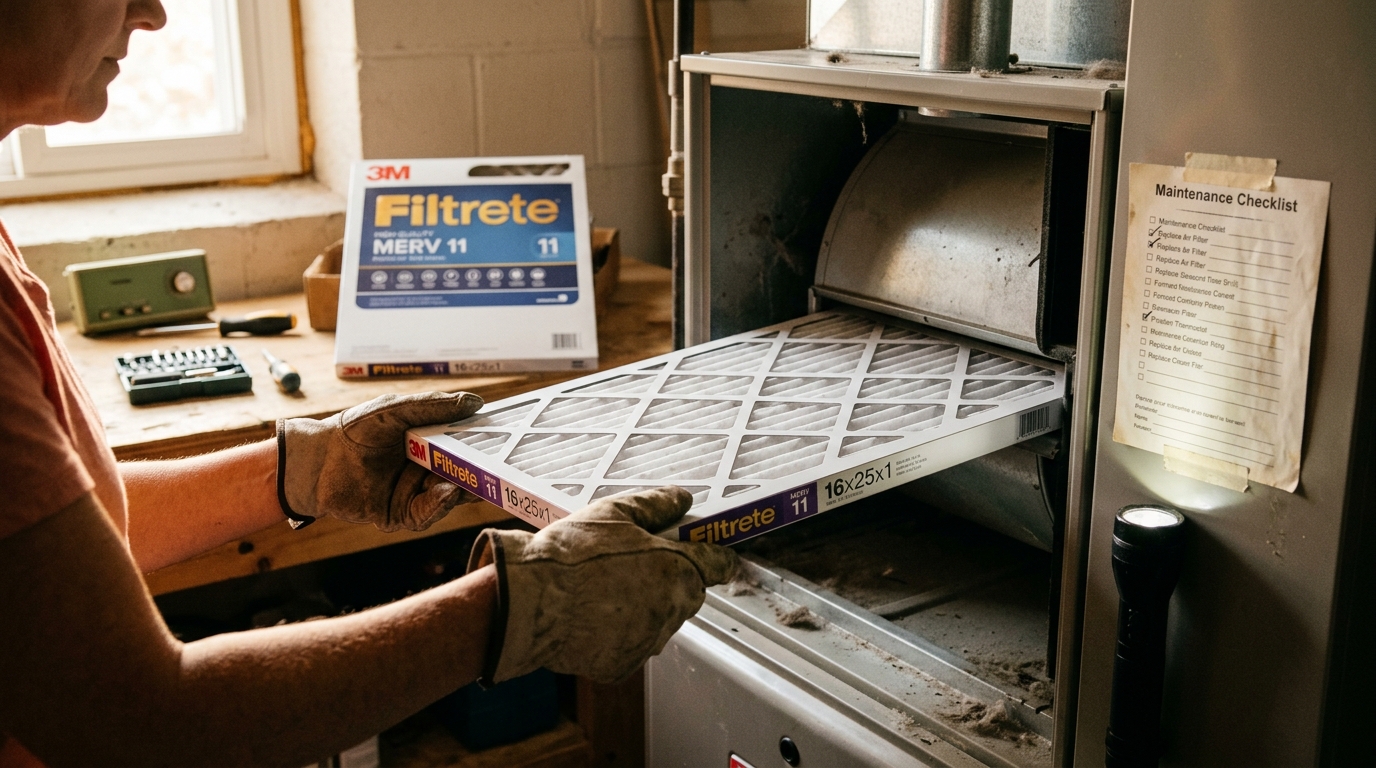
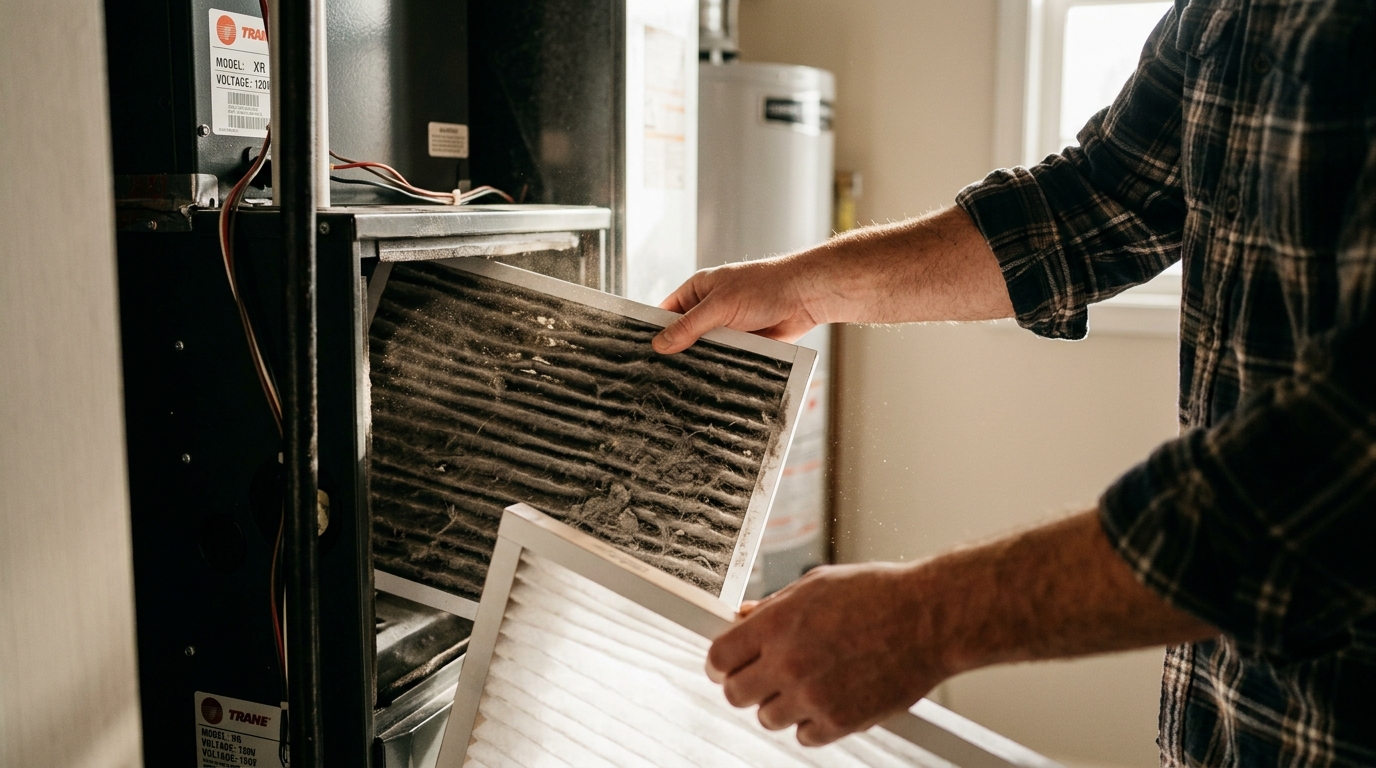
Most homeowners follow the generic ’90-day rule’ for HVAC filter changes, but that schedule is almost always wrong for your specific home. Replacing filters on the right schedule for your household can improve air quality, reduce allergy symptoms, and cut HVAC energy use by up to 15%.