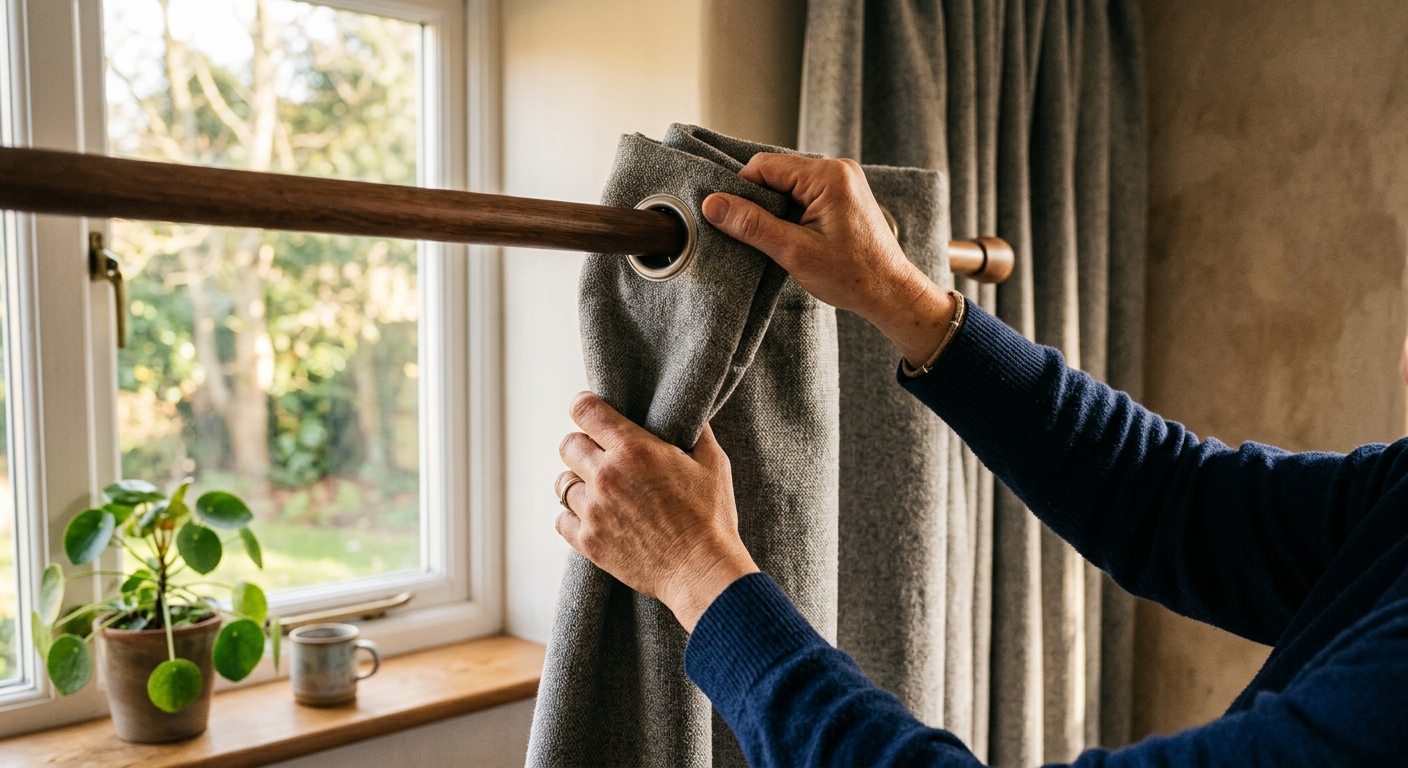
Windows are responsible for up to 30% of your home’s heating and cooling loss, making them one of the biggest comfort and energy drains in any season. Thermal curtains are a low-cost, renter-friendly fix that can slash that loss significantly and pay for themselves within months.
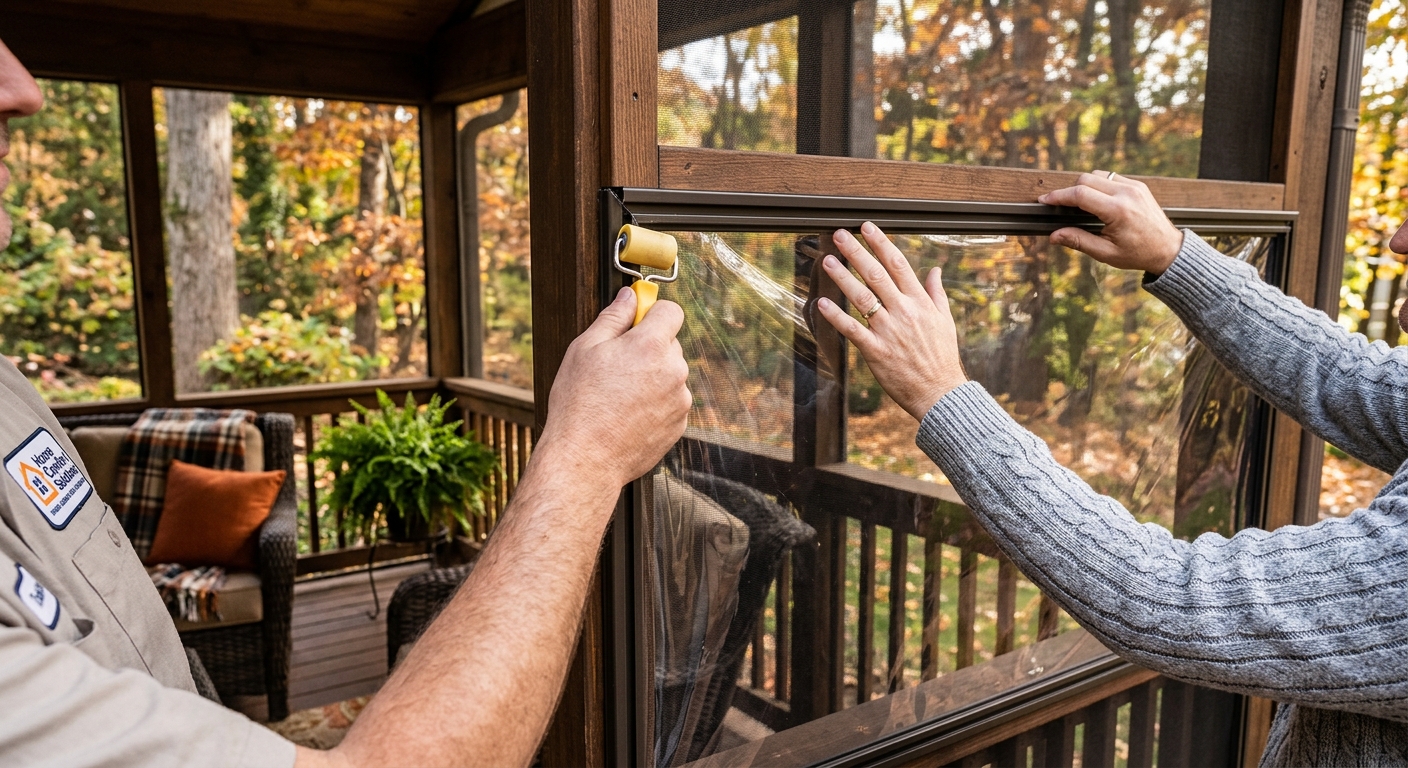
Most screened porches sit empty for months because they get too cold in fall and too hot in summer. With the right combination of targeted heating, shading, and air sealing, you can realistically extend your porch season by 8 to 12 weeks without a full enclosure.
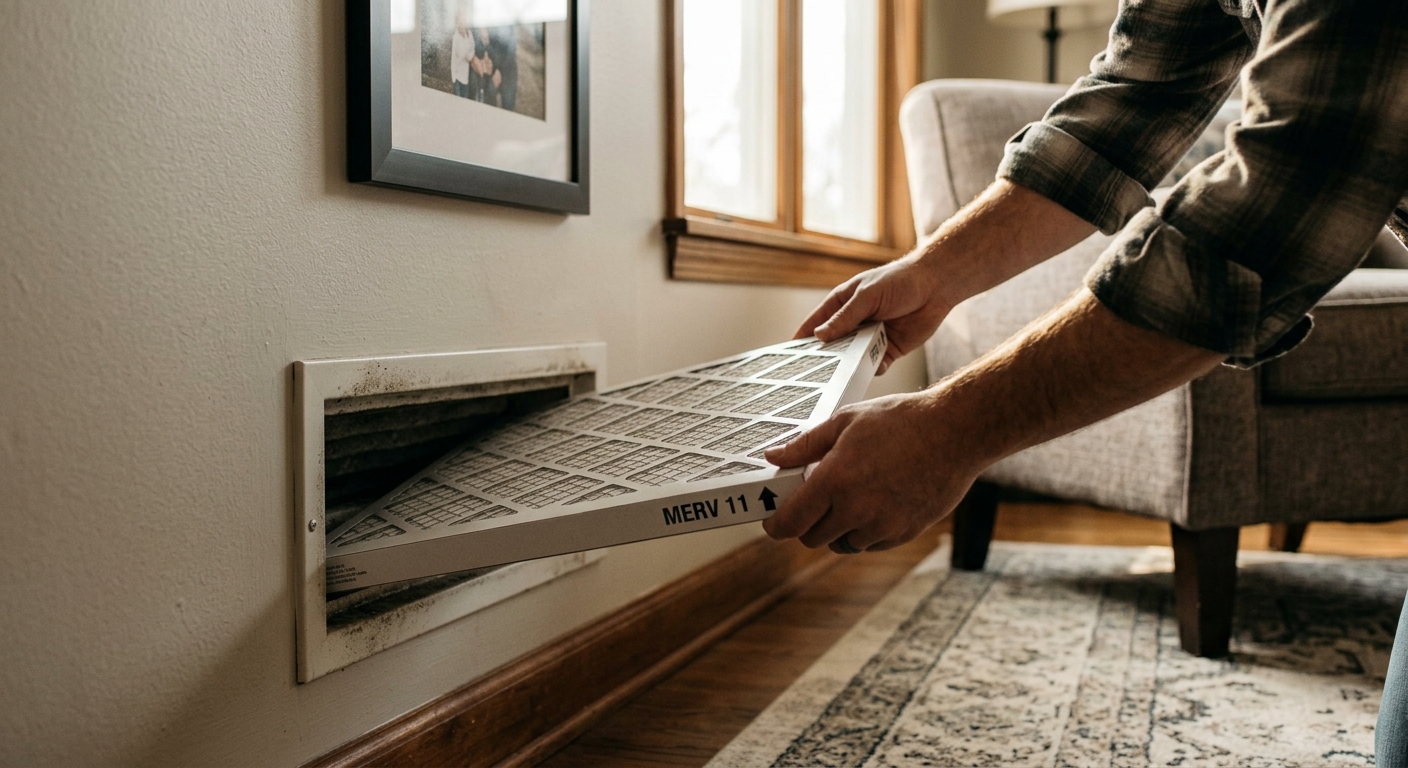
Stagnant air forces your HVAC system to work harder, drives up energy bills, and leaves some rooms stuffy while others stay empty. Fixing circulation problems with a few targeted upgrades can cut monthly cooling and heating costs by 15 to 25% while making every room in your home genuinely comfortable.
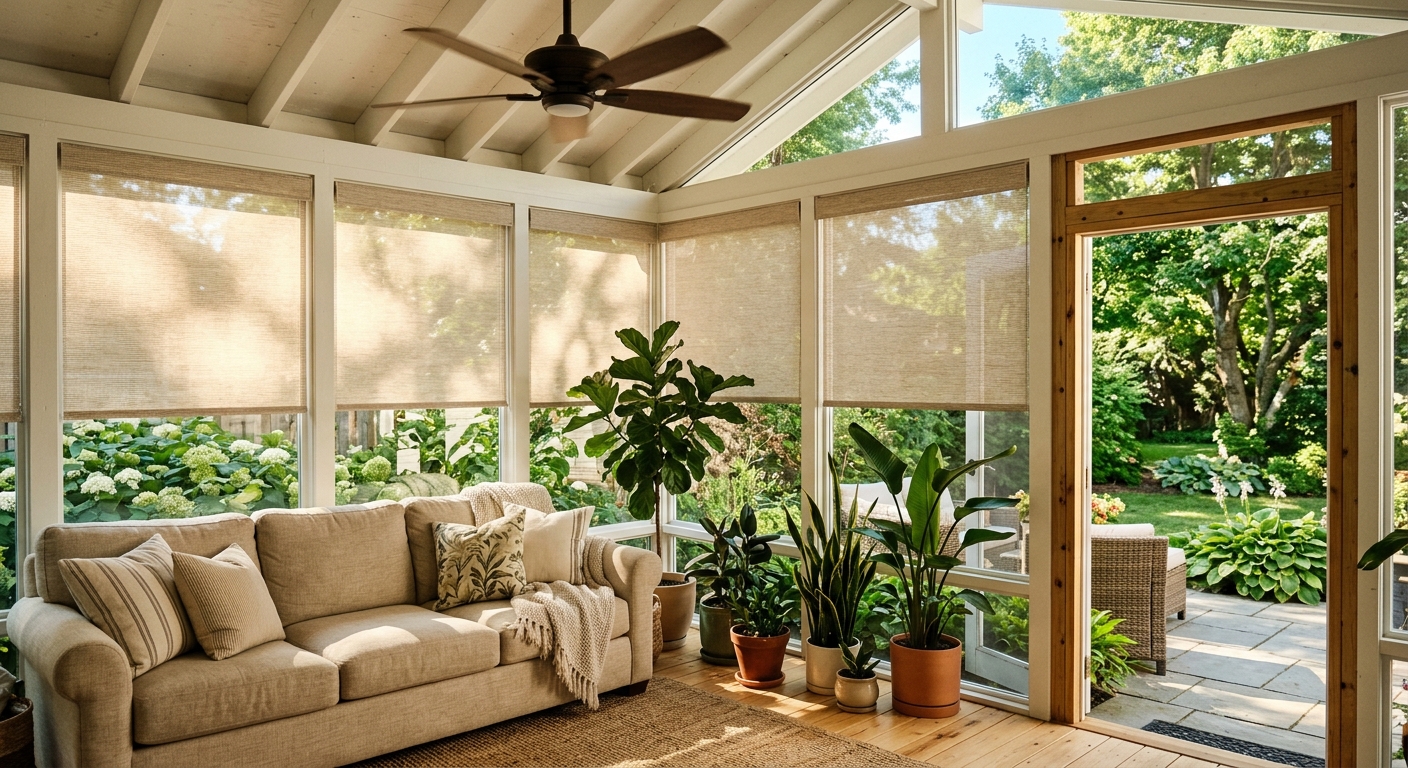
Most sunrooms turn into ovens in summer and freezers in winter because of unchecked solar gain, poor insulation, and no dedicated climate control. Fix the right problems in the right order and your sunroom can become the most comfortable room in the house year-round.
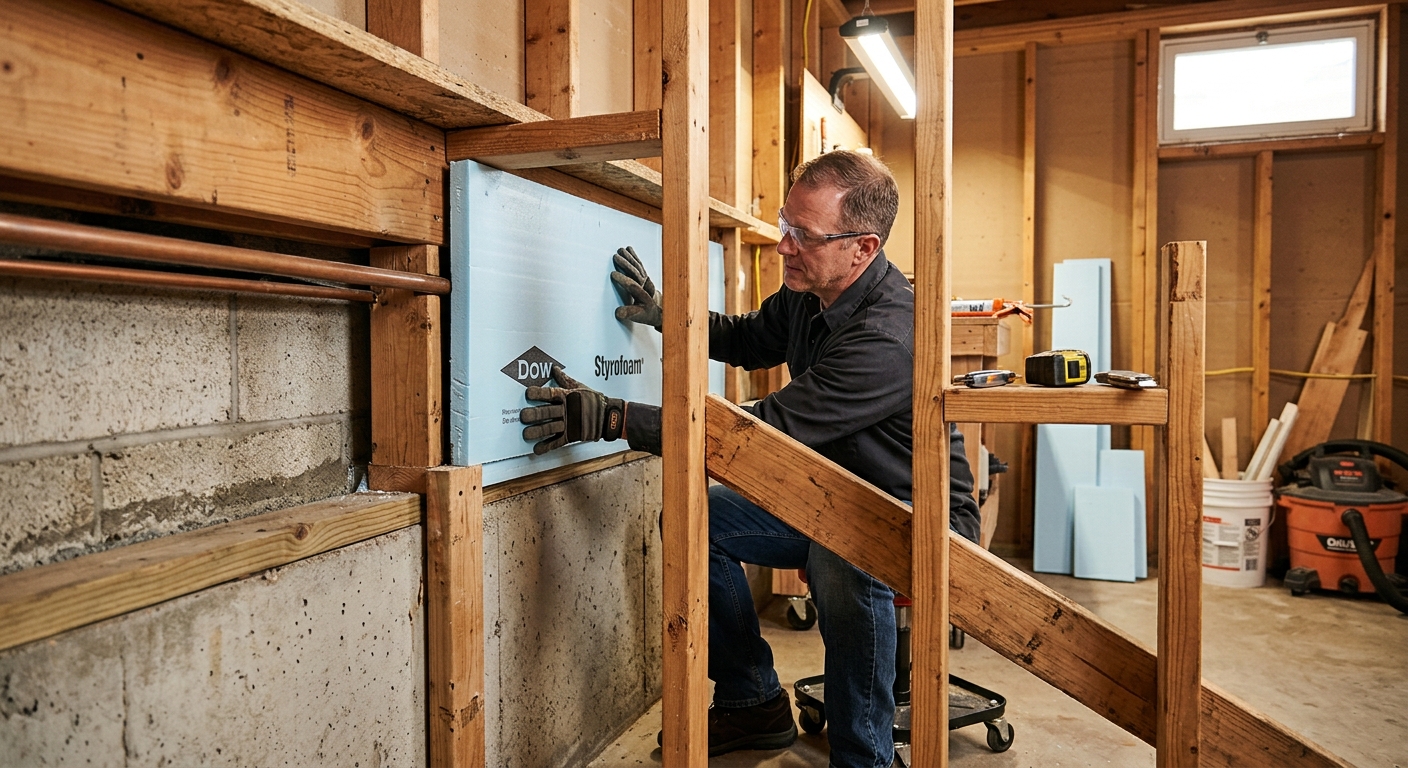
Most homeowners blame their furnace when heating bills spike, but the real culprit is usually a handful of overlooked gaps and weak spots letting warm air pour outside. Sealing these eight common heat escape routes can cut heating bills by 15 to 30% and make every room feel warmer without touching the thermostat.
Cooking in summer can spike your kitchen temperature by 10 to 20 degrees and force your AC to work overtime across the entire first floor. With the right combination of ventilation, heat management, and cooking habits, you can cut that heat gain dramatically and lower your cooling bills.
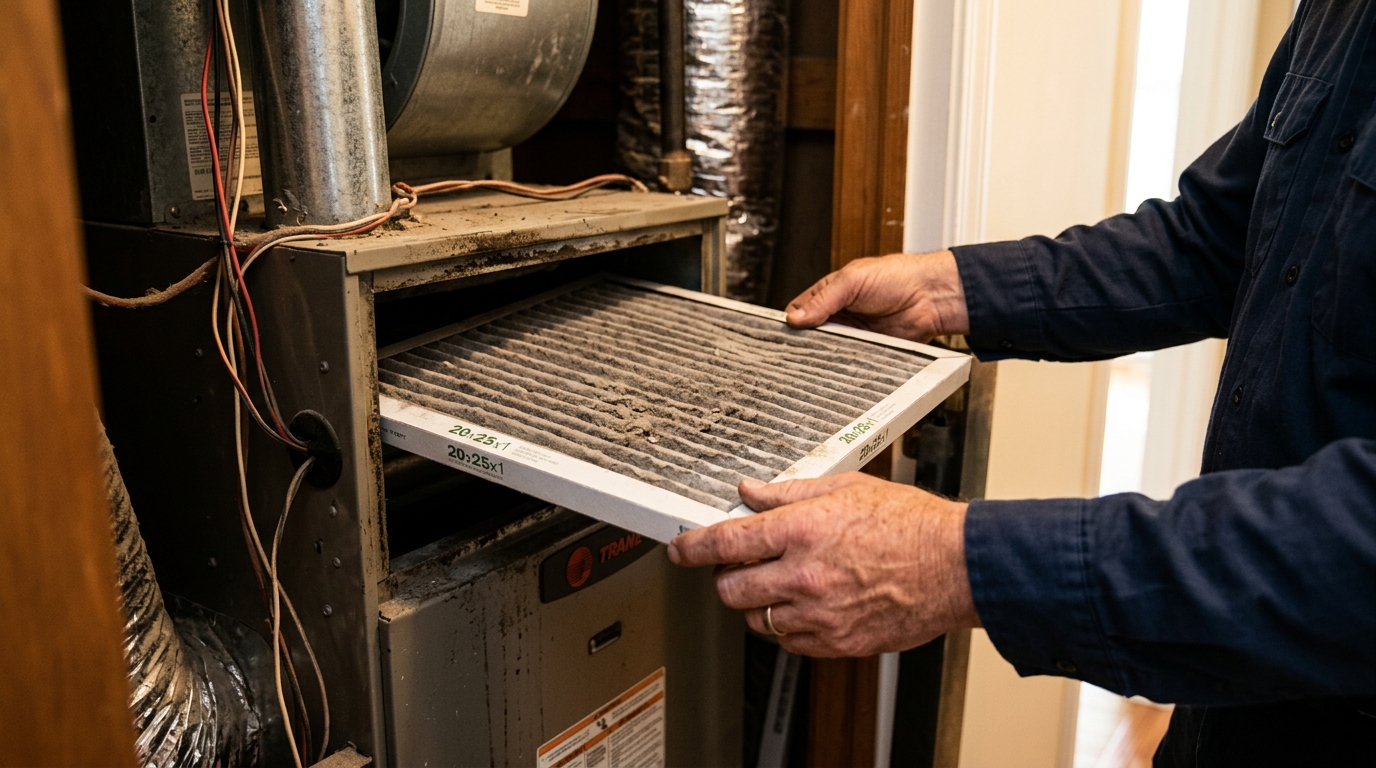
If your AC is running but your home still feels muggy, stale, or uncomfortable, the system itself usually is not the problem. Learn the five real culprits behind that stuffy feeling and how to fix each one without replacing your HVAC.
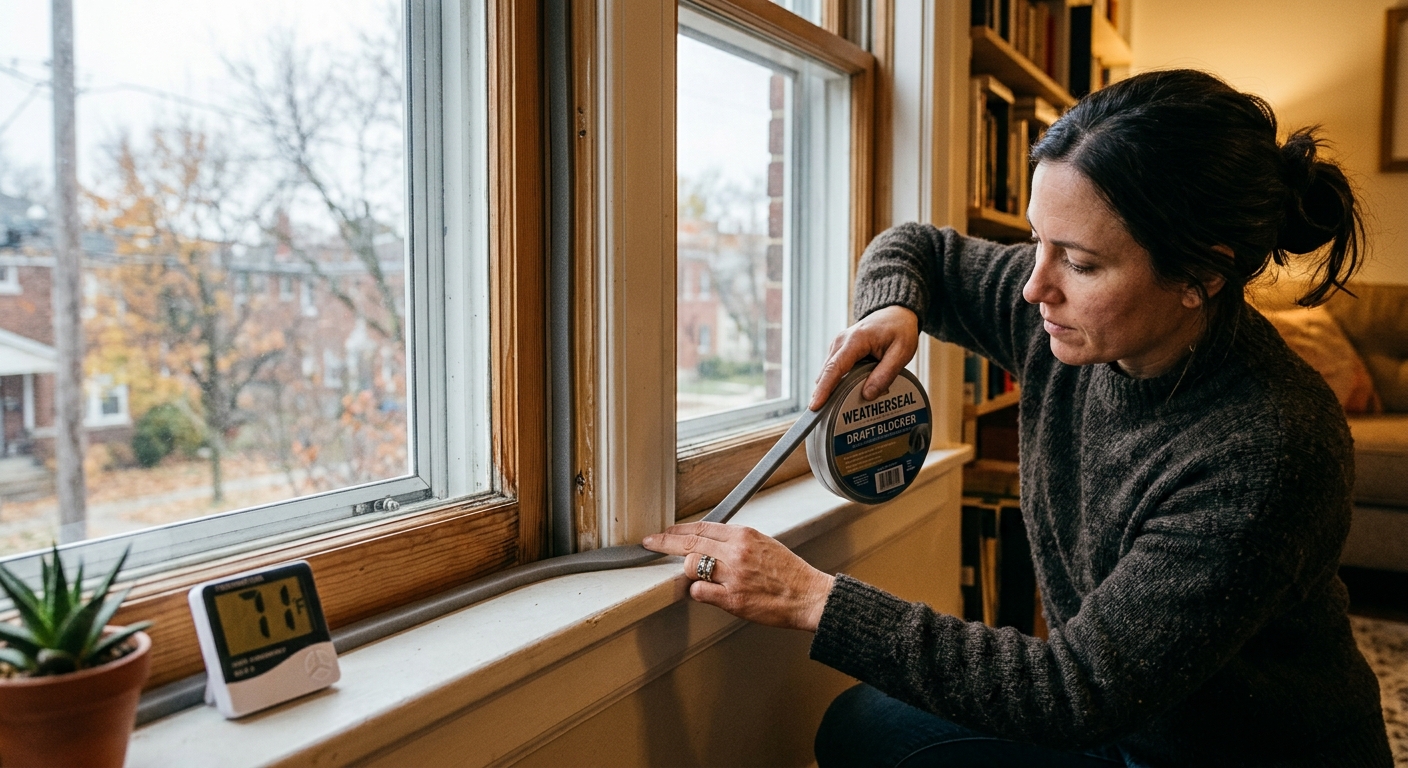
Your thermostat reads 70 but you’re still reaching for a blanket – and the problem isn’t in your head. Cold surfaces, drafts, and humidity steal comfort even when the air temperature is technically warm, and fixing them is easier than you think.
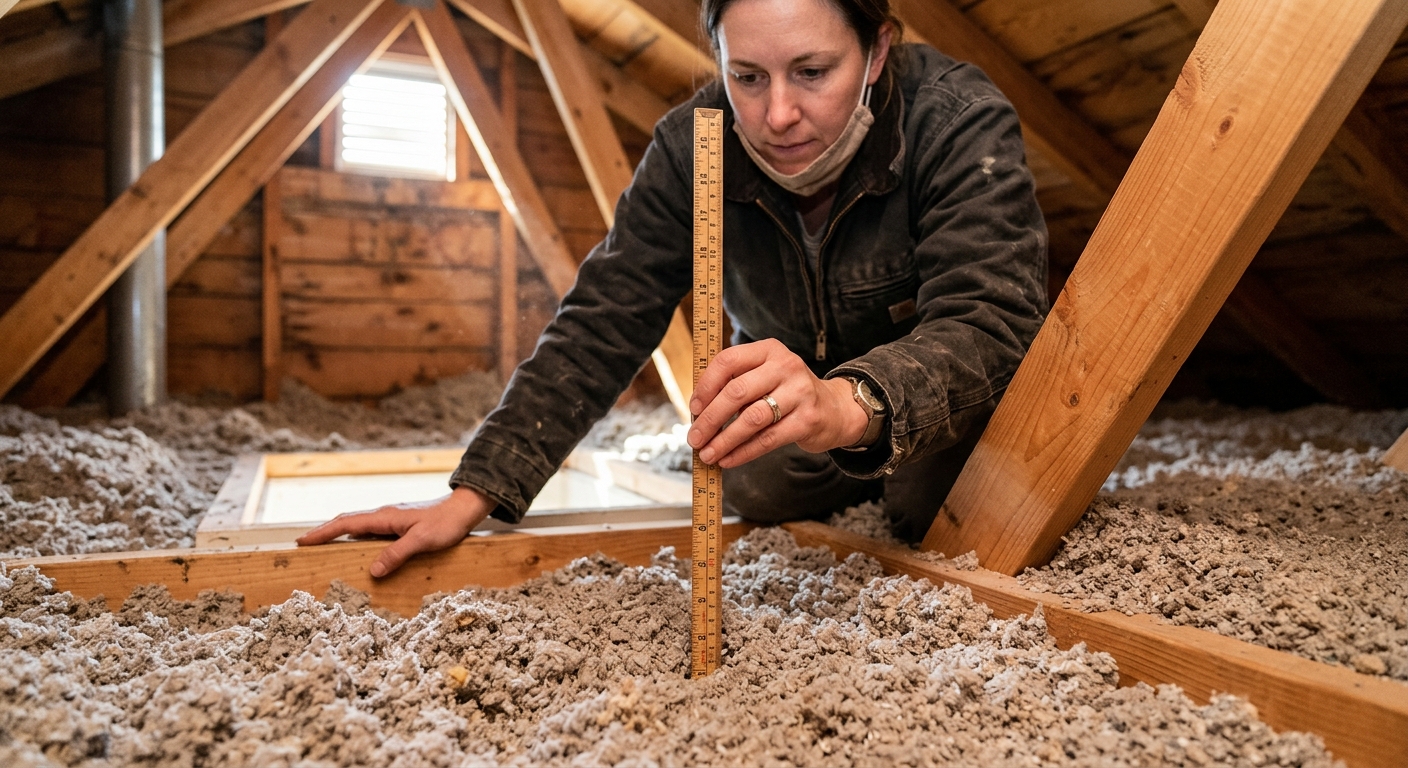
Most homes lose 25 to 30% of their heating and cooling energy through an under-insulated attic, yet most homeowners have never once looked up there to check. This guide shows you how to measure what you have, compare it to DOE recommendations for your climate, and decide whether adding more insulation makes financial sense.
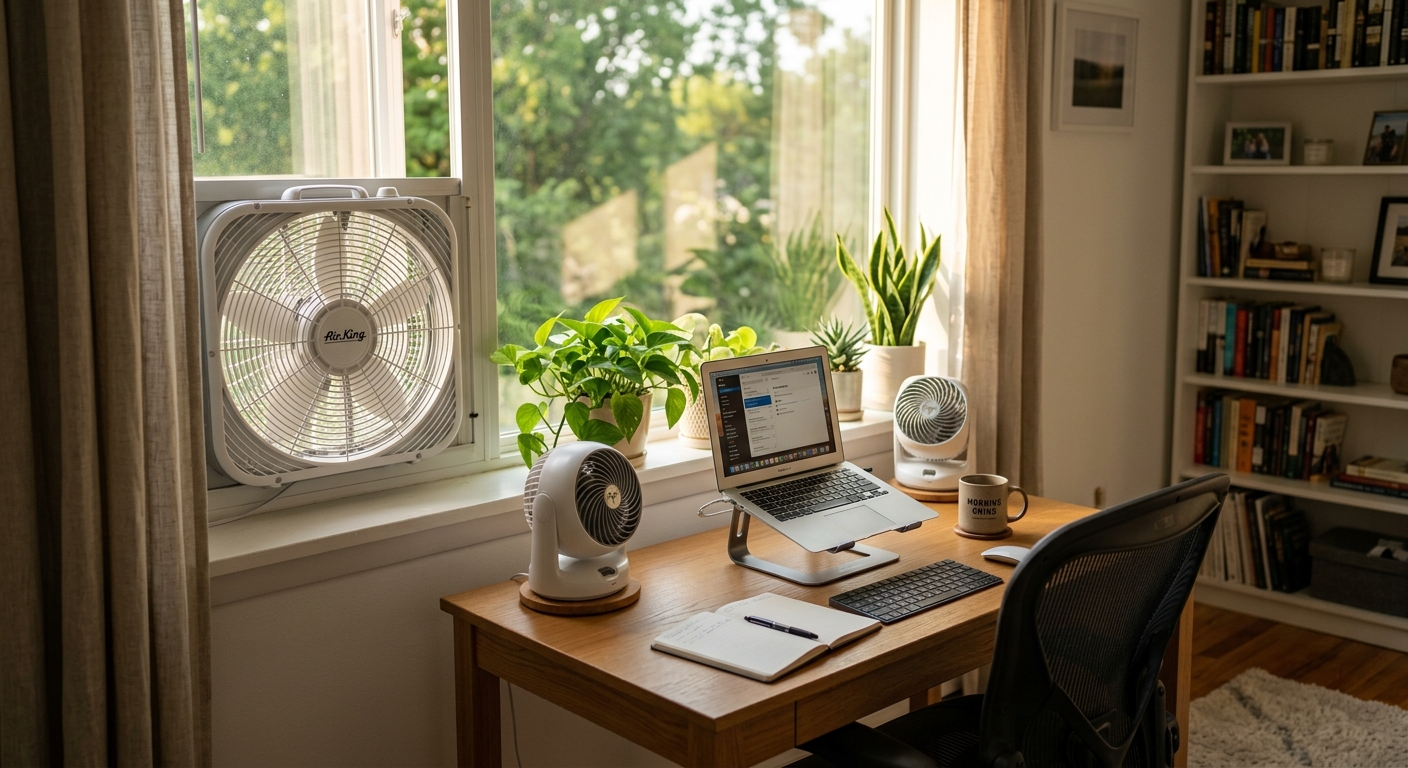
That midday stuffiness in your home office is not just uncomfortable, it is costing you focus and productivity. Poor ventilation, CO2 buildup, and heat gain conspire to turn your workspace into a fog by noon, but a few targeted fixes can solve it without expensive renovations.