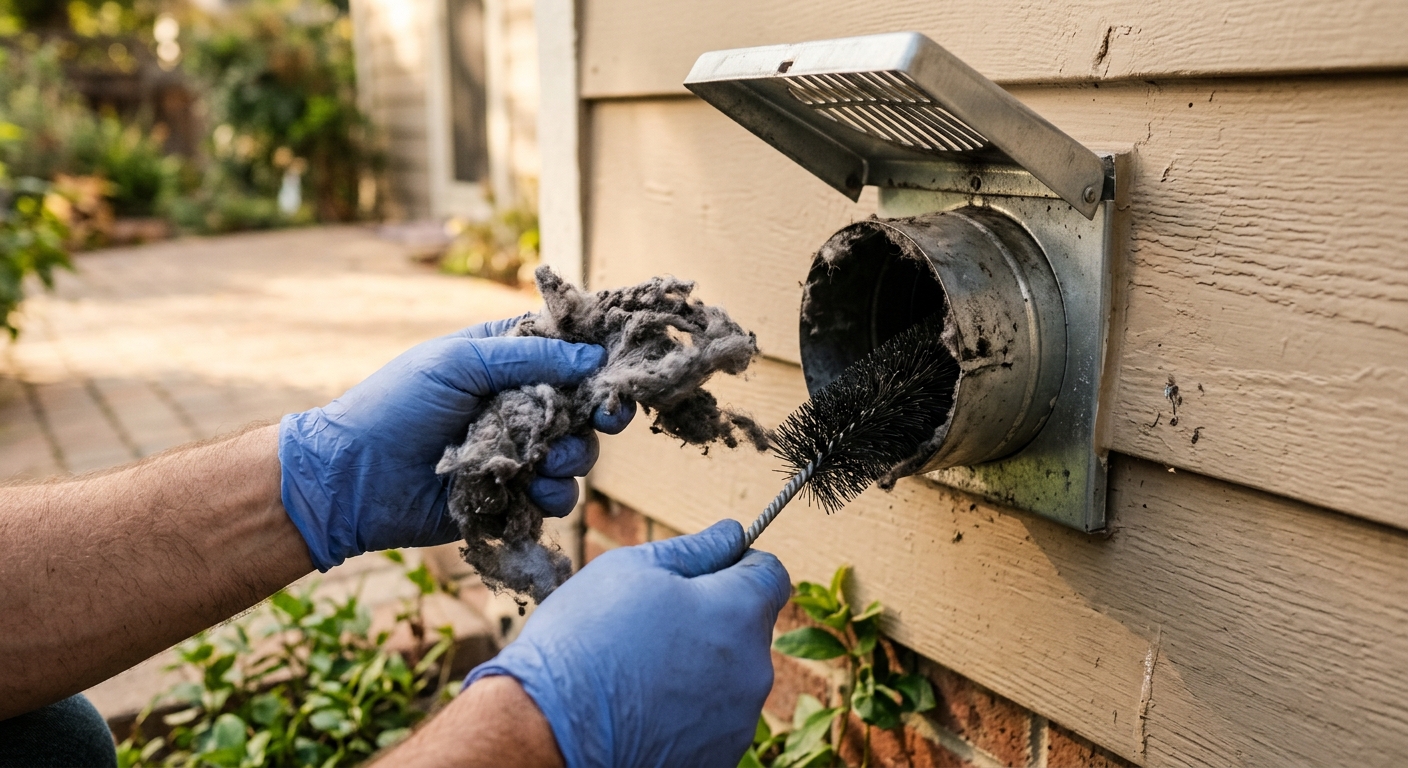
A clogged dryer vent is one of the leading causes of house fires, responsible for over 15,000 fires annually in the US. Cleaning it yourself takes about an hour, can cut drying time by 25 to 40%, and could save you $40 or more per year on energy bills.
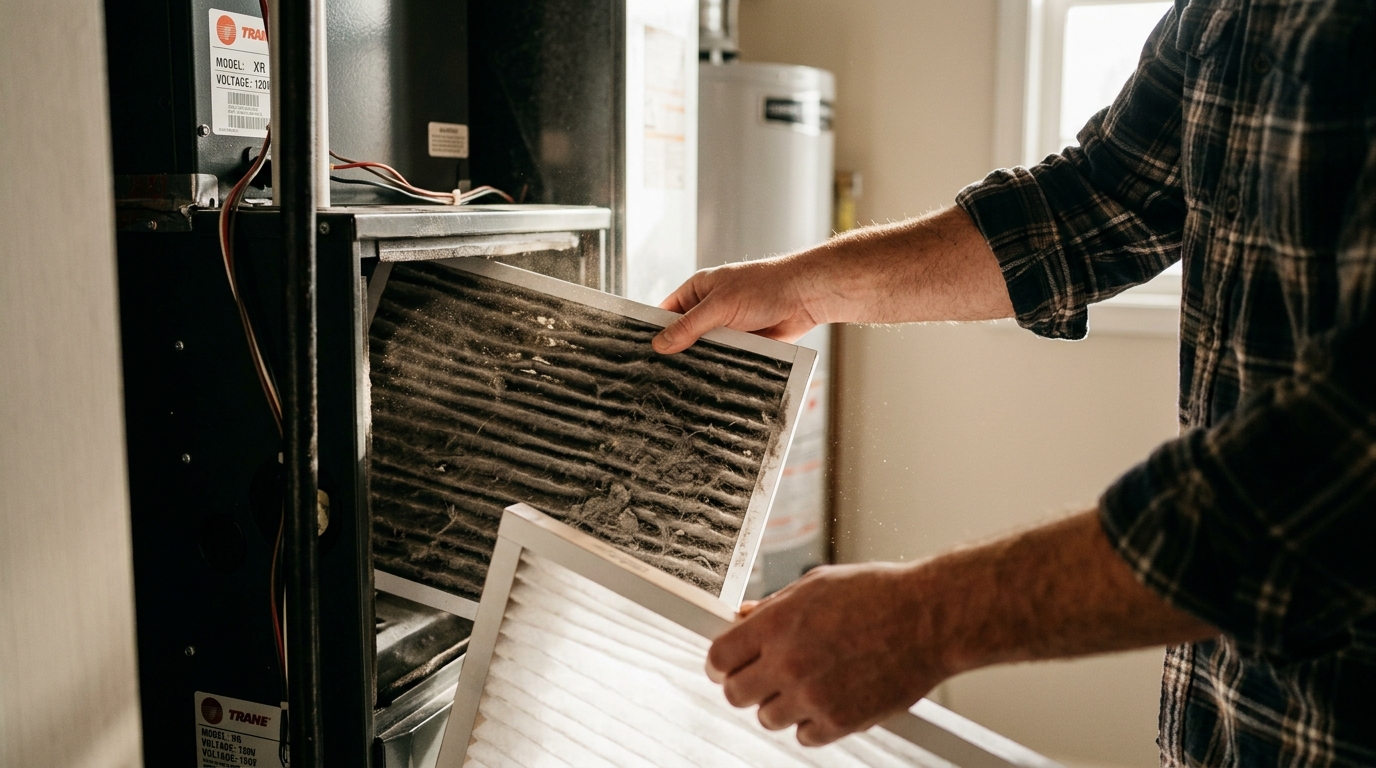
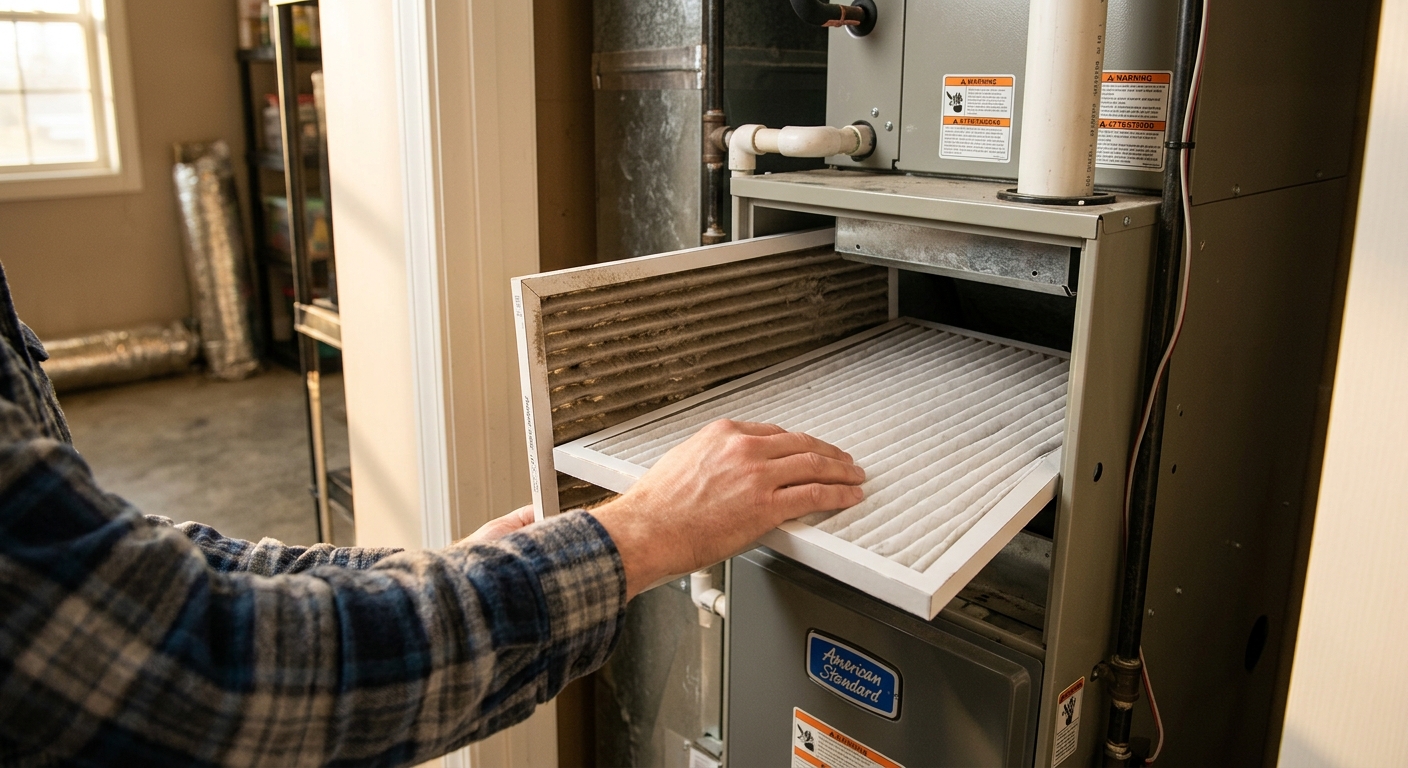
Most homeowners follow the generic ’90-day rule’ for HVAC filter changes, but that schedule is almost always wrong for your specific home. Replacing filters on the right schedule for your household can improve air quality, reduce allergy symptoms, and cut HVAC energy use by up to 15%.
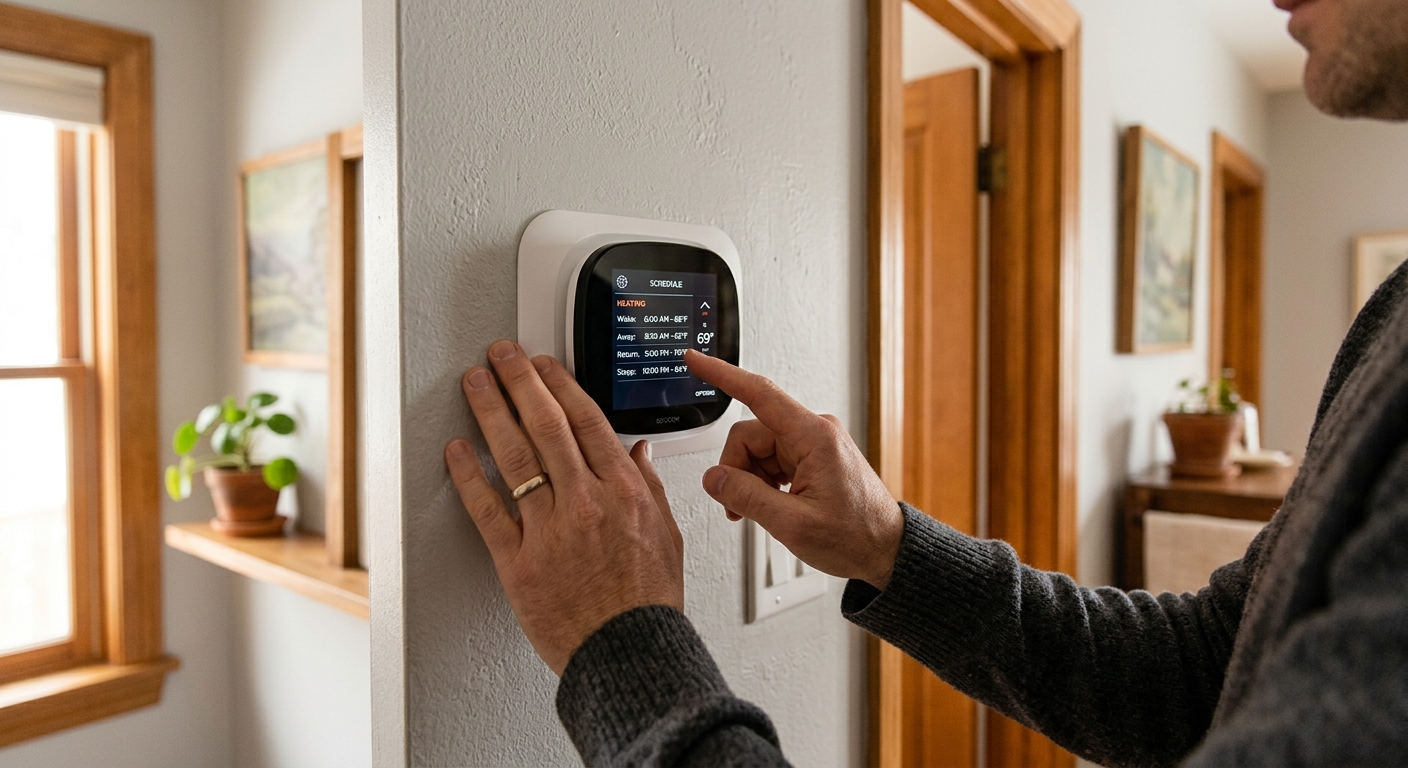
Most homeowners install a smart thermostat and never move past the default settings, leaving hundreds of dollars in savings on the table. Programming your thermostat with the right schedules and setbacks can cut heating and cooling costs by 10 to 23% annually.
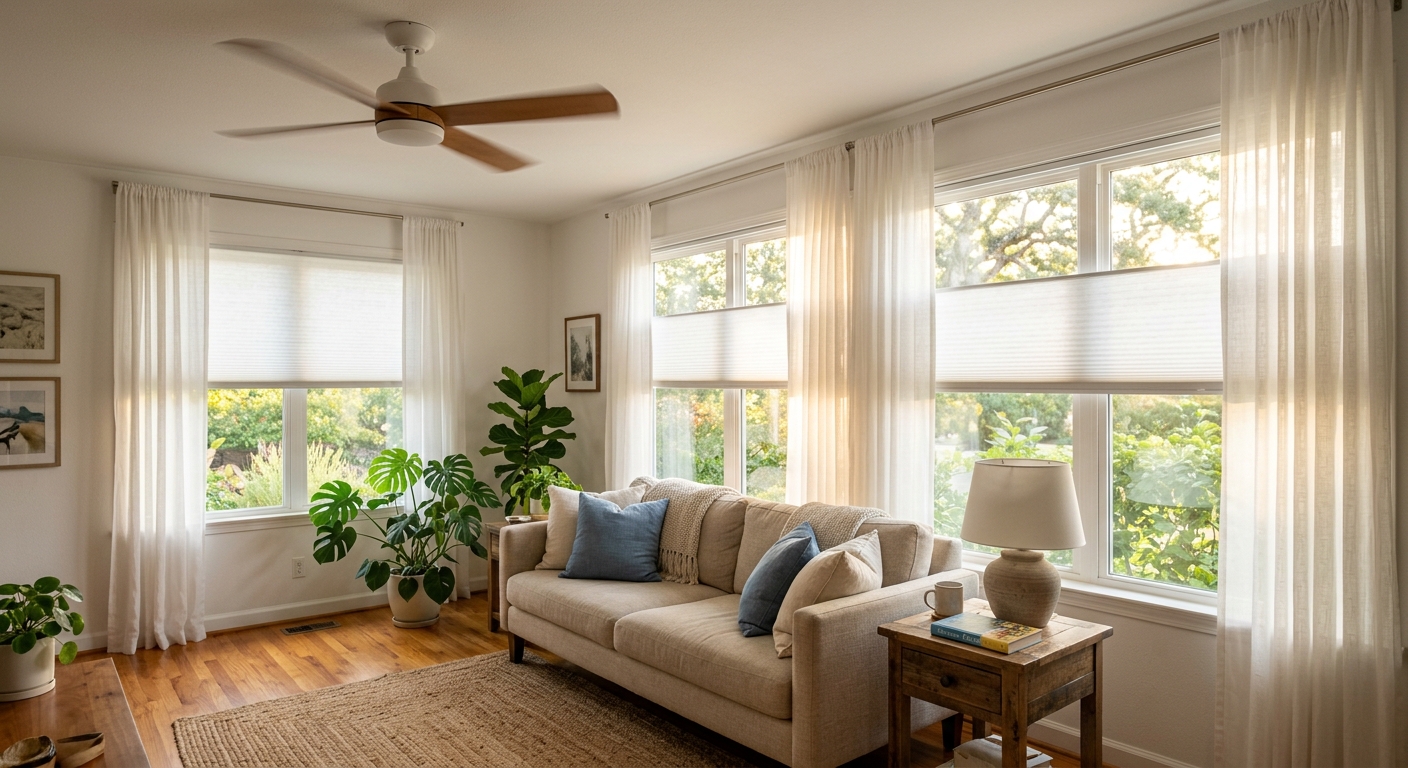
A stuffy, overheated room is one of the most common comfort complaints homeowners have, and cranking the AC is rarely the best solution. By targeting heat sources, airflow, and solar gain directly, you can drop a room’s felt temperature by 8 to 12 degrees without spending a dime on extra cooling.
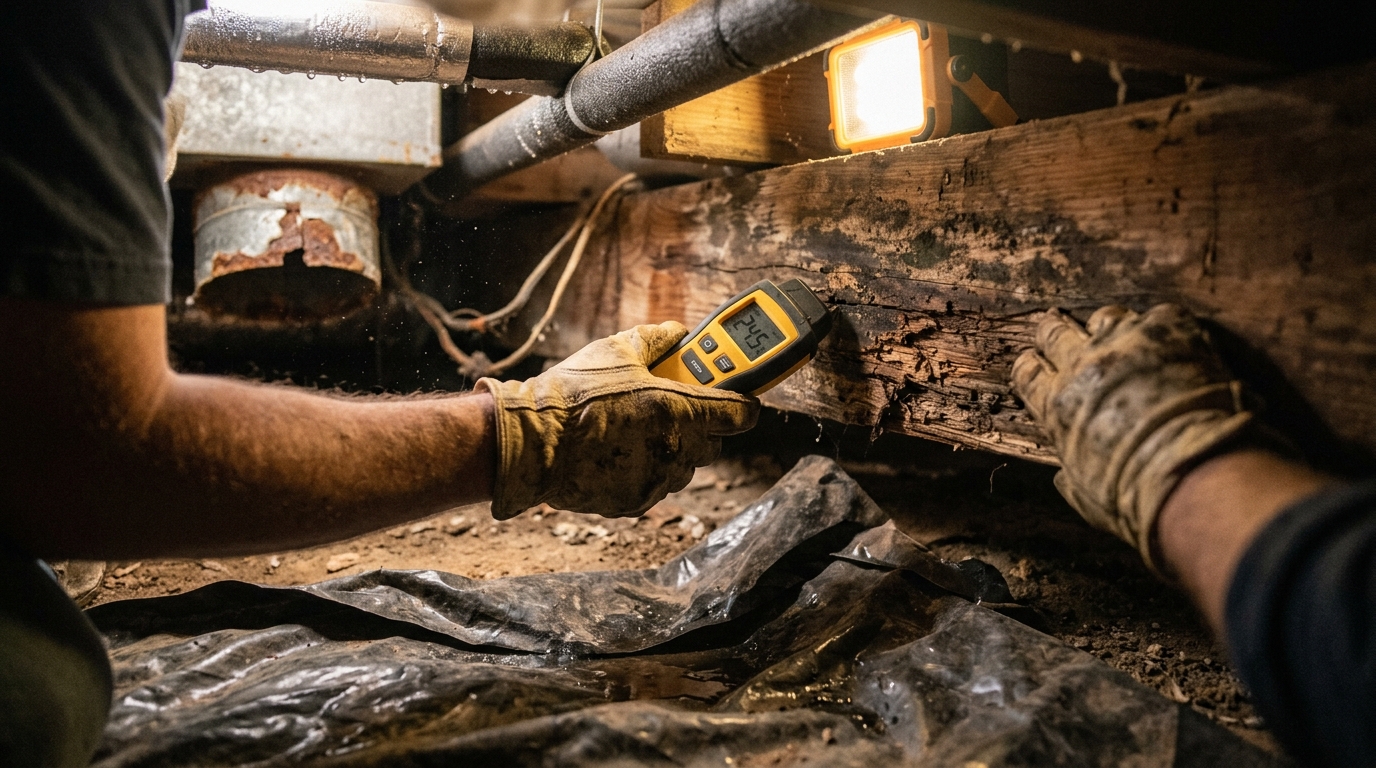
A damp crawl space silently rots floor joists, corrodes HVAC equipment, and spikes your energy bills before you ever notice a problem. Controlling moisture at the source with vapor barriers and ventilation fixes can cut heating and cooling costs by 15 to 25% while protecting tens of thousands in structural and mechanical assets.
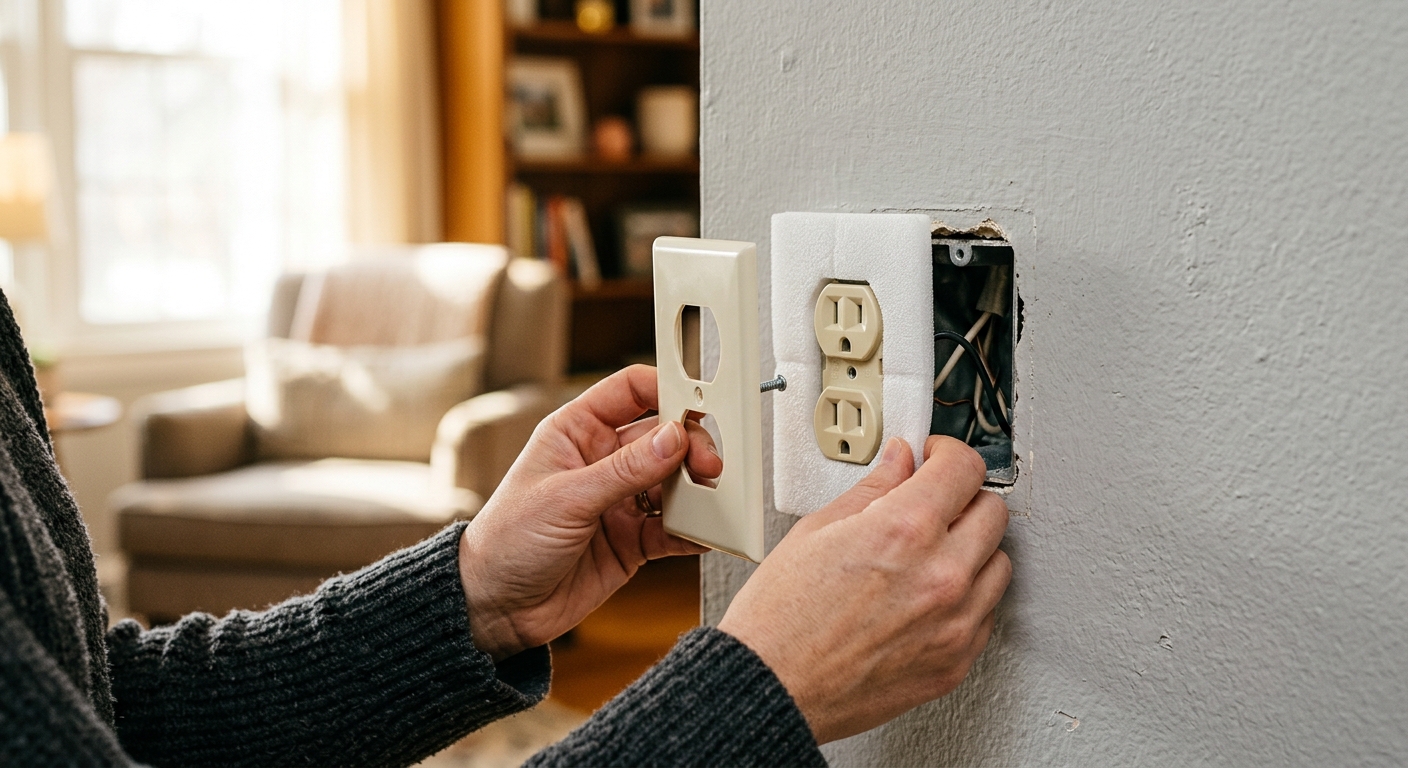
Electrical outlets and switch plates on exterior walls are surprisingly common sources of cold air infiltration, quietly driving up your heating bill all winter. Foam gaskets and a few minutes of work can seal these gaps and noticeably reduce drafts for almost no cost.
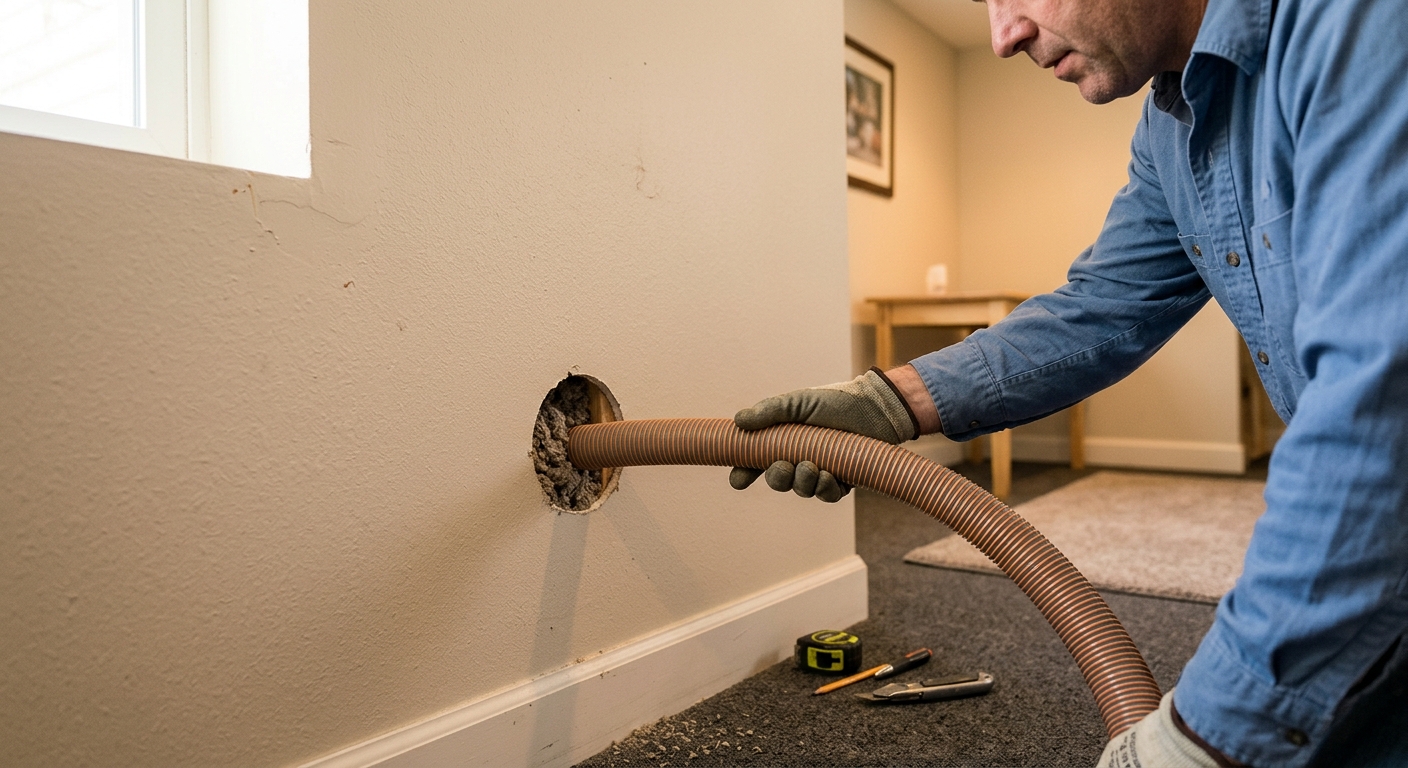
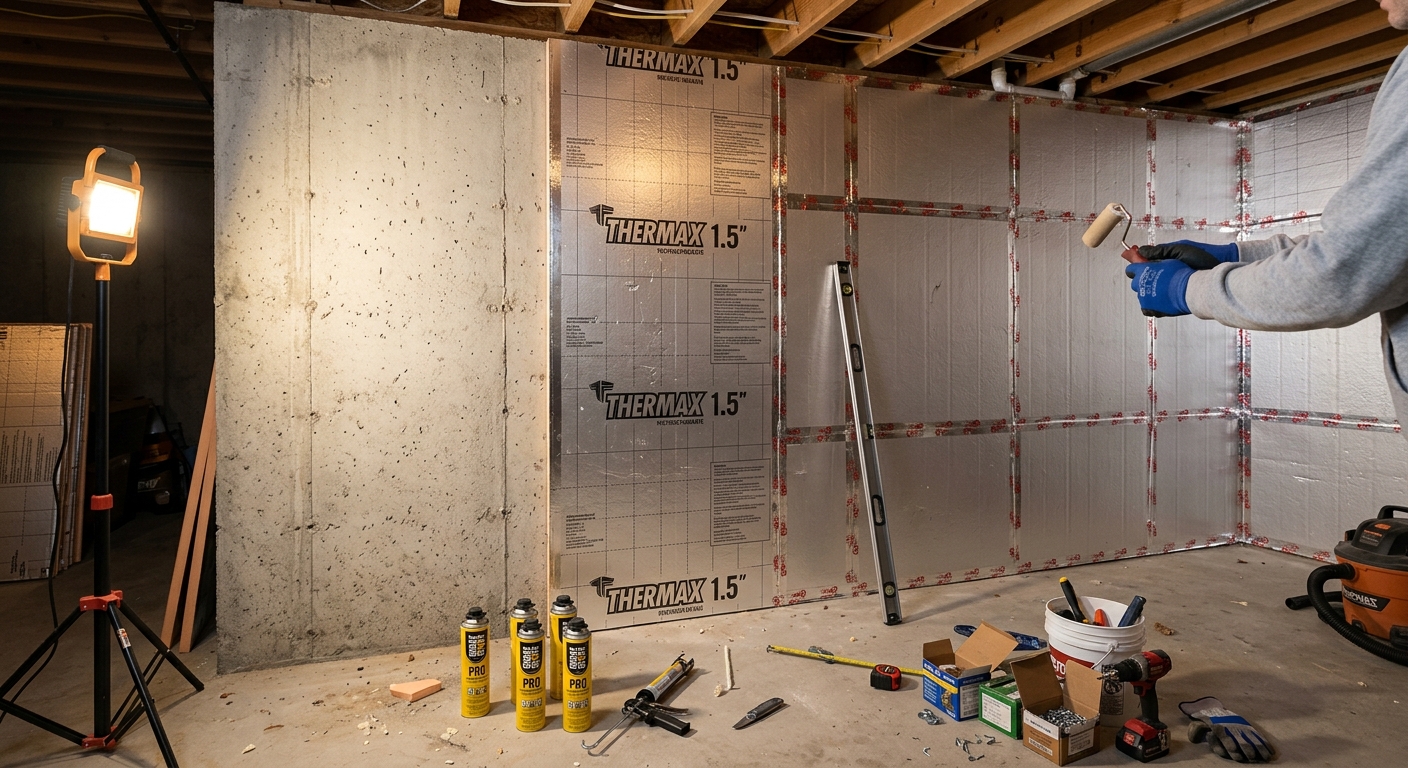
A finished basement can quietly drain your heating and cooling budget if the walls and rim joists are poorly insulated, but ripping out drywall is not the only solution. This guide walks you through practical, minimally invasive approaches that add meaningful insulation without a full demolition.
Most homeowners set their thermostat and forget it, but three common HVAC mistakes are quietly inflating energy bills by hundreds of dollars a year. Learn which settings to fix first and exactly how to adjust them for immediate, measurable savings.
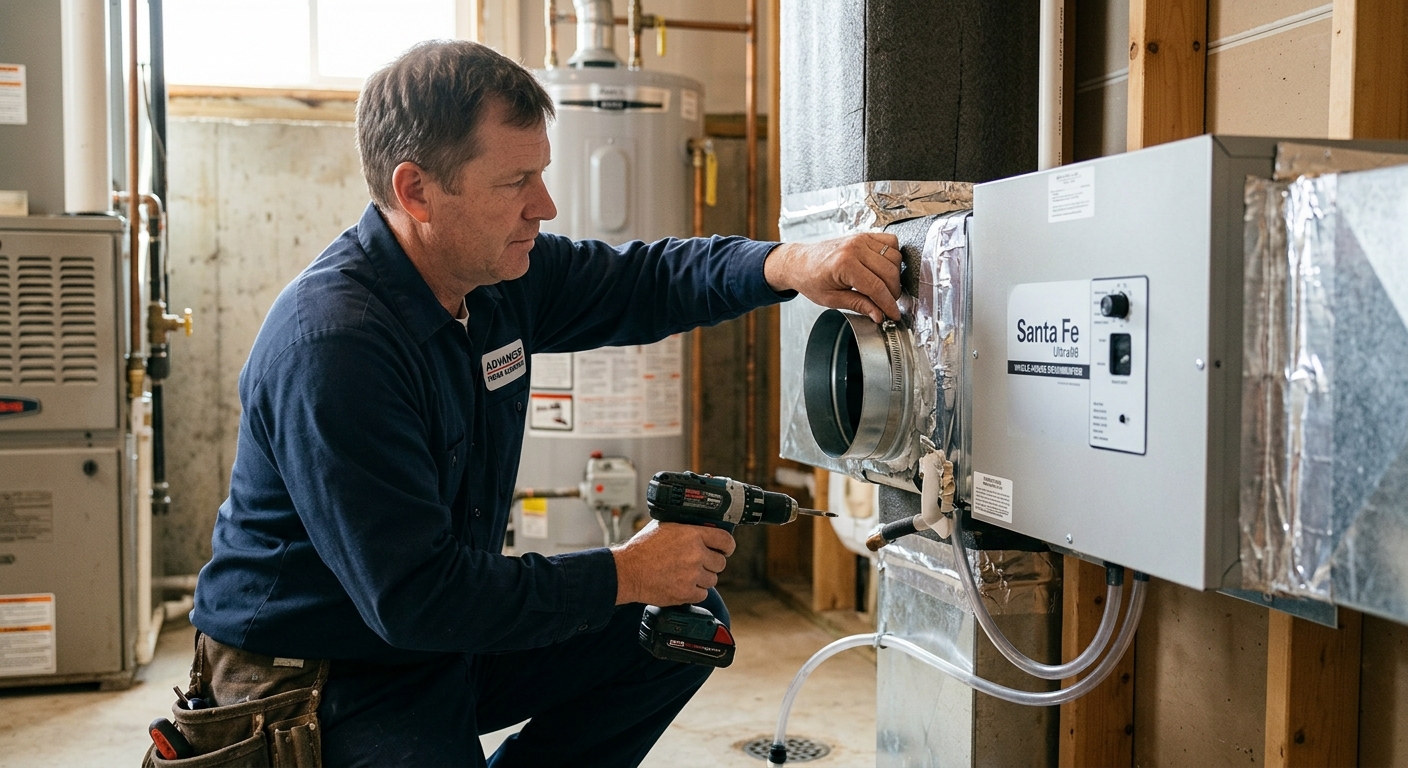
High indoor humidity quietly drives up energy bills, damages your home, and makes your AC work harder than it should. A whole-house dehumidifier solves all three problems, and the math shows most homeowners break even in 2 to 3 years.
Homeowners often waste money insulating the wrong part of their basement first, leaving major heat loss untouched. Understanding whether to insulate your basement walls or ceiling can mean the difference between a 15% and a 30% reduction in heating bills.