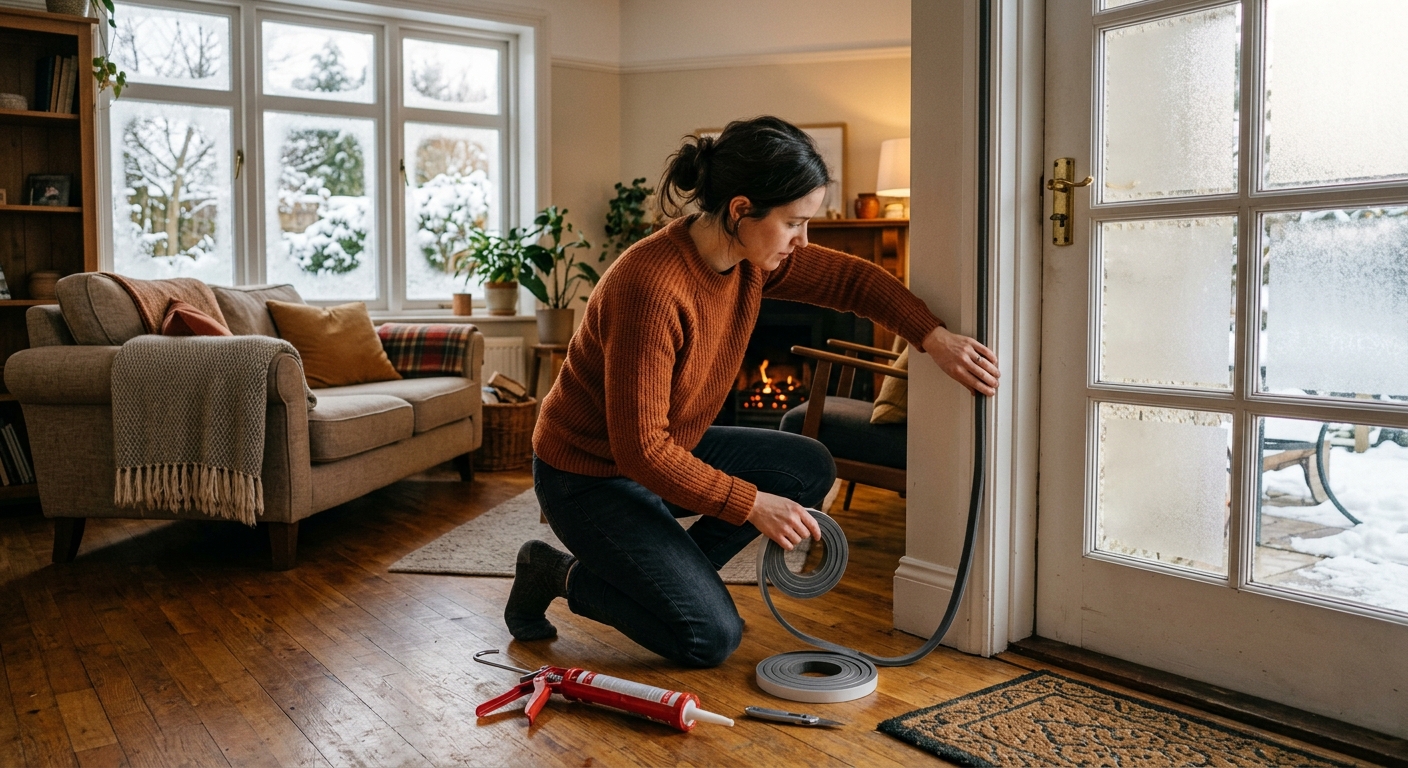
Most homes lose a significant portion of their heating dollars through gaps and cracks that are cheap and easy to seal. A $15 investment in weatherstripping and caulk can realistically save $150 to $200 per year on heating bills.
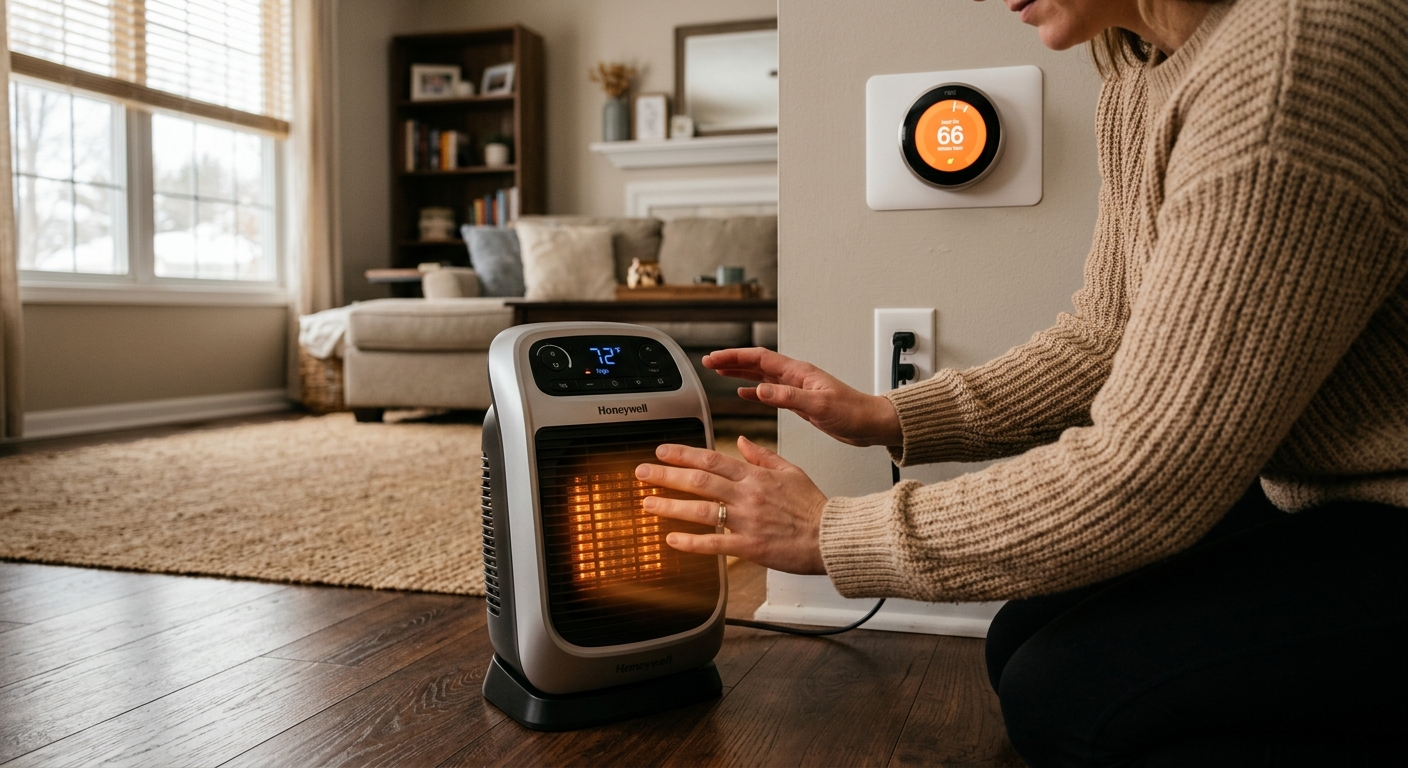
Many homeowners assume plugging in a space heater saves money compared to cranking the central heat, but the real answer depends on how many rooms you heat and for how long. This post breaks down the math, the myths, and the situations where space heaters genuinely win.
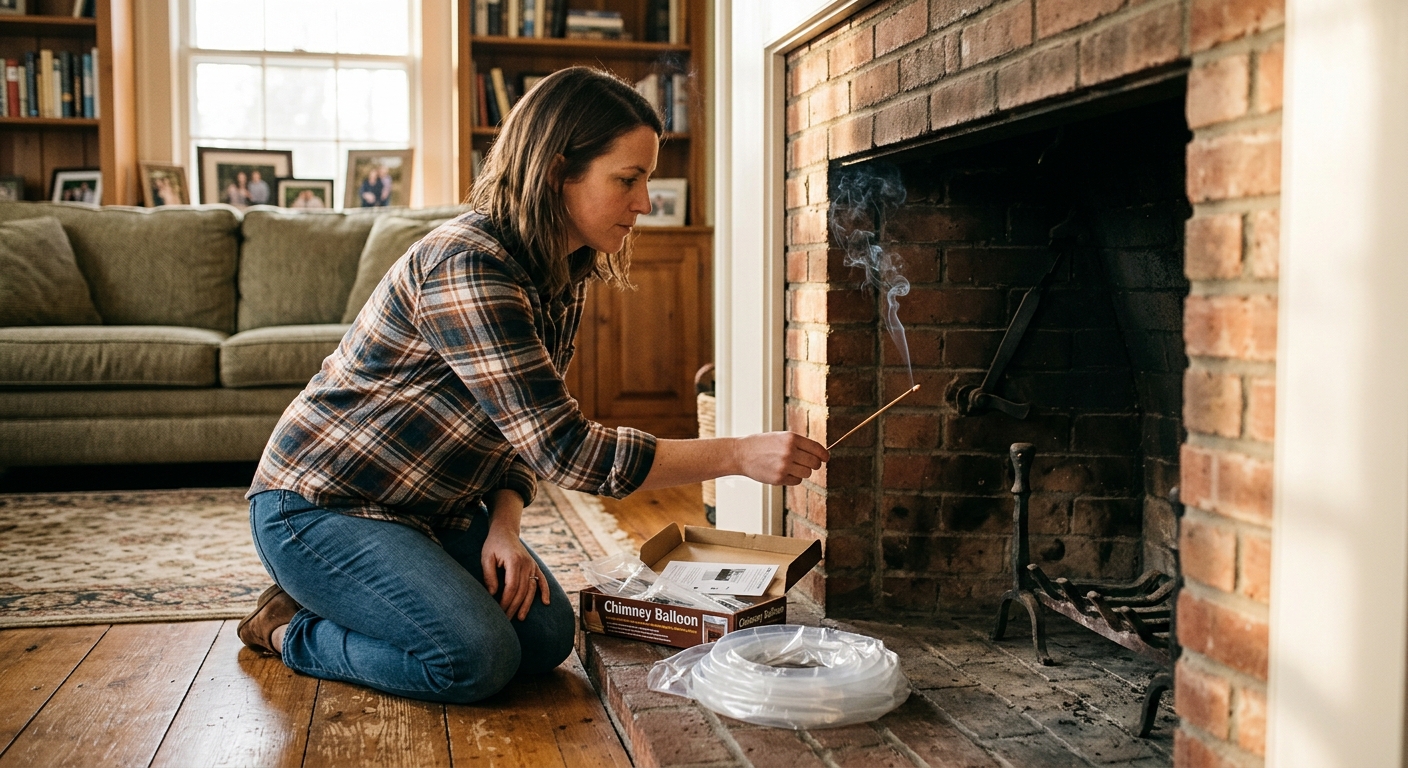
Most homeowners think of their fireplace as a cozy feature, not a costly liability. A drafty fireplace can silently drain hundreds of dollars in heating and cooling costs every year, and most people never connect the problem to their energy bills.
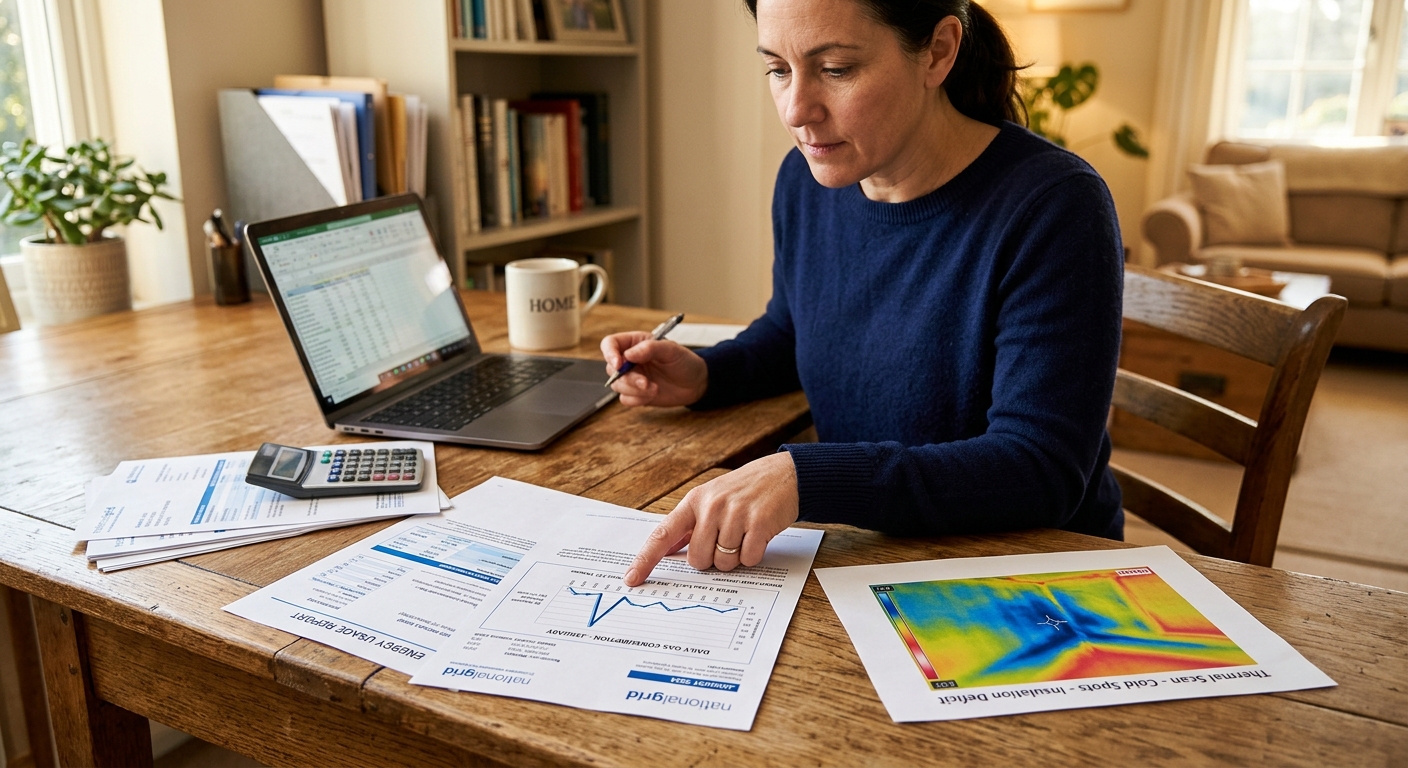
A sudden jump in your January energy bill is not just about cold weather. It is a signal that your home’s thermal envelope, heating system, or daily habits have a hidden efficiency problem worth fixing.
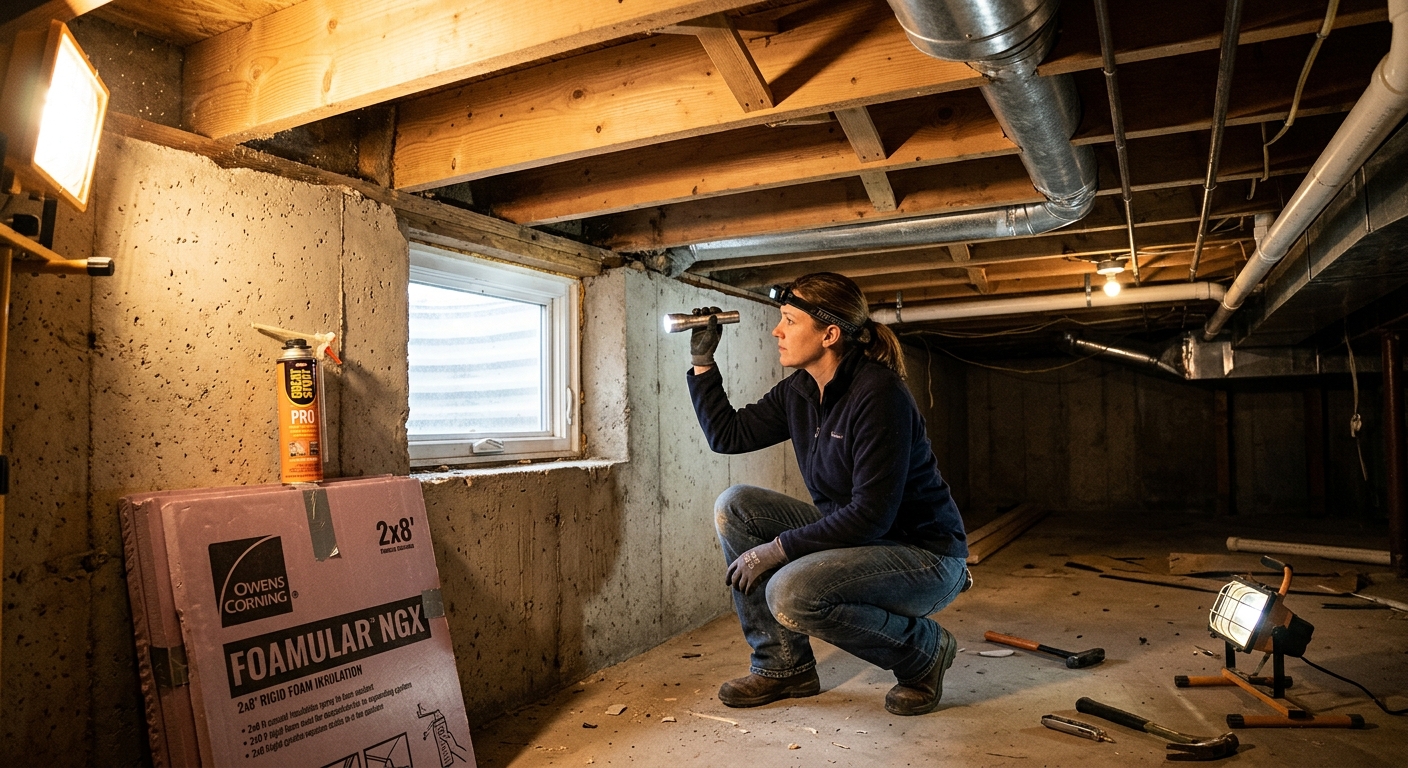
Your basement is one of the most energy-wasteful spaces in your home, yet most homeowners never think to look there first. From uninsulated rim joists to leaky ducts and bare pipes, a simple basement walkthrough can uncover hundreds of dollars in annual savings.
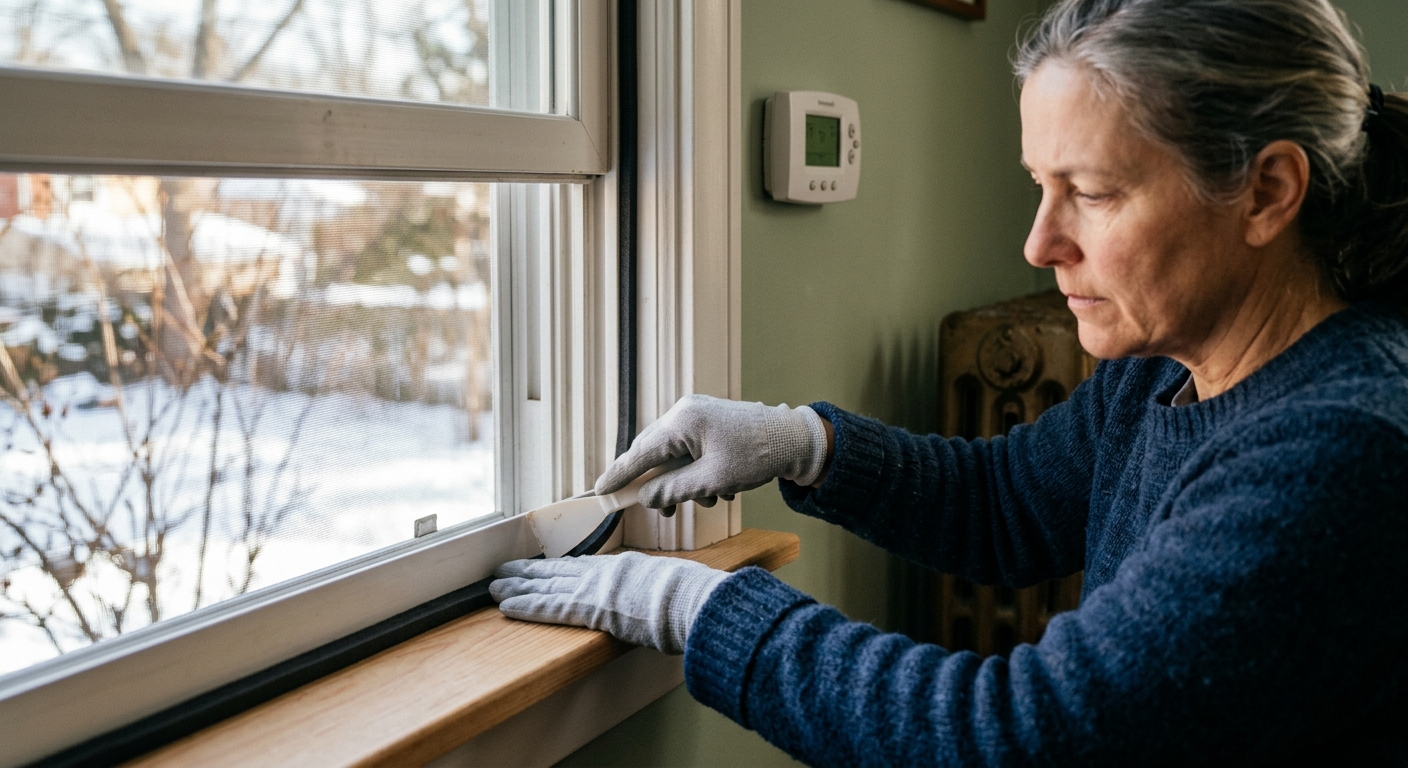
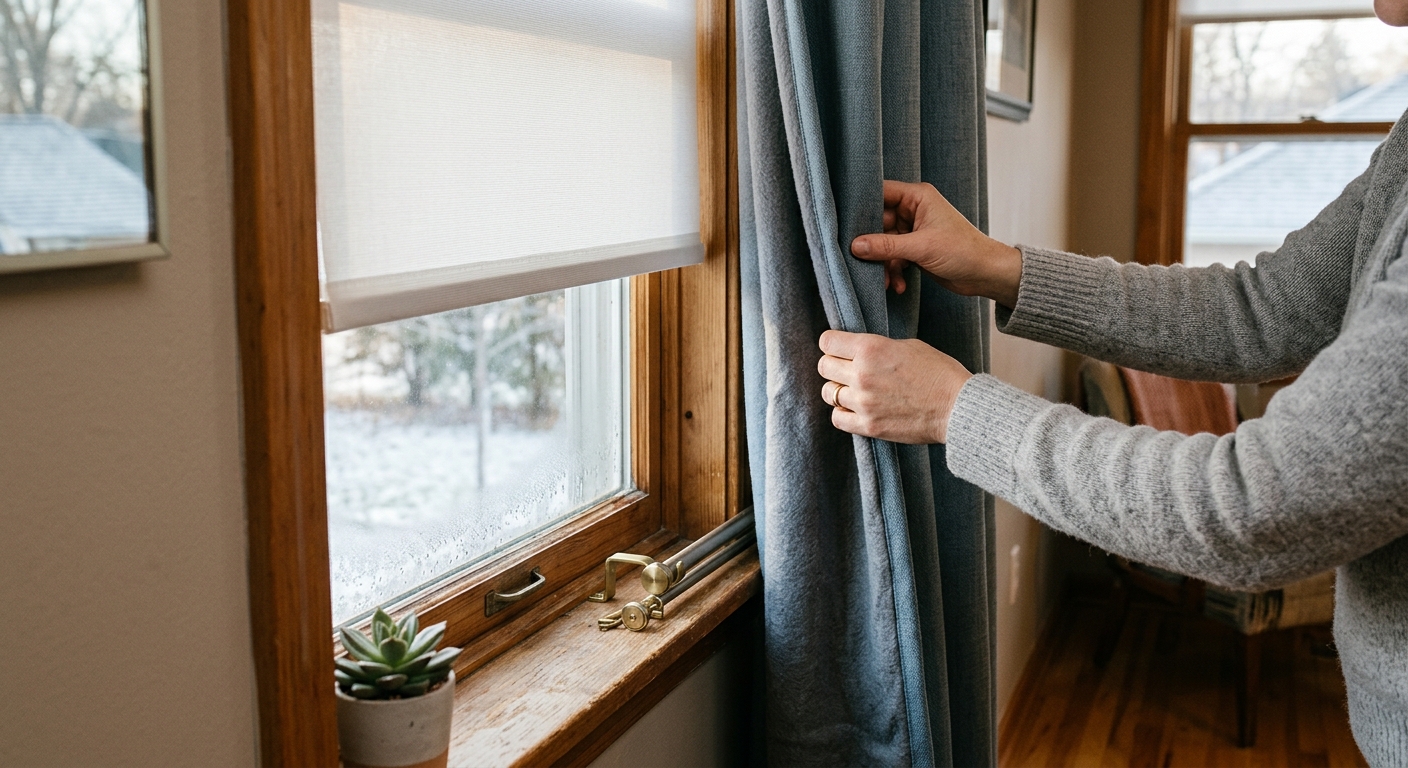
Windows are responsible for 25 to 30% of home heating loss, making them one of the biggest sources of wasted energy in winter. Layering the right window treatments in the right order can dramatically reduce that loss, with some homeowners seeing heating bill reductions of up to 40%.
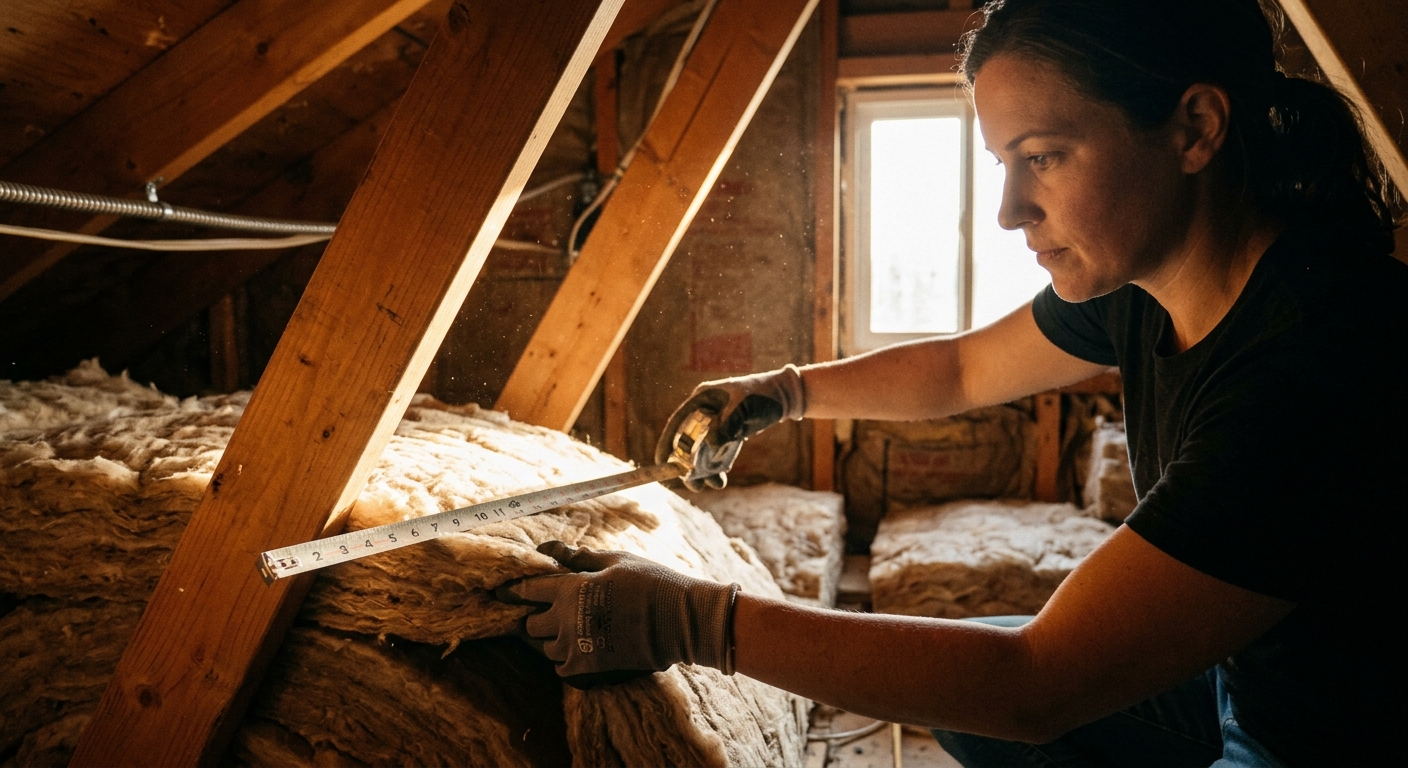
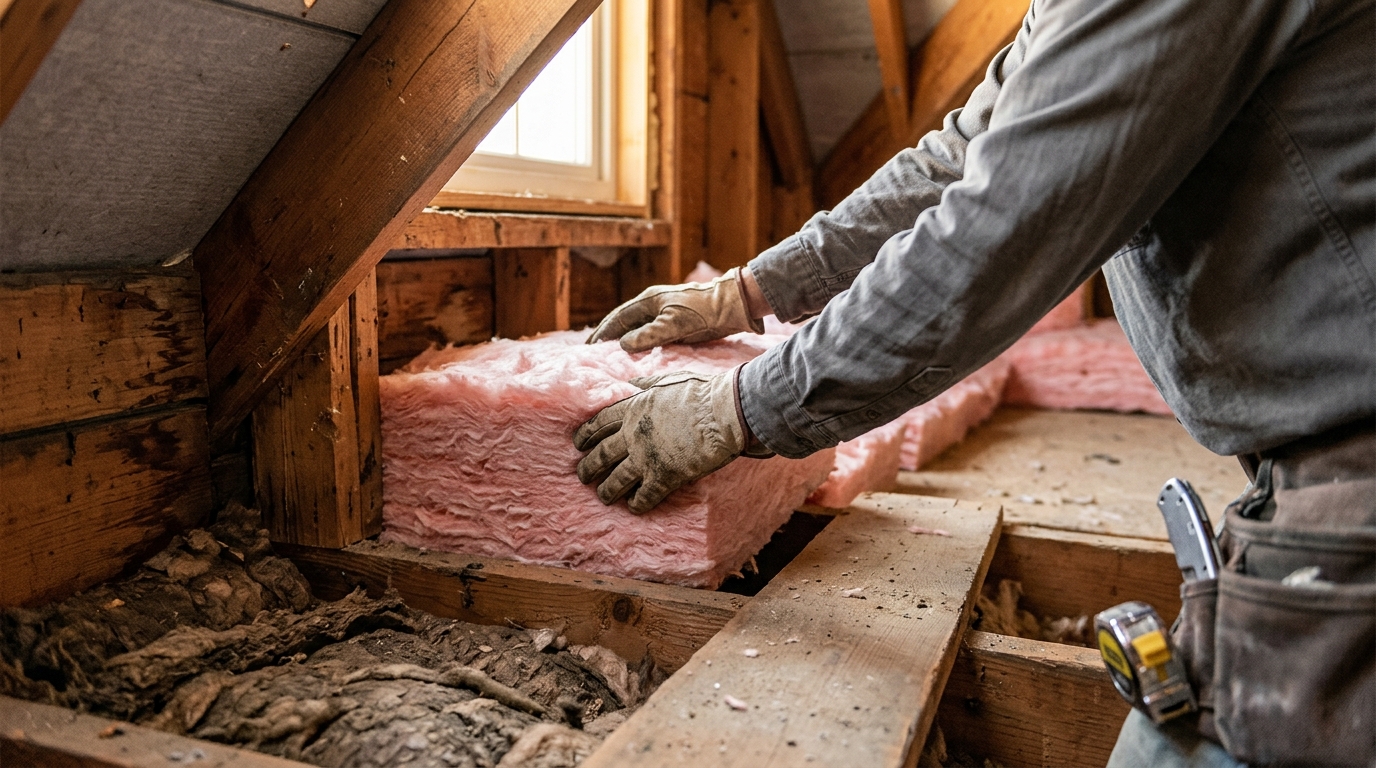
Most homeowners have no idea their insulation is underperforming until they see a sky-high energy bill. These simple self-inspection techniques can reveal the truth in under an hour, no professional required.
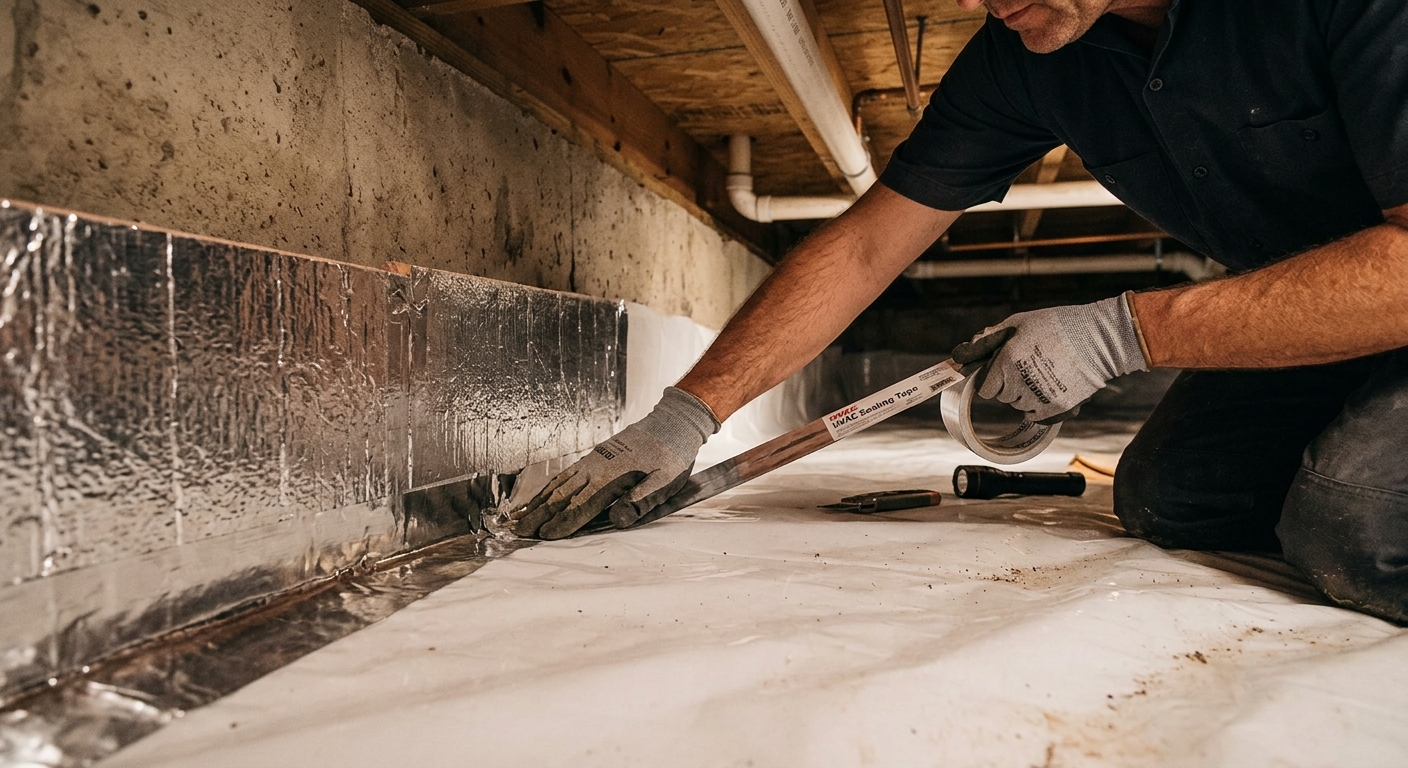
An unsealed, uninsulated crawl space acts like a giant energy drain beneath your feet, pulling conditioned air out and letting cold, damp air in year-round. Sealing and insulating your crawl space is one of the highest-return upgrades a homeowner can make, often paying for itself in under three years.
Your energy bills contain hidden clues that can reveal exactly where your home is losing heat or letting it in. Learn how to decode usage patterns, spot red flags, and determine whether poor insulation is quietly inflating your monthly costs.
Most American homes are significantly under-insulated, quietly adding hundreds of dollars to heating and cooling bills every year. Targeting the right spots with the right materials can deliver 15 to 30% savings on energy costs with payback periods well under three years.