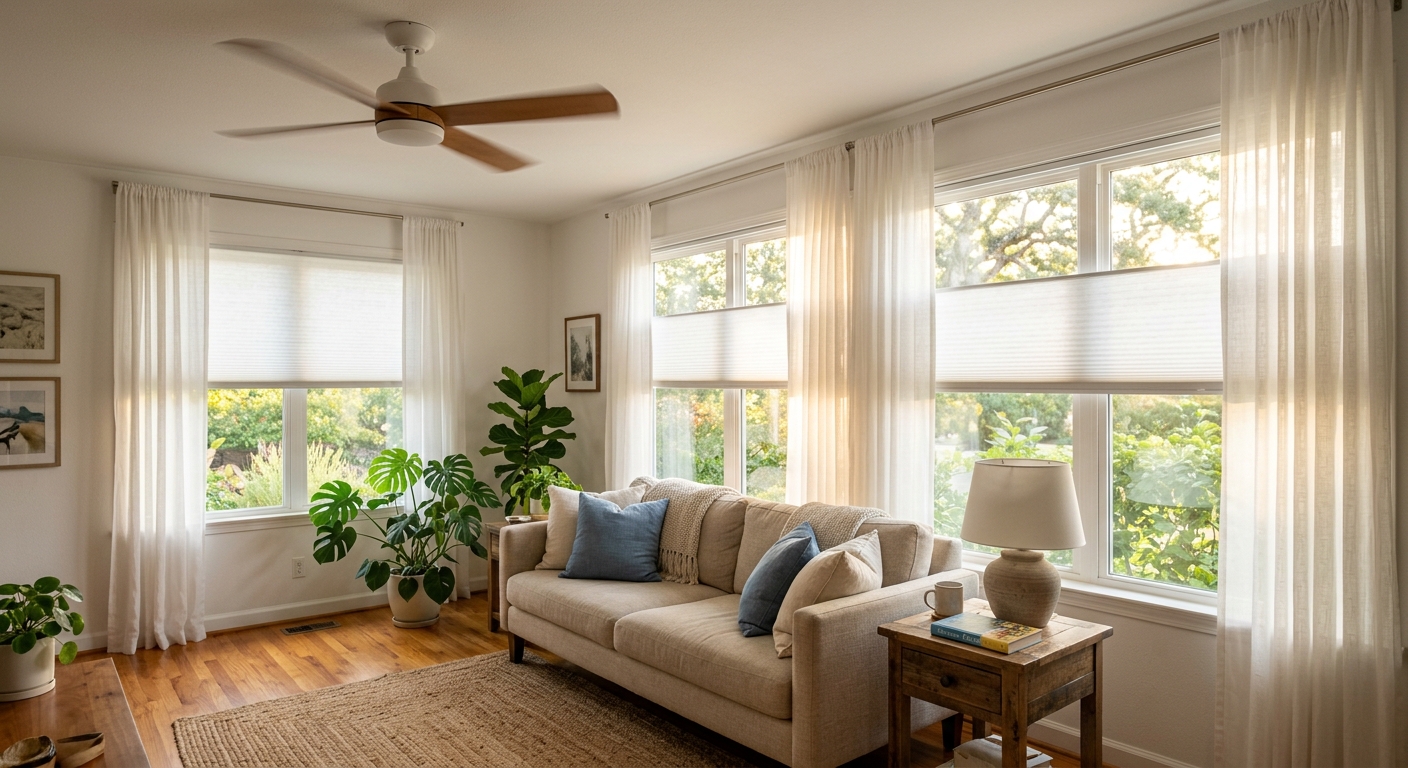
A stuffy, overheated room is one of the most common comfort complaints homeowners have, and cranking the AC is rarely the best solution. By targeting heat sources, airflow, and solar gain directly, you can drop a room’s felt temperature by 8 to 12 degrees without spending a dime on extra cooling.
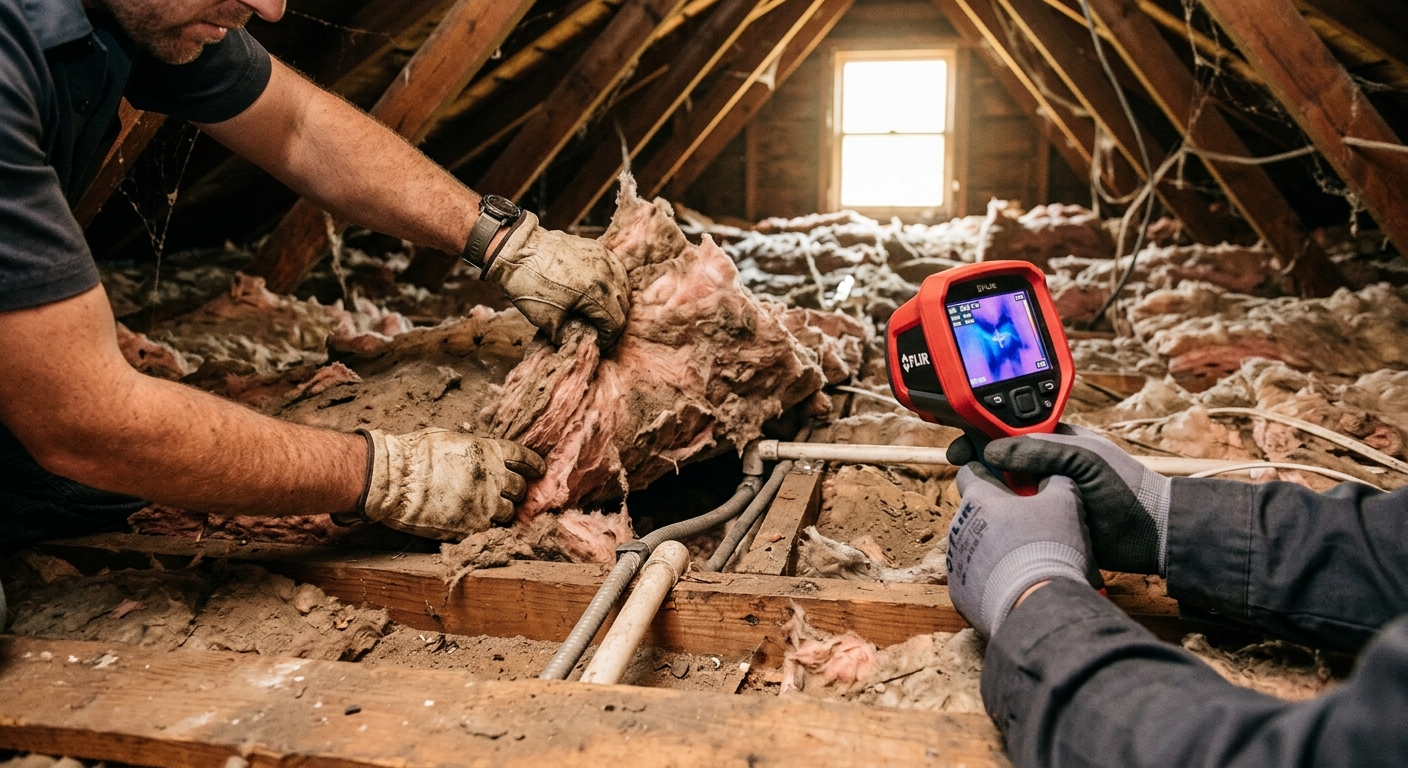
If your upstairs is always too hot in summer and too cold in winter, your attic is almost certainly the culprit. Poor attic insulation and ventilation create a thermal battery effect that overwhelms your HVAC system and drives up energy bills every single month.
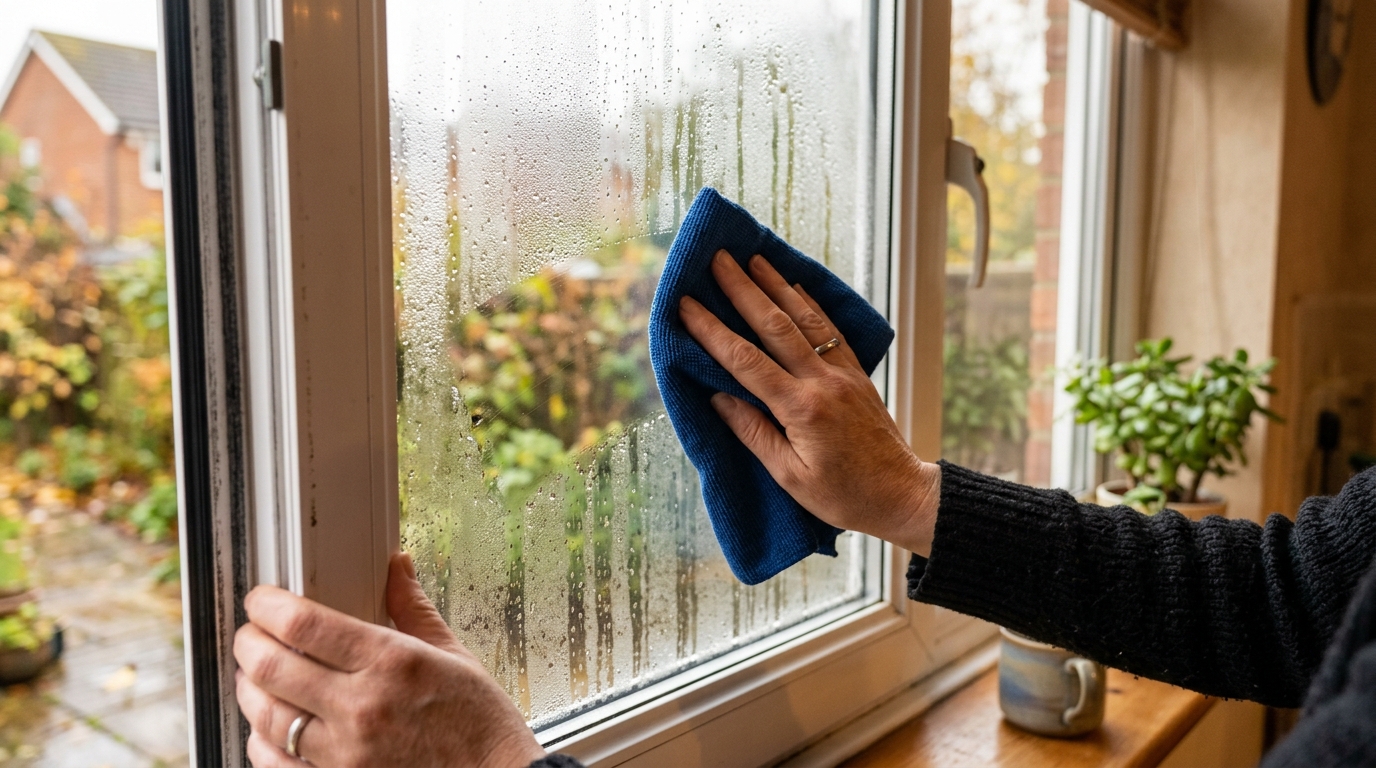
Window condensation seems like a minor annoyance, but it signals excess moisture that can rot frames, grow mold, and quietly drive up heating bills. The good news is that most cases can be fixed in a weekend with the right approach.
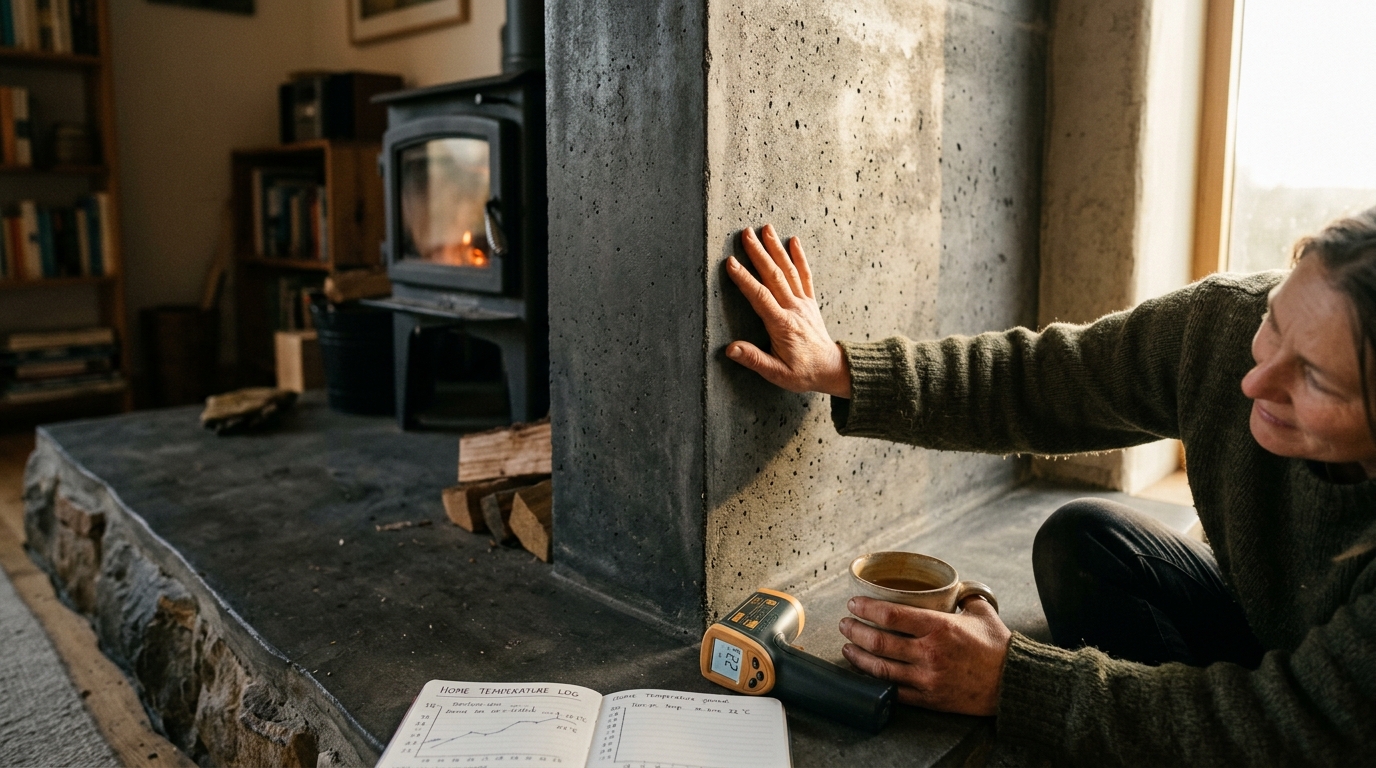
Most homeowners chase comfort by adjusting the thermostat, never realizing their walls, floors, and countertops are silently storing and releasing heat all day. Understanding thermal mass lets you work with your home’s natural physics to stay comfortable longer while running your heating and cooling system less.
Older homes are full of charm but often plagued by drafts, hot and cold spots, and energy bills that make new-build owners look smug. With targeted air sealing, insulation upgrades, and a few smart system tweaks, you can close the comfort gap without a full renovation.
Cold drafts, uneven heat, and sky-high heating bills are signs your home is losing warmth faster than your furnace can replace it. These seven weekend projects tackle the biggest heat loss culprits and can cut your heating costs by 15 to 30% starting this season.
Older homes are charming, but their drafts, thin insulation, and leaky windows can make winter miserable and expensive. With a few targeted upgrades ranging from free fixes to weekend DIY projects, you can dramatically improve comfort and cut heating bills by 20 to 35%.
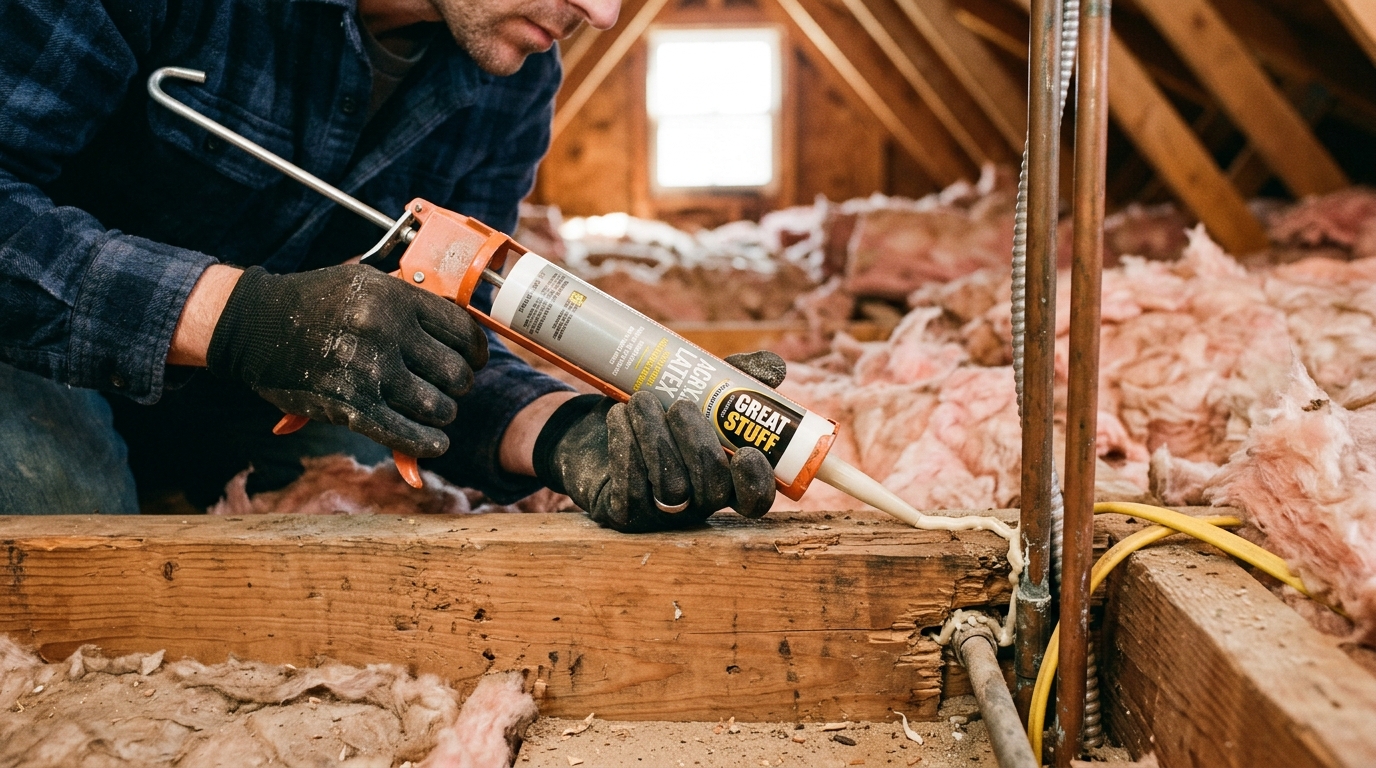
Most homeowners throw money at insulation while ignoring the real culprit behind drafts, high bills, and uneven temperatures. Air sealing your home’s hidden gaps and cracks can cut heating and cooling costs by up to 20% and dramatically improve comfort, often for less than $50.
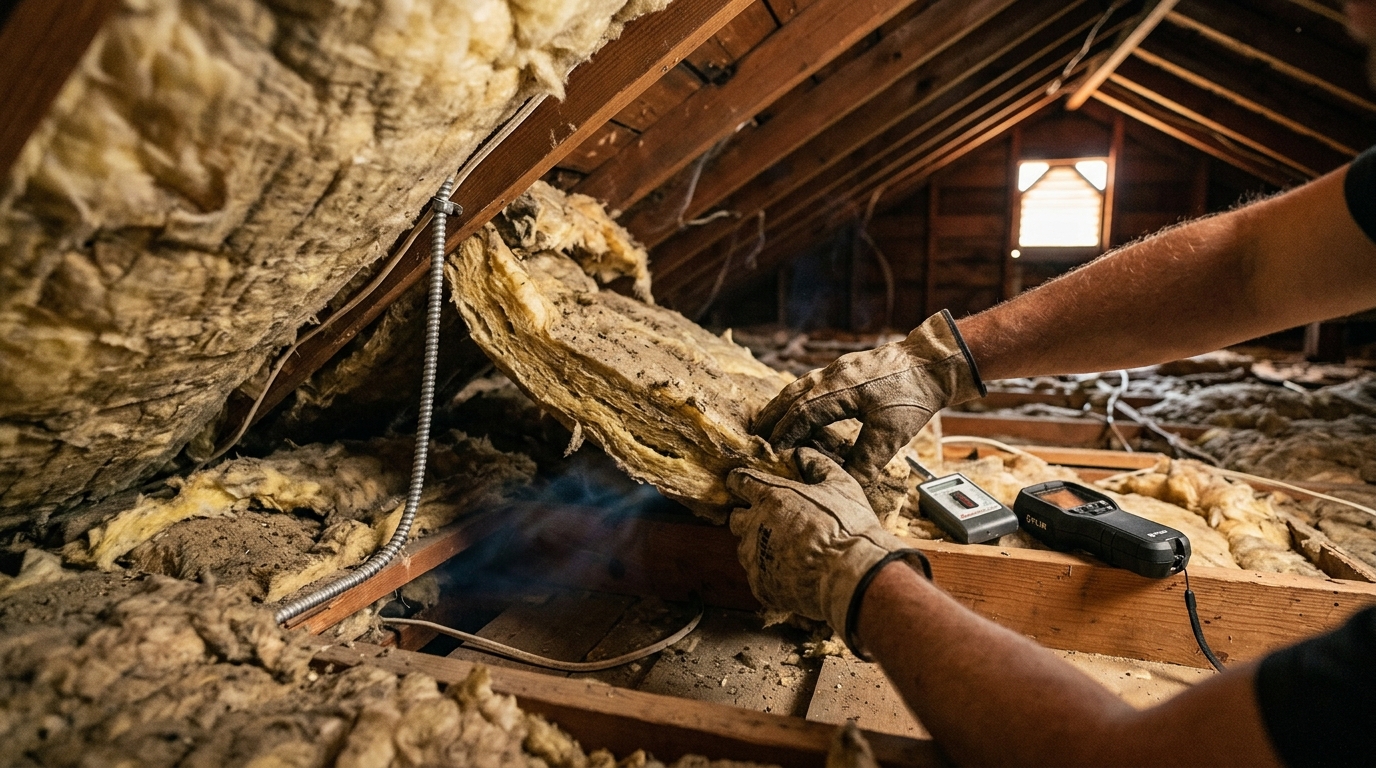
Failing insulation is one of the most expensive and least visible problems in a home, silently inflating energy bills month after month. Learn the seven warning signs and what you can do to stop the drain on your wallet.
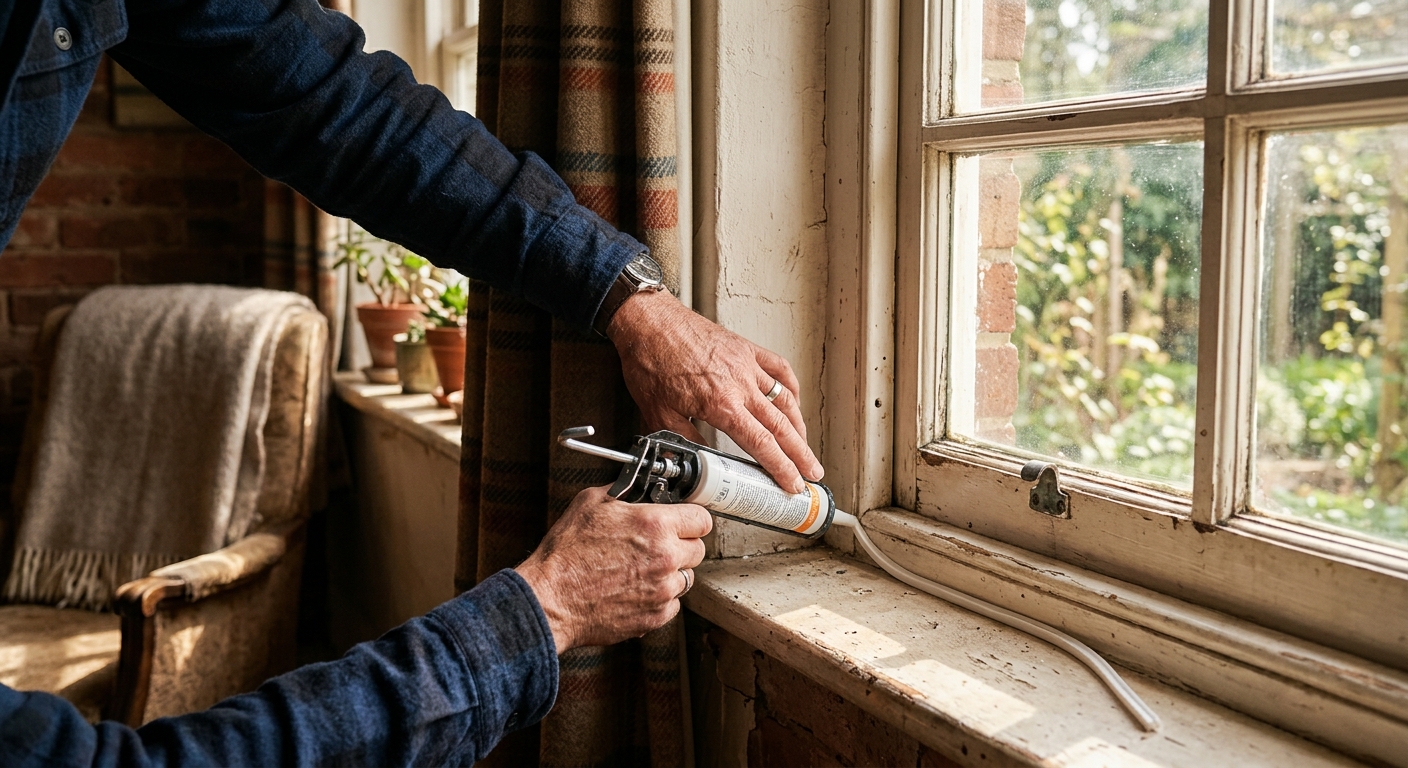
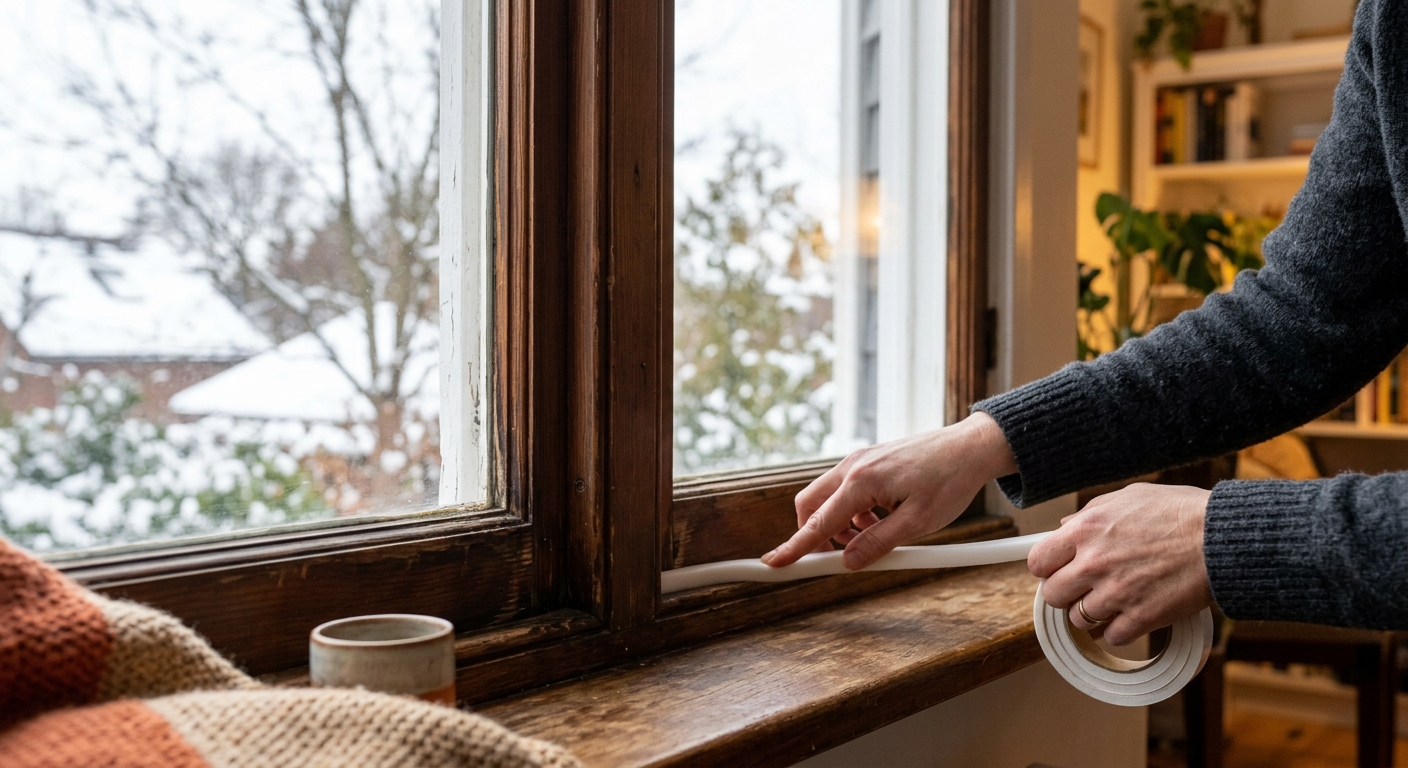
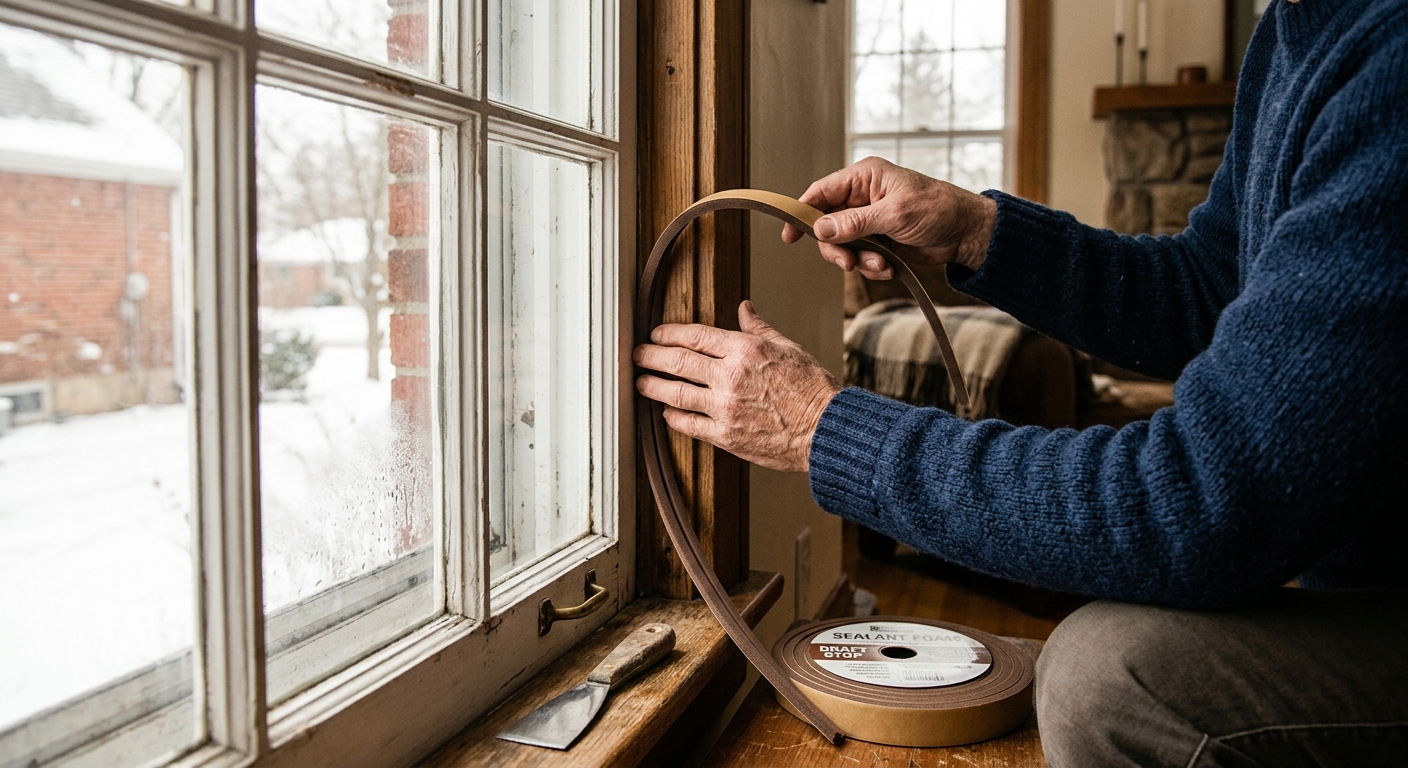
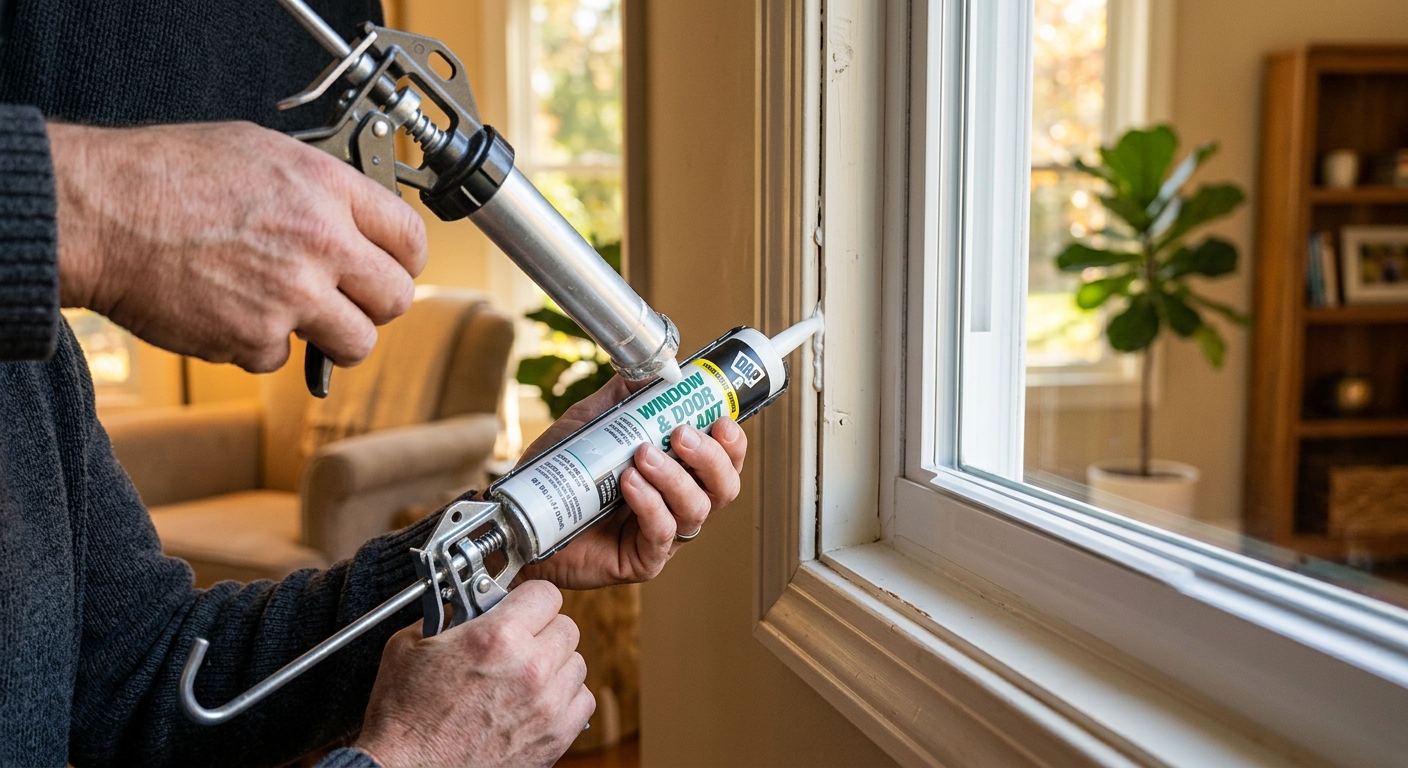
Replacing your windows is a major investment, but new glass alone does not stop drafts if the surrounding installation has gaps, failed caulk, or missing foam. This guide explains the real causes of post-replacement drafts and shows you exactly how to seal them for good.