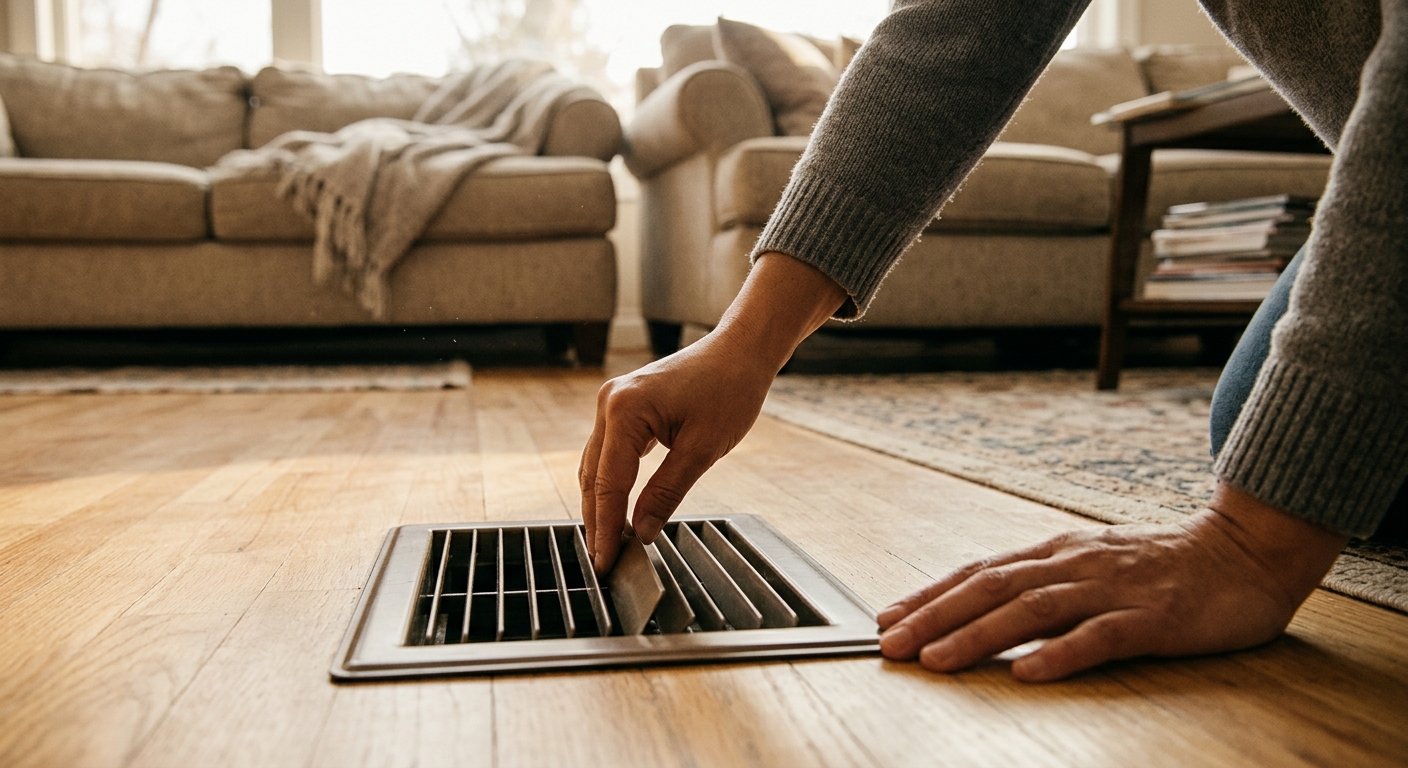
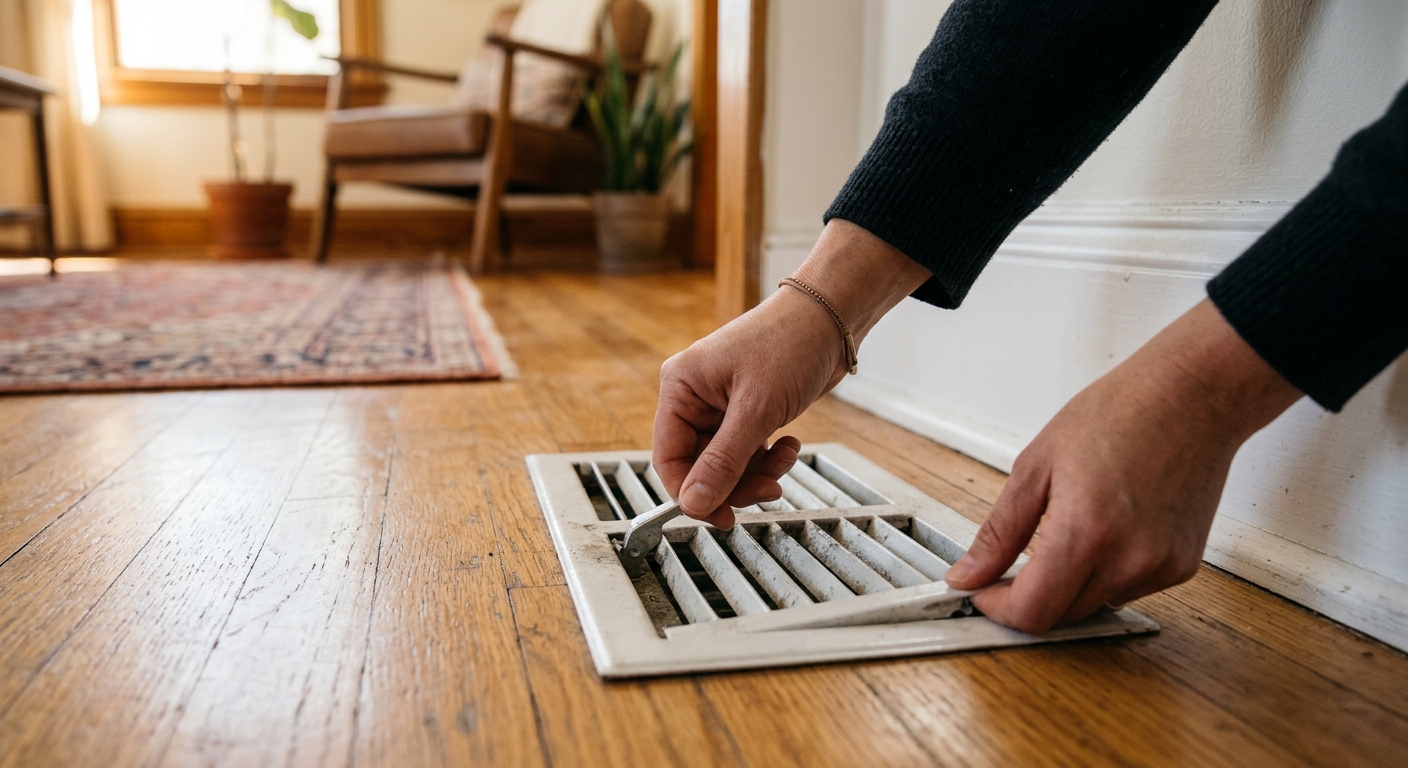
Closing vents in unused rooms seems like a smart way to save energy, but it actually increases pressure in your duct system and forces your HVAC to work harder. Here is what building science says actually works, and the simple fixes that deliver real comfort and savings.
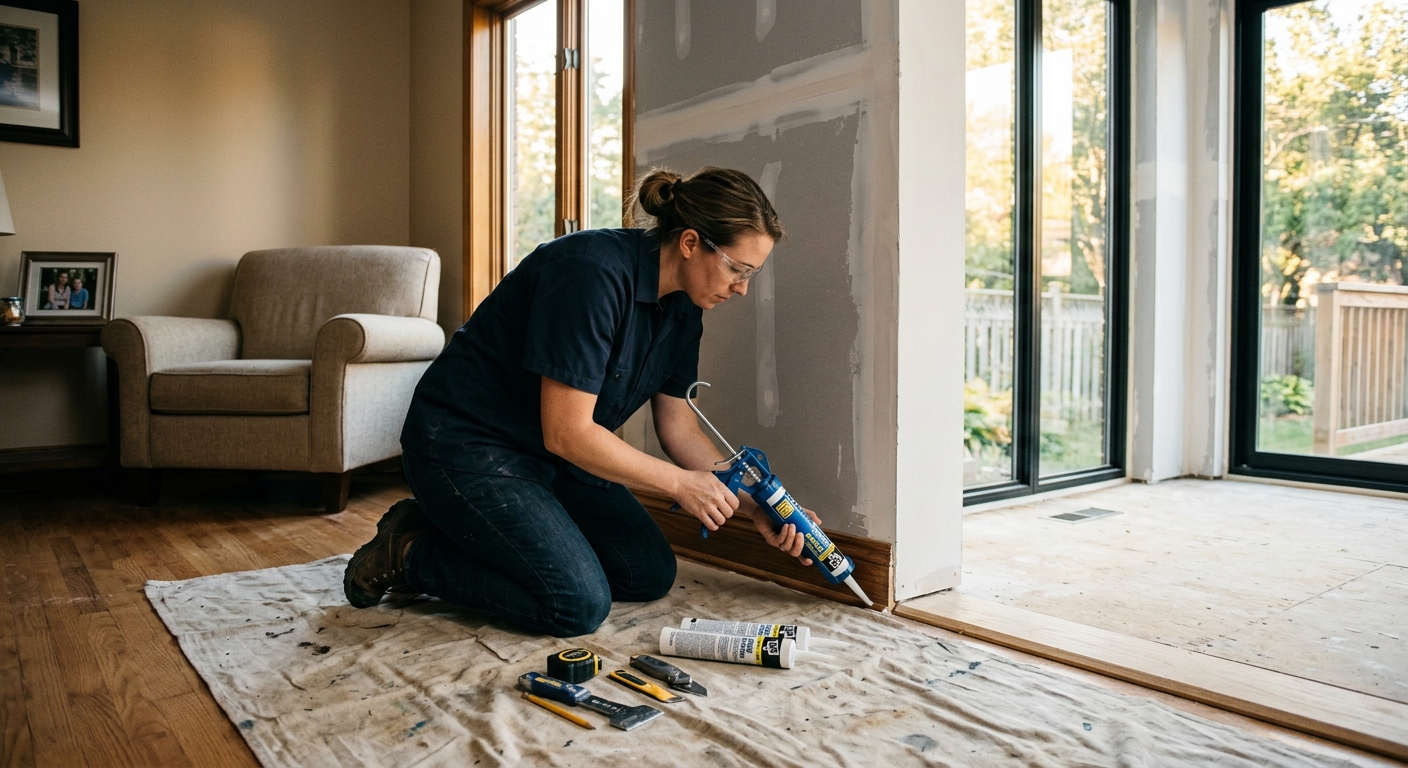
Home renovations promise better living spaces, but they often introduce surprising comfort problems like uneven temperatures, drafts, and skyrocketing energy bills. Understanding why these issues appear and how to prevent them can save you thousands in follow-up repairs and monthly utility costs.
Moving into a new home often brings unexpected comfort problems like hot and cold spots, stuffy air, and inconsistent temperatures that your previous home never had. The good news is that most of these issues trace back to a handful of fixable root causes you can diagnose and address in a single weekend.
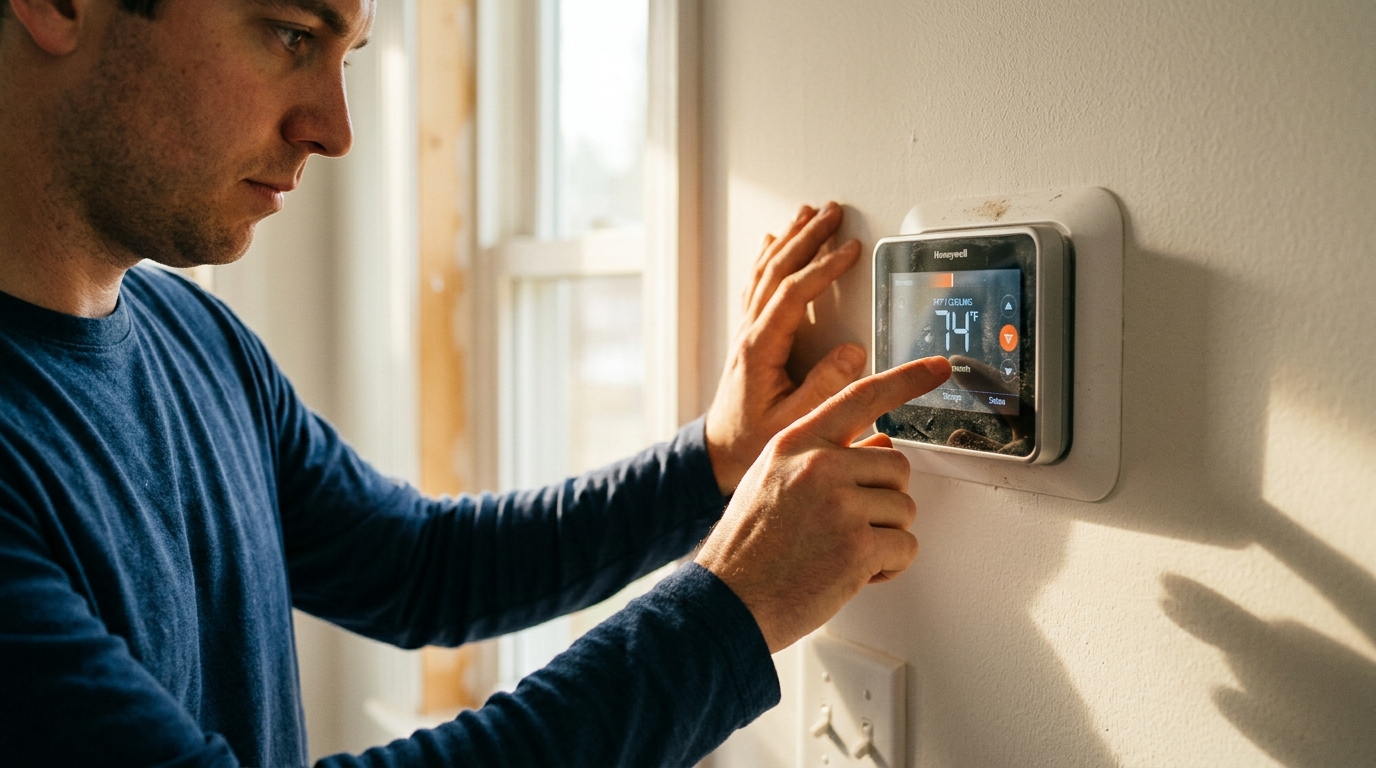
An AC that runs constantly without reaching your set temperature is a sign of one or more fixable problems, not just a hot day. Identifying the real cause, whether it is air leaks, a dirty filter, or an undersized system, can cut your cooling bills by 20 to 40% and restore comfort fast.
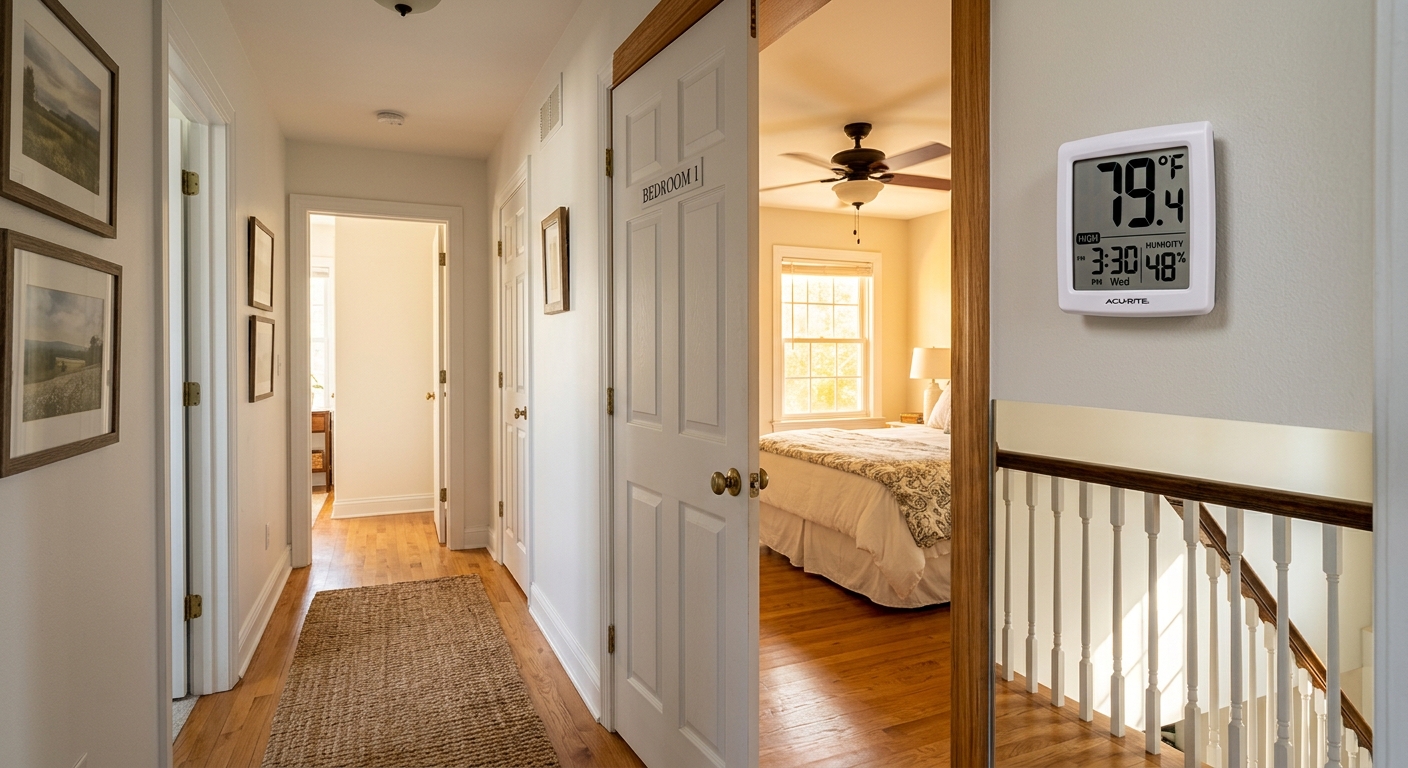
That sweltering upstairs bedroom is not just uncomfortable, it signals serious energy waste hiding in your attic and duct system. Fixing the root causes can cut cooling bills by 20 to 30% and finally make your whole home feel even.
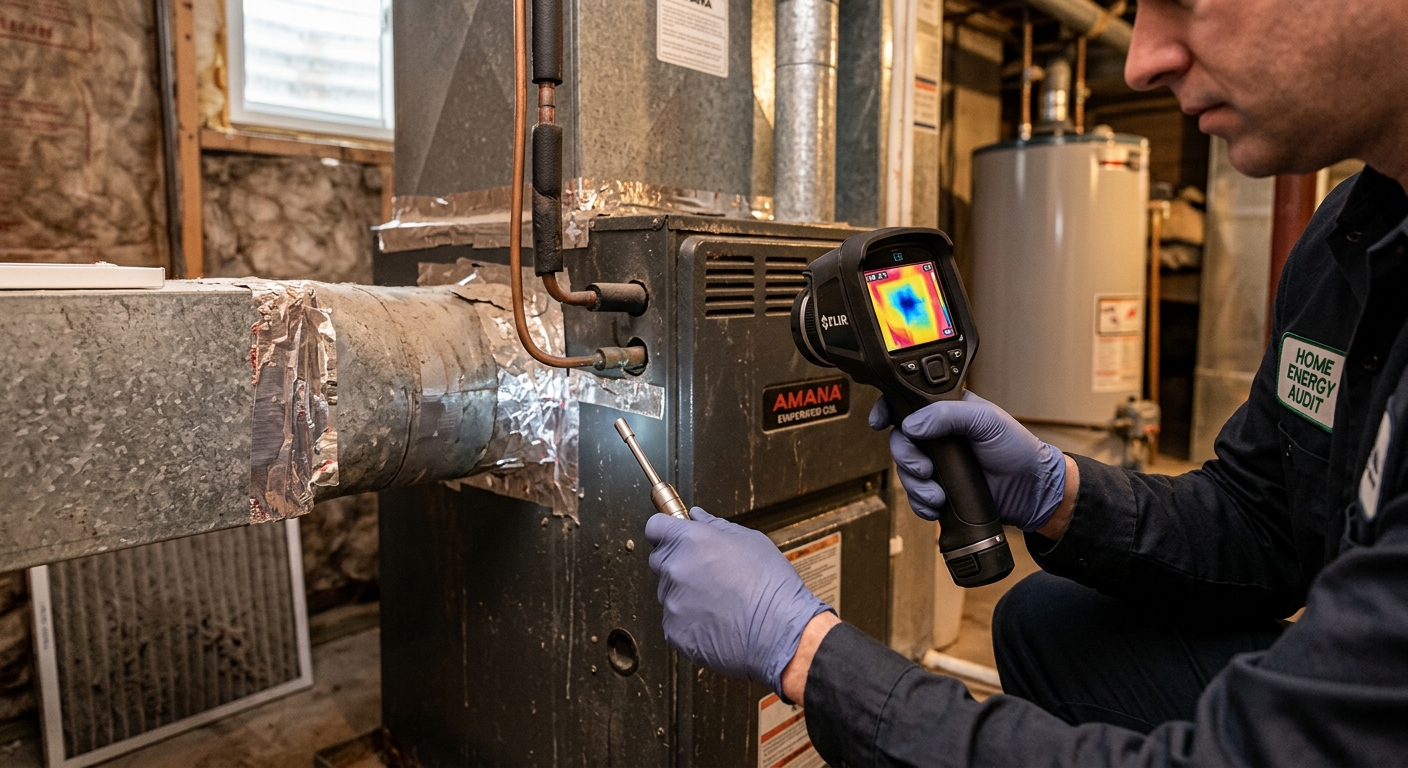
Most homeowners assume their AC is underperforming because it’s old or undersized, but an energy audit often tells a very different story. Hidden air leaks, missing insulation, and duct losses are usually the real culprits stealing your comfort and driving up your cooling bills.
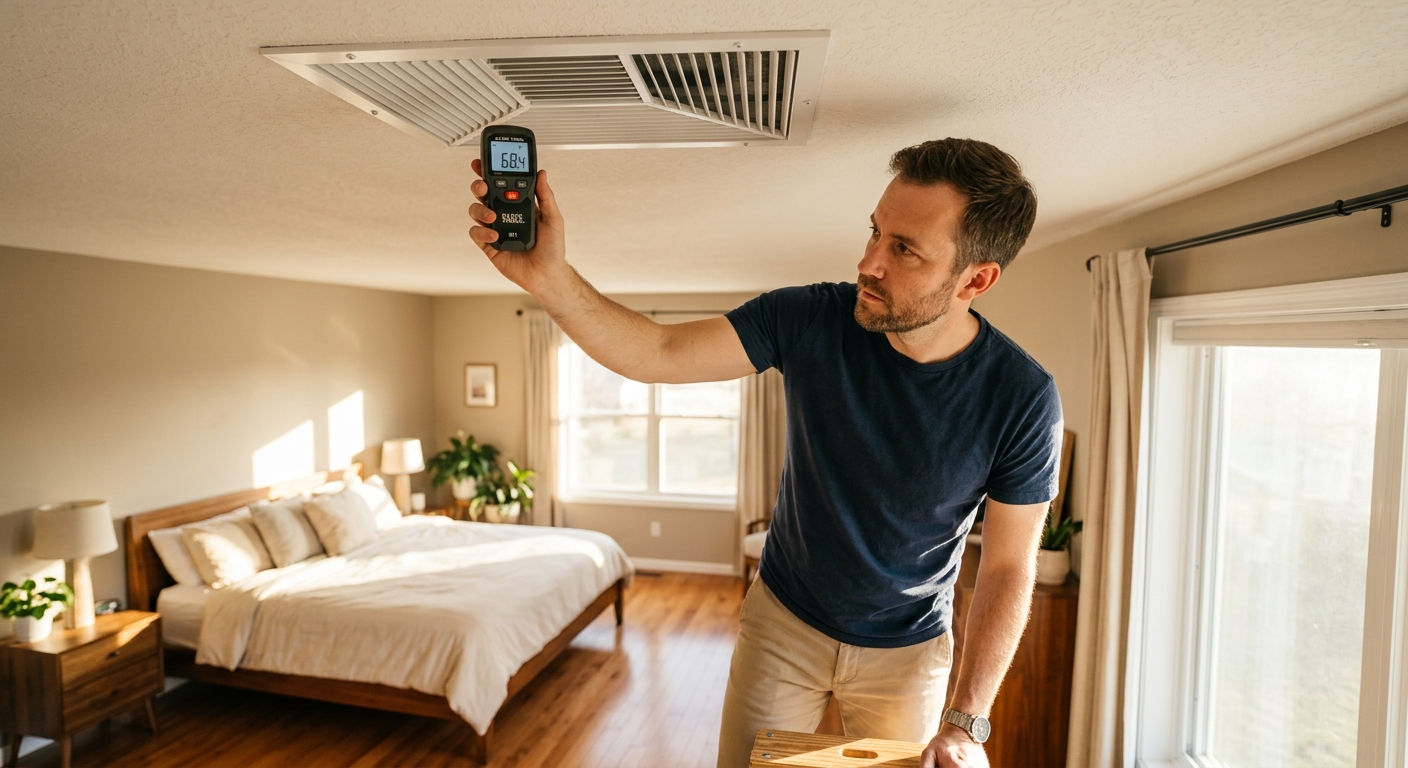
A room that stays 5 to 10 degrees warmer than the rest of the house is one of the most frustrating comfort problems homeowners face. Before spending $100 or more on a service call, you can diagnose the cause yourself in under an hour using tools you likely already own.
A brand-new AC unit should solve your cooling problems, but thousands of homeowners discover it doesn’t. The culprit is almost never the equipment itself – it’s the house, the ducts, or the installation.
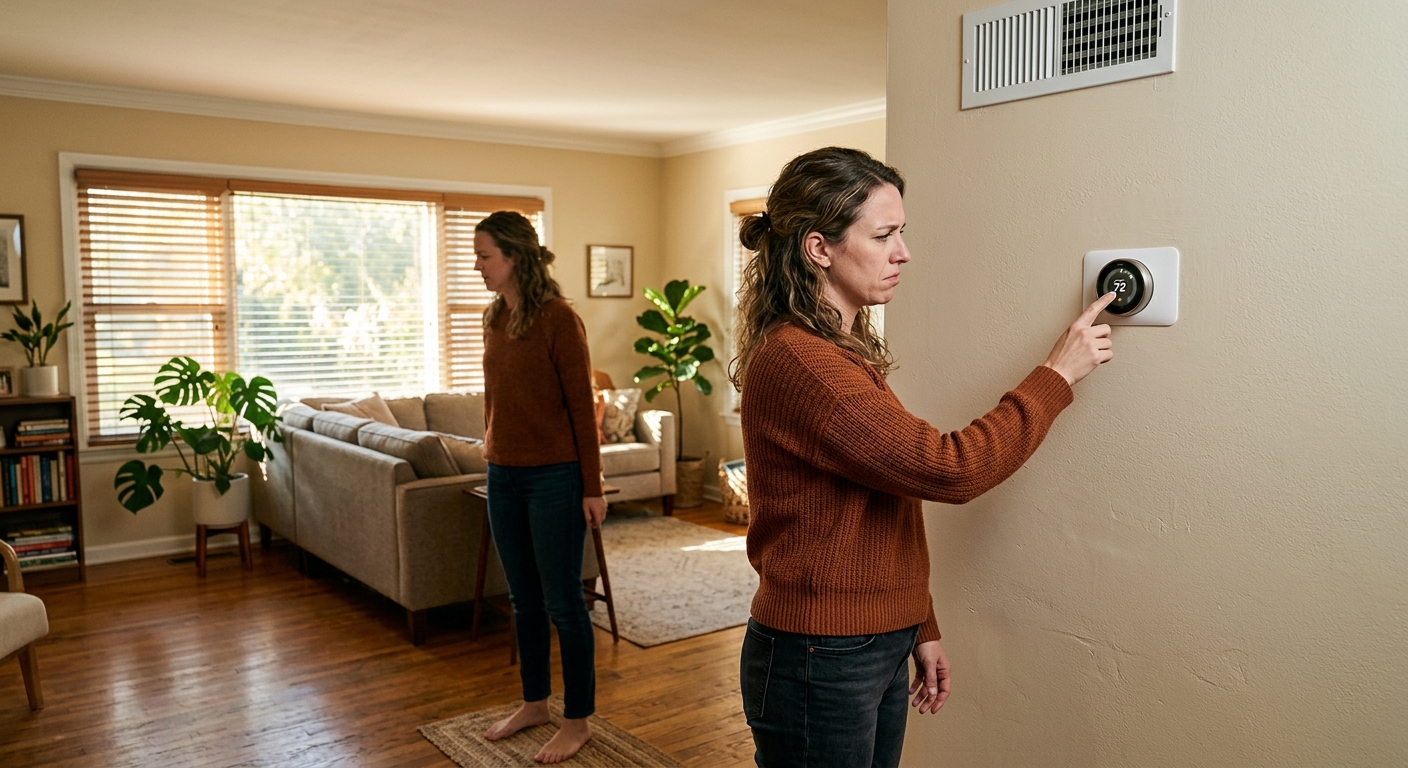
Closing vents in unused rooms seems like a smart way to save energy, but it actually increases pressure in your duct system and forces your HVAC to work harder. Here is what to do instead to actually lower your bills.
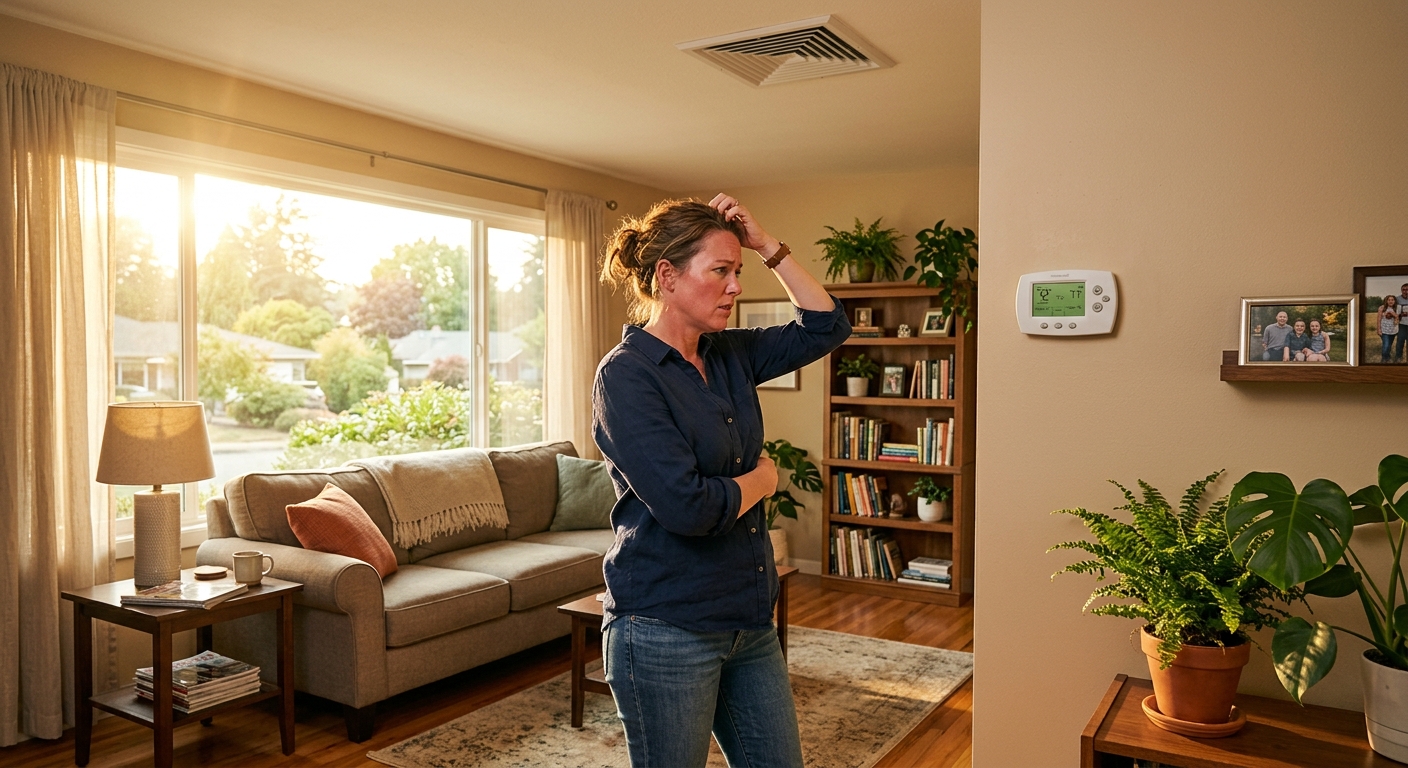
If your AC never shuts off but your house still feels muggy and warm, the problem usually isn’t your equipment. Unsealed ducts, missing insulation, and unchecked air leaks are silently defeating your cooling system before the cold air ever reaches you.