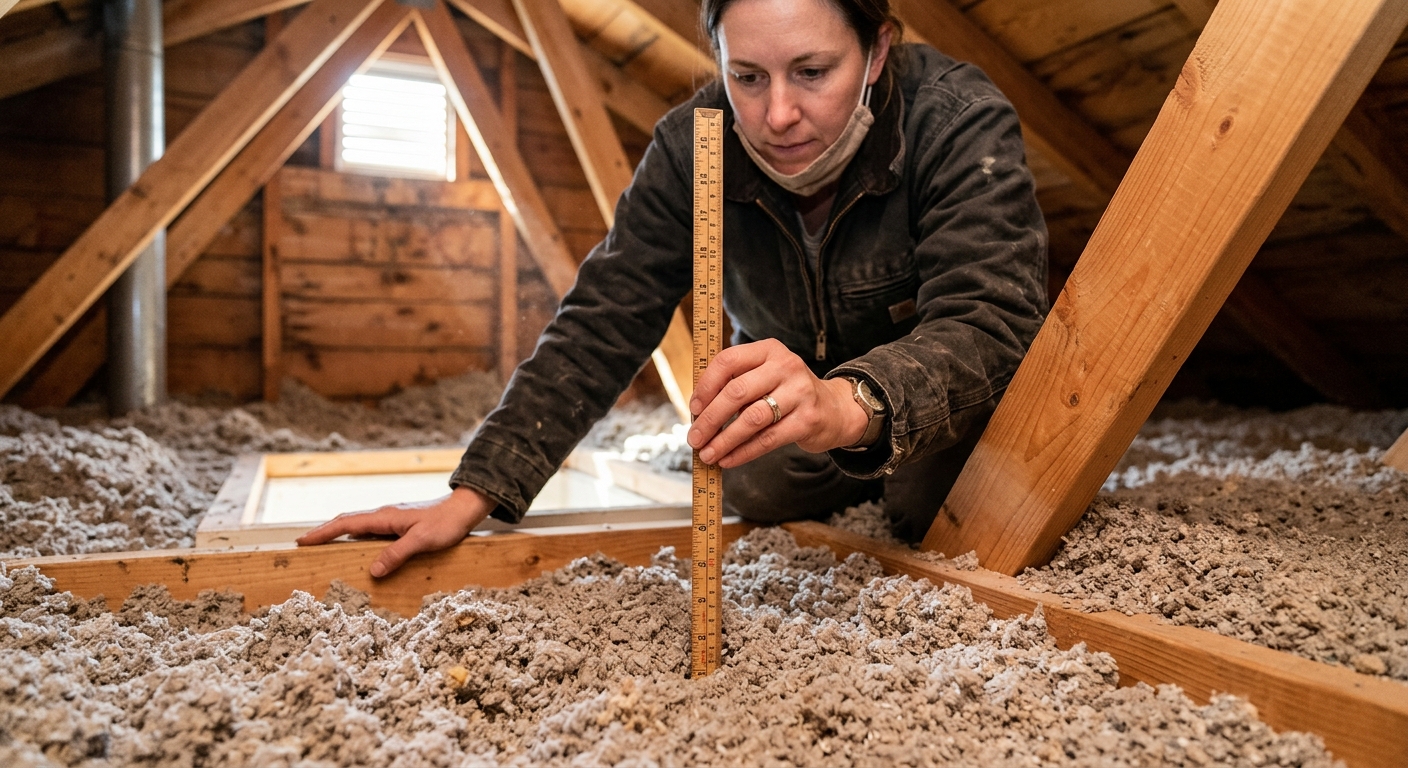
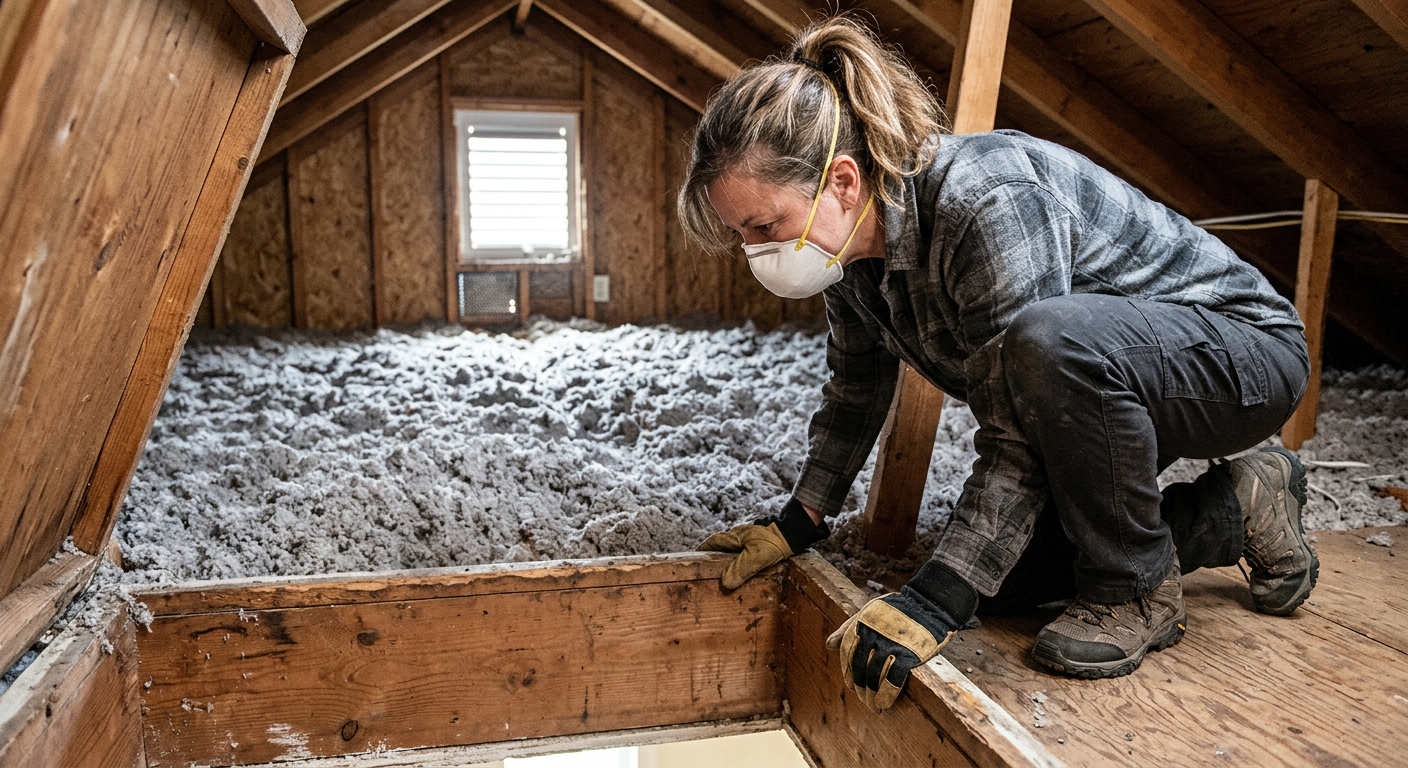
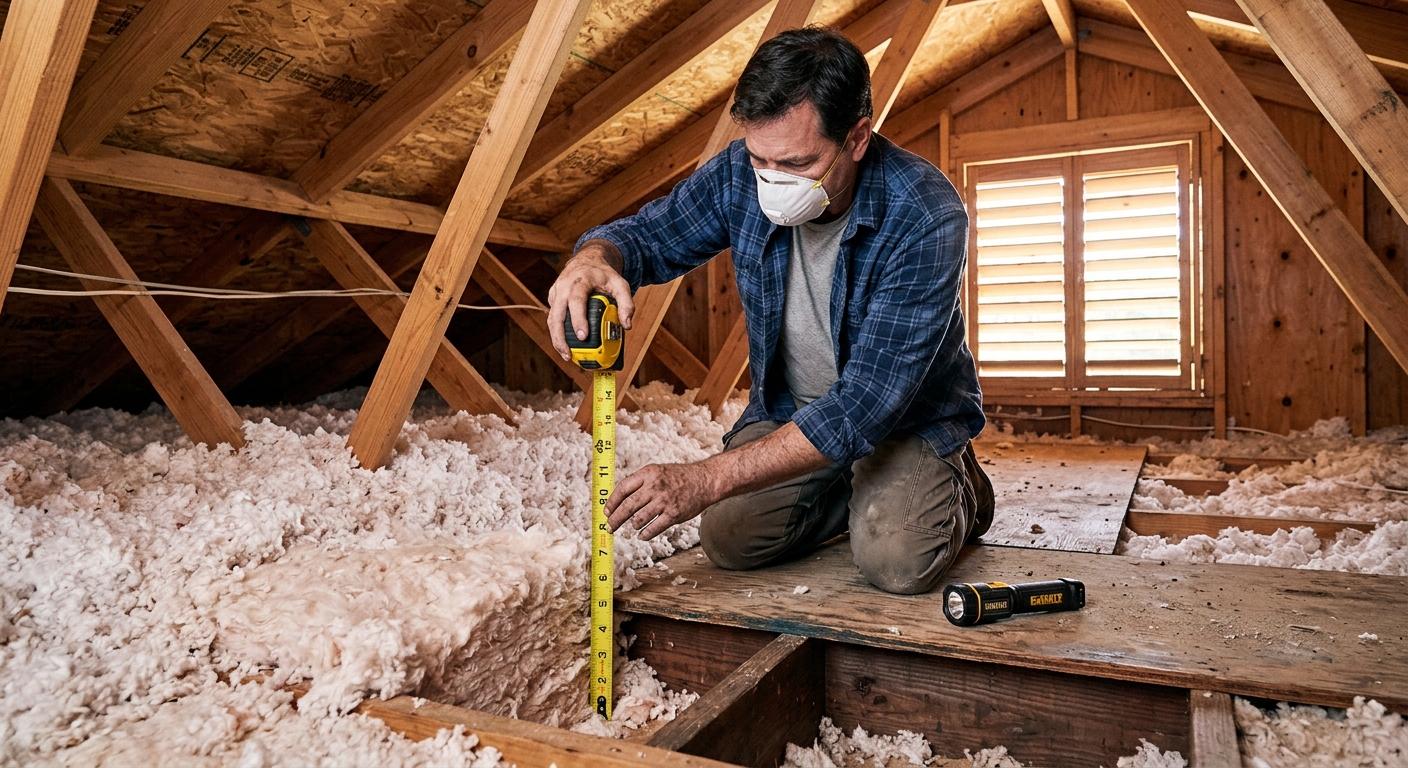
Most homes lose 25 to 30% of their heating and cooling energy through an under-insulated attic, yet most homeowners have never once looked up there to check. This guide shows you how to measure what you have, compare it to DOE recommendations for your climate, and decide whether adding more insulation makes financial sense.
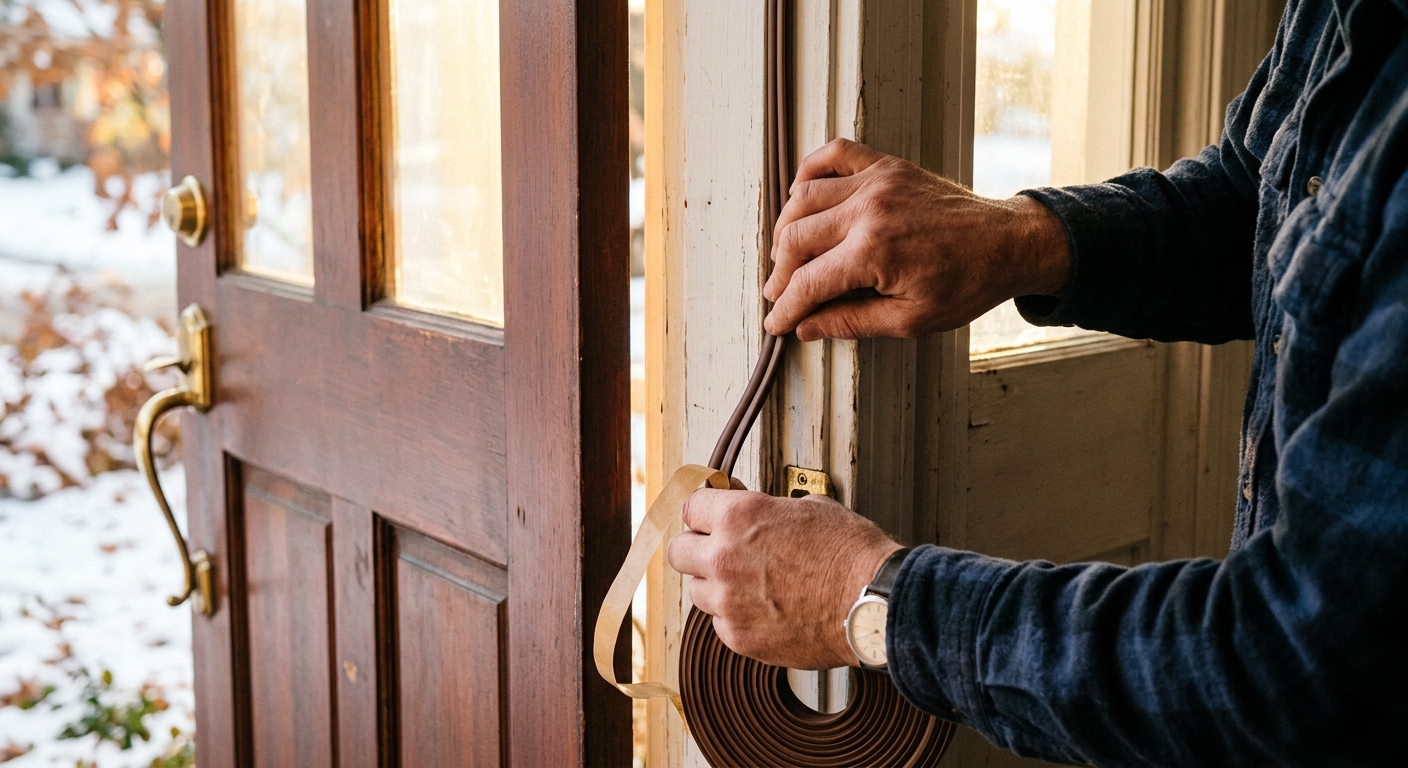
Drafty exterior doors are one of the biggest and most overlooked sources of heat loss in a home, costing homeowners hundreds of dollars each year. In about 3 hours and for under $50, you can seal them up and feel the difference the same day.
Most homeowners leave hundreds of dollars in utility rebates unclaimed simply because they don’t know which insulation upgrades qualify. This guide breaks down the most rebate-eligible projects, how to find your local program, and how to stack rebates with federal tax credits for maximum savings.
Most homeowners either under-insulate and pay for it every month, or over-spend on insulation that delivers diminishing returns. Knowing the right R-value target for your specific climate zone is the single most reliable way to maximize your insulation investment.
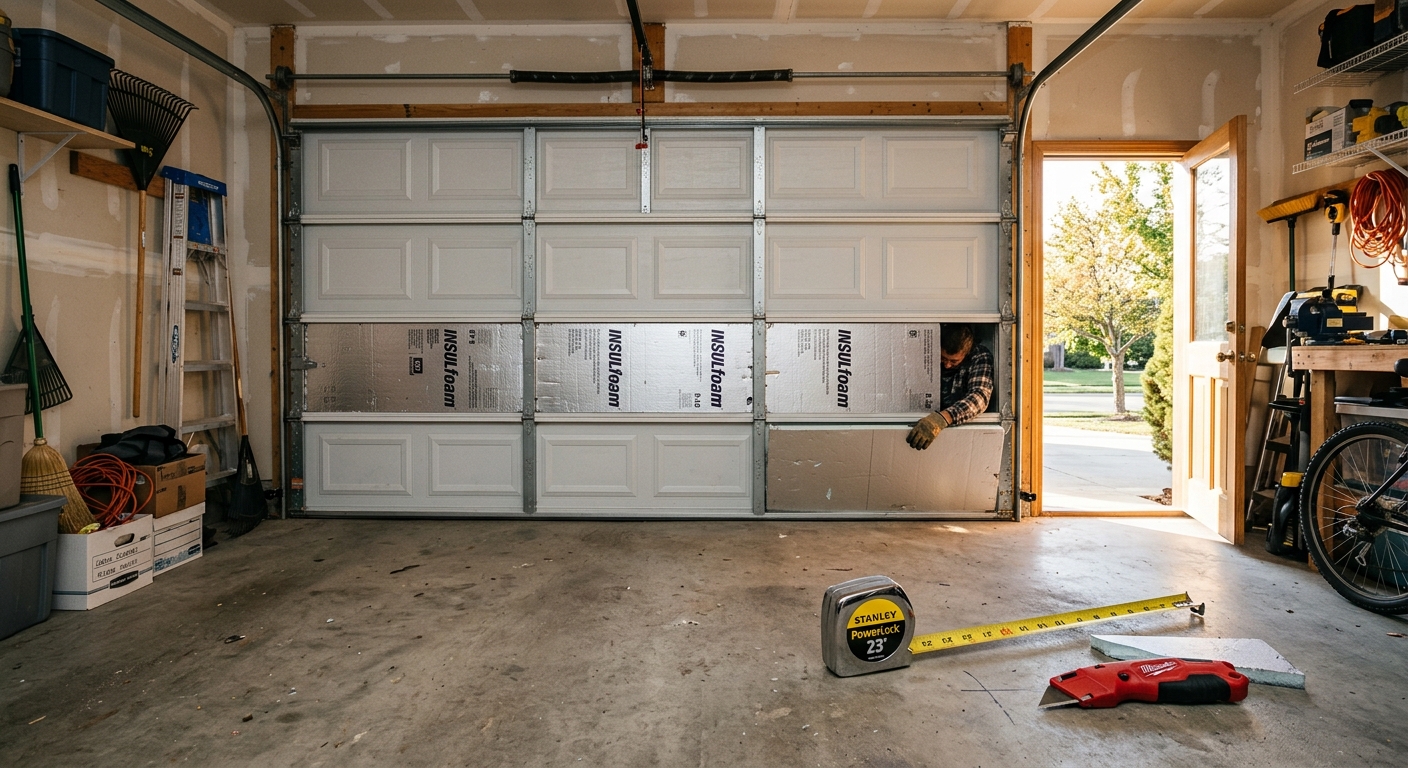
An uninsulated garage door is one of the biggest thermal weak points in your home, letting heat pour in during summer and cold seep in during winter. Add insulation to your garage door this weekend and you can cut garage temperature swings by 20 degrees or more, lower your energy bills, and protect everything stored inside.
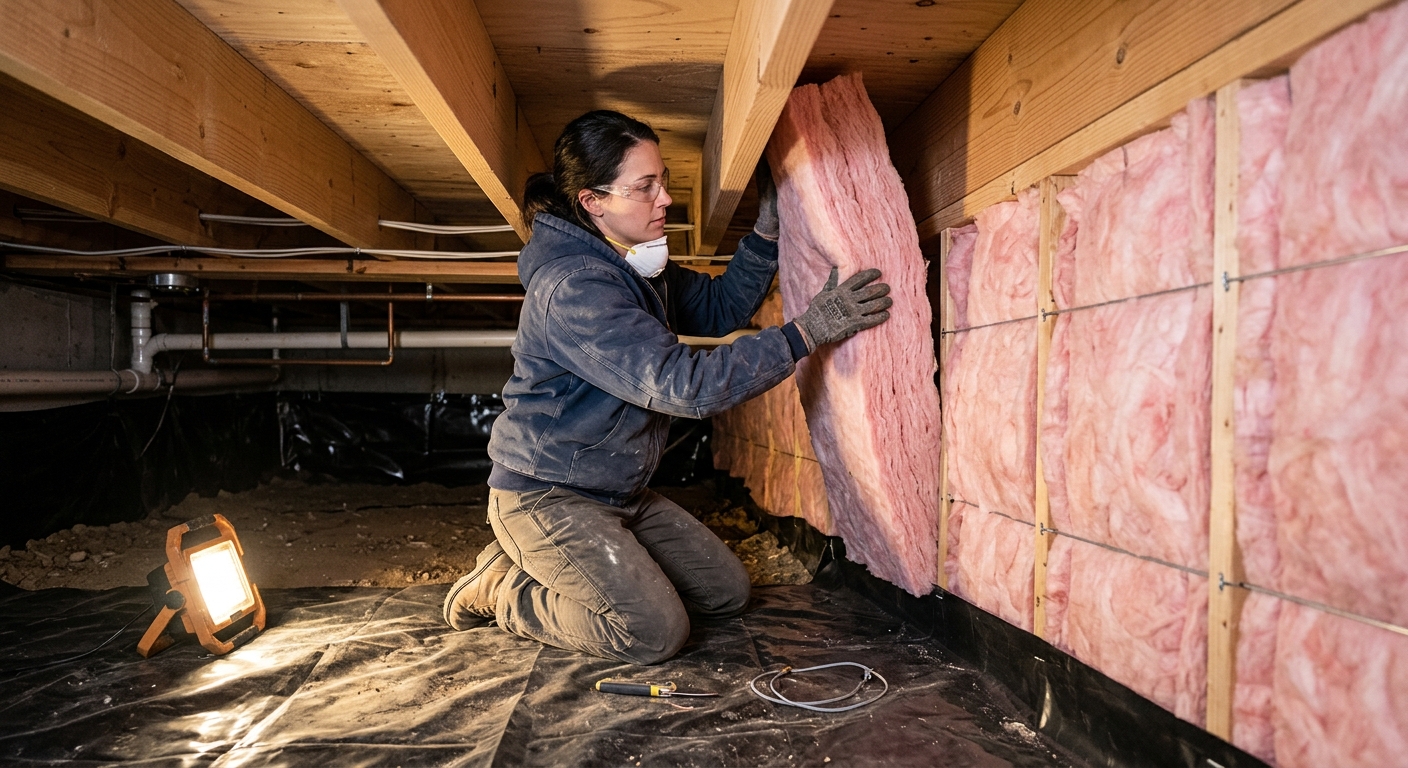
Floors over unheated crawl spaces, garages, and basements are one of the most overlooked sources of heat loss in a home. The right insulation approach can cut heating bills by 10 to 20% and eliminate that cold-floor problem for good.
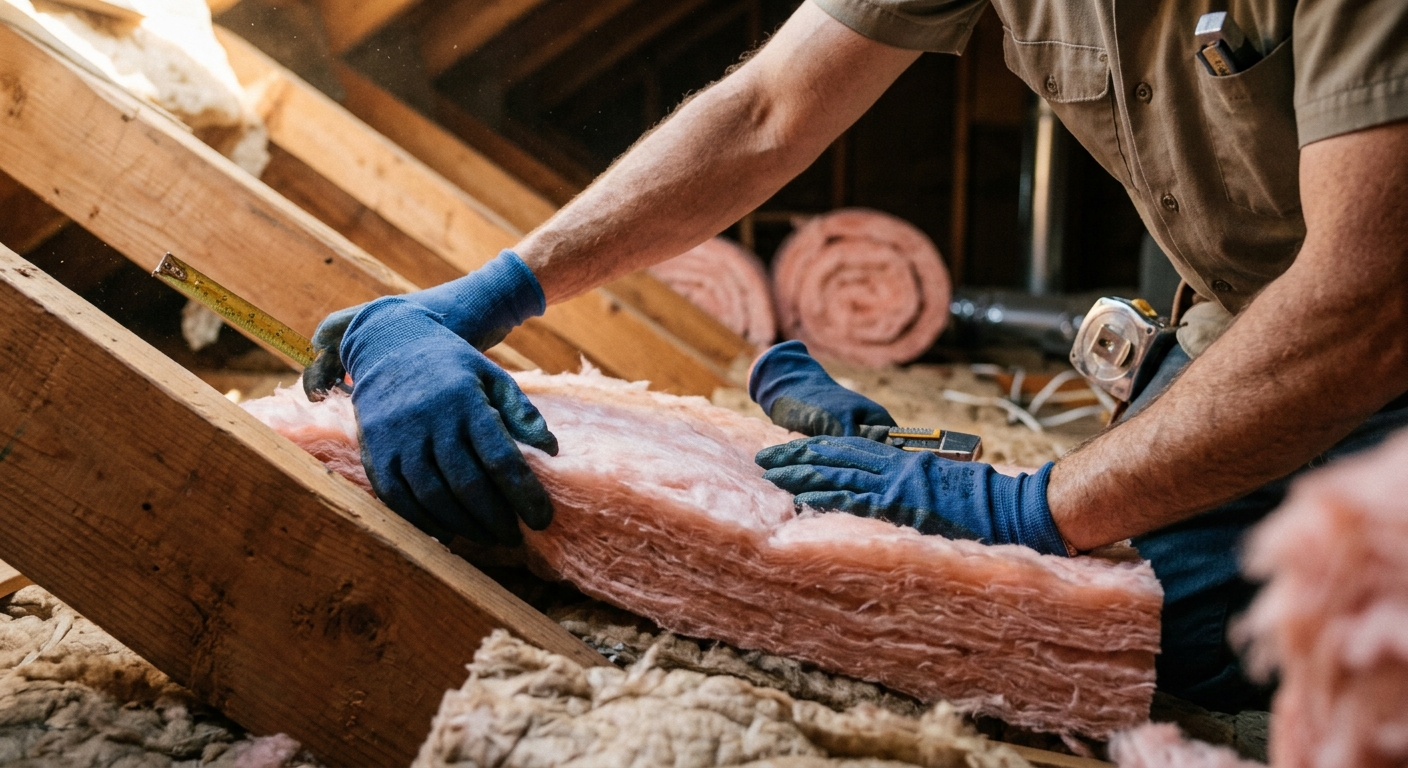
A poorly insulated attic is one of the biggest energy drains in most American homes, quietly adding hundreds of dollars to your heating and cooling bills every year. Upgrading attic insulation to the DOE-recommended R-38 to R-60 is one of the highest-return home improvements you can make, with typical payback periods of 12 to 24 months.
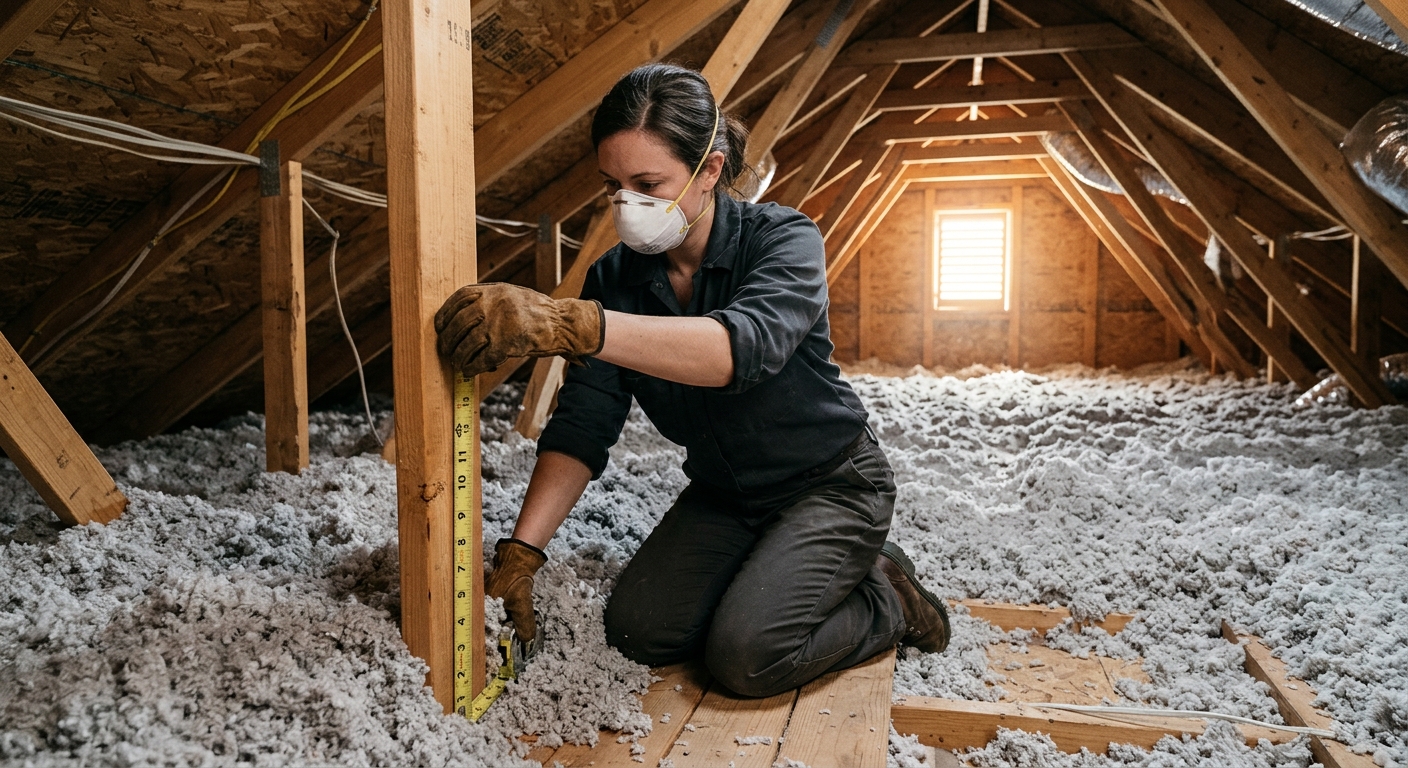
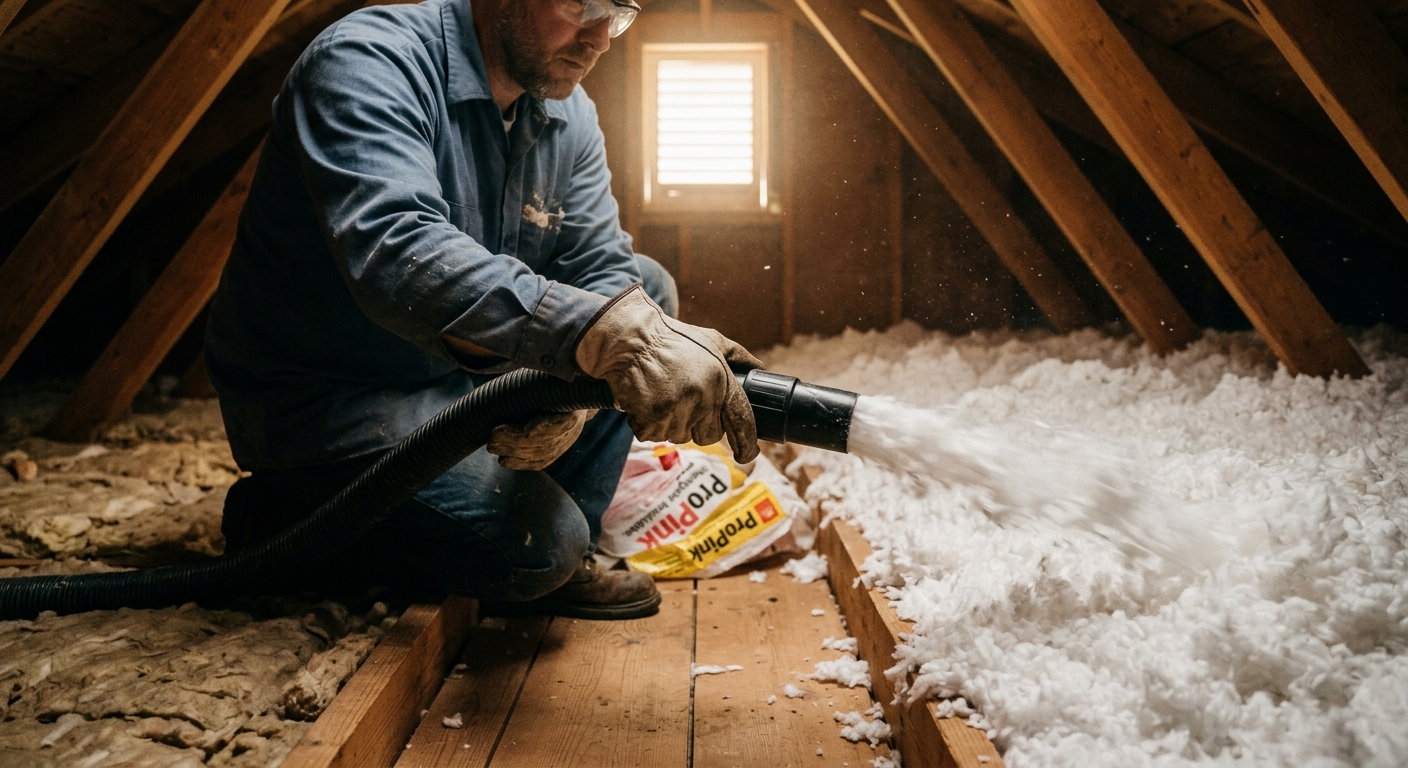
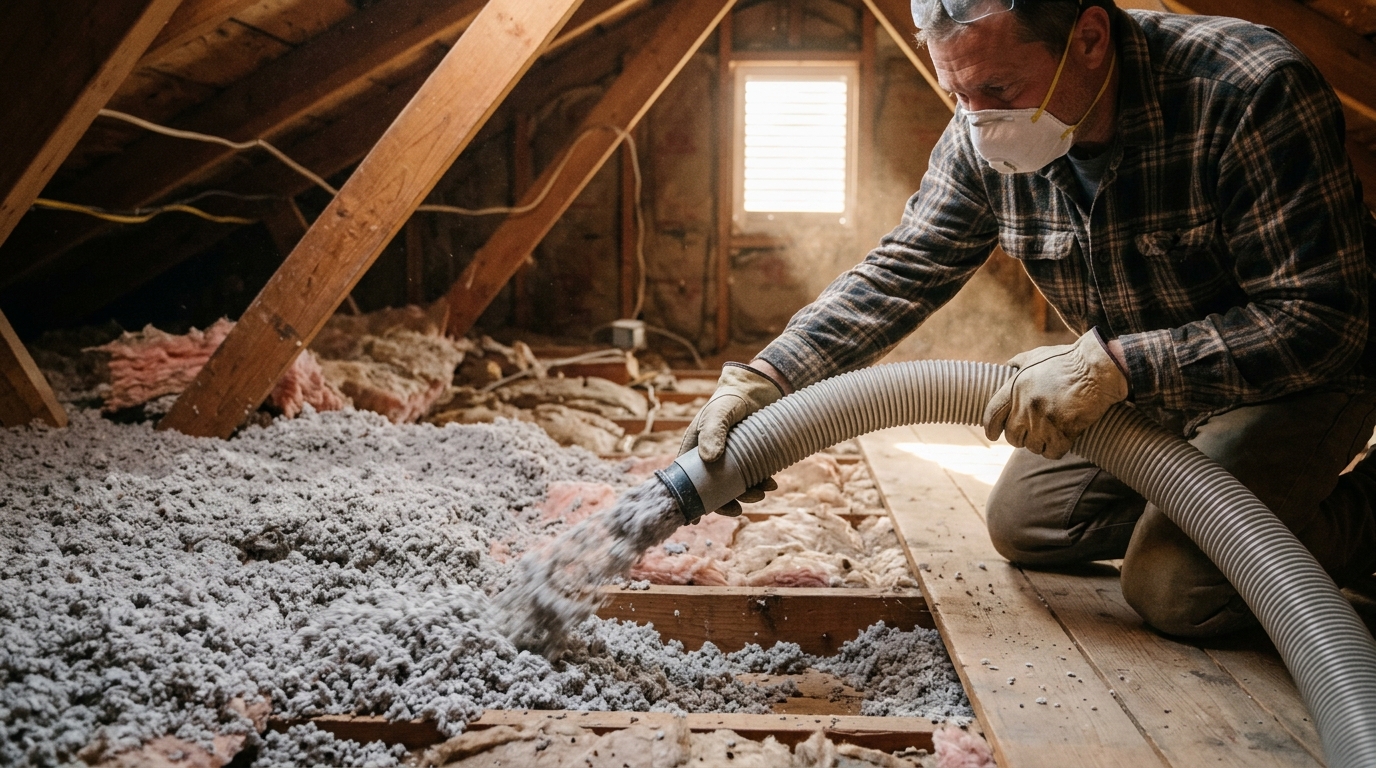
A poorly insulated attic is one of the biggest sources of energy loss in most homes, responsible for up to 25% of total heating and cooling waste. This step-by-step guide walks you through adding blown-in insulation yourself, with real cost numbers, payback timelines, and professional tips to get it right the first time.
Most homeowners waste money insulating the wrong spaces first, leaving the biggest energy leaks untouched. Prioritizing attic insulation before walls or crawl spaces can cut heating and cooling bills by 15 to 25% and pay for itself in as little as 2 years.
Most homeowners have no idea whether their attic insulation is doing its job – and a thin or damaged layer could be costing them hundreds of dollars every heating season. A simple 15-minute inspection tells you exactly what you have, what you need, and how to fix it before the cold arrives.