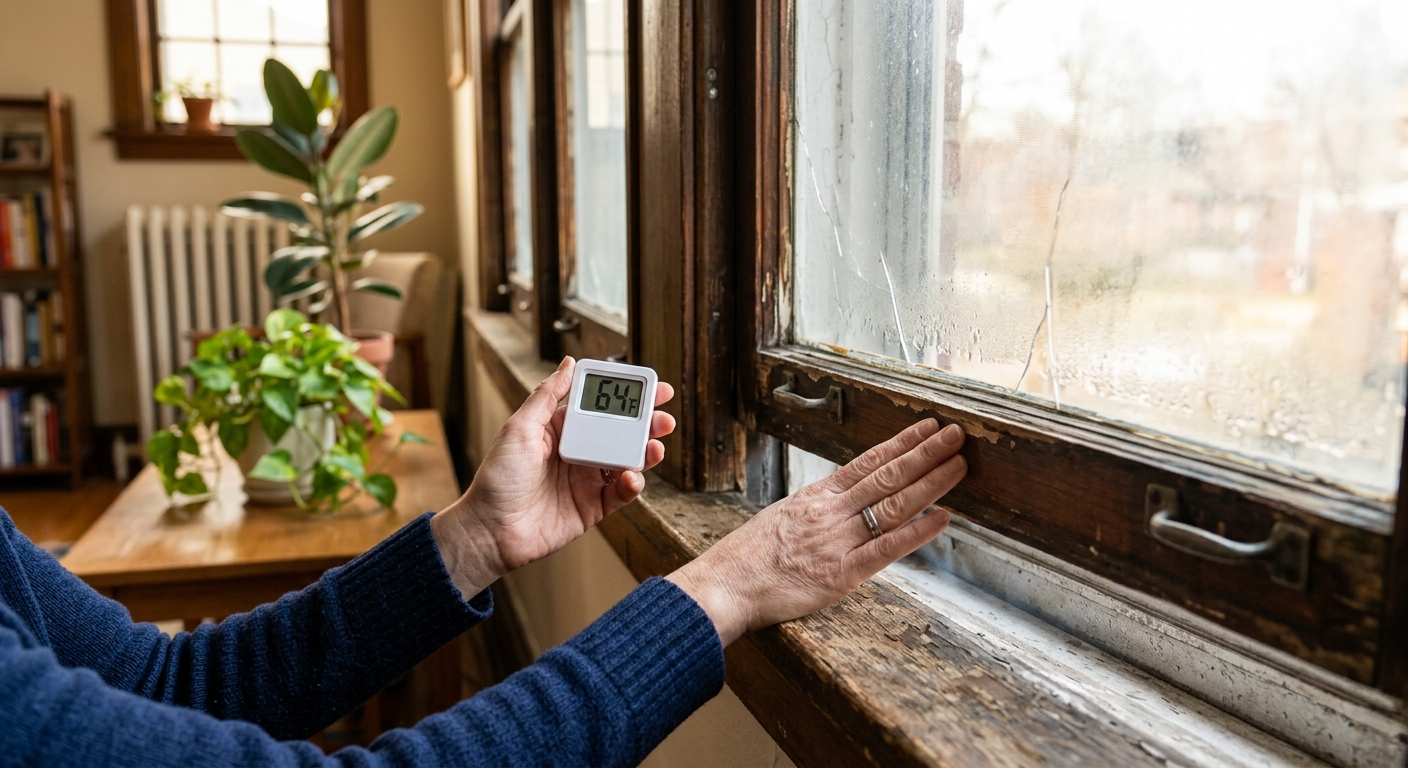
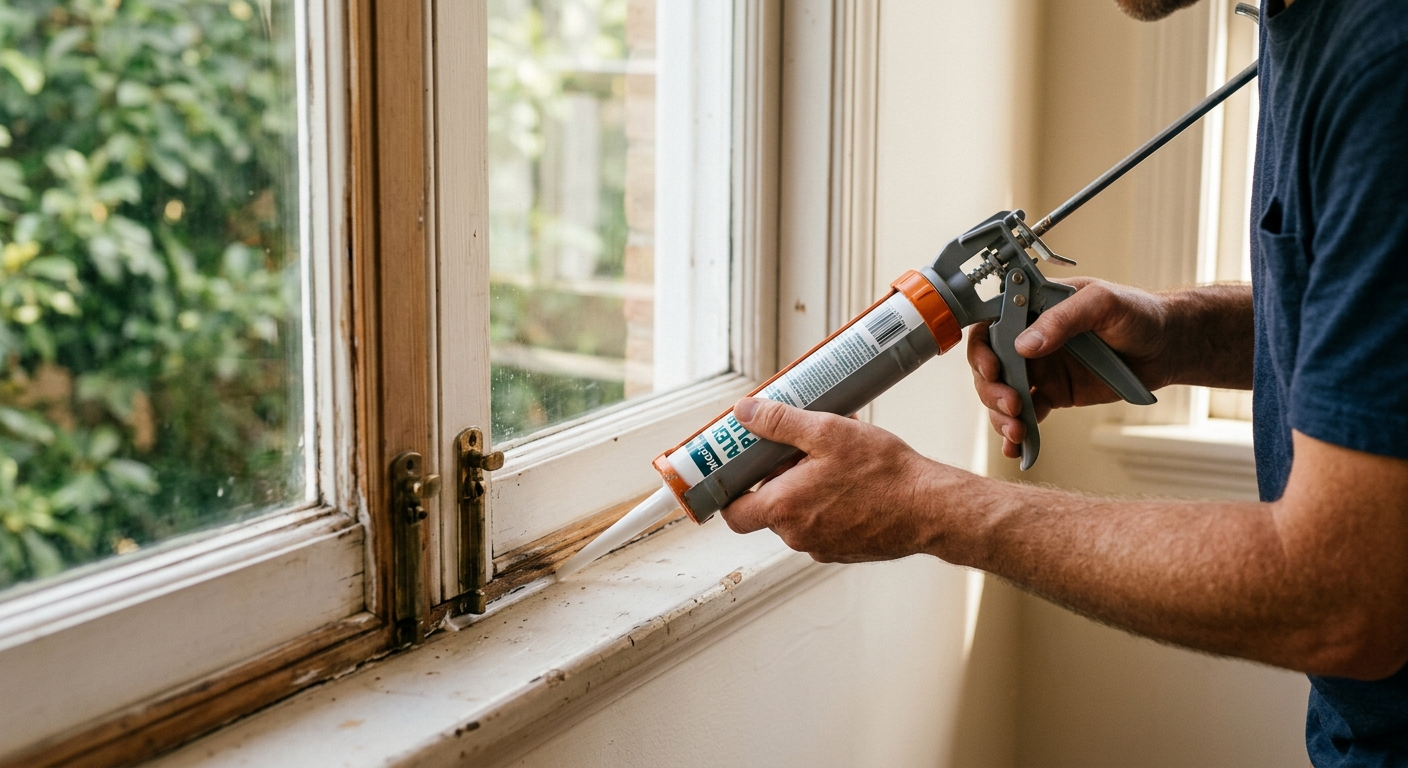
Drafty, single-pane, or poorly sealed windows can quietly add 10 to 25% to your monthly energy bill without you ever noticing. This post breaks down exactly what old windows cost you, how to measure the damage, and what you can do about it today.
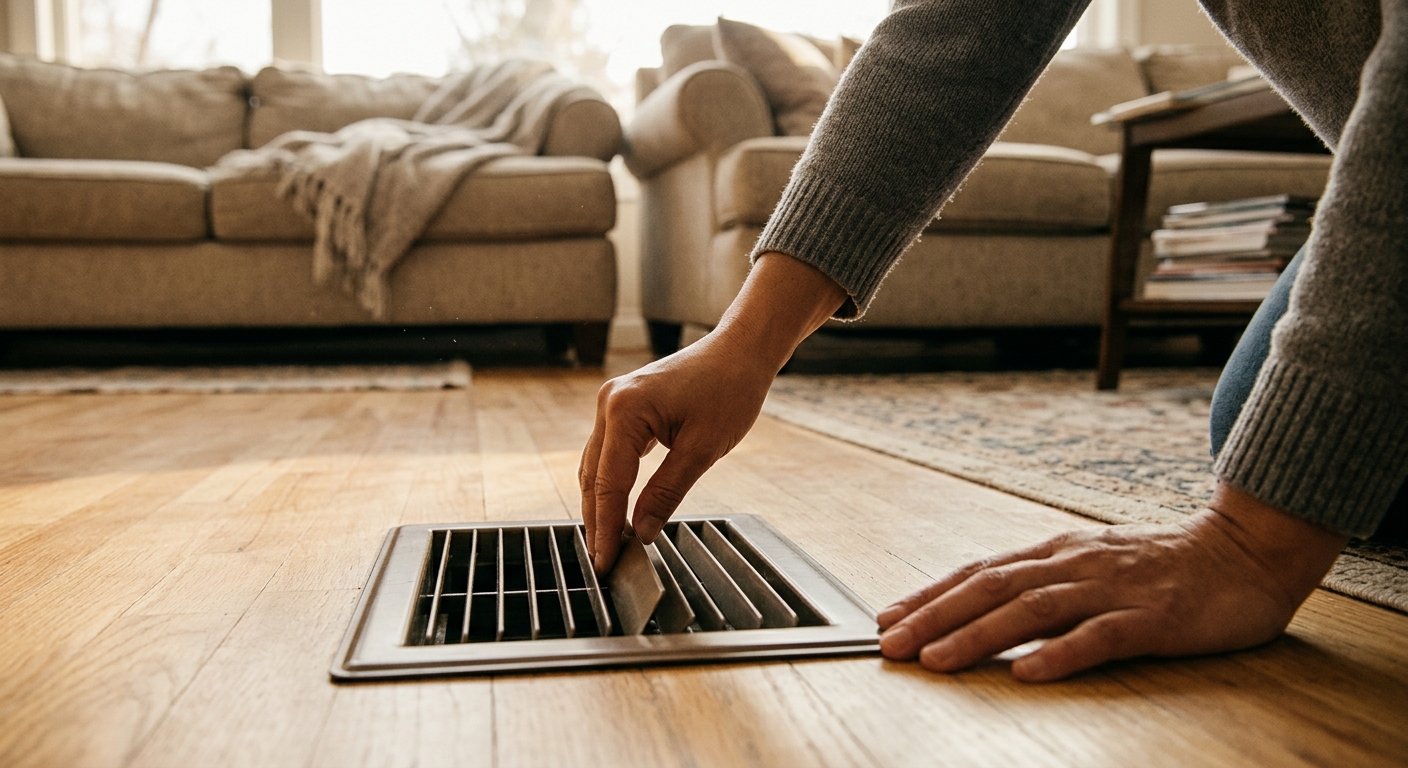
Closing vents in unused rooms seems like a smart way to save energy, but it actually increases pressure in your duct system and forces your HVAC to work harder. Here is what building science says actually works, and the simple fixes that deliver real comfort and savings.
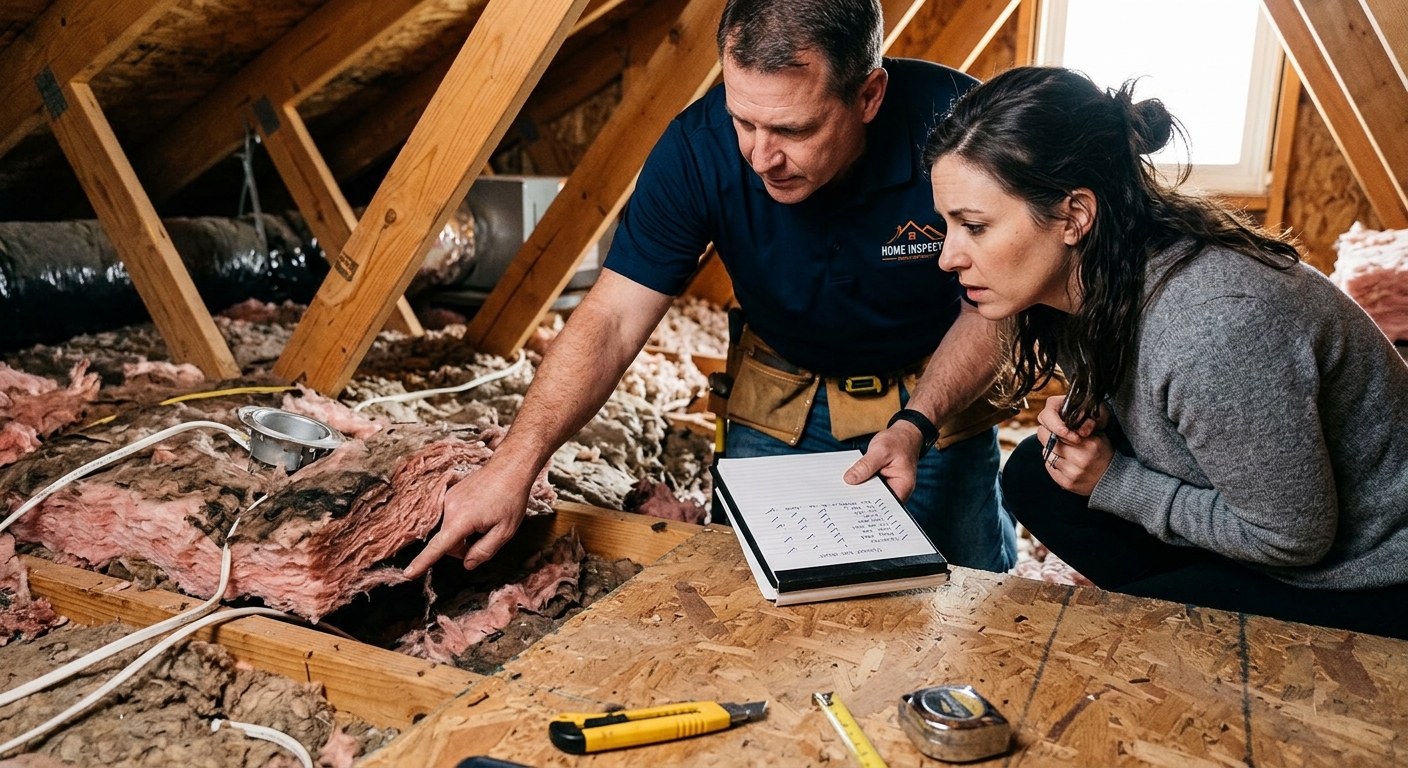
Home inspection reports are dense documents full of jargon, and insulation problems are easy to overlook or misunderstand. This guide shows you exactly how to decode common inspection language, find the issues yourself, and decide what to fix first.
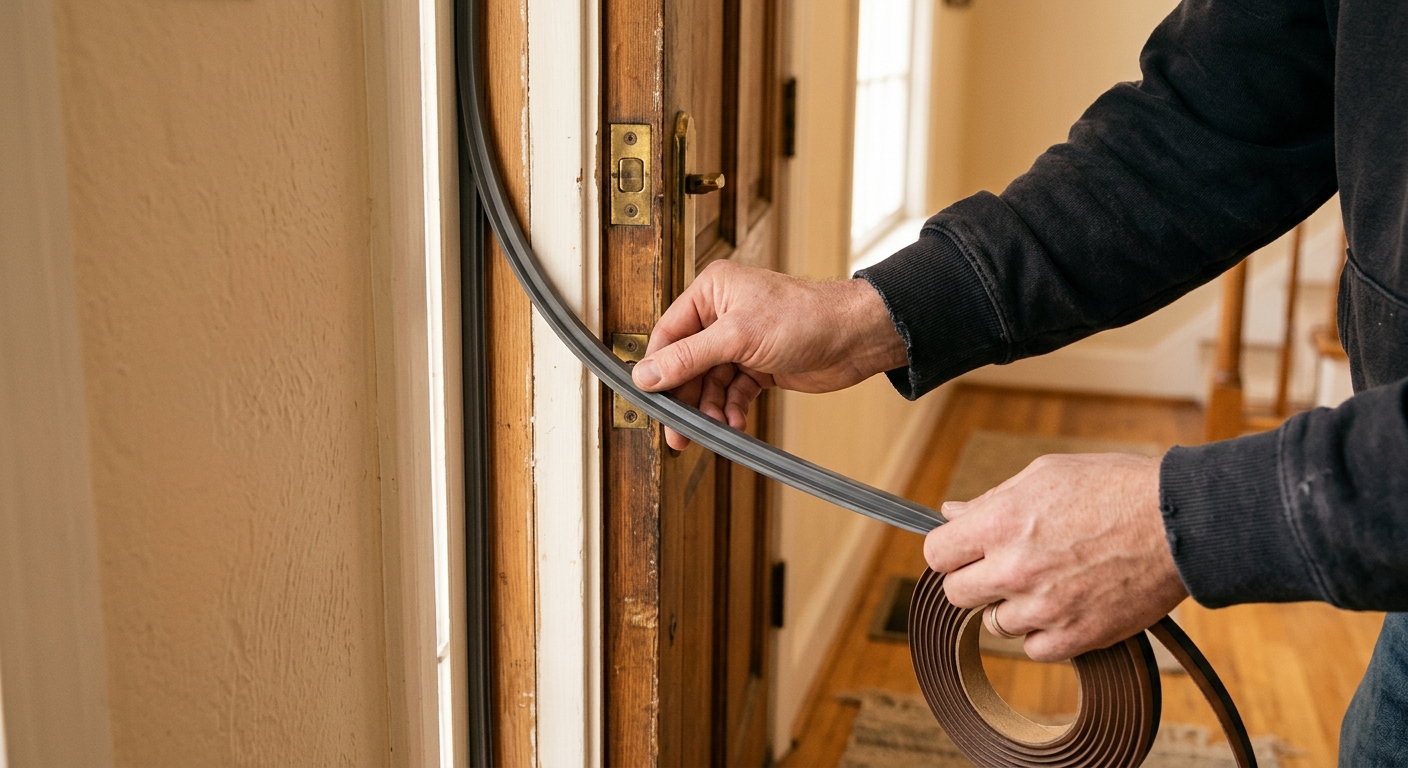
A drafty front door can account for up to 11% of your home’s total air leakage, quietly inflating your heating and cooling bills year-round. Replacing worn weatherstripping takes less than an hour, costs under $30, and delivers immediate, measurable comfort improvements.
Hidden air leaks can account for 25 to 40% of your heating and cooling costs, yet most homeowners have no idea where they are. In a single afternoon, you can track down the worst offenders and seal them for dramatic, lasting savings.
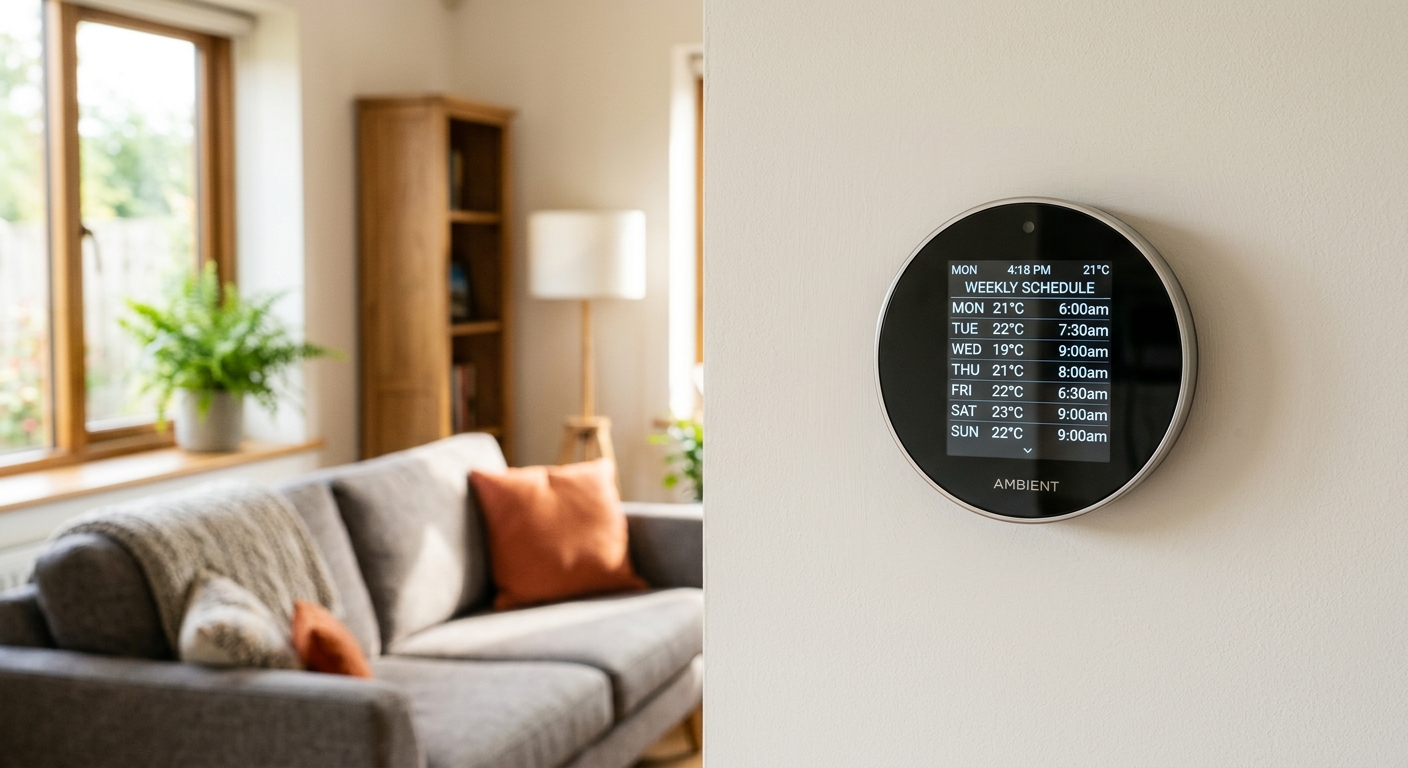
Millions of homeowners have programmable thermostats but still overpay for heating and cooling because the schedules are wrong, the setbacks are too small, or the equipment is fighting against the settings. Getting your thermostat programmed correctly can cut 10 to 15 percent off your annual HVAC bill with zero additional hardware.
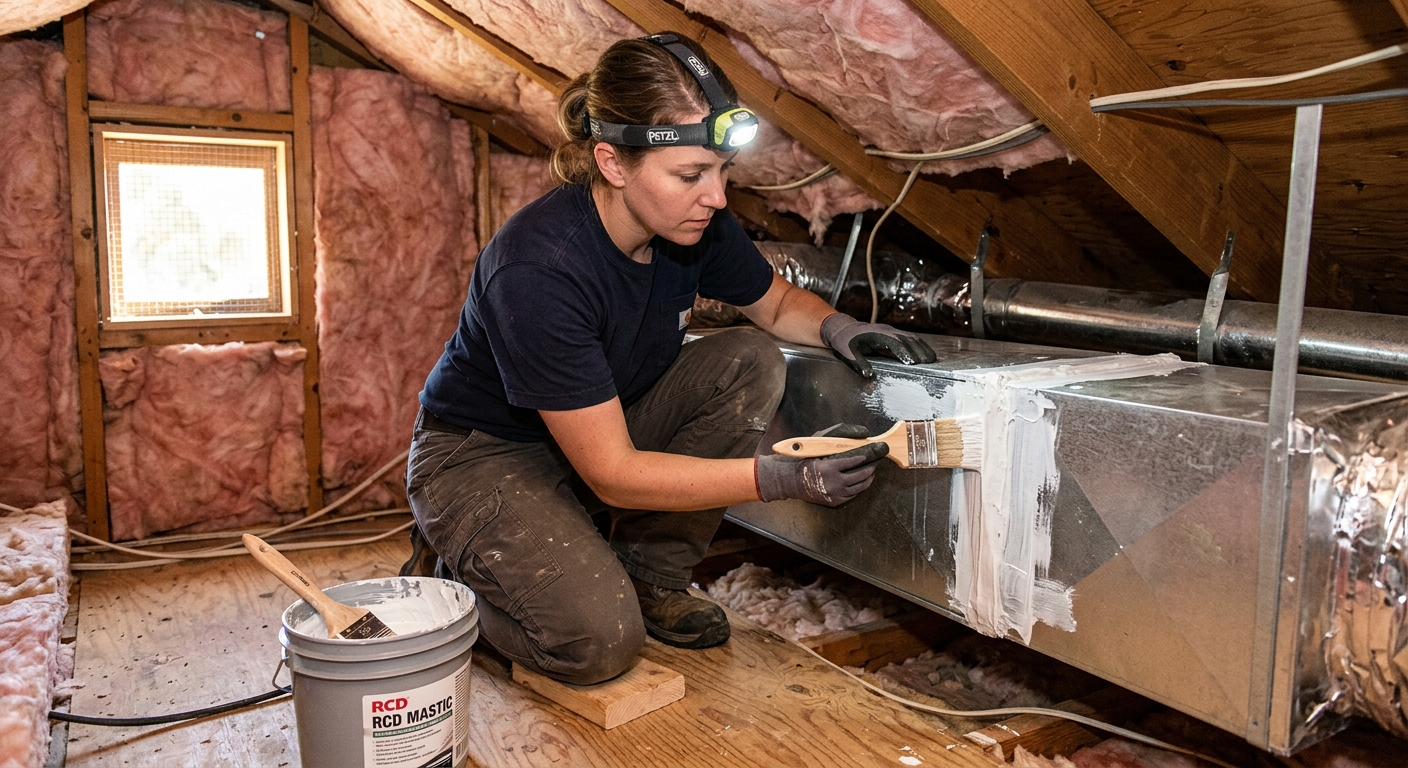
Most homeowners blame their HVAC system when energy bills spike, but the real culprit is often hiding in the attic or crawlspace: leaky ductwork. Sealing duct leaks can recover 20 to 30% of your heating and cooling energy, often for less than $100 in materials.
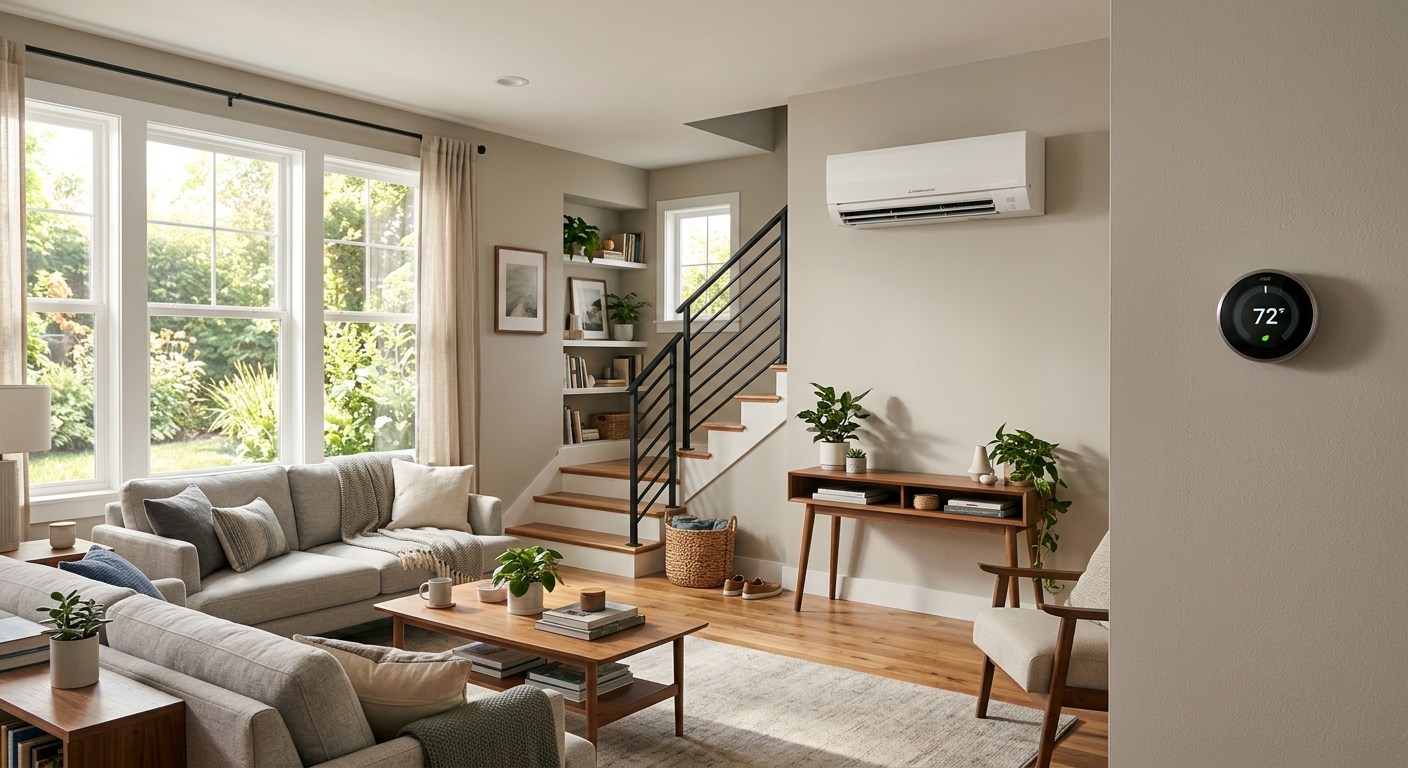
Uneven temperatures and wasted energy from heating or cooling empty rooms drain comfort and money from millions of homeowners. An HVAC zoning system can solve both problems, but the cost and payback period vary widely depending on your home and approach.
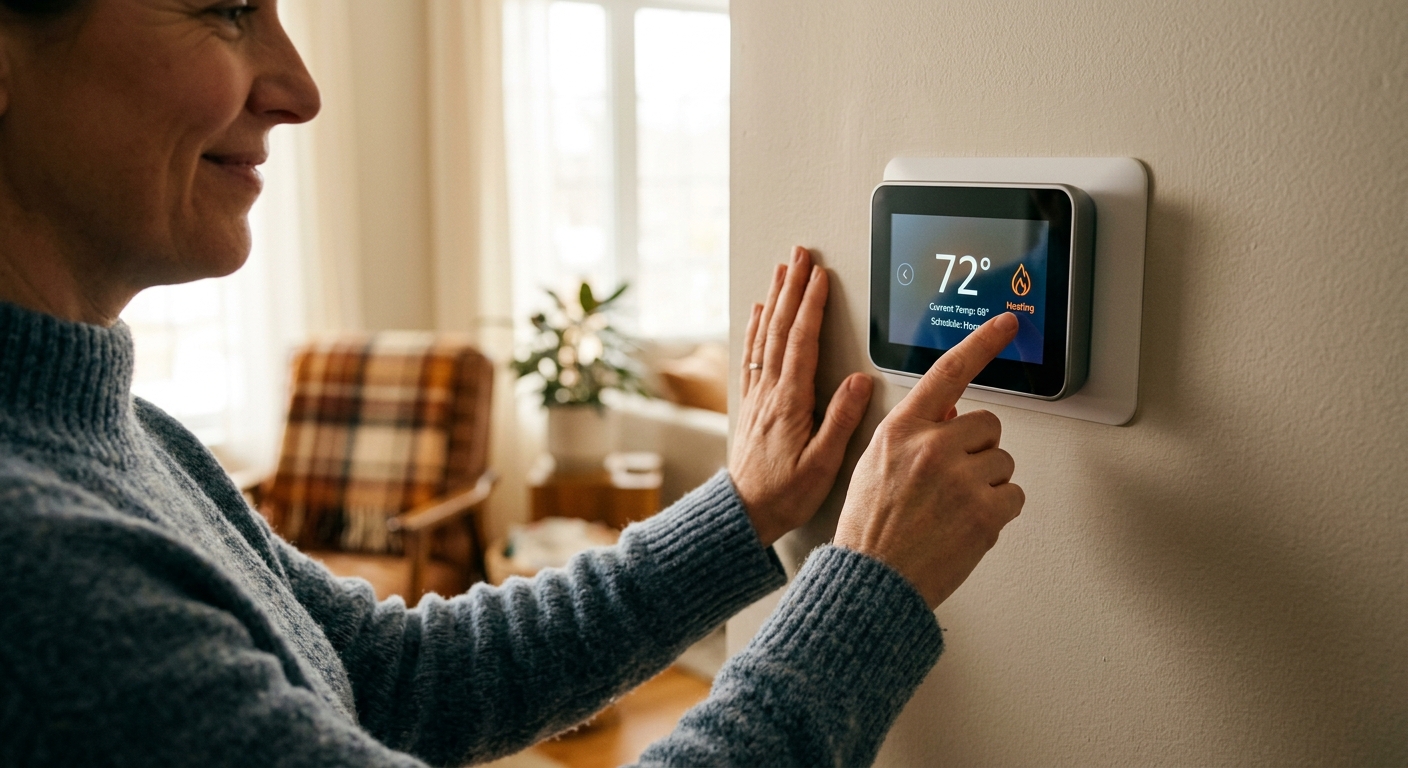
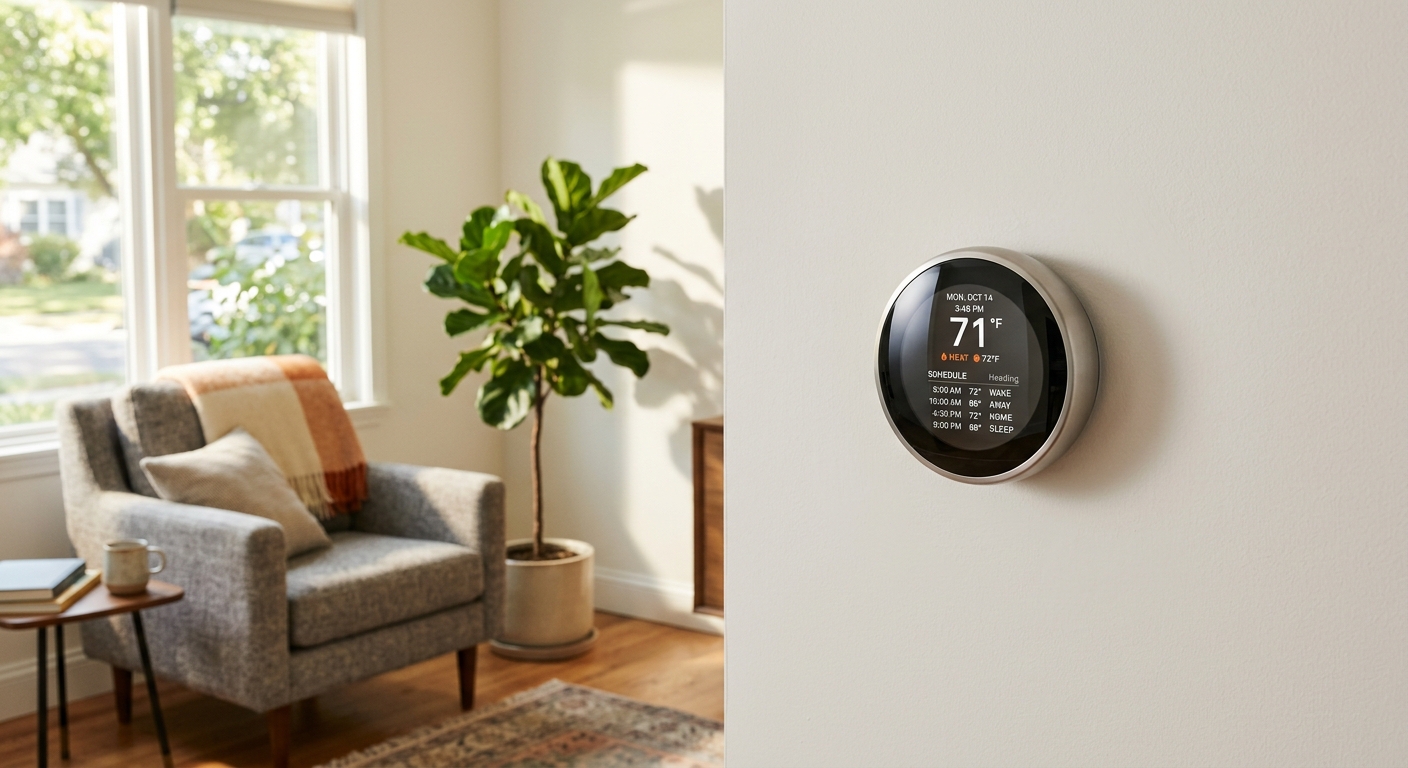
Most homeowners set their thermostat once and forget it, leaving hundreds of dollars a year on the table. A $150 smart thermostat can pay for itself in under a year while making every room feel more consistently comfortable.
Many homeowners assume their manual thermostat is fine, but leaving it at one temperature all day quietly inflates energy bills. A programmable or smart thermostat pays for itself in under a year for most households, and the math is straightforward once you see it.