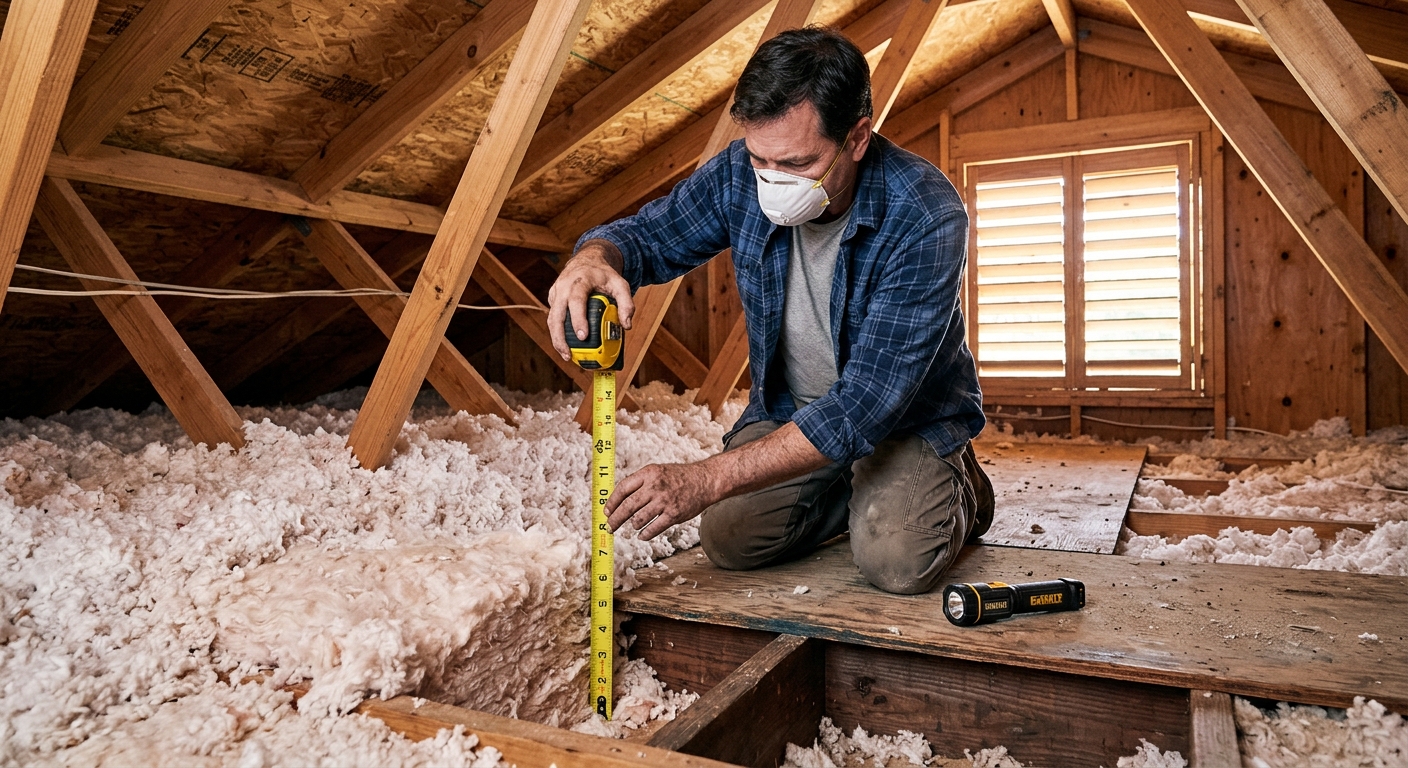
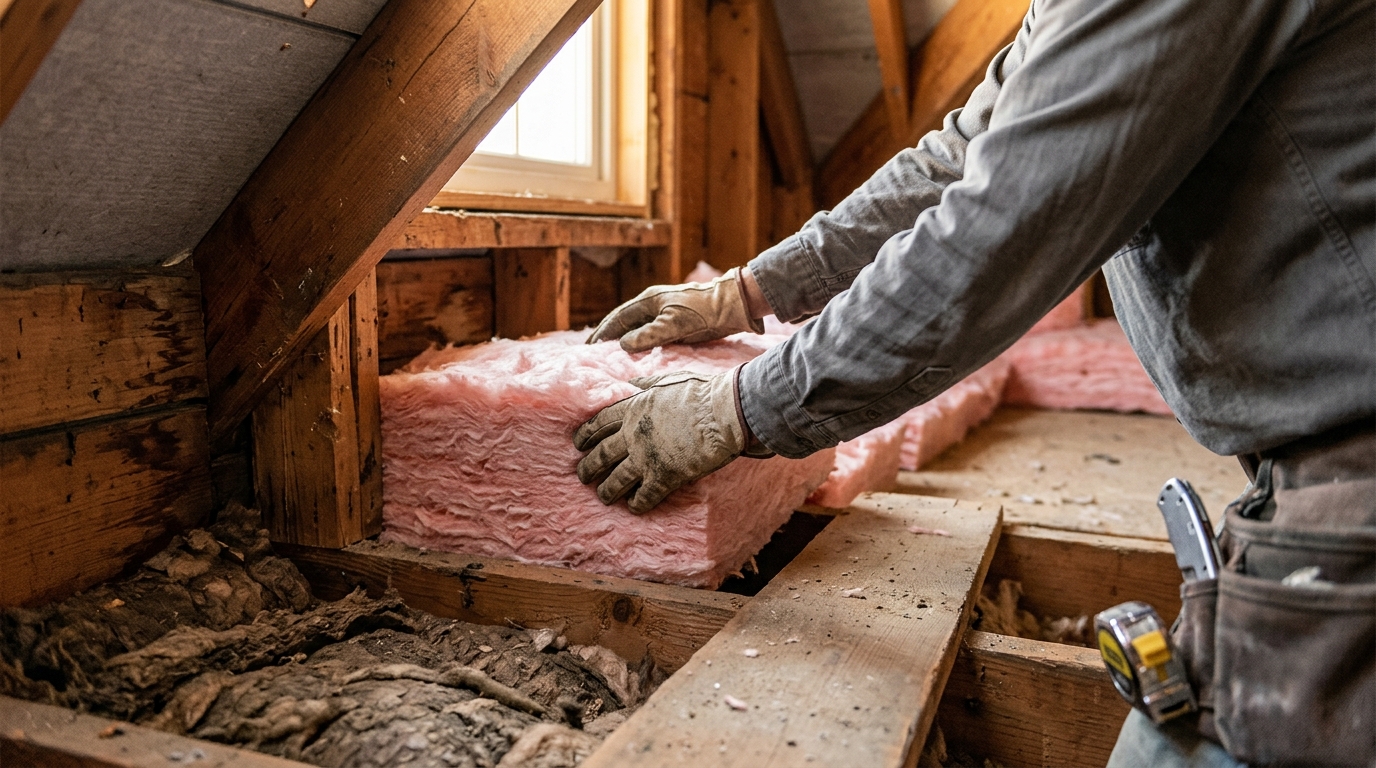
Most homeowners have no idea whether their attic insulation is doing its job – and a thin or damaged layer could be costing them hundreds of dollars every heating season. A simple 15-minute inspection tells you exactly what you have, what you need, and how to fix it before the cold arrives.
In humid climates, the wrong insulation can trap moisture, grow mold, and cost you thousands in repairs. Choosing materials designed to handle heat and humidity protects your home and keeps cooling bills in check.
Most homeowners never think about their attic until there’s a leak or a pest problem, but that unfinished space above your ceiling is likely costing you hundreds of dollars a year in wasted energy. Understanding how heat moves through your attic, and sealing it properly, can cut heating and cooling bills by 15 to 30 percent.
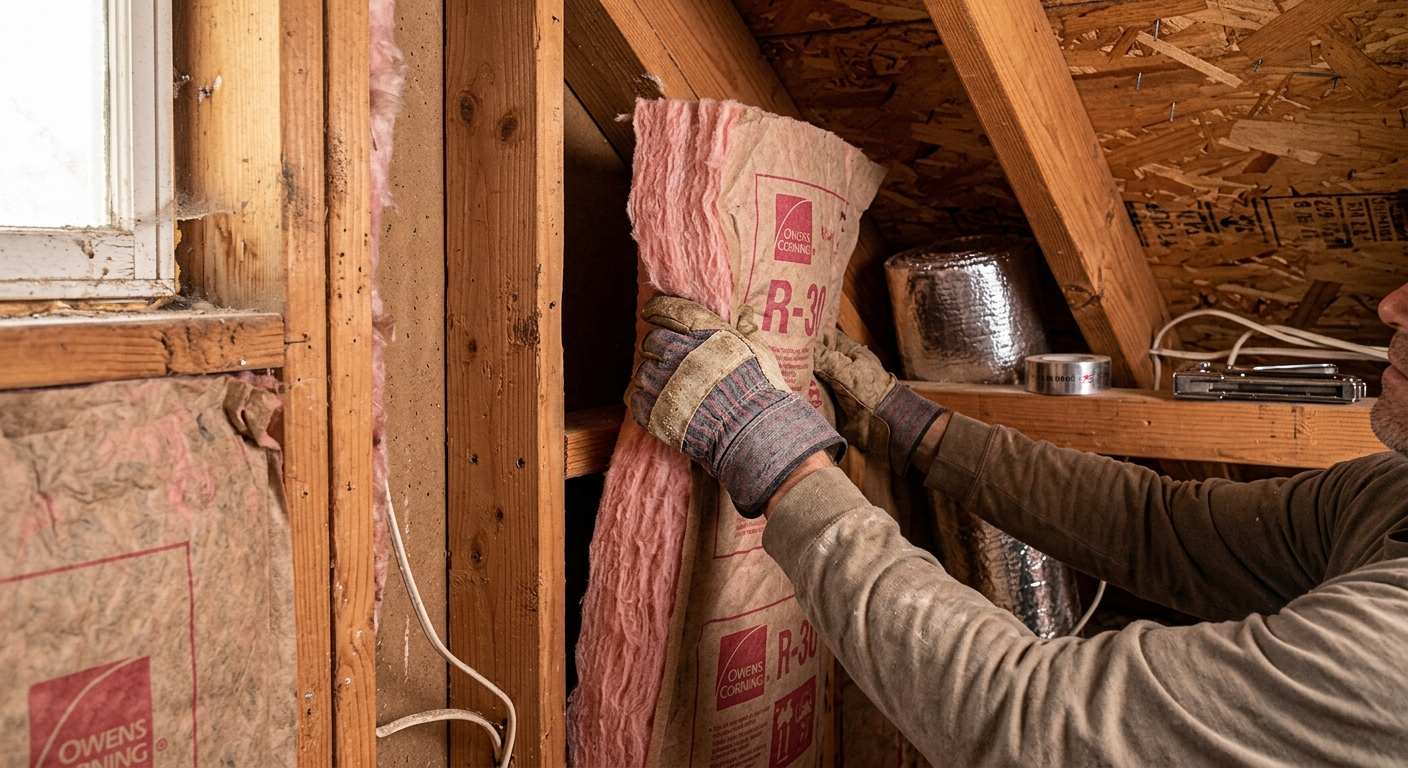
Not all insulation is created equal, and choosing the wrong type can mean replacing it in 10 to 15 years instead of never. This guide breaks down the lifespan, performance, and hidden pitfalls of every major insulation material so you can invest once and insulate right.
Most American homes are significantly under-insulated, quietly adding hundreds of dollars to heating and cooling bills every year. Targeting the right spots with the right materials can deliver 15 to 30% savings on energy costs with payback periods well under three years.
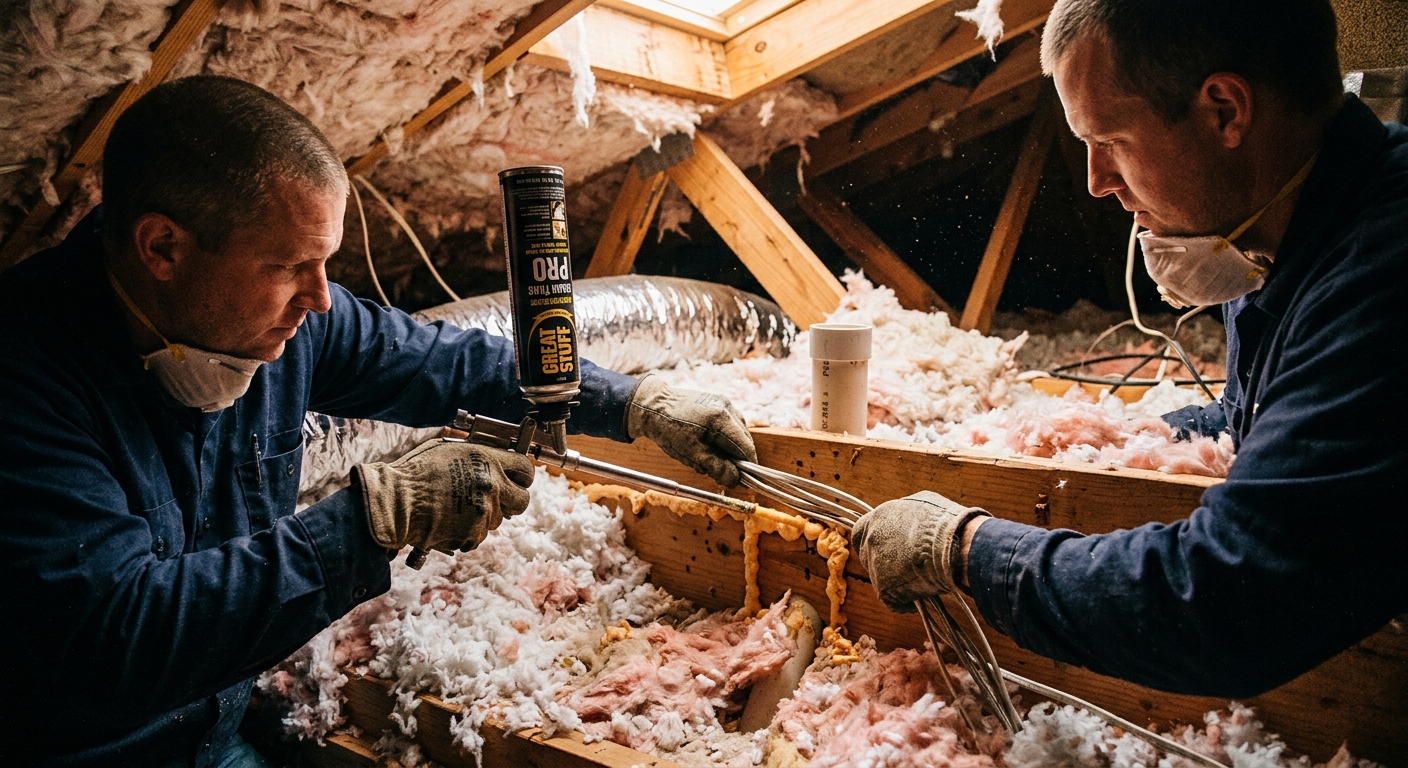
Most homeowners treat air sealing and insulation as separate projects, but doing them together is where the real savings happen. When you seal the leaks first and then add insulation on top, you can cut heating and cooling costs by 30 to 40% compared to either approach alone.
Not all insulation projects are created equal, and tackling the wrong one yourself can cost more than hiring a pro from the start. This guide breaks down exactly which jobs a motivated homeowner can handle safely and which ones require licensed expertise.
Most homeowners blame the thermostat when cooling bills spike, but the real culprits are hidden heat sources and air leaks that force your AC to work overtime. By tackling insulation, shade, and air sealing, you can cut summer cooling costs by $25 to $40 a month without ever adjusting the temperature setting.
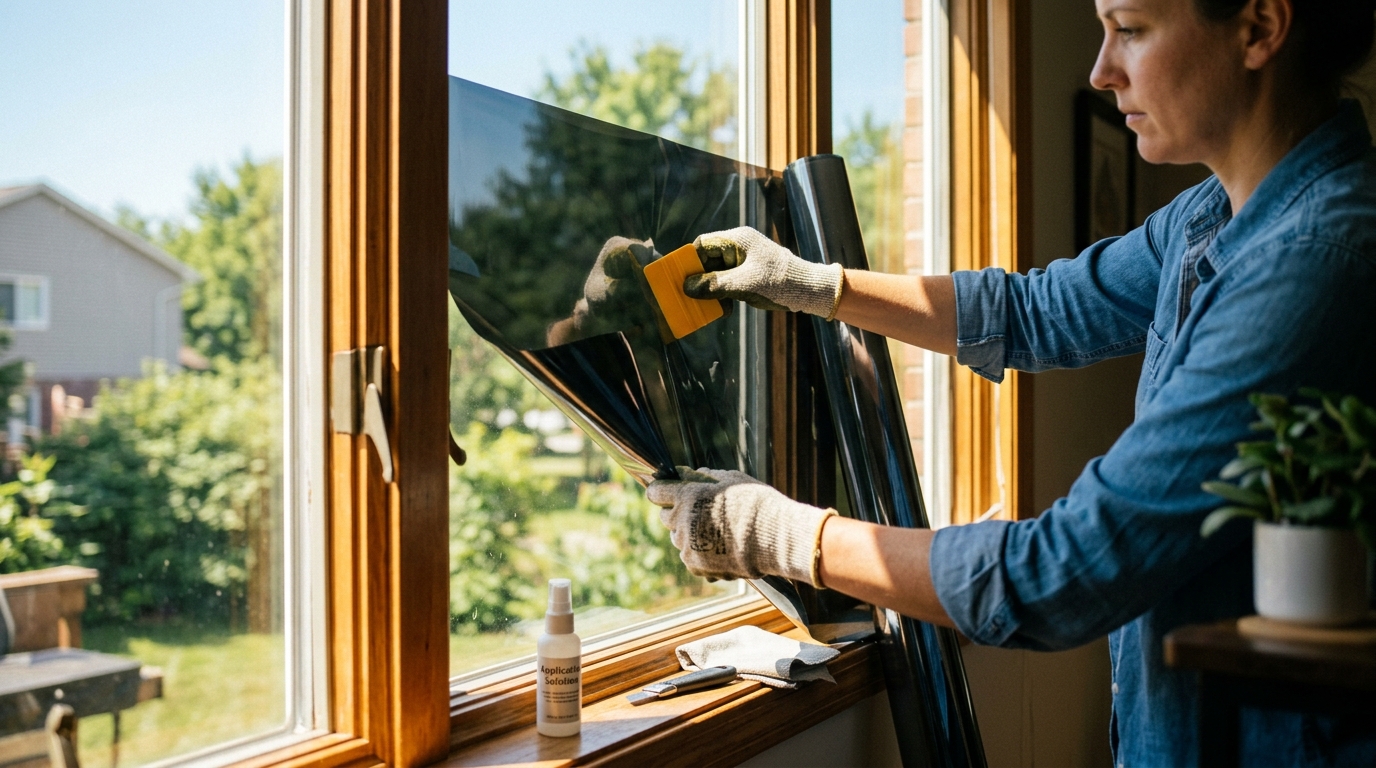
Solar heat gain through windows and roofs is responsible for up to 40% of unwanted heat in a typical home during summer. The right combination of shading, window treatments, and attic upgrades can cut your cooling bills by 20 to 40% without replacing your AC.
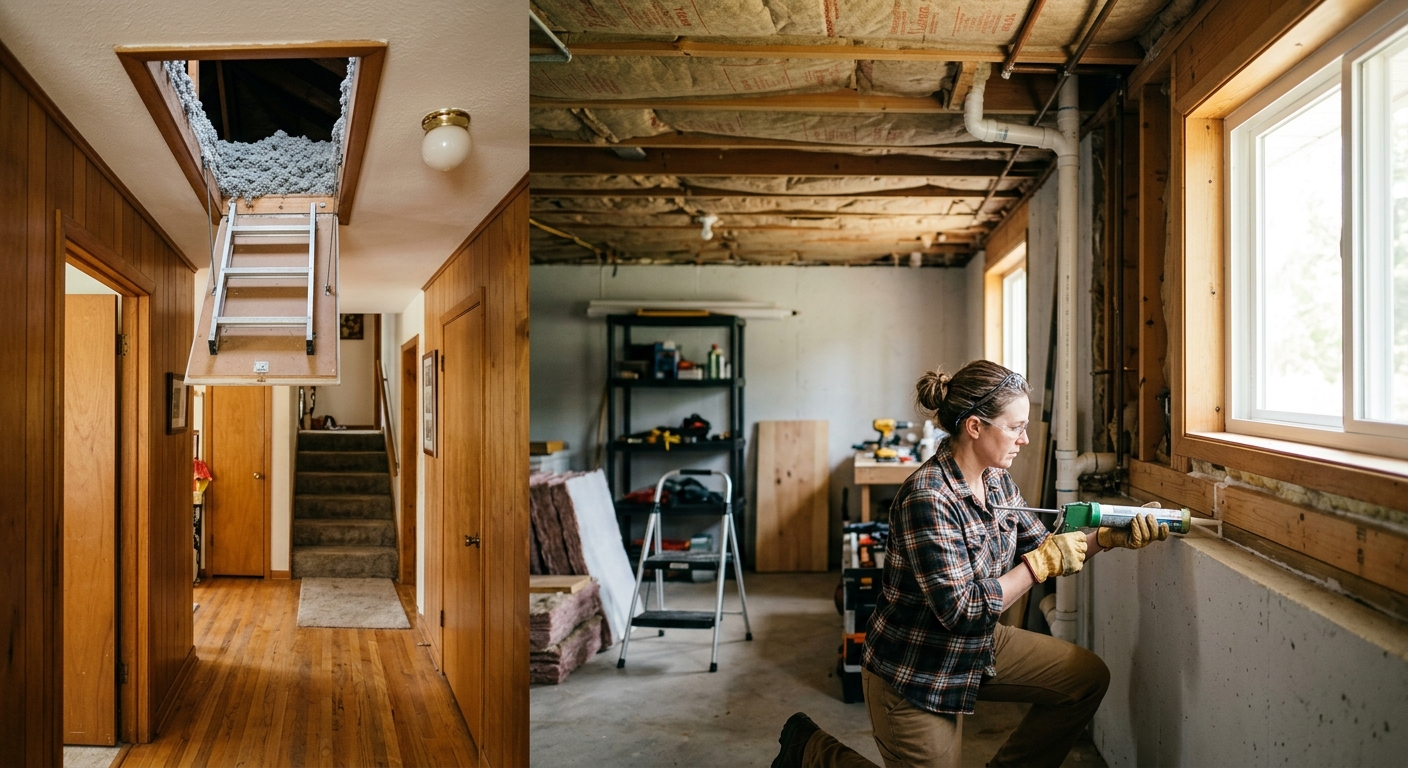
Homes built in the 1970s were constructed before modern energy codes existed, leaving them with thin insulation, drafty framing, and outdated systems that cost homeowners hundreds of dollars extra every year. With a strategic series of upgrades, you can close most of that efficiency gap and reach near-new-build performance without a gut renovation.