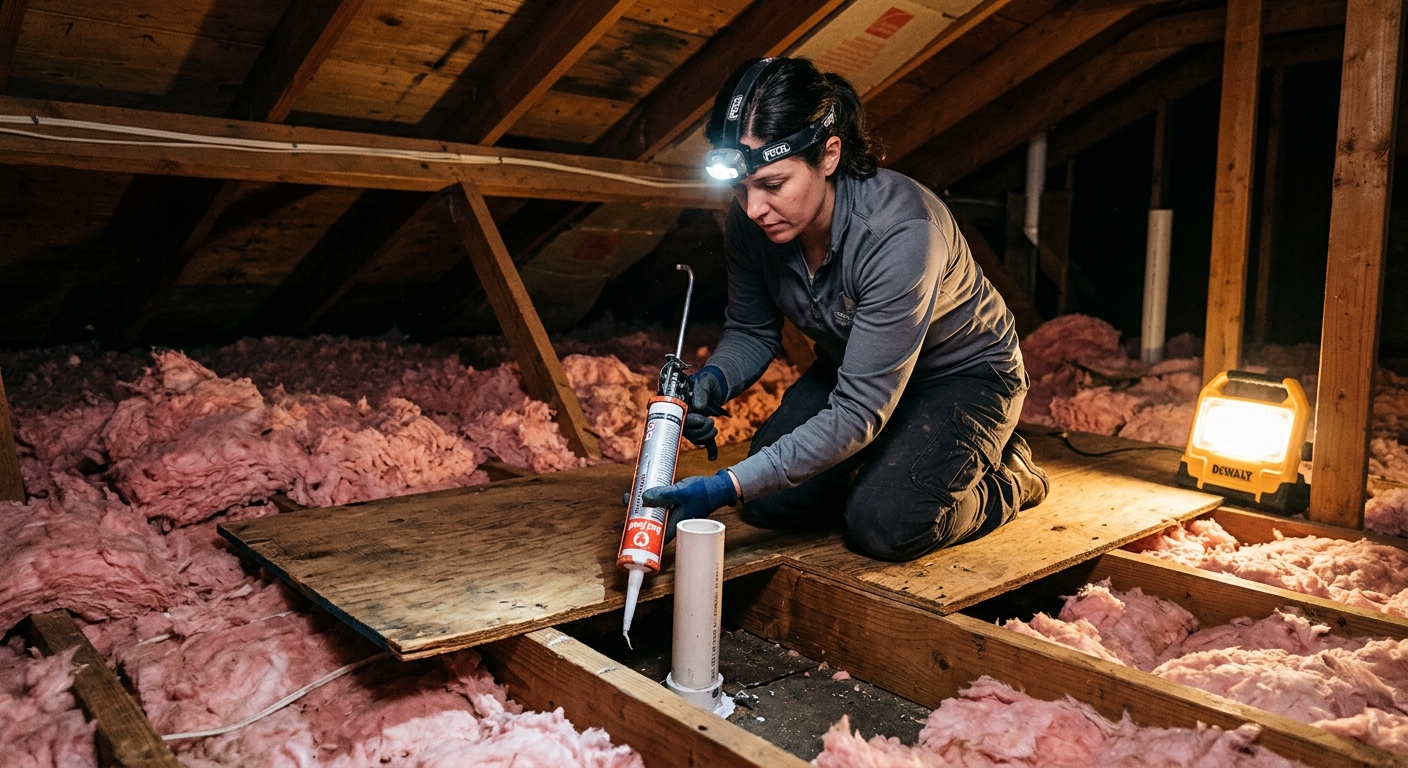
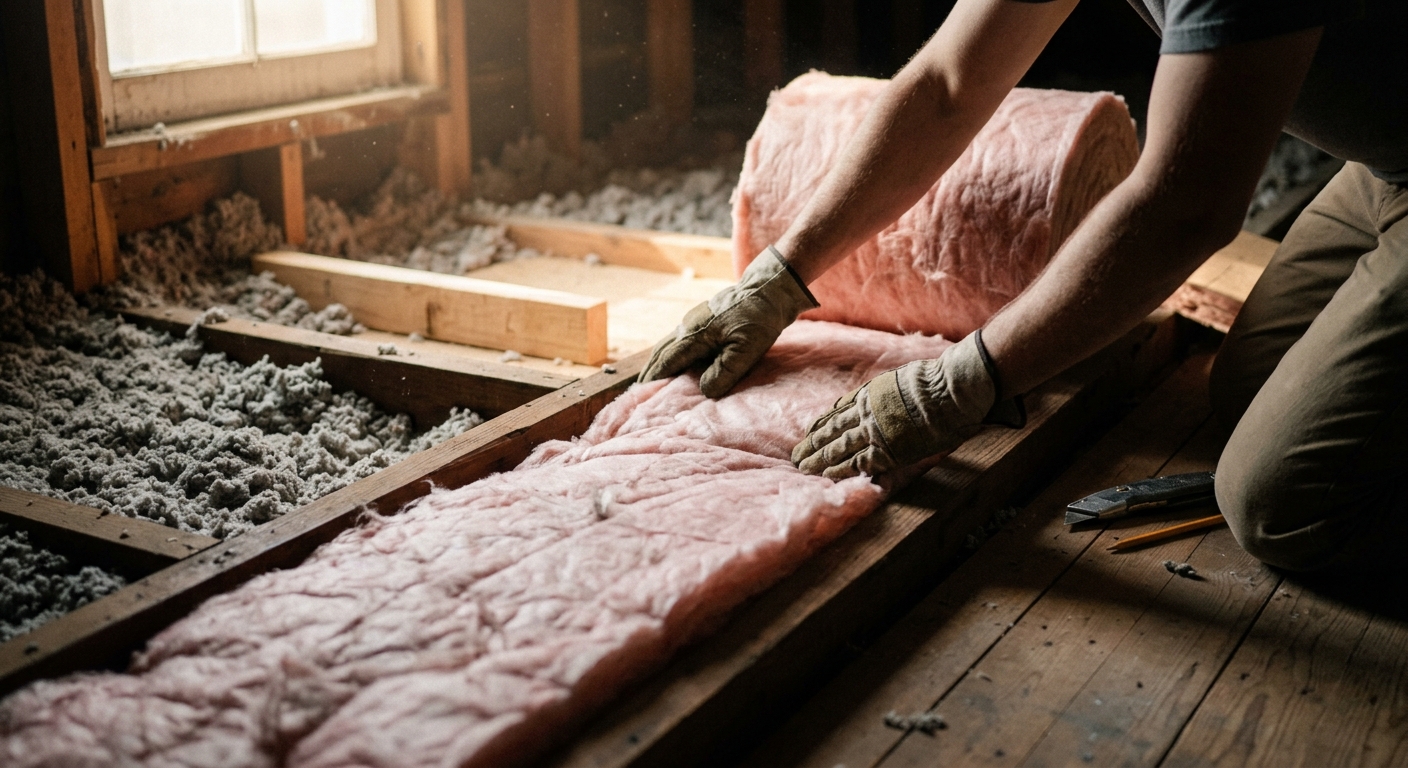
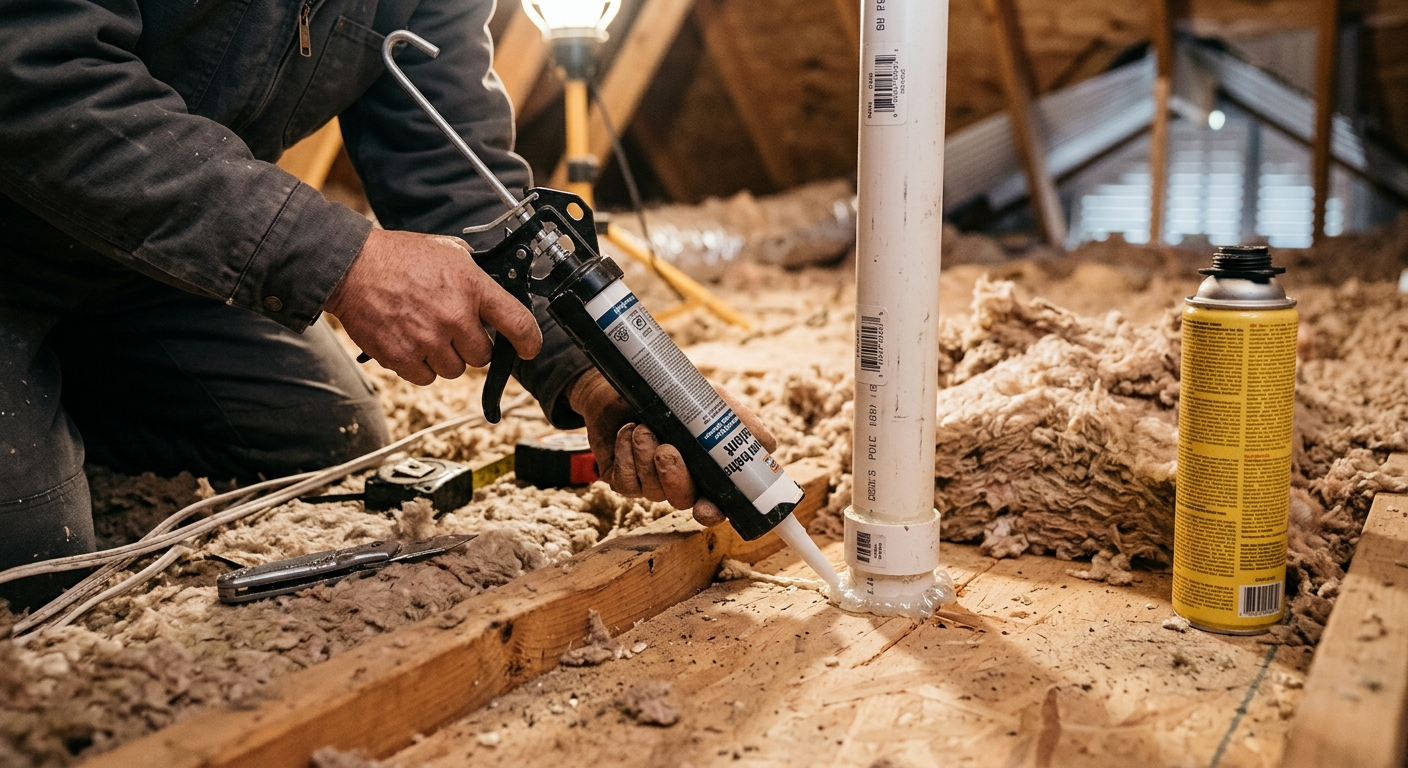
Most homeowners insulate their attics and call it done, but hidden air pathways called attic bypasses can cancel out much of that insulation’s benefit. Sealing these gaps before adding insulation is the single most impactful thing you can do to lower heating and cooling bills.
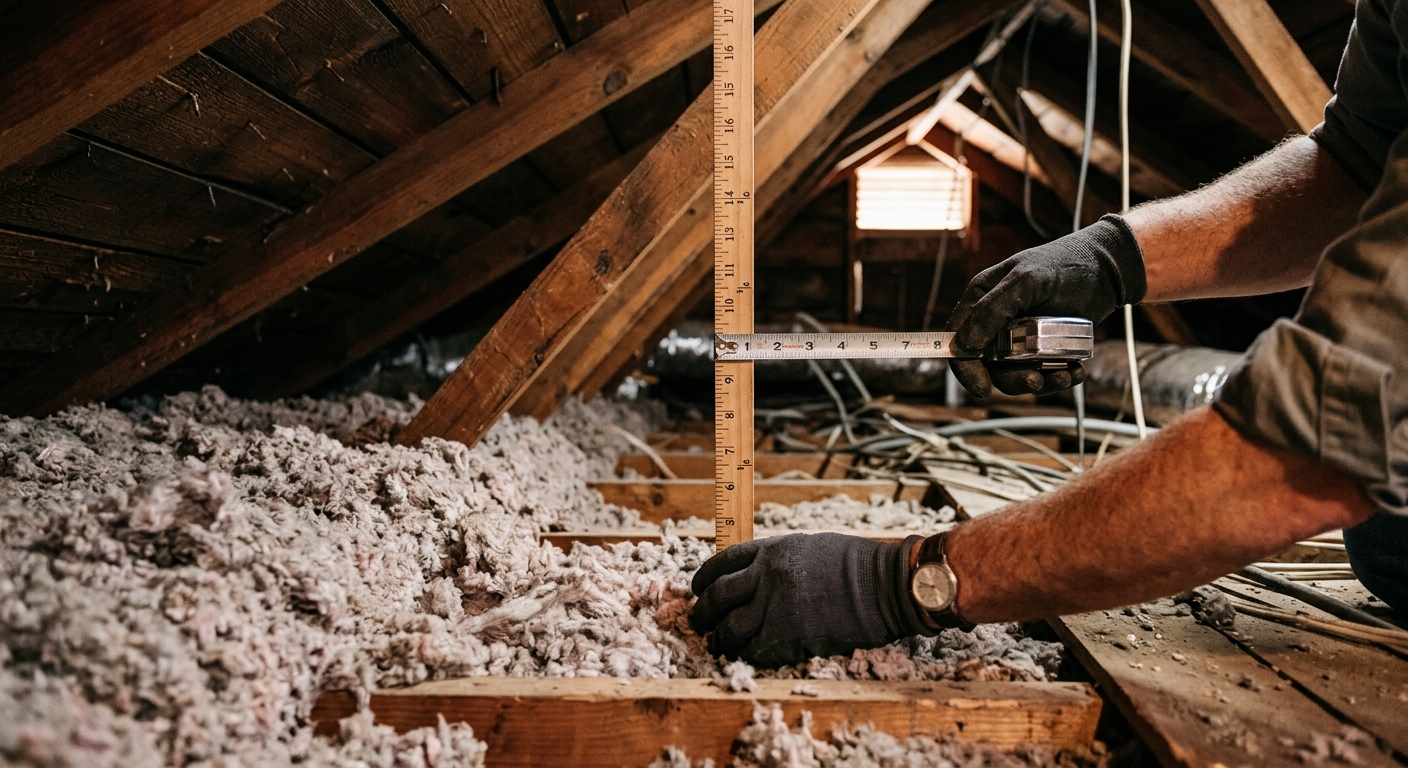
Most homeowners assume their attic insulation is fine until they see a sky-high energy bill or feel uncomfortable rooms. Here is how to test it yourself in under an hour and know exactly what action to take next.
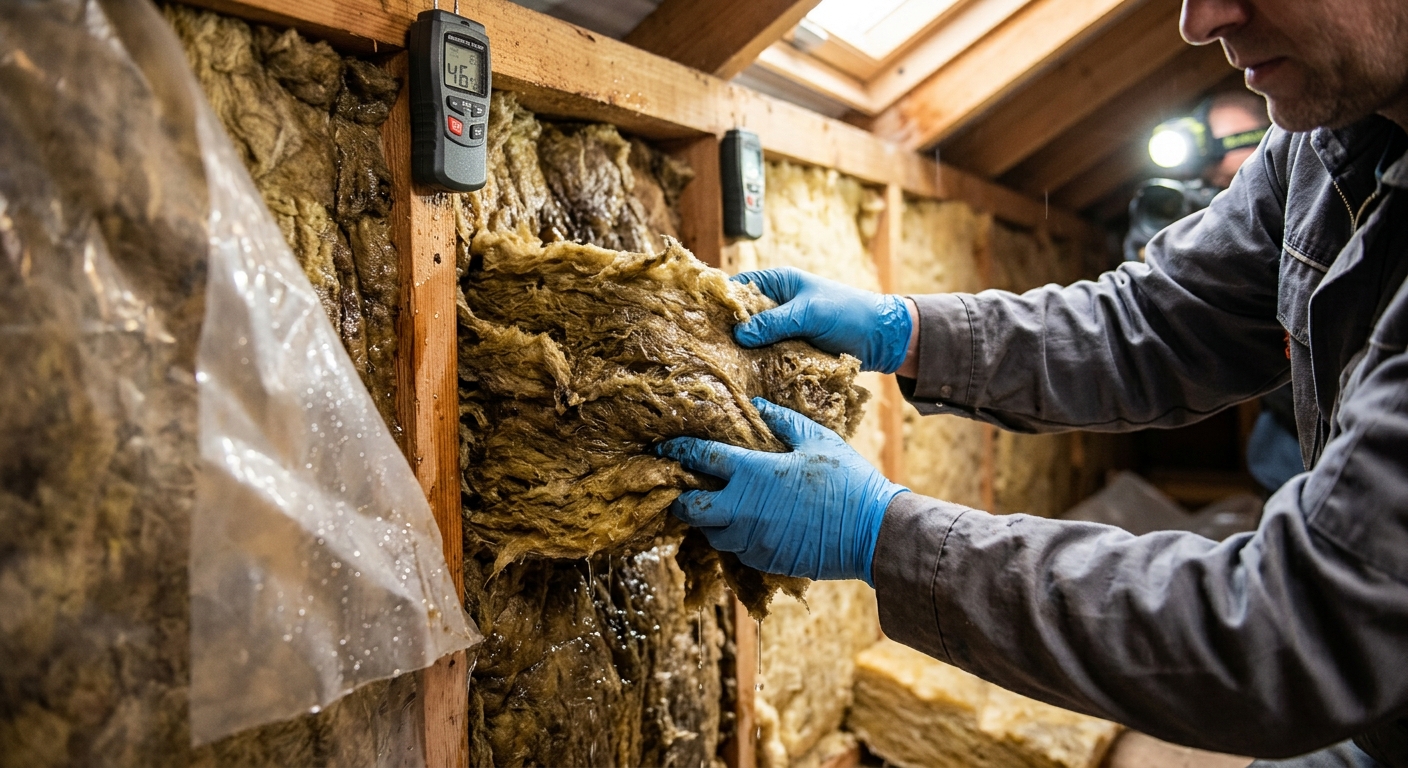
Wet insulation can lose up to 40% of its thermal performance almost immediately, and most homeowners never know until mold, rot, or sky-high energy bills show up. Learn how to spot moisture damage early, what each insulation type does when wet, and how to fix it before a small leak becomes a major renovation.
If your upstairs is always too hot in summer and too cold in winter, your attic is almost certainly the culprit. Poor attic insulation and ventilation create a thermal battery effect that overwhelms your HVAC system and drives up energy bills every single month.
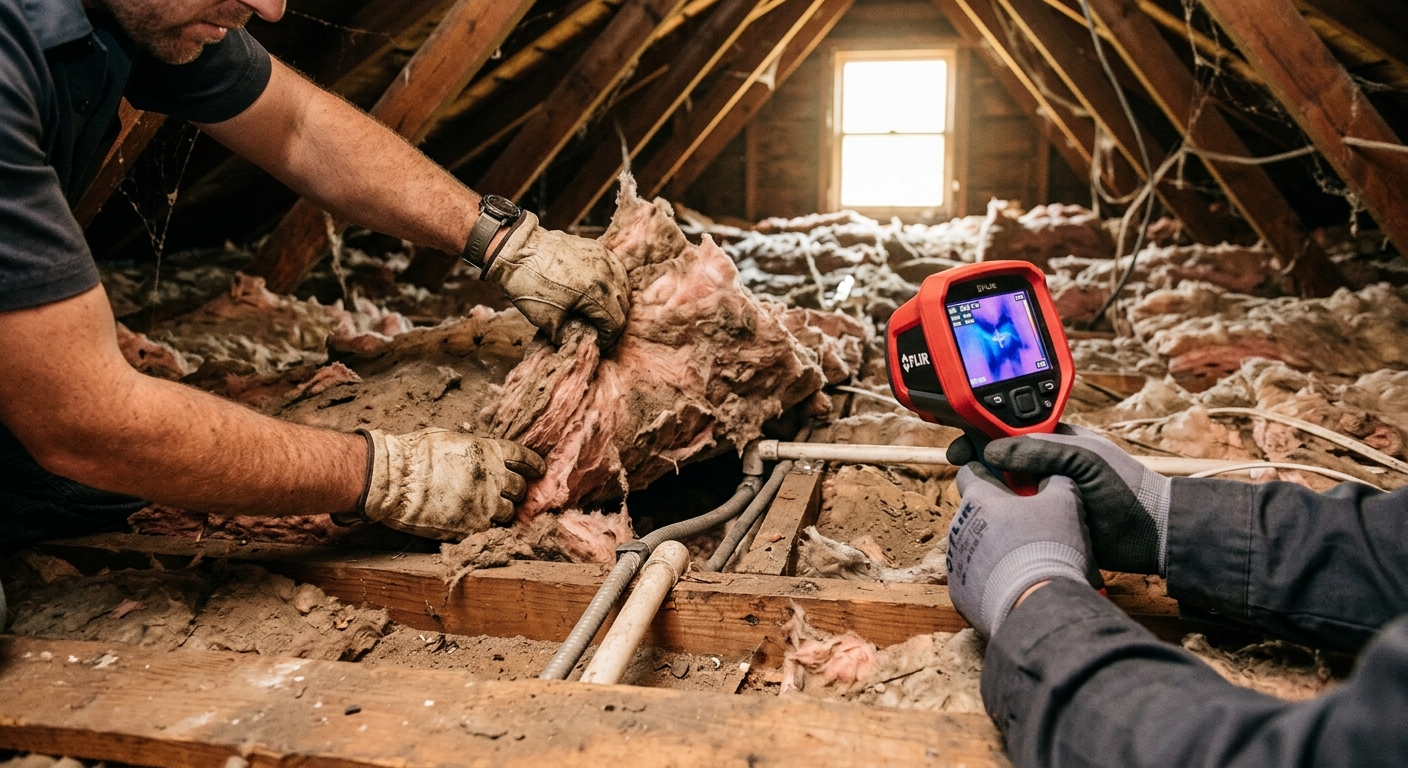
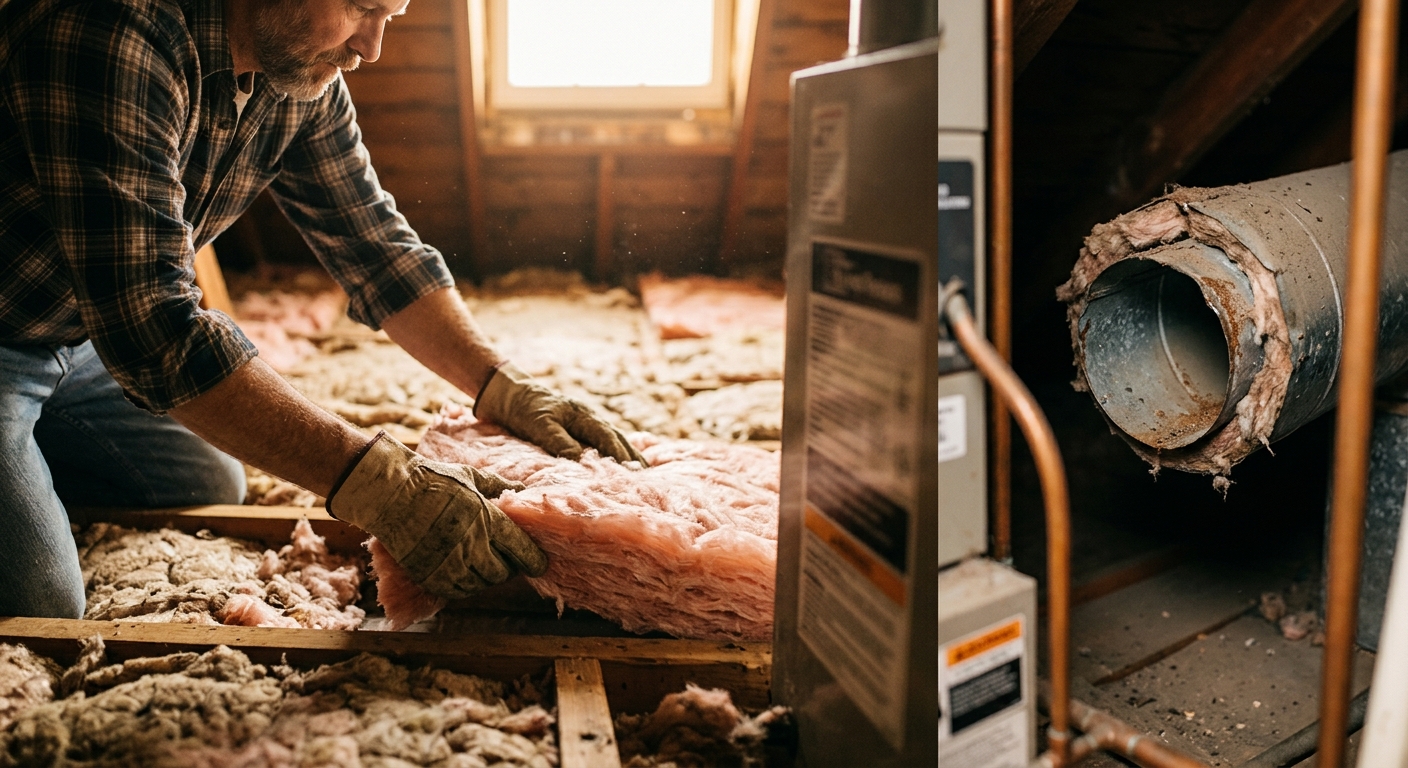
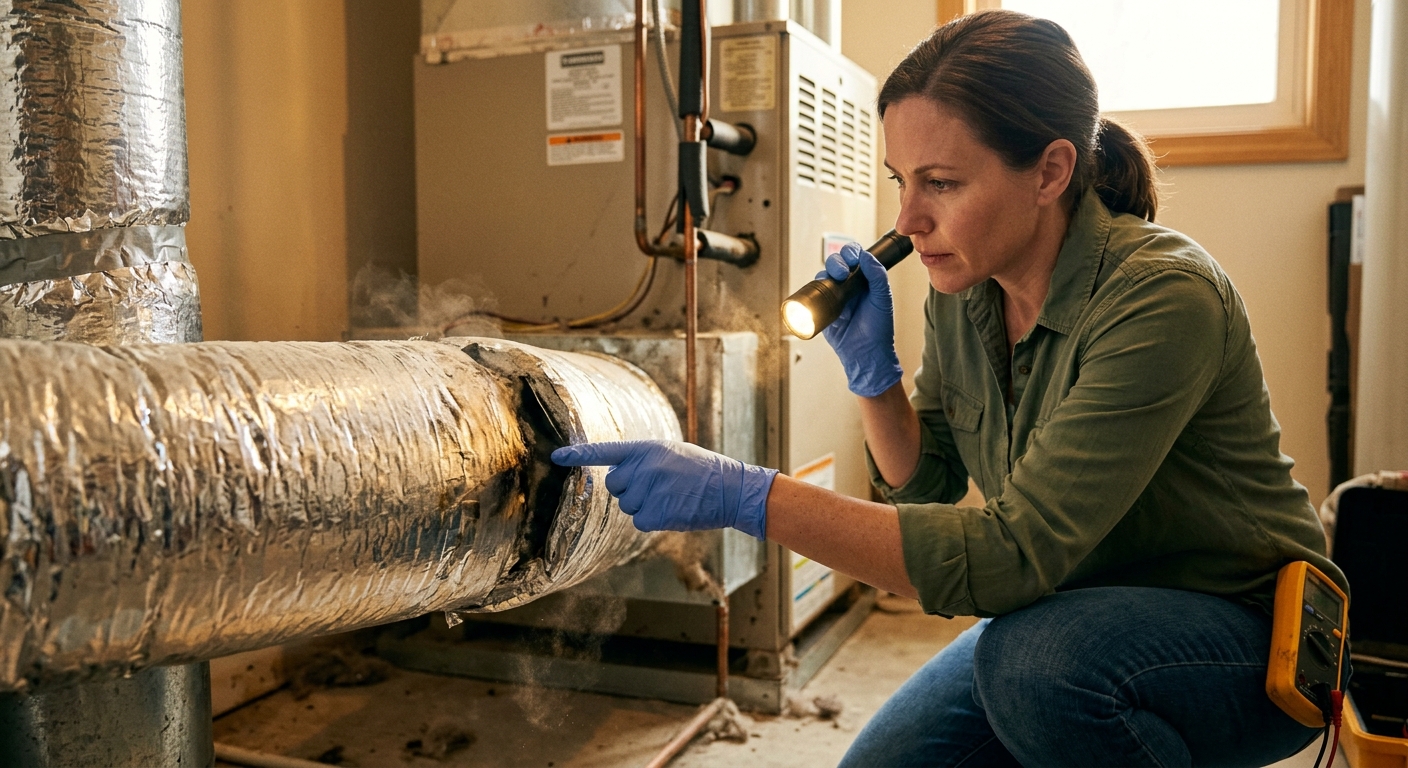
If your AC never shuts off but your house still feels muggy and warm, the problem usually isn’t your equipment. Unsealed ducts, missing insulation, and unchecked air leaks are silently defeating your cooling system before the cold air ever reaches you.
Most homeowners blame the cold weather for their January energy bill shock, but the real culprit is hidden air leakage and under-insulated attics working against your heating system. Address these two root causes and you can realistically cut heating costs by 20 to 30 percent without replacing your furnace.
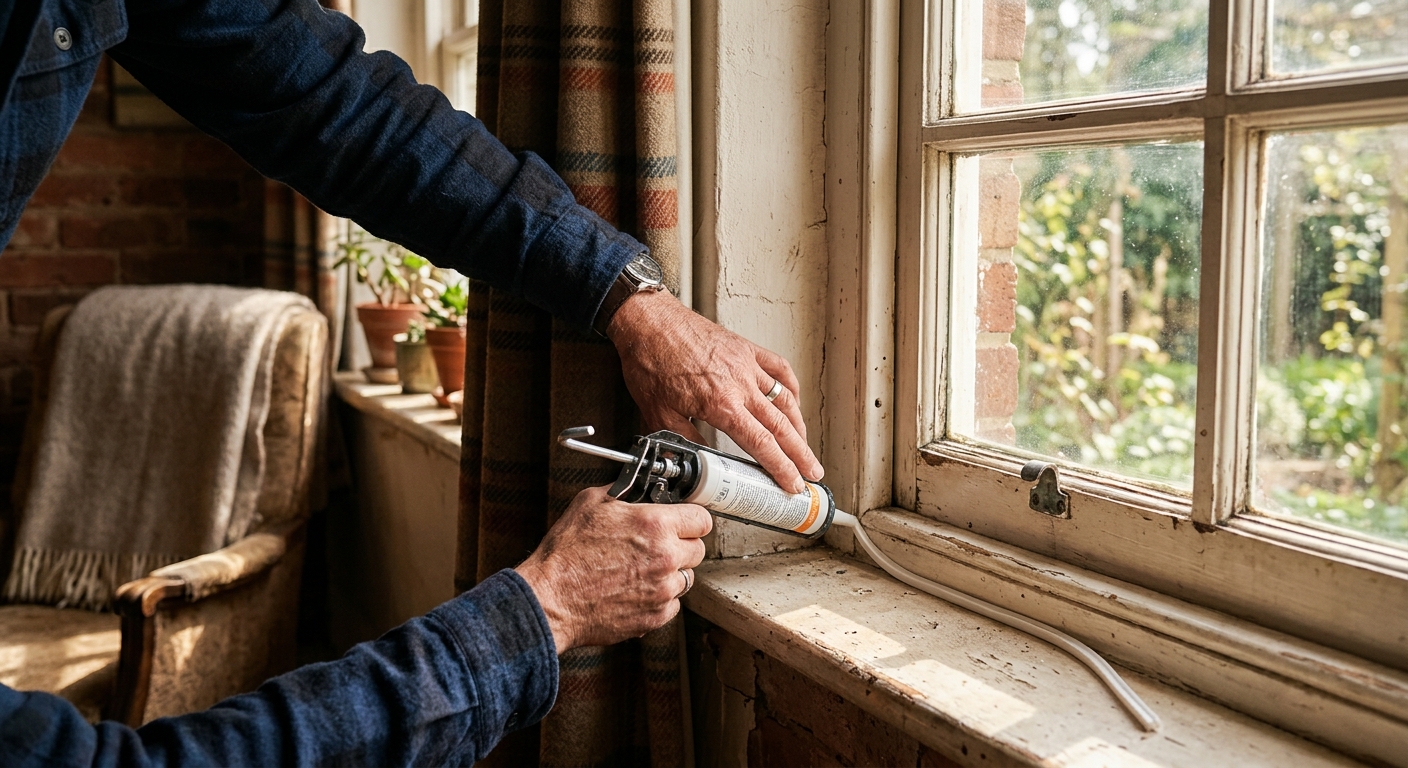
Older homes are full of charm but often plagued by drafts, hot and cold spots, and energy bills that make new-build owners look smug. With targeted air sealing, insulation upgrades, and a few smart system tweaks, you can close the comfort gap without a full renovation.
Poor insulation forces your furnace or heat pump to run nearly constantly just to maintain a comfortable temperature, quietly draining hundreds of dollars from your budget every winter. Upgrading your insulation is one of the highest-return investments a homeowner can make, with payback periods as short as two to four years.
Ice dams on your roof are not just a winter nuisance – they are a warning sign that heat is escaping through your attic and melting snow unevenly. Fixing the underlying insulation and air sealing problem can eliminate ice dams permanently while cutting heating bills by 15 to 30%.
Most homeowners blame their air conditioner when summer bills spike, but the real culprits are often hidden in your attic, ducts, and daily habits. Fix the actual causes and you can trim $60 to $100 off your monthly summer bill without replacing a single appliance.