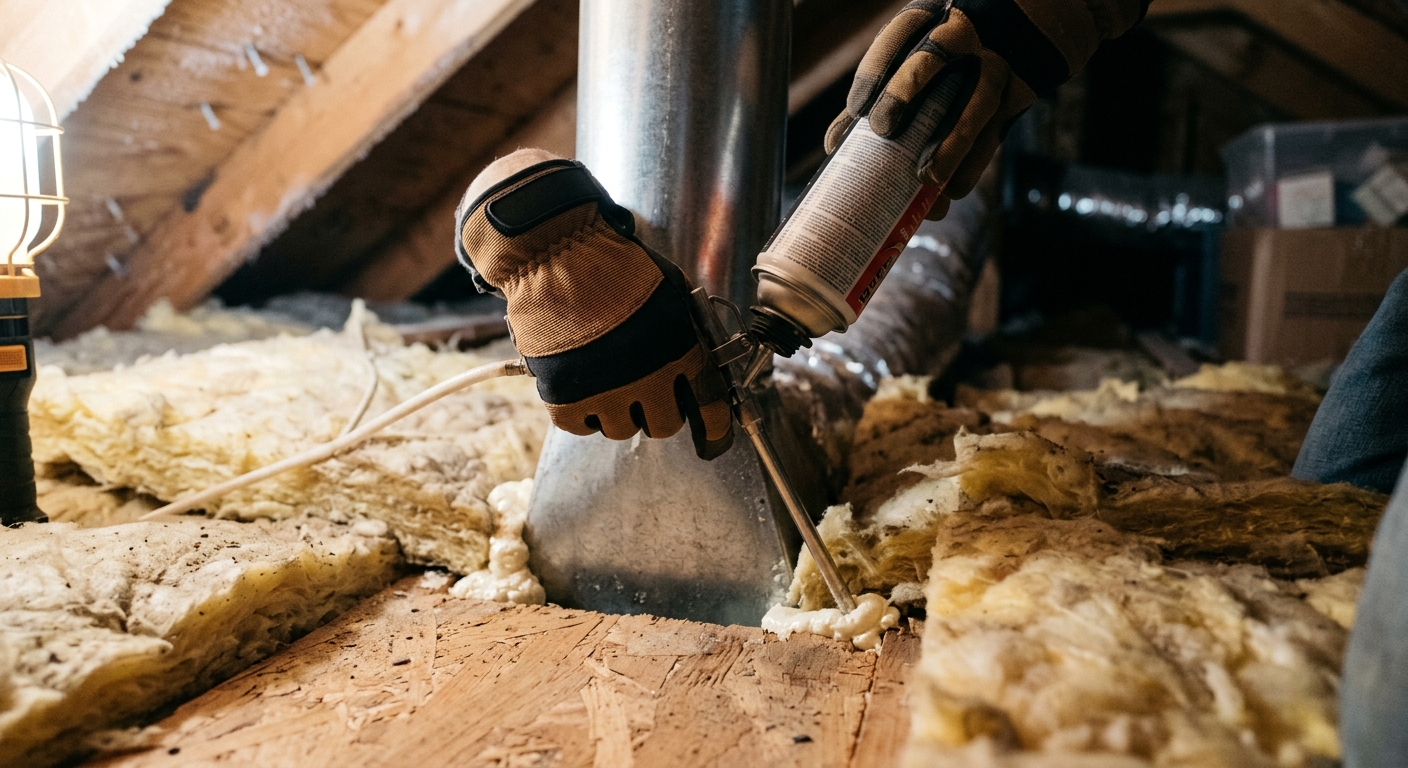
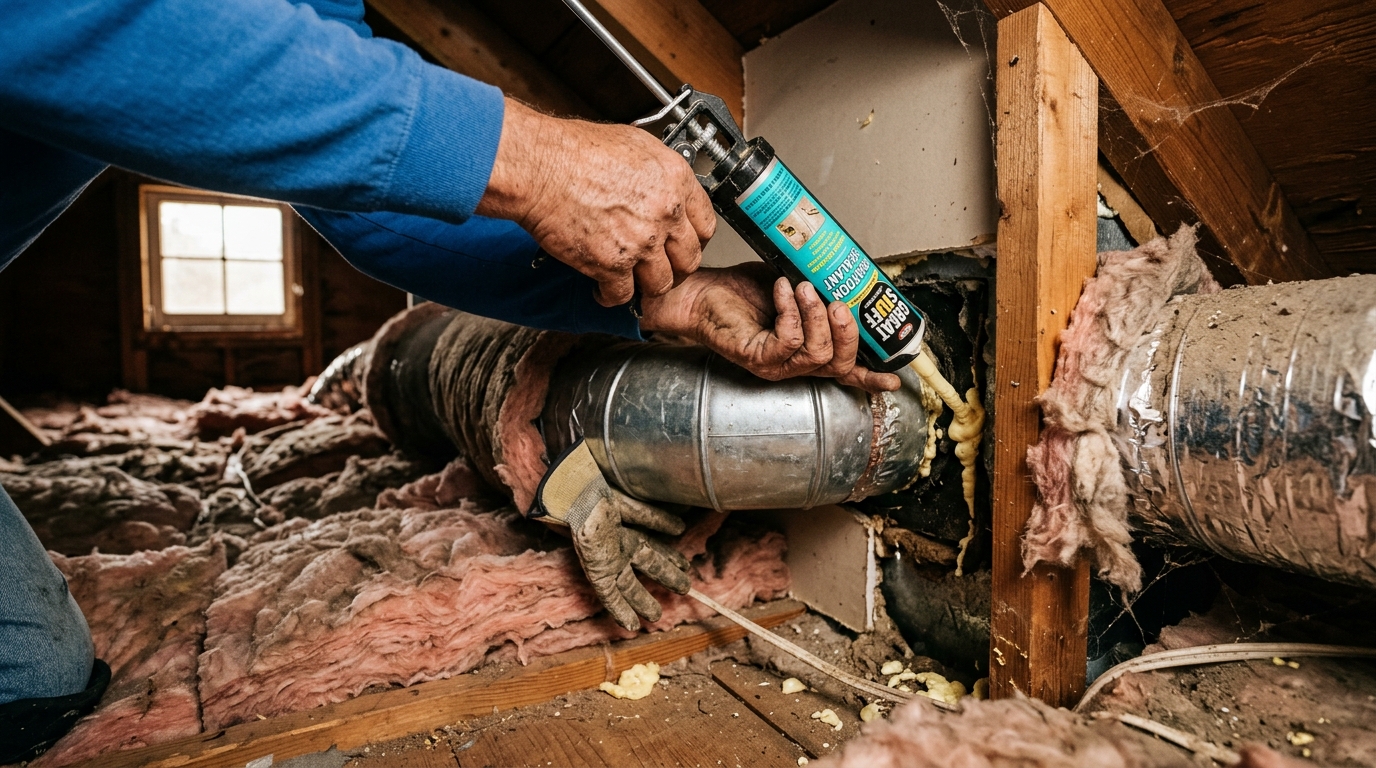
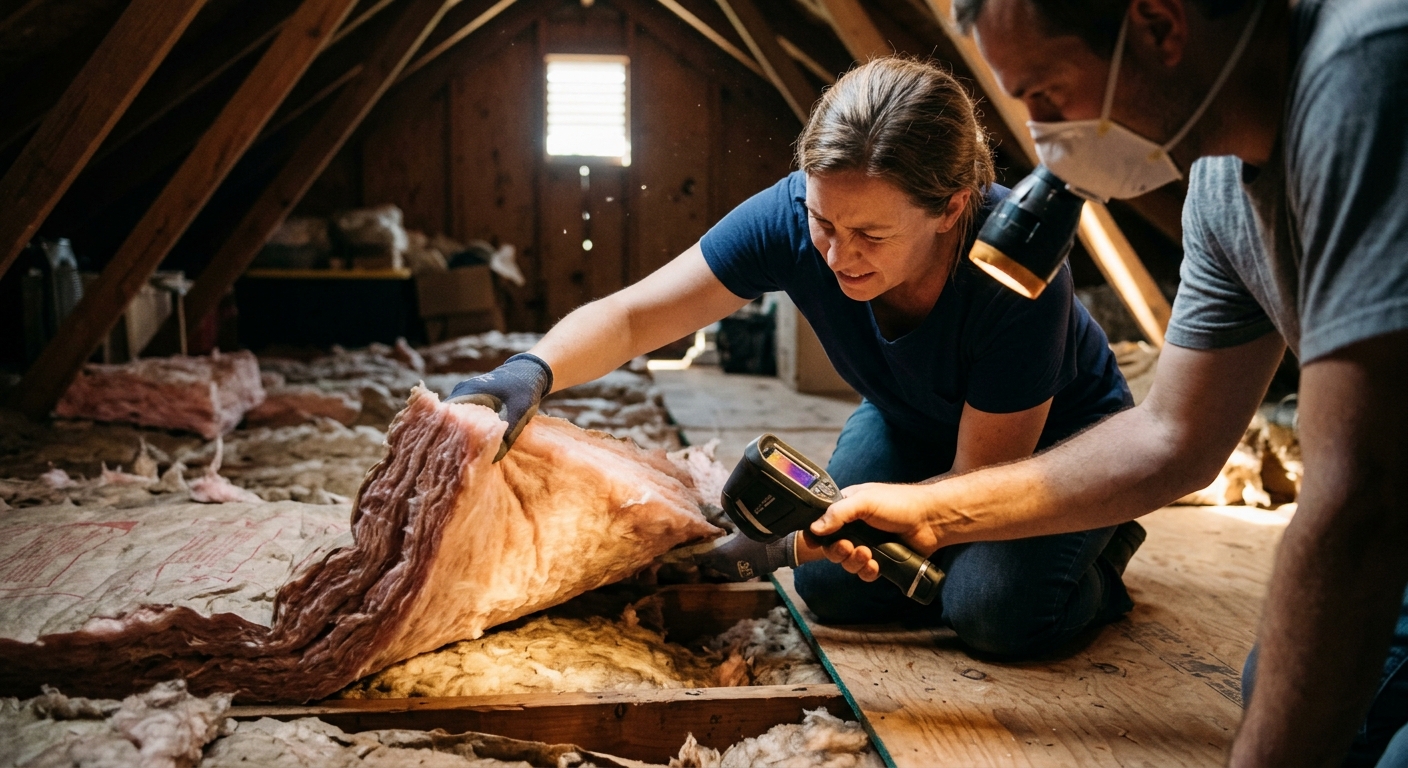
A brand-new furnace or heat pump that still struggles to warm your home is not a system problem, it is a building envelope problem. Sealing air leaks and upgrading insulation gives your HVAC the backup it needs to finally keep up on the coldest days.
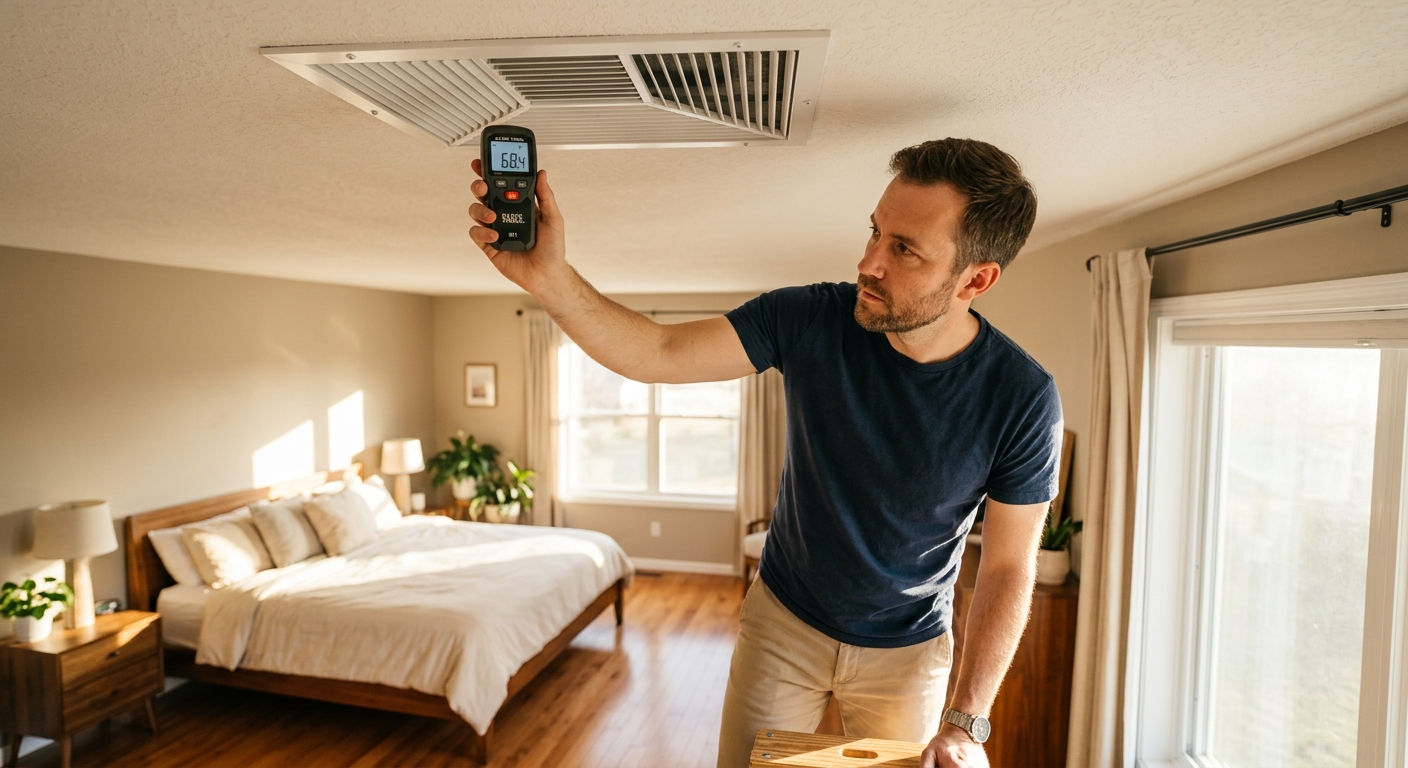
A room that stays 5 to 10 degrees warmer than the rest of the house is one of the most frustrating comfort problems homeowners face. Before spending $100 or more on a service call, you can diagnose the cause yourself in under an hour using tools you likely already own.
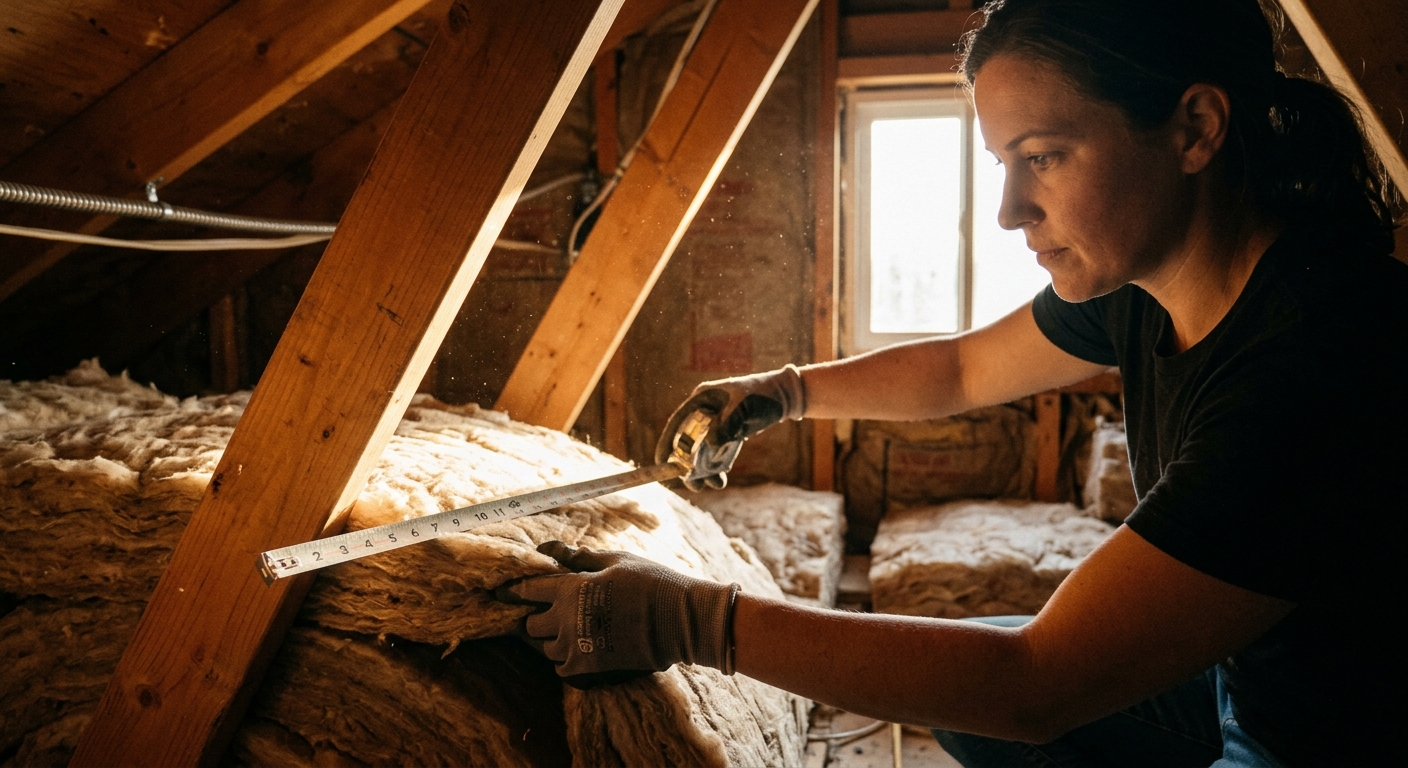
Most homeowners have no idea their insulation is underperforming until they see a sky-high energy bill. These simple self-inspection techniques can reveal the truth in under an hour, no professional required.
Most homeowners leave hundreds of dollars on the table by not claiming the federal tax credit available for insulation upgrades. The Inflation Reduction Act extended and expanded this credit through 2032, meaning you could get back up to $1,200 on qualifying insulation improvements done in 2025.
Most homeowners blame July’s sweltering temperatures for sky-high energy bills, but outdoor heat is only part of the story. Hidden factors like solar heat gain, poor thermostat habits, and air leaks are quietly multiplying your cooling costs, and fixing them is easier than you think.
Poor or missing insulation is one of the top reasons your AC runs constantly and your energy bills spike every summer. Identifying and fixing the right insulation weak spots can cut cooling costs by 15 to 30% and make your home noticeably more comfortable.
A brand-new air conditioner that struggles to keep your home cool is more common than you’d think, and the AC itself is rarely the problem. Discover the real culprits behind poor cooling performance and the practical fixes that actually work.
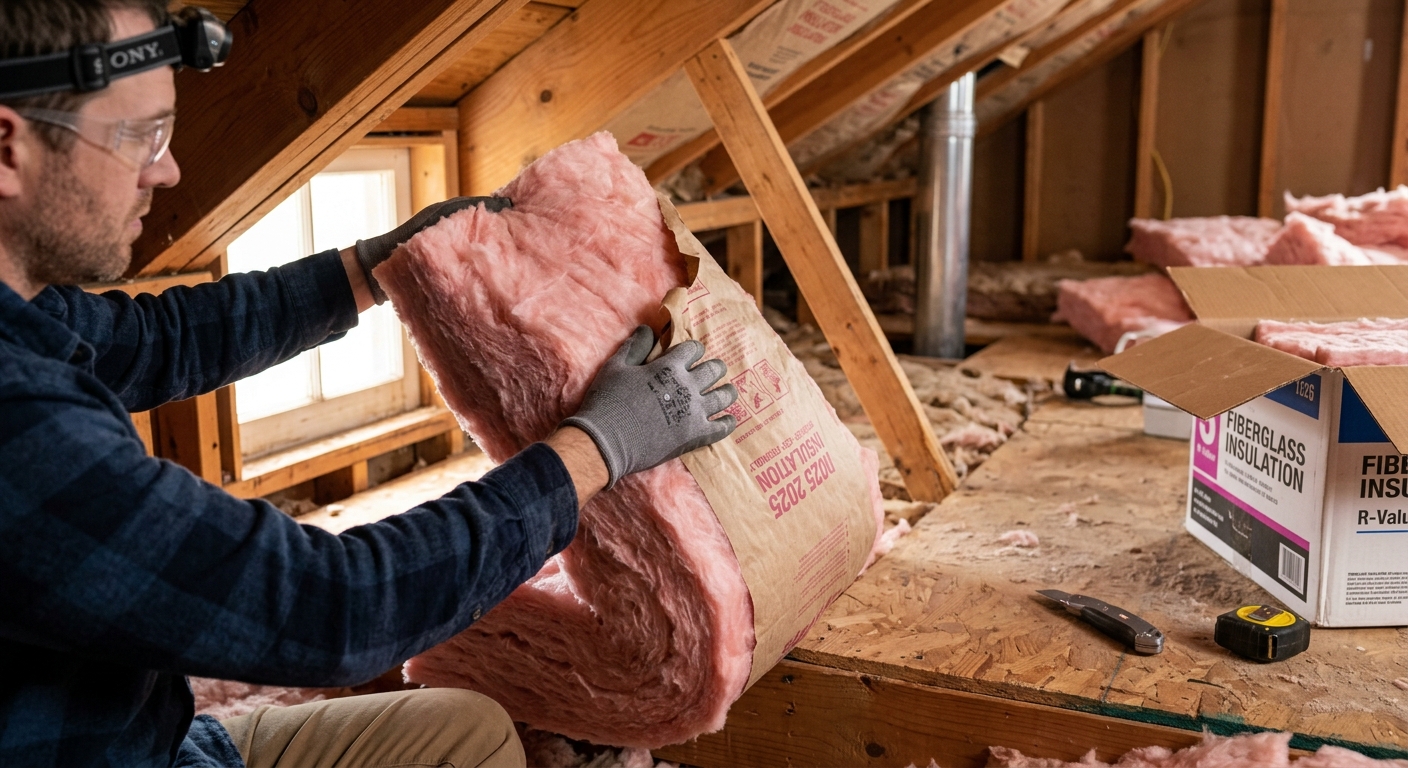
Most homeowners waste money insulating the wrong spaces first, leaving the biggest energy leaks untouched. Prioritizing attic insulation before walls or crawl spaces can cut heating and cooling bills by 15 to 25% and pay for itself in as little as 2 years.
Most homeowners know they need more insulation, but have no idea where to start when money is limited. This guide shows you exactly which projects deliver the fastest payback and biggest comfort gains, so every dollar you spend works harder.
Poor insulation is one of the most common reasons homes become unbearably hot in summer and cooling bills skyrocket. This guide walks you through practical tests and fixes any homeowner can do before temperatures peak.