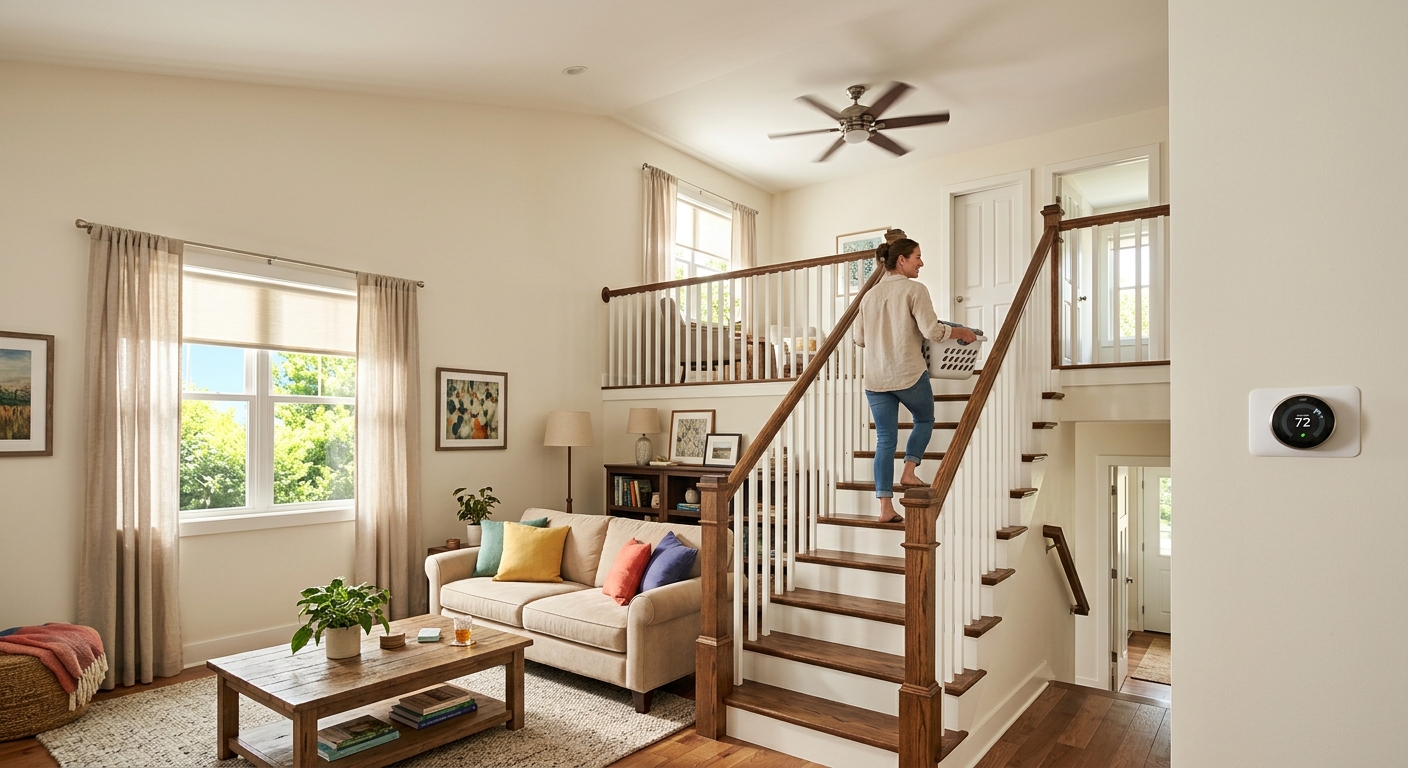
Two-story homes are notorious for uneven cooling, with upper floors staying stuffy while the ground floor turns into a meat locker. The fix involves understanding heat physics and making a few strategic adjustments to how your system runs.
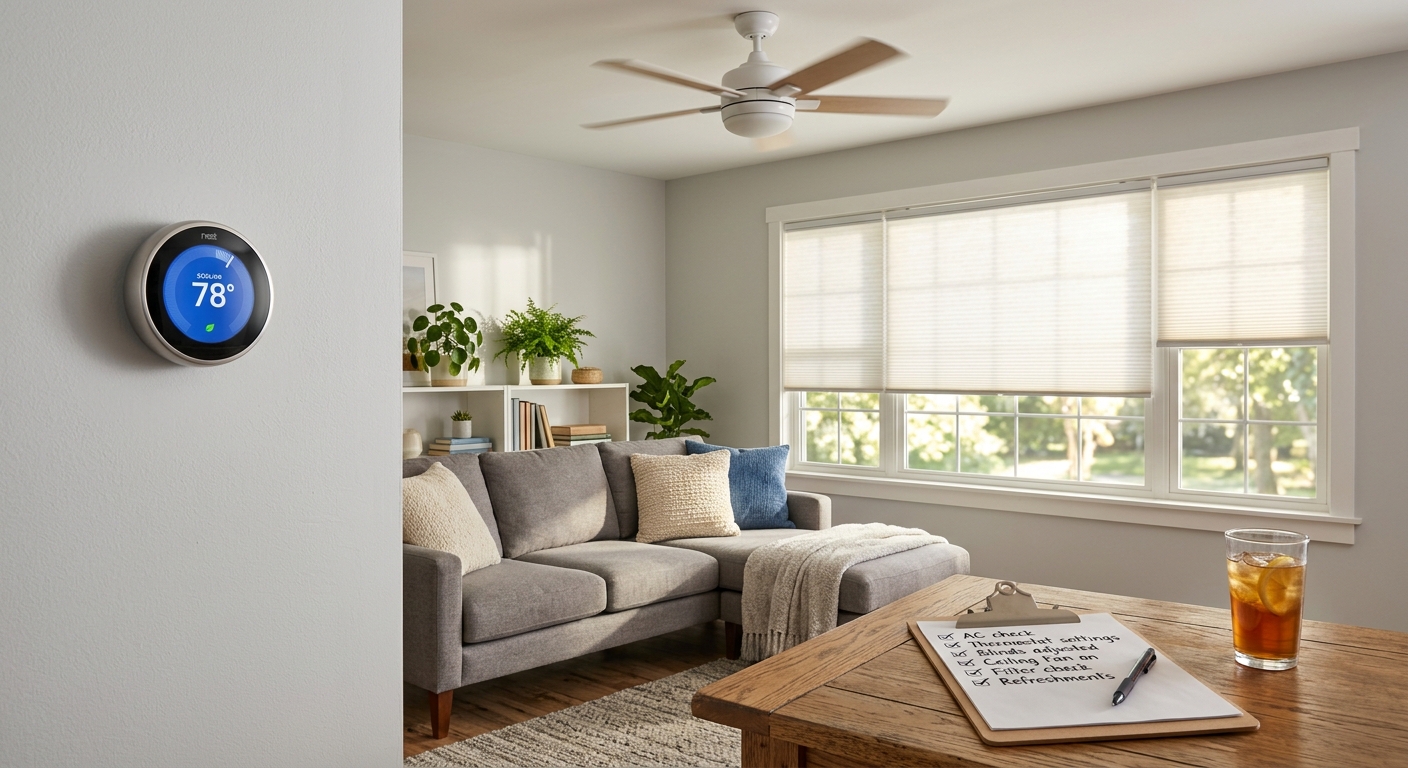
Summer cooling bills can easily spiral past $200 or even $300 a month, but most homes are losing conditioned air through the same handful of fixable problems. This checklist walks you through the exact steps to cut your cooling costs to under $100 a month using a combination of free habit changes, low-cost DIY fixes, and a few targeted upgrades.
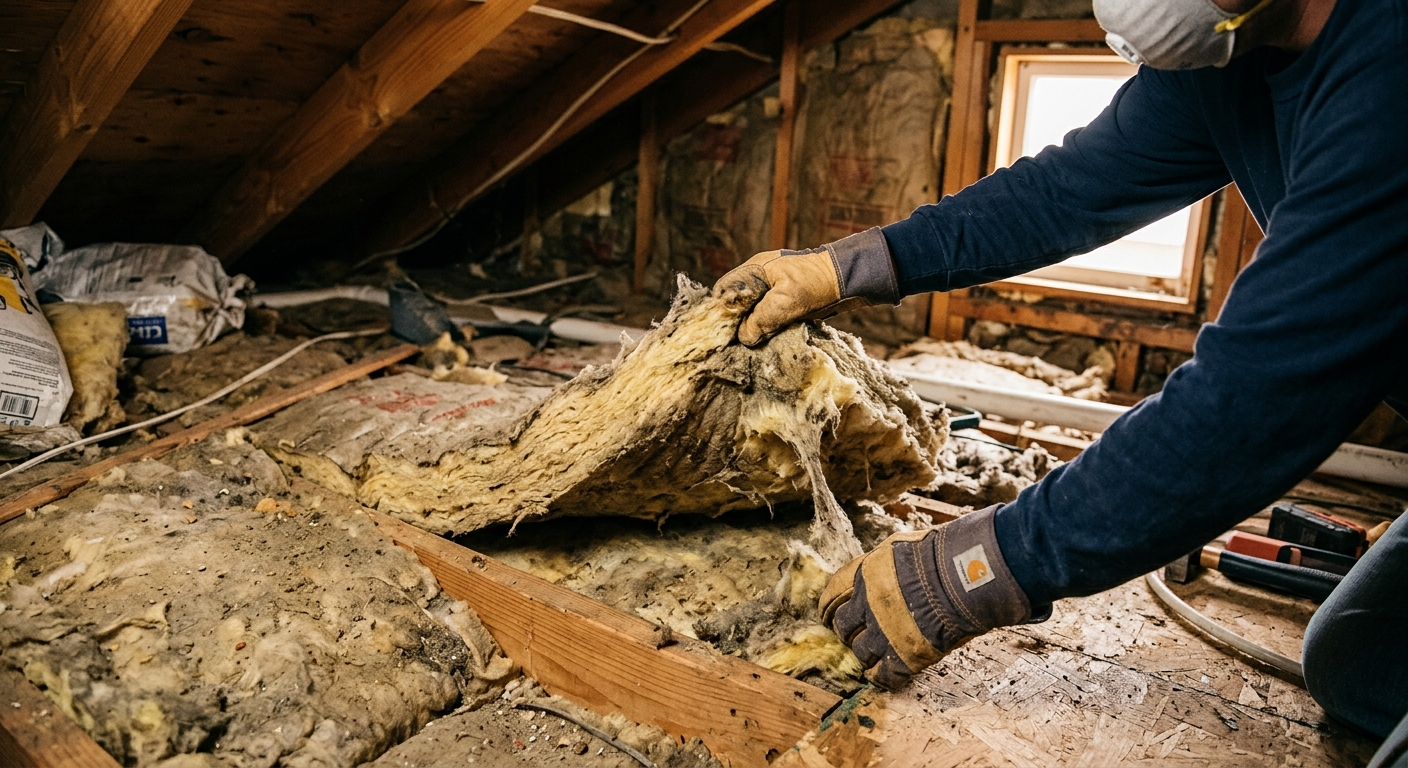
Insulation does not last forever, and aging, damaged, or undersized insulation is one of the most overlooked reasons homes are uncomfortable and expensive to heat and cool. This guide shows you how to assess what you have, recognize the warning signs, and decide whether to repair, supplement, or fully replace.
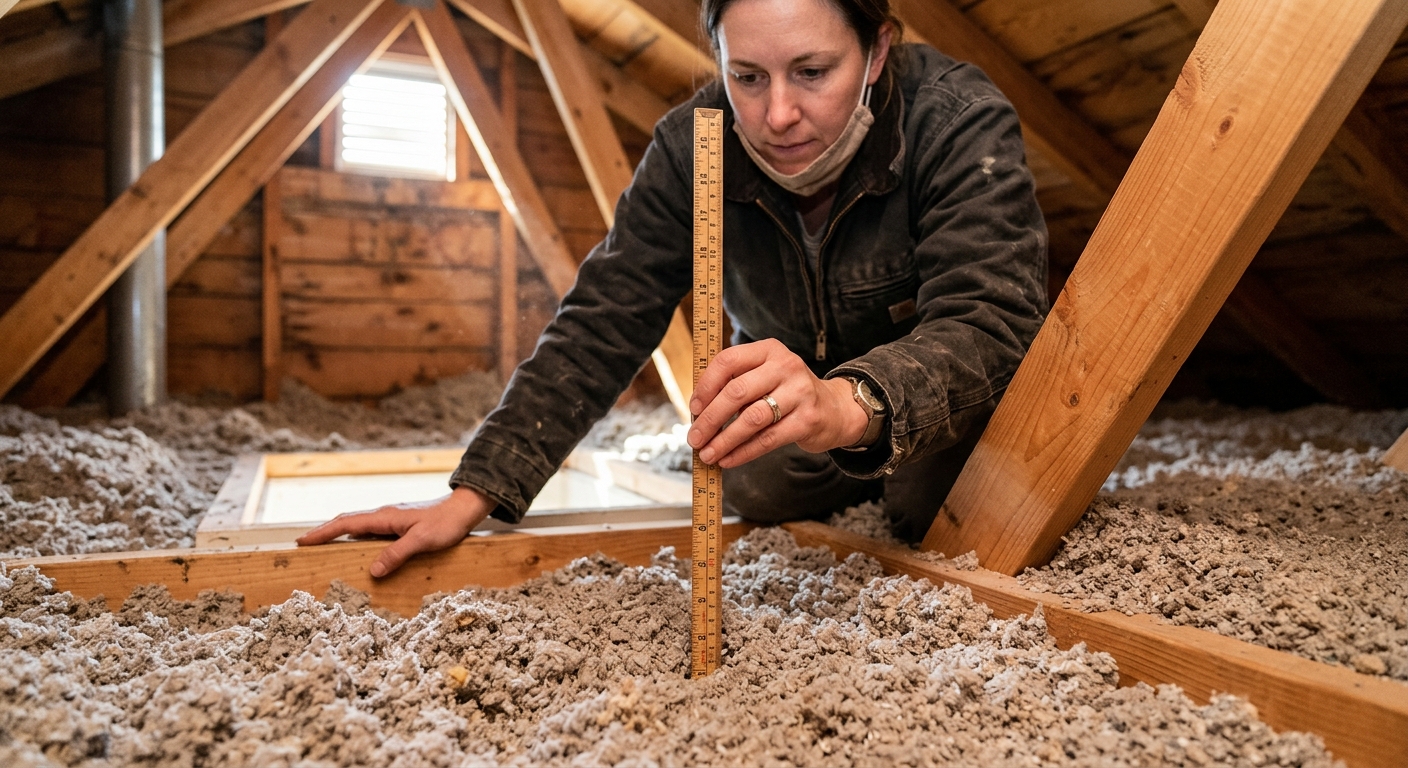
Most homes lose 25 to 30% of their heating and cooling energy through an under-insulated attic, yet most homeowners have never once looked up there to check. This guide shows you how to measure what you have, compare it to DOE recommendations for your climate, and decide whether adding more insulation makes financial sense.
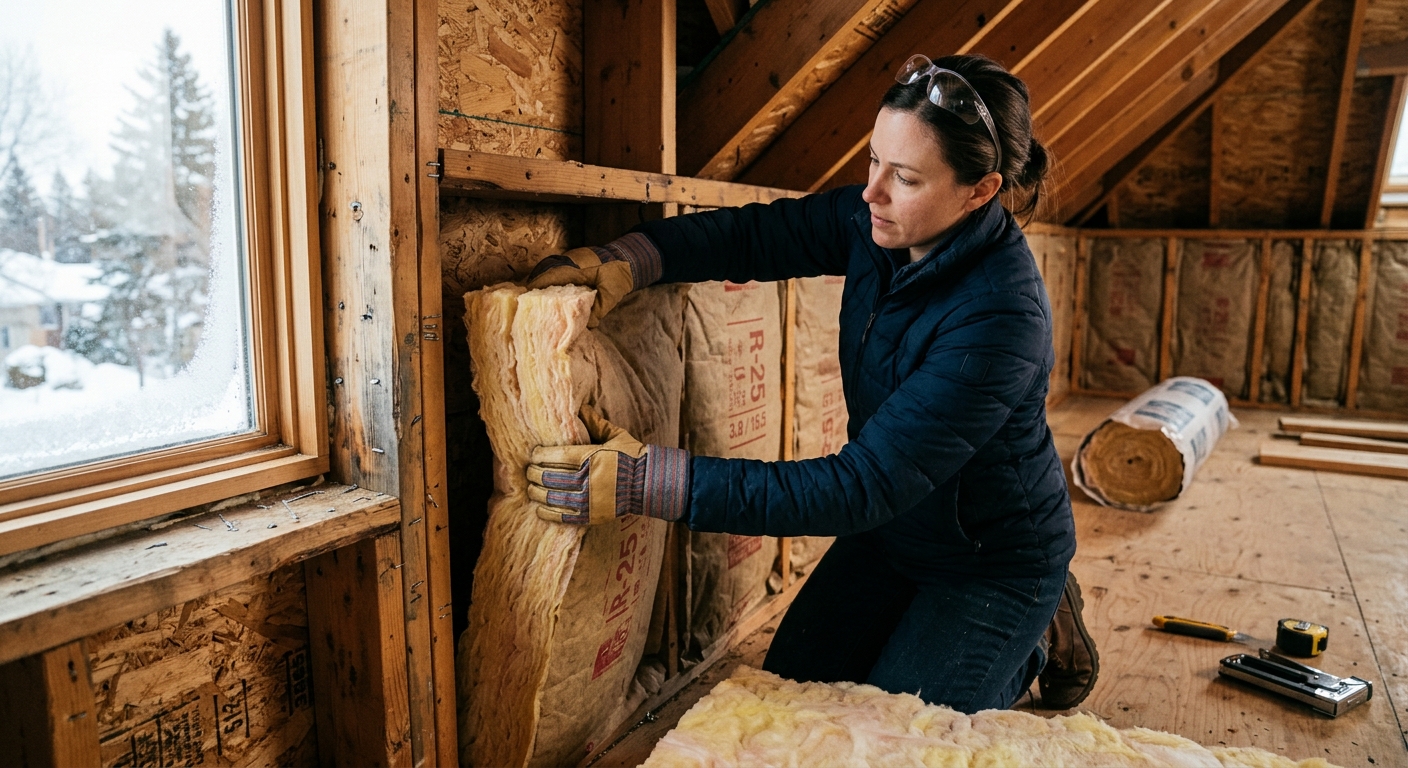
When temperatures plunge below zero, standard insulation often falls short, leaving you with sky-high heating bills and cold spots that no thermostat adjustment can fix. This guide breaks down the top insulation types for extreme cold climates, compares their real-world R-values and costs, and shows you exactly how to upgrade your home for maximum warmth and savings.
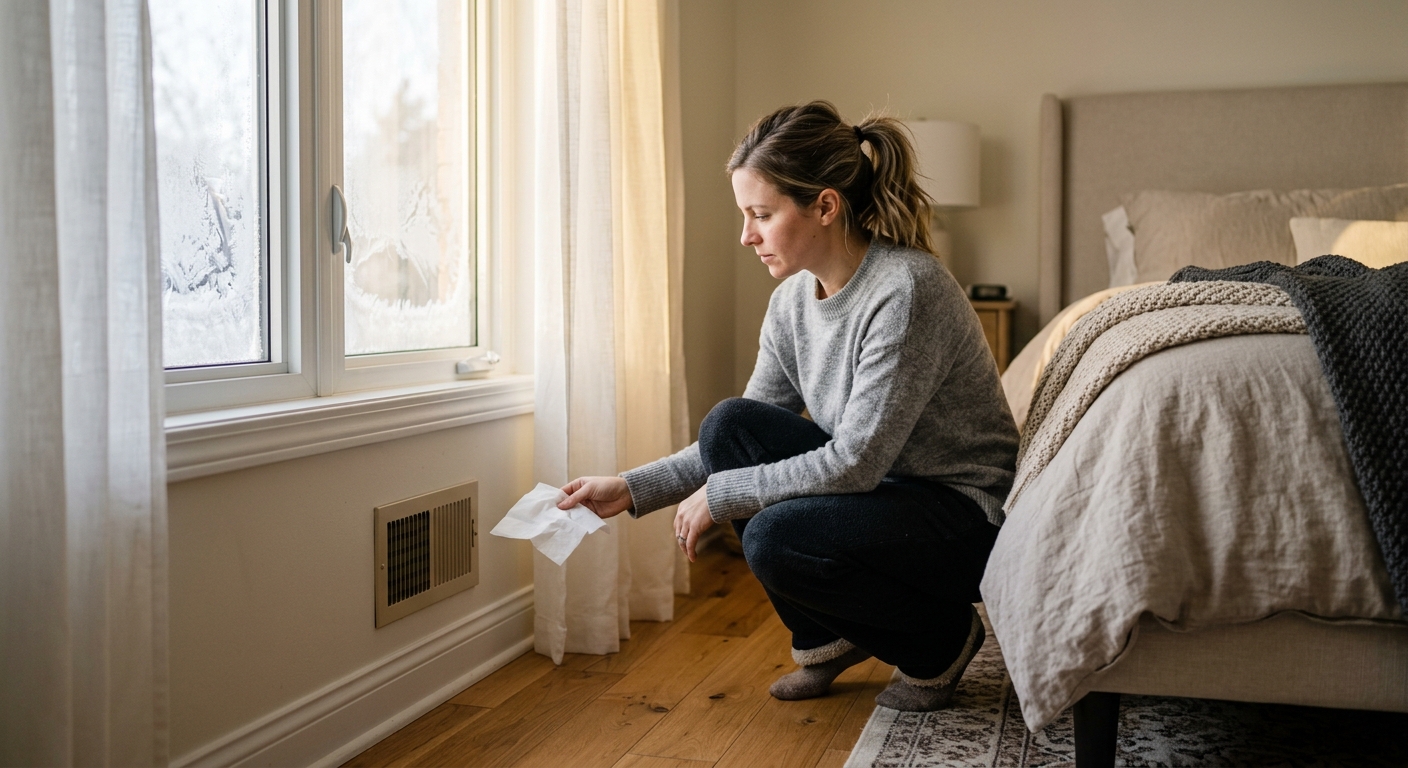
A master bedroom that stays chilly no matter how high you set the thermostat is more than a comfort problem – it signals real energy waste. From blocked ducts to attic bypasses, the causes are fixable, and most solutions cost under $200.
Most homeowners leave hundreds of dollars in utility rebates unclaimed simply because they don’t know which insulation upgrades qualify. This guide breaks down the most rebate-eligible projects, how to find your local program, and how to stack rebates with federal tax credits for maximum savings.
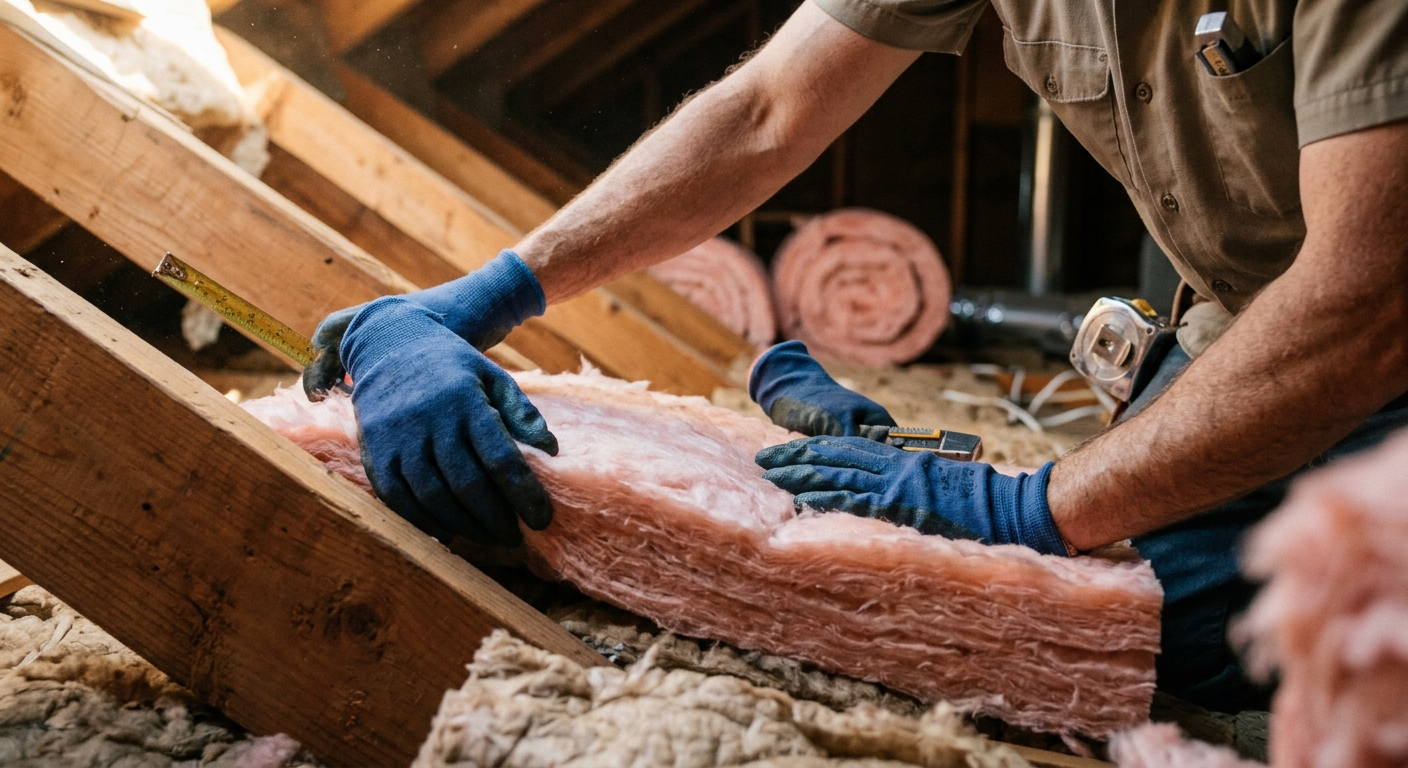
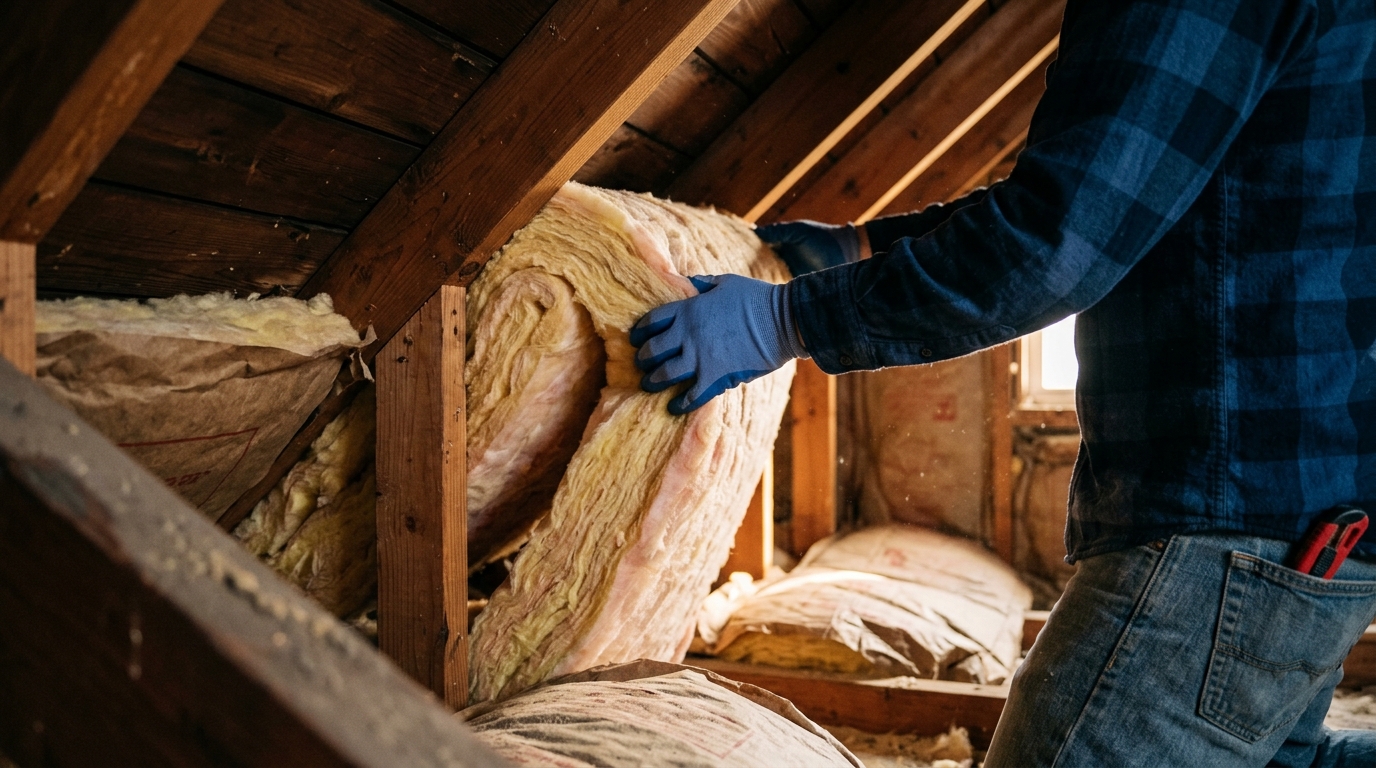
Most homes lose a surprising amount of heat through the attic, not because of missing insulation, but because air is sneaking out through gaps and cracks before insulation even gets a chance to work. Spend one weekend air sealing and adding attic insulation, and you could cut your heating bill by 15 to 20% while making your home noticeably more comfortable.