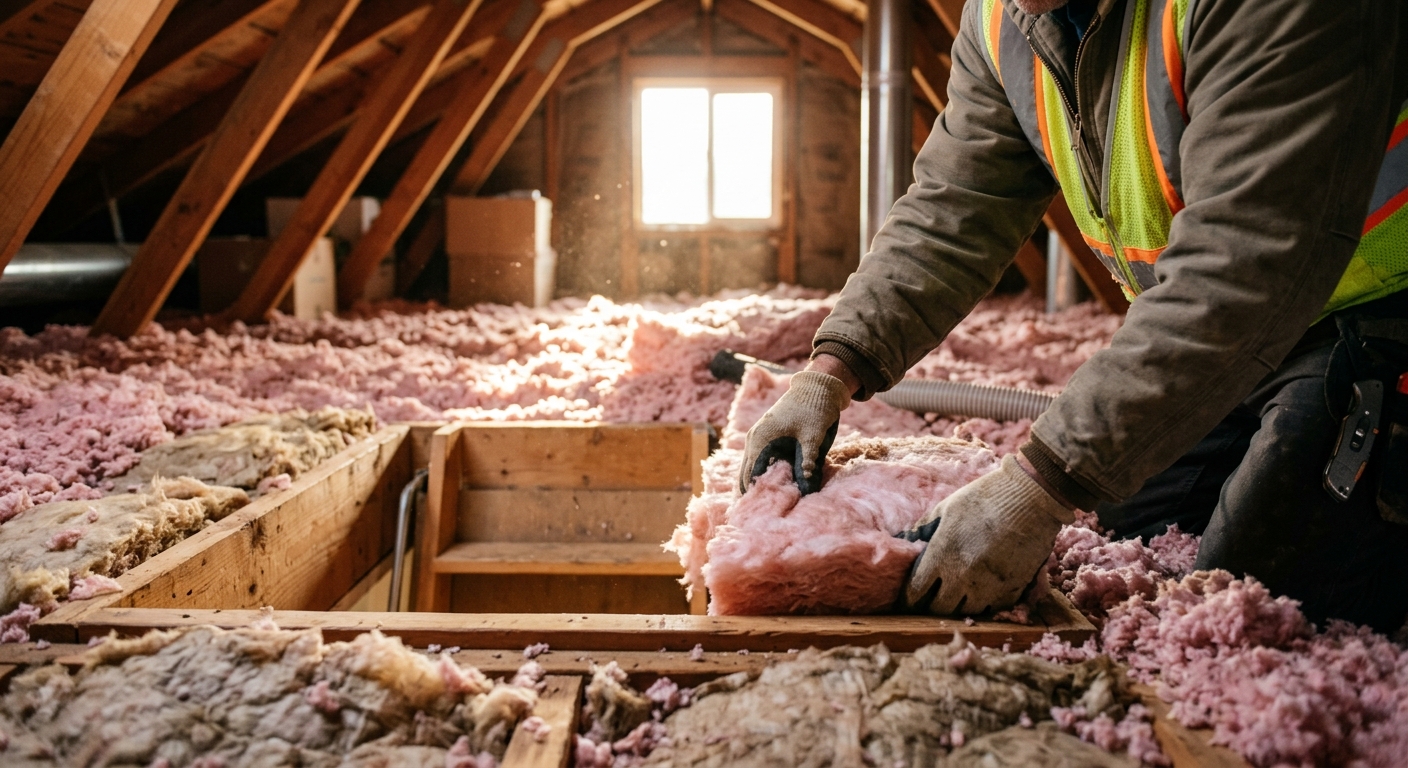
Most homeowners upgrade windows or buy smart thermostats first, but the attic is responsible for up to 40% of a home’s heating and cooling loss. Starting here delivers the fastest payback and the biggest comfort improvement of any single upgrade.
Read More →
Tools We Recommend
As an Amazon Associate, we earn from qualifying purchases.
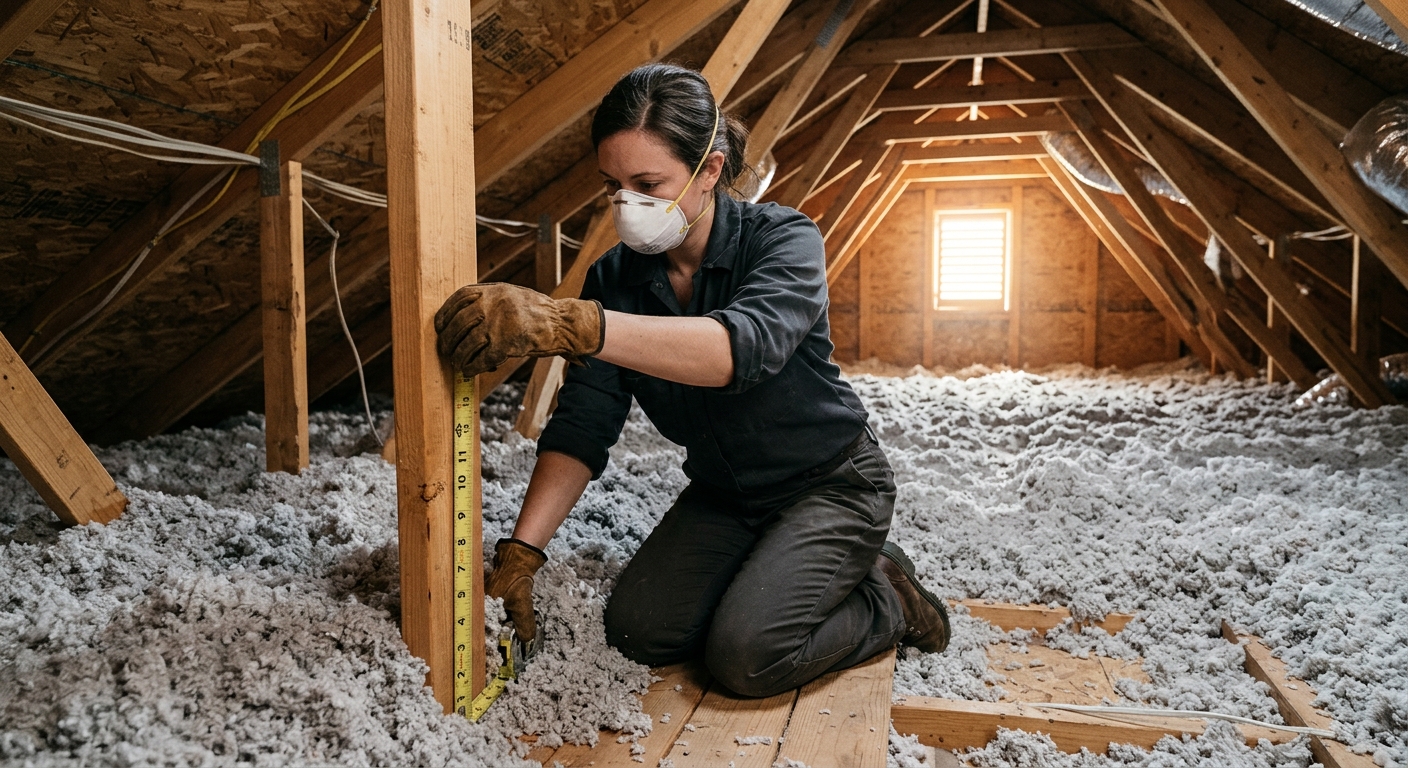
Most homeowners either under-insulate and pay for it every month, or over-spend on insulation that delivers diminishing returns. Knowing the right R-value target for your specific climate zone is the single most reliable way to maximize your insulation investment.
Read More →
Tools We Recommend
As an Amazon Associate, we earn from qualifying purchases.
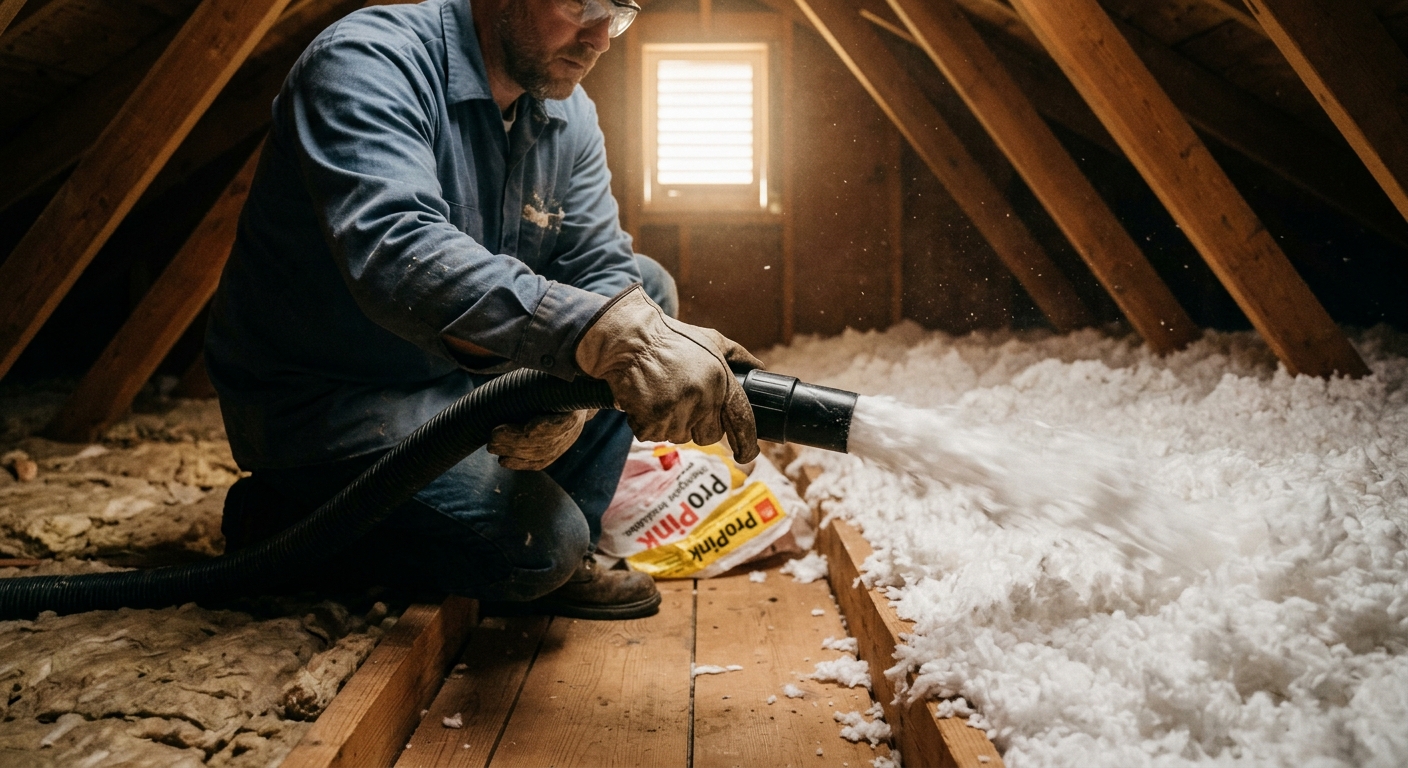
A poorly insulated attic is one of the biggest energy drains in most American homes, quietly adding hundreds of dollars to your heating and cooling bills every year. Upgrading attic insulation to the DOE-recommended R-38 to R-60 is one of the highest-return home improvements you can make, with typical payback periods of 12 to 24 months.
Read More →
Tools We Recommend
As an Amazon Associate, we earn from qualifying purchases.
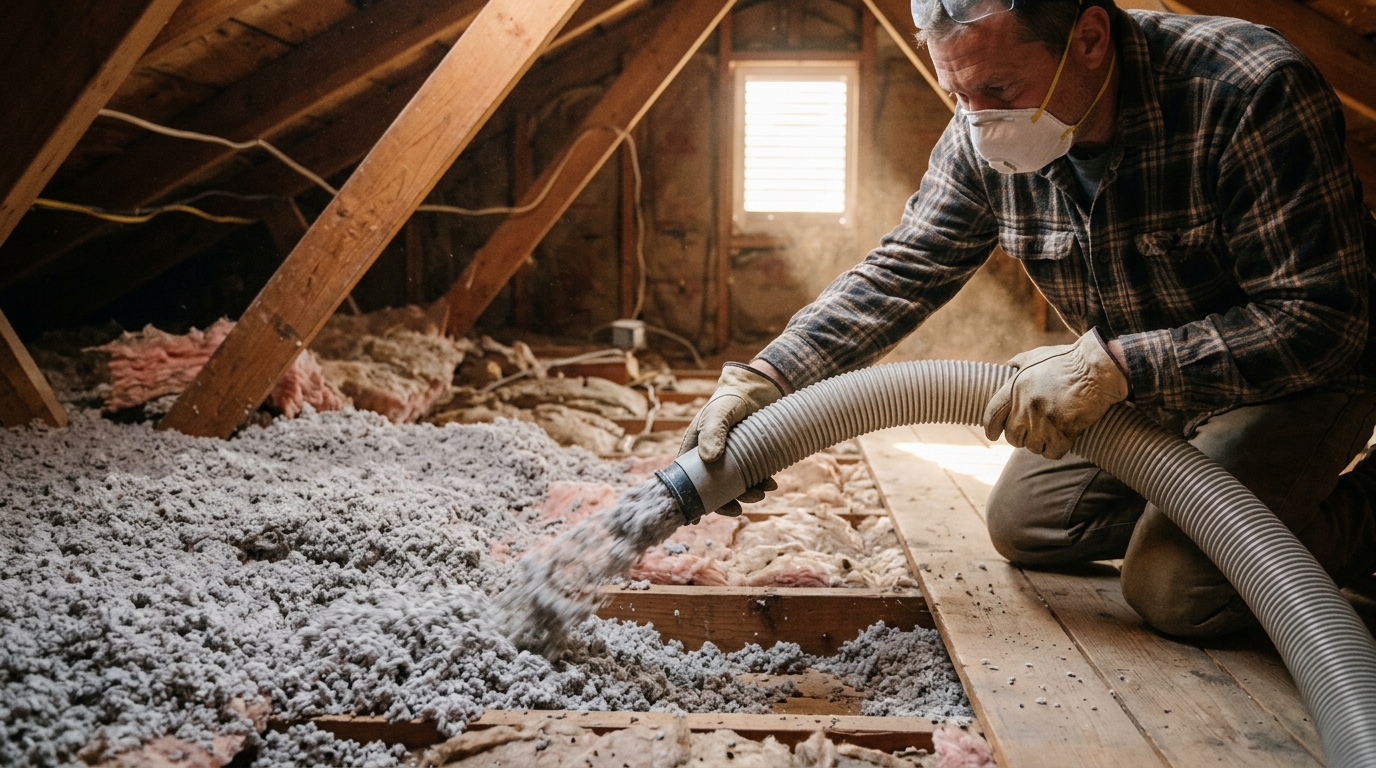
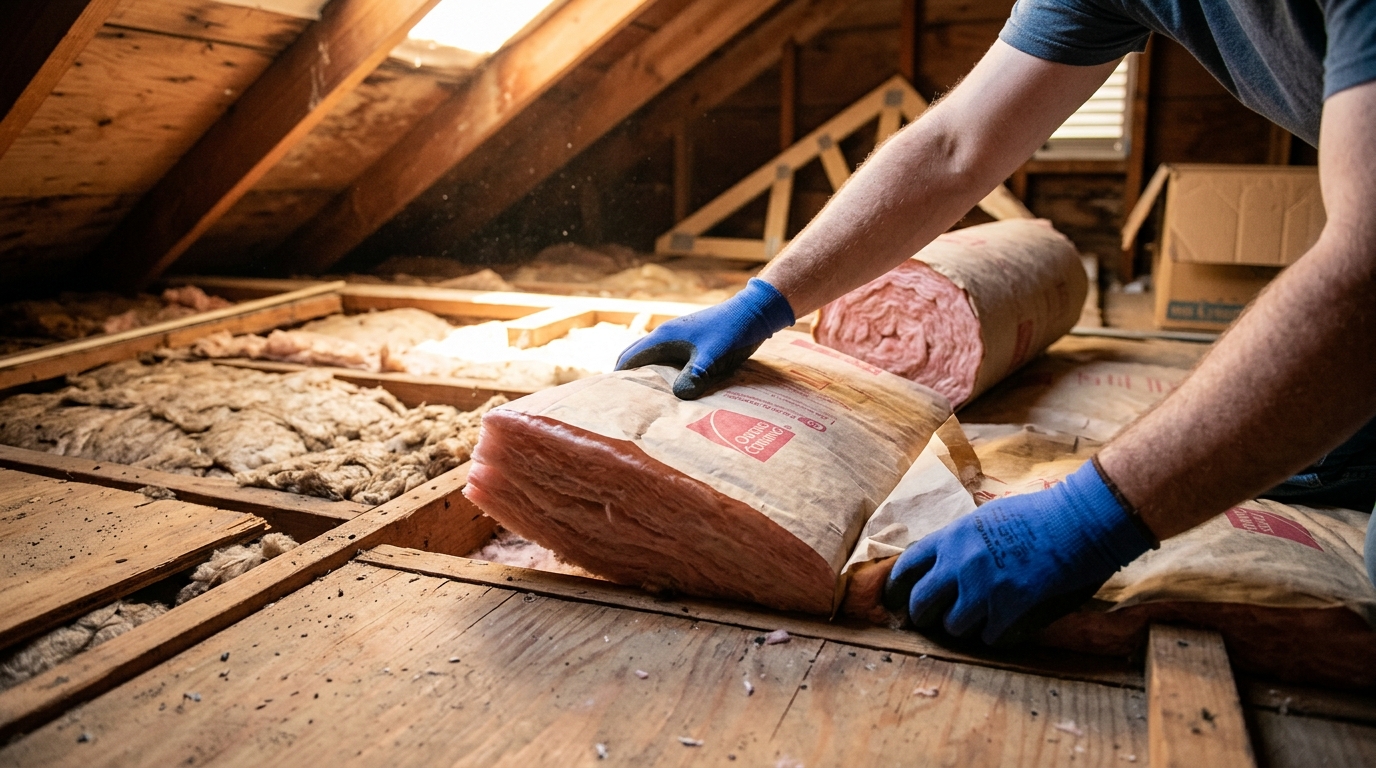
A poorly insulated attic is one of the biggest sources of energy loss in most homes, responsible for up to 25% of total heating and cooling waste. This step-by-step guide walks you through adding blown-in insulation yourself, with real cost numbers, payback timelines, and professional tips to get it right the first time.
Read More →
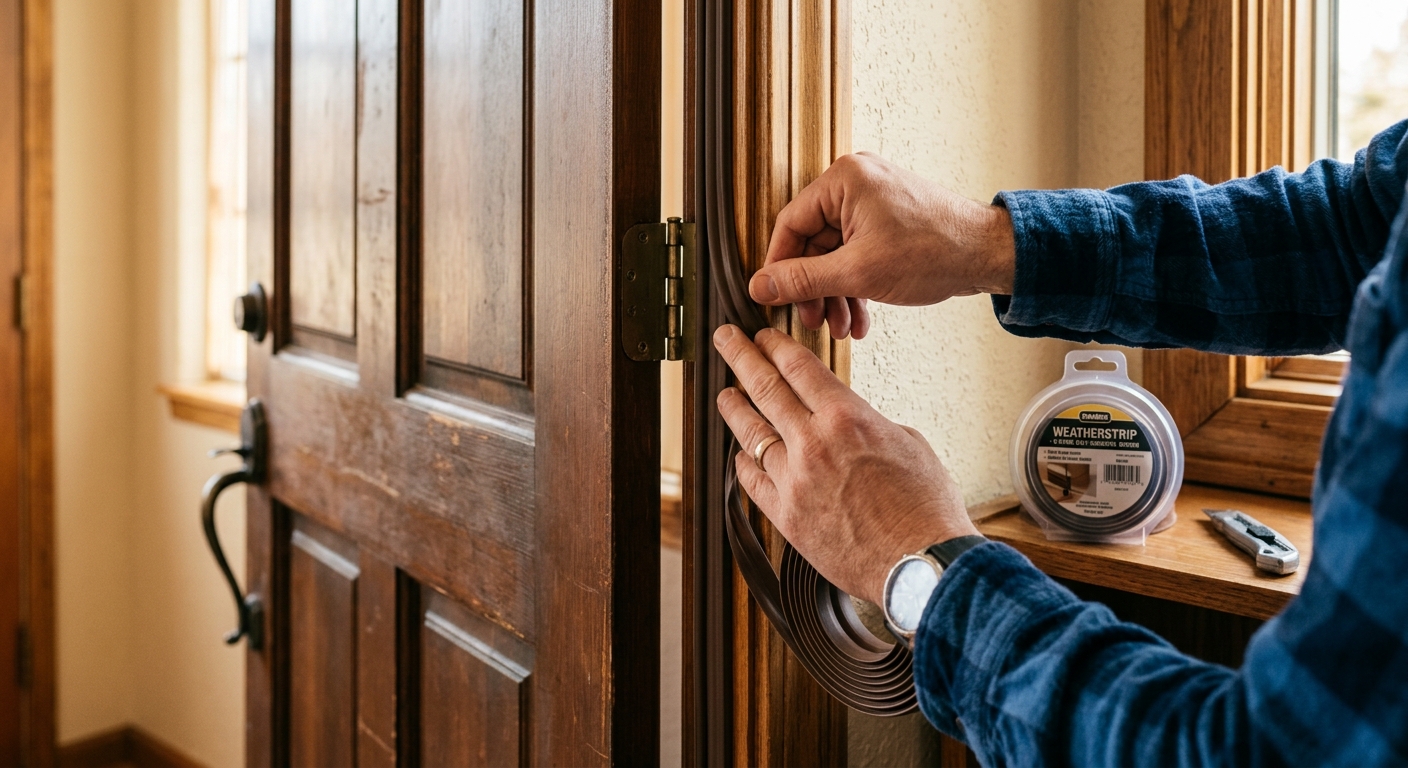
Gaps around your exterior doors are silently draining your heating and cooling budget every single day. A few hours and $30 to $60 in materials can seal those leaks and put real money back in your pocket.
Read More →
Most homeowners never think about their attic until there’s a leak or a pest problem, but that unfinished space above your ceiling is likely costing you hundreds of dollars a year in wasted energy. Understanding how heat moves through your attic, and sealing it properly, can cut heating and cooling bills by 15 to 30 percent.
Read More →
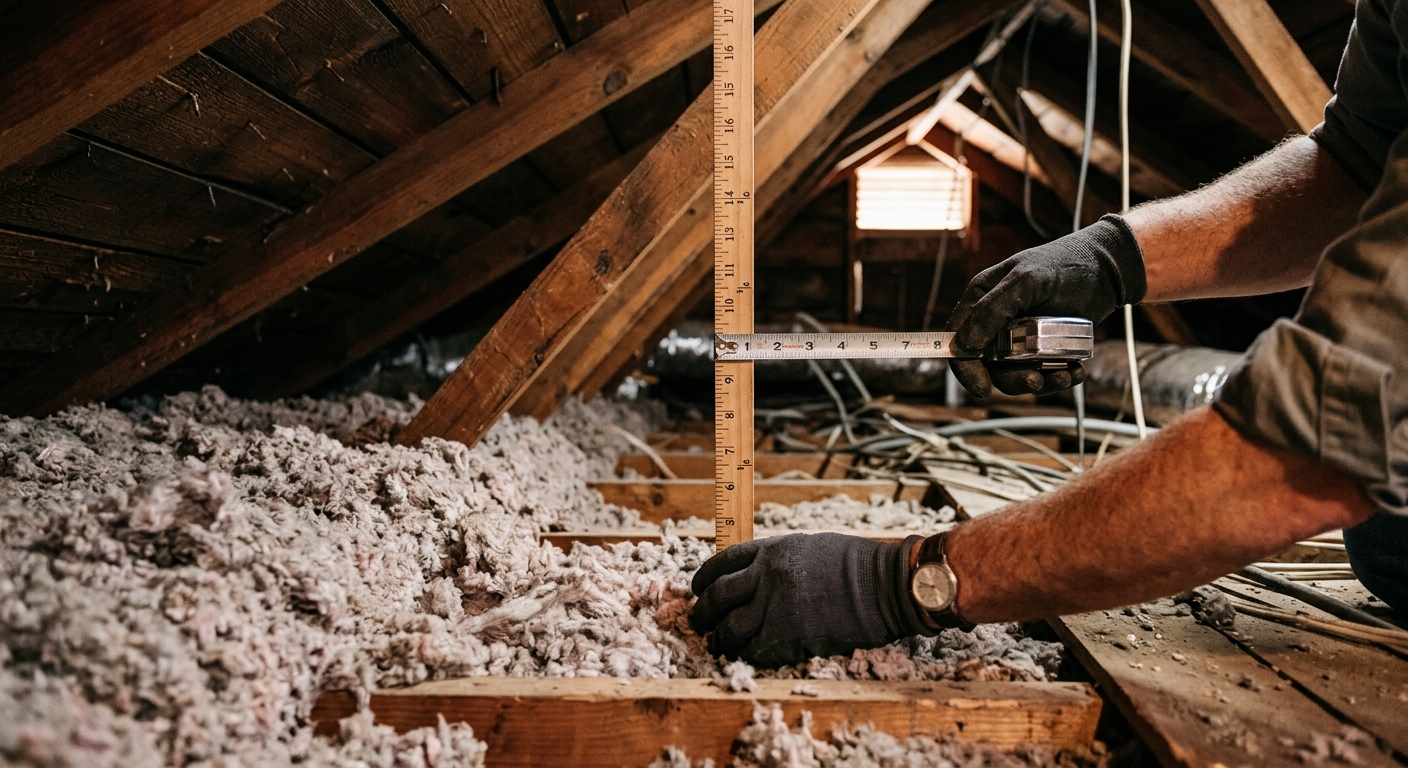
Most homeowners assume their attic insulation is fine until they see a sky-high energy bill or feel uncomfortable rooms. Here is how to test it yourself in under an hour and know exactly what action to take next.
Read More →
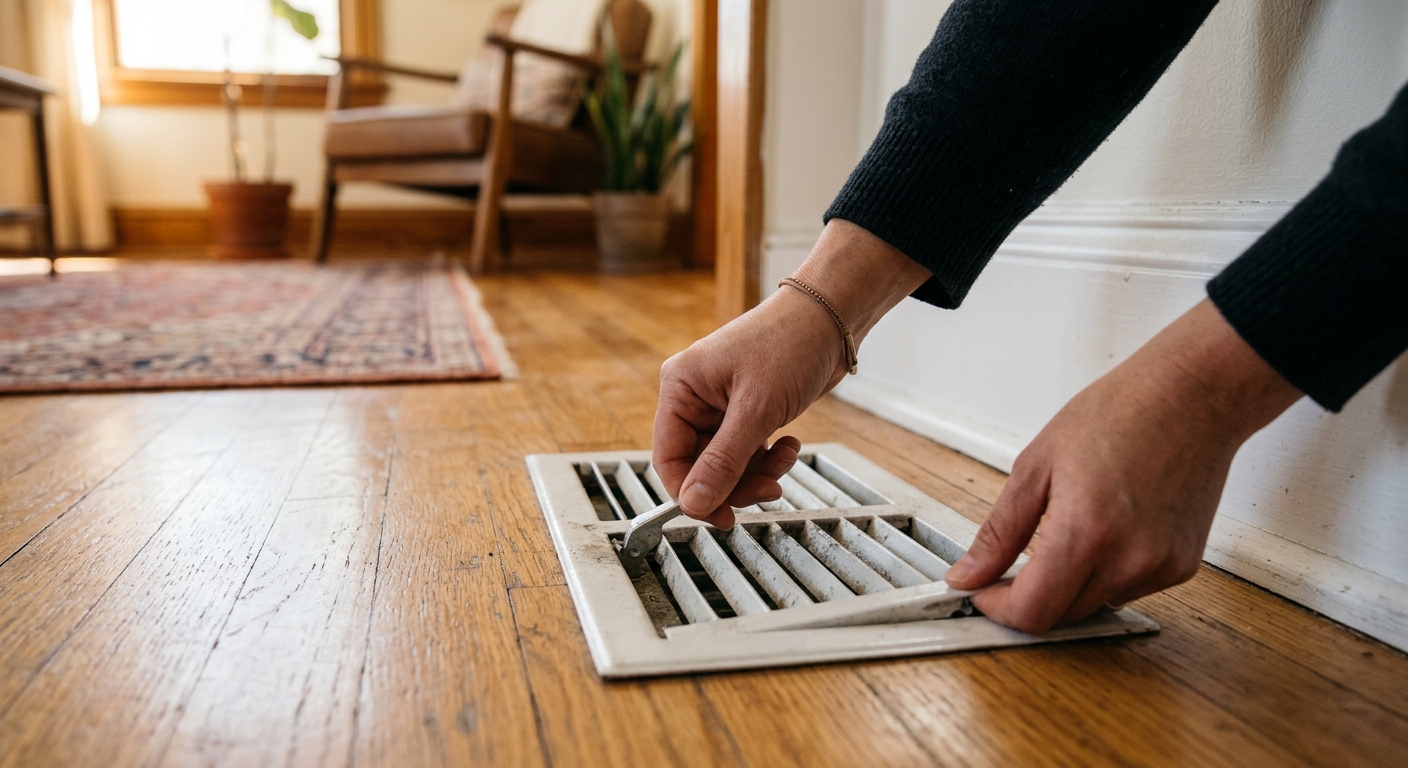
Closing vents in unused rooms seems like a smart way to save energy, but it actually increases pressure in your duct system and forces your HVAC to work harder. Here is what to do instead to actually lower your bills.
Read More →
Tools We Recommend
As an Amazon Associate, we earn from qualifying purchases.