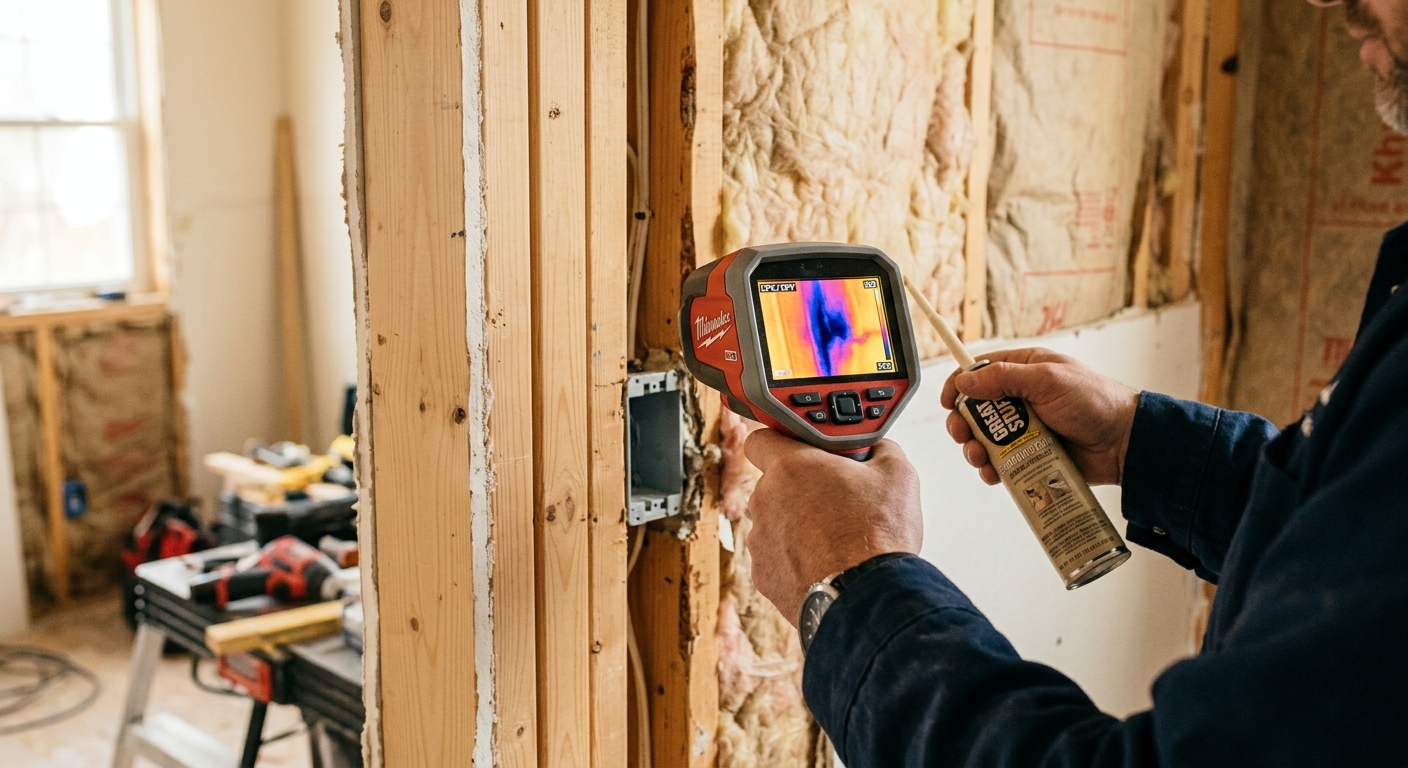
Air leaks are responsible for 25 to 40% of heating and cooling losses in a typical home, yet most homeowners never find them before winter strikes. This guide walks you through a proven process for locating every major leak, from obvious gaps to sneaky hidden ones, so you can seal them before the cold arrives.
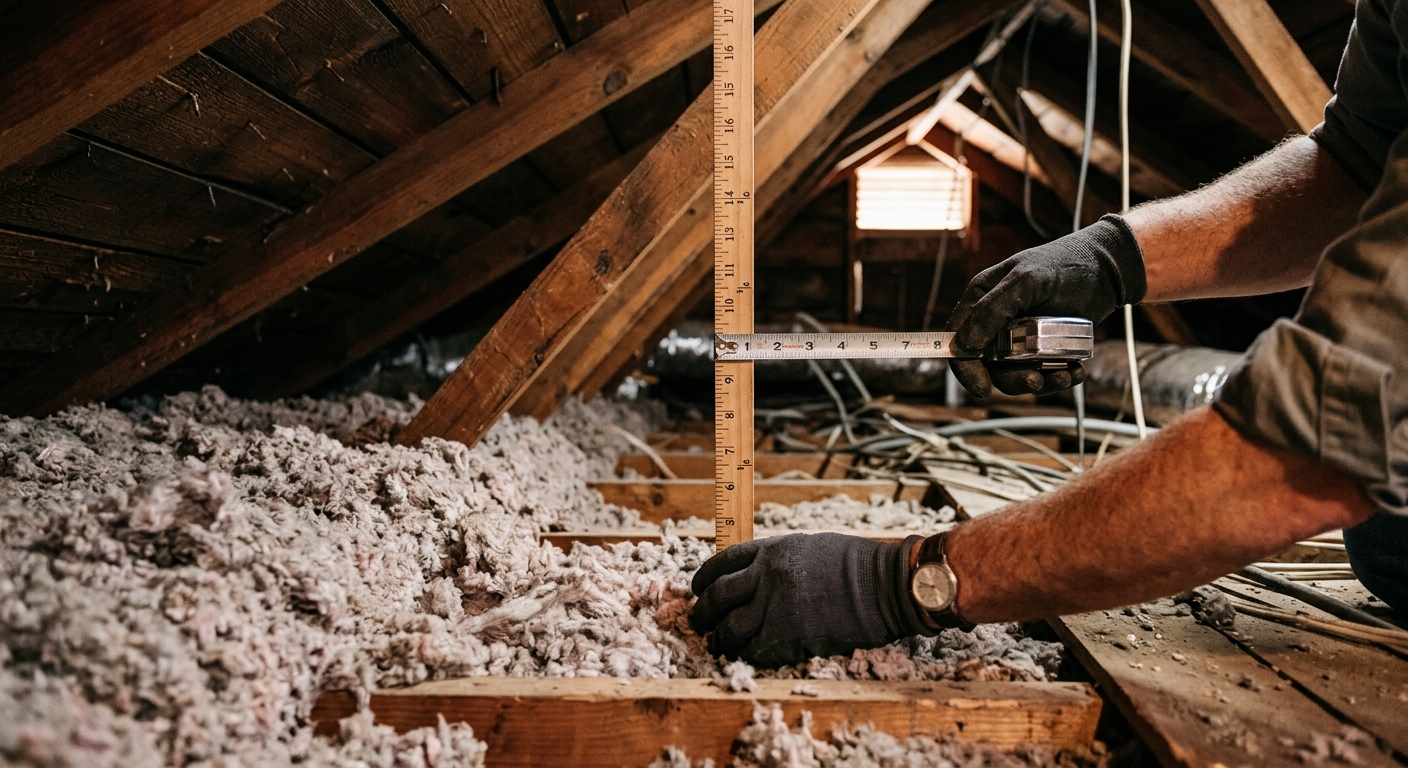
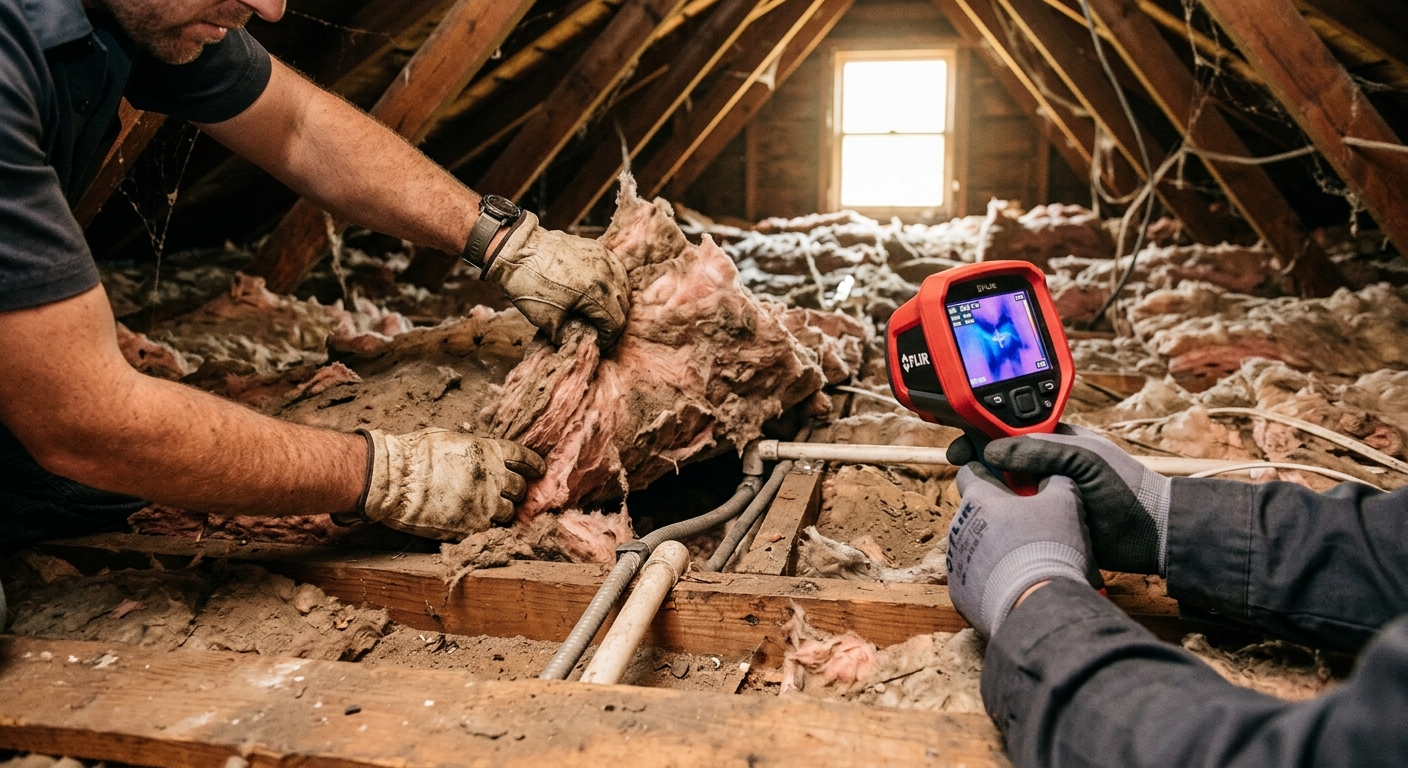
Most homeowners assume their attic insulation is fine until they see a sky-high energy bill or feel uncomfortable rooms. Here is how to test it yourself in under an hour and know exactly what action to take next.
Cold spots in your home are not just uncomfortable, they are a sign that heat is escaping or being blocked before it reaches you. This room-by-room guide shows you exactly where to look, what is causing the problem, and how to fix it for good.
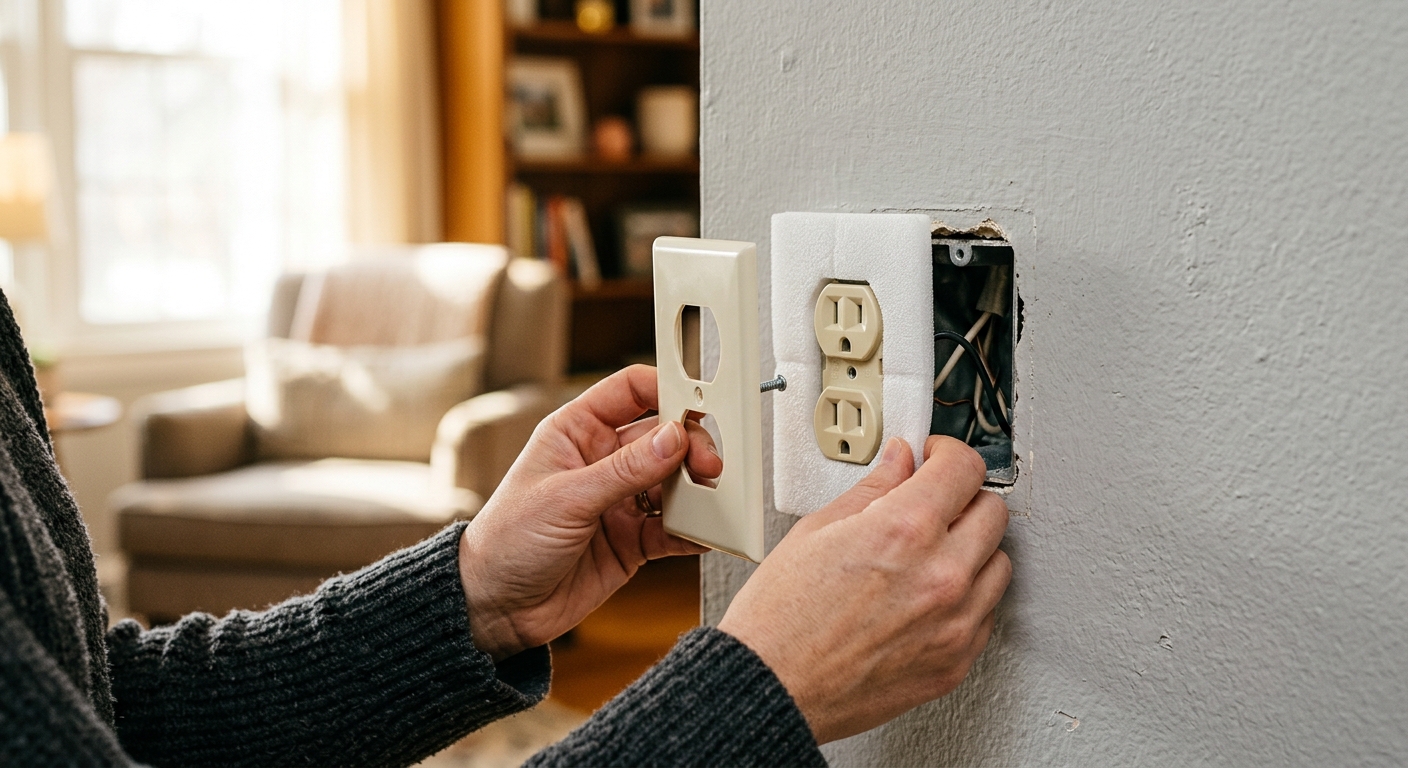
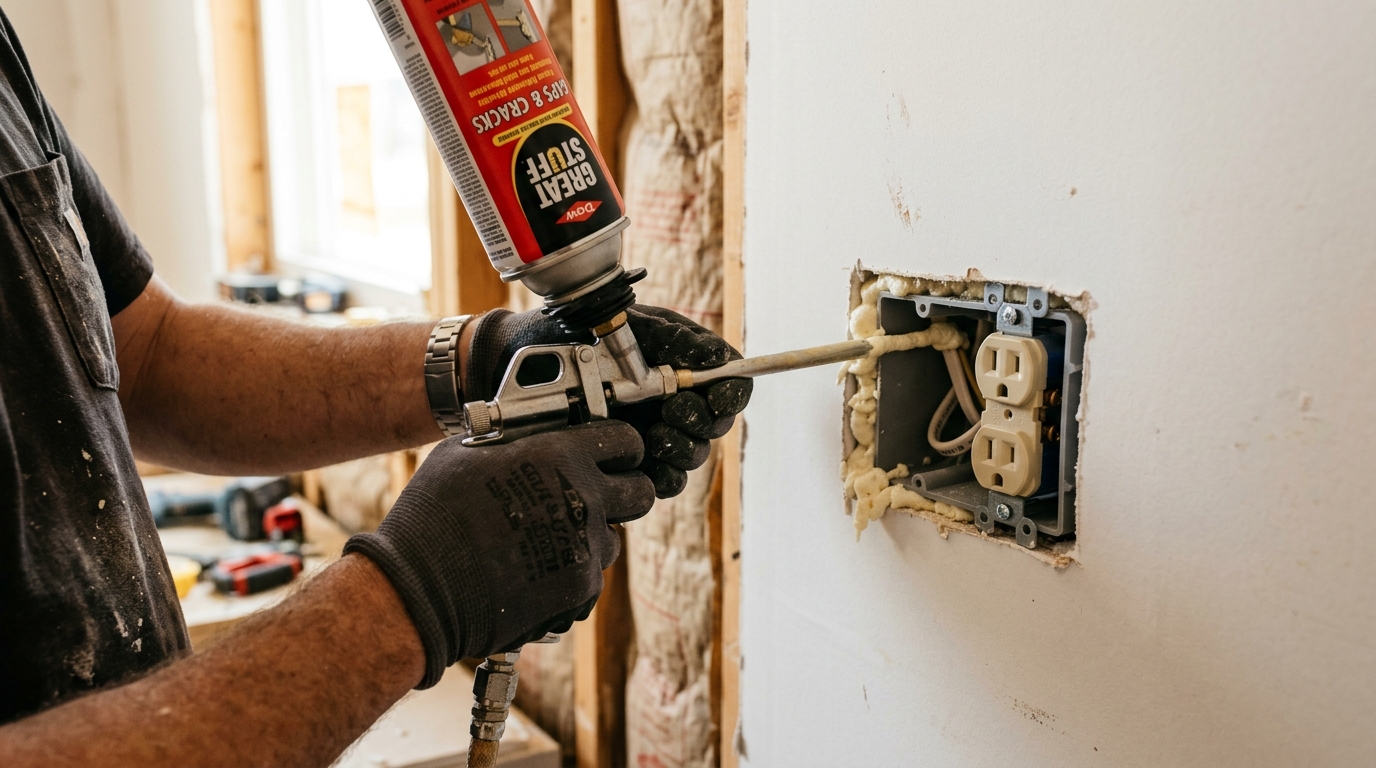
Electrical outlets and switch plates on exterior walls are surprisingly common sources of cold air infiltration, quietly driving up your heating bill all winter. Foam gaskets and a few minutes of work can seal these gaps and noticeably reduce drafts for almost no cost.
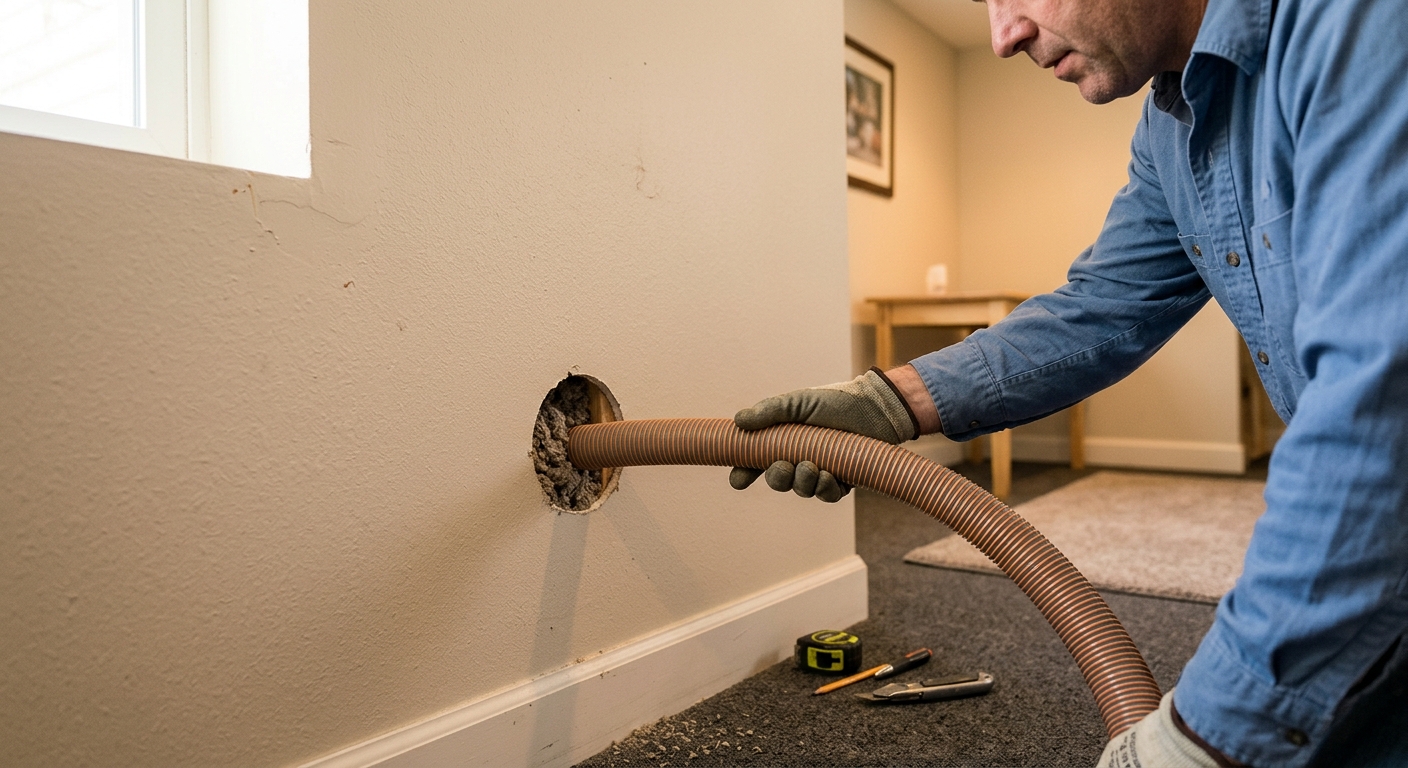
A finished basement can quietly drain your heating and cooling budget if the walls and rim joists are poorly insulated, but ripping out drywall is not the only solution. This guide walks you through practical, minimally invasive approaches that add meaningful insulation without a full demolition.
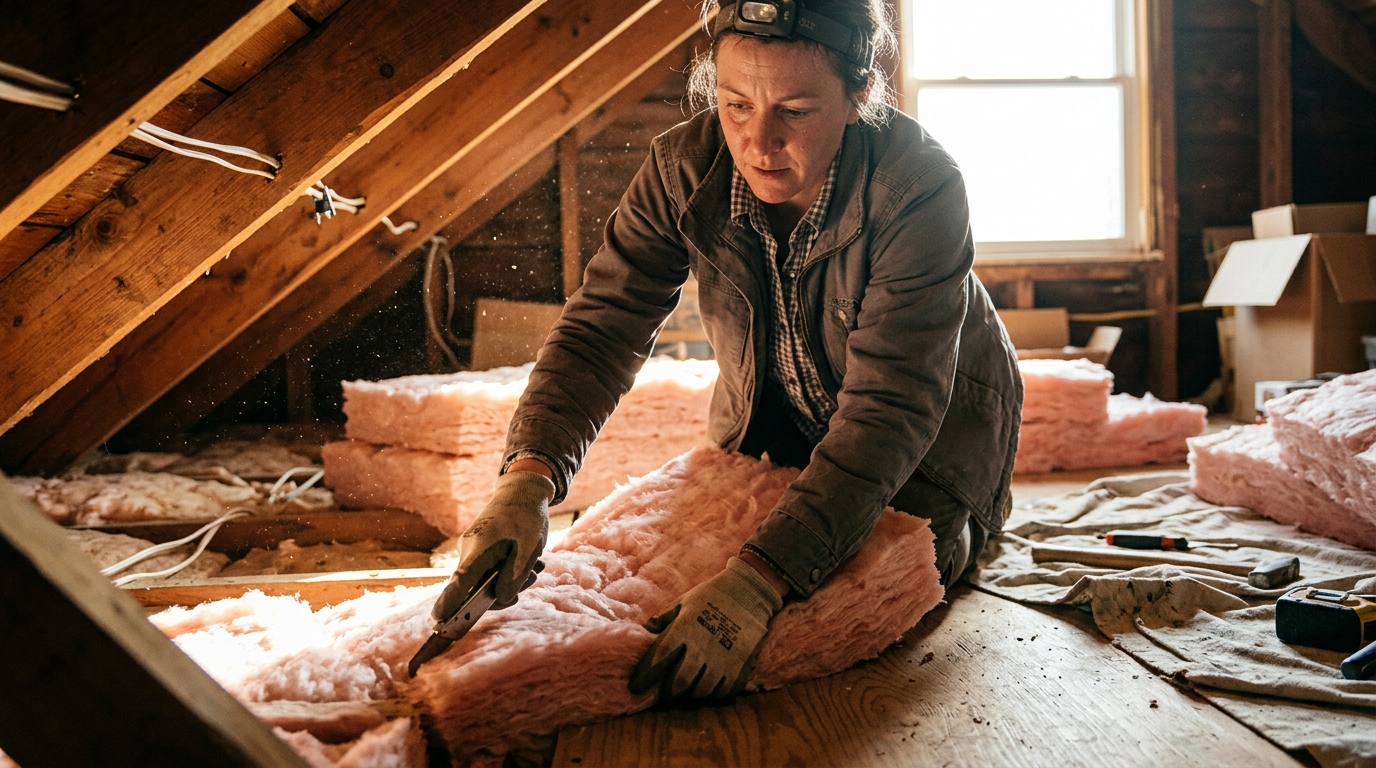
If your upstairs is always too hot in summer and too cold in winter, your attic is almost certainly the culprit. Poor attic insulation and ventilation create a thermal battery effect that overwhelms your HVAC system and drives up energy bills every single month.
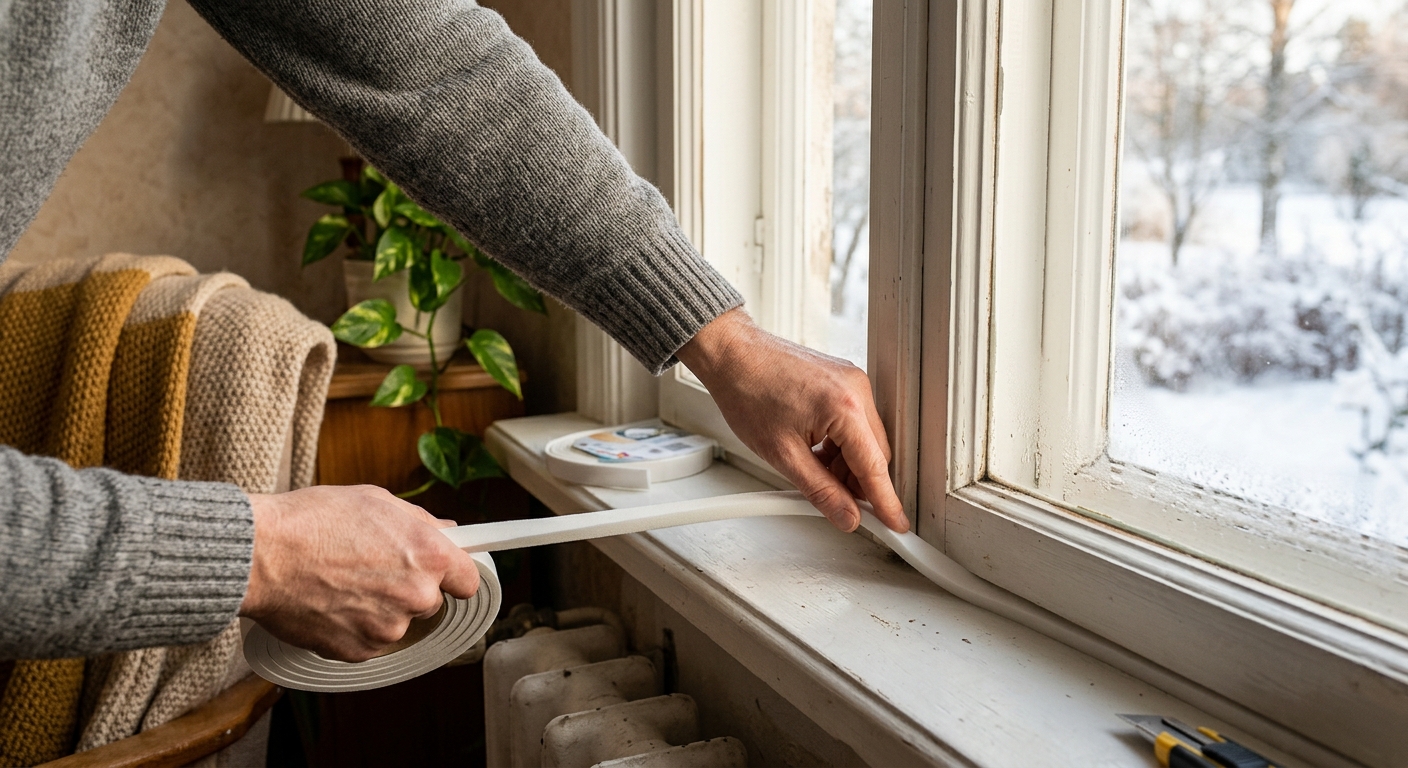
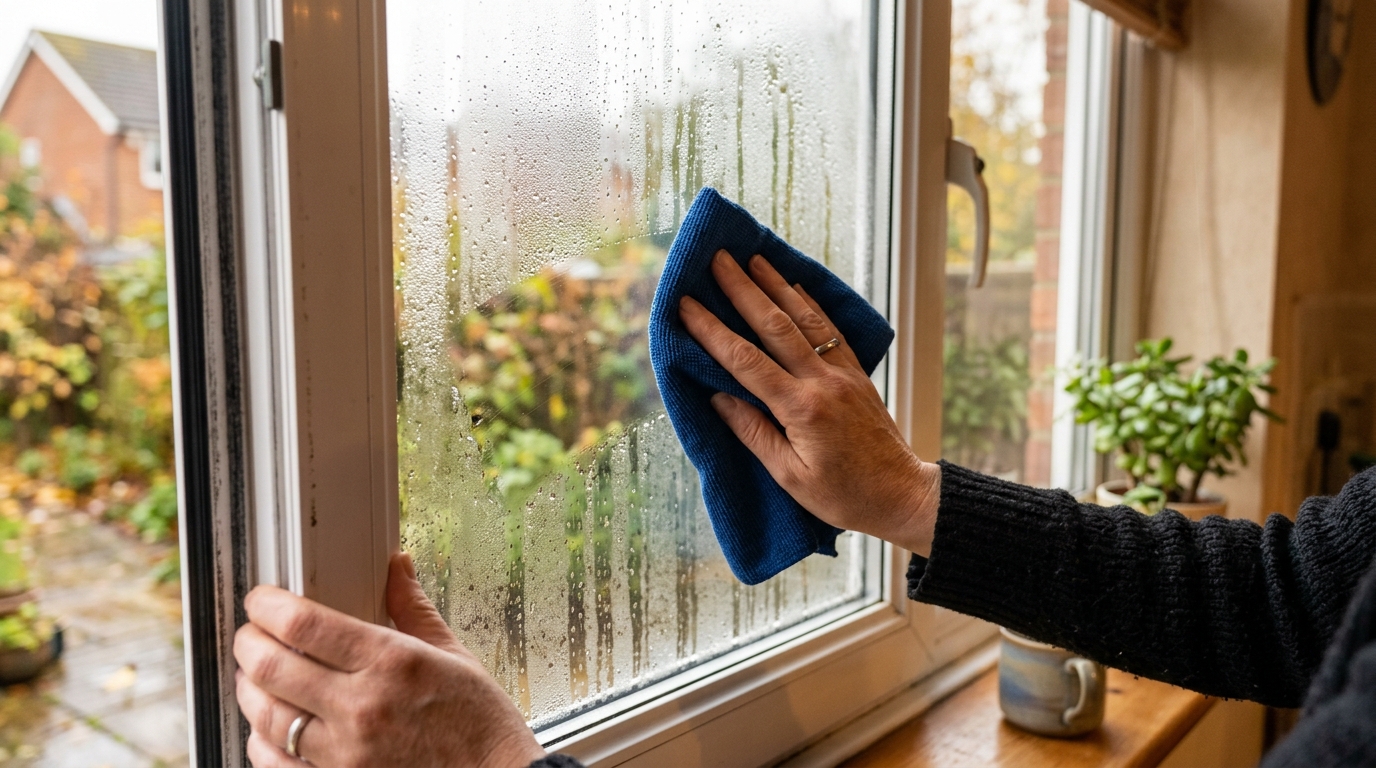
Window condensation seems like a minor annoyance, but it signals excess moisture that can rot frames, grow mold, and quietly drive up heating bills. The good news is that most cases can be fixed in a weekend with the right approach.
Most homeowners have no idea how long it actually takes for energy upgrades to pay for themselves, so they either overspend on low-ROI projects or skip high-value ones entirely. This guide breaks down the honest payback periods, annual savings, and priority order for every major home energy upgrade so you can invest smarter.
Electrical outlets on exterior walls are among the most overlooked air leaks in a home, quietly draining your heating and cooling budget year-round. A few dollars of foam and gaskets can seal these gaps and cut your energy bills by up to 20% with no tools required.
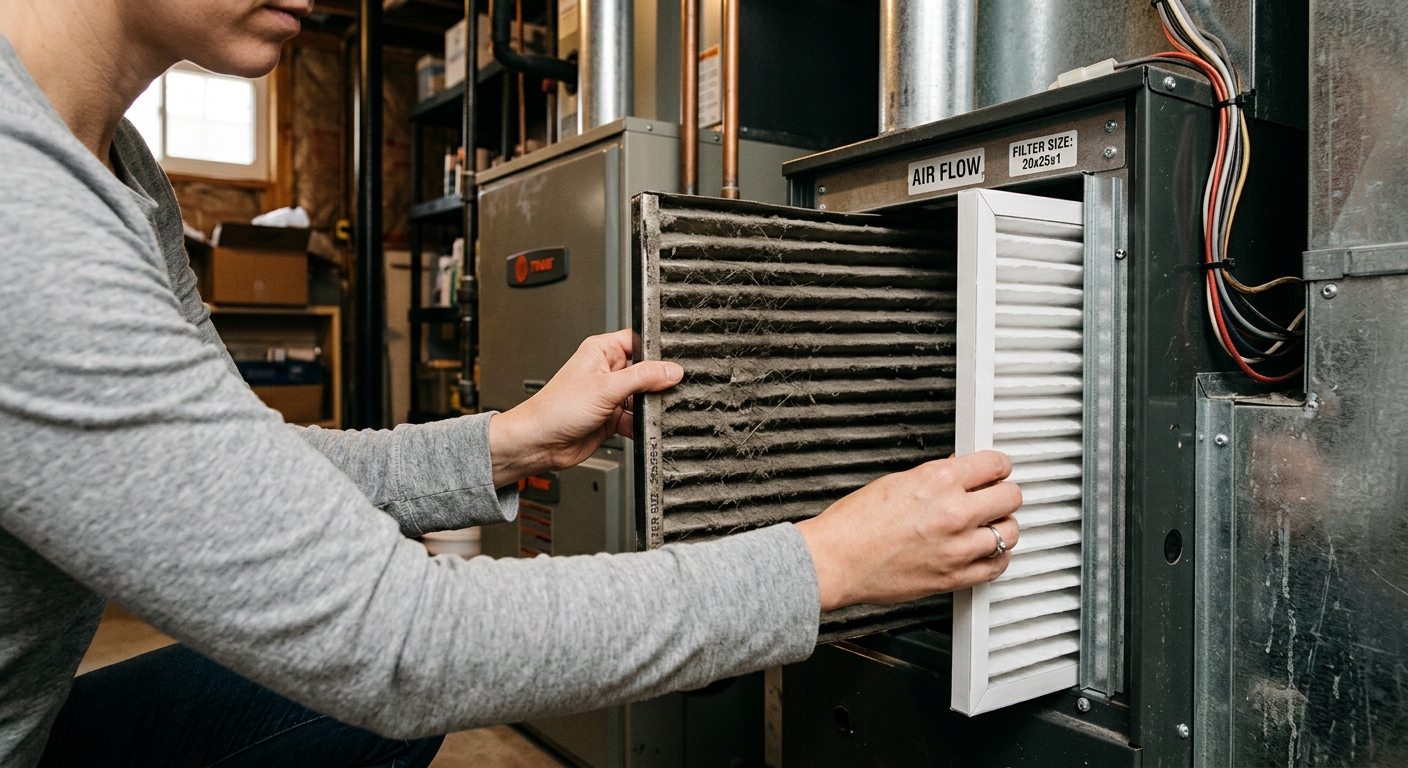
If your AC never shuts off but your house still feels muggy and warm, the problem usually isn’t your equipment. Unsealed ducts, missing insulation, and unchecked air leaks are silently defeating your cooling system before the cold air ever reaches you.